
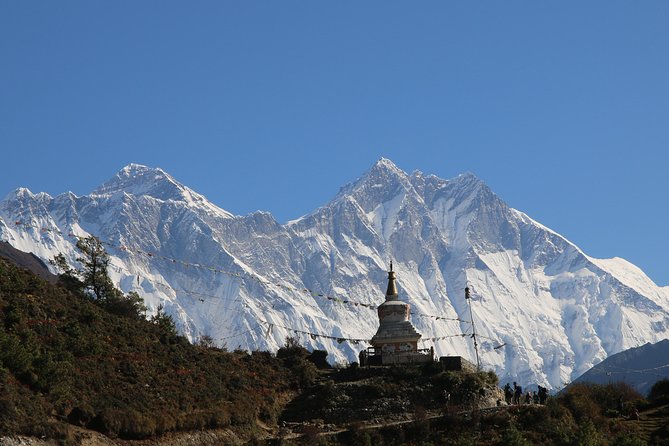
REVIEW · KATHMANDU
Everest Base Camp Budget Trekking
The world’s highest mountain rewards slow footsteps. This 14-day trek from Kathmandu combines the classic Lukla route with two acclimatization days, a professional English-speaking guide, porters, permits, domestic flights, and a private group setup. I like the well-paced itinerary, especially the rest days in Namche and Dingboche, and I like that the price includes major costs such as Lukla flights, staff, national park fees, sleeping bags, and airport transfers. The main catch is that food on the trek is not included, and bad-weather flight delays, travel insurance, and emergency rescue can add substantial expense.
You should also know that this is not a gentle mountain walk. The route reaches Everest Base Camp at 5,160 meters and Kala Patthar at 5,545 meters. The schedule is practical, but altitude remains the serious issue. You need moderate fitness, patience, and a willingness to walk several hours a day on steep Himalayan trails.
Key points before you book
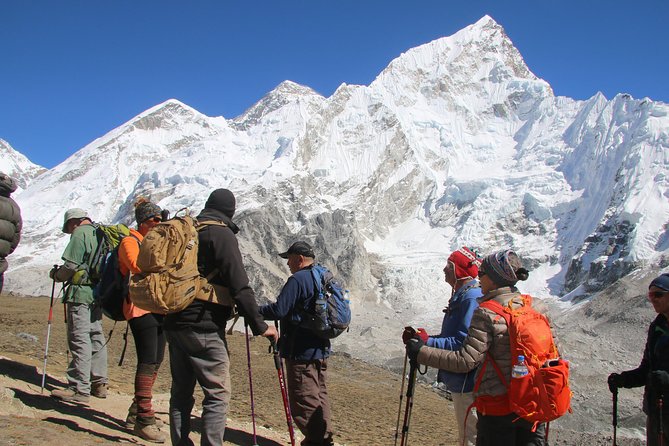
- The route reaches 5,545 meters at Kala Patthar, the highest point of the trip and one of the main viewpoints on the itinerary.
- Two acclimatization days are built in, one in Namche Bazaar and another in Dingboche.
- Kathmandu to Lukla flights are included, with a 15-kilogram luggage limit per person.
- The $900 price covers major trek operations, including guide, porters, permits, staff costs, sleeping baggage, and airport transport.
- Meals, drinks, hot showers, insurance, and rescue are extra, so your real budget needs to be higher.
- This is a private trip, meaning only your group takes part rather than joining a large shared departure.
What the $900 price really covers
At $900 per person, this is a budget-oriented Everest Base Camp package, but the headline price does not cover everything you will spend. The included services take care of several expensive and complicated parts of the trip: airport transfers, the Kathmandu to Lukla and Lukla to Kathmandu flights, an English-speaking guide, porters, permits, staff transport, staff insurance, staff equipment, staff medicine, and the Everest National Park and community fees.
A sleeping bag is supplied during the trek, with a refundable arrangement after you finish. That is useful because buying or renting suitable cold-weather gear can add to the preparation bill. A first aid kit is also included.
The missing costs matter. You pay for all food during the trek, drinks, alcoholic beverages, mineral water, boiled water, and hot showers. Lunch and dinner in Kathmandu are also excluded. International airfare, Nepal entry visa fees, travel insurance, emergency rescue, and any helicopter charter caused by flight disruption are outside the package.
I would treat $900 as the starting price, not the full price. Bring enough money for mountain meals and drinks, gear you still need, insurance with high-altitude trekking coverage, and a reserve for flight trouble. The package offers good value if you want the big logistical pieces handled, but it is not an all-inclusive holiday.
More Everest Base Camp Treks in Kathmandu:
- Everest Base Camp Trek – 14 Days
★ 5.0 · 1,499 reviews - Everest Base Camp Trek
★ 5.0 · 842 reviews - Everest Base Camp Trekking
★ 5.0 · 485 reviews
Day 1: A simple arrival in Kathmandu
Your first day begins with an international airport pickup and transfer to your hotel in Kathmandu. That is a useful service after a long international flight, particularly if you are arriving late or have never visited Nepal.
The schedule does not list sightseeing in Kathmandu, so you should view this as an arrival and preparation day. You will want to check your luggage, organize your trekking clothes, and confirm the next morning’s flight arrangements. Since the Lukla flight allows only 15 kilograms of luggage per person, pack carefully.
Day 2: Lukla to Phakding at 2,652 meters
The mountain section starts with a flight from Kathmandu to Lukla, followed by a three to four hour walk to Phakding. The flight is included for you, your guide, and the return journey.
Phakding sits at 2,652 meters, so this first walking day is relatively short compared with the harder stages ahead. That is a sensible introduction to the route. You begin adjusting to the altitude without immediately pushing toward the highest villages.
The important practical concern is weather. Flights to Lukla can be delayed, postponed, or canceled, and this package does not include helicopter charter fees in that situation. If your international flight schedule is tight, allow room for disruption rather than planning an immediate onward flight after returning to Kathmandu.
Day 3: The long climb to Namche Bazaar
The walk to Namche Bazaar takes about five to six hours and reaches 3,440 meters. This is one of the first demanding days, with a significant gain in height.
Namche is the commercial center of the Khumbu area and an important point on the route. Its value here is not just practical. You get a proper stop before the trail climbs higher, and the following day is reserved for acclimatization.
You may find this day tiring even if you exercise regularly at home. Walking uphill at altitude feels different from walking on a flat path, so keep your pace steady. The private format is helpful here because the itinerary can be handled at the pace of your own group rather than that of a large mixed party.
A few more treks around Kathmandu worth a look
- Annapurna Circuit Trek with Tilicho Lake
★ 5.0 · 368 reviews - Everest Base Camp Trekking – 13 Day
★ 5.0 · 365 reviews - Everest Base Camp Trek
★ 5.0 · 350 reviews - Everest Base Camp Trek -14 Days
★ 5.0 · 321 reviews
Day 4: Acclimatization in Namche
The rest day in Namche is one of the best features of the schedule. It gives your body time to adjust before the route rises toward Tengboche and Dingboche.
Do not treat a rest day as a wasted day. It is part of the safety plan. The supplied information specifically warns that acute mountain sickness is a serious risk in this region and recommends ascending slowly and taking the planned rest days.
The itinerary does not specify a particular activity for Namche, so you should expect time to rest and adjust rather than a fixed sightseeing program. Pay attention to how you feel, drink sensibly, and tell your guide about any symptoms.
Day 5: Forest trails and Tengboche at 3,860 meters
The five to six hour walk to Tengboche takes you to 3,860 meters. This is a notable step upward after your Namche rest day.
Tengboche is one of the best-known stops in the Khumbu area, and its mountain setting gives the route a strong sense of place. The trail begins to feel more remote and more demanding as the villages become higher and the air thinner.
You should not expect a short afternoon once you arrive. Five to six hours of walking can take most of the day, especially when the trail rises and falls. Keep your day bag light and make sure the items you need during the walk are easy to reach.
Day 6: Dingboche and the high valley
The walk to Dingboche takes another five to six hours and reaches 4,410 meters. At this point, altitude is no longer a minor concern. You are sleeping well above 4,000 meters, and the schedule wisely places another rest day next.
Dingboche is an important staging point before the trail heads toward Lobuche and Everest Base Camp. You should expect the walking to feel slower here. A moderate level of fitness is required, but fitness alone does not remove the risk of altitude sickness.
The trip information says previous adventure experience is not required. That is encouraging for first-time high-altitude trekkers, but it should not be read as a promise that the trek is easy. You need to prepare with walking, running, or swimming before arrival, and you should seek medical advice if you have a pre-existing medical condition.
Day 7: The second acclimatization day
The second acclimatization day in Dingboche is essential. It gives you another pause before the route passes 4,900 meters and heads toward Base Camp.
This is where the itinerary earns its value. A cheaper-looking schedule might cut rest days, but that can leave you moving too quickly. The supplied route also refers to trails from lower starting points such as Shivalaya near Jiri or Tumlingtar as a way to help the body handle altitude, though this particular program uses the faster Lukla approach. That makes the two planned rest days especially important.
Day 8: Lobuche at 4,910 meters
The five to six hour walk to Lobuche brings you close to the highest part of the route. At 4,910 meters, you should expect a colder, thinner environment and a slower pace.
Lobuche is not simply another overnight stop. It is the point from which the next day’s long outing to Everest Base Camp begins. Rest well, keep your expectations realistic, and remember that altitude can affect you even if earlier days felt fine.
The package provides accommodation, but the details of individual lodges are not specified. You should be prepared for basic mountain lodging rather than city-hotel comfort. Hot showers are not included, and drinks and water also cost extra.
Day 9: Everest Base Camp at 5,160 meters
The walk from Lobuche to Everest Base Camp and back to Gorakshep takes about five to six hours. Reaching Base Camp is the emotional center of the trip, but the day is still a demanding out-and-back walk at very high altitude.
You will not simply arrive and finish for the day. You return to Gorakshep, so energy management matters. Eat enough, carry water, and follow your guide’s advice about pace and rest.
Everest Base Camp gives you the satisfaction of reaching the famous destination, but the next morning may offer the wider mountain view you came for. That is why the Kala Patthar climb is included rather than ending the trek at Base Camp.
Day 10: Kala Patthar at 5,545 meters, then Pheriche
The early climb to Kala Patthar is the high point of the itinerary, both physically and visually. At 5,545 meters, this is higher than Everest Base Camp, and the six to seven hour day continues down to Pheriche at 4,210 meters.
The name Kala Patthar is closely associated with views toward Mount Everest, but the supplied details do not promise a particular weather condition or exact panorama. Mountain visibility can change quickly. Still, this is the planned viewpoint day and the best chance to appreciate the scale of the Khumbu peaks from a high trail.
After the climb, descending to Pheriche is welcome relief, but it is still a long day. You should not schedule extra activities for the evening.
Days 11 and 12: Returning to Namche and Lukla
Day 11 takes six to seven hours to reach Namche. Day 12 continues for another six to seven hours to Lukla.
The return walk is not automatically easy. Your legs may be tired, and long downhill sections can be hard on knees and feet. The upside is that you are losing altitude, so breathing may feel easier than it did near Lobuche and Gorakshep.
Returning to Lukla also puts you back within reach of the flight to Kathmandu, but the same weather risk remains. The package includes the return flight, not a guaranteed flight schedule in poor conditions.
Days 13 and 14: Kathmandu and departure
Day 13 is the flight from Lukla back to Kathmandu. Day 14 is your final departure to your onward destination.
A farewell Nepali cultural dinner is included on the last day of the trip. That gives the program a pleasant closing moment after the mountain section, though the itinerary does not give the restaurant or exact dinner format.
If you are connecting to an international flight on Day 14, confirm the timing carefully. The itinerary provides a return to Kathmandu on Day 13, which creates some useful separation from your departure, but flight delays can still affect plans.
Guides, porters, and the private format
The package provides one professional English-speaking trekking guide and the necessary porters. Staff costs, transport, insurance, equipment, medicine, and the guide’s Lukla flight are included.
The private arrangement is a strong point if you prefer to walk at your own pace. One account connected with this program described choosing a solo trek with one Sherpa after finding a group trip difficult to match physically. That is a useful lesson: private trekking can make it easier to stop, slow down, or rest without worrying about keeping up with a larger party.
Surya is associated with the company’s trip planning and customer responses, and Samsher also appears in the company communication. The information does not identify the guide assigned to this specific departure, so ask for the guide’s name and experience before you travel.
Fitness, altitude, and who should book
This trek suits you if you have moderate physical fitness and can walk for five to seven hours on consecutive days. The company says no previous adventure experience is required, but you should still prepare with regular walking, running, swimming, or similar exercise.
The key difficulty is altitude, not technical climbing. The route climbs to 5,545 meters, and acute mountain sickness is a serious risk. You need to ascend slowly, take both acclimatization days seriously, and seek medical advice before booking if you have a pre-existing medical problem.
I would recommend this trip to first-time Himalayan trekkers who want a private, organized route without arranging flights, permits, porters, and staff support themselves. It is less suitable for anyone seeking luxury, guaranteed flight schedules, included meals, or a relaxed holiday with short walks.
Final decision: is this Everest trek worth booking?
I would book this trek if I wanted the classic Everest Base Camp route at a controlled price and valued having the core logistics arranged. The inclusion of Lukla flights, guide and porters, permits, airport transfers, sleeping baggage, staff support, and two acclimatization days gives the $900 package real value.
Before paying, I would confirm the food arrangement, luggage limit, guide assignment, insurance requirements, and procedure for Lukla flight delays. I would also budget well above $900 for meals, drinks, personal equipment, insurance, and possible emergencies.
Book it if you are moderately fit, comfortable with basic mountain conditions, and ready to treat altitude seriously. Skip it if you want a fully inclusive package or cannot allow flexibility around weather-related flight changes.
FAQ
How long is the Everest Base Camp trek?
The planned duration is approximately 14 days, including arrival in Kathmandu, the trek, the return flight from Lukla, and final departure.
Where does the trip start?
The trip starts in Kathmandu, Nepal, with airport pickup and transfer to a hotel on the first day.
Is the Kathmandu to Lukla flight included?
Yes. The package includes the Kathmandu to Lukla and Lukla to Kathmandu flights for the trekker and the guide.
How much luggage can I take on the Lukla flight?
The stated allowance is 15 kilograms of luggage per person.
Are meals included during the trek?
No. Food during the trek is listed as an extra cost. Beverages, alcoholic drinks, mineral water, and boiled water are also excluded.
Are hotel transfers included?
Yes. Necessary domestic and international airport transport is included according to the itinerary.
Is a guide provided?
Yes. The package includes one professional English-speaking trekking guide and necessary porters.
Is this a private trek?
Yes. Only your group participates in this private tour or activity.
Do I need previous trekking experience?
No previous adventure experience is required, but you should have moderate physical fitness and prepare with activities such as walking, running, or swimming.
What happens if I cancel?
You can receive a full refund if you cancel at least 24 hours before the experience start time. Cancellations or changes made less than 24 hours before the start time are not accepted for a refund.
Recently added around Kathmandu
- Ghorepani Poon Hill Trek★ 5.0 · 16 reviews
- Private Manaslu Circuit Trek at Himalayas★ 5.0 · 3 reviews
- Amazing 1 Day Trekking Experience in Kathmandu Nepal★ 5.0 · 24 reviews
- Ghorepani Poonhill Trek★ 5.0 · 5 reviews
- Upper Mustang Trekking★ 5.0 · 2 reviews
- Upper Mustang Trekking★ 3.0 · 2 reviews
- Upper Mustang Trekking★ 5.0 · 4 reviews
- Upper Mustang Trek★ 5.0 · 5 reviews
Everest Base Camp Treks, compared.




Browse the lists this tour appears in