
REVIEW · NEPAL
Everest Base Camp Trekking 12 Days
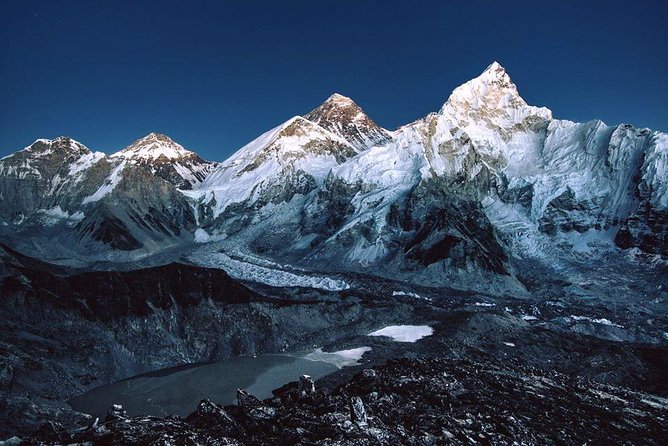
Everest begins with a mountain flight. This 12-day Everest Base Camp trek links Lukla, Namche Bazaar, Tengboche, Dingboche, Lobuche, Kala Patthar, and Base Camp in one demanding Himalayan journey. I like the careful acclimatization days and the chance to see daily Sherpa life, not just distant snowy peaks. I also like that flights, meals, lodging, permits, gear, and a guide are included. The main caution is altitude: the route reaches 5,554 meters, so this is a serious trek, not a long scenic walk.
The trip costs $1,254 per person, which is a fair package price given the Lukla flights, 12 days of food and lodging, guide support, permits, and loaned equipment. Still, you need to budget for Kathmandu hotels, insurance, visa costs, hot showers, laundry, drinks, and possible emergency transport. The two recorded ratings are excellent, and guides Dilli and Pasang received special praise for pacing, luggage care, meals, and encouragement.
Key points before you book
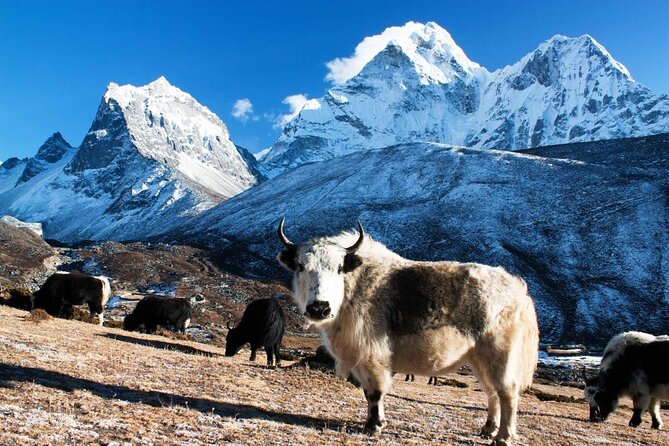
- Kala Patthar reaches 5,554 meters: This is the high point of the route and the place for the broadest views of Everest and the surrounding peaks.
- Two acclimatization stops matter: Time in Namche Bazaar and Dingboche gives your body a chance to adjust before the hardest walking.
- Tengboche brings culture into the trek: You visit the region’s biggest and oldest monastery, a welcome change from hours on the trail.
- Lukla flights are included: The package covers transportation between Kathmandu and Lukla, along with airport transfers in the company vehicle.
- The package supplies useful gear: You can borrow a down jacket, all-season sleeping bag, duffel bag, and trekking map, then return them after the trek.
- Guide care is a major strength: Dilli and Pasang were praised for acclimatization help, pacing, meals, mountain knowledge, and making sure bags arrived safely.
Why this Everest trek feels like a real expedition
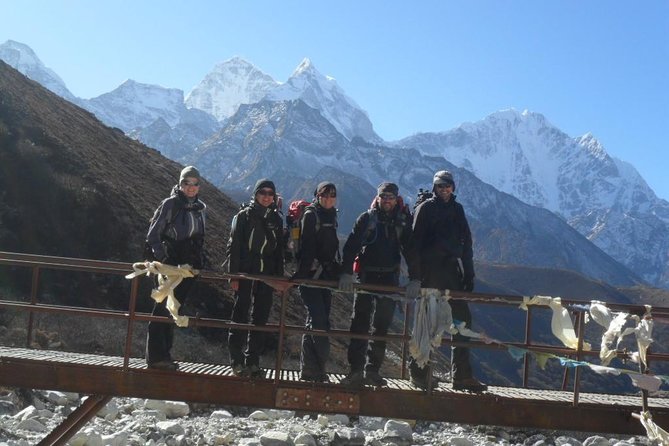
The Everest Base Camp route is famous for good reason. You walk beneath some of the world’s highest peaks, pass through Sherpa settlements, cross a region shaped by mountaineering, and gradually leave the lower forests behind for high, stark mountain country.
The route covers about 130 kilometers and reaches a maximum height of 5,554 meters. That number matters. At this altitude, the cold, thin air, long walking days, and basic mountain lodging can test you more than the distance alone.
I like that this plan does not rush straight to Base Camp. Namche Bazaar gets an extra day, and Dingboche gets another rest and sightseeing period. Those pauses are practical, not wasted time. They allow you to adjust before walking higher.
The experience also has a strong human side. Namche, Khumjung, Khunde, and Dingboche are working Sherpa communities, not stage sets built for tourists. You will see homes, lodges, mountain guides, and local religious sites sharing the same narrow valleys.
More Everest Base Camp Treks in Nepal:
- Everest Base Camp Trek – 14 Days
★ 5.0 · 1,499 reviews - Everest Base Camp Trek
★ 5.0 · 842 reviews - Everest Base Camp Trekking
★ 5.0 · 485 reviews
Day 2: Flying from Kathmandu to Lukla
The adventure begins with pickup in Kathmandu, with Thamel listed as one pickup point. From there, you fly to Lukla, the small mountain gateway for the trek. The flight itself is part of the experience, with aerial views and mountain scenery on the way.
The schedule allows time for lunch, dinner, a walk, and views around Lukla. You may also catch sunrise depending on the timing of the day.
Lukla is more than a place to land and hurry through. It is your first adjustment to the pace of the Khumbu region. The walking begins here, and the flight gives you an early look at the terrain you will soon cross on foot.
The practical point is simple: flights are included, but mountain air travel can affect the rhythm of a trip. You should keep your plans flexible around the start and finish of the trek, especially if you have onward arrangements from Kathmandu.
Days 3 and 4: Namche Bazaar and the first altitude test
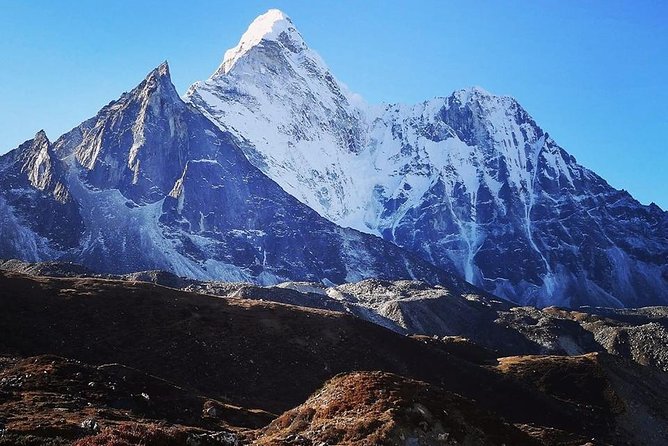
The route continues to Namche Bazaar with a walking day of about six hours. You get breakfast, lunch, dinner, overnight lodging, and mountain views along the way.
Namche is one of the best places on the route to pause. It is a major Sherpa trading center and a natural meeting point for people heading toward Everest, Khumjung, Khunde, and other villages. The extra day here includes a guided walk and hiking, with about five hours of activity.
I like this part of the plan because the second Namche day is not treated as dead time. You have a guided visit, views, and a chance to walk without carrying yourself immediately into a higher camp. Your guide can also help you judge how your body is reacting before the route becomes more demanding.
The drawback is that Namche arrives early in the trip, when you may still feel eager to push onward. Do not confuse enthusiasm with readiness. The extra day is one of the most valuable features of the schedule.
Day 5: Tengboche and its celebrated monastery
The walk to Tengboche takes about six hours. You receive all three meals, spend the night, and visit the monastery with a guide.
Tengboche is an important cultural stop because it is home to the biggest and oldest monastery in the region. After several days focused on walking, food, sleep, and altitude, the monastery gives the trek a wider meaning. The Khumbu is not only a route to a mountain. It is also home to Sherpa communities whose Buddhist traditions shape daily life.
The schedule includes sunrise, which suits Tengboche well. Early light can give the surrounding peaks a different character, though the exact views depend on weather.
You should expect the trail to remain physically demanding. A monastery visit does not turn this into a gentle sightseeing tour. You still walk for about six hours and sleep at altitude.
A few more treks around Nepal worth a look
- Annapurna Circuit Trek with Tilicho Lake
★ 5.0 · 368 reviews - Everest Base Camp Trekking – 13 Day
★ 5.0 · 365 reviews - Everest Base Camp Trek
★ 5.0 · 350 reviews - Everest Base Camp Trek -14 Days
★ 5.0 · 321 reviews
Day 6: Dingboche, a higher Sherpa village
The next six-hour walking day brings you to Dingboche. The plan includes a visit, meals, hiking, and an overnight stay.
Dingboche feels important because it marks a clear shift into higher mountain country. The lower forests and village areas give way to a more open setting, and the mountains begin to dominate the view even more strongly.
This is also where the value of a good guide becomes clear. The package includes an English-speaking guide, with Chinese, Korean, or Hindi language support also listed, along with Nepali. The guide’s transport, food, lodging, and insurance are covered.
The recorded experience with Dilli gave particular attention to pacing and acclimatization. That is exactly the sort of support you want here. A guide who watches your condition and encourages a sensible speed can make the difference between enjoying the route and struggling through it.
Day 7: Dingboche rest and sightseeing
The second Dingboche day includes free time, sightseeing, a visit, and a shorter activity period of about four hours. Sunrise is also listed.
This is another smart pause. At high altitude, your body needs time to adjust, and an easy walking day is more useful than simply lying in a lodge all day. The exact sightseeing details are not specified, so you should ask the operator what the guided visit will include before departure.
I would use this day to stay active without trying to prove anything. Drink what your guide recommends, walk at an easy pace, and keep your energy for the higher stages. The schedule is designed to support you, but it cannot remove the risks of altitude.
Day 8: Lobuche and the approach to Base Camp
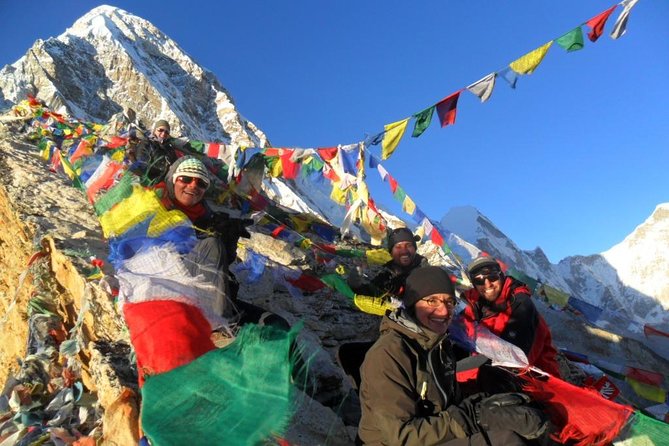
The trail continues to Lobuche on a six-hour walking day. Breakfast, lunch, dinner, lodging, and mountain scenery are included.
Lobuche is a key turning point. You are now close to the major goal, but the trail is not finished. The high elevation, cold, and accumulated fatigue can make this section feel much harder than the number of hours suggests.
This is the point where the trek becomes less about villages and more about the high mountain setting. Your guide’s role remains practical: maintaining a manageable pace, helping with food, checking that bags arrive, and keeping the group moving safely.
Pasang received particular praise for making sure bags reached each stop and for arranging meals. That kind of behind-the-scenes care matters. A trek feels far more manageable when you know your equipment will be waiting at the next lodge.
Day 9: Kala Patthar and the Everest Base Camp goal
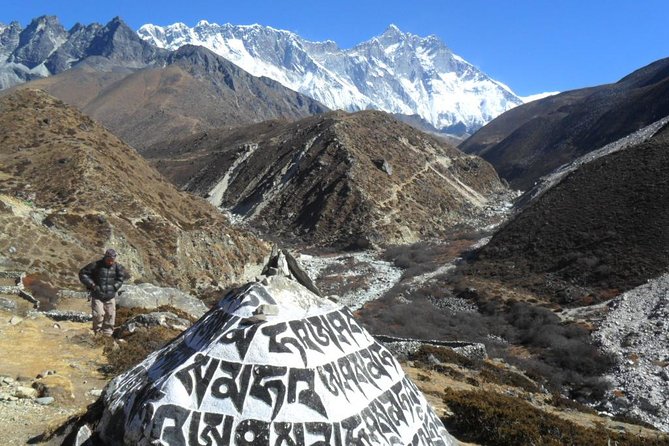
The plan places Kala Patthar and the Everest Base Camp area at the heart of the trek. This is another six-hour walking day, with breakfast, lunch, dinner, lodging, and regional food included.
Kala Patthar offers the celebrated high viewpoint. At 5,554 meters, it is the highest point listed for the route and the place to focus on if sweeping views are your priority. The walk is demanding, but the reward is a powerful view of Everest and the surrounding Himalayan peaks.
The route also reaches the world-famous Everest Base Camp. Base Camp itself is a mountaineering staging area, not a summit, and views can vary depending on the season and conditions. Still, arriving there carries real emotional weight. You have walked from Lukla through forests, villages, monasteries, and high valleys to reach the foot of the world’s highest mountain.
The two goals are not identical. Kala Patthar is the stronger viewpoint, while Base Camp is the symbolic destination. I like that this trek includes both rather than asking you to choose.
Day 10: Returning through Pheriche
The schedule then moves to Pheriche, with a longer eight-hour walking day. Meals, an overnight stay, and a visit are included.
Descending does not mean the work is over. Your legs may be tired, and the long day can be tough after the high point of the trip. The return route gives you a chance to notice details you may have missed on the way up, especially as the air grows thicker and the villages feel more familiar.
Pheriche is also a useful transition point between the high route and the lower valley. You should treat this day seriously, eat well, and avoid racing downhill simply because the altitude is decreasing.
Days 11 and 12: Back to Namche and Lukla
The walk back to Namche takes about seven hours and includes a visit, meals, and an overnight stay. This is a long day, but the return to a familiar village can feel encouraging.
The final trekking day returns you to Lukla in about six hours. You again have meals, a walk, a visit, and overnight lodging. The next stage is the flight back to Kathmandu, listed as about one hour, followed by drop-off in Kathmandu or Thamel.
The end of the trek can feel surprisingly mixed. You are tired, proud, and probably ready for a hot shower, which is not included in the package. At the same time, leaving the mountain villages can be harder than expected after nearly two weeks of walking and shared routines.
What the $1,254 price really covers
At $1,254 per person, the package offers solid value if you want a guided trek rather than arranging every part yourself. It includes:
- Airport pickup and drop-off in the company vehicle
- Flights between Kathmandu and Lukla
- Breakfast, lunch, dinner, and one tea or coffee during the trek
- Accommodation in family-run style hotels or lodges
- A licensed guide and the guide’s costs
- Required permits and paperwork
- A first-aid kit carried by the guide
- A down jacket, sleeping bag, duffel bag, and trekking map if needed
That is a substantial list. The included Lukla flights alone remove a major planning task, while the guide and permits make the high-altitude route easier to manage.
The price does not include international flights, Nepal visa charges, Kathmandu accommodation or meals, personal purchases, hot showers, phone use, laundry, drinks beyond the listed tea or coffee, insurance, or emergency costs such as a chartered flight or helicopter.
You should also confirm the exact accommodation standard before booking. The description promises family-environment hotels, but it does not name specific lodges or room arrangements.
Food, equipment, guides, and daily comfort
Food is included throughout the trek, with breakfast, lunch, dinner, and a cup of tea or coffee each day. Regional food is specifically noted during the Kala Patthar section. This makes budgeting easier, although personal snacks and extra drinks are your responsibility.
The loaned equipment is useful for anyone who does not want to buy bulky cold-weather gear. The down jacket, all-season sleeping bag, duffel bag, and map must be returned when the trek ends.
Guide quality appears to be the strongest practical feature of the experience. Shiva, the owner, is described as helpful with organization before departure. Dilli received praise for pacing, acclimatization help, encouragement, and stories about the region. Pasang was praised for mountain knowledge, meal arrangements, and getting bags safely to each stop.
The service is not presented as a luxury trek. You should expect basic mountain accommodation and personal expenses along the route. The value comes from support, logistics, food, permits, and a carefully paced route.
Who should book this trek
I would recommend this experience to a fit adult who wants a guided introduction to the Everest region and is comfortable with long walking days. It suits you if reaching Base Camp matters, but you also want Sherpa villages, Tengboche monastery, Namche Bazaar, and Kala Patthar included.
It is not suitable for wheelchair users, people with respiratory issues, people with altitude sickness, babies under one year, or people over 95 years. The operator also requires you to carry suitable travel and medical insurance, which is especially important because emergency flights and helicopters are not included.
You should also be honest about your pace and health before booking. The route reaches 5,554 meters, and no guide can guarantee that altitude sickness will not occur. The acclimatization days help, but they do not make high altitude harmless.
Cancellation is flexible, with a full refund available when you cancel at least 24 hours ahead. You can also reserve now and pay later, which helps if you are still arranging flights and leave from work.
FAQ
How long is the Everest Base Camp trek?
The experience is advertised as a 12-day trek. The route includes flights between Kathmandu and Lukla, trekking days through the Khumbu region, a return to Lukla, and a flight back to Kathmandu.
What is the highest point on the route?
The highest listed point is Kala Patthar at 5,554 meters.
Is transportation from Kathmandu to Lukla included?
Yes. The package includes flights between Kathmandu and Lukla, airport pickup and drop-off in the company vehicle, and the return flight to Kathmandu.
Are meals included during the trek?
Yes. Breakfast, lunch, dinner, and one cup of coffee or tea are included during the trip.
Is accommodation included?
Yes. Accommodation during the trek is included in hotels or lodges described as having a family environment. Kathmandu accommodation is not included.
What equipment can I borrow?
You can use a down jacket, all-season sleeping bag, duffel bag, and trekking map if you do not have your own. These items must be returned after the trek.
Is a guide included?
Yes. The package includes one licensed guide with English, Chinese, Korean, or Hindi language support listed, along with Nepali. Guide transportation, food, accommodation, and insurance are included.
Should you book the Everest Base Camp trek?
I would book this trek if you want a well-supported route with the major Everest highlights already arranged. The inclusion of Lukla flights, permits, meals, gear, and acclimatization days gives the $1,254 price real value, while the praised support from Shiva, Dilli, and Pasang adds confidence.
I would look elsewhere if you want luxury lodging, a private custom schedule, or a short and easy mountain holiday. This is a demanding high-altitude trek with basic comforts and extra costs beyond the headline price. For a prepared walker who wants Base Camp, Kala Patthar, Sherpa villages, and Tengboche in one serious journey, it is a strong choice.
Recently added around Nepal
- Ghorepani Poon Hill Trek★ 5.0 · 16 reviews
- Private Manaslu Circuit Trek at Himalayas★ 5.0 · 3 reviews
- Amazing 1 Day Trekking Experience in Kathmandu Nepal★ 5.0 · 24 reviews
- Ghorepani Poonhill Trek★ 5.0 · 5 reviews
- Upper Mustang Trekking★ 5.0 · 2 reviews
- Upper Mustang Trekking★ 3.0 · 2 reviews
- Upper Mustang Trekking★ 5.0 · 4 reviews
- Upper Mustang Trek★ 5.0 · 5 reviews
Everest Base Camp Treks, compared.




Browse the lists this tour appears in