
REVIEW · KATHMANDU
Kathmandu: 12-Day Full-Board Everest Base Camp Private Trek
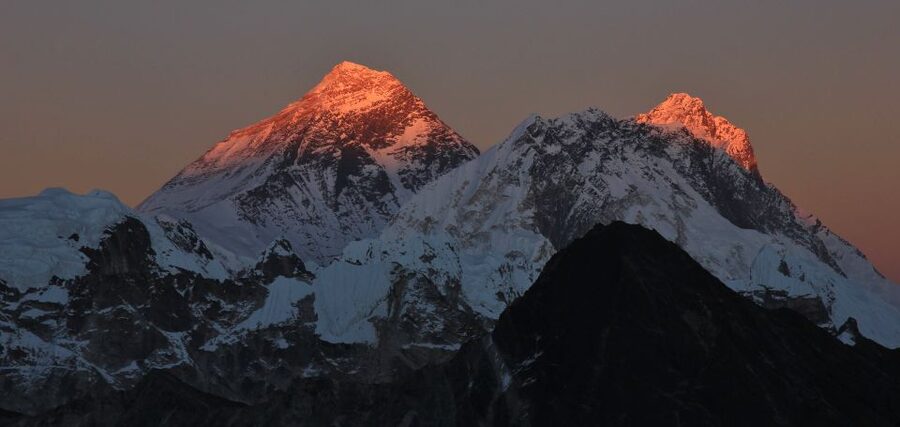
Everest rewards patience, not speed. This private trek gives you a well-planned route from Kathmandu through Lukla, Namche Bazaar, Tengboche, Dingboche, Gorak Shep, and Everest Base Camp, with Kala Patthar as the high point at 5,545 meters. I like the private group format, which should make the walking pace and daily support easier to manage, and I like that the $1,550 price includes meals, permits, flights, porters, and trekking gear.
I also like the two acclimatization days, one in Namche and one in Dingboche. Those rest stops are not filler. They give your body time to adjust before the trail climbs higher. The main drawback is the high-altitude workload: you walk about five to seven hours most days, and the long days near Base Camp and Kala Patthar are demanding. Nepal’s airport schedules can also be chaotic, so you should leave room in your wider travel plans.
Key things to know before booking
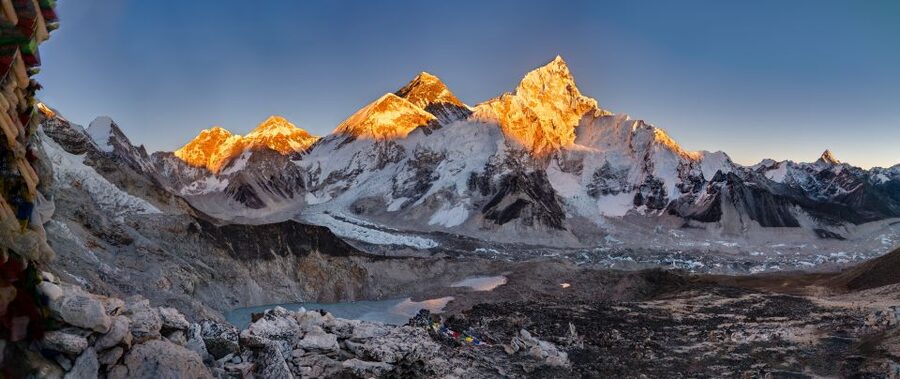
- Kala Patthar reaches 5,545 meters: This is the highest point of the trek and the main viewpoint for Everest and the surrounding Himalayan peaks.
- The trip takes 14 calendar days: The route includes arrival and departure days, with 11 nights in mountain guest houses.
- Two acclimatization days are built in: You pause in Namche Bazaar and Dingboche, with short hikes to help your body adjust.
- The price covers major costs: Flights between Kathmandu and Lukla, three meals a day, tea or coffee, permits, a guide, shared porter service, and basic trekking gear are included.
- The final approach is a long one: You walk from Dingboche to Lobuche, then to Everest Base Camp and Gorak Shep, followed by an early climb to Kala Patthar.
- Flight planning needs flexibility: During September to November and March to May, Lukla flights may operate from Ramechhap Manthali instead of Kathmandu.
Why this Everest trek works well for a first visit
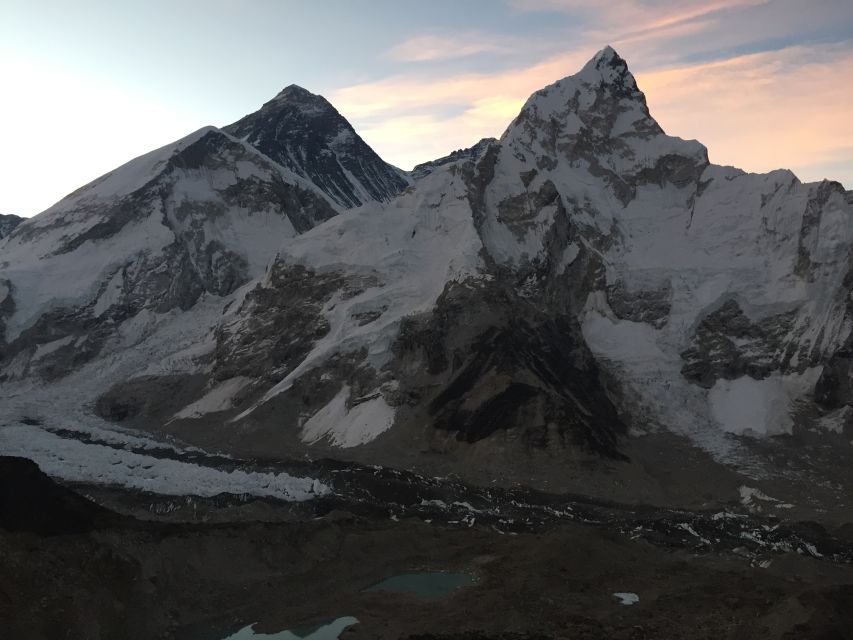
This route follows the classic Khumbu Valley approach to Everest Base Camp. You begin in Kathmandu, fly to Lukla, and then walk through Sherpa villages, Buddhist monasteries, suspension bridges, high valleys, and the protected area of Sagarmatha National Park.
I like the way the itinerary builds gradually. The first days are not just a dash toward Everest. You spend time in Phakding, Namche Bazaar, and Tengboche before reaching the higher settlements around Dingboche and Lobuche. That progression matters because altitude, not distance alone, is the main challenge.
The private format is useful here. You are not tied to a large group’s slowest or fastest walker, although your guide still needs to make sensible decisions about pace and safety. The listed language is English, and the trip includes a guide, guide expenses, and one porter for every two members.
The company is Nepal High Trek & Expedition. One recent departure was guided by Suraj, who received especially strong praise for his support and organization. If you are assigned to him, you have a named guide with a positive record from the supplied information, but you should confirm your guide before departure if that matters to you.
More Everest Base Camp Treks in Kathmandu:
- Everest Base Camp Trek – 14 Days
★ 5.0 · 1,499 reviews - Everest Base Camp Trek
★ 5.0 · 842 reviews - Everest Base Camp Trekking
★ 5.0 · 485 reviews
Days 1 and 2: Kathmandu, Lukla, and Phakding
Your first day begins at Tribhuvan International Airport in Kathmandu. Staff meet you according to your arrival time and transfer you to the hotel. This is a simple start, but it is useful after a long international flight because the logistics are handled immediately.
Day two brings the flight to Lukla at 2,820 meters. The airstrip is the gateway to the Khumbu route, and the change from Kathmandu to mountain country is quick. From Lukla, you walk around four hours and cover about 7 kilometers to Phakding at 2,657 meters.
This first walking day is a gentle introduction compared with what follows. You get your first feel for the trail and begin sleeping at altitude without pushing too high. Three meals, three cups of tea or coffee, and a guest house bed are included during the trek.
Be ready for flight changes. In the peak periods of September to November and March to May, the Lukla flight may be diverted to Ramechhap Manthali. That can mean a different departure point and a longer road transfer before the flight. Airport delays are a real planning concern in Nepal, so avoid booking a tight international connection after the trek.
Day 3: The long walk to Namche Bazaar
The route from Phakding to Namche Bazaar covers about 10 kilometers and takes seven to eight hours. Namche sits at 3,440 meters, so this is your first major rise in altitude and one of the more tiring early days.
Namche is the Sherpa capital of the area and an important stop on the route. It is more than a place to sleep. You have time to see the mountain trading center, get supplies if needed, and adjust to the altitude.
The sharp increase from Phakding to Namche is why the following rest day matters. You should not treat this stage as a race. Keep your pace steady, drink regularly, and tell your guide early if you feel unwell.
Day 4: Acclimatization around Namche Bazaar
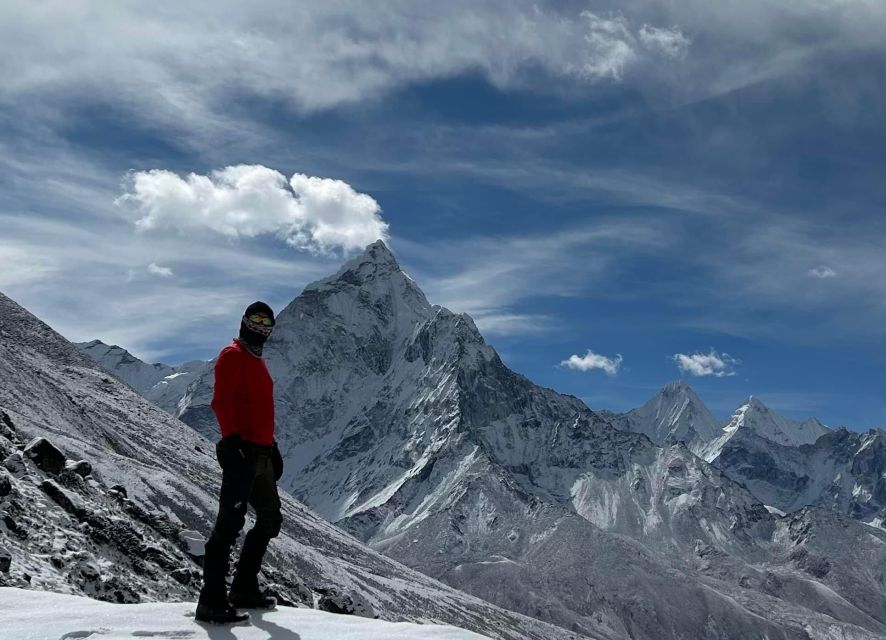
Day four is set aside for acclimatization, with a short hike and local excursion. The itinerary does not specify the exact hike, so the route may depend on conditions, your energy, and your guide’s judgment.
I consider this one of the strongest parts of the plan. A rest day at 3,440 meters gives you a better chance to continue comfortably toward Tengboche and Dingboche. It also lets you enjoy Namche instead of seeing it only as a checkpoint.
Do not expect a day of complete inactivity. The purpose is to climb a little, then return to sleep at the same altitude. Keep your camera ready, but save your energy too.
A few more treks around Kathmandu worth a look
- Annapurna Circuit Trek with Tilicho Lake
★ 5.0 · 368 reviews - Everest Base Camp Trekking – 13 Day
★ 5.0 · 365 reviews - Everest Base Camp Trek
★ 5.0 · 350 reviews - Everest Base Camp Trek -14 Days
★ 5.0 · 321 reviews
Days 5 and 6: Tengboche Monastery and Dingboche
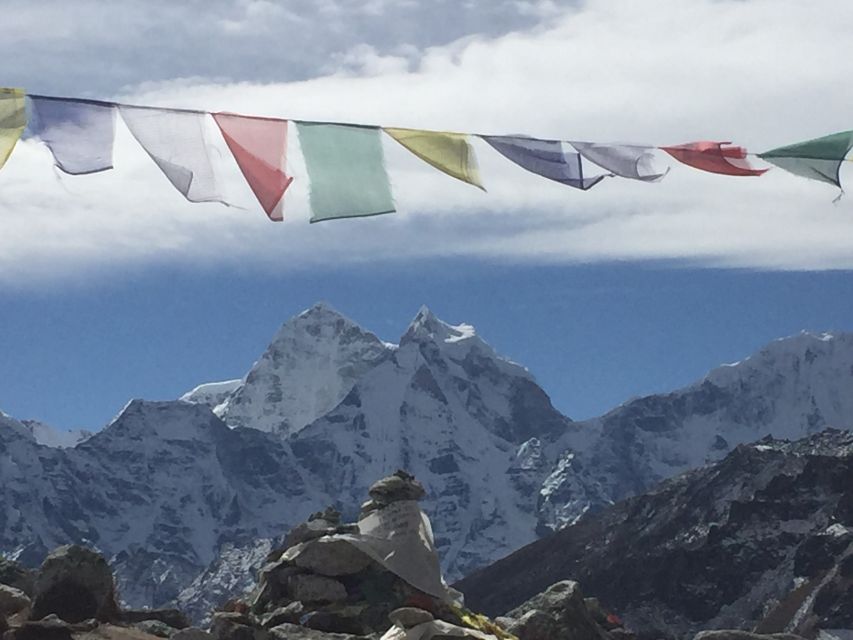
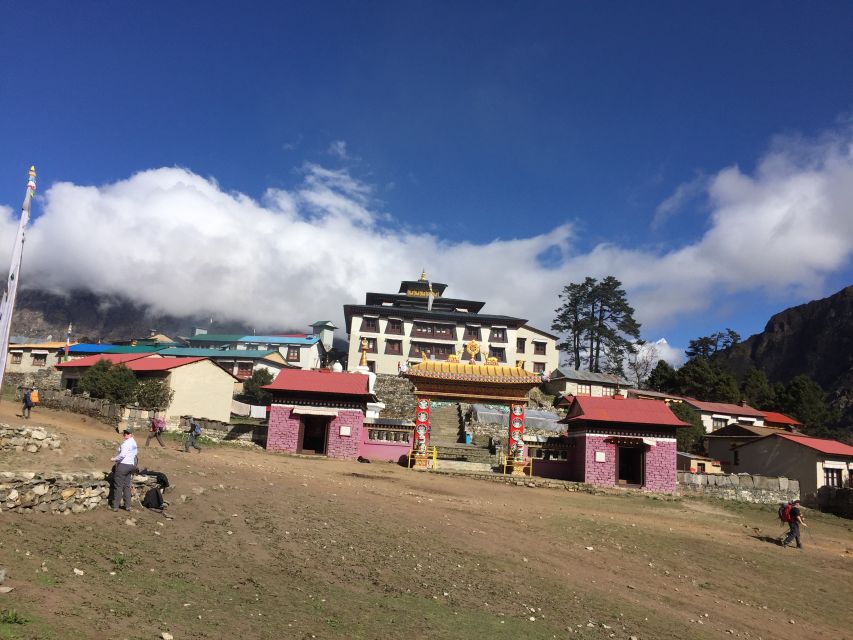
From Namche, you walk about 11 kilometers to Tengboche at 3,867 meters. The day takes six to seven hours. Tengboche Monastery is the cultural high point of the route, with mountain views and a strong connection to Sherpa Buddhist life.
The monastery gives the trek more depth than a simple mountain challenge. You are moving through communities shaped by trade, religion, farming, and the demands of living in a high Himalayan valley. The views around Tengboche are one of the main reasons this stop is included.
The next day takes you to Dingboche at 4,365 meters. The distance is about 10 kilometers, and the walk takes five to six hours. At this height, the same distance can feel much harder than it did near Lukla.
Dingboche is where the air becomes noticeably thinner for many people. The schedule wisely gives you another acclimatization day before the route climbs toward Lobuche.
Day 7: A second pause at Dingboche
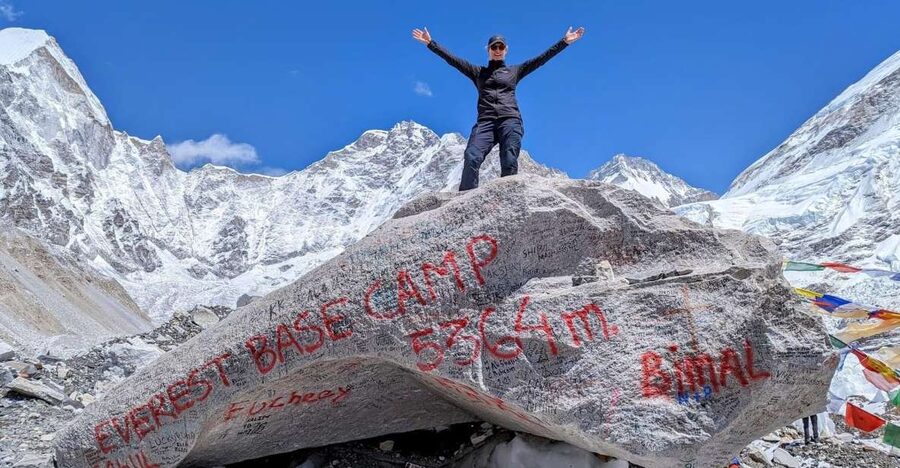
Your second acclimatization day includes a local hike. Again, the exact route is not specified, so your guide will likely adjust the outing to your condition and the day’s circumstances.
This pause is especially valuable because you are now above 4,000 meters. A slow day can help you prepare for the harder section ahead, while also giving you time to enjoy the wide mountain views around Dingboche.
High-altitude symptoms should be taken seriously. The trek is not suitable for people with altitude sickness, high blood pressure, a low level of fitness, or other conditions listed by the operator. Travel insurance is mandatory, and it should cover trekking at these elevations as well as emergency care.
Days 8 and 9: Lobuche, Everest Base Camp, and Gorak Shep
Day eight leads from Dingboche to Lobuche at 4,890 meters. The walk covers about 9 kilometers and takes six to seven hours. By now, the altitude is the central issue. The distances are not extreme on paper, but each uphill section asks more from your lungs and legs.
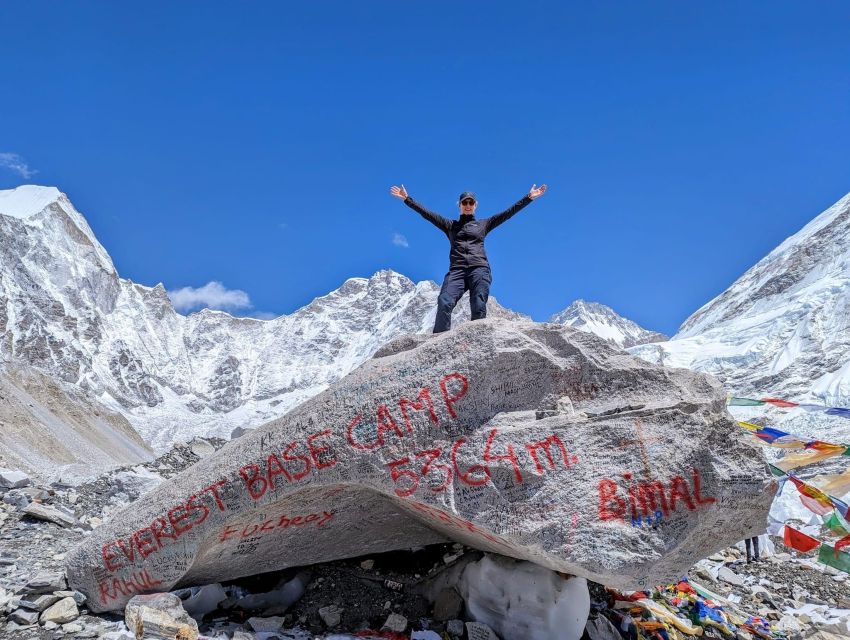
On day nine, you walk from Lobuche to Everest Base Camp at 5,365 meters, then continue to Gorak Shep at 5,180 meters. The full day covers about 11 kilometers and lasts eight to nine hours.
This is a demanding day, but it delivers the main goal of the trip. Everest Base Camp is not the summit, and the view of Everest itself is not always the classic one from the camp. Still, reaching the base camp is a major physical milestone, and the route gives you a close look at the Khumbu area used by mountaineering teams.
Gorak Shep is a practical overnight stop rather than a place for a leisurely evening. At over 5,000 meters, you will likely want food, warmth, and sleep. Keep your daypack light and carry only what you need for the walk.
Day 10: Kala Patthar and the long return to Pangboche
The most strenuous day begins with a morning climb to Kala Patthar at 5,545 meters. This is the highest elevation of the entire trek and the key viewpoint for Everest and the Himalayan massif.
The climb is short in distance compared with the full day, but the altitude makes it hard. You should expect a slow ascent, cold conditions, and a strong need to follow your guide’s pace. The reward is the broad mountain view that many people consider the visual high point of the route.
After Kala Patthar, you descend to Pangboche at about 4,000 meters. The full day is listed at nine hours and about 21 kilometers. That is a very long walking day, even though much of it is downhill.
This is the biggest physical warning in the itinerary. The combination of an early high-altitude climb and a long descent requires preparation. Good hiking shoes, warm layers, gloves, water, snacks, and a comfortable daypack will matter.
Days 11 and 12: Returning through Namche to Lukla
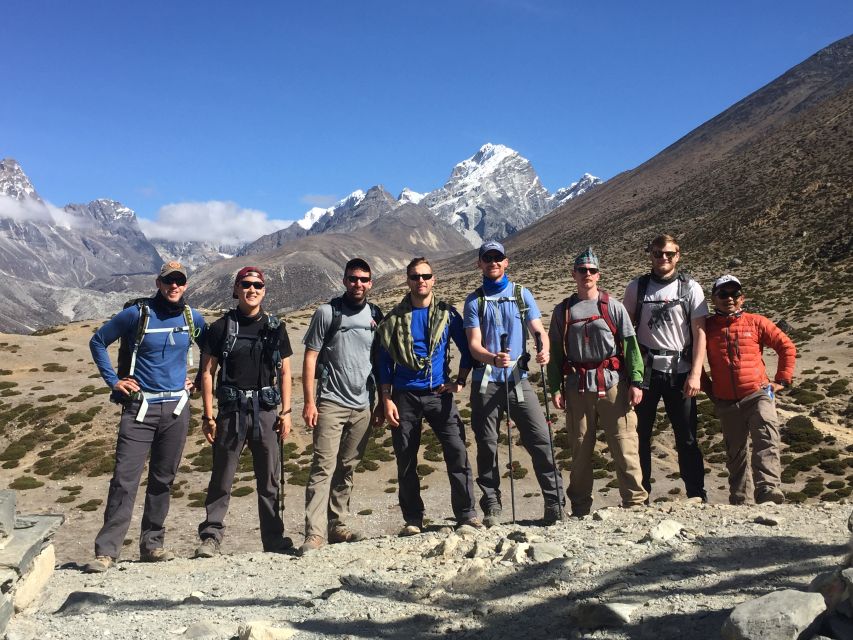
Day 11 takes you from Pangboche back to Namche Bazaar in about eight hours, covering around 16 kilometers. You are descending, but the trail still includes climbs and uneven sections. Tired legs can make downhill walking surprisingly difficult.
Returning to Namche gives you a familiar stop before the final push. Day 12 continues from Namche to Lukla, about 17 kilometers in seven to eight hours. This is another long day, but lower altitude should make breathing easier than it was near Base Camp.
The return route lets you notice details you may have missed on the way up. Villages, bridges, prayer flags, and mountain views feel different when you are no longer focused only on gaining altitude.
Days 13 and 14: Kathmandu and departure
On day 13, you fly from Lukla back to Kathmandu and transfer to the hotel. The afternoon is free, which gives you time to rest or make simple plans in the city.
The return flight is another reason to keep your schedule flexible. Weather and airport conditions can affect mountain flights, and the supplied experience specifically warns about airport chaos in Nepal. I would not arrange an important same-day international connection unless you have a strong backup plan.
Day 14 is your final departure from Kathmandu. The package provides airport transfer at arrival, while the listed ground transportation covers the organized route. Confirm the exact departure transfer details when you book.
What the $1,550 price really covers
At $1,550 per person, this is a strong value if you use the included services. The price covers:
- Ground transportation
- Round-trip Kathmandu to Lukla airfare
- Three meals each trekking day
- Three cups of tea or coffee during the trek
- Seasonal fresh fruit
- Sagarmatha National Park permit
- Khumbu Rural Municipality entrance ticket
- English-speaking guide and guide expenses
- One porter for every two members
- Eleven nights in guest houses
- An assistant guide for groups above six people
- A down jacket, sleeping bag, and duffle bag
The full-board setup reduces the daily money decisions that can make a long trek tiring. You still need cash for personal expenses, and personal porter service is not included for solo participants.
The value depends partly on what you already own. If you need to buy warm clothes, hiking shoes, gloves, toiletries, and insurance, your real budget will be higher. The supplied gear helps, but you should confirm sizes, condition, and what exactly is provided before departure.
What to pack for this route
The required packing list is long because the trip moves from mild lower valleys to freezing high camps. Warm clothing, snow clothing, a jacket, gloves, socks, hiking pants, long sleeves, and warm shoes are all listed.
You also need hiking shoes, waterproof shoes or a waterproof bag, breathable clothing, a towel, toiletries, and changes of clothes. A sleeping bag is listed, but one is also supplied as part of the trek gear, so confirm whether you need to bring your own.
Carry your passport, passport-sized photo, cash, credit card, travel insurance details, and a GPS or map. A camera and binoculars are useful for the mountain views, although you should protect electronics from cold and moisture.
Drones are not allowed, and making fires is prohibited. An umbrella is listed, but waterproof layers remain important for changing mountain weather.
Who should book this Everest Base Camp trek?
I would recommend it to a fit person who wants the classic Everest Base Camp route with a private guide and a clear support package. It suits someone who values organized transport, included meals, porters, and acclimatization days more than a completely independent trek.
I would not recommend it to someone who dislikes long walking days, high elevations, basic guest house accommodation, or uncertain flight schedules. The route is also not suitable for wheelchair users, pregnant women, babies under one year, people over 95, or anyone with the listed health restrictions. The operator also sets a maximum weight of 275 pounds, or 125 kilograms.
The two five-star scores supplied for this experience praise the organization and guide support. A Swedish trekker specifically highlighted Suraj and the planning, while also warning future clients to allow extra airport time. A German trekker described the trip as a life experience and praised Nepal High Trek’s guide and organization. Those points match the strongest practical features here: good structure, personal support, and a route that is difficult but clearly planned.
Should you book it?
Book this trek if you want Everest Base Camp without arranging every permit, meal, flight, porter, and guest house yourself. The $1,550 cost is reasonable for the services included, especially the Lukla flights, two acclimatization days, trekking gear, and private-group structure.
Think twice if you have limited fitness or cannot allow flexibility around Lukla flights. I would also add spare days around the trek if your international schedule is fixed. For a prepared hiker who accepts the altitude and long walking days, this is a well-supported route to Everest Base Camp with strong attention to the parts that matter most: acclimatization, guide support, and practical logistics.
FAQ
How long is the Everest Base Camp trek?
The full experience lasts 14 days, including arrival in Kathmandu, the trek, the return flight, and final departure.
What is the highest point of the trek?
The highest point is Kala Patthar viewpoint at 5,545 meters.
Are flights between Kathmandu and Lukla included?
Yes. The package includes round-trip airfare between Kathmandu and Lukla.
Are meals included during the trek?
Yes. Three meals per day are included during the trek, along with three cups of tea or coffee and seasonal fresh fruit.
Is accommodation included?
Yes. The package includes 11 nights in guest houses throughout the trekking route.
What happens to Lukla flights during peak season?
From September to November and March to May, Lukla flights may be diverted to Ramechhap Manthali.
Is travel insurance required?
Yes. Travel insurance is mandatory, and it is not included in the price.
Recently added around Kathmandu
- Ghorepani Poon Hill Trek★ 5.0 · 16 reviews
- Private Manaslu Circuit Trek at Himalayas★ 5.0 · 3 reviews
- Amazing 1 Day Trekking Experience in Kathmandu Nepal★ 5.0 · 24 reviews
- Ghorepani Poonhill Trek★ 5.0 · 5 reviews
- Upper Mustang Trekking★ 5.0 · 2 reviews
- Upper Mustang Trekking★ 3.0 · 2 reviews
- Upper Mustang Trekking★ 5.0 · 4 reviews
- Upper Mustang Trek★ 5.0 · 5 reviews
Everest Base Camp Treks, compared.






Browse the lists this tour appears in