
REVIEW · KATHMANDU
Everest Base Camp Trek with Island Peak Climbing
Reach the world’s highest base camp, then climb above it. This Everest Base Camp and Island Peak trek combines the classic Khumbu route with a serious but achievable Himalayan summit attempt, while guides, porters, permits, flights, meals, and camp arrangements are handled for you. I especially like the two planned acclimatization days and the spare day reserved for poor climbing weather.
I also like the small-group limit of 15 and the early Kathmandu sightseeing and briefing arrangements. The main caution is simple: this is a demanding high-altitude trip, not a scenic walk with a little climbing added. You need strong fitness, proper travel insurance, patience with mountain weather, and the willingness to be uncomfortable for several days.
Key points before you book
- The route reaches 5,365 meters at Everest Base Camp and 5,555 meters at Kala Patthar, so altitude is a central part of the challenge.
- Island Peak climbing includes training with ropes, crampons, harnesses, ice tools, and other group equipment, but you still need stamina and a steady head for exposed terrain.
- Two acclimatization days are built into the plan, one in Namche Bazaar and one in Dingboche.
- The group is limited to 15 people, with one porter assigned for every two guests.
- A spare climbing day is included, giving the Sherpa leader flexibility if snow or weather disrupts the summit attempt.
- The $3,300 price covers many major costs, including domestic flights, permits, guide services, porters, meals on trek, and Island Peak base camp camping.
What this 19-day Himalayan trip really involves
The schedule is listed as 19 days, although the overview describes it as a 21-day tour. The day-by-day plan runs from airport pickup in Kathmandu through the flight home, so I would ask Ace the Himalaya to confirm the exact departure version before paying.
This is a point-to-point mountain journey with a clear two-part goal. First, you walk the famous trail to Everest Base Camp, with time at Kala Patthar for the finest mountain views. Then you turn toward Chukhung and Island Peak, also called Imja Tse, for a summit attempt supported by a climbing Sherpa.
The trip is organized for people who want a serious adventure without arranging every lodge, flight, permit, porter, and meal themselves. That convenience matters in Nepal, where Lukla flights, changing mountain weather, and high-altitude logistics can quickly become a full-time job.
More Everest Base Camp Treks in Kathmandu:
- Everest Base Camp Trek – 14 Days
★ 5.0 · 1,499 reviews - Everest Base Camp Trek
★ 5.0 · 842 reviews - Everest Base Camp Trekking
★ 5.0 · 485 reviews
Kathmandu arrival and the first practical briefing
Your airport representative meets you outside Tribhuvan International Airport with an Ace the Himalaya sign and takes you by private vehicle to your hotel. The arrangement is useful after an international flight, especially if Kathmandu is your first visit and you are arriving tired or late.
If you arrive after 4 pm, the pre-trip briefing takes place that day. Earlier arrivals attend the meeting at the company office. Bring your passport and the requested documents, and use this meeting to ask about gear, altitude symptoms, Lukla flights, tipping, and the Island Peak plan.
Kathmandu accommodation is twin-share in a three-star hotel, with breakfast included for four nights. Lunch and dinner in the city are not included, so budget separately for those meals, along with drinks, a Nepal entry visa, and personal equipment.
Day 2: The Lukla flight and easy walking to Phakding
The 35-minute flight from Kathmandu to Tenzing and Hillary Airport at Lukla is one of the trip’s first memorable moments. Once you land at 2,804 meters, the guide introduces the porter team while equipment is sorted and loaded.
The walk to Phakding, at 2,610 meters, is a relatively gentle start. You descend toward the Dudh Kosi River, join the main trail toward Namche, pass Ghat, and continue to the village of Phakding.
Do not mistake the short first walking day for a soft holiday. The altitude begins from the moment you leave Lukla, and the early start, flight, and unfamiliar trail can make the day feel longer than its map distance suggests.
Days 3 and 4: Namche Bazaar gives you time to adjust
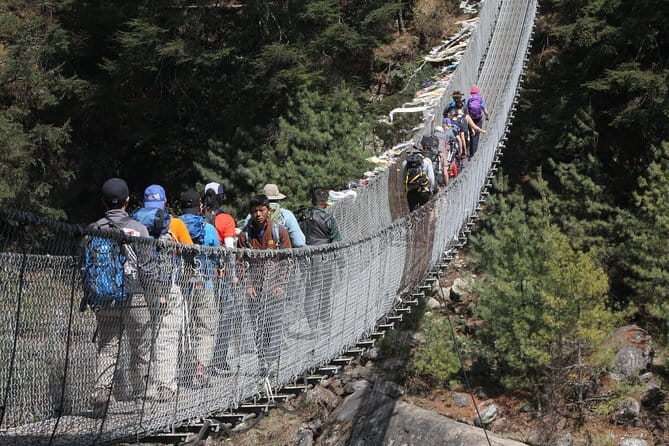
The route follows the Dudh Kosi and crosses several suspension bridges decorated with prayer flags. After entering Sagarmatha National Park, the trail climbs sharply toward Namche Bazaar, the main trading and service center on the Everest route.
Namche sits at about 3,440 meters and offers bakeries, restaurants, lodges, shops, money exchange services, internet access, and hotels. It is the last place on this route with such a broad range of facilities, so it is a good point to check your clothing, batteries, snacks, and general readiness.
The following day is for acclimatization. You take a shorter hike toward the Sherpa museum, Syangboche Airport, and the Everest View Hotel. On a clear day, Everest appears among the surrounding peaks.
I like this rest day because it is not simply a day spent lying in bed. The walk higher and return to sleep lower follows a sensible acclimatization pattern. Still, the views depend on weather, and the climb around Namche can feel strenuous before your body has adjusted.
A few more treks around Kathmandu worth a look
- Annapurna Circuit Trek with Tilicho Lake
★ 5.0 · 368 reviews - Everest Base Camp Trekking – 13 Day
★ 5.0 · 365 reviews - Everest Base Camp Trek
★ 5.0 · 350 reviews - Everest Base Camp Trek -14 Days
★ 5.0 · 321 reviews
Days 5 and 6: Tengboche, Pangboche, and Dingboche
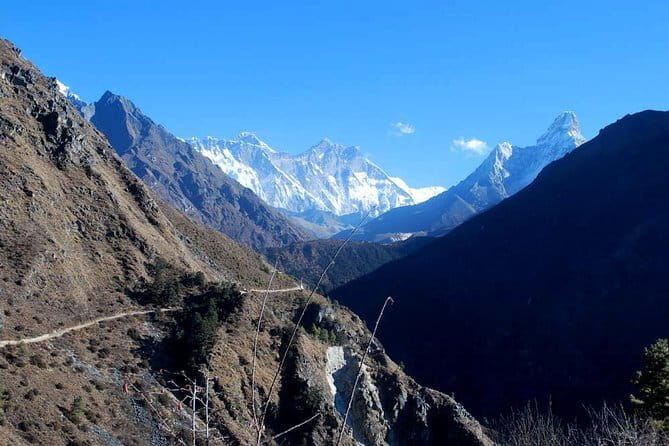
From Namche, the trail follows the Dudh Kosi with mountain views before reaching Tengboche at 3,860 meters. Tengboche Gompa is one of the trip’s cultural highlights, with ornate wall hangings, a large Buddha sculpture, musical instruments, and ceremonial robes.
The group may observe a prayer ceremony in the evening or morning, depending on the walking schedule. That timing is not guaranteed, but the monastery visit adds meaning to a route that can otherwise become a series of altitude numbers and meal stops.
The next section drops to Debuche, crosses the Imja Khola, and climbs through Pangboche, where mani stones line the path. Dingboche brings views of Lhotse, Island Peak, and Ama Dablam. The guides deliberately keep the pace controlled, which is exactly what you need here. Saving energy is not laziness at high altitude. It is good planning.
Day 7: A useful acclimatization hike above Dingboche
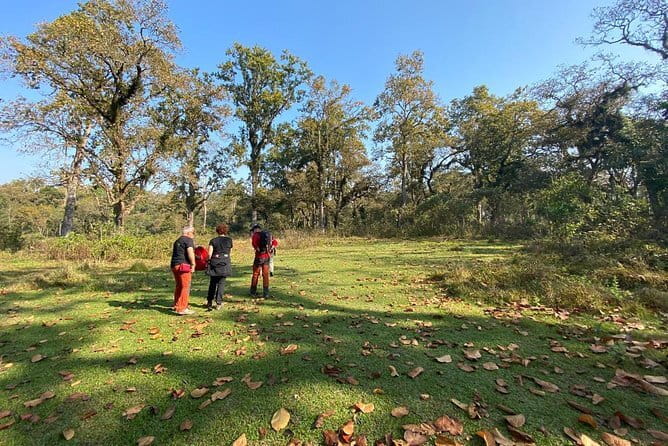
The second acclimatization day takes you toward Nangkartshang Peak above Dingboche. The climb provides a high viewpoint, especially toward Ama Dablam, and the schedule leaves time to rest or walk around the village afterward.
This day also gives the guide a chance to observe how you handle altitude before the route rises again. If you develop serious breathing trouble, headache, or other altitude symptoms, this is the kind of point where the group plan may need to change.
You should treat the acclimatization days as active recovery, not optional sightseeing. They are among the most valuable parts of the itinerary because the route reaches much higher ground later.
Days 8 to 10: Lobuche, Everest Base Camp, and Kala Patthar
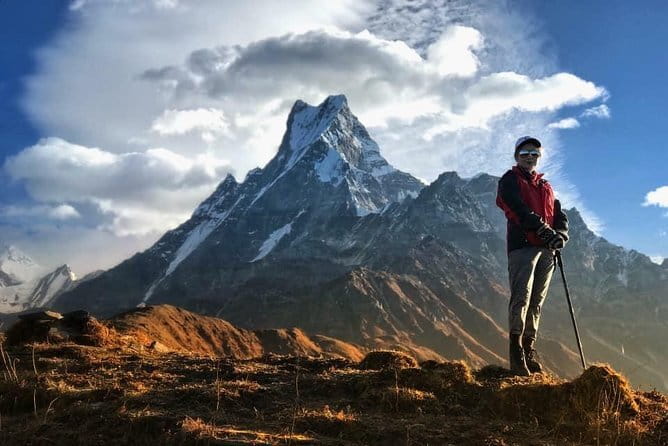
The trail from Dingboche to Lobuche follows the lateral moraine of the Khumbu Glacier. Along the way, stone memorials honor climbers who died on nearby peaks. This section can feel stark and emotional, and it is also where breathing problems may become more noticeable.
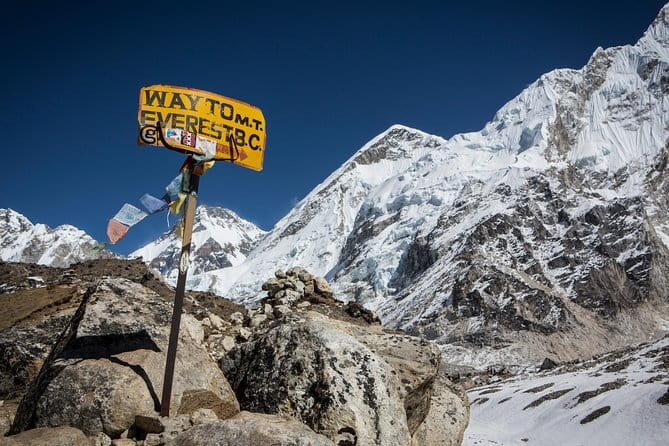
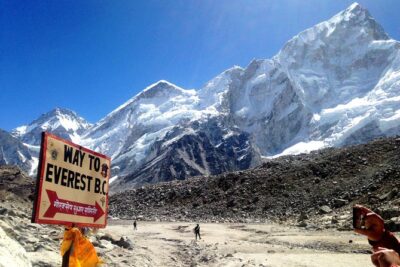
Day 9 is the long walk to Everest Base Camp at 5,365 meters. You follow the Khumbu Glacier and reach the base camp area, with views toward the Khumbu Icefall. During the spring climbing season, expedition teams may be preparing for summit attempts.
Base Camp itself is not a permanent village or a polished attraction. It is a rough, shifting mountaineering camp area, and the surrounding glacier terrain is more impressive than any sign or marker. You return to Gorak Shep for the night.
The next morning brings the climb to Kala Patthar at 5,555 meters. This is one of the hardest parts of the trek, but also one of the best for mountain views. Everest, Nuptse, Pumori, Chagatse, and Lhotse fill the skyline.
The schedule calls for a quick descent to Gorak Shep, breakfast, and then a longer walk down to Pheriche. That combination makes Day 10 especially demanding. You need to manage your pace and avoid treating the Kala Patthar climb as a race.
Days 11 and 12: Turning toward Island Peak
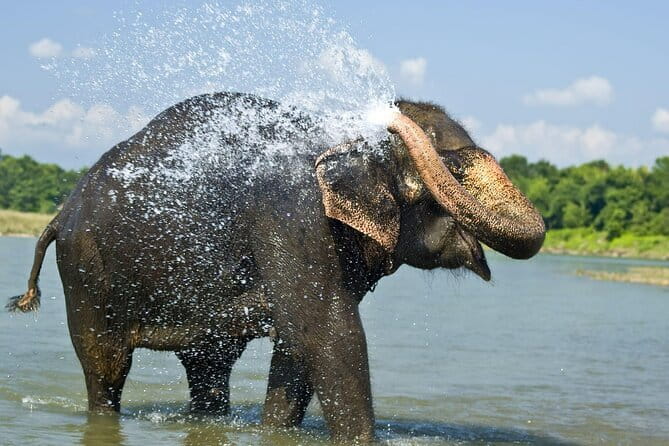
From Pheriche, you return through Dingboche and climb into the Chukhung Valley. The route then follows the Imja Valley, with Ama Dablam dominating the view and moraines descending from Lhotse.
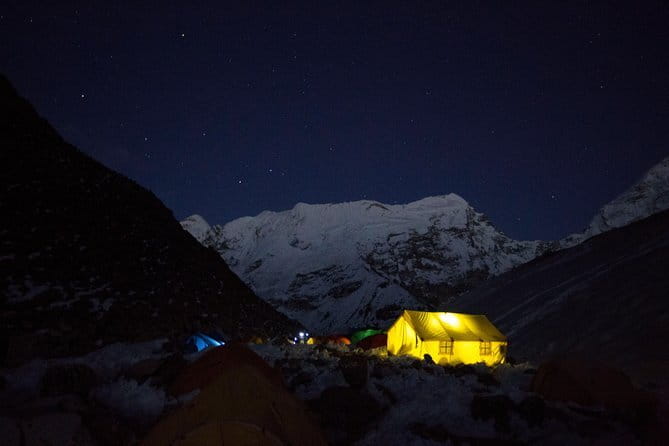
The Island Peak base camp sits beyond the sand flats of Pareshaya Gyab. You reach camp in the afternoon and sleep in tents, with meals prepared by the camping team.
This change from lodge trekking to tented camp is important. Conditions become more basic, and the cold can feel sharp at night. The package includes accommodation and all meals for the one or two nights at base camp, depending on how the climbing days work out.
The route has already taken you to Everest Base Camp, but the Island Peak section is not a simple extension. It requires a different kind of focus, especially when you are already carrying fatigue from the earlier trek.
Days 13 and 14: Climbing Island Peak with a weather reserve
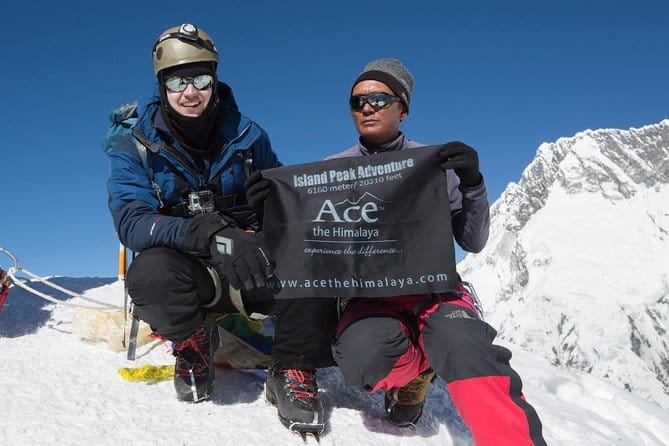
The climbing Sherpa decides the final strategy based on your acclimatization, the weather, and snow conditions. You receive instruction in the use of ropes, ice screws, snow bars, ice hammers, harnesses, crampons, and related equipment.
The summit attempt starts early and may take four to six hours. The climb is described as not technically difficult, but that should not be read as easy. Crevassed snow slopes, a reasonably steep headwall, exposure, cold, and thin air all demand concentration.
You need stamina, willpower, and a calm attitude toward heights. The climbing gear provided is group equipment, while personal trekking and climbing gear remains your responsibility. Ask for the exact personal equipment list before departure.
Day 14 is held as a spare day in case poor weather prevents a summit attempt. If conditions cooperate, the schedule may use the day for rest or continued movement toward Lukla. Since Lukla flights are pre-booked, the spare day does not guarantee unlimited flexibility, but it gives the climbing team a sensible buffer.
Days 15 to 18: A long descent and the flight back to Kathmandu
The return route passes through lower Pangboche, Debuche, and Tengboche before crossing the Imja Khola again. The forested section toward Phunki Tenga offers a welcome change after the high, open valleys.
From Phunki Tenga, you climb toward Trashinga and contour above the valley to Shanasa. You may have the option to visit Kunde and Khumjung before reaching Namche. After the high camps, Namche feels almost luxurious, with its shops, cafés, and broader choice of food.
The final trekking day returns you to Lukla. The afternoon is free for a hot shower, rest, and a group celebration. That last evening can be more than a party. It gives you time to recognize how far you have walked and to thank the guide and porters who made the route workable.
The 35-minute flight returns you to Kathmandu on Day 18. Mountain flights depend on conditions, so keep your onward international travel plans sensible and avoid scheduling a tight connection immediately after the domestic flight.
Guides, porters, and the human side of the trip
The strongest praise for this program centers on the staff. Specific guides named in the feedback include Sandip, Milan, Deepak, Ram, Madan, Dipesh, Ramesh, and Pemba Sherpa. That does not mean you will receive one of them, but it shows the company uses a larger guiding team.
The useful details are practical. Deepak and porter Bikas were praised for watching altitude symptoms, explaining plans, and keeping the group informed. Sandip was noted for checking how people felt while also explaining mountain and local culture. Ram was praised for repeated safety briefings and clear information about what came next.
The package assigns one porter for every two guests. Porters carry your luggage, while you carry a daypack. The company includes staff wages, insurance, equipment, medicine, food, and accommodation for its own team. Tipping is expected and is not included, so ask for current guidance before the trek.
What the $3,300 price covers
At $3,300 per person, the cost is high compared with a basic Everest Base Camp trek, but this is not a basic trek. The price includes:
- Private airport and hotel transfers
- Four nights of Kathmandu hotel accommodation with breakfast
- Trekking lodges, including attached toilets in Lukla, Phakding, and Namche
- Tented base camp accommodation and meals
- English-speaking trekking guide and climbing Sherpa
- Porters and their wages, insurance, equipment, food, and medicine
- Kathmandu to Lukla flights in both directions
- Everest National Park and TIMS permits
- Island Peak permits and required documents
- Group climbing equipment
- Trek meals, filtered trail water, seasonal fruit, and a farewell dinner
- Duffel bag, sun hat, administration, and government taxes
I consider the package good value for someone who wants one operator to manage the complicated parts. Domestic flights, climbing permits, staff support, and the second high-altitude objective add real cost.
You still need to budget for international airfare, Nepal’s entry visa, Kathmandu lunches and dinners, drinks, personal trekking gear, travel insurance, and tips. The insurance point matters most. Your policy must cover high-altitude emergency rescue and evacuation.
Who should book this Island Peak trip?
I would recommend it to fit, active adults who already understand that long days at altitude are physically and mentally tiring. You do not need to be an elite mountaineer, but you must be ready for a strenuous trek followed by a cold, technical summit attempt.
It suits you if you want:
- A guided Everest Base Camp route
- A small group rather than a large coach-style operation
- Built-in acclimatization days
- Basic climbing instruction and Sherpa support
- A package that includes flights, permits, porters, and most meals
- Time in Kathmandu before and after the mountains
I would not choose it if you want a relaxed walking holiday, private rooms throughout, guaranteed summit conditions, or a simple route with no exposure. The company can adjust around weather, but nobody can promise a successful Island Peak summit.
The activity is free to cancel up to 24 hours before the start time for a full refund. If poor weather cancels the experience, you are offered a different date or a full refund. That policy does not remove the need for flexible international travel plans.
Should you book the Everest Base Camp and Island Peak trek?
Book this trip if you want the classic Everest Base Camp experience and a real mountaineering challenge in one organized package. The strongest reasons are the careful acclimatization schedule, the spare climbing day, the small group, and the repeated emphasis on safety and personal support.
Before booking, confirm the 19-day versus 21-day wording, request the complete personal gear list, check the Island Peak equipment arrangements, and buy insurance that covers high-altitude evacuation. If you are physically prepared and accept that weather may end the summit attempt, the $3,300 fee buys a well-supported route with far fewer logistics to solve yourself.
FAQ
How long is the Everest Base Camp and Island Peak trip?
The detailed schedule runs for 19 days, from airport pickup in Kathmandu to airport departure. The overview describes it as a 21-day tour, so confirm the exact duration with Ace the Himalaya before booking.
What is the price per person?
The listed price is $3,300 per person.
What is the largest group size?
The group can include a maximum of 15 travelers.
Is airport pickup included?
Yes. Private airport, hotel, and airport transfers are included, beginning with pickup at Tribhuvan International Airport in Kathmandu.
Are Kathmandu hotel nights included?
Yes. Twin-sharing accommodation in a three-star Kathmandu hotel is included for four nights, with breakfast.
Are meals included during the trek?
Yes. Breakfast, lunch, and dinner are included during the trek, along with meals at Island Peak Base Camp. Lunch and dinner in Kathmandu are not included.
Are domestic flights included?
Yes. The package includes airfare between Kathmandu and Lukla in both directions.
Is climbing equipment included?
Group climbing equipment is included, including climbing rope, ice screw, snow bar, and ice hammer. Training also covers equipment such as ropes, an ice pick, harness, and crampons. Personal trekking equipment is not included.
Are acclimatization days part of the itinerary?
Yes. One acclimatization day is scheduled in Namche Bazaar, and another is scheduled in Dingboche. Both include short hikes rather than a full day of progress along the main route.
Do I need travel insurance?
Yes. Travel insurance is not included, and you need cover for emergency high-altitude rescue and evacuation.
What happens if bad weather prevents the Island Peak climb?
A spare day is included for a possible summit attempt if weather prevents climbing on the main day. If the activity itself is canceled because of poor weather, you are offered a different date or a full refund.
Recently added around Kathmandu
- Ghorepani Poon Hill Trek★ 5.0 · 16 reviews
- Private Manaslu Circuit Trek at Himalayas★ 5.0 · 3 reviews
- Amazing 1 Day Trekking Experience in Kathmandu Nepal★ 5.0 · 24 reviews
- Ghorepani Poonhill Trek★ 5.0 · 5 reviews
- Upper Mustang Trekking★ 5.0 · 2 reviews
- Upper Mustang Trekking★ 3.0 · 2 reviews
- Upper Mustang Trekking★ 5.0 · 4 reviews
- Upper Mustang Trek★ 5.0 · 5 reviews
Everest Base Camp Treks, compared.




Browse the lists this tour appears in