
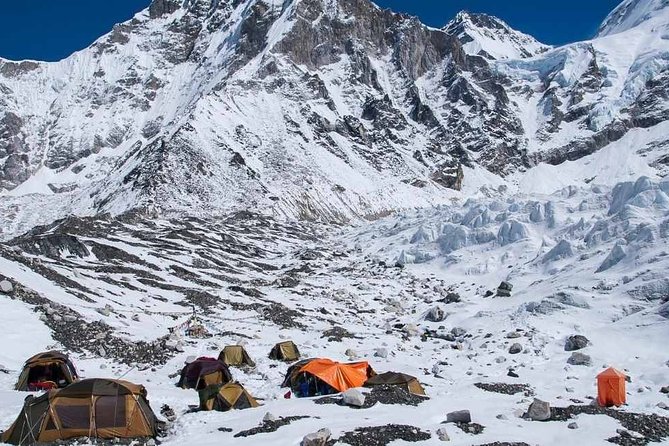
REVIEW · KATHMANDU
Everest Base Camp Trek for Beginners: 11-Day Itinerary
The world’s highest mountain comes with a serious walk. This 11-day Everest Base Camp trek gives you a clear route from Kathmandu to Lukla, through Namche Bazaar and Tengboche, and on to Everest Base Camp and Kala Patthar. I like the built-in rest days in Namche and Dingboche, and I like that meals, permits, flights, a guide, and porter service are included. The main concern is the demanding pace and a confusing Day 10 description, which appears to compress the return toward Lukla.
I also like the private format, since only your group participates, and the chance to fly into Lukla with Himalayan views during the landing. The package costs $2,000 per person, which can be fair for a guided trek with domestic flights and three daily meals, but you should confirm exactly how porter loads, drinks, charging, and unexpected delays are handled before paying.
Key points to know before booking
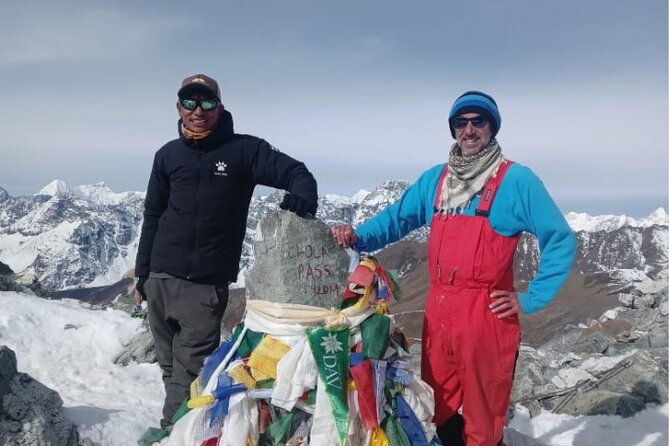
- Lukla begins the adventure: You fly from Kathmandu to the small mountain airstrip, then start walking the same day toward Phakding.
- Two acclimatization stops matter: Rest days in Namche Bazaar and Dingboche break up the climb and give your body time to adjust.
- Everest Base Camp comes on Day 8: The route reaches the base camp at 5,364 meters, followed by a sunrise climb to Kala Patthar.
- The return schedule needs clarification: Day 10 is described as a trek back to Namche Bazaar to Lukla, while Day 11 is the flight from Lukla.
- The price covers the essentials: Flights, trekking permits, meals, airport transfers, guide service, and a porter shared between two trekkers are included.
- This is beginner-friendly, not easy: You do not need previous trekking experience, but you do need strong physical fitness.
What the $2,000 price really covers
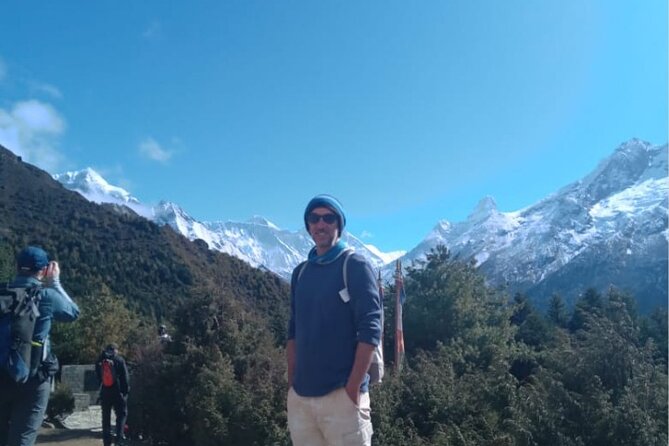
At $2,000 per person, this is not a casual sightseeing holiday. You are paying for a guided Himalayan trek with a round-trip Lukla flight, trekking permit, airport transfers, three meals each day, and an English-speaking guide.
The porter arrangement is listed as one porter for every two trekkers. That helps reduce the weight you carry, but it also means you should ask how much of your personal luggage the porter will take and what bag size is expected. Personal porters, extra porters, bottled water, laundry, phone calls, bar bills, battery charging, and tips are not included.
I see good value here for someone who wants the major logistics organized. Booking the Lukla flights and permit independently can be a nuisance, especially when the trek begins with a 5:15 a.m. start from Mountain Hike Nepal in Kathmandu. The package also includes domestic airport transfers, which makes the first morning simpler.
Still, the price does not remove the practical costs of high-altitude walking. You need to budget for drinks, charging, personal items, and tips for the guide and porter. Since weather affects Lukla flights, you should also ask how delays are handled and whether any extra accommodation or transport costs would be yours.
More Everest Base Camp Treks in Kathmandu:
- Everest Base Camp Trek – 14 Days
★ 5.0 · 1,499 reviews - Everest Base Camp Trek
★ 5.0 · 842 reviews - Everest Base Camp Trekking
★ 5.0 · 485 reviews
Day 1: Lukla to Phakding begins at altitude
The first day starts with a flight from Kathmandu to Lukla, where the views begin before the walking does. The airstrip sits in the Khumbu region, and you can see Himalayan peaks during the landing.
From Lukla, you trek to Phakding. The route passes through forest, bridges, and early Sherpa settlements. This first section gives you a gentle introduction to the region, but do not treat it as a free warm-up. You are already walking at altitude, and the trek continues for many days.
The early start matters. Meeting at 5:15 a.m. is not designed for a lazy first morning, but it gives you a better chance of making the flight connection before weather affects the schedule. The plan depends on good flying conditions, so flexibility is part of the experience.
Day 2: Forest paths and suspension bridges to Namche Bazaar
The walk from Phakding to Namche Bazaar brings more elevation gain and a stronger sense that you are entering the high Himalayas. You follow forest paths and cross suspension bridges while moving through traditional Sherpa villages.
Namche Bazaar is more than a place to sleep. It is a major stop on the route, with markets and a town setting that gives you a chance to rest, look around, and adjust to the altitude. The climb here is challenging for a first-time trekker, which is why the next day is important.
Expect the walking days to feel different from normal hiking. You are not simply covering distance. You are gaining height, and your body may need time to respond. The guide and porter service are useful here, especially if you are carrying less and can focus on a steady pace.
Day 3: A rest day in Namche Bazaar
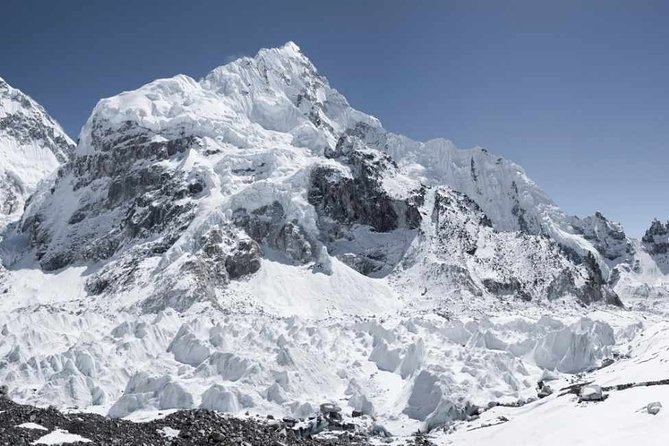
The rest day in Namche is one of the strongest parts of the schedule. You can walk around town, visit the markets, or take the hike to Everest View Hotel for views of Mount Everest and nearby peaks.
A rest day does not mean lying in bed all morning. The short walk helps you get used to the altitude, while the time in town gives you a break from the longer route. You can also use the day to check your clothing, water supply, and personal gear before the higher sections.
The Everest View Hotel hike is especially useful for a first visit because it offers a major mountain view without requiring a full trekking day. Weather can affect what you see, so keep your expectations practical. The mountain may not appear clearly every time.
A few more treks around Kathmandu worth a look
- Annapurna Circuit Trek with Tilicho Lake
★ 5.0 · 368 reviews - Everest Base Camp Trekking – 13 Day
★ 5.0 · 365 reviews - Everest Base Camp Trek
★ 5.0 · 350 reviews - Everest Base Camp Trek -14 Days
★ 5.0 · 321 reviews
Day 4: Tengboche and its important monastery
The path continues to Tengboche, with views of Mount Ama Dablam and other Himalayan peaks along the way. Tengboche is known for its Buddhist monastery, one of the most important in the Himalayas.
This stop adds cultural depth to a route that could otherwise become a simple march toward Base Camp. The monastery gives you a chance to see the spiritual side of the Khumbu region, while the setting places you among some of the area’s most recognizable peaks.
The day also marks a change in feel. Forest sections begin to give way to more open, rugged ground. You should expect the walk to feel harder as the air thins and the route rises. The gradual schedule helps, but no itinerary can make altitude predictable for every person.
Day 5: The more rugged approach to Dingboche
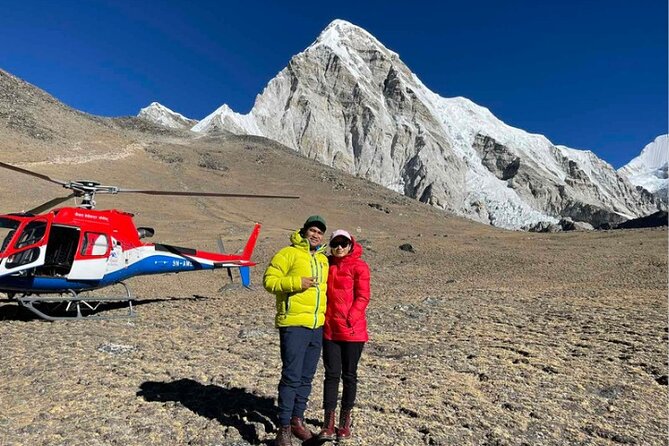
By Dingboche, the route feels more exposed and rugged. The lush lower sections are behind you, and the changing terrain makes it clear that Everest Base Camp is not a quick mountain viewpoint.
Dingboche is another valuable pause in the schedule. You have already spent several days walking, and the village gives you time to settle into the higher altitude before heading toward Lobuche and Gorakshep.
This is a good point to be honest with yourself. If you are struggling badly, tell your guide. A beginner itinerary offers a planned rest day, but it does not guarantee that everyone will adapt at the same rate. Strong fitness is listed as a requirement, and that is worth taking seriously.
Day 6: Acclimatization walks around Dingboche
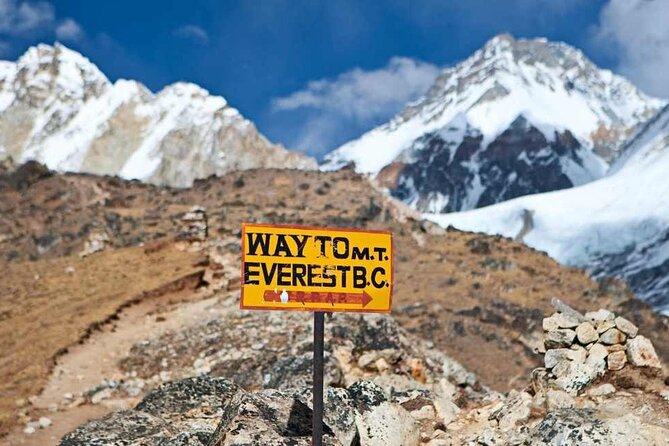
The second rest day includes short hikes around Dingboche. These walks help you adjust without adding another full-distance day to the route.
I like this structure because the trek does not rush straight from Namche to Base Camp. The two rest days are placed where they matter most, at Namche and Dingboche. For a person without previous trekking experience, that spacing is more sensible than a nonstop climb.
You may also appreciate the quieter pace here. The route is now less about towns and more about mountain surroundings. Keep the day easy, drink what is available, and follow the guide’s instructions. Bottled water is not included, so plan for that cost as you go.
Day 7: Lobuche and the memorials to climbers
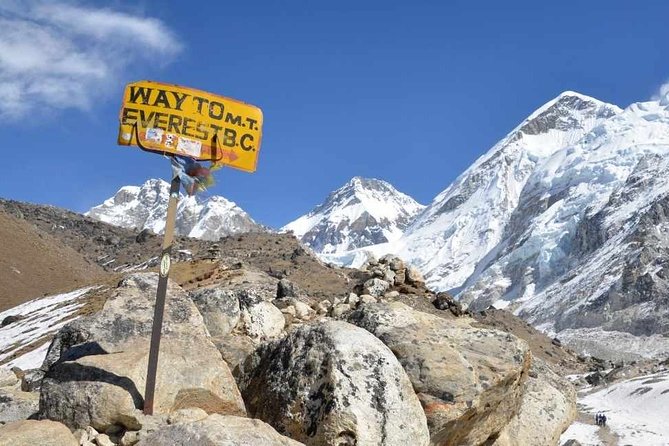
The trek to Lobuche brings you closer to the high point of the journey. Along the way, you see memorials to climbers who died on Mount Everest.
These memorials change the tone of the trip. Everest is often presented as a grand scenic goal, but the memorials remind you that the mountain is also dangerous. They make the final approach more thoughtful and less like a simple photo mission.
Lobuche is a demanding stop because you are now walking high above the lower villages. Take the day slowly. The route is not about speed, and your guide is there to help manage the pace and practical details.
Day 8: Gorakshep and Everest Base Camp at 5,364 meters
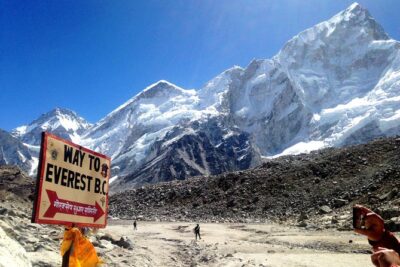
Day 8 is the main goal: trekking to Gorakshep and then continuing to Everest Base Camp. At 5,364 meters, Base Camp is high enough to make the achievement feel substantial, even though you are not climbing Mount Everest itself.
The route gives you a close view of the world’s tallest mountain and the surrounding peaks. Reaching Base Camp is a major physical effort, and the thin air can make the final miles feel much longer than the distance suggests.
It is important to keep the purpose clear. This trek takes you to the starting point used by climbers attempting Everest, not to the summit. You get the setting, the altitude, and the view, but you are not taking on a mountaineering expedition.
The Gorakshep section also tests the schedule. You have already spent a week walking uphill and adjusting to altitude. A strong fitness level, sensible pacing, and attention to your guide’s advice matter more here than enthusiasm alone.
Day 9: Kala Patthar at sunrise, then down to Pheriche
The early climb to Kala Patthar is planned for sunrise. This viewpoint offers striking views of Mount Everest and the surrounding mountains, making it one of the most memorable moments on the route.
The early start is worthwhile for the light and the mountain views, but it also means another demanding effort after reaching Base Camp. Once you finish the climb, you trek down to Pheriche.
That descent brings some relief because you are losing altitude, but it is still tiring on legs that have worked hard for more than a week. You should not assume that going down makes the day easy. The combination of an early start, the Kala Patthar climb, and the trek to Pheriche requires stamina.
Day 10: The return plan needs a clear explanation
The supplied schedule says you trek back to Namche Bazaar to Lukla on Day 10. That wording is unclear because Day 11 is also listed as the flight back to Kathmandu from Lukla.
You should ask Mountain Hike Nepal to confirm the exact overnight stop and walking route before booking. Namche Bazaar and Lukla are separate stops, and the description does not clearly explain how both fit into this day.
This is not a minor detail. It affects how much walking you do, where you sleep, and whether the return pace matches the beginner label. A written day-by-day route with each overnight village will remove the uncertainty.
Day 11: Flying back to Kathmandu
The final day is the return flight from Lukla to Kathmandu. The activity ends back at the Kathmandu meeting point at Mountain Hike Nepal, Satghumti, Kathmandu 44600.
As with the opening flight, weather can affect the schedule. The cancellation terms state that a poor-weather cancellation may result in a different date or a full refund. That protects you if the activity itself is canceled, but you should still ask what happens if a flight is delayed and your wider Nepal plans are affected.
What the guide and porter service add
The package includes an experienced English-speaking trekking guide and porter service, with one porter shared between two trekkers. For a first Himalayan trek, this support is a major part of the value.
A guide can help you follow the route, manage the daily schedule, and understand when to slow down. The porter lets you avoid carrying all your belongings over the full route. Tips are not included, so prepare to budget for them separately.
One named contact connected with the experience is Manish, who explained the practical do-and-do-not details clearly and honestly. That is useful reassurance, especially for someone making a first trip to Everest Base Camp. Still, you should confirm who your specific guide will be and how guide communication works before departure.
Who should book this trek?
This trek suits you if you want a structured route, have strong physical fitness, and prefer having flights, permits, meals, guide service, and porters arranged together. It also suits a private group that wants to walk with only its own party rather than join a large shared departure.
The beginner label means the route is designed with gradual ascent and acclimatization days. It does not mean the trek is easy. You still face multiple long walking days, high altitude, an early Kala Patthar climb, and possible flight disruption.
It may not suit you if you want a relaxed holiday, dislike early starts, or are not prepared to pay for personal extras. The package lists group discounts, but it also identifies the activity as private, so ask how the discount applies to your party.
Booking details, cancellation, and practical checks
Pickup is offered, mobile tickets are available, and confirmation is provided at booking. The starting time is 5:15 a.m., so confirm the pickup point and transfer details in advance.
You can cancel for a full refund if you do so at least 24 hours before the local start time. Changes made within 24 hours are not accepted and are not refunded. If poor weather or an insufficient number of participants cancels the experience, you are offered a different date or experience, or a full refund.
Before booking, ask for written confirmation of:
- The exact Day 10 overnight stop
- The baggage limit for porter service
- The amount of personal luggage each porter carries
- How flight delays are handled
- Whether group discounts apply to a private booking
- Expected tips and any additional transport costs
FAQ
Where does the Everest Base Camp trek start?
The trek starts from Mountain Hike Nepal at Satghumti, Kathmandu 44600, Nepal. Pickup is offered, and the listed start time is 5:15 a.m.
How long is the trek?
The experience lasts approximately 11 days. The route includes flights between Kathmandu and Lukla, with trekking through Phakding, Namche Bazaar, Tengboche, Dingboche, Lobuche, Gorakshep, Everest Base Camp, Kala Patthar, and Pheriche.
Is the trek suitable for beginners?
It is designed for beginner trekkers and includes a gradual ascent with rest days in Namche Bazaar and Dingboche. You should still have a strong level of physical fitness because the trek reaches 5,364 meters and includes demanding walking days.
What is included in the price?
The $2,000 price includes domestic airport transfers, breakfast, lunch and dinner during the trek, an English-speaking trekking guide, porter service for every two trekkers, round-trip Lukla flights, and a trekking permit.
What expenses are not included?
Personal expenses are not included. You pay separately for phone calls, laundry, bar bills, battery charging, extra porters, bottled water, tips for guides and porters, and anything not listed in the included services.
Can I cancel for a full refund?
Yes. You can cancel at least 24 hours before the experience start time for a full refund. Cancellations or changes made less than 24 hours before the start are not refunded or accepted. Poor weather or an insufficient number of participants may result in a different date or a full refund.
Should you book it?
Book this trek if you want a planned first route to Everest Base Camp and value having the major logistics handled. The two acclimatization days, porter arrangement, included Lukla flights, and private format make it a practical choice for a fit beginner.
Before you commit, get the Day 10 return route clarified in writing. If Mountain Hike Nepal confirms a realistic schedule and explains the extra costs, the $2,000 price offers solid value for a demanding but well-supported Himalayan experience.
Recently added around Kathmandu
- Ghorepani Poon Hill Trek★ 5.0 · 16 reviews
- Private Manaslu Circuit Trek at Himalayas★ 5.0 · 3 reviews
- Amazing 1 Day Trekking Experience in Kathmandu Nepal★ 5.0 · 24 reviews
- Ghorepani Poonhill Trek★ 5.0 · 5 reviews
- Upper Mustang Trekking★ 5.0 · 2 reviews
- Upper Mustang Trekking★ 3.0 · 2 reviews
- Upper Mustang Trekking★ 5.0 · 4 reviews
- Upper Mustang Trek★ 5.0 · 5 reviews
Everest Base Camp Treks, compared.




Browse the lists this tour appears in