
REVIEW · KATHMANDU
Everest Three Pass Trek
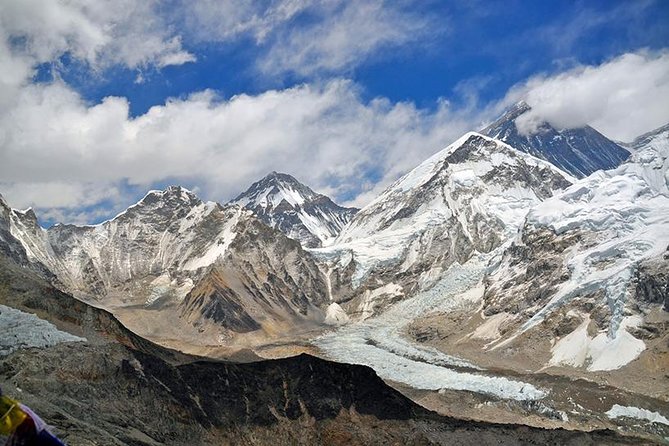
Three high passes, one serious Himalayan challenge. The Everest Three Pass Trek takes you beyond the busiest Everest routes and across Kongma La, Cho La, and Renjo La, each rising above 5,300 meters. I like the variety of mountain scenery and the fact that meals, lodging, flights, permits, and an experienced guide are included. I also like the private format, which gives your group more room to set its pace.
The main caution is simple: this is not a gentle introduction to Nepal. You need strong physical fitness, comfort with long mountain days, and proper travel and rescue insurance. Altitude and weather can make the passes demanding, and the published elevation figures vary slightly, so confirm the final route and pass details before booking.
Key points to know before booking
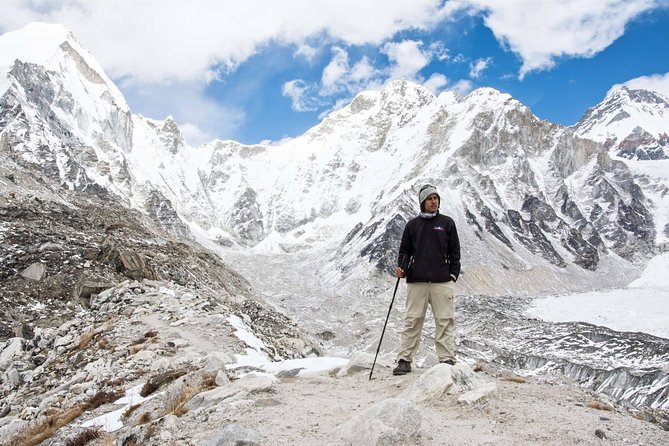
- Three passes above 5,300 meters: Kongma La, Cho La, and Renjo La provide the trek’s main challenge and its most dramatic high-altitude days.
- 17 days from Kathmandu: The program includes Kathmandu time, flights between Kathmandu and Lukla, and the trek itself.
- Private group format: Only your group participates, with a licensed English-speaking guide assigned to lead you.
- Most major costs are included: Lodging, full-board meals, permits, local fees, flights, ground transport, and airport transfers are covered.
- Guide support gets strong praise: Jiban, Raman, Rabin, Raj, and Raji are specifically named in personal accounts, with particular praise for care, patience, humor, and language skills.
- Expect extra personal costs: Wi-Fi, laundry, hot showers, battery charging, bar bills, visa fees, insurance, and tips are not included.
Why the Three Pass Trek is different
Many visitors come to the Everest region for the classic route toward Everest Base Camp. This trip adds a much harder test: three high passes that link different parts of the Khumbu region.
That change matters. You are not simply walking toward one famous destination and returning by the same general route. The passes create a broader journey through high mountain country, with each crossing asking for careful pacing and a good response to altitude.
The three named passes are Kongma La, Cho La, and Renjo La. The supplied material gives slightly different elevations for each one, listing Kongma La between 5,535 and 5,555 meters, Cho La between 5,330 and 5,420 meters, and Renjo La between 5,345 and 5,360 meters. That is worth noticing, not because the difference changes the challenge, but because you should ask the operator for the exact route and current elevation figures.
I like the idea of this route for experienced hikers who want more than the standard Everest corridor. You get a stronger sense of crossing the region rather than simply following one well-known trail. The tradeoff is that the difficult sections are not optional side trips. The passes are the heart of the experience, and they demand preparation.
More Everest Base Camp Treks in Kathmandu:
- Everest Base Camp Trek – 14 Days
★ 5.0 · 1,499 reviews - Everest Base Camp Trek
★ 5.0 · 842 reviews - Everest Base Camp Trekking
★ 5.0 · 485 reviews
Kathmandu preparation and the flight to Lukla
The experience begins in Kathmandu, where two nights of standard hotel accommodation with breakfast are included. Airport pickup, drop-off, and ground transfers in a private vehicle are also part of the package.
Those first nights matter. You can recover from your international flight, meet your guide, and make sure your equipment is ready before heading toward the mountains. The hotel is described as standard, so you should expect practical accommodation rather than a luxury stay.
The trip includes airfare from Kathmandu to Lukla and back. That saves you from arranging the mountain flights yourself and keeps the transport plan under one provider. The exact flight timing is not given, so build flexibility into your wider Nepal plans.
Lukla is the practical gateway to the Khumbu trek. From there, the walking portion begins, with lodge accommodation and full-board meals provided along the route. Since the program is private, you can ask the guide questions directly and discuss the pace within the limits of the fixed schedule.
The first trekking days: settling into mountain rhythm
The opening days are likely to be your adjustment period. You move from Kathmandu travel into a pattern of walking, eating, sleeping, and managing your gear at altitude.
The exact daily stops and walking times are not supplied, so I would not book this expecting a detailed, fixed day-by-day schedule from the information available. Ask for the current route plan before paying, including overnight villages, daily walking hours, elevation gains, and planned acclimatization days.
The lodge arrangement is twin sharing. That keeps the price lower than a private-room plan and fits the practical style of high-altitude trekking. Full-board breakfast, lunch, and dinner are included, which is useful because meal costs in remote mountain areas can quickly add up.
You should still budget for drinks and personal extras. Wi-Fi, laundry, hot showers, battery charging, and bar bills are specifically excluded. Those small charges can become noticeable over 17 days, especially if you want regular internet or frequent hot showers.
Kongma La, the first major test
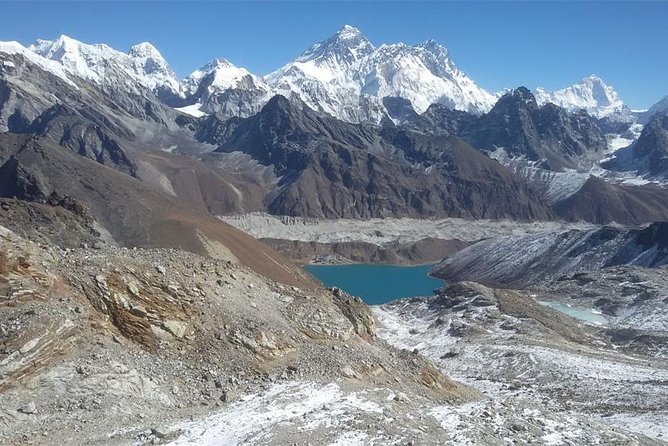
Kongma La is listed at more than 5,500 meters, making it one of the highest and most demanding points on the route. The pass is not simply another walking day. At that height, a steady pace and close attention to how you feel become central to the experience.
This is where strong fitness helps, but fitness alone does not control altitude response. You may be in excellent shape and still need to slow down. A good guide should watch the group, explain the conditions, and make sensible decisions if someone is struggling.
The pass is one reason this route suits experienced hikers more than first-time high-altitude walkers. You need to accept that progress may be slow and that the day could feel much harder than the distance suggests.
I appreciate that a first-aid medical kit is included and that the guide is licensed and English-speaking. That does not replace insurance. Travel and rescue insurance is compulsory and remains your responsibility, so check that your policy covers high-altitude trekking and evacuation before departure.
A few more treks around Kathmandu worth a look
- Annapurna Circuit Trek with Tilicho Lake
★ 5.0 · 368 reviews - Everest Base Camp Trekking – 13 Day
★ 5.0 · 365 reviews - Everest Base Camp Trek
★ 5.0 · 350 reviews - Everest Base Camp Trek -14 Days
★ 5.0 · 321 reviews
Cho La and the changing character of the route
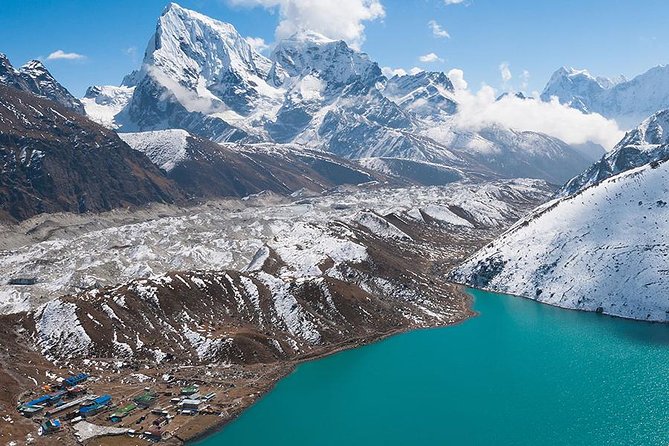
Cho La is another high crossing, with the supplied figures placing it between 5,330 and 5,420 meters. Its presence helps make this trek more than a single summit-style challenge. You face another major pass after already spending time at altitude.
That repeated effort is the real test. You are not only asking whether you can reach one high point. You are asking whether you can recover, eat, sleep, and continue toward the next one.
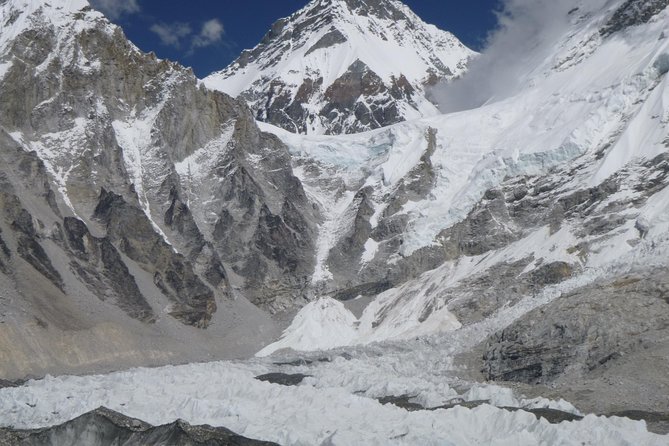
The route description refers to snow-covered passes. Conditions will depend on the season, weather, and current trail state, so you should ask what equipment is recommended for your departure date. The package provides a down jacket and sleeping bag if needed, which is useful, but the information does not list every item of technical gear.
I would ask specifically about footwear, traction equipment, gloves, sun protection, and any gear required for the passes. Do not assume that a sleeping bag and down jacket cover every cold-weather need.
Renjo La and the reward of a wider route
Renjo La is listed between 5,345 and 5,360 meters. Like the other crossings, it is high enough to make pacing and acclimatization more important than speed.
By this stage, you will have spent considerable time walking through the Khumbu region. The appeal of Renjo La is partly the sense of completing a connected high route rather than visiting a single famous viewpoint. The three passes give the trip a strong goal structure: each crossing marks real progress.
The route is described as revealing less familiar parts of the Everest region. That makes it appealing if you want mountain scenery away from the most direct Everest Base Camp pattern. Still, the phrase should not lead you to expect isolation at every moment. The trip remains a known trekking route with lodge accommodation and organized guiding.
The best reason to choose Renjo La, Kongma La, and Cho La is not a promise of solitude. It is the chance to see more of the region while taking on a harder physical challenge.
Lodges, meals, and the practical side of 17 days
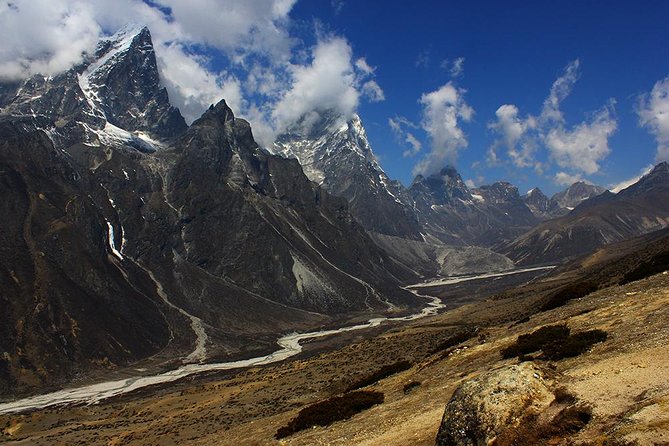
Twin-sharing lodges keep the package grounded and practical. You should expect basic mountain accommodation rather than hotel-style comfort, and personal facilities may cost extra.
Three daily meals are included during the trek. That is a meaningful part of the $2,200 price, since arranging food independently over a long mountain journey would require more planning and payment at every stop.
The included equipment is also useful. You can request a down jacket and sleeping bag if needed, which may reduce the amount of bulky gear you need to bring from home. Confirm the jacket and sleeping bag specifications, sizing, condition, and rental or deposit terms before departure.
The package also includes a first-aid medical kit. That is reassuring, but you should still bring personal medication and discuss any medical concerns with your doctor before booking. No specific medical screening or emergency evacuation service is included in the listed price.
What the $2,200 price really covers
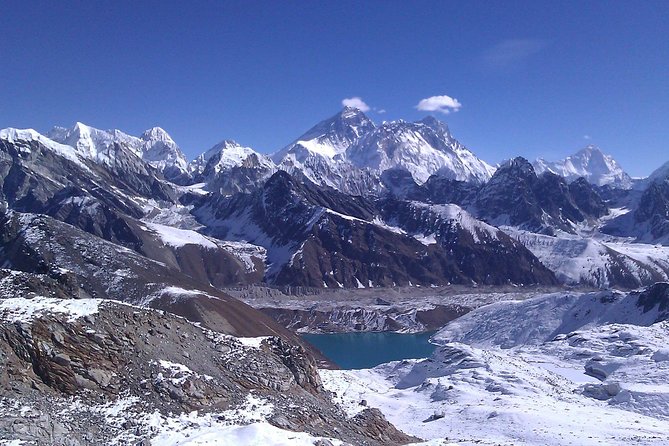
At $2,200 per person, the cost is not just a guiding fee. It includes private ground transport, airport transfers, two Kathmandu hotel nights with breakfast, flights between Kathmandu and Lukla, twin-sharing lodges, three daily meals during the trek, a licensed English-speaking guide, permits, local tourism fees, taxes, office charges, and selected equipment.
That gives the package solid value if you want a ready-made trek rather than separate bookings. The Lukla flights alone can make a large difference to your planning, while permits and transport are handled for you.
The price does not cover everything. You must pay for Nepal’s entry visa, insurance, personal purchases, internet, laundry, hot showers, charging, bar bills, and guide and porter tips. You should also confirm whether porters are included in the operating plan, since the provided details mention expected tips for guides and porters but do not clearly state the porter arrangement.
A private trip can cost more than joining a larger group, but it may be worth it if you value direct contact with one guide and want your own group to travel together. The key question is not simply whether $2,200 is cheap. It is whether the included flights, meals, lodging, permits, and support match the level of service you need.
Guides, communication, and personal support
The strongest praise attached to this experience concerns the guiding team. Jiban is credited with helping a solo participant feel safe and well supported. Raman is described as professional, patient, good company, and deeply familiar with Nepalese culture.
Rabin receives praise for humor and for communicating carefully with a Japanese participant who did not speak English comfortably. Raj is noted for speaking Japanese very well, and Raji is also described as fluent in Japanese and generous with practical advice.
These names do not guarantee which guide you will receive. Guide assignment can depend on availability, so ask Adventure Bound who is likely to lead your departure and whether language support can be arranged.
The personal accounts also suggest that this operator works well with different kinds of visitors, including solo participants, families, and people traveling from Japan, France, and Taiwan. That does not remove the physical demands, but it does suggest that clear communication and personal attention are important parts of the service.
Who should book this trek?
I would recommend it to you if you already hike regularly, have experience with long mountain days, and want a demanding route through the Everest region. It is especially suitable if you prefer a private group and want major trip elements arranged in advance.
You should think twice if this is your first serious trek, if you dislike basic lodging, or if you need a relaxed holiday schedule. The 17-day duration leaves little room for treating the route as a casual sightseeing trip.
A solo booking is possible, but private does not mean easy. You still need to be comfortable with high altitude and with spending many days in a simple mountain setting.
The six available ratings are all at the top score, and the detailed praise focuses on guide care, patience, humor, cultural understanding, and language support. I would give those points real weight, but I would still ask direct questions about the exact route, acclimatization plan, porter support, equipment, and emergency procedures.
Final booking advice
Book this trek if you want the Everest region with a serious physical edge, value a private guide, and are ready for three passes above 5,300 meters. The strongest reasons to choose it are the broad route, the included logistics, the full-board plan, and the warm reports about individual guides.
Do not book it simply because the price includes a lot. Make sure your insurance covers rescue, your fitness matches the demands, and the operator gives you a clear current route plan. If those pieces are in place, the Everest Three Pass Trek offers a strong blend of challenge, support, and mountain variety.
Free cancellation is available if you cancel at least 24 hours before the local start time. Changes or cancellations inside that window are not accepted for a refund.
FAQ
How long is the Everest Three Pass Trek?
The trek lasts approximately 17 days, including the Kathmandu portion and the trekking schedule.
Where does the experience begin?
The experience is based in Kathmandu, Nepal. Airport pickup and drop-off are included.
Which passes are included?
The route includes Kongma La, Cho La, and Renjo La, all listed at elevations above 5,300 meters.
How high is Kongma La?
The supplied information lists Kongma La at either 5,535 or 5,555 meters. Ask the provider to confirm the figure used for your route.
How high is Cho La?
Cho La is listed at either 5,330 or 5,420 meters. The exact elevation should be confirmed before booking.
How high is Renjo La?
Renjo La is listed at either 5,345 or 5,360 meters.
Are flights to Lukla included?
Yes. Airfare from Kathmandu to Lukla and back to Kathmandu is included.
Are meals included during the trek?
Yes. Breakfast, lunch, and dinner are included during the trekking portion.
Is accommodation included?
Yes. Two nights in a standard Kathmandu hotel with breakfast and twin-sharing lodge accommodation during the trek are included.
Is travel insurance included?
No. Travel and rescue insurance is compulsory but must be arranged and paid for separately.
Is this a group tour?
No. It is a private activity, so only your group participates.
Are personal expenses included?
No. Wi-Fi, laundry, bar bills, battery charging, hot showers, visa fees, insurance, and tips are not included.
Recently added around Kathmandu
- Ghorepani Poon Hill Trek★ 5.0 · 16 reviews
- Private Manaslu Circuit Trek at Himalayas★ 5.0 · 3 reviews
- Amazing 1 Day Trekking Experience in Kathmandu Nepal★ 5.0 · 24 reviews
- Ghorepani Poonhill Trek★ 5.0 · 5 reviews
- Upper Mustang Trekking★ 5.0 · 2 reviews
- Upper Mustang Trekking★ 3.0 · 2 reviews
- Upper Mustang Trekking★ 5.0 · 4 reviews
- Upper Mustang Trek★ 5.0 · 5 reviews
Everest Base Camp Treks, compared.




Browse the lists this tour appears in