
REVIEW · KATHMANDU
Pikey Peak Trek Everest View
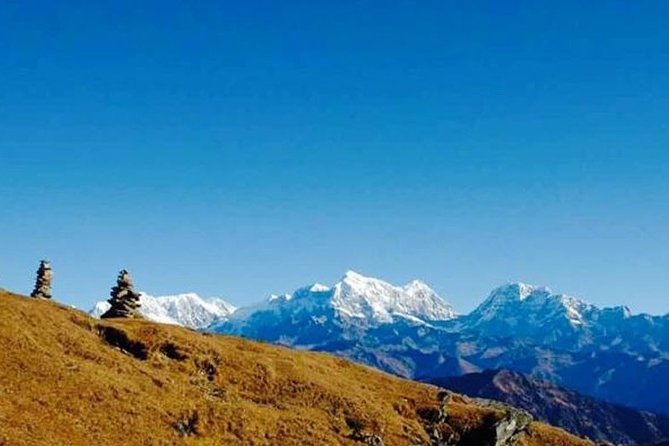
Everest views come with fewer crowds here. This nine-day trek from Kathmandu reaches Pikey Peak at 4,068 meters, with wide views toward Everest and the Eastern Himalayas. I like the route’s Sherpa villages and rhododendron forests, and I like that transport, permits, meals, tea house stays, a guide, and porter support are included. The slower route through Shivalaya, Kinja, Goyam, and Junbesi also gives you a more local feel than a quick mountain flight.
The main consideration is the moderate fitness requirement and high sleeping point at Pikey Base Camp, 3,640 meters. You spend a long day reaching Shivalaya by bus, then climb steadily over several trekking days. The itinerary gives you a rest day near Solukhumbu, but it does not list walking distances or daily hiking times, so you should ask for those details before paying.
Key points to know before booking
- Pikey Peak reaches 4,068 meters, giving the trek its best high-point views toward Everest and the Eastern Himalayas.
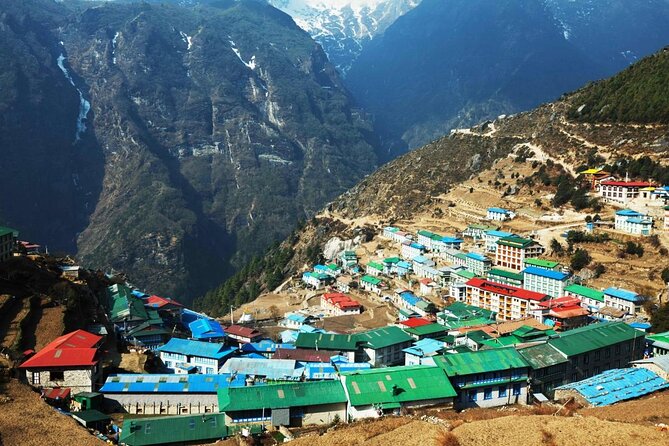
- The route passes through Sherpa communities, including Junbesi, where the village setting adds cultural interest to the mountain scenery.
- A rest day near Pikey Base Camp lets you hike, relax, and enjoy the views instead of moving every day.
- Transport begins and ends by road, with bus or jeep service between Kathmandu, Shivalaya, Phaplu, and Kathmandu.
- The $1,200 price includes major trekking costs, including permits, food, tea house accommodation, guide, porter service, staff costs, and local transport.
- This is a private trip, so only your own group participates, with an English-speaking guide from Happyland Treks.
Why Pikey Peak is a smart alternative to a longer Everest trek
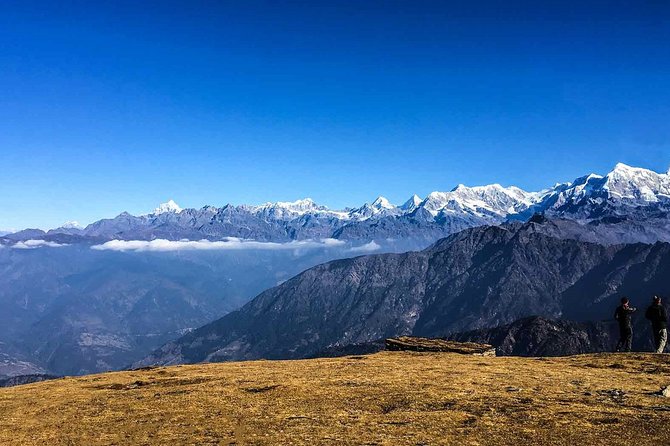
Pikey Peak offers a taste of the Everest region without the length of a classic Everest Base Camp journey. You still walk through the eastern Himalayan foothills, pass Sherpa settlements, sleep in tea houses, and reach a substantial viewpoint at 4,068 meters. The route also gives you forest, village, and mountain scenery rather than one long march through a single type of terrain.
I like the balance here. You begin in Kathmandu, travel overland to Shivalaya, and then walk toward the high country. That road approach takes time, but it gives the trip a gradual rhythm. You do not simply arrive at a high airport and start walking at altitude.
The route is best for someone who wants an organized Himalayan trek but does not need a large group or a long expedition. The private format matters. Your group can move at its own pace within the guide’s plan, and you will not be tied to strangers with different walking speeds or priorities.
Still, this is not a casual village walk. Pikey Base Camp sits at 3,640 meters, and the summit reaches 4,068 meters. The information provided describes the trip as suitable for people with moderate physical fitness. Take that seriously, especially if you are not used to several consecutive days on foot.
More Everest Base Camp Treks in Kathmandu:
- Everest Base Camp Trek – 14 Days
★ 5.0 · 1,499 reviews - Everest Base Camp Trek
★ 5.0 · 842 reviews - Everest Base Camp Trekking
★ 5.0 · 485 reviews
Day 1: Arriving in Kathmandu and preparing for the trail
Your first day is for arrival, an airport transfer, hotel check-in, and trek preparation. Airport pickup and drop-off by car, van, or bus are included, which removes one common source of hassle after an international flight.
You spend the night in Kathmandu, with another Kathmandu night included in the package. The city stay gives you time to organize personal equipment, meet the guide, and make sure your bags are ready. Happyland Treks also provides a company duffel bag and T-shirt, though your personal trekking gear remains your responsibility.
Food arrangements change once you are in the city. Breakfast is included, but lunch and dinner in Kathmandu are not. Budget separately for those meals, drinks, and other city costs.
The meeting point is Happyland Treks on Paknajol Marg in Kathmandu, and the listed start time is 5:45 a.m. That early start matters most on the road departure day. Confirm the exact pickup place and time with the company before the trek begins.
Day 2: The road from Kathmandu to Shivalaya
The second day takes you from Kathmandu to Shivalaya at about 1,770 meters by bus or jeep. This is a transfer day, not a trekking day, but it is important to understand the tradeoff: the road approach is part of the experience and can make the overall trip feel more adventurous and less polished.
The benefit is that you reach the trail on the Shivalaya side rather than relying on a short domestic flight. The drawback is time on the road. The itinerary does not provide the travel duration or road conditions, so ask the operator for a realistic estimate before you leave.
Shivalaya marks the start of the walking portion. At 1,770 meters, it also gives you a lower starting point before the route gains height. That gradual change is useful, though the following trekking days still require effort.
Day 3: Shivalaya to Kinja at 1,630 meters
You walk from Shivalaya to Kinja, which sits at approximately 1,630 meters. The lower elevation at the end of the day may seem surprising after starting higher, but mountain routes do not always climb in a straight line. Expect the trail to include changes in height rather than a simple uphill pattern.
Kinja is one of the early village stops where the pace shifts from road travel to foot travel. Tea house accommodation and all standard trekking meals are included from this stage of the trip. Breakfast, lunch, and dinner are covered on the trekking days, along with three cups of tea or coffee daily.
You should still carry money for extras. Hot showers, bottled water, cold drinks, battery charging, hot water, donations, alcohol, and other personal purchases are not included.
A few more treks around Kathmandu worth a look
- Annapurna Circuit Trek with Tilicho Lake
★ 5.0 · 368 reviews - Everest Base Camp Trekking – 13 Day
★ 5.0 · 365 reviews - Everest Base Camp Trek
★ 5.0 · 350 reviews - Everest Base Camp Trek -14 Days
★ 5.0 · 321 reviews
Day 4: Kinja to Goyam at 3,220 meters
The route from Kinja to Goyam marks a serious change in elevation, ending at about 3,220 meters. This is the kind of day that makes the moderate fitness advice important. You are moving from a lower village setting into the higher part of the trek, and the increase is significant.
Goyam gives you a high overnight stop before Pikey Base Camp. The tea house arrangement keeps the trip practical, but you should not expect city-hotel comforts in the mountains. The package covers the room, meals, and tea house stay, while personal comforts such as hot showers and charging cost extra.
This is also a good point to keep your routine simple. Walk at a steady pace, drink regularly, and follow the guide’s advice. The package includes a medical kit, and staff costs, insurance, and medicine for the trekking team are covered. Your own travel medical insurance is not included, so arrange that independently.
Day 5: Goyam to Pikey Base Camp at 3,640 meters
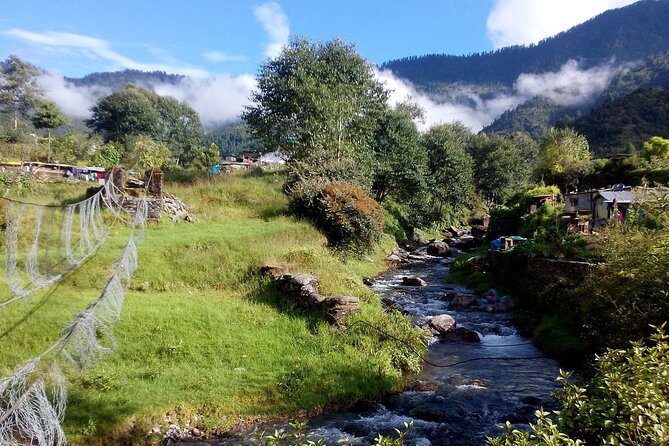
The walk from Goyam to Pikey Base Camp brings you to one of the trek’s key overnight points, at approximately 3,640 meters. The route is known for rhododendron forest and views toward the eastern Himalayas, with Sherpa villages adding human scale to the scenery.
Pikey Base Camp is close to the trek’s main viewpoint, Pikey Peak at 4,068 meters. Spending the night nearby is valuable because you are not trying to reach the high point and immediately rush back down. The schedule allows the mountain setting to be part of the experience rather than just a box to tick.
The itinerary does not state the exact summit timing or whether the peak walk is a separate early hike. Ask the company to clarify this. You should know how much walking is planned on the high day, what time you will start, and how the guide handles poor weather.
Day 6: A rest day near Pikey Base Camp
The rest day in the Solukhumbu area is one of the strongest features of this plan. You can hike nearby, relax, explore the surroundings, and enjoy the views without packing up for another long transfer.
A rest day at altitude is useful for two reasons. It gives your legs a break after the climb from Kinja through Goyam, and it gives you more time around Pikey Base Camp and its surrounding scenery. The schedule is not overloaded, which suits walkers who prefer a steady pace.
The day is described as a rest day rather than a completely inactive day. You might choose a short local walk, but the exact route is not specified. Let your guide know how you are feeling. At this elevation, a quiet day can be more useful than forcing another major climb.
Day 7: Pikey Base Camp to Junbesi at 2,700 meters
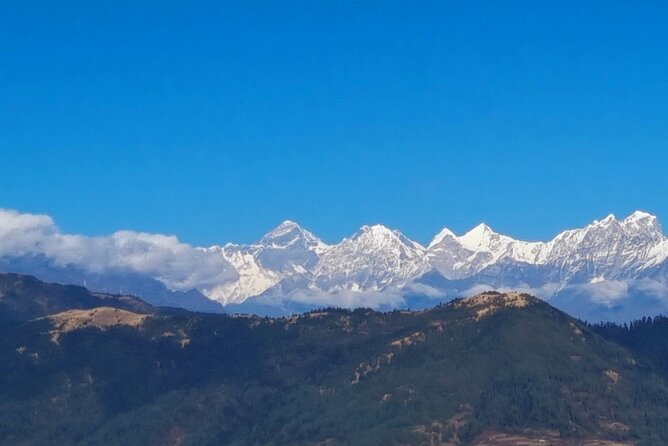
The trail descends from Pikey Base Camp to Junbesi, at about 2,700 meters. After spending time high on the route, the lower village setting should feel welcome, and the descent helps you sleep at a more comfortable elevation.
Junbesi is one of the most appealing stops on the itinerary because it is a Sherpa village with a strong connection to the Everest region. The trek is not only about reaching a viewpoint. It is also about moving through communities where the mountain setting is part of everyday life.
As always, the exact walking distance and time are not supplied. Ask about them before departure, especially if downhill walking is difficult for you. A descent can be hard on knees even when it feels easier for your breathing.
Day 8: Junbesi to Phaplu
The walk from Junbesi to Phaplu brings the trekking portion close to its end. Phaplu is the road connection for the return journey, and reaching it on foot gives the final walking day a clear purpose.
You continue to receive standard trekking meals and tea house accommodation during the walking section. The package also includes porter service at a ratio of one porter for every two people. Pack thoughtfully and keep your daily essentials in your own day bag, while the porter carries the main load.
Tipping is expected for the guide and porter and is not included in the $1,200 cost. The amount is not specified, so ask Happyland Treks for its current recommendation. A fair tip should reflect the length of the trek, service, and the work involved in carrying equipment and supporting the group.
Day 9: Returning from Phaplu to Kathmandu
The final day uses a bus or jeep from Phaplu to Kathmandu, with Kathmandu listed at about 1,336 meters. The road return can be tiring, but it avoids adding another walking day and completes the loop by land.
Airport transfer is included, so the company can take you to or from the airport by car, van, or bus as arranged. Do not schedule an international flight too tightly around the return. The itinerary does not give a precise driving time, and road travel can be less predictable than a fixed flight schedule.
The package lists nine breakfasts, seven lunches, and seven dinners. Since the trek lasts nine days and includes two Kathmandu nights, ask the company to confirm exactly which breakfasts are covered and where they are served. This is a small point, but clear details prevent awkward surprises.
What the $1,200 price really covers
At $1,200 per person, the trip includes more than a guide and a bed. Your cost covers airport transfers, two Kathmandu nights, the TIMS card, Gaurishankar National Park and Everest National Park permits, standard trekking meals, three cups of tea or coffee per day, tea house accommodation, and an English-speaking guide.
It also covers a porter shared between two people. Staff accommodation, food, salary, insurance, and medicine are included, as are a medical kit, company duffel bag, T-shirt, local taxes, and transport between Kathmandu, Shivalaya, Phaplu, and Kathmandu.
That makes the price reasonable for a private nine-day trek, especially if you value having permits and local transport arranged in advance. The value is less clear if you already have equipment, prefer to arrange food and rooms yourself, or want a basic independent walk.
You still need to budget for international airfare, Nepal’s entry visa, personal equipment, travel medical insurance, emergency evacuation, Kathmandu lunches and dinners, tips, alcohol, showers, drinks, water, charging, donations, and other personal costs. Emergency evacuation can be a major expense, so insurance deserves careful attention.
Guide support and the Happyland Treks experience
Happyland Treks provides an English-speaking guide and porter support, with staff costs included. The company also issues a completion certificate, which is a modest but pleasant keepsake from the trip.
The strongest praise connected with the company focuses on organization and staff support. Pramish received specific thanks for steady encouragement and help during an Everest Base Camp trip. Bimal and the wider Happyland team were also praised for handling complicated visa, quarantine hotel, and COVID test arrangements during the pandemic.
Those examples come from different Himalayan trips, not this exact Pikey Peak route, so I would not treat them as a guarantee about your individual guide. Still, they suggest that communication and practical assistance are important parts of the company’s service. Ask for your guide’s name before departure and confirm the daily plan, equipment list, road transfers, and high-altitude arrangements.
Who should book this private Pikey Peak trek?
I would recommend this trek to you if you want:
- A private experience for your own group
- A moderate-length route in the Everest region
- Sherpa villages and forest trails, not just a mountain viewpoint
- A guide, porter, permits, food, rooms, and transport arranged together
- A gradual approach by road instead of starting with a high domestic flight
- Time to rest and explore near Pikey Base Camp
I would be more cautious if you dislike long road journeys, have limited hiking fitness, or want a luxury mountain trip. Tea houses are practical, not plush, and several costs remain outside the package.
You should also ask for daily distances, expected walking hours, room arrangements, toilet and shower details, the exact Pikey Peak summit plan, and the current road schedule. None of those details are provided, and they matter when you are comparing a private trek with other operators.
Should you book the Pikey Peak Trek Everest View?
Book it if you want an organized, private introduction to the eastern Everest region with a good mix of mountain views, forest, Sherpa villages, and manageable trip length. The included permits, meals, guide, porter, tea house stays, and road transfers give the $1,200 price solid value.
Think twice if your priority is comfort, precise daily timing, or minimal time in vehicles. The route requires moderate fitness, reaches 4,068 meters, and includes a road journey to Shivalaya and another back from Phaplu.
For the best decision, confirm the hiking hours, summit schedule, food details, and insurance expectations before booking. If those answers suit you, this is a sensible way to see the Everest region without committing to a much longer trek.
FAQ
How long is the Pikey Peak Trek Everest View?
The experience lasts approximately nine days, beginning and ending in Kathmandu.
What is the highest point on the trek?
Pikey Peak reaches 4,068 meters. The itinerary also includes an overnight stay at Pikey Base Camp, at about 3,640 meters.
Is transportation included?
Yes. Airport transfers are included, along with transport from Kathmandu to Shivalaya and from Phaplu back to Kathmandu by bus or jeep.
Are meals included?
Standard breakfast, lunch, and dinner are included during the trekking portion, along with three cups of tea or coffee per day. Breakfast is also listed as included in the package, while lunch and dinner in Kathmandu are not included.
Is accommodation included?
Yes. Two nights in Kathmandu and tea house accommodation during the trek are included.
Is a guide and porter included?
Yes. An English-speaking guide is included, along with one porter for every two people. Staff food, accommodation, salary, insurance, and medicine are also covered.
Can I cancel for a full refund?
You can cancel at least 24 hours before the experience starts for a full refund. If poor weather causes the company to cancel, you will be offered another date or a full refund.
Recently added around Kathmandu
- Ghorepani Poon Hill Trek★ 5.0 · 16 reviews
- Private Manaslu Circuit Trek at Himalayas★ 5.0 · 3 reviews
- Amazing 1 Day Trekking Experience in Kathmandu Nepal★ 5.0 · 24 reviews
- Ghorepani Poonhill Trek★ 5.0 · 5 reviews
- Upper Mustang Trekking★ 5.0 · 2 reviews
- Upper Mustang Trekking★ 3.0 · 2 reviews
- Upper Mustang Trekking★ 5.0 · 4 reviews
- Upper Mustang Trek★ 5.0 · 5 reviews
Everest Base Camp Treks, compared.




Browse the lists this tour appears in