
REVIEW · KATHMANDU
Mt. Everest Base Camp Trek Nepal – 16 Days
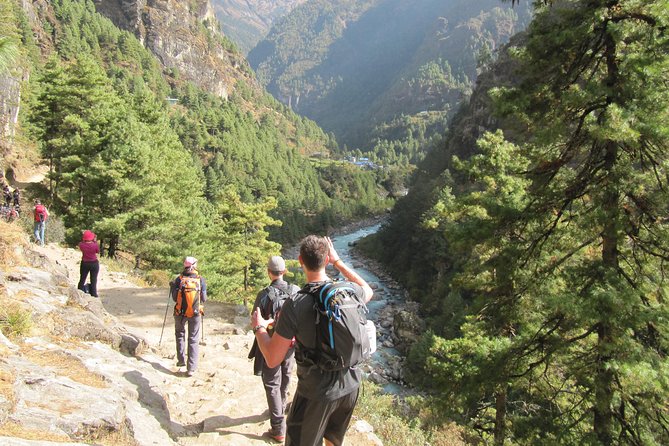
The Himalayas demand patience and strong legs. This 16-day private Everest Base Camp trek gives you a well-supported route through Sherpa villages, monasteries, suspension bridges, and high mountain valleys, with airport pickup, flights, lodging, meals, permits, a guide, and porter included. You also receive useful gear, including a sleeping bag, duffel bag, down jacket, and trekking poles.
I like the built-in acclimatization days at Namche Bazaar and Dingboche, since altitude is the real challenge here, not simply distance. I also like the practical support: pre-trek briefing, airport transfers, porter service, and a spare day in Kathmandu in case the Lukla flight is delayed. The main drawback is that the price does not include travel insurance, emergency evacuation, personal drinks, hot showers, Wi-Fi, or possible helicopter costs.
The route reaches Everest Base Camp at 5,360 meters and Kala Patthar, where you get one of the finest views of Everest. This is not a casual sightseeing trip. You need proper trekking gear, moderate fitness, flexibility, and a willingness to sleep in simple teahouses while paying extra for small comforts.
Key points to know before booking
- Lukla flights begin the adventure: The 35-minute flight from Kathmandu offers mountain views, but weather can delay or cancel it.
- Two acclimatization days matter: You spend rest days in Namche Bazaar and Dingboche, with optional short walks to higher viewpoints.
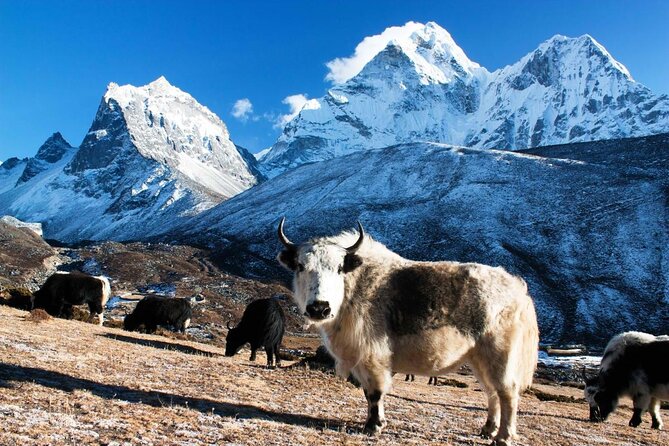
- Base Camp is only part of the goal: The early morning climb to Kala Patthar offers the clearest stated view of Everest, the Khumbu Glacier, and Base Camp below.
- Most nights are in teahouses: Expect 12 nights in basic mountain lodging, with full-board meals during the trek.
- The package includes useful equipment: A sleeping bag, duffel bag, down jacket, and trekking poles help reduce your packing burden.
- Keep money and time in reserve: Hot showers, Wi-Fi, laundry, drinks, gratuities, insurance, and possible helicopter transfers cost extra.
What the $1,900 price covers
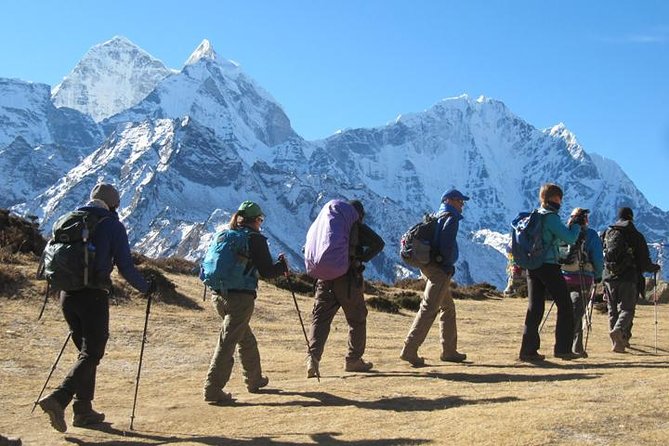
At $1,900 per person, this trek is priced as a packaged private journey rather than a bare-bones walking holiday. You receive three nights of twin-sharing accommodation in Kathmandu and 12 nights in teahouses, plus flights between Kathmandu and Lukla, permits, a trekking guide, a Sherpa porter, meals on the trail, and breakfast in the city.
That bundle has real value. You do not need to arrange the Lukla flights, Sagarmatha National Park permits, porter, sleeping bag, down jacket, or trekking poles separately. Airport pickup, the Kathmandu briefing, welcome dinner, farewell dinner, and hotel transfers also reduce the number of small decisions you must make after a long international flight.
The price does not cover everything. Lunch and dinner in Kathmandu are yours to pay for, except for the welcome and farewell meals. Personal costs include hot showers, hot water, laundry, bar drinks, beverages, Wi-Fi, and any extra porter service. You should also budget for guide and porter gratuities.
Travel insurance with emergency evacuation is not included. That is important at this altitude. Buy a policy that specifically covers trekking at the elevations on this route and emergency evacuation, rather than assuming an ordinary holiday policy will do.
More Everest Base Camp Treks in Kathmandu:
- Everest Base Camp Trek – 14 Days
★ 5.0 · 1,499 reviews - Everest Base Camp Trek
★ 5.0 · 842 reviews - Everest Base Camp Trekking
★ 5.0 · 485 reviews
Kathmandu arrival and the first briefing
Day 1 is deliberately gentle. You are met at Tribhuvan International Airport and transferred to your hotel in Kathmandu. After you settle in, the program is explained in the hotel lobby, followed by a welcome dinner at a Nepali restaurant with cultural performances.
This first night has practical value. It gives you a chance to check your clothing and equipment before the early start, ask questions, and adjust to the pace of the trip. The scheduled meeting time is 5:00 am, so do not plan a late night.
Day 15 provides a useful cushion after the trek. It is reserved in case the Lukla flight is canceled and you need to protect your international departure. If you have already returned to Kathmandu, you can use the day for Thamel shopping or arrange sightseeing at extra cost. That spare day is one of the smarter parts of the schedule.
Lukla to Phakding: a short first walk
Day 2 begins with the flight to Lukla, at about 2,800 meters. The flight lasts roughly 35 minutes, followed by baggage sorting and lunch arrangements before the trek begins.
The walk to Phakding takes about five hours. You pass Sherpa farm villages and follow the Dudh Koshi River, with early views toward Kusum Kanguru and nearby Himalayan peaks. This is a sensible opening day, since you begin walking at altitude without being asked to cover a huge distance.
The Lukla flight deserves careful planning. Weather and technical problems can delay or cancel it, and flights may be moved to another airline if seats are available. If a helicopter is needed, the stated estimate is about $500 to $600 per person when shared, or around $2,500 in total each way for a private helicopter. Keep extra money available, and do not schedule an important international connection immediately after the planned return.
Namche Bazaar and the first acclimatization day
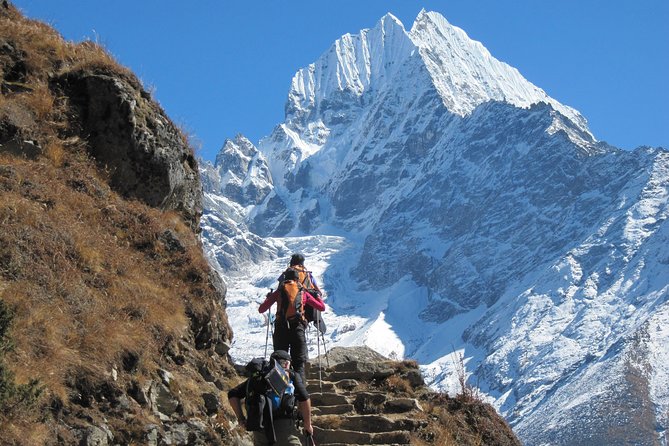
On Day 3, you cross suspension bridges over the Dudh Koshi and enter Sagarmatha National Park at Monjo, where permits are checked. The trail continues through Jorsalle before the longer climb to Namche Bazaar, at roughly 3,440 meters.
Namche is a major stop on the route because it is both a Sherpa trading center and an altitude adjustment point. The walk takes about five hours, but the final uphill section can feel much harder than the clock suggests.
Day 4 is a full acclimatization day. You can rest, walk around the bazaar, visit the Sherpa Museum, or hike toward the Everest View Hotel and Syangboche airstrip before returning to Namche. The important idea is to gain some height during the day, then sleep back in Namche.
Do not treat this as a wasted day. It is one of the best protections in the itinerary against rushing upward. Namche also gives you a chance to buy small supplies and get a better sense of Sherpa culture before the villages become smaller and the air thinner.
A few more treks around Kathmandu worth a look
- Annapurna Circuit Trek with Tilicho Lake
★ 5.0 · 368 reviews - Everest Base Camp Trekking – 13 Day
★ 5.0 · 365 reviews - Everest Base Camp Trek
★ 5.0 · 350 reviews - Everest Base Camp Trek -14 Days
★ 5.0 · 321 reviews
Tengboche and the monastery route
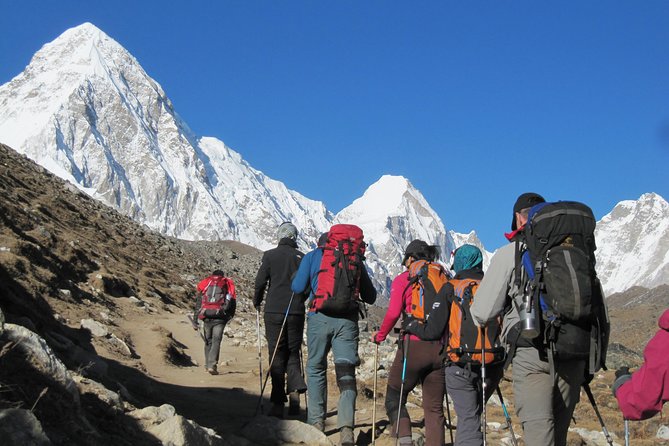
Day 5 takes you toward Tengboche in about four to five hours. The route offers views of Everest, Nuptse, Lhotse, Ama Dablam, Thamserku, and Kwangde before descending toward the Imja River at Phungi Thanga.
From there, the trail climbs through forests of fir, blue pine, rhododendron, magnolia, and birch. Tengboche is one of the most memorable stops because of its large monastery and broad mountain setting. You are surrounded by tea houses, campsites, and high peaks, with Ama Dablam especially prominent.
The word easy should be used carefully here. Some parts of the day are pleasant, but the descent and later climb can still test your legs. Trekking poles, included in the package, are useful on this kind of mixed trail.
Dingboche and the second acclimatization day
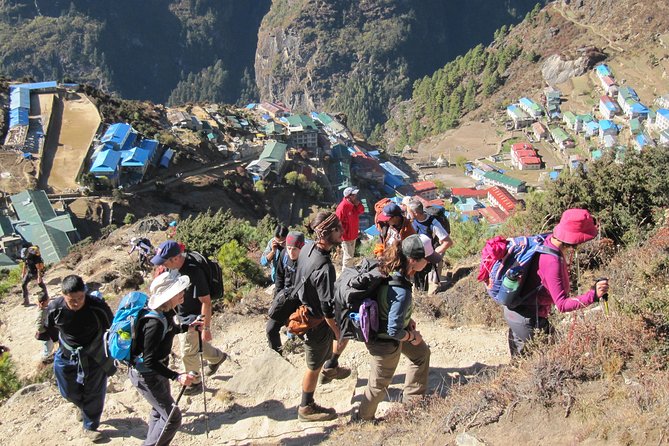
Day 6 passes through Deboche and Pangboche before entering the Imja Valley. The trees become less common as you gain elevation, and the mountain views grow larger. After roughly four to five hours, you reach Dingboche, with Ama Dablam, Nuptse, Lhotse, and Island Peak in view.
Day 7 is your second major rest day. You can stay in Dingboche or walk toward Chhukung at about 4,730 meters. The optional outing takes around three to four hours from Dingboche and gives you views toward Lhotse, Ama Dablam, and the Imja Glacier.
This is another day when you should listen to your guide and your body. A rest day does not have to mean lying in bed, but neither should it become a race to a high point. The schedule gives you room to move slowly, which is exactly what you want at this elevation.
Lobuche and the memorials above Thukla
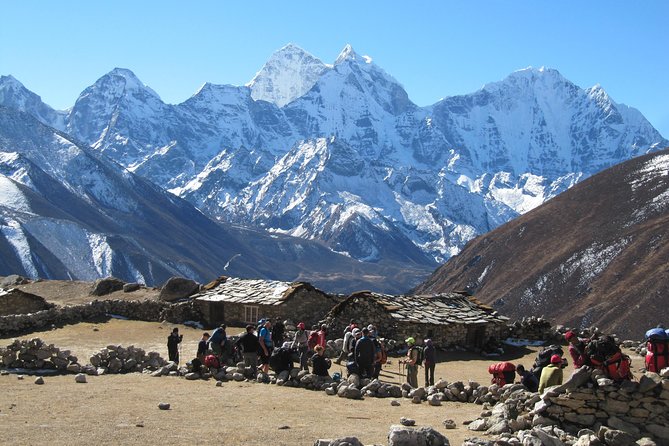
Day 8 leads north toward Lobuche, with about five hours of walking. The route passes a mani prayer stupa and offers views down toward Pheriche before reaching Thukla.
The climb above Thukla is short but steep. At the top, you see memorials honoring climbers who died in the Everest region. It is a quiet, serious place, and it puts the risks of high-altitude mountaineering into clear view.
From there, the trail continues toward Lobuche, with views of Pumori and other peaks west of Everest. By now the cold, wind, rocky ground, and thin air can make a five-hour day feel much longer. You should expect slower meals, slower walking, and less comfort than in the lower villages.
Gorakshep and Everest Base Camp
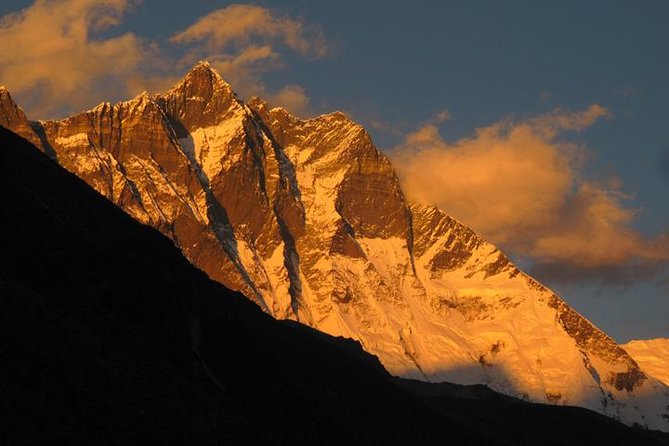
Day 9 starts early and takes you along a windy, rocky route to Gorakshep. The walk takes about two hours before you settle into the basic lodging there, then continue to Everest Base Camp at 5,360 meters.
The path follows the Khumbu Glacier and can change as the glacier shifts. Your guide is important here because the route may not look identical from one season to the next. The walk from Gorakshep to Base Camp and back is demanding, especially in thin air, and the total day is listed at about eight hours.
At Base Camp, you see the Khumbu Icefall and the moraine around the glacier. It is a famous destination, but do not expect a grand permanent village or a guaranteed view of Everest’s summit from the camp itself. The surrounding ice, rock, and huge peaks are the main experience.
Kala Patthar and the best Everest view
Day 10 begins before sunrise with the climb to Kala Patthar. The ascent takes about two hours at your own pace, followed by a return to Gorakshep and the day’s remaining walk.
Kala Patthar is a small rocky summit on the southwest ridge of Pumori. From the top, you can look toward Everest, the Khumbu Glacier, Everest Base Camp, and the surrounding peaks. This is the trip’s clearest stated viewpoint for Everest, and it is often the moment that makes the effort feel worthwhile.
The early start also has a practical reason. Mountain weather can change quickly, and early conditions may offer better visibility. Still, you need warm layers, water, and patience. At this altitude, even a short climb can feel like a major undertaking.
The return through Tengboche and Namche
Day 11 turns downhill toward Tengboche and lower elevations. The route passes through Pangboche before reaching the monastery area again, with Ama Dablam, Everest, Lhotse, and nearby peaks surrounding the settlement.
Descending is easier for some people, but it still puts pressure on knees and ankles. Use your poles, take short steps, and do not assume the return will feel effortless after reaching Base Camp.
Day 12 continues through forests of fir, blue pine, rhododendron, magnolia, and birch. You cross the Dudh Koshi on a suspension bridge and return to Namche Bazaar. The return walk takes about five hours and brings back more vegetation, warmer air, and the comforts of a larger mountain settlement.
Lukla, Kathmandu, and the final night
Day 13 is the longest return walking day, listed at seven to eight hours. You descend through Monjo and Phakding before continuing toward Lukla. The trail passes Sherpa villages and greener surroundings, giving you a final look at the valley you crossed on the way up.
In Lukla, the crew reconfirms your flight and holds a final meal with you. This is a good evening to check that your passport, tickets, phone, and personal gear are ready for the morning.
Day 14 is the flight back to Kathmandu. Flights usually operate in the morning because winds often increase later in the day, but delays remain possible. Once in Kathmandu, you have time to rest at the hotel after the physical strain of the trek.
Day 16 is departure day, with airport transfer arranged for your flight. The schedule also allows time for last-minute shopping or another trip if your plans continue.
Food, lodging, gear, and support
The package provides full-board meals during the trek and breakfast in Kathmandu. You should still expect simple teahouse food rather than restaurant variety, and personal drinks are not included.
The 12 teahouse nights are a major part of the experience. They provide shelter along the route, but the package does not promise luxury. Hot showers, hot water, laundry, Wi-Fi, and bar drinks cost extra, so carry cash for the comforts you care about most.
The included sleeping bag, duffel bag, down jacket, and trekking poles are useful additions. You still need proper trekking clothing and footwear. The operator specifically requires suitable trekking gear, and this is not a route for casual sneakers or a light city jacket.
The private format is another advantage. Only your group participates, so your guide can manage the pace around your needs more easily than on a large departure. Himalayan Planet Adventures has also received strong praise for organized airport pickup and return-flight handling, with guide Hari specifically associated with a well-organized Nepal trekking experience. Naba is named as a long-standing contact connected with the company’s trekking work.
Who should book this Everest trek?
I would recommend this trip to someone who wants a fully arranged route but still wants the physical challenge and local contact of a classic Himalayan trek. It suits hikers with moderate fitness who can manage repeated five to eight-hour walking days and accept basic lodging.
It is less suitable if you need guaranteed flight times, hotel-style comfort, or a relaxed holiday with only occasional walking. The altitude, cold, early starts, and uncertain Lukla flights require flexibility.
Before paying, confirm current flight arrangements, what happens if the itinerary changes, and the exact gratuity expectations for your guide and porter. Also arrange insurance for trekking and evacuation, and leave spare days around your international flights.
Should you book it?
Book this trek if you value a private, well-supported route and want the major Everest milestones handled in one package. The inclusion of flights, permits, meals, porter service, gear, airport transfers, and acclimatization days makes $1,900 a reasonable price for the amount of planning covered.
Think twice if your budget cannot absorb a helicopter transfer, extra mountain comforts, insurance, or gratuities. If you can prepare properly, walk steadily, and allow plans to change around the weather, this itinerary gives you a strong route to Base Camp with time to experience Sherpa villages, monasteries, and the high valleys along the way.
FAQ
How long is the Everest Base Camp trek?
The experience lasts approximately 16 days, including arrival and departure days, the trek, acclimatization days, and a buffer day in Kathmandu.
What is included in the $1,900 price?
The price includes three nights of twin-sharing accommodation in Kathmandu, 12 nights in teahouses, a trekking guide, Sherpa porter, permits, return flights between Kathmandu and Lukla, full-board meals during the trek, Kathmandu breakfasts, a sleeping bag, duffel bag, down jacket, trekking poles, airport transfers, and welcome and farewell dinners.
Is airport pickup included?
Yes. Airport pickup from Tribhuvan International Airport is included, along with transfers to and from the hotels.
What happens if the Lukla flight is canceled?
The operator may try to arrange another airline, subject to available seats. A helicopter may be offered, but the additional cost is paid by you. The stated estimate is about $500 to $600 per person when sharing, or about $2,500 total each way for a private helicopter.
Are meals included in Kathmandu?
Breakfast is included in Kathmandu. Lunch and dinner are not included, except for the welcome and farewell dinners.
Do I need travel insurance?
Yes, you should arrange suitable travel insurance yourself. Insurance and emergency evacuation are not included in the tour price.
How fit do I need to be?
You need a moderate level of physical fitness and proper trekking gear. The route includes walking days of about five to eight hours, high-altitude sections, an early climb to Kala Patthar, and changing weather conditions.
Recently added around Kathmandu
- Ghorepani Poon Hill Trek★ 5.0 · 16 reviews
- Amazing 1 Day Trekking Experience in Kathmandu Nepal★ 5.0 · 24 reviews
- Private Manaslu Circuit Trek at Himalayas★ 5.0 · 3 reviews
- Ghorepani Poonhill Trek★ 5.0 · 5 reviews
- Upper Mustang Trekking★ 5.0 · 2 reviews
- Upper Mustang Trekking★ 3.0 · 2 reviews
- Upper Mustang Trekking★ 5.0 · 4 reviews
- Upper Mustang Trek★ 5.0 · 5 reviews
Everest Base Camp Treks, compared.






Browse the lists this tour appears in