
REVIEW · KATHMANDU
Mardi Himal Trek
The quiet trail is the real reward. The Mardi Himal Trek gives you a shorter route through the Annapurna region, with rhododendron forests, village teahouses, and broad views of Fishtail and the Annapurna range. I like the contrast between lively Kathmandu and the calm high country, and I especially like that the route includes local villages such as Sidhing rather than rushing straight back to the road.
I also like the strong value at $799 per person, since permits, guides, porters, transport, lodging, and most meals are included. The main drawback is the long bus ride between Kathmandu and Pokhara, plus a steep and narrow ridge walk to Mardi Himal Base Camp that demands steady footing and reasonable fitness.
Key points to know before booking
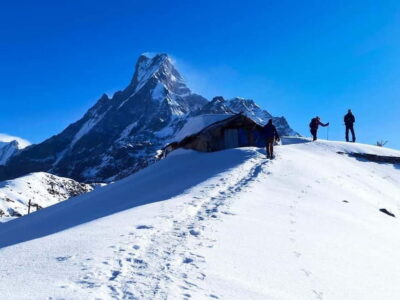
- Mardi Himal Base Camp reaches about 4,000 meters, with striking views of Annapurna I, Annapurna South, Hiunchuli, Fishtail, and surrounding peaks.
- The route stays quieter than the better-known Annapurna Base Camp trail, although teahouse facilities are simple.
- A guide and porter team are included, with one porter shared by every two trekkers.
- The trek combines forests, ridges, villages, and mountain viewpoints, so the scenery changes often rather than repeating itself.
- The package includes Kathmandu and Pokhara hotels, teahouse lodging, trekking meals, permits, airport transfers, and tourist buses.
- The hike to Base Camp is the toughest section, with a narrow ridge, strong winds, steep ground, and cliffs on both sides.
Why the Mardi Himal Trek is worth considering
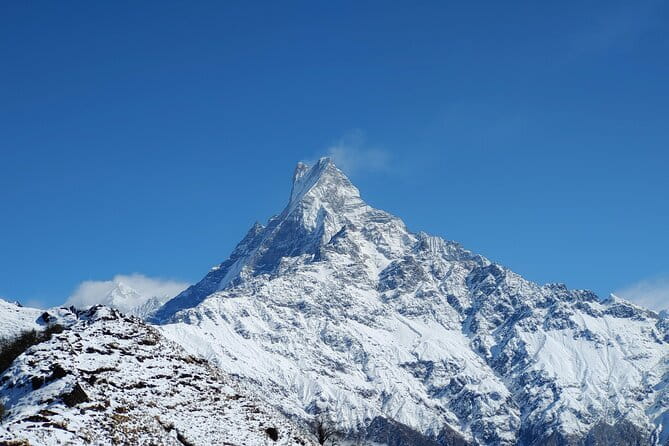
Mardi Himal is a good fit if you want a real Himalayan trek without committing to a much longer expedition. The walking portion is compact, yet it reaches high enough for dramatic mountain views and a clear change in vegetation. You begin among villages and cultivated hills, pass into rhododendron forest, and finish among alpine slopes and open ridges.
The route sits east of the Annapurna Base Camp trail. That location matters because you still see many of the same famous peaks, but the path offers a different rhythm. Instead of following one heavily used valley, you climb through Forest Camp, Low Camp, Badal Danda, and High Camp before reaching the base camp viewpoint.
I like the mixture of natural and cultural stops. A stay in Sidhing, for example, gives you time around a working mountain village, small shrines, monasteries, and local homes. The teahouses are not luxury lodges, but they make the route feel connected to the communities that support it.
The package is private, so only your group participates. That gives you more control over walking pace and rest stops than a large fixed group usually allows. It also makes a difference if your group includes people with different fitness levels.
More Mardi Himal Treks in Kathmandu
- Mardi Himal Trek
★ 5.0 · 41 reviews - Mardi Himal Trek Nepal
★ 5.0 · 29 reviews - Mardi Himal Trek – 8 Days | Hidden Gem of the Annapurnas
★ 5.0 · 19 reviews
Kathmandu adds two useful days before the mountains
Your first day is simple. After clearing customs at Tribhuvan International Airport, a representative meets you outside the international arrival terminal and takes you to a hotel in Thamel. The transfer is listed at about 30 minutes, though Kathmandu traffic can affect the actual time.
Day two is set aside for Kathmandu Valley sights. The planned stops include Boudhanath Stupa and Pashupatinath Temple, while the additional information also lists Swayambhunath and Patan Durbar Square as possible attractions. Expect about five hours of sightseeing.
Boudhanath is the largest stupa in the valley and an important center of Tibetan Buddhism. Its broad open area and steady flow of worshippers offer a calmer start to your cultural sightseeing. Pashupatinath is one of the most important Hindu temple complexes in Asia, with many shrines and lingams spread around the site.
Swayambhunath, often called the Monkey Temple, sits above the city and offers a wide view over Kathmandu. Patan Durbar Square adds old courtyards, temples, and traditional architecture. Since the exact sightseeing mix may vary, ask your guide which sites are planned and how much time is available at each one.
This day is valuable because it gives you cultural context before the trek. The drawback is that a five-hour city tour can feel full after an international flight and a busy arrival day, so keep your schedule light the night before.
The seven-hour bus ride to Pokhara
The journey to Pokhara begins early. The trekking staff collects you from your hotel at around 6:30 a.m., and the tourist bus is expected to leave at about 7:00 a.m. The ride takes roughly seven hours, with breaks for food and short rests.
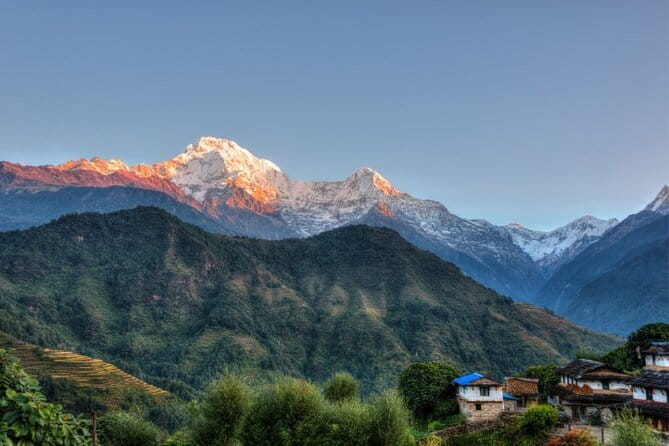
Pokhara is smaller and less frantic than Kathmandu. It is also the gateway to the Annapurna region, with views toward Annapurna, Machhapuchhre, Dhaulagiri, Lamjung Himal, and Manaslu when conditions are clear.
I would treat this bus day as part of the experience, not as a minor transfer. You get a long look at Nepal outside the capital, but the highway can be tiring. If you are prone to motion sickness, keep water and any usual medication close by. The package provides tourist bus transport, not a private vehicle, so the trip will not have the flexibility of a custom car transfer.
You stay in Pokhara before beginning the hike. A short walk around the lakeside area in the evening is a good way to stretch your legs, but you do not need to pack the night with activities.
From Phedi and Dhampus to Deurali
On the fourth day, the group drives about 45 minutes from Pokhara to Phedi. From there, the trail climbs toward Australian Camp, where lunch is planned. The walk to Australian Camp takes about an hour and a half.
Australian Camp is an early highlight. It offers views of Machhapuchhre, Annapurna South, Hiunchuli, and the Manaslu range. You then continue through Pothana toward Deurali, a small village with views over Pokhara Valley, Annapurna South, Machhapuchhre, and, from the top, Dhaulagiri.
This first walking day is a useful test of your pace. The path is described as fairly relaxed, but stone-paved sections and steady uphill walking still require effort. You are not yet at great altitude, so the main challenge is getting used to several hours on your feet.
The schedule uses both Dhampus and Deurali in its description, while the stop title simply says Deurali. That is worth confirming with the operator before departure, especially if you want to know exactly where lunch and the overnight stay will occur.
Same trailhead, a longer or shorter day out:
- Everest Base Camp Trek – 14 Days
★ 5.0 · 1,499 reviews - Everest Base Camp Trek
★ 5.0 · 842 reviews - Everest Base Camp Trekking
★ 5.0 · 485 reviews - Annapurna Circuit Trek with Tilicho Lake
★ 5.0 · 368 reviews
Forest Camp brings rhododendrons and quieter trails
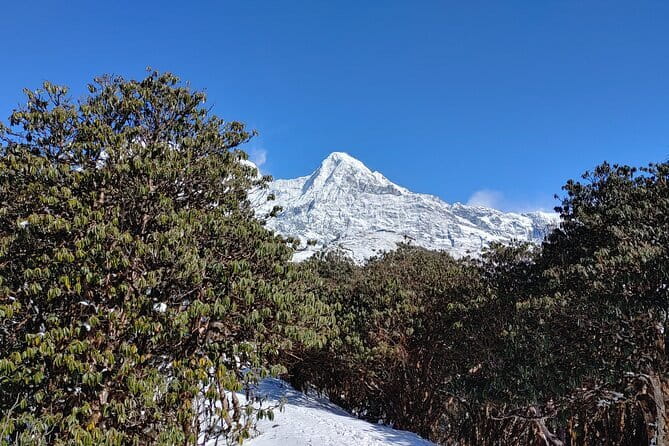
From Deurali, the route climbs through a large forest toward Forest Camp, also known locally as Kokkar. The walk takes about four hours and follows narrow, mostly steady trails through red rhododendron woodland.
This is one of the most appealing parts of the trek for me. The mountain views appear through the trees, while the forest itself gives the day a different feel from the open viewpoints around Pokhara. In flowering season, the rhododendrons can add strong color, though the exact display depends on timing.
Forest Camp is a basic teahouse stop. You have lunch and free time to look around, rest, and enjoy the surrounding nature. Do not expect a resort-style evening. The value here is location and atmosphere, not comfort.
The package includes all meals during the trek, but drinks are extra. Tea, coffee, hot water, soft drinks, bottled or boiled water, and other personal purchases are not included. Keep a small cash reserve for these costs, along with phone charging, showers, laundry, and other extras.
Low Camp, Badal Danda, and High Camp
The next day is the main climb toward High Camp. You first descend through rhododendron forest to Low Camp, where you can stop for tea. The path then rises toward Badal Danda for lunch before continuing to High Camp.
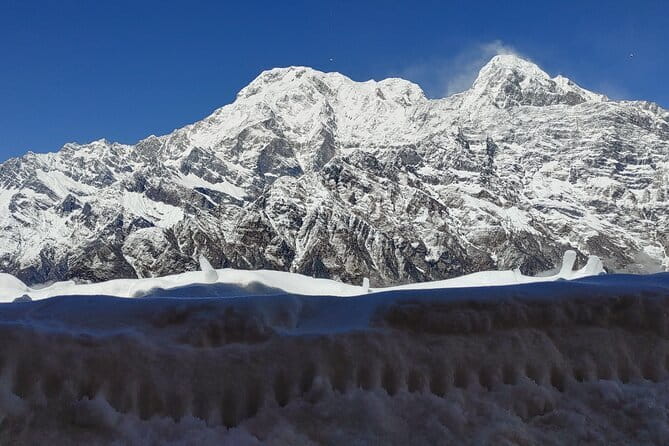
Badal Danda is one of the best viewpoints on the route. From here, you can see Annapurna South, Hiunchuli, the trail toward Annapurna Base Camp, Machhapuchhre, and Pokhara Valley. As you climb higher, the forest thins and the vegetation changes. Alpine plants begin to replace the thicker woodland.
High Camp sits around 3,700 meters. The stated walking time is about five hours, but your pace, rest breaks, and conditions will affect the day. This is where altitude becomes a serious consideration. The schedule moves upward fairly quickly from Forest Camp, so you should tell your guide if you develop a headache, unusual tiredness, nausea, or dizziness.
The published stop label for this day says Chame, which does not match the route description. The detailed plan clearly places the overnight at High Camp, so confirm the correct name before booking. Clear communication on this point will prevent confusion about transfers and accommodation.
At High Camp, you get wide views toward Hiunchuli, the Annapurna range, and settlements such as Chhomrong, Sinawa, and Ghandruk. The setting is exposed, and strong wind can make the night feel colder than expected.
The demanding walk to Mardi Himal Base Camp
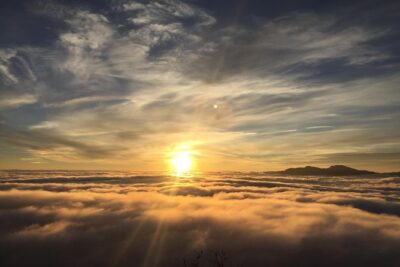
You begin early on day seven, aiming to see sunrise over the snow-covered peaks. The first target is an upper viewpoint, followed by the highest point of the route, Mardi Himal Base Camp at about 4,000 meters.
This is the most demanding section. The trail is steep in places and narrow along a ridge, with cliffs on both sides and strong winds possible. You need careful foot placement and a good head for exposed ground. The walking time is listed at about four hours, including the return to High Camp, but this is not a day to hurry.
The views explain the effort. From the ridge and base camp, you can look toward Annapurna I, II, III, and IV, Gangapurna, Hiunchuli, Annapurna South, Machhapuchhre, Tent Peak, Baraha Shikhar, and Mardi Himal itself.
The schedule allows about 30 to 45 minutes at Base Camp before walking back. That is enough for photographs and a quiet look around, but weather can change the experience quickly. Clouds, wind, or poor visibility may limit the mountain views, and no trek can guarantee clear conditions.
You return to High Camp for a second night. This is a sensible arrangement because it avoids carrying on to a distant village after the hardest high-altitude section.
The long descent through Sidhing village
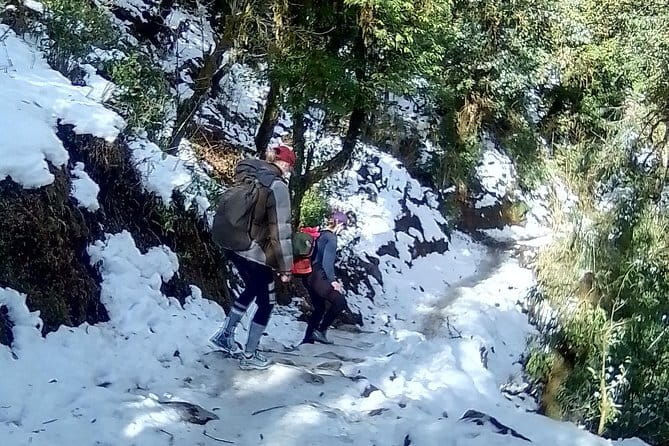
Day eight uses a different route back toward Pokhara, descending from High Camp to Sidhing. The loss in altitude is about 2,000 meters, so this is easier for breathing but demanding on knees and thighs.
The trail passes through more rhododendron patches, then approaches small shrines and monasteries near Sidhing. Sidhing gives you a closer look at village life than the higher teahouse stops. You stay overnight at a hotel or lodge, allowing time to rest after the long descent.
The stop title contains another incorrect reference to Chame, but the description clearly identifies Sidhing as the overnight destination. Ask for a written day-by-day plan with the correct place names. That is a small administrative detail, yet it matters when you are preparing clothing, bags, and expectations.
The descent is scenic, but it is not effortless. Trekking poles may be useful, though they are not specifically listed among the included equipment. The operator includes a medical kit and guide support, but your own travel and rescue insurance is not included, so arrange that before you leave home.
Lumre, Pokhara, and a softer evening
The final walking section leads downhill from Sidhing to Lumre. The path passes terraced fields and green hills, with occasional views of snow-covered peaks behind you. It is shorter and more relaxed than the high mountain days.
At Lumre, you take a cab to Pokhara. Once settled at the hotel, you can walk beside Phewa Lake and watch the sunset. The plan also suggests trying Thakali food and enjoying Pokhara after dark.
This evening is more than a reward after the trek. It gives you a chance to clean up, eat a proper meal, and process the sharp change from high ridges to lakeside streets. Lunch and dinner in Pokhara are not included, so budget separately for your meals and any sightseeing.
Returning to Kathmandu and leaving Nepal
Day ten repeats the long highway journey back to Kathmandu. After breakfast, your guide takes you to a local bus station, and the tourist bus returns you to the capital in about seven hours.
You stay in Thamel and have free time for souvenirs before a farewell dinner with the team. Since the bus ride is long, do not plan an important evening flight on this day. The final airport transfer takes about 30 minutes and is arranged a couple of hours before departure.
Airport pickup and drop-off are included, as are hotel transfers. Extra nights in Kathmandu or Pokhara are not included if you arrive early, leave late, or return from the mountains ahead of schedule. That matters if your international flights do not line up neatly with the 11-day plan.
What the $799 price really covers
At $799, the package offers solid value for a private, guided trek. Included services cover:
- Airport and hotel transfers
- Three-star hotels in Kathmandu and Pokhara
- Teahouse accommodation during the trek
- Breakfast in Kathmandu and Pokhara
- All meals during the trek
- An English-speaking trek leader
- Porters, with one porter for every two trekkers
- Porter wages, insurance, food, lodging, and equipment
- Annapurna Conservation Area and TIMS permits
- Medical kit and government and local taxes
- Tourist bus transport between Kathmandu and Pokhara
That is a strong bundle. The price is especially useful if you would otherwise need to arrange permits, transport, lodging, a guide, and a porter separately.
You still need money for drinks, meals in Kathmandu and Pokhara, visa fees, international flights, insurance, personal expenses, extra nights, and tips. Cold drinks, tea, coffee, hot water, bottled or boiled water, showers, phone calls, laundry, battery charging, and extra porters all cost extra.
The guide team is one of the package’s most important parts. A past booking specifically praised guide Ram Krishna for taking the stress out of the trip and selecting pleasant teahouses. That is the kind of practical support that matters when weather, fatigue, and accommodation choices affect the day.
Who should book this trek
I would recommend Mardi Himal to you if you have moderate fitness, enjoy several hours of uphill and downhill walking, and want mountain scenery without spending weeks on the trail. It is also a good choice if you prefer a private group and value a guide who handles permits, transport, and teahouse arrangements.
Families and first-time trekkers can enjoy it, but the Base Camp ridge should not be treated casually. The route includes exposure, altitude, strong winds, and a quick change from forest to high mountain terrain.
I would hesitate if you dislike long bus journeys, simple teahouses, or steep descents. I would also ask more questions before booking if you need a highly polished schedule, since several day labels are inconsistent and should be corrected in writing.
Cancellation is free up to 24 hours before the start time for a full refund. Changes or cancellations made inside that period are not accepted for a refund.
Final verdict: a strong short trek with one serious mountain day
Book this trek if you want a varied Annapurna experience, good package value, and a quieter route with local village stops. The best parts are the rhododendron forests, the changing mountain views, the Sidhing descent, and the sunrise attempt from High Camp.
Before paying, confirm the corrected day names, ask exactly which Kathmandu sights are included, and check the teahouse standards for your dates. If you are comfortable with basic lodging and a demanding ridge walk, the Mardi Himal Trek offers a memorable Himalayan trip without the length and cost of a major expedition.
FAQ
How long is the Mardi Himal Trek?
The complete experience lasts approximately 11 days, including arrival and departure days, Kathmandu sightseeing, bus journeys between Kathmandu and Pokhara, and the trekking section.
What is the highest point reached?
Mardi Himal Base Camp is listed at about 4,000 meters. High Camp is around 3,700 meters.
Are meals included?
Breakfast is included in Kathmandu and Pokhara, while all meals during the trek are included. Lunch and dinner in Kathmandu and Pokhara are not included. Drinks and hot water also cost extra.
Is transportation from Kathmandu to Pokhara included?
Yes. Tourist bus transport between Kathmandu and Pokhara is included in both directions. The package also includes airport and hotel pickups and drop-offs.
Are guides and porters included?
Yes. An experienced English-speaking trek leader and porters are included. The arrangement provides one porter for every two trekkers, including the porter’s salary, insurance, food, lodging, and equipment.
Do I need travel insurance?
Yes. Travel and rescue insurance are not included in the package, so you need to arrange your own coverage before the trek.
Recently added around Kathmandu
- Ghorepani Poon Hill Trek★ 5.0 · 16 reviews
- Amazing 1 Day Trekking Experience in Kathmandu Nepal★ 5.0 · 24 reviews
- Private Manaslu Circuit Trek at Himalayas★ 5.0 · 3 reviews
- Ghorepani Poonhill Trek★ 5.0 · 5 reviews
- Upper Mustang Trekking★ 5.0 · 2 reviews
- Upper Mustang Trekking★ 3.0 · 2 reviews
- Upper Mustang Trekking★ 5.0 · 4 reviews
- Upper Mustang Trek★ 5.0 · 5 reviews
Mardi Himal Treks, compared.
Mardi Himal Trek – 8 Days | Hidden Gem of the Annapurnas
Read our review →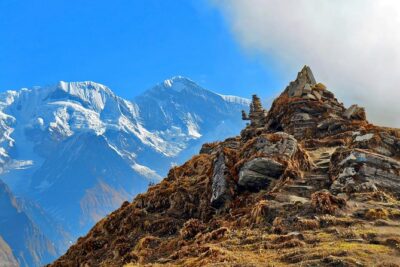
Browse the lists this tour appears in