
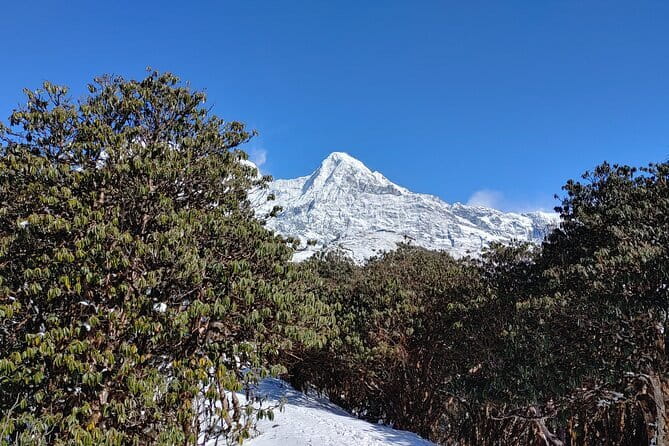
REVIEW · KATHMANDU
Mardi Himal Trek
Big mountains, short schedule. The Mardi Himal Trek packs forest paths, high ridges, and wide Himalayan views into five days, making it appealing if you want a serious taste of Nepal without committing to a much longer route. I especially like the compact route and the chance to reach a 4,500-meter viewpoint, both hard to match on a short trip. The main point to check is the starting plan: the meeting point is listed in Kathmandu, while Day 1 begins with a drive from Pokhara.
I also like the small maximum group of 12 and the repeated praise for supportive guides and porters. Guides named in the feedback include Purna, Nabin, Keshab, Krishna, and Sondosh, with Ram and Hari praised as porters. Still, the trek moves quickly upward, and the fourth day reaches high altitude, so this is not a casual walk despite its beginner-friendly reputation.
Key points at a glance
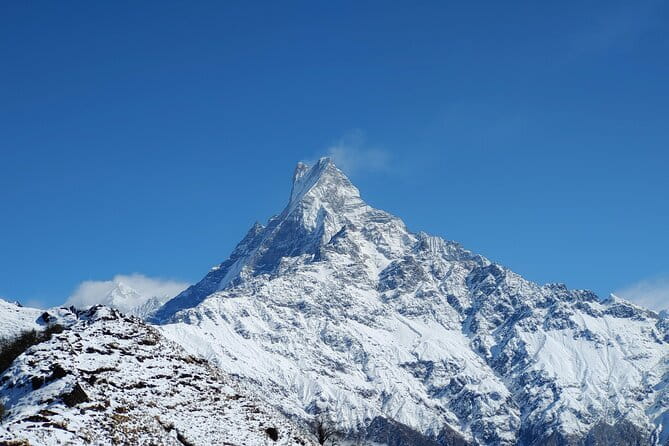
- A five-day route with a 4,500-meter high point: Day 4 takes you from High Camp to the Mardi Himal View Point before dropping to Low Camp.
- A strong mountain-to-time ratio: You see forest, high ridges, and Himalayan peaks without spending two weeks on the trail.
- The hardest stretch is Day 3: Forest Camp to High Camp takes about 6.5 hours and reaches 3,580 meters.
- Guide and porter service is central to the experience: Purna, Nabin, Keshab, Krishna, Sondosh, Ram, and Hari are among the team members praised by name.
- Meals are covered, but drinks are not: The price includes five lunches, four dinners, and four breakfasts. Tea, coffee, bottled water, and tips cost extra.
- Clarify the meeting point before paying: The listed start is Mosaic Adventure in Kathmandu at 8:15 am, but the route begins from Pokhara.
Why Mardi Himal works for a short Nepal trek
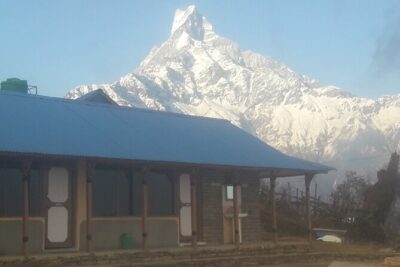
Many Himalayan routes demand a large block of time. Mardi Himal offers a different trade-off. In five days, you move from the lower hills through forest to High Camp, then climb to a 4,500-meter viewpoint before descending toward Siding Village.
That compact shape is the trek’s main appeal. You get a clear sense of changing altitude and scenery without spending several days on long approach roads or repeating the same type of trail. I like trips that give you a strong mountain experience without requiring your entire Nepal holiday, and this route fits that need.
The route is also a good match for someone trying a longer high-altitude walk for the first time. The feedback includes a first extended Nepal trek, as well as a shorter three-day version completed with help from Mosaic Adventure’s guides and porters. That does not make the route easy. It does suggest that good support can make a major difference.
Your pace, fitness, and response to altitude still matter. The schedule includes a six-and-a-half-hour day, a summit-style outing to 4,500 meters, and a long descent. You should approach it as a proper trek, not an extended sightseeing tour.
More Mardi Himal Treks in Kathmandu
- Mardi Himal Trek
★ 5.0 · 41 reviews - Mardi Himal Trek Nepal
★ 5.0 · 29 reviews - Mardi Himal Trek – 8 Days | Hidden Gem of the Annapurnas
★ 5.0 · 19 reviews
Day 1: Pokhara to Pitam Deurali at 2,100 meters
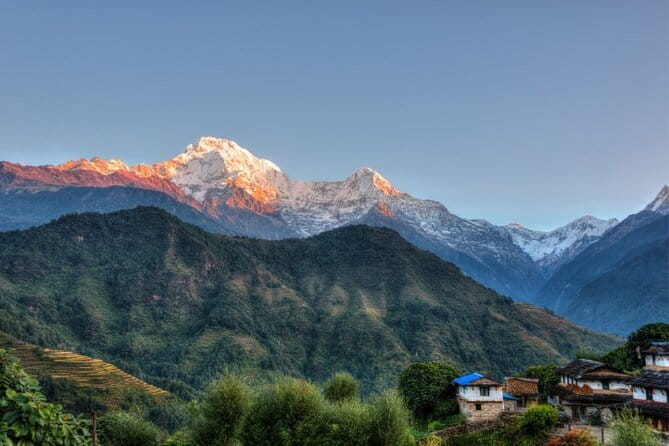
The first day combines a one-hour drive with about 3.5 hours of walking. The route begins from Pokhara and heads toward Pitam Deurali, listed at 2,100 meters.
This is a useful opening day because it eases you into the trek. You do not begin with the longest walking day, yet you still gain altitude and leave the city behind. I would expect this section to feel like a transition from road travel to mountain travel, with the trail setting the rhythm for the days ahead.
The practical issue is the departure arrangement. The meeting point is Mosaic Adventure, Chi Bahal, Adwait Marg, Kathmandu, with an 8:15 am start, but the first route description says Pokhara to Pitam Deurali. Since Pokhara and Kathmandu are not interchangeable starting points, ask exactly where you must be on the morning of departure and how the transfer is handled.
Do not assume that every transport cost is covered simply because the itinerary includes driving. The listed inclusions name the guide, fees and taxes, and meals, but they do not clearly spell out transport or lodging. Get those details in writing before departure.
Day 2: Forest Camp through four hours of woodland
Day 2 runs from Pitam Deurali to Forest Camp, at about 2,550 meters. The walking time is listed as four hours.
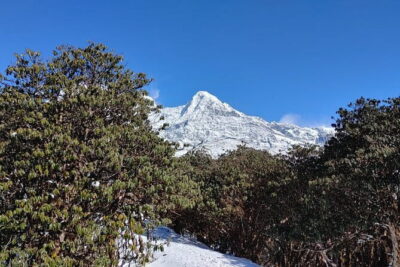
This is a moderate day by the schedule, but it continues the steady climb. The forest section gives the trek a different feel from the open high ridges later on. You are not simply walking toward a single viewpoint. The route changes character as you gain height.
Forest Camp is an important pause in the itinerary. It breaks the ascent into manageable sections and gives you time to settle into the routine of walking, eating, and resting. The accommodation details are not provided, so ask what lodging is included and what facilities are available at each overnight stop.
The route’s appeal comes partly from this progression. You begin in the lower hills, spend time among trees, and then move into more exposed high country. That variety helps the five-day schedule feel like a real journey rather than a quick out-and-back walk.
Day 3: The long climb to High Camp at 3,580 meters
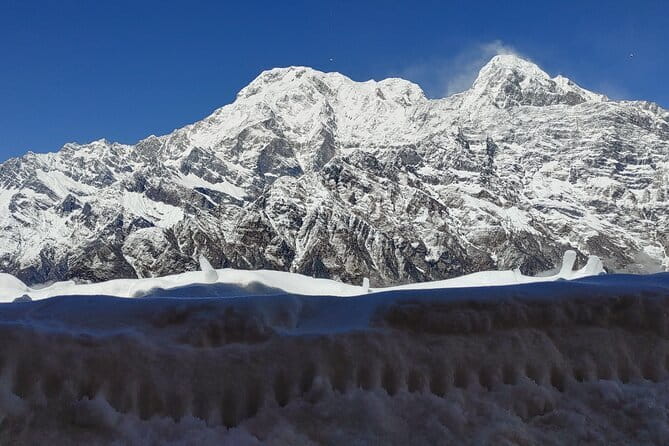
Day 3 is the biggest sustained walking day, with about 6.5 hours from Forest Camp to High Camp. High Camp is listed at 3,580 meters.
This is where the trek starts to feel serious. The distance in hours is not extreme by Himalayan standards, but the altitude and uphill direction change the effort. You will want an early start, a steady pace, and enough water and food for the day. Bottled water and other drinks are not included, so plan for that expense.
High Camp is the reward for the day’s work. The higher position sets you up for the next morning’s viewpoint walk and places you close to the open mountain scenery that makes Mardi Himal attractive. I would not rush this section. A guide who keeps the group together and adjusts the pace can make the difference between arriving tired but comfortable and arriving completely spent.
The small group limit, no more than 12 people, is useful here. It is large enough to share the experience but small enough for the guide to keep track of the group more easily than on a large commercial departure.
Same trailhead, a longer or shorter day out:
- Everest Base Camp Trek – 14 Days
★ 5.0 · 1,499 reviews - Everest Base Camp Trek
★ 5.0 · 842 reviews - Everest Base Camp Trekking
★ 5.0 · 485 reviews - Annapurna Circuit Trek with Tilicho Lake
★ 5.0 · 368 reviews
Day 4: Mardi Himal View Point at 4,500 meters
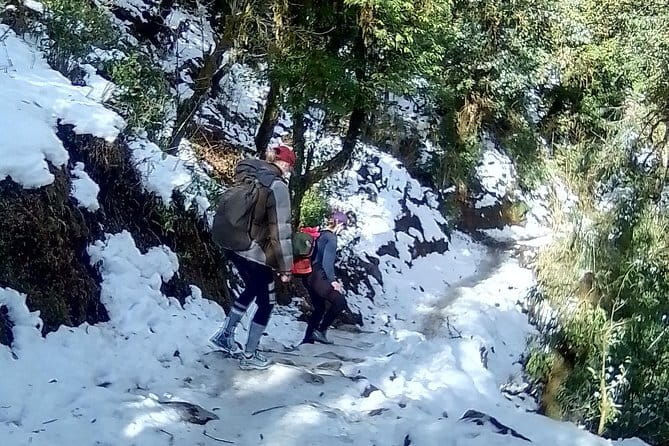
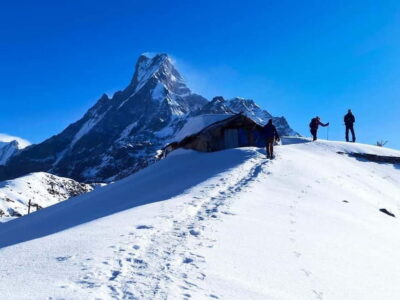
Day 4 is the visual centerpiece. From High Camp, you trek to the View Point at 4,500 meters, then return to Low Camp at 2,990 meters. The total walking time is listed as six hours.
This day includes both the highest point and a major descent. Reaching 4,500 meters is a serious achievement on a five-day route, but the altitude also makes the day demanding. Keep your pace controlled. The goal is to enjoy the view and get down safely, not to race uphill.
The return to Low Camp gives the day a sensible shape. You do not stay at the highest point. Instead, you descend a considerable amount after visiting the viewpoint. That makes Day 4 physically busy, but it also means you are not spending the night at the trek’s highest listed elevation.
I like the way this itinerary puts the main viewpoint near the end rather than treating it as a quick early attraction. By this point, you have passed through several types of terrain and earned the high ridge. Expect mountain scenery to be the main event here, though the exact visibility will depend on conditions that are not specified.
Day 5: Low Camp to Siding Village and back to Pokhara
The final day drops from Low Camp at 2,990 meters to Siding Village at 1,280 meters. The walk takes about four hours, followed by a three-hour journey to Pokhara.
This is a clear downhill finish. After the high point and long descent of Day 4, the lower elevation should feel like a change of pace. Siding Village marks the end of the walking portion, while the road journey returns you to Pokhara.
The three-hour transfer matters when planning your next hotel night or onward connection. I would leave room in your schedule rather than booking a tight same-day flight or major activity. The tour is described as ending back at the meeting point, but the exact transport arrangements should be confirmed before you go.
What the $510 price really covers
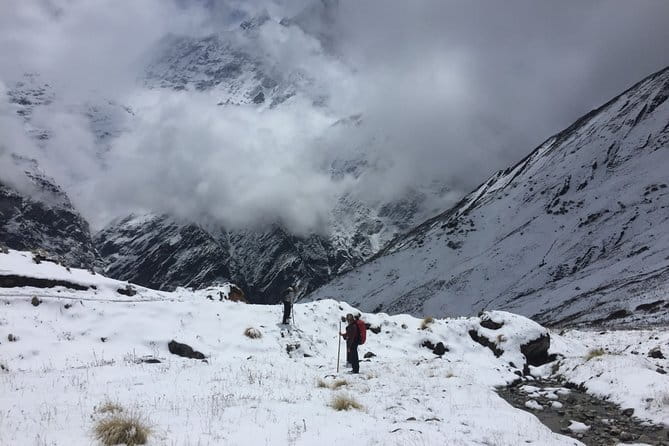
At $510 per person, the trek costs about $102 per scheduled day. That is a reasonable starting value if you want a guided five-day route and do not want to arrange each part yourself.
The price includes:
- A guide
- All fees and taxes
- Five lunches
- Four dinners
- Four breakfasts
The meal count matches the five-day schedule in a practical way. Breakfast is included on four mornings, dinner on four nights, and lunch on all five trekking days. Drinks such as tea, coffee, and bottled water are excluded, as are tips.
The bigger question is what the price does not clearly mention. Accommodation is not listed in the provided inclusions, and neither is transport, even though the itinerary includes a drive on Day 1 and a three-hour journey on Day 5. Ask whether lodging, road transfers, and porter service are included. The feedback repeatedly describes porters as part of the organized experience, but the formal inclusion list names only the guide.
That clarification is not nitpicking. It tells you the real cost of the trek and prevents awkward surprises in the mountains.
The human side: guides, porters, and group size
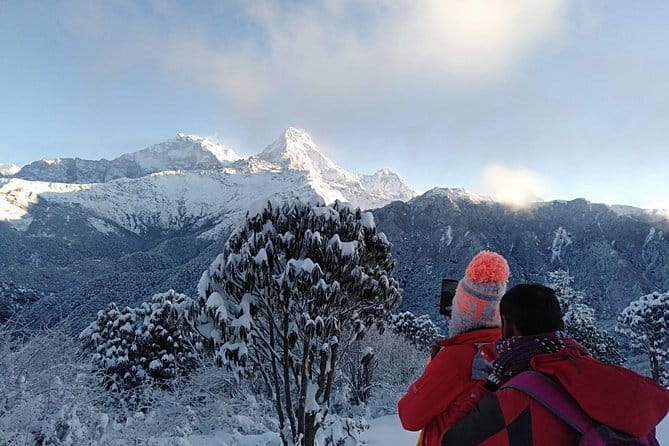
The strongest praise focuses on the people running the trek. Purna and porter Ram were credited with making one couple’s experience special. Nabin was described as a fantastic guide who became a friend during the walk. Keshab was praised for being supportive, friendly, and good company, while Krishna and porter Hari were noted for preparing things and keeping conversation easy.
Sondosh was also described as a humble guide who helped make a four-day version safe and pleasant. These details matter because a guide in the mountains does more than point out the trail. The guide sets the pace, handles the daily routine, and helps you deal with an unfamiliar environment.
You cannot choose a specific guide from the information provided, so ask who is assigned before departure if that matters to you. You can also ask whether a porter is included, what weight limits apply, and who carries your main bag.
The maximum group size of 12 is another practical plus. It is not a private trek, but it should feel more manageable than a large group departure. If you value personal attention, tell the company about your fitness level and prior trekking experience before the start.
Food, drinks, and daily costs
Food is one of the clearer parts of the package. Five lunches, four dinners, and four breakfasts are included, giving you basic coverage throughout the trek.
Drinks are not covered. Budget separately for tea, coffee, bottled water, and any other beverages. Since the route reaches 4,500 meters and includes long walking days, water planning should be part of your preparation rather than an afterthought.
Tipping is also excluded. The amount is not specified, so ask the operator about its normal tipping practice if you want a local guideline. Carry some additional spending money for drinks and gratuities.
Who should book this trek?
I would recommend Mardi Himal to you if you want strong Himalayan scenery in a short, structured itinerary. It suits someone with moderate physical fitness who is comfortable walking for up to 6.5 hours and handling substantial changes in elevation.
It also fits first-time Nepal trekkers who prefer help with route planning and daily organization. The positive feedback about guides and porters is especially encouraging if you are nervous about managing a high-altitude trek alone.
I would be more cautious if you want a relaxed holiday with short walks. The viewpoint reaches 4,500 meters, and the itinerary includes a long high-altitude day followed by a major descent. It is also less suitable if you need a fully transparent package price right away, since accommodation and transport are not clearly identified in the supplied details.
The route may work well for couples, friends, and small groups. A maximum of 12 people keeps the social side of the trek present without making it feel like a large organized procession.
Booking details worth checking first
Confirmation is provided when you book. Pickup is offered, and the activity uses a mobile ticket, which makes the administrative side fairly simple.
Still, I would send Mosaic Adventure a short list of questions before payment:
- Is the actual meeting point in Kathmandu or Pokhara?
- Is transport from Pokhara to the trailhead included?
- Is the return transfer from Siding Village to Pokhara included?
- Are overnight accommodations included?
- Is a porter included, and if so, what baggage allowance applies?
- Which meals are provided on the first and final days?
You can cancel for a full refund if you do so at least three full days before the local start time. Cancellations made less than three full days before departure are not refunded, and late changes are not accepted.
Should you book the Mardi Himal Trek?
Book it if your priority is a short, high-impact Himalayan trek with guides, included meals, and a small group cap. The route offers a strong sequence of experiences: lower hills, forest, High Camp, a 4,500-meter viewpoint, and a descent to Siding Village.
Before booking, settle the Kathmandu and Pokhara departure issue and confirm accommodation, porter service, and transport. If those details are included in the final price, $510 looks like a useful package for a five-day guided trek. If they are not, add the extra costs before comparing it with other operators.
FAQ
Where does the Mardi Himal Trek start?
The meeting point is listed as Mosaic Adventure, Chi Bahal, Adwait Marg, Kathmandu 44600, Nepal. However, Day 1 is described as travel from Pokhara to Pitam Deurali, so you should confirm the actual departure location with Mosaic Adventure.
What time does the trek start?
The listed start time is 8:15 am.
How long is the Mardi Himal Trek?
The scheduled duration is approximately five days.
What is the highest point on the itinerary?
The highest listed point is the Mardi Himal View Point at 4,500 meters, or 14,763 feet.
How long is the longest walking day?
Day 3, from Forest Camp to High Camp, takes about 6.5 hours.
What meals are included?
The price includes five lunches, four dinners, and four breakfasts.
Are drinks included?
No. Tea, coffee, bottled water, and other beverages are not included.
Is a guide included?
Yes. A guide is included in the price.
How large can the group be?
The activity has a maximum of 12 participants.
Can I cancel for a full refund?
Yes, if you cancel at least three full days before the experience start time. Cancellations made less than three full days in advance are not refunded.
Recently added around Kathmandu
- Ghorepani Poon Hill Trek★ 5.0 · 16 reviews
- Amazing 1 Day Trekking Experience in Kathmandu Nepal★ 5.0 · 24 reviews
- Private Manaslu Circuit Trek at Himalayas★ 5.0 · 3 reviews
- Ghorepani Poonhill Trek★ 5.0 · 5 reviews
- Upper Mustang Trekking★ 5.0 · 2 reviews
- Upper Mustang Trekking★ 3.0 · 2 reviews
- Upper Mustang Trekking★ 5.0 · 4 reviews
- Upper Mustang Trek★ 5.0 · 5 reviews
Mardi Himal Treks, compared.
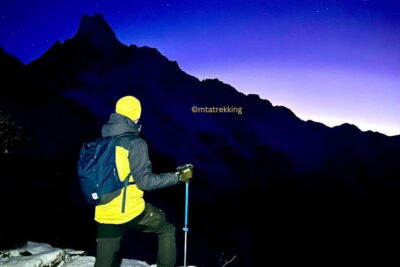
Mardi Himal Trek – 8 Days | Hidden Gem of the Annapurnas
Read our review →
Browse the lists this tour appears in