
REVIEW · KATHMANDU
Langtang valley trek
The mountains begin before the trail does. This 8-day Langtang Valley trek combines a long road journey from Kathmandu with forest paths, Tamang villages, Buddhist culture, glaciers, yak pastures, and high mountain views. I especially like the quiet forest walk to Lama Hotel and the full day at Kyangjin Gompa, where you can climb Tserko Ri, visit the monastery, and look across the Himalayas.
I also like the straightforward pricing. At $995 per person, the trip includes a guide, porters, permits, TIMS card, transport, meals, a sleeping bag, and a down jacket. The main consideration is physical effort: this is not a gentle sightseeing trip, and the long road transfers and repeated uphill sections may test you. The high point is also optional in practice, since the itinerary includes a demanding climb to Tserko Ri.
Key things to know before booking
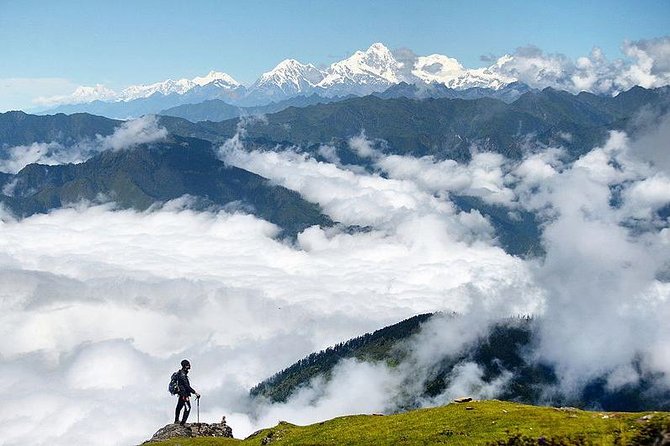
- Tserko Ri sunrise: The early climb from Kyangjin Gompa brings the trek’s biggest mountain views, with glaciers, birds, yaks, and Himalayan peaks.
- A small group of up to 14: This is large enough to share the cost, but still more manageable than a big coach-style trekking group.
- Strong meal and gear coverage: Eight lunches, seven dinners, eight breakfasts, a sleeping bag, and a down jacket are included.
- A scenic but lengthy first day: The drive from Kathmandu to Syabrubesi takes about seven hours, with possible views of Manaslu, Annapurna, and Ganesh Himal.
- Kyangjin is the main reward: The monastery, nearby high pastures, cheese factory, lakes, and glacier views give you time beyond simply walking from lodge to lodge.
- Bikram received special praise: The guide is specifically remembered for excellent service, while Gokul and Asmita handled planning and preparation for another trekker.
What the Langtang Valley Trek is really like
This route works well if you want a Himalayan trek with a clear out-and-back shape. You walk up the Langtang Valley, spend time around Kyangjin Gompa, then return by the same general route. That means the second half is familiar, but the downhill direction gives you different views and usually feels easier on the lungs.
The route moves from lower forest to high alpine country in a few days. You begin near Syabrubesi, pass through Bamboo and Lama Hotel, reach Langtang village, and continue to Kyangjin Gompa at about 3,740 meters. The altitude changes quickly enough that you should take the pace seriously, even though the daily walking times are manageable for someone with moderate fitness.
This is a guided trek with a maximum group size of 14. A local government-licensed English-speaking guide accompanies you, and porters carry the required luggage. That arrangement lets you walk with a lighter daypack while still having support on the trail.
The package costs $995 per person. I see fair value here because several expensive practical items are already covered: Langtang National Park permits, the TIMS card, tourist-bus transport from Kathmandu, accommodation in available guesthouses, meals, staff, government taxes, a down jacket, and a sleeping bag. You still need to budget for alcoholic drinks, hot and cold drinks, laundry, insurance, and tips. Tips are expected for the trekking staff and driver, so do not treat the advertised price as the complete cash cost of the trip.
More Langtang Treks in Kathmandu:
- Langtang Valley Trek
★ 5.0 · 140 reviews - Langtang Valley Trek
★ 5.0 · 61 reviews - 8 Days Tour in Langtang Valley Trek
★ 5.0 · 45 reviews
Day 1: Kathmandu to Syabrubesi by road
The first day is mostly a road day. You leave Kathmandu in the morning and travel for about seven hours to Syabrubesi, the village used as the starting point for the Langtang Valley trek.
This transfer matters because it gets you close to the trail without adding extra walking days. On a clear day, you may see Manaslu, Annapurna, and Ganesh Himal from the road. Those views can make the long ride feel worthwhile, though you should expect a full day in transit rather than a relaxed introduction to Nepal.
Tourist-bus transport is included, and pickup is offered. The details of the pickup point and timing should be confirmed before you go, especially if you arrive in Kathmandu independently or stay outside the main hotel area.
Syabrubesi is also where the itinerary lists a hot spring stop later in the trip. The first night gives you a practical starting point for the trail, but do not expect the trek’s biggest mountain scenery yet.
Day 2: Forests, Bamboo, and Lama Hotel
Your first walking day follows the river through forest. The trail climbs for about two hours, then continues for roughly another hour to Bamboo village at 1,850 meters, where you stop for lunch.
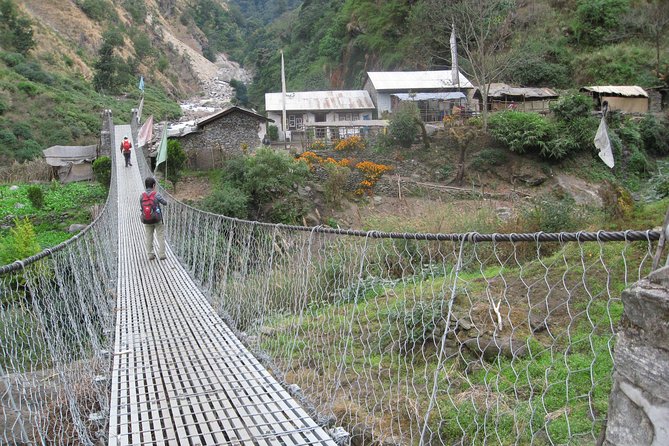
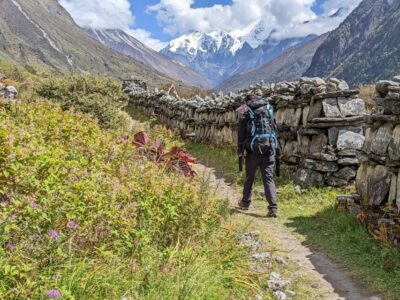
This section is one of the more appealing parts of the route for anyone who enjoys walking through trees rather than crossing open ground all day. The trail is described as well stabilized, and you may notice birdlife in the bushes. Bee hives hanging from a cliff add an unusual detail to the walk, though you will want to give them plenty of space.
After Bamboo, the path climbs steeply through bamboo forest to Lama Hotel at 2,560 meters. The total walking time is about six hours. The day is not technically described as difficult, but the uphill finish can feel demanding when you are still settling into the altitude and carrying a daypack.
You spend the night in a local teahouse. Accommodation is in the best available guesthouses, so you should expect practical mountain lodging rather than hotel comforts. That is part of the value of the route, but it also means you should be ready for simple rooms and basic facilities.
Day 3: Ghoda Tabela and Langtang village
The third day brings a change in scenery. You walk for around three hours through rhododendron and pine forest to Ghoda Tabela, where lunch is served.
The area is described as a habitat for small birds and herbal plants. I like this part of the trek because it gives you more to notice than distant peaks. The forest, birds, and plants make the journey feel connected to the valley itself, not just to the final viewpoint.
After lunch, you continue for another three hours toward Langtang village at 3,455 meters. The trail becomes more open and the mountain setting grows more apparent as you gain height. The walking time is about five hours, but altitude can make a shorter day feel harder than expected.
Langtang village is an important overnight stop before Kyangjin. You are now high enough that a steady pace matters. Drink regularly, follow your guide’s advice, and do not treat the relatively short schedule as a reason to rush.
A few more treks around Kathmandu worth a look
- Everest Base Camp Trek – 14 Days
★ 5.0 · 1,499 reviews - Everest Base Camp Trek
★ 5.0 · 842 reviews - Everest Base Camp Trekking
★ 5.0 · 485 reviews - Annapurna Circuit Trek with Tilicho Lake
★ 5.0 · 368 reviews
Day 4: Langtang village to Kyangjin Gompa
Day four is a shorter walking day, listed at about four hours. The destination is Kyangjin Gompa, at approximately 3,740 meters.
The trail leads through the upper Langtang Valley, with mountain views, cultural sites, and a strong Buddhist presence. The monastery at Kyangjin is both a spiritual site and a useful base for exploring the high valley. You can visit the gompa, take in the surrounding peaks, and settle into the area before the next day’s early climb.
This shorter day is valuable because it gives you time to adjust before Tserko Ri. Even so, Kyangjin is high. If you feel unwell, tell your guide rather than pushing ahead simply because the schedule allows a climb the following morning.
The upper valley is where the trek becomes most memorable. You are no longer mainly walking through forest. You are among open pastures, glaciers, high ridges, yaks, and broad Himalayan views.
Day 5: The Tserko Ri viewpoint day
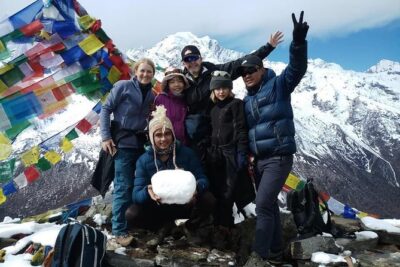
The fifth day is the centerpiece of the trek. You start early and walk across yak pastures before ascending Tserko Ri. The sunrise view from the top is described as extraordinary, and this is the best chance on the itinerary for a wide mountain panorama.
The total walking time is about six hours, but the climb is the day’s main challenge. You gain height above Kyangjin, so the effort will depend on your fitness, weather, and how well you have adjusted. A strong hiker may see this as the trip’s highlight. Someone less comfortable with steep uphill walking may prefer a shorter outing around Kyangjin instead.
You return to Kyangjin Gompa by late afternoon. The rest of the day is for exploring the monastery and the valley, with views of the Himalayas and glaciers. The itinerary also calls attention to birds and yaks, which gives the day a more local feel than a simple viewpoint hike.
The description uses Tserko Ri for this climb, while the broader trip information also refers to Kyangjin Ri. Ask the operator to confirm the exact summit planned for your departure. Either way, the practical point is the same: this is an early, high-altitude viewpoint walk above Kyangjin Gompa.
The Yala Cheese Factory and nearby small lakes are also identified as worthwhile places to visit, and Yala can be reached in about half a day from Kyangjin Gompa. However, they are not laid out as a separate scheduled stop in the eight-day itinerary. If those sights are important to you, ask whether they are included, optional, or dependent on time and conditions.
Langsisa is another possible extension mentioned for the upper valley. Its pastures lead toward glaciers, and huts can be reached in about a day from Kyangjin Gompa. This is not part of the stated eight-day route, so you should not assume it is included without arranging it in advance.
Day 6: Downhill through the forest to Lama Hotel
After the high point, you retrace your steps to Lama Hotel. The walk takes about seven hours and is mostly downhill.
Downhill sounds easy, but a long descent can be hard on knees and ankles. Trekking poles may be useful, though the provided information does not confirm that they are supplied. You pass back through forests and Tamang villages, and the lower altitude usually makes breathing easier.
This day offers a good chance to notice details you missed while climbing. Uphill walking often narrows your attention to the next step. On the way down, you can look around more, enjoy the forest, and take in different angles on the Himalayan peaks.
The return route is one reason this trek works well in eight days. You do not need an internal flight, and you are not forced into a long, complicated circuit. The tradeoff is that you repeat part of the trail.
Day 7: Returning to Syabrubesi
The final walking day retraces the route to Syabrubesi and takes about six hours. The descent should feel more comfortable than the ascent, though you will already have several days of walking behind you.
The itinerary refers to a Syabrubesi hot spring stop. This can be a welcome way to finish the trail, but the supplied details do not state how long the stop lasts or whether entry is included. Ask your guide about the timing on the day.
You spend the night in Syabrubesi before returning to Kathmandu. This overnight stop is practical. It avoids combining a full trekking day with the long drive back to the capital, which would make the final day unnecessarily tiring.
Day 8: Syabrubesi back to Kathmandu
The return drive takes about seven hours. After reaching Kathmandu, you are taken to your hotel and have time to rest.
This is another long road day, so keep your final schedule flexible. The tour does not promise a fixed arrival hour, and road conditions can affect the timing. Surface transport is included, but meals on this day should be checked against the stated package details if you plan around exact meal times.
Guide support, group size, and the human side
The people behind the trip are a major part of its appeal. Bikram received especially strong praise for his work as a guide, with the service described as excellent throughout the trek. If he is assigned to your group, you have a guide whose personal attention has made a clear impression.
Gokul and Asmita were also praised for being helpful and responsive while arranging logistics and preparing a trek. Gokul speaks Spanish well, which may be useful for Spanish-speaking clients planning Nepal travel.
The group limit is 14 people. That is not an intimate private trek, but it is small enough for a guide to keep track of the group more easily than on a large departure. Ask how porters’ loads are organized and what luggage limit applies, since the package says porters carry your luggage but does not specify a weight allowance.
What the $995 price includes and leaves out
The price makes the most sense if you want a package that handles the basic trekking arrangements. You receive:
- Guesthouse accommodation during the trek
- A licensed English-speaking guide
- Porters and required trekking staff
- Langtang National Park permits
- A TIMS card
- Tourist-bus transport between Kathmandu and Syabrubesi
- A down jacket and sleeping bag from Outshine Adventure
- Eight breakfasts, eight lunches, and seven dinners
- Government taxes
You need to arrange travel insurance yourself. Alcoholic drinks, hot and cold drinks, and laundry are also extra. Tips for trekking staff and the driver are expected, so include them in your budget from the start.
The package is a good fit for someone who values simplicity. You do not have to arrange permits, find transport to Syabrubesi, or rent a sleeping bag separately. If you already own trekking gear and prefer to arrange your own meals and lodging, the value may be less compelling.
Who should book this trek?
I would choose this trek if you want a moderate-length Himalayan route with a strong mountain finish, cultural sites, and a clear schedule. It suits people with moderate physical fitness who can manage repeated uphill and downhill walking over several days.
It is especially appealing if you want:
- A guided trek rather than a self-planned route
- A maximum group size of 14
- A high viewpoint day at Tserko Ri
- Time around Kyangjin Gompa
- Forest walking mixed with open mountain scenery
- Included meals, permits, staff, and basic cold-weather gear
I would pause before booking if you dislike long bus rides, simple guesthouses, or repeated routes. I would also ask detailed questions if your main goal is Yala Cheese Factory, the small lakes, or Langsisa, since those highlights are described but are not clearly built into the eight-day schedule.
The experience has a perfect overall rating from four recorded ratings, and the strongest praise focuses on helpful organization and guides, particularly Bikram. That is encouraging, but four ratings are still a small sample. I would treat the personal guide assignment and clear pre-trip communication as important parts of your decision.
Should you book the Langtang Valley Trek?
Book it if you want a well-supported route to Kyangjin Gompa with meals, permits, porters, and transport handled for you. The best reason to go is the combination of forest trails, Tamang villages, Buddhist culture, and the early climb above Kyangjin, not one single attraction.
Before paying, confirm the exact Tserko Ri or Kyangjin Ri plan, ask about the Yala Cheese Factory and lakes, and check what pickup and luggage arrangements apply. If you are comfortable with the physical demands and the long road transfers, $995 offers solid practical value for an eight-day Langtang experience.
Cancellation is free with at least 24 hours’ notice before the local start time. A passport copy is required for all participants, and you should have moderate physical fitness.
FAQ
How long is the Langtang Valley Trek?
The trek lasts approximately eight days, including road transfers from Kathmandu to Syabrubesi and back.
Where does the trek start?
The walking route starts in Syabrubesi, a village reached by tourist bus from Kathmandu.
How long is the drive from Kathmandu to Syabrubesi?
The drive takes about seven hours on both the first and final road-transfer days.
What is the highest point included in the itinerary?
The itinerary includes an early climb to Tserko Ri from Kyangjin Gompa. The trip information also refers to Kyangjin Ri, so you should confirm the exact viewpoint with Outshine Adventure.
Is accommodation included?
Yes. The package includes the best available guesthouse accommodation during the trek.
Are meals included?
Yes. The package includes eight breakfasts, eight lunches, and seven dinners.
Are permits included?
Yes. Langtang National Park permits and the Trekking Information Management System card are included.
What is not included in the price?
Travel insurance, alcoholic drinks, hot and cold drinks, laundry, and tips for trekking staff and the driver are not included.
Recently added around Kathmandu
- Ghorepani Poon Hill Trek★ 5.0 · 16 reviews
- Private Manaslu Circuit Trek at Himalayas★ 5.0 · 3 reviews
- Amazing 1 Day Trekking Experience in Kathmandu Nepal★ 5.0 · 24 reviews
- Upper Mustang Trekking★ 5.0 · 2 reviews
- Ghorepani Poonhill Trek★ 5.0 · 5 reviews
- Upper Mustang Trekking★ 3.0 · 2 reviews
- Upper Mustang Trekking★ 5.0 · 4 reviews
- Upper Mustang Trek★ 5.0 · 5 reviews
Langtang Valley Treks, compared.

Trekking in Annapurna/Langtang/Everest/Upper Mustang regions
Read our review →
Browse the lists this tour appears in