
REVIEW · KATHMANDU
8 Days Tour in Langtang Valley Trek
The Himalayas begin sooner than you expect. This 8-day Langtang Valley trek gives you mountain views, Tamang villages, forests, rivers, and a demanding climb to Tserko Ri without requiring a long domestic flight from Kathmandu. I especially like the short approach from Kathmandu and the chance to spend several nights in the valley instead of rushing from one stop to the next. The other strong point is the small group limit of eight people, which should make walking pace, meal stops, and guide support more personal.
The main caution is the physical effort. You reach Kyanjin Gompa at 3,870 meters and Tserko Ri at 4,985 meters, so this is not a gentle sightseeing holiday. The published schedule also contains a few confusing place names, including a Chitwan bus label for the Kathmandu to Syabrubesi route and a reference to Phakding, which is not part of the usual Langtang route. Confirm the exact transport and overnight stops before departure.
Key points before you book
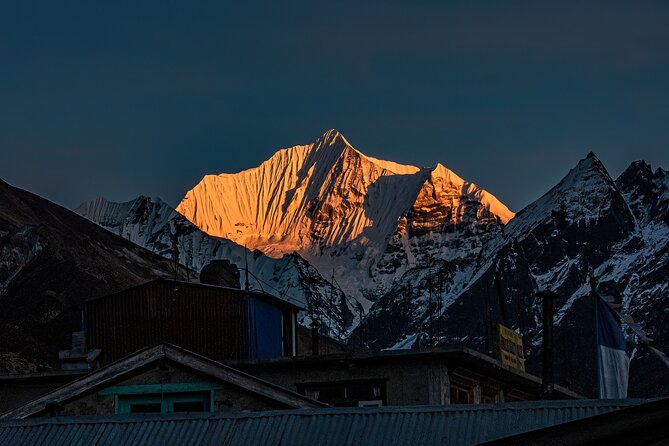
- Tserko Ri reaches 4,985 meters: The long summit day takes about 8 to 9 hours and is the trek’s toughest reward.
- Kyanjin Gompa is the high point for overnight stays: At 3,870 meters, it gives you time to adjust before the summit attempt.
- The trip uses local buses and mountain teahouses: Expect simple transport, basic rooms, and meals served along the trail.
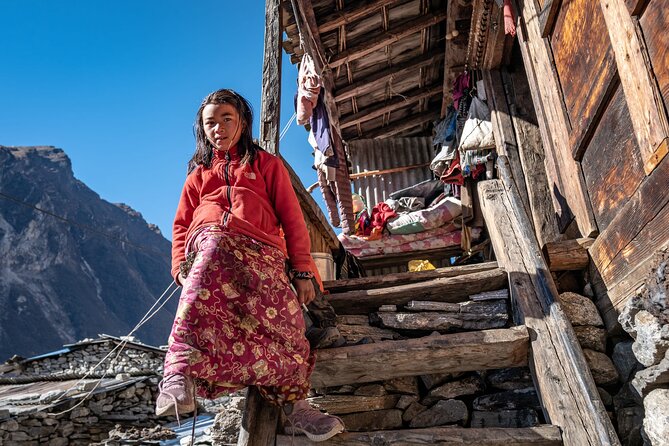
- Tamang culture is part of the walk: Villages and local communities add human interest to the forests and mountain views.
- Guides are a major strength: KP, Sajan, Mitra, Pemba, Jay, and Dil Man Tamang receive repeated praise for care, humor, encouragement, and local help.
- The $698 price covers the core trek: Accommodation, meals during the trek, permits, buses, guide service, and support staff costs are included.
Why Langtang works well for a short Nepal trek
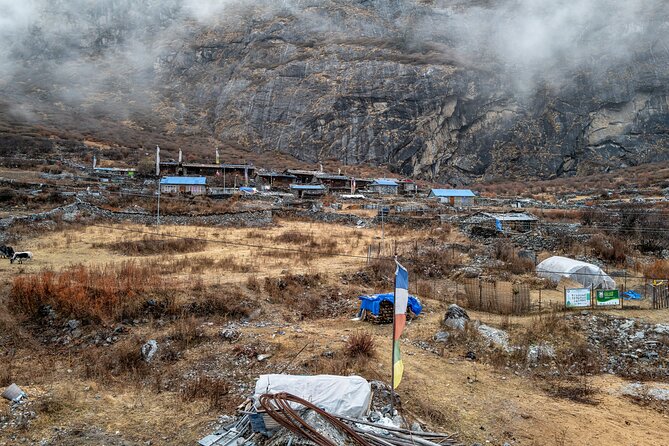
Langtang Valley is one of the more convenient Himalayan trekking areas from Kathmandu. You travel by road to Syabrubesi, then walk into Langtang National Park. That makes the trip appealing if you want serious mountain scenery but have only eight days.
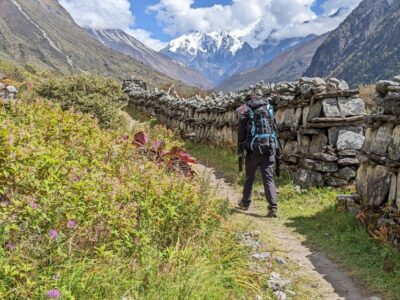
The scenery changes as you climb. Lower sections pass through forests, rivers, villages, and pasture. Higher up, the views open toward Langtang Lirung and other peaks. You also walk through Tamang communities, where the route feels tied to daily village life rather than being only a procession of photo stops.
I like the balance here. You spend enough time at Kyanjin Gompa for a high day hike, then return along the same valley. The drawback is that the route is out and back, not a full circuit. You will see familiar sections again on the descent, although the light and direction can make them feel different.
More Langtang Treks in Kathmandu:
- Langtang Valley Trek
★ 5.0 · 140 reviews - Langtang Valley Trek
★ 5.0 · 61 reviews - Private 8 – Day Langtang Trekking
★ 5.0 · 29 reviews
Day 1: The long road from Kathmandu to Syabrubesi
Your guide picks you up at your hotel and takes you to Machaphure Chowk in northern Kathmandu to catch the bus. The road journey is described as taking about 8 to 9 hours, though the day is planned as a very long 12-hour travel period.
This is not the glamorous part of the trip. Local bus travel can be tiring, and you stop for lunch on the way. Still, it is useful to understand what the price buys: this is a road-based trek, not a package built around private transfers.
The transport description includes an odd reference to a Kathmandu to Chitwan tourist bus ticket, even though the actual route is Kathmandu to Syabrubesi. Ask the operator to confirm the bus destination and meeting point before you leave your hotel. That small check can save confusion on an already long morning.
Day 2: Forest trails inside Langtang National Park
After reaching the trailhead area, you begin walking through Langtang National Park toward Lama Hotel. The day is described as roughly six hours of trekking, with forests, villages, pasture, rivers, and mountain views along the route.
This section gives you a good feel for the trek’s variety. You are not looking at high peaks every minute. Instead, the trail moves through woodland and along water, with occasional openings toward the surrounding mountains.
One part of the schedule refers to a three-hour walk to Phakding. Phakding is commonly associated with the Everest route, so this appears to be a wording error in the supplied plan. The important practical point is to confirm whether your actual overnight stop is Lama Hotel, as the main day description indicates.
Day 3: Narrow trails and first clear mountain views
The third day takes about seven hours and follows a narrow path through forest and small villages. Langtang Lirung and other peaks begin to appear more clearly as you move farther into the valley.
This is the kind of day when a guide matters. A narrow mountain trail, changing pace, and repeated short stops are easier to manage when someone is watching the group and helping with route decisions. The guides praised most often here include KP and Sajan, both noted for encouragement and a light sense of humor. Mitra is also repeatedly praised for helping people keep going when the climb felt difficult.
The schedule labels the stop simply as Langtang Valley Trek, so you should not expect a major attraction with a formal entrance. The appeal is the walk itself: forest, village life, mountain air, and gradual changes in the view.
A few more treks around Kathmandu worth a look
- Everest Base Camp Trek – 14 Days
★ 5.0 · 1,499 reviews - Everest Base Camp Trek
★ 5.0 · 842 reviews - Everest Base Camp Trekking
★ 5.0 · 485 reviews - Annapurna Circuit Trek with Tilicho Lake
★ 5.0 · 368 reviews
Day 4: Reaching Kyanjin Gompa at 3,870 meters
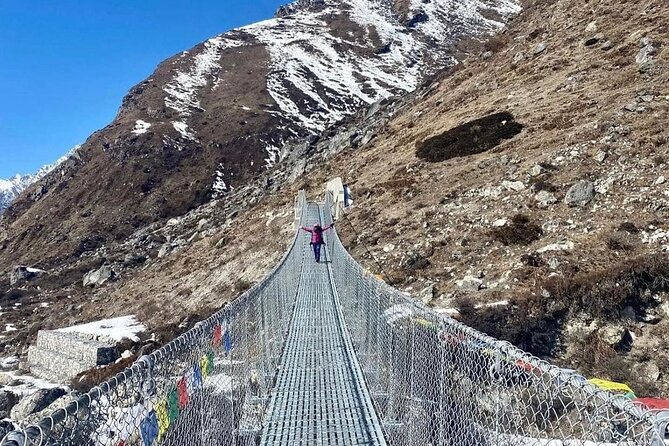
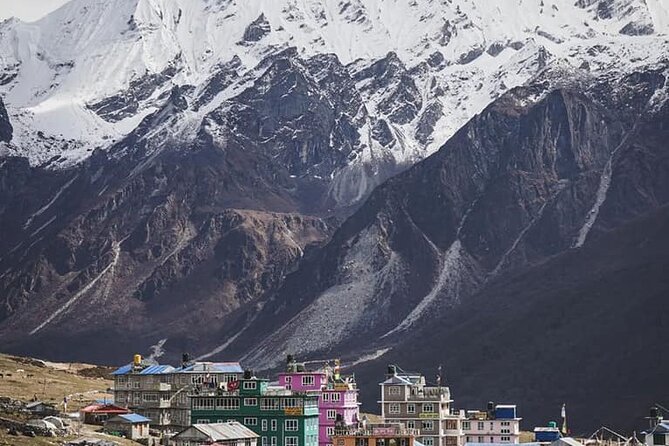
Kyanjin Gompa is a small monastery and settlement at about 3,870 meters. It is surrounded by forests and high peaks, including Langtang Lirung, and it becomes your base for the most important part of the trek.
This is a meaningful change in altitude. Even if the walking distance feels manageable, the thinner air can make the day harder than expected. Take the afternoon slowly, drink water, and avoid treating arrival at Kyanjin Gompa as the moment to prove your fitness.
The settlement offers the trip’s clearest mountain setting. You have time to look around, rest, and prepare for Tserko Ri. That extra night is one reason the eight-day format works better than trying to force the valley into a much shorter schedule.
Day 5: The demanding Tserko Ri summit day
The high point of the trek is the climb from Kyanjin Gompa to Tserko Ri and back. The summit reaches 4,985 meters, or 16,350 feet, and the full day takes about 8 to 9 hours.
This is a serious mountain day. The route is described as challenging, and the altitude adds another layer of effort. You need good fitness, steady pacing, and a willingness to turn around if conditions or your health require it.
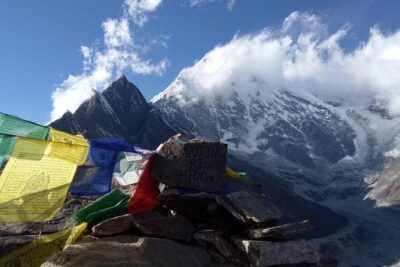
The payoff is the wide view from the summit toward the Langtang range. Several guides receive strong praise for helping people reach this point, especially KP and Sajan. One useful detail is that KP is often praised not only for safety and encouragement but also for taking photographs, which can be welcome when you are too tired to think about your camera.
Do not judge the trek by the summit photo alone. The return to Kyanjin Gompa is part of the same long day, and descending at high altitude can still be tiring. Keep some energy in reserve.
Day 6: Returning through the national park
You descend to Lama Hotel and spend the night there. The downhill direction may feel easier on your breathing, but it can be hard on knees and ankles, especially after Tserko Ri.
This is also a chance to notice details missed on the way up. The sound of rivers, changing forest cover, and village activity become easier to appreciate when you are no longer focused on gaining altitude.
Accommodation remains in mountain teahouses. Expect simple rooms rather than hotel-style comfort. The package includes seven nights in these teahouses, but the details of room arrangements are not specified, so ask about sharing arrangements if that matters to you.
Day 7: Walking out to Syabrubesi
The route continues downhill to Syabrubesi, where you spend the night in a guest house. This is your last walking day and a useful buffer before the road journey back to Kathmandu.
The plan gives a 12-hour time block, but the actual walking time is not stated. That is worth clarifying because the distance, trail conditions, and transport timing can affect how much time you have in Syabrubesi.
The overnight stop makes practical sense. Instead of trying to finish the trek and immediately take a long bus ride, you get a night near the road connection. It also gives you a chance to celebrate the end of the mountain section before returning to city traffic.
Day 8: Breakfast and the road back to Kathmandu
After breakfast, you return to Kathmandu by local bus. The trip ends back at the original meeting point, listed as Tribhuvan Airport in Kathmandu.
The return road trip is another long travel day, so do not schedule an important flight immediately afterward unless you have checked the transport timing carefully. The package does not include meals in Kathmandu, so plan to cover your own food once you are back in the city.
What the $698 price really includes
At $698 per person, the price is reasonable for a guided Himalayan trek if you value having the main arrangements handled in advance. The package includes:
- Seven nights in mountain teahouses
- Breakfast, lunch, and dinner during the trek
- Local bus transport between Kathmandu and Syabrubesi
- Langtang National Park permit
- An 8-day guide
- Insurance and necessary ground transport for support staff
The listing gives slightly different meal totals in different places, mentioning both eight breakfasts, lunches, and dinners and a separate breakdown of seven breakfasts and dinners. Confirm the final meal count before booking. Lunch and dinner in Kathmandu are not included, nor are personal expenses or travel insurance.
The value is strongest for someone who wants a guide, permit handling, local transport, and teahouse meals bundled together. It is less attractive if you prefer private vehicles, upgraded accommodation, or complete freedom to change the schedule.
Guides, porters, and the human side of the trek
The strongest pattern in the feedback is the quality of the guide support. KP is praised repeatedly for being helpful, calm, encouraging, and attentive to comfort. Sajan is remembered for humor and motivation, especially during the hard climb to Tserko Ri.
Mitra receives praise for local insight and for encouraging people when they doubted their ability. Pemba is described as caring and good at creating cultural exchange, while Jay is praised for making the experience feel personal. Dil Man Tamang is noted as a dependable guide and the overall value of the trip is praised in the same account.
Bishnu is mentioned as a porter who helped make one trek memorable. The package includes support staff insurance and ground transport, but it does not spell out porter baggage limits or porter arrangements. Ask for those details before departure, especially if you are packing heavy equipment.
Who should book this Langtang trek?
This trip suits you if you want:
- A relatively short Himalayan trek from Kathmandu
- Mountain views without taking a domestic flight
- A guided small-group experience
- Simple teahouse accommodation
- A demanding but achievable high-point day
- Contact with Tamang villages and local communities
You should think carefully before booking if you dislike long bus rides, basic lodging, narrow trails, or repeated walking on the same valley route. The stated fitness requirement is strong for a reason. Tserko Ri is nearly 5,000 meters high, and the summit day lasts up to nine hours.
The group maximum of eight is a real advantage. It is small enough for the guide to notice how people are coping, while still offering company on the trail. The actual group size is not guaranteed to be eight, so confirm how many people are booked for your departure.
Practical booking advice
Confirmation is provided at booking, and the activity operates daily within the stated operating period. Pickup is offered, and the mobile ticket format should make the start easier, but you still need to confirm the exact pickup location and bus meeting instructions.
Free cancellation is available if you cancel at least 24 hours before the start time. Changes made inside that window are not accepted, and late cancellations are not refunded. Poor weather or failure to meet the minimum group size can lead to a different date, another experience, or a full refund.
Travel insurance is not included. Since the trek reaches high altitude and depends on road and weather conditions, arranging your own suitable cover is an important part of preparation.
Is the 8-day Langtang Valley Trek worth booking?
I would book this trek if I wanted a good-value introduction to Nepal’s mountain country and was comfortable with long road transfers, simple teahouses, and a hard summit day. The combination of Langtang views, Tamang communities, Kyanjin Gompa, and Tserko Ri gives the trip real substance.
I would not book it expecting a relaxed holiday or polished hotel service. Confirm the confusing transport details, meal count, overnight stops, and porter arrangements first. If those points are clear, the $698 package offers a practical way to reach a high Himalayan valley with a guide who can help you manage the route, altitude, and long days.
FAQ
Where does the Langtang Valley Trek start?
The activity starts in Kathmandu, with pickup offered. The meeting information lists Tribhuvan Airport in Kathmandu.
How long does the trek last?
The experience lasts approximately eight days.
How much does the tour cost?
The listed price is $698 per person.
How high is Kyanjin Gompa?
Kyanjin Gompa is located at about 3,870 meters, or 12,700 feet.
How high is Tserko Ri?
Tserko Ri reaches approximately 4,985 meters, or 16,350 feet.
How long is the Tserko Ri day hike?
The walk from Kyanjin Gompa to Tserko Ri and back takes about 8 to 9 hours.
Is accommodation included?
Yes. The package includes seven nights in mountain teahouses.
Are meals included?
Breakfast, lunch, and dinner are included during the trek. Lunch and dinner in Kathmandu are not included.
Is travel insurance included?
No. Personal expenses and travel insurance are not included.
Recently added around Kathmandu
- Ghorepani Poon Hill Trek★ 5.0 · 16 reviews
- Private Manaslu Circuit Trek at Himalayas★ 5.0 · 3 reviews
- Amazing 1 Day Trekking Experience in Kathmandu Nepal★ 5.0 · 24 reviews
- Ghorepani Poonhill Trek★ 5.0 · 5 reviews
- Upper Mustang Trekking★ 5.0 · 2 reviews
- Upper Mustang Trekking★ 3.0 · 2 reviews
- Upper Mustang Trekking★ 5.0 · 4 reviews
- Upper Mustang Trek★ 5.0 · 5 reviews
Langtang Valley Treks, compared.
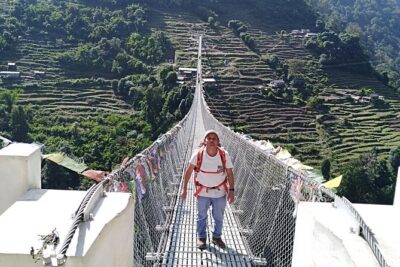
Trekking in Annapurna/Langtang/Everest/Upper Mustang regions
Read our review →
Browse the lists this tour appears in