
REVIEW · KATHMANDU
Langtang Valley Trek from Kathmandu
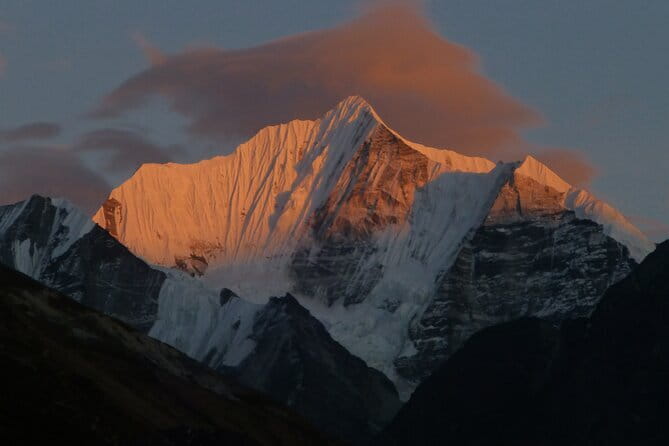
Quiet trails still exist. This 8-day Langtang Valley trek takes you from Kathmandu into Tamang villages, forested river valleys, yak pastures, and high mountain country without the crowds found on Nepal’s most famous routes. I especially like the Tamang cultural setting and the chance to reach Kyanjin Gompa, a historic monastery surrounded by huge Himalayan peaks.
The trek also earns points for its caring, reliable guides and private-group format. One solo woman described feeling safe and relaxed with the team, while another person praised the guide and porter for helping them reach the goal despite difficult conditions. The main caution is the long road journey to Syabrubesi, plus unclear meal wording that you should confirm before paying.
Key Things to Know Before You Go
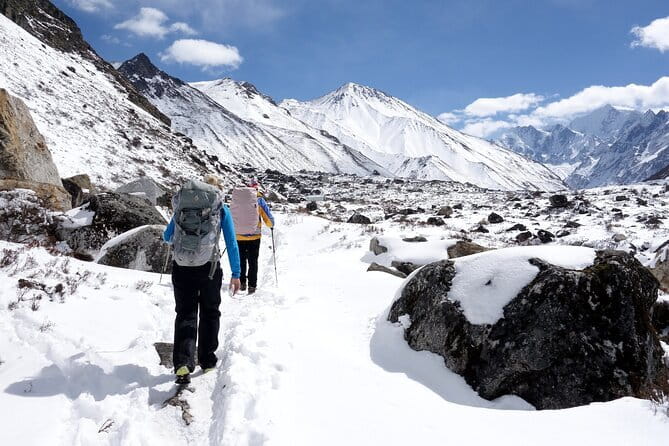
- Eight days includes the road journeys: You spend two days traveling between Kathmandu and Syabrubesi, with six days of trekking and mountain walking.
- Kyanjin Gompa is the high point of the route: The monastery, cheese factory, yak pastures, and views of Langtang Lirung make this the trip’s central reward.
- Day five is your big mountain day: The optional climb toward Tserko Ri or Kyanjin Ri offers the best views, but it also demands the most effort.
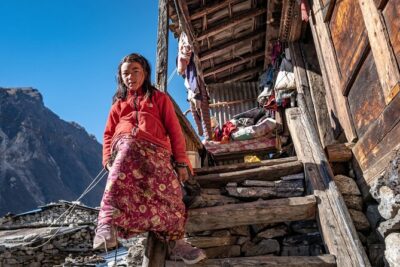
- The trail has a strong cultural focus: Tamang villages, stone homes, Tibetan-influenced traditions, and local hospitality give the route more meaning than a simple mountain walk.
- This is a private activity: Only your own group takes part, which gives you more control over pace and rest stops.
- The $1,110 price covers the basics: Transport, permits, guide, guesthouse lodging, and listed meals are included, but clarify the separate food charge before booking.
Why Langtang Makes a Good Alternative to Everest
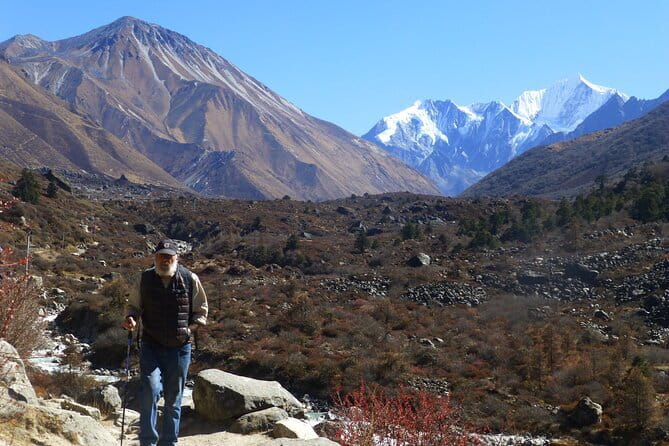
Langtang offers a quieter Himalayan experience than the better-known Everest and Annapurna routes. You still get dramatic peaks, suspension bridges, mountain villages, and a demanding high-altitude walk, but the trip feels more focused on local communities and the changing valley around you.
I like the balance here. The route begins in lower forest country, passes through riverside settlements, climbs into a broad alpine valley, and reaches Kyanjin Gompa. You are not simply marching toward a famous viewpoint. You are watching the surroundings change day by day.
The Tamang culture is a major reason to choose this trek. Villages along the route reflect Tibetan influence in their buildings, religious traditions, and way of life. The ancient Kyanjin Gompa adds a spiritual stop to the mountain scenery, while the cheese factory gives you a small but memorable look at local food production.
The region also carries the story of recovery after the 2015 earthquake. Langtang Village is described as a settlement rebuilding itself, so your visit connects the scenery with the endurance of the people who live there. That human side gives the walk more weight.
More Langtang Treks in Kathmandu:
- Langtang Valley Trek
★ 5.0 · 140 reviews - Langtang Valley Trek
★ 5.0 · 61 reviews - 8 Days Tour in Langtang Valley Trek
★ 5.0 · 45 reviews
The Road to Syabrubesi Takes Most of Day One
Your first day begins with pickup and a shared bus journey from Kathmandu toward Syabrubesi. The drive takes about six to seven hours, with several stops along the way and views of the Trishuli River, green hills, forests, and rural Nepal.
This is not a polished transfer on a fast highway. The road is part of the adventure, and the ride can be tiring. If you are sensitive to long vehicle journeys, bring water, snacks, and something to keep you comfortable. The upside is that the road gives you an early look at rural Nepal before you start walking.
Syabrubesi is the trailhead for the trek. You spend the night there before beginning the climb through the valley. Because this is a shared bus transfer, the price is lower than it would be with a private vehicle, but you give up some flexibility and personal space.
Day Two Follows Forest, Bridges, and the Langtang River
The walk to Lama Hotel takes around six hours. The route passes through subtropical woodland filled with rhododendron, oak, and bamboo. The Langtang River stays close to the trail in places, and suspension bridges add variety to the walk.
I would consider this a fine first trekking day because it gives you a gradual introduction to the route. You get forest shade, running water, and changing views without starting with the most demanding section. Langur monkeys may appear in the trees, though wildlife sightings are never guaranteed.
The trail is still physically serious. Six hours on foot, often with an uphill trend, requires moderate fitness. Good shoes matter, and you should be ready for a day that feels longer than the clock suggests. Your guide can help manage the pace, especially since the private format means your group does not have to match a larger party.
Lama Hotel is less about a single grand sight and more about the feeling of moving deeper into the valley. The forest begins to give way to a more open mountain environment as the trek continues.
Day Three Brings You to Langtang Village
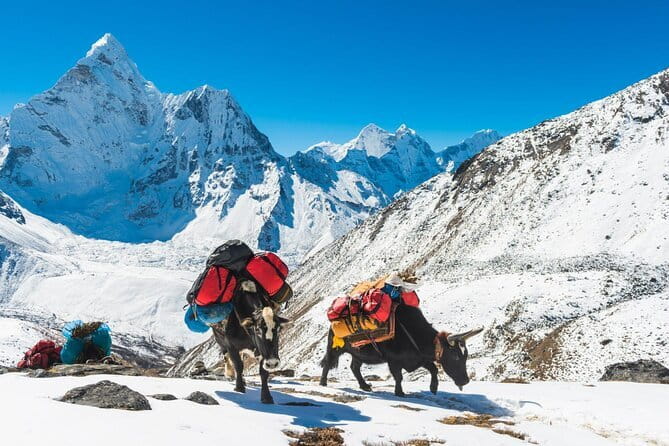
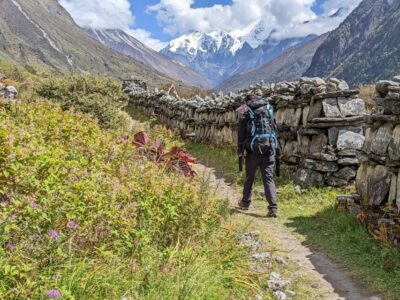
The six-hour walk toward Langtang Village changes the mood of the trip. You leave much of the lower forest behind and begin to see broader views of Langtang Lirung, traditional stone houses, and open yak-grazing areas.
Langtang Village is one of the most meaningful stops on the route. It has been recovering from the 2015 earthquake, and the settlement represents both loss and renewal. I appreciate that the itinerary does not treat the village as just another overnight stop. You have a chance to notice how people have rebuilt homes, services, and daily life in a difficult mountain setting.
The stone architecture adds a strong sense of place. It is not a museum display. These are working villages where people live, guide, farm, trade, and host walkers. You should take time to look around rather than treating the day as a race toward the next lodge.
The mountain views also open up here. Langtang Lirung becomes a major presence, and the valley feels wider than it did near Lama Hotel. This is one of the strongest days for combining local culture with scenery.
A few more treks around Kathmandu worth a look
- Everest Base Camp Trek – 14 Days
★ 5.0 · 1,499 reviews - Everest Base Camp Trek
★ 5.0 · 842 reviews - Everest Base Camp Trekking
★ 5.0 · 485 reviews - Annapurna Circuit Trek with Tilicho Lake
★ 5.0 · 368 reviews
Day Four Reaches Kyanjin Gompa
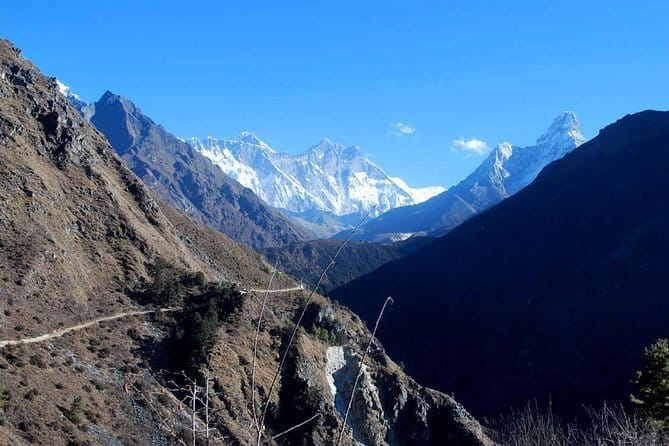
The walk to Kyanjin Gompa takes about five hours, making it shorter than several other trekking days. After breakfast, you continue toward the main monastery area, with mountain views becoming more prominent as the route climbs.
Kyanjin Gompa is the central destination of the trek. The monastery gives the area a sense of history and worship, while the surrounding peaks provide the visual drama. You also have the chance to visit the Kyanjin Cheese Factory, one of the route’s most distinctive stops.
The cheese factory is a useful reminder that mountain communities are not built only around trekking. Local production, livestock, and seasonal work remain part of daily life. I would not expect a large attraction or a long formal tour, but it adds character to the stop and gives you something beyond mountain photographs.
The shorter walking day is useful because it gives you time to settle in before the main excursion. You can explore around Kyanjin Gompa, rest, and prepare for the next morning. The itinerary does not specify exact lodging standards, only guesthouse accommodation, so expect practical mountain lodging rather than hotel comforts.
Day Five Is the Trek’s Main Test
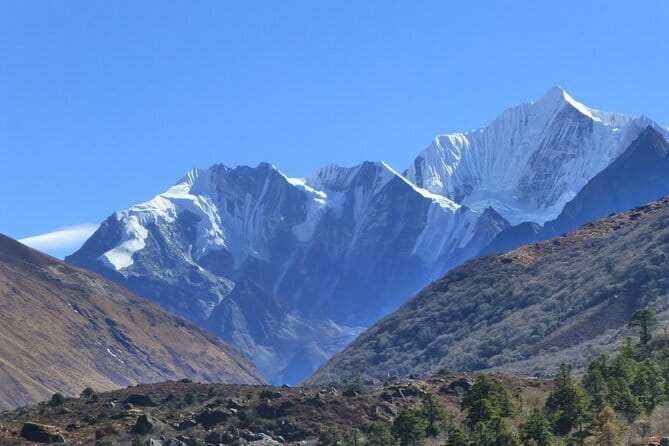
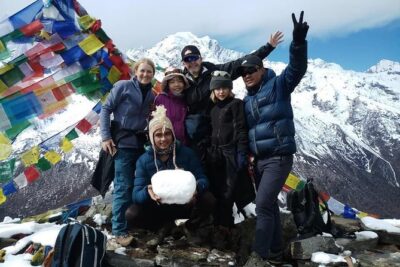
Day five is set aside for the most important climb from Kyanjin Gompa. You start after an early breakfast with packed snacks, cross a small wooden bridge over the Langtang River, and begin the ascent toward the high viewpoint referred to as Cherco Ri, also commonly written as Tserko Ri. Kyanjin Ri is another optional hike mentioned for this area.
This is where the trek becomes much more demanding. The walk takes around six hours, but the effort depends on which summit or viewpoint your group chooses and on conditions that day. The rewards are wide views toward Langtang Lirung, Ganesh Himal, and Shishapangma in Tibet.
You should treat this as an optional high point, not a casual morning stroll. The description emphasizes packed snacks and an early start for good reason. Take warm layers, water, and a patient attitude. The mountain does not care about your schedule.
The private format helps here. A good guide can discuss the day’s pace with your group and decide how far to go based on fitness and conditions. The supplied feedback repeatedly praises the guides as experienced, reliable, kind, and caring. One person who traveled alone, and particularly valued feeling safe, found the team reassuring. That kind of support matters most on a hard day away from road access.
Even if you do not complete the highest option, the walk around Kyanjin Gompa still gives you some of the best mountain views of the trip. Do not measure success only by reaching a named ridge.
Day Six Descends to Lama Hotel
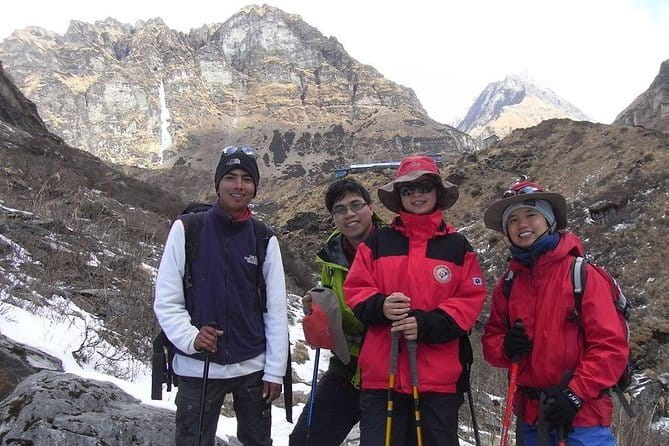
The return to Lama Hotel is described as an easier downhill walk of about six hours. Lowering altitude usually makes the effort feel more manageable, though descending for several hours can still be tough on knees and ankles.
You retrace much of the route, but the valley can look different in the opposite direction. You may notice details missed during the climb, including river bends, bridges, forest openings, and village life. The valley narrows in sections, adding a feeling of enclosure after the open spaces around Kyanjin Gompa.
This is a good day to slow down and enjoy the sense of achievement. You are no longer climbing toward the main destination, but you still have a full walk ahead. Trekking poles, if you use them, can be especially helpful on a long descent.
Day Seven Returns You to Syabrubesi
The final trekking day takes about seven hours and follows the route back toward Syabrubesi. Most of the walking is downhill, so it should feel easier in terms of breathing and altitude, though the length still demands energy.
There is an optional route via Sherpagaun. The description presents it as a more scenic alternative with trekking appeal, but the exact route choice should be discussed with your guide. This option may add variety to the return journey, while the standard route offers a more direct finish.
Reaching Syabrubesi marks the end of the walking section. You can expect a mixture of relief and satisfaction. The route has taken you from river valleys and forests to a high monastery and mountain viewpoints, then back down through the same communities that made the journey possible.
Day Eight Brings You Back to Kathmandu
The final morning begins with the return drive to Kathmandu. The journey takes about six hours and passes green hills, forests, riverside areas, and countryside.
As with the first road transfer, this is a long travel day rather than a sightseeing tour with a fixed set of attractions. The scenery outside the window helps, but road conditions and traffic can affect the timing. Your package includes transfer to the selected hotel, which is useful after several days on foot.
The trip therefore feels like a full loop: Kathmandu to the trailhead, a concentrated trek through the Langtang Valley, then back to the capital. You do not need to arrange separate transport between the city and the mountains.
What the $1,110 Price Really Covers
At $1,110 per person, this trek is priced as a supported private package rather than a bare route-and-bed arrangement. The package includes hotel pickup and drop-off, shared round-trip bus transport, trekking permits, a TIMS card, an English-speaking guide, guesthouse accommodation, a first-aid box carried by the guide, and the listed meals.
The stated meal inclusions are breakfast for seven days, lunch for eight days, and dinner for eight days. However, the separate notes also say meals are not included and list all meals at about $25 per day. That is a clear point to settle before booking. Ask the operator exactly which meals are covered by the $1,110 price and what the daily food charge refers to.
If the listed meals are included as written, the package offers solid value because permits, transport, lodging, and guiding are bundled together. If you must pay an additional food allowance, the total cost will be higher than the headline price. The details matter.
The tour also mentions group discounts, pickup, and a mobile ticket. Since the activity is private, only your own group participates, which is useful if you want a more personal pace. Tipping is optional, according to the provided details, but the guide and porter clearly play an important role in the trip.
Who Should Book This Trek?
I would recommend it to someone who wants a genuine mountain walk with cultural contact, but does not need the most famous Nepal route. It suits people with moderate physical fitness who can handle six to seven hours of walking on several days and a long bus ride at either end.
It is also a good fit for solo people who prefer organized support. The positive feedback places strong emphasis on kindness, care, safety, and reliability from the guiding team. Those qualities are valuable when you are tired, uncertain, or dealing with changing mountain conditions.
You should think twice if you want a soft adventure with short walks and polished hotels. The guesthouse accommodation is practical, the road transfers are long, and day five can be strenuous. The route is rewarding, but it asks you to accept basic conditions and steady physical effort.
Free cancellation is available if you cancel at least 24 hours before the start time. Changes or cancellations inside that window are not accepted for a refund, so check the local cut-off time before making final plans.
Should You Book the Langtang Valley Trek?
I would book this trek if you value quiet mountain trails, Tamang culture, and personal guiding more than luxury or a famous name. The route gives you a well-rounded week: forest walks, river crossings, stone villages, a historic monastery, a cheese factory, high viewpoints, and a strong sense of local recovery.
The biggest reasons to pause are the long bus rides, the demanding fifth day, and the confusing meal information. Confirm those costs in writing, ask which viewpoint your group plans to attempt, and make sure your fitness matches the schedule.
With those points settled, the Langtang Valley Trek offers a thoughtful and well-supported way to see Nepal beyond its most crowded routes. Its strongest qualities are not flashy. They are the quiet trail, the generous people, the mountain views, and the feeling that the journey connects you with a living valley.
FAQ
How long is the Langtang Valley Trek from Kathmandu?
The experience lasts approximately eight days. The schedule includes travel from Kathmandu to Syabrubesi, six trekking days through the valley, and the return drive to Kathmandu.
Is transportation included?
Yes. Hotel pickup and drop-off are included, along with round-trip shared bus transportation between Kathmandu and Syabrubesi.
What meals are included?
The inclusions list breakfast for seven days, lunch for eight days, and dinner for eight days. However, the additional notes also mention meals costing about $25 per day, so you should confirm the exact meal arrangement with the provider before booking.
What is the most difficult day?
Day five is the main challenge. From Kyanjin Gompa, you start early with packed snacks and climb toward Cherco Ri, also written as Tserko Ri. Kyanjin Ri is another optional hike in the area.
What level of fitness is required?
The experience requires a moderate level of physical fitness. Several walking days last around six hours, while the return to Syabrubesi takes about seven hours.
Is this a private trek?
Yes. Only your own group participates in the activity. Group discounts are available, and the trek includes an English-speaking guide, guesthouse accommodation, permits, and a first-aid box carried by the guide.
Recently added around Kathmandu
- Ghorepani Poon Hill Trek★ 5.0 · 16 reviews
- Private Manaslu Circuit Trek at Himalayas★ 5.0 · 3 reviews
- Amazing 1 Day Trekking Experience in Kathmandu Nepal★ 5.0 · 24 reviews
- Ghorepani Poonhill Trek★ 5.0 · 5 reviews
- Upper Mustang Trekking★ 5.0 · 2 reviews
- Upper Mustang Trek★ 5.0 · 5 reviews
- Upper Mustang Trekking★ 3.0 · 2 reviews
- Upper Mustang Trekking★ 5.0 · 4 reviews
Langtang Valley Treks, compared.

Trekking in Annapurna/Langtang/Everest/Upper Mustang regions
Read our review →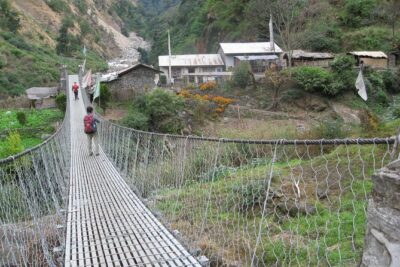
Browse the lists this tour appears in