
REVIEW · KATHMANDU
Langtang Trekking
Mountain views come early here. This 13-day Langtang, Gosaikunda, and Chisopani trek brings you into northern Nepal for high mountain scenery, turquoise lakes, Tibetan Buddhist culture, and quiet hill settlements. I especially like the mix of Kyanjin Ri viewpoints and Gosaikunda Lake, plus the chance to meet local people in villages that still follow long-held traditions.
The experience also gets strong marks for friendly, capable guides. Kumar is praised for his humor, flexibility, and broad knowledge, while Pradip is noted for explaining the area and taking excellent photographs. The main catch is cost clarity: the $699 price includes a licensed English-speaking guide, permits, and an air-conditioned vehicle, but accommodation, meals, drinks, insurance, international flights, and guide and porter tips are extra.
Key points to know before booking
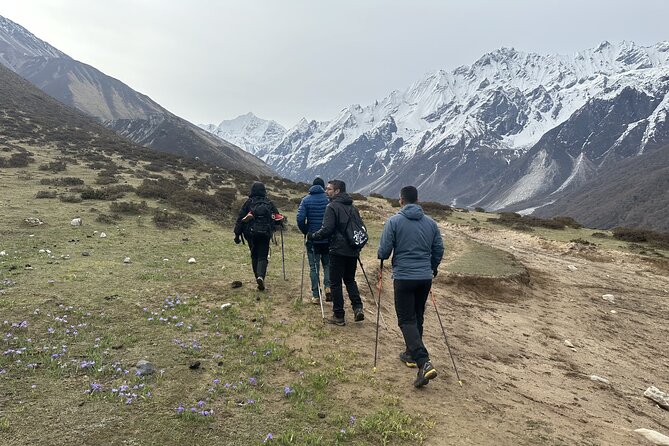
- Kyanjin Ri gives you a high viewpoint over the Langtang range, with broad mountain views and icy air.
- Gosaikunda is the trek’s great natural prize, a turquoise lake surrounded by high Himalayan terrain and several nearby lakes.
- Tibetan Buddhist culture shapes the route, especially around Kyanjin Gompa and Shin Gompa.
- This is a private trek, so only your own group takes part, with room for a more personal pace.
- Spring and autumn are the best seasons, while winter is unsuitable and monsoon conditions can be wet.
- The $699 price is not all-inclusive, so your final budget will be higher once food, lodging, insurance, and other extras are added.
Why this route works so well
Langtang is a good choice if you want more than a single mountain viewpoint. The route brings together high ridges, glacial-looking lakes, Buddhist monasteries, forested hills, and traditional settlements. You get a varied trip rather than several days of similar scenery.
The route also reaches places with different moods. Langtang Valley feels rugged and open, Kyanjin Gompa has a strong religious and mountain character, and Gosaikunda feels stark and remote. Chisopani and Mul Kharka bring the trek back toward lower hills and village life.
I like that this is a private activity. You are not locked into the rhythm of a large group, and the guide can give more attention to questions, walking speed, and photo stops. That matters on a long route where some people want to move steadily and others prefer time to look around.
Still, do not mistake private for easy. The tour description calls for a moderate fitness level and long walking days. You should be comfortable walking for several hours over steep and uneven ground. The route also reaches cold, high areas, particularly around Gosaikunda, so preparation matters.
More Langtang Treks in Kathmandu:
- Langtang Valley Trek
★ 5.0 · 140 reviews - Langtang Valley Trek
★ 5.0 · 61 reviews - 8 Days Tour in Langtang Valley Trek
★ 5.0 · 45 reviews
The road and trail toward Langtang Valley
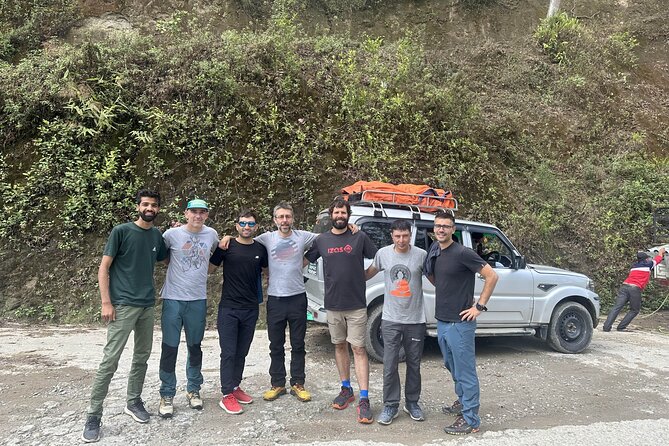
The journey begins in Kathmandu, with a stated start time of 7:15 am. An air-conditioned vehicle is included, which is useful for the road portion of the trip and gives your group a private way to reach the trekking area.
The exact road timetable is not provided, so you should ask Trek Mania Nepal how much driving is planned on the first and final days. This is worth confirming before you go. Road conditions in mountain regions can affect the pace, and a long vehicle ride followed by walking can make the first day feel demanding.
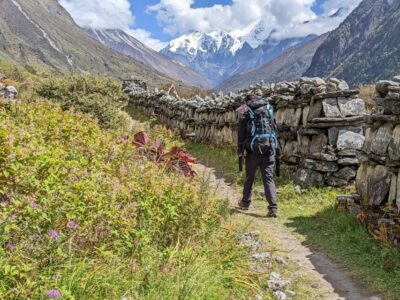
As you enter Langtang Valley, the focus shifts from transport to walking. The scenery becomes increasingly mountainous, with the Langtang range, Ganesh Himal, and, from suitable viewpoints, distant views toward the Annapurna range. These are not just quick photo stops. The changing views help you understand how quickly Nepal’s terrain rises from hill country into serious Himalayan country.
The route passes through cultural hamlets where local life remains closely tied to custom and religion. I would make time for conversation when the opportunity comes. The point of this trek is not only to collect mountain photographs, but also to see how communities live in a difficult climate.
Kyanjin Gompa and the high valley
Kyanjin Gompa is one of the central stops on the trek. It is described as the largest monastery in Langtang Valley and gives the route an important spiritual focus. Tibetan Buddhism is not a side note here. It shapes the places you visit and the stories your guide can explain along the way.
The monastery is also a useful base for seeing the high valley from different angles. The surrounding peaks and open terrain create a dramatic setting, and the area gives you a sense of how isolated the upper settlements can feel.
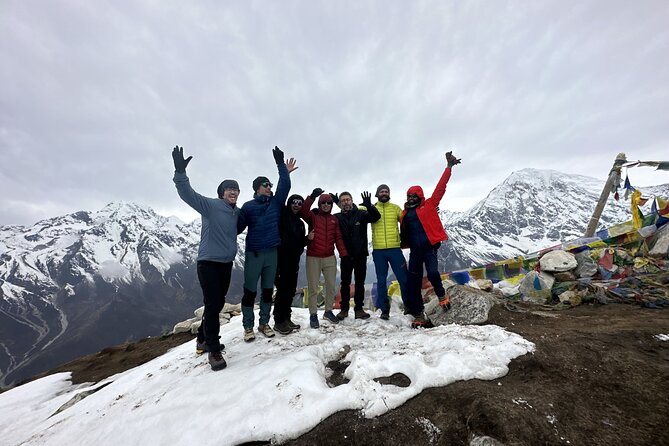
One of the best parts of the trek is the climb toward Kyanjin Ri. The viewpoint is highlighted for its expansive views over the Langtang range. The climb requires effort, and the altitude and cold can make even a moderate ascent feel serious. You should not treat it as a casual walk.
The reward is a much wider view than you get from the valley floor. You can look across ridges and peaks, see the scale of the surrounding mountains, and understand why this area is such a strong choice for a Himalayan trek. Give yourself time here. A hurried viewpoint visit would waste one of the route’s best moments.
Sherpa Gaon and the human side of the trek
Sherpa Gaon adds a village and cultural element to the route. The appeal is not a single famous monument. It is the chance to walk through a settlement and see the human scale of the mountains.
The package encourages conversation with local people, and that is good advice. Your guide can help with context, but a simple exchange with residents often gives you a more direct sense of local life. Ask about the village, religious customs, and the way people manage daily routines in a high mountain setting.
You should keep your approach respectful. This is a lived-in community, not a stage set for visitors. Walk quietly, ask before taking close photographs, and let your guide explain local etiquette.
The cultural side is one reason this route may suit you better than a trek chosen only for peak views. The mountains are powerful, but the settlements give the trip its character.
A few more treks around Kathmandu worth a look
- Everest Base Camp Trek – 14 Days
★ 5.0 · 1,499 reviews - Everest Base Camp Trek
★ 5.0 · 842 reviews - Everest Base Camp Trekking
★ 5.0 · 485 reviews - Annapurna Circuit Trek with Tilicho Lake
★ 5.0 · 368 reviews
Shin Gompa and the climb toward Gosaikunda
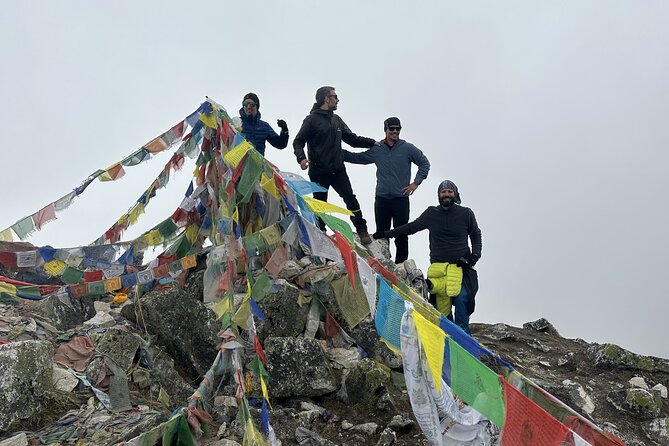
Shin Gompa, also called a monastery in the tour description, marks another important cultural stop. It gives you a second chance to see how Buddhist practice fits into the route. The setting also helps connect the lower hill sections with the colder, more exposed terrain ahead.
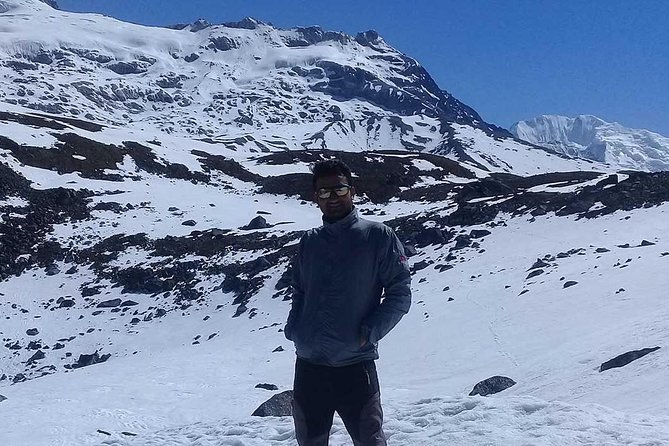
Gosaikunda is the major natural highlight. The lake is known for its turquoise color and high setting, with several related lakes nearby. The description of icy air is worth taking seriously. This is a cold, exposed part of the route, not a warm lakeside outing.
The lake’s appeal comes from the combination of color, altitude, and silence. You are looking at water surrounded by hard mountain terrain, rather than a gentle alpine lake with easy access. That contrast makes the stop memorable.
There is also a religious importance to Gosaikunda, although the available tour details do not set out a full pilgrimage history. Your guide can add local context, especially if you want to understand why the lake matters beyond its appearance.
Conditions here can change the feel of the day. In clear weather, the lake and nearby peaks can look extraordinary. In cloud, wind, or rain, the same area may feel severe. Bring suitable layers and do not plan on spending long periods standing still without warm clothing.
Mangengoth, Mul Kharka, and the changing terrain
Mangengoth and Mul Kharka give the trek a different rhythm. These places are part of the route’s transition between the higher lake country and the lower hill sections. The scenery changes as you move through varied elevations, and the walking experience becomes about steady progress rather than one large landmark.
This is where pacing becomes important. You may feel strong after reaching a major viewpoint, but long treks often become difficult during the less famous sections. Keep your steps measured, drink regularly, and avoid using too much energy early in the day.
The route’s variety is a real benefit. You are not simply walking to one lake and turning around. You pass through a chain of places that show different sides of northern Nepal, from Buddhist centers and high mountain viewpoints to quieter rural settlements.
The downside is that the information provided does not include exact daily distances, elevation figures, or the names of overnight lodges. Ask for those details before departure. They will help you judge the route properly and pack with more confidence.
Chisapani and the final hill-country views
Chisapani brings the journey into a more accessible hill setting. It is known as a viewpoint area, and its place at the end of this route gives the trek a satisfying change of scale. After the cold and exposed surroundings of Gosaikunda, lower hills can feel more welcoming.
The wider views may include the Langtang and Ganesh Himal ranges, with the Annapurna range visible from suitable points. Weather will affect what you see, so treat those distant mountain views as a bonus rather than a promise for every day.
Chisapani also works well as a final cultural stop. You are still walking through rural Nepal, but the atmosphere differs from the high valley. This change helps the trip feel like a journey through several regions rather than one long mountain corridor.
The supplied information also refers to Chisopani and Chisapani. These names may be used for the same stop, but I would confirm the exact route and spelling with the operator when you book.
What the $699 price really covers
At $699 per person, the trip can offer good value if you want a private route with a licensed guide and organized transport. The included English-speaking guide is especially important on a trek with religious sites, village customs, changing terrain, and high-altitude sections. A good guide adds meaning and helps you make sensible decisions on the trail.
Permits are included, which removes one significant planning task. The air-conditioned vehicle is also included, giving your group organized transport for the road sections.
But the advertised price leaves out many basic trip costs:
- Accommodation during the trek
- Breakfast, lunch, and dinner
- Bottled water, tea, coffee, and snacks
- Alcoholic drinks
- International flights and Nepal visa fees
- Travel insurance
- Guide and porter tips
- Bicycle use
- Any fees and taxes not already included
This list changes the real budget. You should ask for a written estimate for lodging and meals, then add insurance, drinks, snacks, visa costs, and gratuities. Do not assume the package is a full-board trekking deal.
The price may still be attractive for a private experience, particularly if you are sharing it with companions. It is less easy to judge for a solo participant because the included services do not cover many daily necessities.
Guides, flexibility, and the private format
The guide can make a major difference on a route like this. Kumar is praised for being funny, consistent, flexible, and able to answer a wide range of questions. Pradip is praised for his experience, friendliness, explanations of the natural and cultural sights, and photography skills.
Other praised staff include Pralad and porter Sunil, who were described as patient and helpful on a shorter Chisopani and Nagarkot trek. Devaraj is also connected with organizing a Langtang and Gosaikunda journey. These names suggest an established local team, but you should ask which guide and porter will be assigned to your own departure.
The private format is valuable if your group walks at a particular speed or wants more time for photographs and cultural questions. It can also make a long route feel less tiring psychologically. You are sharing the day with people you know rather than adjusting to a large mixed group.
On the other hand, a private tour does not remove the physical demands. The operator lists moderate fitness as necessary, and you should be ready for long hours on foot. The route is not suitable if you are looking for a soft sightseeing holiday with only short walks.
Season, weather, and personal preparation
Spring and autumn are the preferred seasons. These periods generally offer the best conditions for mountain views and trekking, based on the information provided. Winter is excluded, while monsoon trekking is possible but not ideal.
That seasonal advice should guide your expectations. In spring or autumn, you have a better chance of enjoying the major viewpoints in clearer conditions. During monsoon, rain can make walking less pleasant and may affect views. In winter, the route is not recommended by the operator.
Pack for changing conditions rather than one forecast. You need clothing for warm lower sections and cold, exposed areas near Gosaikunda. Water, snacks, and drinks are not included, so plan for those costs and confirm how you will obtain them along the way.
You should also arrange travel insurance before setting out. It is not included, and a high-altitude trek is exactly the kind of trip where proper coverage matters.
Who should book this trek?
I would recommend this experience to you if you want a private Himalayan trek with strong scenery and a real cultural component. It suits people who enjoy long walking days, mountain monasteries, village encounters, and changing terrain more than people who want a tightly scheduled sightseeing tour.
It is also a good fit if Kyanjin Ri and Gosaikunda are your priorities. The route gives you both a broad mountain viewpoint and a high turquoise lake, along with Kyanjin Gompa, Shin Gompa, Sherpa Gaon, Mangengoth, Mul Kharka, and Chisapani.
I would be more cautious if you need exact daily distances, guaranteed accommodation standards, or a fully inclusive price. Ask for the complete day-by-day plan, elevation details, overnight stops, meal arrangements, and final cost before paying.
Confirmation is sent within 48 hours, subject to availability. Pickup is offered, the meeting time is 7:15 am, service animals are allowed, and the route is near public transportation. You can cancel for a full refund up to 24 hours before the start time, but changes or cancellations inside that window are not accepted.
Should you book Langtang Trekking?
Book it if you want a varied, private trek that combines Himalayan views, Tibetan Buddhist sites, high lakes, and village life. The strongest reasons are the Kyanjin Ri viewpoint, Gosaikunda, the cultural stops, and the personal attention that a private guide can provide.
Before booking, get the missing cost and itinerary details in writing. The $699 starting price is appealing, but it does not include accommodation, food, insurance, flights, visa fees, or tips. If you are fit for long walks and ready for cold mountain conditions, this looks like a rewarding way to see several sides of northern Nepal in one substantial journey.
FAQ
How long does the Langtang trek last?
The experience lasts approximately 13 days.
Where does the trek take place?
It begins in Kathmandu and includes Langtang Valley, Gosaikunda, and Chisapani, along with stops such as Kyanjin Gompa, Sherpa Gaon, Shin Gompa, Mangengoth, and Mul Kharka.
What is included in the $699 price?
The price includes a government-licensed English-speaking trekking guide, permits, and an air-conditioned vehicle.
Are meals and accommodation included?
No. Breakfast, lunch, dinner, and accommodation during the trek are not included.
What fitness level is required?
You should have a moderate fitness level and be comfortable walking for long hours over mountain terrain.
When is the best time to take this trek?
Spring and autumn are identified as the best seasons. Monsoon trekking is possible but not ideal, and winter is not recommended.
Is this a private tour?
Yes. Only your own group participates in the activity.
Recently added around Kathmandu
- Ghorepani Poon Hill Trek★ 5.0 · 16 reviews
- Private Manaslu Circuit Trek at Himalayas★ 5.0 · 3 reviews
- Amazing 1 Day Trekking Experience in Kathmandu Nepal★ 5.0 · 24 reviews
- Ghorepani Poonhill Trek★ 5.0 · 5 reviews
- Upper Mustang Trekking★ 5.0 · 2 reviews
- Upper Mustang Trekking★ 3.0 · 2 reviews
- Upper Mustang Trekking★ 5.0 · 4 reviews
- Upper Mustang Trek★ 5.0 · 5 reviews
Langtang Valley Treks, compared.

Trekking in Annapurna/Langtang/Everest/Upper Mustang regions
Read our review →
Browse the lists this tour appears in