
REVIEW · KATHMANDU
Gokyo to Everest Base Camp Trek
Two Himalayan passes make this trek unforgettable. The Gokyo to Everest Base Camp route combines Gokyo Lakes and Gokyo Ri with Cho La Pass, Kala Patthar, and the famous base camp. You walk through Sherpa villages, cross prayer-flagged suspension bridges, and sleep in basic mountain lodges beneath some of the world’s highest peaks.
I especially like the route’s variety and the strong support system. You get a licensed guide, one porter for every two clients, airport transfers, domestic flights, permits, meals on the trail, filtered water, and a sleeping bag. The main drawback is the altitude and the hard schedule, particularly around Cho La Pass, Everest Base Camp, and Kala Patthar.
Key points before you book
- Gokyo comes before Everest Base Camp: You see the quieter western side of the Everest region before joining the busier Base Camp route.
- Cho La Pass reaches 5,330 meters: This is the trek’s toughest crossing and may involve snow, ice, early starts, and rough weather.
- Gokyo Ri and Kala Patthar provide the big views: Both climbs are demanding, but they give you some of the finest high mountain panoramas on the route.
- The 17-day plan includes acclimatization: A full day in Namche Bazaar and two nights at Gokyo help your body adjust to the altitude.
- The group is capped at 15 people: That is small enough for a more personal group experience without making the trip private.
- The price covers major logistics: At $2,200 per person, you get flights, lodging, guides, porters, meals, permits, and airport transfers, but not insurance, drinks, tips, or international airfare.
Why this Everest circuit is worth the extra effort
The standard Everest Base Camp route is already a serious mountain trek. This version adds a western loop through the Gokyo Valley, then crosses the high Cho La Pass before heading to Base Camp. That extra section requires more time and stamina, but it gives you a much fuller picture of the Everest region.
I like the way the route changes character as you go. The first days follow the Dudh Koshi River through green forest and traditional villages. Near Gokyo, the trail becomes stark and glacial. After Cho La, you meet the classic Khumbu route, with its enormous glacier views, Buddhist monasteries, and the familiar peaks around Everest.
You are not simply walking to a famous signpost. You are moving through the home region of the Sherpa people, passing monasteries at remarkable elevations and seeing how villages function in a place where roads do not reach. That cultural side gives the trek more meaning than a long mountain walk with scenery alone.
The route is operated by Ace the Himalaya, with a maximum of 15 people. That matters on difficult days. A group this size can still feel social, but the guide has a reasonable chance of keeping track of everyone when weather or altitude changes the plan.
More Everest Base Camp Treks in Kathmandu:
- Everest Base Camp Trek – 14 Days
★ 5.0 · 1,499 reviews - Everest Base Camp Trek
★ 5.0 · 842 reviews - Everest Base Camp Trekking
★ 5.0 · 485 reviews
Kathmandu arrival and the short flight to Lukla
Your first and last days are based in Kathmandu. An airport representative meets you at Tribhuvan International Airport, transfers you to your hotel, and later returns you to the airport for your departure. Two nights of three-star hotel accommodation in Kathmandu are included.
The real adventure begins on Day 2 with a roughly 35-minute flight from Kathmandu to Lukla’s Tenzing and Hillary Airport at 2,804 meters. The short flight saves days of walking, but it also makes the early altitude gain feel sharp. Your guide briefs you after landing, and the trek begins toward Phakding.
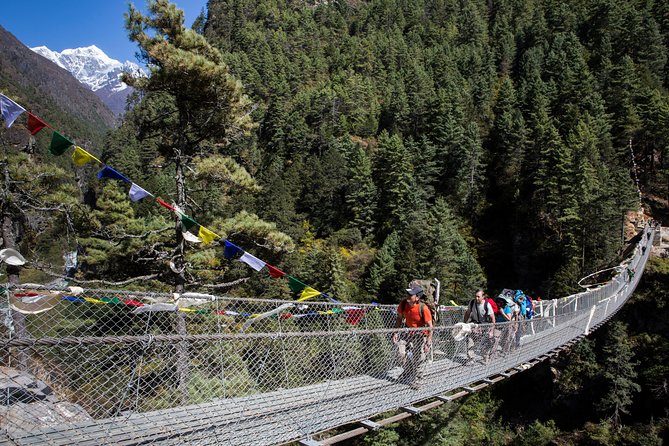
The first walking day is long in the schedule, though the actual pace depends on flight timing and trail conditions. Phakding gives you a gentler start than walking directly to Namche Bazaar. You cross suspension bridges decorated with prayer flags and begin following the Dudh Koshi through the lower Khumbu.
Lukla and Phakding have some of the better accommodation included in the plan, with guest houses offering attached toilets. Elsewhere, comfort becomes more basic. That difference is worth understanding before you pay for a high-altitude trek.
Namche Bazaar gives you time to adjust
On Day 3, the trail continues beside the Dudh Koshi and enters Sagarmatha National Park. The path climbs more firmly toward Namche Bazaar, with repeated river crossings and a steeper final approach.
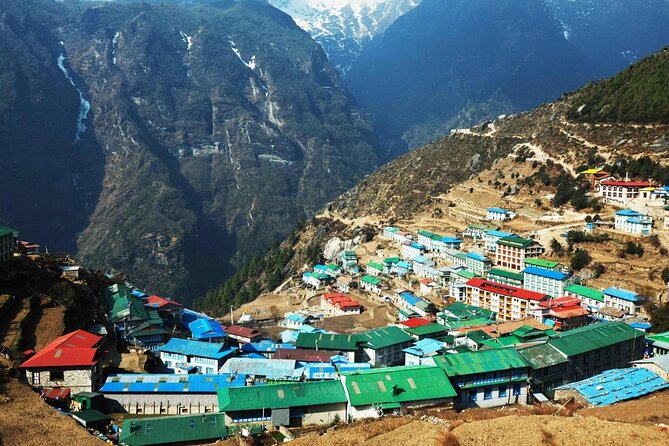
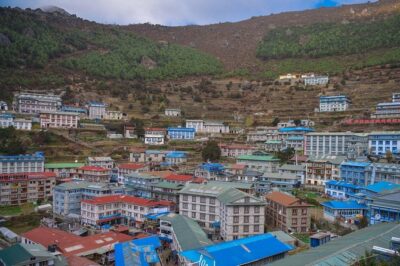
Namche is the main trading town of the Khumbu and one of the most useful stops on the whole route. You spend a full acclimatization day here rather than pushing higher too soon. The planned outing includes a short trek to a museum focused on Sherpa customs, which adds cultural context to the mountain views.
This rest day is not wasted time. At altitude, a slower schedule can make the difference between enjoying the trek and spending it with a headache. You should still expect to walk on the acclimatization day, but the effort is limited compared with the main route.
The town also provides a chance to sort your clothing, water, and personal gear before the trail becomes more remote. Keep your pack light and use the porter service well. One porter is assigned for every two clients, and a free duffel bag is provided for the trek.
Phortse and Machhermo bring bigger views
From Namche, the trail climbs through rhododendron forest toward Phortse. At higher elevations, juniper and conifers replace much of the lower forest. In spring, the route can feel especially scenic as the vegetation changes with altitude.
Phortse is a useful turning point because the route now begins to feel less like a village walk and more like a high mountain journey. You pass Yak Kharka and continue toward Machhermo, with views toward Kengtega and Cho Oyu.
The next day brings a demanding climb toward the terminal moraine of the Ngozumpa Glacier. Machhermo is at about 4,470 meters, so the air is noticeably thin. You need to take the guide’s pace seriously here. A person who feels strong near Lukla may find the same walking effort much harder at this height.
The itinerary includes breakfast, lunch, and dinner on the trekking days, along with seasonal fruit. Drinks are not included, so budget separately for hot and cold beverages. Filtered trail water is provided through a Katadyn Pocket Water Filter, which helps reduce the amount of disposable bottled water you need to buy.
A few more treks around Kathmandu worth a look
- Annapurna Circuit Trek with Tilicho Lake
★ 5.0 · 368 reviews - Everest Base Camp Trekking – 13 Day
★ 5.0 · 365 reviews - Everest Base Camp Trek
★ 5.0 · 350 reviews - Everest Base Camp Trek -14 Days
★ 5.0 · 321 reviews
Gokyo Lakes and the Gokyo Ri climb
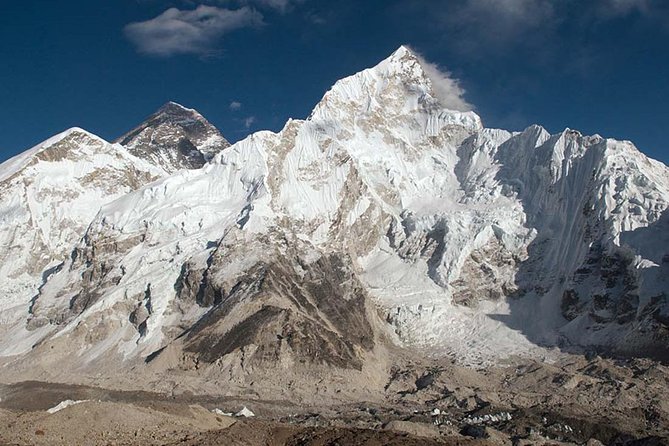
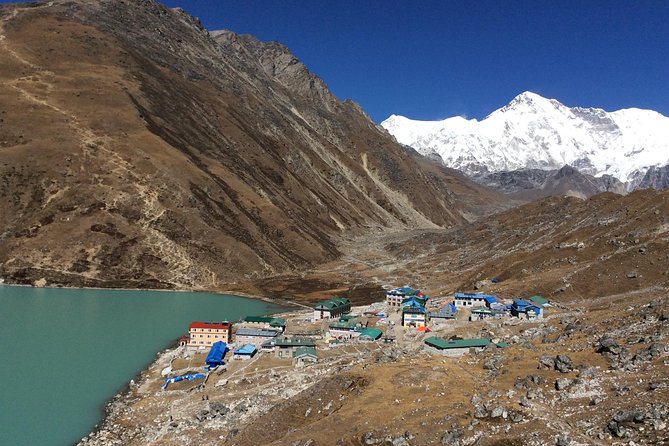
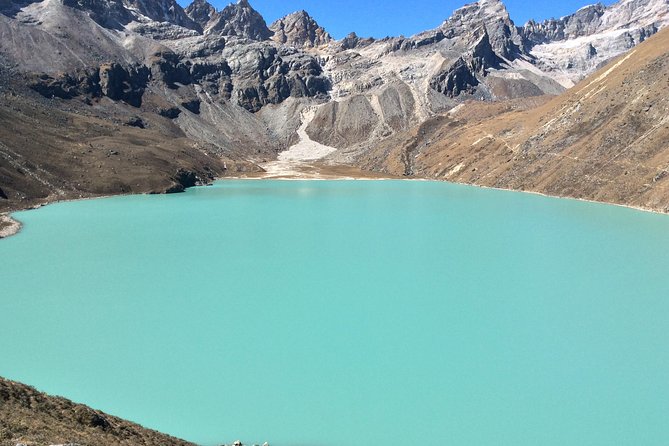
Day 7 takes you to Gokyo at about 4,790 meters. This is one of the route’s major rewards. The settlement sits beside the Gokyo Lakes, with the Ngozumpa Glacier and high peaks forming the setting.
You spend two nights here, which gives the trip a sensible rhythm. Instead of arriving late and leaving early, you have time to see the area and attempt the Gokyo Ri climb.
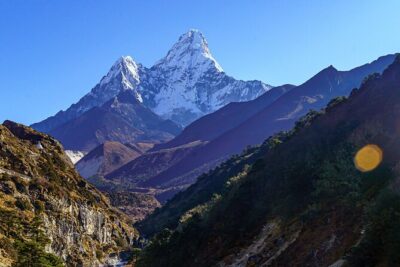
The early morning ascent to Gokyo Ri reaches about 5,483 meters. The climb is steep, and the altitude makes every step feel deliberate. The payoff is a broad view across the Gokyo Valley toward Cho Oyu, Everest, and Makalu.
This is one of the best reasons to choose the circuit rather than a direct Base Camp route. You get a major viewpoint before Everest Base Camp, and the Gokyo side often feels more remote. The price of that quieter experience is extra walking and an additional high pass.
If weather blocks the summit attempt, do not treat that as a personal failure. High mountain conditions can change quickly, and the guide’s timing and safety judgment matter more than checking off every viewpoint.
Cho La Pass is the serious test
After Gokyo, you walk to Thangnag, a remote settlement at the foot of Cho La Pass. The accommodation here is very basic, with dormitory-style rooms. This is one of the clearest comfort compromises in the trip.
The Cho La crossing begins around 4:00 or 5:00 in the morning. The goal is to reach the pass between 9:00 and 10:00, before conditions often worsen later in the day. At 5,330 meters, this is the most demanding part of the route.
The crossing may involve snow and difficult footing. Weather is a major factor, and the guide may adjust the plan if conditions become unsafe. One recent itinerary had to deal with heavy snow, blizzards, and prolonged rain, making flexibility and a safety-first approach especially important.
This is where the quality of your support team matters most. Guides such as Nima, Raj Kumar, Ramesh, Ganesh, Lakpa Sherpa, and Raj N were praised for staying calm, adjusting plans, and helping with decisions when weather changed. That does not remove the physical challenge, but it gives you experienced people beside you when the route becomes uncertain.
After the pass, the trek continues toward Lobuche. The following section is shorter and easier, taking roughly four hours. It is a useful recovery period before the long push to Base Camp.
Everest Base Camp is a long, demanding day
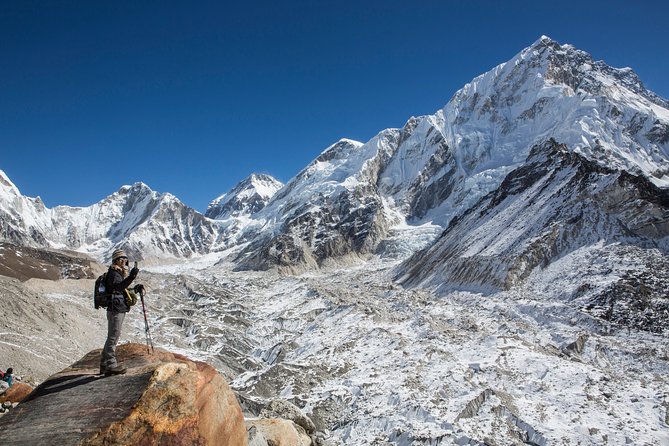
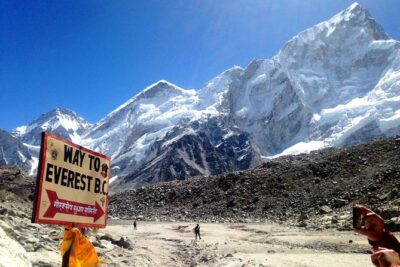
From Lobuche, you walk along the Khumbu Glacier toward Everest Base Camp at about 5,365 meters. This is a big day, even though the destination is familiar from photographs. The trail is rocky and the thin air slows everyone down.
Base Camp itself changes by season. In spring, mountaineering activity may be visible, with expedition teams preparing for climbs. At other times, you may find a quieter setting. Either way, you should not expect a city, museum, or polished attraction. The value is reaching the point where major Everest expeditions begin.
The walk back and the high altitude can make this day feel longer than expected. Keep your energy steady rather than racing toward the destination. Your guide, porter, meals, and filtered water are included, but you still need personal trekking clothing and equipment.
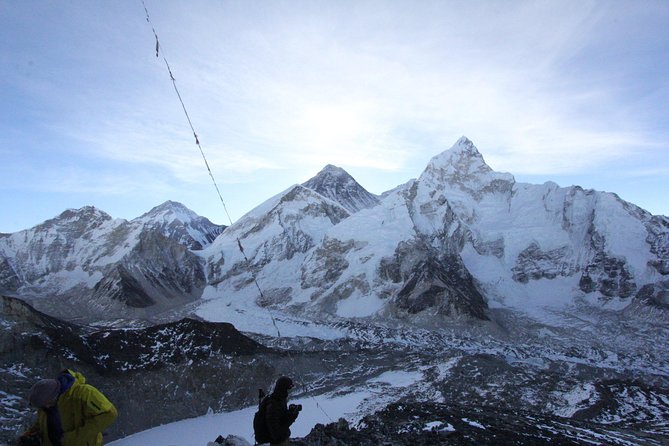
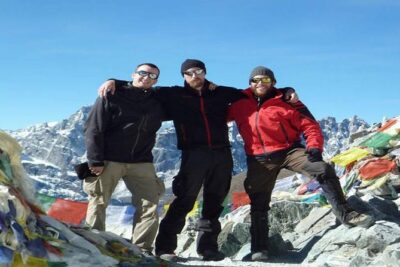
The next morning brings Kala Patthar, at about 5,555 meters. This is described as one of the hardest but most rewarding days. The climb is steep, yet it offers one of the clearest views of Everest and the surrounding peaks.
Many people consider Kala Patthar the visual high point of the trip. Base Camp gives you the achievement of arrival, while Kala Patthar gives you the broad mountain view. You get both because the itinerary leaves room for this extra climb.
The return through Tengboche and Namche
After Kala Patthar, the route turns downhill. You pass through Pangboche and Tengboche before returning to Namche Bazaar.
Tengboche is associated with Buddhist monastic culture, an important part of the Khumbu experience. The trek has already taken you past monasteries at high elevations, but this section gives the return journey a cultural focus rather than making it only a retreat from the mountains.
The descent is not effortless. After two weeks of walking, your legs may be tired, and downhill trails can be hard on knees. Still, the lower altitude makes breathing easier. You return to Namche in the afternoon and have a familiar stop before the final walk to Lukla.
Day 15 takes you back to Lukla, where the trek began. The afternoon is free, giving you time to rest and reflect on the route. This is also a useful buffer before the flight to Kathmandu, since mountain flights depend on weather.
On Day 16, the flight returns to Kathmandu in about 35 minutes. Airport transfer to your starting hotel is included. The final day is for departure, with an airport representative taking you to Tribhuvan International Airport.
What the $2,200 price really covers
At $2,200 per person, this is not a cheap holiday, but the price includes many expenses that quickly add up in Nepal.
You receive:
- Airport transfers
- Two nights in a three-star Kathmandu hotel
- Fourteen nights in guest houses
- Kathmandu to Lukla and return airfare
- A licensed English-speaking guide
- One porter for every two clients
- Trekking permits
- Breakfast for all 16 mornings
- Fourteen lunches and fourteen dinners
- Filtered trail water
- Seasonal fruit
- A down jacket and sleeping bag for use during the trek
- A duffel bag and sun hat
- Government taxes and service charges
You still pay for international airfare, the Nepal entry visa, Kathmandu meals, alcoholic drinks, hot and cold drinks, personal gear, insurance, and staff tips. Travel insurance must cover high-altitude emergency rescue and evacuation. Do not treat that as optional on a trip with several days above 5,000 meters.
Tipping is expected, so include it in your budget. The overall value is strongest if you want one company handling flights, permits, accommodation, staff, meals, and airport transfers. Independent trekkers may spend less, but they will need to arrange and manage far more themselves.
Who should book this trek?
This route suits you if you already enjoy long mountain walks and have a moderate level of physical fitness. You do not need mountaineering equipment, but you do need to accept steep climbs, thin air, basic lodging, early starts, and weather-related changes.
It is a particularly good choice if you want more than the standard Everest Base Camp trail. Gokyo Lakes, Gokyo Ri, and Cho La Pass add variety and give you a stronger sense of the region. The tradeoff is that this is a harder route with more exposure to altitude and rough conditions.
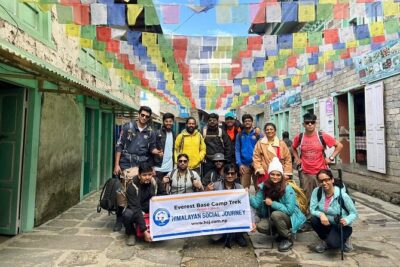
The group size of up to 15 keeps the price below a private trek while still offering guide support. The experience has a perfect five-star rating from 113 reviews, with 100 percent recommending it. The strongest praise centers on the guides’ patience, flexibility, and focus on safety. Names repeatedly associated with strong support include Nima, Raj Kumar, Ramesh, Biroj, Haym, Ganesh, Sonam, and Lakpa Sherpa.
Should you book the Gokyo to Everest Base Camp trek?
Book it if you want the full Everest circuit experience and accept that Cho La Pass is a real mountain crossing, not a scenic shortcut. The route gives you Gokyo’s quieter lakes, two major viewpoints, Sherpa villages, monasteries, Base Camp, and a well-organized support team.
Choose a shorter Everest Base Camp route if you are uneasy about high passes, dormitory lodging, or a 17-day commitment. Also read the cancellation terms carefully: cancellation at least six full days before the start receives a full refund, while poor weather may lead to a new date or full refund. For the right walker, this is a demanding but carefully supported way to see the Everest region from several very different angles.
FAQ
How long is the Gokyo to Everest Base Camp trek?
The planned duration is approximately 17 days, including arrival and departure in Kathmandu, the flights to and from Lukla, acclimatization, trekking, and the return to Kathmandu.
What altitude does Cho La Pass reach?
Cho La Pass reaches approximately 5,330 meters. The crossing begins around 4:00 or 5:00 in the morning so the group can aim to cross before conditions become worse later in the day.
Is the Kathmandu to Lukla flight included?
Yes. The price includes the Kathmandu to Lukla flight and the return flight from Lukla to Kathmandu. Each flight takes about 35 minutes.
Are meals included during the trek?
Yes. The package includes 16 breakfasts, 14 lunches, and 14 dinners. Meals in Kathmandu, alcoholic drinks, and hot and cold drinks are not included.
What kind of accommodation is provided?
You receive two nights in a twin-share or double room at a three-star hotel in Kathmandu and 14 nights in twin-sharing guest houses during the trek. Accommodation at Thangnag is especially basic, with dormitory-style rooms.
Do I need travel insurance?
Yes. You must arrange your own travel insurance, and it needs to cover emergency high-altitude rescue and evacuation. International airfare, the Nepal entry visa, personal trekking equipment, and staff tips are also your responsibility.
Recently added around Kathmandu
- Ghorepani Poon Hill Trek★ 5.0 · 16 reviews
- Private Manaslu Circuit Trek at Himalayas★ 5.0 · 3 reviews
- Amazing 1 Day Trekking Experience in Kathmandu Nepal★ 5.0 · 24 reviews
- Ghorepani Poonhill Trek★ 5.0 · 5 reviews
- Upper Mustang Trekking★ 5.0 · 2 reviews
- Upper Mustang Trekking★ 3.0 · 2 reviews
- Upper Mustang Trekking★ 5.0 · 4 reviews
- Upper Mustang Trek★ 5.0 · 5 reviews
Everest Base Camp Treks, compared.
Browse the lists this tour appears in