
REVIEW · KATHMANDU
Everest Three Pass Trek
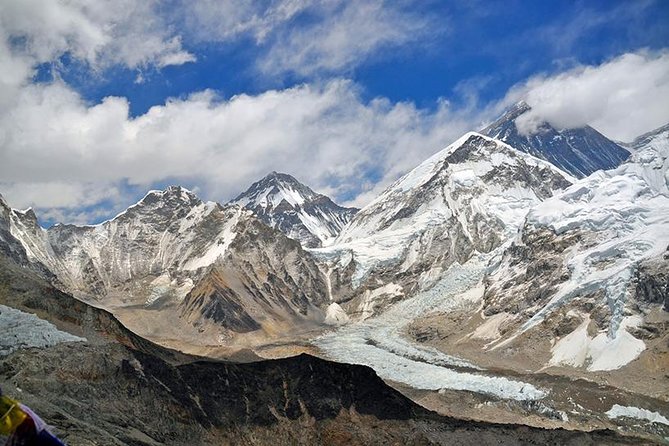
Three high passes, one huge Himalayan challenge. The Everest Three Pass Trek links Kongma La, Cho La, and Renjo La with classic Khumbu villages, Gokyo Lakes, Kala Patthar, and views of Everest. I like the route’s variety and the practical support from a licensed guide, porters, permits, flights, meals, and mountain gear. I also like that it is a private trek, so your group is not tied to strangers.
The main drawback is simple: this is not a gentle introduction to Nepal. You will cross rough, steep, and sometimes icy ground above 5,000 meters, and the schedule leaves little room for a weak day. The price is $1,800 per person, which is fair for the services included, but you should budget extra for drinks, showers, laundry, personal gear, tips, and other costs.
Five things to know before you book
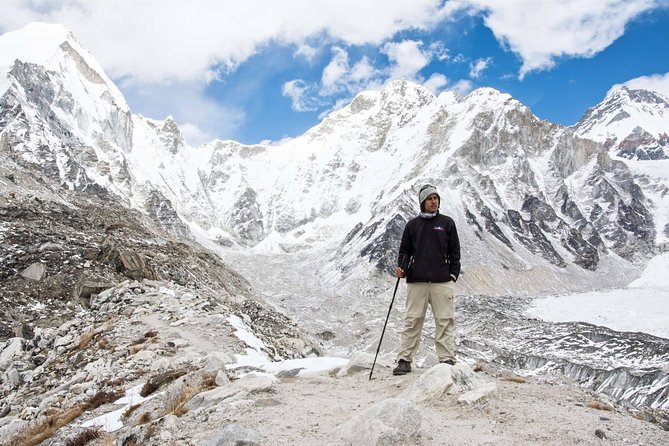
- Three passes above 5,300 meters: Kongma La reaches 5,535 meters, Cho La 5,420 meters, and Renjo La 5,360 meters.
- A private 15-day route: Only your own group takes part, with a local English-speaking guide and porters.
- Gokyo and Kala Patthar included: You get both the famous Everest viewpoint and the quieter turquoise lake region.
- Early starts matter: The trek begins with a 6:15 am meeting time in Kathmandu, and several demanding days start early to manage distance and weather.
- Much of the big cost is covered: Flights, permits, staff, meals, accommodation, a sleeping bag, down jacket, and duffel bag are included.
- Weather can change the plan: Lukla flights and high passes depend on suitable conditions, so flexibility is part of the deal.
What the Three Pass Trek actually asks of you
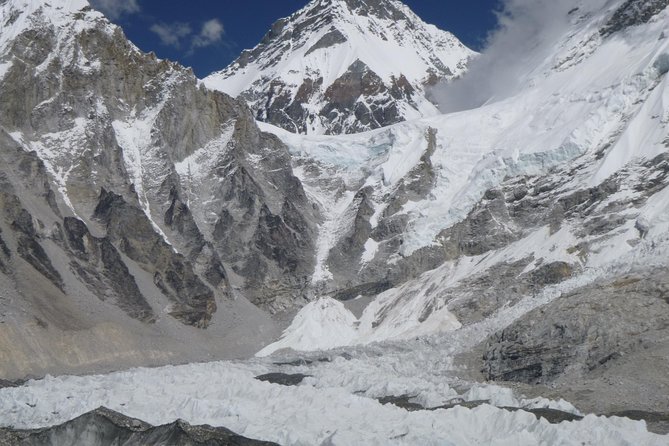
This is one of the toughest routes in the Everest region. The challenge comes from repeated altitude gains, loose and rough trail, cold conditions, steep climbs, and three high passes packed into one trip.
The passes are not simply scenic stops. Each one requires a serious effort. Kongma La is the highest and can involve difficult uphill walking. Cho La includes an icy trail in places. Renjo La follows a snow-filled path before opening to broad mountain views.
You need a strong level of physical fitness. The operator does not present this as a casual walking holiday, and you should not treat it like an ordinary sightseeing tour with a few hikes added. The schedule includes an acclimatization day in Namche, but the route remains demanding after that.
I like the way the route combines hard mountain days with meaningful stops. You pass through Sherpa villages, follow the Dudh Koshi River, cross suspension bridges hung with prayer flags, visit Tengboche Monastery, and reach the Gokyo Lakes. It is not only a mountain challenge. It also gives you a feel for how people live and travel in the Khumbu.
More Everest Base Camp Treks in Kathmandu:
- Everest Base Camp Trek – 14 Days
★ 5.0 · 1,499 reviews - Everest Base Camp Trek
★ 5.0 · 842 reviews - Everest Base Camp Trekking
★ 5.0 · 485 reviews
Day 1: Lukla flight and the first walk
The trek starts with an early flight from Kathmandu to Lukla. The flight passes over green hills and snow-capped peaks before landing at Tenzing-Hillary Airport, one of the world’s most notable mountain airstrips.
After meeting the guide and porters in Lukla, you begin walking. The first day sets the tone: this is a journey on foot, with the mountains gradually replacing the city and lowland hills.
The early start is practical, not decorative. Flights to Lukla are weather-sensitive, and the day needs enough time for the first section of trekking. Keep your daypack organized before you leave Kathmandu, since you will want quick access to water, warm layers, and small essentials.
Days 2 to 3: River trails and acclimatization in Namche
The route follows the Dudh Koshi River and crosses it several times on suspension bridges. Prayer flags add color to the crossings, but the bridges are also a reminder that this is working mountain country, not a paved resort path.
You enter Sagarmatha National Park on the way to Namche Bazaar. The trail climbs steadily, and Namche is an important point for adjusting to the altitude. The town is a useful pause before the route gets higher and harder.
Day 3 is set aside for acclimatization. You hike uphill to Everest View Hotel, where you can see peaks including Nuptse, Thamserku, and Everest. This is a smart use of a rest day because you gain height during the day and return to Namche afterward.
I would not waste this day by staying in bed all morning. The uphill outing gives you a first proper mountain panorama and helps prepare your body for the route ahead. Still, keep the pace easy. Acclimatization is about controlled effort, not proving how fast you can climb.
Days 4 to 5: Tengboche, Pangboche, and Dingboche
From Namche, the trail follows the Dudh Koshi upstream toward Phunke Tenga. Water-driven prayer wheels mark the route before you climb above the Imja Khola to Tengboche.
Tengboche is known for its monastery and its setting among major peaks. The stop is brief, but it adds cultural depth to a route otherwise dominated by altitude and big views. You are not just ticking off mountain names. You are moving through the spiritual heart of the Khumbu.
The next day takes you toward Dingboche, passing through rhododendron forest and Pangboche village. Ama Dablam, Lhotse, and Everest accompany the walk. The views become more severe as the trees thin and the route moves into higher country.
Dingboche is a key staging point. The original plan here uses Chhukung instead of adding another full acclimatization day in Dingboche. That choice helps shorten the next day’s approach to Kongma La, but it also means the schedule favors forward progress over extra rest.
A few more treks around Kathmandu worth a look
- Annapurna Circuit Trek with Tilicho Lake
★ 5.0 · 368 reviews - Everest Base Camp Trekking – 13 Day
★ 5.0 · 365 reviews - Everest Base Camp Trek
★ 5.0 · 350 reviews - Everest Base Camp Trek -14 Days
★ 5.0 · 321 reviews
Day 6: Short walk to Chhukung
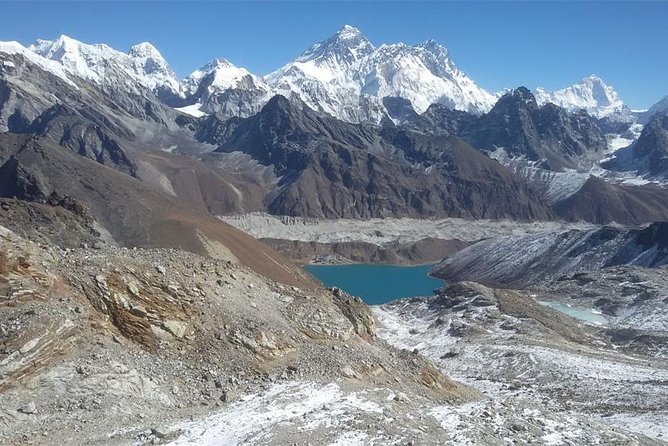
This is described as a short but interesting uphill walk from Dingboche to Chhukung. The trail follows the Imja Valley, with high peaks surrounding the route.
The benefit is clear: you position yourself closer to Kongma La. The following pass day is already hard, so reducing the approach distance can make the day more manageable.
The tradeoff is that you do not receive an extra full rest day at Dingboche. If you are slow to adjust to altitude, this is a point to discuss with the guide rather than quietly pushing through. The trek is private, which gives your group more room to communicate about pace and effort.
Day 7: Kongma La, the highest pass at 5,535 meters
Kongma La is the first and highest of the three passes. The approach is steep and difficult, and the trail can feel demanding well before you reach the top.
Once you cross the pass, the reward is a wide Himalayan view across the Mahalangur range. Everest and surrounding peaks provide the visual payoff, but the real achievement is the crossing itself.
This is one of the days when an early start and sensible pacing matter most. Carry enough water and keep warm layers close. The route description notes rough terrain and difficulty rather than a smooth path, so sturdy personal trekking equipment is essential.
The operator supplies a down jacket and sleeping bag, but you must bring your own personal trekking gear. That means you should not assume the included equipment covers footwear, clothing, poles, or every item needed for cold, uneven ground.
Days 8 to 9: Gorakshep and the Kala Patthar sunrise
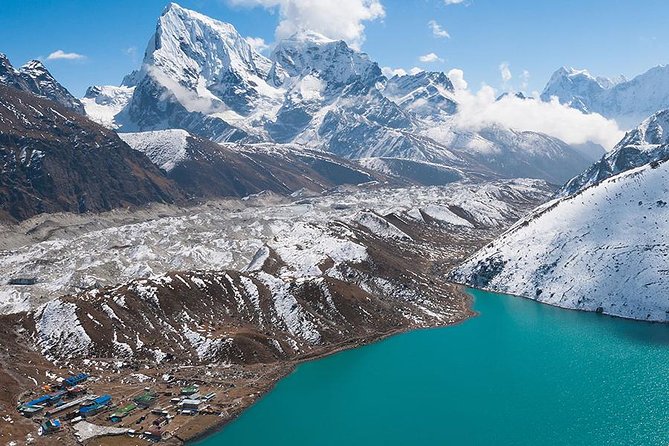
After the first pass, you continue toward Gorakshep. The walking is rewarding but stony, with glaciers and snow-covered peaks around you.
Day 9 begins early with a climb to Kala Patthar at 5,550 meters. From the top, you see the valleys and the first sunlight reaching Everest. This is one of the most famous viewpoints in the region, and the early timing is central to the experience.
Kala Patthar is not the highest of the three passes, but it is a serious climb at altitude. The combination of a pre-dawn start, cold air, and high elevation makes this another day when your pace should remain steady.
The route then continues into the next major section. The schedule places a lot of memorable scenery close together, which is exciting, but it also means fatigue can build. You should be ready for physical effort rather than expecting each viewpoint to feel easy.
Day 10: Cho La and the route to Gokyo
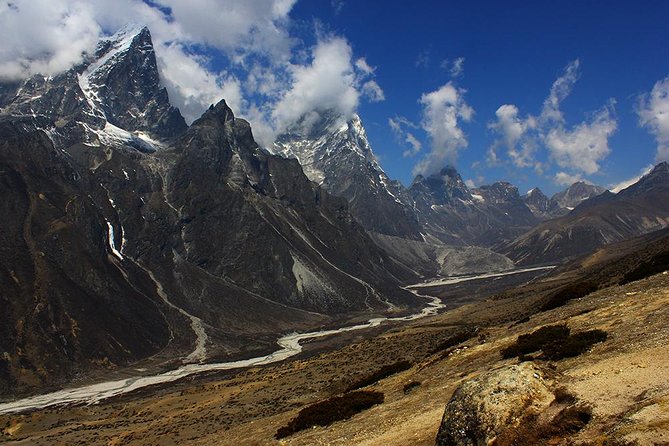
Cho La is the second high pass, reaching 5,420 meters. The approach includes a steep climb on an ice-covered trail, making this one of the most technical-feeling sections of the trek.
You then continue toward the Gokyo Lakes. The change is striking: after the rocky approach and icy pass, the route opens toward a chain of high-altitude lakes and a different side of the Everest region.
This day is a strong reason to choose the Three Pass route instead of a standard Everest Base Camp walk. You still get major Everest views, but you also cross into the Gokyo Valley and see a less repetitive side of the region.
Conditions matter here. The experience provider says poor weather can force a cancellation or a change of date, and that is especially relevant for Lukla flights and high passes such as Cho La. A flexible attitude is not optional on this route.
Day 11: Gokyo Lakes and Gokyo Ri
Gokyo is given a rest day, with a morning climb to Gokyo Ri at 5,360 meters. From the top, you can see the Gokyo Valley, its small lakes, and surrounding peaks.
Calling this a rest day may sound optimistic, since Gokyo Ri is still a high climb. The point is that you do not pack in a long transfer as well. You gain another view while keeping the day focused in one area.
I like this part of the route because it gives you time to appreciate the Gokyo side rather than rushing through it. After two difficult passes and the Kala Patthar climb, the slower rhythm is useful.
Day 12: Renjo La, the final pass
The final pass is Renjo La at 5,360 meters. You start early and climb gradually along a snow-filled path.
At the top, the views include Cho Oyu, Everest, and other high peaks. By this point, you have crossed Kongma La and Cho La, so Renjo La feels like both another major challenge and the closing achievement of the three-pass circuit.
This day still demands care. The fact that it is the last pass does not make it easy. You may be tired, and snow or weather can affect the trail. Your guide and porters are especially valuable here because they provide route support and carry the larger load.
Days 13 to 15: Returning through Namche and Lukla
After Renjo La, the trail toward Namche is more relaxed and relatively easier. You can enjoy distant views of Everest and other peaks without the same intensity as the pass days.
Day 14 takes you from Namche back to Lukla, passing villages, forests, rivers, and suspension bridges. This is the final walking day, with time in Lukla to rest and explore the market.
The last morning brings the flight from Lukla to Kathmandu. The return journey offers more views of green hills and snowy mountains, assuming conditions allow the flight to operate.
The 15-day length includes both the mountain route and domestic flights. That is efficient, but it does not leave a large built-in cushion for delays. Since the weather can affect the Lukla flights, you should avoid placing an important international connection immediately after the scheduled return unless you have a backup plan.
What the $1,800 price covers
At $1,800 per person, the trip offers solid value for a high-altitude private trek. The price includes:
- Kathmandu to Lukla and return airfare, including airport tax
- Twin-sharing guesthouse accommodation during the trek
- A licensed English-speaking local guide
- Porters and the required trekking staff
- Staff food, accommodation, salaries, insurance, equipment, and transport
- Sagarmatha National Park entry permit
- TIMS permit
- Down jacket, sleeping bag, and duffel or kit bag
- First aid medical kits
- Necessary land transport
- Breakfast, lunch, and dinner for 14 days
That is a meaningful package. You are not paying only for a guide and a route plan. A large part of the operational cost, including permits, porters, staff insurance, meals, and flights, is already handled.
You still need money for international airfare, drinks, laundry, hot showers, alcohol, personal trekking equipment, tips, and anything not listed in the inclusions. Drinks and showers can become regular expenses in the mountains, so carry a realistic extra budget.
Guide support, group style, and service
The trek is private, meaning only your own group takes part. That is useful on a route where pacing and altitude response vary so much. You can speak directly with the guide about how you are feeling instead of being locked into the speed of a large group.
The guide is a local, government-licensed English speaker. The operator also supplies porters and covers their food, accommodation, salary, insurance, equipment, and transport. That is an important practical strength.
Past service feedback gives several staff names, including guides Shiva, Jwala, and Nabracht, along with porters Bhim and Ram. Those comments repeatedly praise organization, personal help, and the way the company handled difficult arrangements, including a pandemic period. One particularly useful detail is that early starts helped a group avoid late-season rain on an Everest Base Camp trek.
The comments also describe Shree, the company owner, as professional and helpful with planning. Those accounts are from related Everest trekking experiences rather than this exact three-pass departure, so I would treat them as a useful sign of the company’s service style, not a guarantee of which guide you will receive.
Who should book this trek?
I would choose this trek if you want the hardest classic route in the Everest region and value variety over a simple out-and-back walk. It suits someone who wants high passes, Gokyo Lakes, Kala Patthar, Sherpa villages, monastery visits, and major Himalayan views in one trip.
You should be comfortable with long, steep mountain days and rough ground. A strong physical fitness level is required, and the route also demands patience, mental toughness, and flexibility around weather.
I would not choose it if your main aim is a relaxed holiday, if you dislike early starts, or if you need a fixed timetable with no risk of weather-related change. The private format helps, but it cannot make 5,000-meter passes easy.
Should you book the Everest Three Pass Trek?
Book it if you want a serious Khumbu challenge with strong logistical support already included. The combination of three high passes, Gokyo Ri, Kala Patthar, Tengboche, permits, meals, porters, and Lukla flights gives you a lot for $1,800.
Before paying, confirm the current flight arrangements, the exact guide assignment, what personal equipment you must supply, and how the team handles a delayed Lukla flight. If you are fit, prepared, and happy to let mountain weather set the tempo, this is an excellent choice. If you want a softer introduction to Nepal, pick a less demanding route.
FAQ
How long does the Everest Three Pass Trek last?
The trek lasts approximately 15 days, including flights between Kathmandu and Lukla.
Where does the trek start?
It starts in Kathmandu, Nepal, at the Base Camp Adventure office on Tridevi Sadak.
What time is the meeting?
The stated start time is 6:15 am.
Is pickup offered?
Yes, pickup is offered.
Is this a private trek?
Yes. Only your own group participates in the activity.
What fitness level is required?
You should have a strong level of physical fitness. The route crosses rough terrain and three passes above 5,300 meters.
Which high passes does the trek cross?
It crosses Kongma La at 5,535 meters, Cho La at 5,420 meters, and Renjo La at 5,360 meters.
Are meals included?
Yes. Breakfast, lunch, and dinner are included for 14 days.
Is accommodation included?
Yes. The package includes the best available guesthouses, mainly in twin-sharing rooms.
Are flights and permits included?
Yes. Domestic flights between Kathmandu and Lukla, airport tax, the national park entry permit, and the TIMS permit are included.
What is not included?
International airfare, departure tax, alcoholic and other drinks, laundry, hot showers, personal trekking equipment, staff tips, and expenses not listed as included are excluded.
Can I cancel for a full refund?
You can cancel at least 24 hours before the experience start time for a full refund. Cancellations or changes made less than 24 hours before the start are not accepted for a refund, and poor weather may result in a different date or a full refund.
Recently added around Kathmandu
- Ghorepani Poon Hill Trek★ 5.0 · 16 reviews
- Private Manaslu Circuit Trek at Himalayas★ 5.0 · 3 reviews
- Amazing 1 Day Trekking Experience in Kathmandu Nepal★ 5.0 · 24 reviews
- Ghorepani Poonhill Trek★ 5.0 · 5 reviews
- Upper Mustang Trekking★ 5.0 · 2 reviews
- Upper Mustang Trekking★ 3.0 · 2 reviews
- Upper Mustang Trekking★ 5.0 · 4 reviews
- Upper Mustang Trek★ 5.0 · 5 reviews
Everest Base Camp Treks, compared.






Browse the lists this tour appears in