
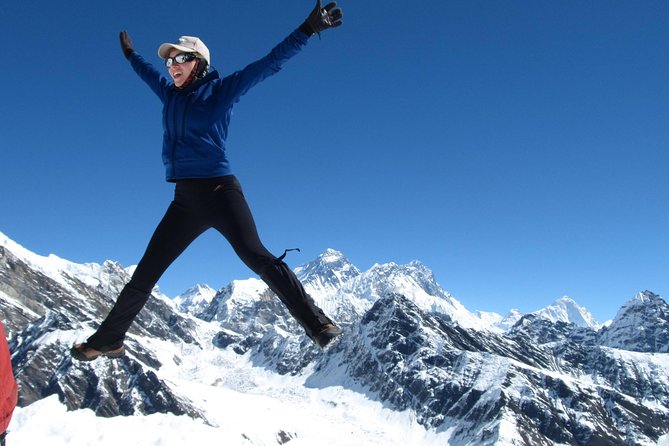
REVIEW · KATHMANDU
Everest Three (High) Passes Trekking
High passes, big views, no climbing ropes. This 17-day Everest Three Passes Trek is built for strong hikers who want more than a quick look at Mount Everest. I like the combination of serious mountain walking and close contact with Sherpa communities, and I also like that the route does not require technical climbing skills. The main caution is altitude: this is a demanding trek, not a casual holiday with a few scenic walks.
I also appreciate the private format. Your group travels together, with local Nepali guides and the option for the company to adjust the walking plan when conditions call for it. Past experiences with the company highlight guides including Lok and Sashi, while Suman and Amber helped with arrangements in Kathmandu. Still, the high passes require strong physical fitness, patience, and comfort with several hard days above 4,000 meters.
Key Points Before You Book
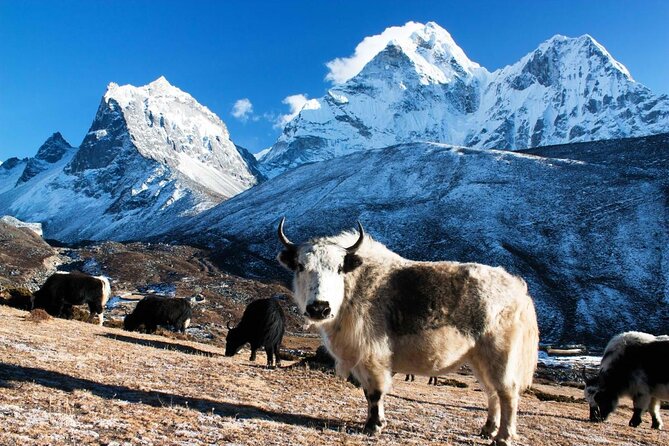
- Three high Himalayan passes: The route is designed around challenging crossings rather than simply reaching Everest Base Camp.
- Mount Everest and the Khumbu Himalaya: You get broad mountain views along with a close look at the region’s Sherpa communities.
- A short flight starts the mountain journey: The trek begins with a flight after meeting at Tribhuvan International Airport.
- No technical climbing required: You need fitness and altitude tolerance, but not specialist climbing knowledge.
- A private 17-day trip: Only your group participates, which can make pacing and support more personal.
- $2,500 per person: The price is best judged against the length, guiding, local support, airport pickup, and demanding route.
Why Choose Three High Passes Instead of a Simpler Everest Trek?
Many Everest-area trips focus on one famous destination. This route takes a broader and harder approach. You are not only walking toward views of Mount Everest. You are crossing three high passes and moving through a large section of the Khumbu Himalaya.
That difference matters. A single-destination trek can give you one main goal. The Three Passes route gives you repeated goals: each pass, each valley, each high viewpoint, and the cultural encounters along the way. You get more variety, but you also spend longer at altitude and face more strenuous walking.
The route includes the Gokyo area and Renjo La Pass, based on the details of the trip and its associated trekking arrangements. Gokyo Ri is one of the key viewpoints connected with the trek. It offers a high mountain panorama and gives you a different angle on the Everest region than the standard approach alone.
The hard part is not just the number of days. High passes can bring steep ground, thin air, and tiring conditions. You may feel strong on one day and slow the next. That is normal at altitude, but it means you should arrive ready for a demanding walking holiday rather than expecting the guide to carry you through it.
More Everest Base Camp Treks in Kathmandu:
- Everest Base Camp Trek – 14 Days
★ 5.0 · 1,499 reviews - Everest Base Camp Trek
★ 5.0 · 842 reviews - Everest Base Camp Trekking
★ 5.0 · 485 reviews
Day 1 Begins at Tribhuvan International Airport
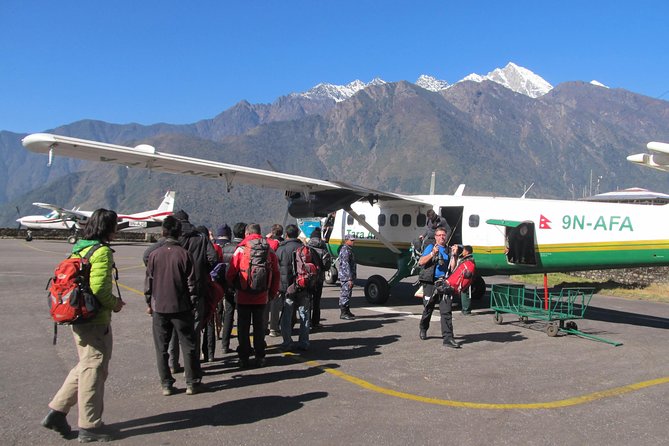
The stated meeting point is Tribhuvan International Airport on Ring Road in Kathmandu. The listed start time is 6:15 a.m., so you need to be ready early. Pickup is offered, and the activity begins with a short flight toward the Everest region.
That early start is practical. Mountain flights are tied to weather and operating conditions, and an early departure gives the day some breathing room. It also means you should organize your bags, documents, and breakfast plans in advance.
The flight is more than a transfer. It marks the shift from Kathmandu to the mountain portion of the trip. Once you leave the airport, the focus changes from city logistics to walking, weather, altitude, and the rhythm of the trail.
The information provided does not specify the flight destination or exact flight duration, so you should confirm those details before departure. The important point is that the trek includes a short flight and then a substantial period of hiking.
The Khumbu Trail Brings Everest Into View
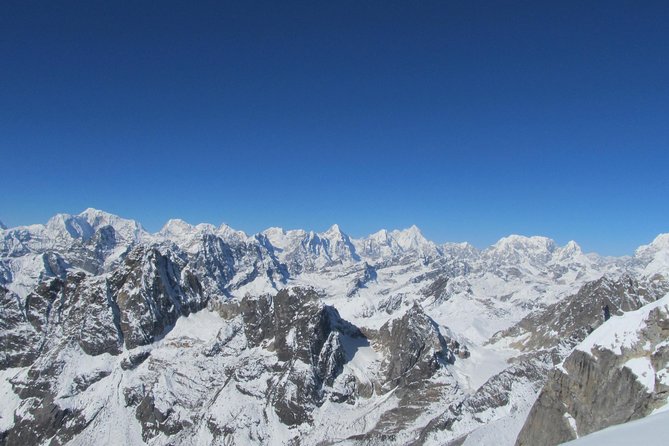
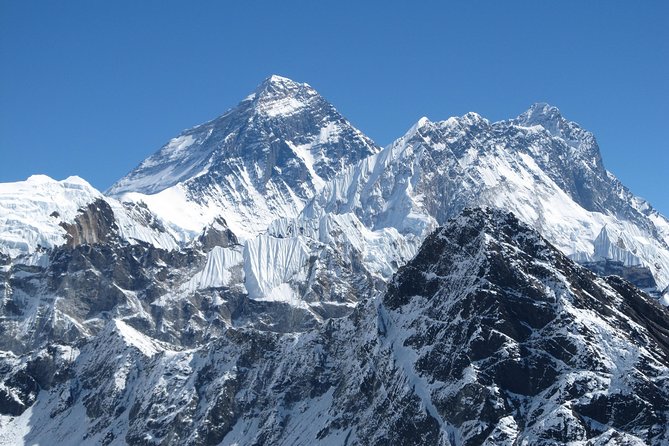
As you move through the Khumbu region, the main reward is the scale of the mountains. Mount Everest is the headline sight, but it is only part of the scenery. The trek also presents views across the wider Himalayan region, with high ridges and valleys changing as you gain and lose elevation.
I like this kind of route because Everest does not have to carry the entire trip. The mountain views, high passes, villages, and Sherpa culture give the trek several layers. If clouds hide Everest for part of the day, the journey can still feel worthwhile.
The cultural side is just as important. You pass through areas shaped by ethnic Sherpa communities, whose homes, working lives, and mountain traditions are closely tied to the Khumbu. The trip description specifically presents this as a chance to experience Sherpa culture, not simply walk through scenery.
Keep your expectations grounded. This is a trekking experience, not a guided cultural tour with long visits at every village. Your main activity is walking. Cultural contact comes through the places you pass, the local staff who support the trip, and the day-to-day life of the mountain communities.
Gokyo Ri and Renjo La Add Extra Work
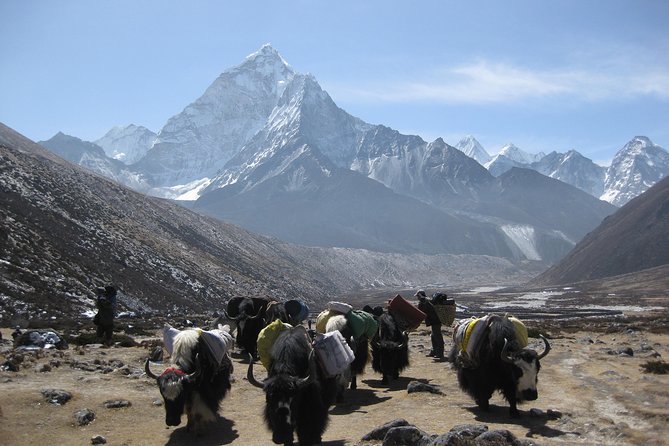
Gokyo Ri is a major reason many hikers choose a high-pass route. The climb adds effort, but the payoff is a high viewpoint over the surrounding Himalayan peaks. The route connected with this trek also includes Renjo La Pass, one of the high crossings that makes the trip more demanding than a standard Everest itinerary.
These sections test your preparation. You need to manage your pace and avoid treating every uphill stretch like a race. At altitude, conserving energy is not laziness. It is good trekking.
The exact sequence of the three passes is not supplied, so you should ask for the day-by-day route before booking. That document should show where you sleep, which passes you cross on which days, and how the schedule handles acclimatization.
This is one of the most important practical questions to ask. A high-pass trek needs a sensible pace. The company has more than two decades of guiding experience in the area, but you should still understand the planned schedule and the physical demands of each stage.
A few more treks around Kathmandu worth a look
- Annapurna Circuit Trek with Tilicho Lake
★ 5.0 · 368 reviews - Everest Base Camp Trekking – 13 Day
★ 5.0 · 365 reviews - Everest Base Camp Trek
★ 5.0 · 350 reviews - Everest Base Camp Trek -14 Days
★ 5.0 · 321 reviews
Altitude Is the Main Test
The hardest part of this trip is likely to be altitude rather than technical terrain. The description calls for a strong physical fitness level, and one detailed account of the trek describes it as a serious trip with an extended period at high altitude.
That warning deserves attention. You may be fit at sea level and still struggle in the Himalaya. Fitness helps you walk uphill, carry your day bag, and recover between stages. It does not guarantee that your body will react comfortably to altitude.
I would prepare with long uphill walks, stair training, and several consecutive days of exercise. The goal is not only speed. You need to build endurance for repeated effort and become comfortable walking when your legs are tired.
The route does not require technical climbing knowledge. That is good news for experienced hikers who have never used climbing equipment. It does not make the trek easy. You still face high passes, long walking days, changing weather, and a route where turning around may take time.
Your guide’s judgment matters here. One account praised Lok for offering support and adjusting the hike when circumstances required it. That kind of flexibility is valuable on a high-altitude trip, where the planned schedule may need to change.
Local Guides Make the Difference
Three Jewels Adventures presents the trek as a locally guided trip with professional Nepali staff. That is a useful feature in the Everest region. Local guides understand the walking conditions, the communities along the route, and the practical limits of a high-altitude schedule.
The names connected with the company’s trekking support include Lok, Sashi, Suman, and Amber. Reports of the guiding service describe staff as caring and supportive, with particular praise for help during difficult sections and for communication before the trek.
A private trip can make that support more personal. Only your group participates, so the pace does not have to match a large mixed party. If one person needs more time, your guide can focus on your group rather than managing a crowd.
The trade-off is that private guiding does not remove the physical demands. You still need to do the walking. A flexible guide can help with pacing and decisions, but you should not book this expecting an easy rescue from every hard day.
Is $2,500 Per Person Good Value?
The listed cost is $2,500 per person. For a 17-day private trek in the Everest region, that price may offer solid value, particularly because the trip includes a short flight, local guiding, airport pickup, and a route through three high passes.
The value depends on what is included beyond the headline features. Before paying, ask for a clear breakdown of accommodation, meals, permits, domestic flights, porter support, tips, insurance requirements, and transfers. Those details are not provided here, and they can change the real cost of a Himalayan trek.
The route itself adds value for strong hikers. You are getting more than an Everest viewpoint. You are buying time in the Khumbu, a private guide team, mountain crossings, and a route that reaches areas many short treks do not.
Still, price should not be your only measure. The cheapest trip is not automatically the best choice when altitude, weather, and local support matter. A responsible operator with experienced staff is worth considering, but you should compare inclusions carefully before deciding.
Weather Can Change the Plan
Mountain weather is a real factor, especially because the trip begins with a flight. The experience requires good weather, and if poor weather cancels it, you are offered a different date or a full refund.
That policy is reassuring, but a weather delay can still affect your wider Nepal plans. Leave spare time around the trek if possible. Do not schedule an important international connection immediately after the planned return.
The trip ends back at the original meeting point in Kathmandu. The stated end arrangement is useful, but the exact return time is not given. Ask about the expected arrival day and how much flexibility you should leave before your next flight.
You can cancel for a full refund if you do so at least 24 hours before the start time. Cancellations made less than 24 hours before departure are not refunded, and late changes are not accepted. The cut-off follows local time.
Who Should Book This Trek?
I would recommend this trip to experienced hikers who want a demanding Himalayan route without technical climbing. You should enjoy long days outdoors, be prepared for high altitude, and accept that the itinerary may change because of weather or conditions.
It may suit you if:
- You want Everest views but do not want a short, single-focus trek.
- You are interested in Sherpa culture as well as mountain scenery.
- You prefer a private group rather than a large organized party.
- You have trained for repeated uphill walking.
- You are willing to spend 17 days on a physically demanding route.
I would be cautious if you have little hiking experience, poor general fitness, or no spare time for weather delays. The lack of technical climbing is not the same as a low level of difficulty.
Families can take part only if everyone is genuinely prepared. One family group completed a route involving Gokyo Ri and Renjo La, including adults around 60 and younger family members in their 20s. That shows age alone is not the deciding factor. Fitness, altitude response, preparation, and willingness to walk hard days matter more.
Final Verdict: A Strong Choice for Prepared Hikers
The Everest Three Passes Trek offers a serious but non-technical way to experience the Everest region. I like its mix of high mountain views, Sherpa culture, private guiding, and demanding passes. I also value the company’s long experience in the area and the practical support associated with guides such as Lok and Sashi.
The main drawback is clear: this is a high-altitude trek with little room for casual preparation. The 17-day length, early start, short flight, changing weather, and extended time above high elevations require commitment.
Book it if you want a challenging route and have the fitness to match. Choose a simpler Everest trek if your main aim is a relaxed mountain holiday or if you are unsure how your body will handle altitude. For a well-prepared hiker, $2,500 per person can be a fair price for a private, locally guided route through some of Nepal’s most dramatic mountain country.
FAQ
Where does the Everest Three Passes Trek begin?
The trip begins at Tribhuvan International Airport on Ring Road in Kathmandu, Nepal.
What time does the trek start?
The stated start time is 6:15 a.m.
How long does the trek last?
The experience lasts approximately 17 days.
Does the trip include pickup?
Yes. Pickup is offered, and the stated meeting point is Tribhuvan International Airport.
Is this a private tour?
Yes. Only your group participates in the activity.
How much does the trek cost?
The listed price is $2,500 per person.
Do I need technical climbing experience?
No. The trek involves hiking, trekking, and crossing high passes, but technical climbing knowledge is not required.
How fit do I need to be?
You should have a strong physical fitness level. The trek is challenging and includes extended periods at high altitude.
What happens if bad weather cancels the trip?
If poor weather causes cancellation, you are offered a different date or a full refund. You can also cancel at least 24 hours before the start time for a full refund.
Recently added around Kathmandu
- Ghorepani Poon Hill Trek★ 5.0 · 16 reviews
- Private Manaslu Circuit Trek at Himalayas★ 5.0 · 3 reviews
- Amazing 1 Day Trekking Experience in Kathmandu Nepal★ 5.0 · 24 reviews
- Ghorepani Poonhill Trek★ 5.0 · 5 reviews
- Upper Mustang Trekking★ 5.0 · 2 reviews
- Upper Mustang Trek★ 5.0 · 5 reviews
- Upper Mustang Trekking★ 3.0 · 2 reviews
- Upper Mustang Trekking★ 5.0 · 4 reviews
Everest Base Camp Treks, compared.






Browse the lists this tour appears in