
REVIEW · KATHMANDU
Everest Three Pass Trek 18 Days
Three high passes, one serious Himalayan test. The Everest Three Pass Trek links Everest Base Camp and Gokyo with Kongma La, Cho La, and Renjo La, giving you a far bigger taste of the Khumbu than a standard base camp walk. You move from Lukla through Namche Bazaar, rhododendron woods, high valleys, alpine forests, remote villages, and snowy mountain country.
I like the route’s variety, especially the chance to cross three major passes rather than simply walk in and out on one trail. I also like the private format, since the guide can focus on your group, and past guests give specific praise to guides including Raj and Dilli. The main concern is difficulty: this is not a casual hike, and the supplied material gives both 18 and 21 days as the duration, so you should confirm the exact schedule before paying.
At $2,256.42 per person, the price includes meals, snacks, private transportation, fees, and taxes. That can be fair value for a long Himalayan trek, but the details of transport, lodging, porter service, and acclimatization stops are not spelled out. Ask for the full day-by-day plan before booking.
Key points to know before you book
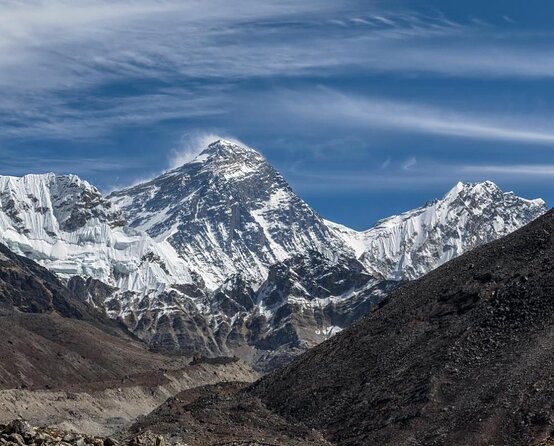
- Three passes above 5,300 meters: Kongma La reaches 5,535 meters, Cho La 5,420 meters, and Renjo La 5,360 meters.
- Two famous destinations in one route: The trek connects Everest Base Camp with the Gokyo area.
- A Lukla start: The journey begins with a scenic flight from Kathmandu to Lukla, followed by a walk toward Namche Bazaar.
- Private touring: Only your own group takes part, which may make guide support more personal.
- Meals are included: Breakfast, lunch, dinner, coffee or tea, and snacks are listed, while bottled water, soft drinks, and alcohol cost extra.
- Guide service matters here: Raj and Dilli receive direct praise for local knowledge, encouragement, and attention to group needs.
Why the Three Pass route is worth the effort
The standard Everest Base Camp route is famous for good reason, but the Three Pass Trek gives you a fuller look at the Khumbu region. Instead of following one busy corridor and turning around, you cross high mountain routes that link several valleys.
The three passes are the heart of the trip. Kongma La is the highest at 5,535 meters. Cho La reaches 5,420 meters, and Renjo La rises to 5,360 meters. Those figures tell you something important: altitude is not a side issue here. It shapes the pace, the physical demand, and the kind of preparation you need.
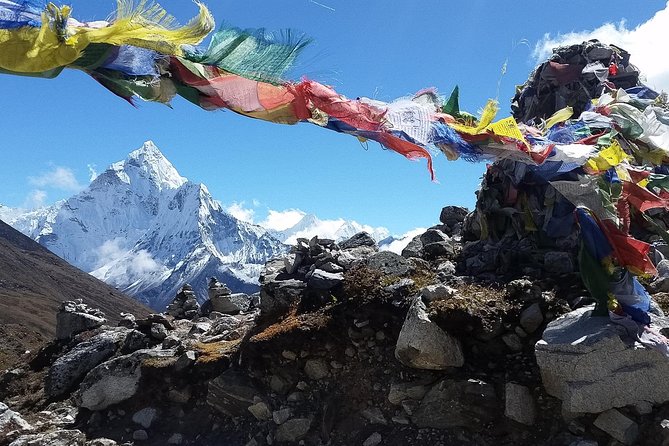
The route also combines major sights with quieter sections. You pass through rhododendron forests and alpine woods, then move into icy valleys and high mountain terrain. Villages provide a human rhythm to the trek, while the high passes bring wide views of the Himalayan ranges.
I particularly like the connection between Everest Base Camp and Gokyo. You get two of the region’s best-known destinations without treating either one as a separate add-on. The tradeoff is that the route asks far more of you than a lower or shorter walk. A moderate fitness level is required, but the three high crossings make this a serious undertaking even for a fit person.
More Everest Base Camp Treks in Kathmandu:
- Everest Base Camp Trek – 14 Days
★ 5.0 · 1,499 reviews - Everest Base Camp Trek
★ 5.0 · 842 reviews - Everest Base Camp Trekking
★ 5.0 · 485 reviews
From Kathmandu to Lukla at the start
The experience begins in Kathmandu with a 6:00 am start and a scenic flight to Lukla. The flight is a practical part of the route, since Lukla is the gateway named for this trek, but it is also one of the trip’s memorable opening moments.
From Lukla, the trail heads toward Namche Bazaar. The early section gives you a gradual change from lower mountain scenery to the high Khumbu world. You can expect forests, villages, and mountain views before the route becomes more exposed and demanding.
The supplied details do not specify flight duration, airline, baggage limits, or what happens if the flight schedule changes. Those details matter. Ask the company how flight costs are handled, what luggage allowance applies, and how schedule changes affect the itinerary.
The listed private transportation may refer to parts of the overall trip, but the description does not clearly state which transfers are covered. Get that point in writing. You do not want to discover at the airport that a key transfer is outside the quoted price.
Namche Bazaar brings a useful change of pace
Namche Bazaar is described as one of the busiest places on the route. That makes it an important contrast to the quieter trails and isolated valleys farther up.
For you, Namche is more than a scenic stop. It is a practical place to pause, organize gear, and adjust to the changing altitude. The supplied material does not give a detailed schedule for nights or rest days, so do not assume a particular acclimatization plan. Ask exactly how long the trek stays in Namche and where the overnight stops fall.
The town also helps you see how the route works as a living mountain corridor. It is not only about peaks and passes. You move through places where local communities support the trek, and that human side adds meaning to the walk.
The drawback is that a busy stop may feel less remote than the high valleys. If you want the least developed possible route, the early section around Namche may not match your expectations. Still, it gives you a useful base before the harder stages.
Forests, villages, and the move into high country
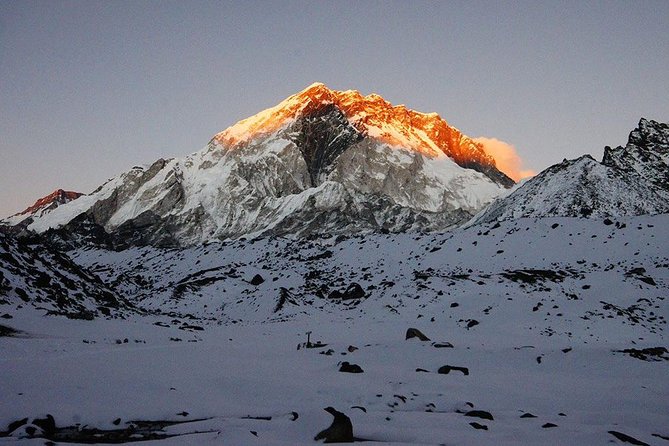
After Namche, the route passes through rhododendron forests, alpine forests, unusual villages, and icy valleys. That changing scenery is one of the trek’s strongest features. You are not staring at the same view for 18 days.
The forests offer a softer beginning to the mountain experience. Then the trees thin out, the valleys become harsher, and the high passes take over. The route’s appeal comes from that progression. You feel the country change as you gain height.
The phrase peculiar villages is part of the supplied description, but it is not explained in detail. I would ask for the names of the villages and overnight stops. A clear itinerary lets you judge daily walking times, lodging, meal arrangements, and how much time is spent above 5,000 meters.
The route can be done clockwise or anticlockwise. That flexibility is useful, but direction affects the order of the passes and the way your days are arranged. Ask the operator which direction is planned for your departure and why. The exact route should not be left vague, especially on a trek this demanding.
A few more treks around Kathmandu worth a look
- Annapurna Circuit Trek with Tilicho Lake
★ 5.0 · 368 reviews - Everest Base Camp Trekking – 13 Day
★ 5.0 · 365 reviews - Everest Base Camp Trek
★ 5.0 · 350 reviews - Everest Base Camp Trek -14 Days
★ 5.0 · 321 reviews
Kongma La, the highest of the three passes
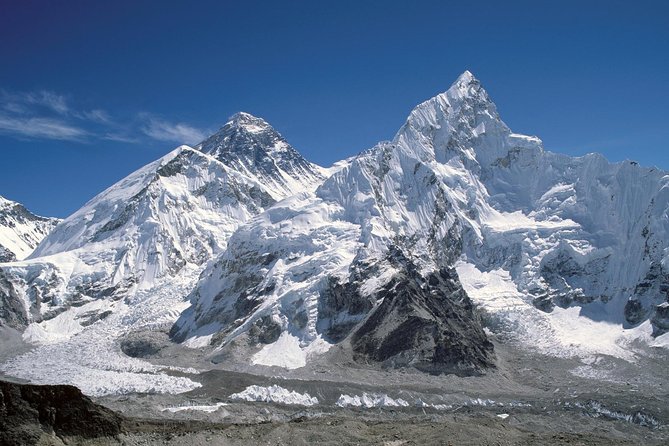
Kongma La reaches 5,535 meters, making it the highest crossing on the route. Even without a detailed stage description, that number should shape your expectations. The pass is not simply another viewpoint. It is a major physical test at high altitude.
The route around Kongma La is part of the appeal for hikers who want an adventurous path beyond the usual base camp corridor. You should expect the day to feel demanding, with the altitude affecting your energy and pace.
The operator should explain the planned approach and exit from the pass, including the overnight stops on either side. The supplied details do not provide those names, walking times, or emergency procedures. That is not a reason to reject the trek, but it is a reason to ask careful questions.
A good guide is especially valuable here. One past guest described Dilli as helping all the way down during a difficult Everest Base Camp and Cho La trip. That gives you a useful picture of the support you should seek: not just directions, but calm help when a high section becomes harder than expected.
Cho La links the Everest and Gokyo sections
Cho La rises to 5,420 meters and forms one of the best-known links between the Everest Base Camp and Gokyo sides of the Khumbu. It is one of the reasons this route offers more variety than a simple out-and-back walk.
For you, Cho La may be the point where preparation matters most. The description calls the trek challenging and adventurous, and a past guest called an Everest Base Camp and Cho La route very hard. That is direct evidence that the crossing can push people beyond their comfort zone.
The reward is the change in scenery and the sense of moving through a true mountain route rather than checking off one destination. You should also be realistic about the limits of the information provided. There is no detailed mention of trail conditions, equipment, footwear, weather, or daily distances. Ask the company what gear is recommended and how the guide handles a slow day.
Gokyo and Everest Base Camp in one itinerary
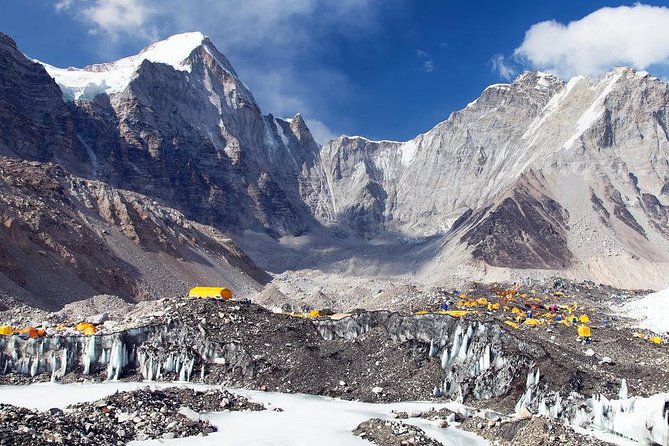
The route includes both Gokyo and Everest Base Camp, two major goals in the Khumbu region. This is a strong point for anyone who wants more than the classic base camp walk.
Everest Base Camp gives the trek its famous name and emotional center. Gokyo adds a different side of the region, with a route that feels less tied to the main approach. The supplied information does not list individual viewpoints, lakes, villages, or nights in either area, so I would not assume any particular side trip is included.
Ask whether the itinerary reaches the exact Everest Base Camp site, how long you spend there, and which Gokyo stops are included. Those questions are especially important because the promotional summary uses both an 18-day title and a 21-day duration in its route description.
That mismatch is the clearest planning issue in the information provided. The main tour summary says 18 days, while the overview says 21 days. Treat the 18-day figure as approximate until the provider confirms the exact number of nights and walking days.
Renjo La completes the high-pass circuit
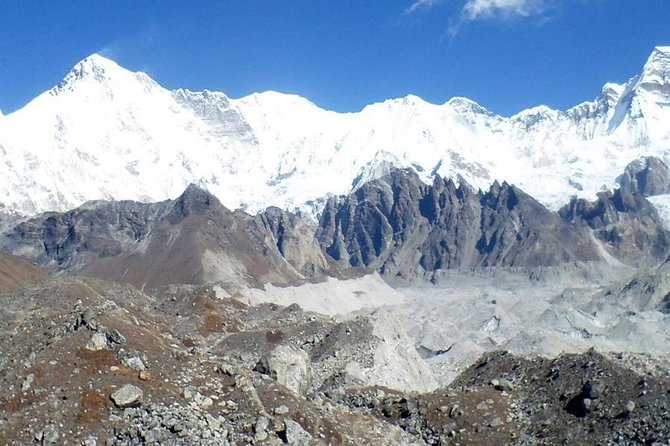
Renjo La reaches 5,360 meters and completes the trio of high crossings. By this point, you will have crossed Kongma La and Cho La, assuming the route follows the usual sequence for the selected direction.
The value of Renjo La is not only the altitude. It helps turn the trek into a circuit through the Everest region rather than a single return path. That gives you a broader sense of the Khumbu and reduces the feeling that you are simply retracing your steps.
The route can be clockwise or anticlockwise, so Renjo La may come at a different point depending on the plan. Ask which pass comes first, how the company spaces the crossings, and what happens if a pass cannot be completed as planned. Those are sensible questions for any high-altitude trek.
Meals and what the price covers
The listed price is $2,256.42 per person. Included items are breakfast, lunch, dinner, snacks, coffee or tea, private transportation, all fees, and taxes. That is a substantial package for an 18-day experience, especially if the transport and meals cover the full route.
I like the simple meal setup. You can choose lunch according to the wording provided, and coffee, black tea, or milk tea are included. Snacks are also listed, which is useful on long walking days.
Several common extras are excluded. Alcohol, soda or pop, and bottled water are not included. An air-conditioned vehicle is also excluded, though that may matter little on a mountain trek. Plan to pay separately for drinks and clarify how water is handled during the walking stages.
The price does not specifically mention accommodation, porters, permits by name, guide wages, equipment, insurance, or emergency evacuation. Do not assume these are included simply because all fees and taxes are listed. Ask for a written cost breakdown. Value depends on those details.
Guides, private groups, and the human side
This is a private tour, so only your own group participates. That can be a major advantage on a difficult route. You are not locked into the pace of a large mixed group, and a guide may be able to respond more directly to your needs.
Raj receives especially warm praise for knowing the area well, staying attentive, and keeping the trek fun. Dilli is praised for helping during a difficult trip. Pasang is also named in the response from the operator, though the available information does not explain his exact role.
The guide relationship matters more here than on an easy sightseeing tour. You need clear communication, sensible pacing, and honest advice on demanding sections. Before departure, ask who your guide will be, how many people are in your private group, and what guide support is provided if someone cannot complete a pass.
The company, Nepal Himalayan Hiker (P) Ltd., has operated trekking and expedition tours since 2010 according to the supplied information. That gives you some useful background, but it does not replace asking for current route details and safety arrangements.
Who should choose this trek?
I would recommend this trek to you if you want a demanding Himalayan route with three high passes, Everest Base Camp, Gokyo, and a private guide. It suits hikers who value route variety and are willing to prepare for serious altitude.
It is less suitable if you want a relaxed holiday, a fixed low-effort schedule, or a short introduction to Nepal. The description gives only a moderate fitness requirement, but the pass heights and direct account of a very hard Cho La section point to a much tougher experience than that phrase alone suggests.
You should also be comfortable with uncertainty around the final route details. The missing information about lodging, daily distances, rest days, and transport arrangements means you need to ask questions before booking.
Cancellation is flexible if you change plans early. You can cancel at least 24 hours before the start time for a full refund. Changes made within 24 hours are not accepted, and the operator may offer another date or a full refund if the minimum group size is not met.
Should you book the Everest Three Pass Trek?
Book it if you want the Khumbu at its most ambitious and you value a private trip with guide support. The three passes, the link between Gokyo and Everest Base Camp, and the changing scenery make this a stronger choice than a simple base camp out-and-back for a fit and prepared hiker.
Before paying, confirm the 18-day versus 21-day schedule, exact overnight stops, accommodation, porter arrangements, transport coverage, and what happens if a pass is closed or you need to turn back. If Raj or Dilli is available, ask whether either can lead your group, since their direct praise is one of the most encouraging details attached to this trip.
FAQ
How long is the Everest Three Pass Trek?
The tour summary gives an approximate duration of 18 days, while the overview describes the trek as 21 days. Confirm the exact length with Nepal Himalayan Hiker (P) Ltd. before booking.
Where does the trek begin?
The trek begins with a scenic flight from Kathmandu to Lukla. From Lukla, the route heads toward Namche Bazaar.
Which high passes are included?
The route includes Kongma La at 5,535 meters, Cho La at 5,420 meters, and Renjo La at 5,360 meters.
Does the route include Everest Base Camp and Gokyo?
Yes. The description says the trek goes to Everest Base Camp and Gokyo while crossing the three high passes.
Is this a private tour?
Yes. Only your own group participates in this private tour or activity.
What meals are included?
Breakfast, lunch, dinner, snacks, coffee, black tea, and milk tea are listed as included.
Are bottled water and alcoholic drinks included?
No. Alcoholic beverages, soda or pop, and bottled water are not included.
What is the cancellation policy?
You can cancel at least 24 hours before the experience start time for a full refund. Cancellations or changes made less than 24 hours before the start time are not accepted for a refund.
Recently added around Kathmandu
- Ghorepani Poon Hill Trek★ 5.0 · 16 reviews
- Private Manaslu Circuit Trek at Himalayas★ 5.0 · 3 reviews
- Amazing 1 Day Trekking Experience in Kathmandu Nepal★ 5.0 · 24 reviews
- Ghorepani Poonhill Trek★ 5.0 · 5 reviews
- Upper Mustang Trekking★ 5.0 · 2 reviews
- Upper Mustang Trekking★ 3.0 · 2 reviews
- Upper Mustang Trekking★ 5.0 · 4 reviews
- Upper Mustang Trek★ 5.0 · 5 reviews
Everest Base Camp Treks, compared.






Browse the lists this tour appears in