
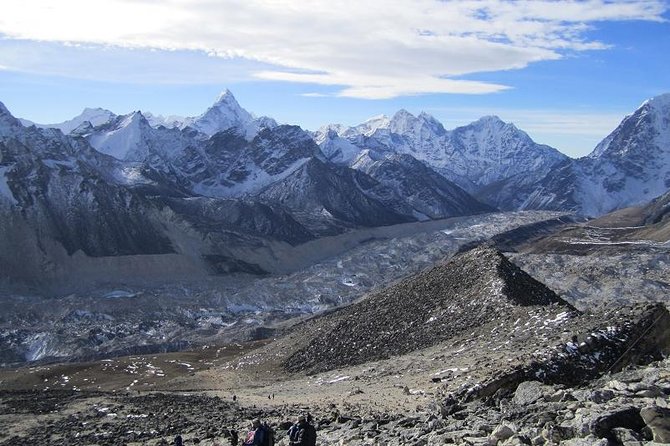
REVIEW · KATHMANDU
Everest Panorama Trek
Everest views do not always require a base camp trek. This eight-day route from Kathmandu gives you a taste of the Khumbu region through Sherpa villages, pine forests, monasteries, and mountain trails, while avoiding the longer push to Everest Base Camp. I like the superb views of Everest, Ama Dablam, Lhotse, Nuptse, and Thamserku, and I like that airport transfers, overnight stays, and meals are arranged for you. The main drawback is that the schedule still includes several five-to-six-hour hiking days, with limited time built in for acclimatization.
The strongest praise connected with Epic Adventures focuses on its guides and support. Names such as Ramkumar, Anil, Nima, Santosh, Basu, and Gyanashwor Adhikari appear in highly positive feedback for longer Himalayan trips. That is encouraging, though most of those comments concern Everest Base Camp or other treks rather than this exact eight-day panorama route. You should also confirm the meal plan before departure, since the tour details mention breakfast on most hiking days but also list dinner as included.
Key points to know before booking
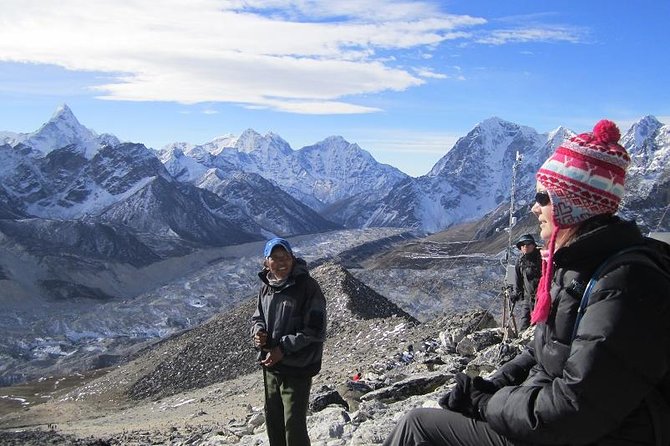
- Lukla is the real gateway: Your trek begins with an early domestic flight from Kathmandu to Lukla at about 2,800 meters.
- The route is gentler than Base Camp, not easy: Expect several days of five to six hours on mountain trails, including steep sections.
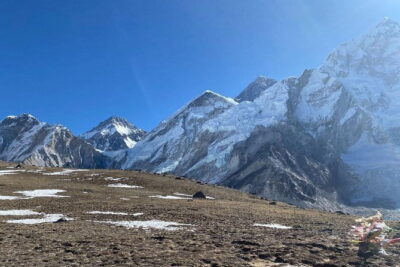
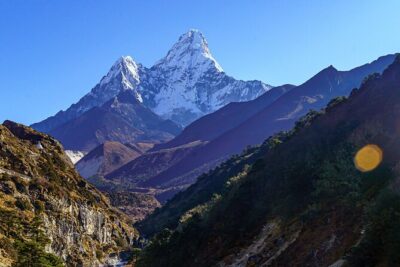
- Everest appears among a full cast of peaks: The clearest named views include Everest, Nuptse, Lhotse, Ama Dablam, Thamserku, and Kwangde.
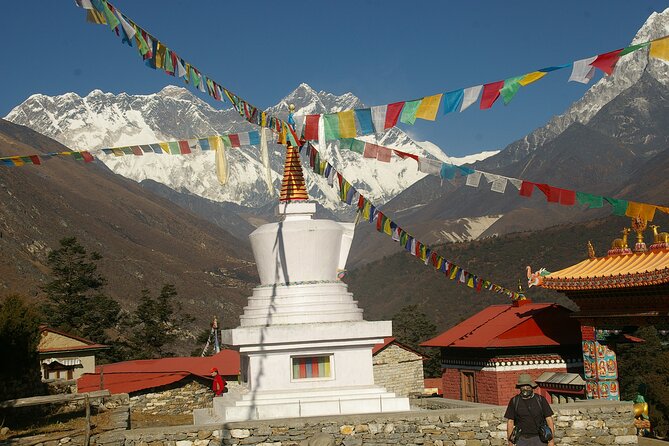
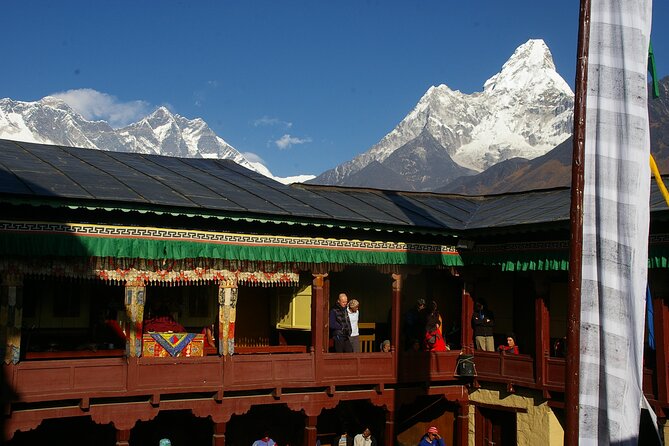
- Tengboche adds cultural interest: The trail reaches a clifftop monastery area after a climb through pine forest.
- The group is capped at 15: That is small enough for a more personal walking group without promising a private trek.
- Weather can change the plan: Flights and trekking depend on good conditions, and poor weather may lead to a new date or a full refund.
What the Everest Panorama Trek really offers
This is a shorter Everest-region trek for people who want mountain scenery without committing to the full Base Camp route. You walk through the lower and middle sections of the Khumbu, passing suspension bridges, river valleys, forests, trading villages, and high mountain viewpoints.
The title can be slightly misleading if you expect a single grand lookout with Everest filling the horizon from start to finish. Mountain views depend on weather, cloud, and your exact position on the trail. Still, the route reaches places where several major peaks can come into view, especially around Tengboche and the trails near Namche Bazaar.
At $1,225 per person, the price is not simply paying for walking days. You are also paying for Kathmandu airport pickup, a hotel transfer on arrival, the domestic flight to Lukla, overnight stays, guided trekking support, and meals listed in the package. That can be good value if you want a planned Himalayan trip and do not want to arrange each moving part yourself.
The important question is what is not spelled out. The supplied details do not clearly identify porter arrangements, permits, lunch and dinner coverage on every day, or the exact Kathmandu hotel. Ask for those details before paying. A low headline price can feel less attractive if you must add major costs later.
More Everest Base Camp Treks in Kathmandu:
- Everest Base Camp Trek – 14 Days
★ 5.0 · 1,499 reviews - Everest Base Camp Trek
★ 5.0 · 842 reviews - Everest Base Camp Trekking
★ 5.0 · 485 reviews
Day 1: A soft landing in Kathmandu
Your first day is mainly about arrival and transfer. A representative meets you at Kathmandu airport, holding your name at the arrival gate, and takes you to your hotel.
That simple welcome matters after an international flight. You do not need to work out a taxi, negotiate a fare, or find a hotel while tired. The schedule leaves this day free of hiking, giving you time to settle in before the early start.
The meeting time for the overall experience is listed as 5:00 am. That is a serious early morning, especially with a domestic flight ahead. Keep your bags organized the night before and confirm where you will meet the guide or driver.
Day 2: Lukla to Phakding, the trail begins
After breakfast, you are escorted to Kathmandu’s domestic terminal for the flight to Lukla. The airport sits at roughly 2,800 meters, or 9,186 feet, so you begin at altitude rather than walking up gradually from the lowlands.
From Lukla, the first walking day takes about three to four hours to Phakding. The route passes through the prosperous village of Lukla before continuing toward the overnight stop.
This is a useful introduction to the rhythm of the trek. You walk, eat, rest, and sleep in the mountain region from the first day. The short distance also gives you a gentler start than the longer days that follow.
The schedule lists breakfast as the included meal for this day. It does not clearly state lunch or dinner, so you should ask whether those meals are included or paid separately.
Day 3: Pine forest, river crossings, and Namche Bazaar
The third day is longer, at around five to six hours. The trail follows the Dudh Koshi River through pine forest and crosses several suspension bridges, including the famous Hillary Suspension Bridge.
This is one of the route’s most memorable sections. The bridges are not just transport links. They give you a strong sense of the scale and movement of the valley below, while the river provides a steady companion as you walk.
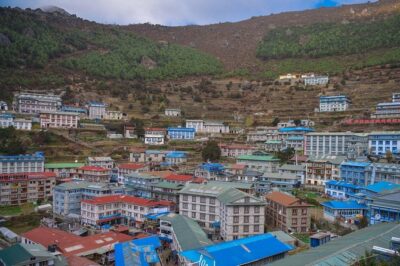
You also get your first named mountain view of Thamserku, rising to 6,618 meters. The overnight stop is Namche Bazaar, one of the best-known settlements in the Everest region and an important point on the route.
The practical catch is the altitude. Namche is much higher than Lukla and Phakding, and you reach it after a full walking day. The itinerary does not include a separate acclimatization day there. If you are new to high-altitude trekking, discuss that point with the operator before booking.
A few more treks around Kathmandu worth a look
- Annapurna Circuit Trek with Tilicho Lake
★ 5.0 · 368 reviews - Everest Base Camp Trekking – 13 Day
★ 5.0 · 365 reviews - Everest Base Camp Trek
★ 5.0 · 350 reviews - Everest Base Camp Trek -14 Days
★ 5.0 · 321 reviews
Day 4: The climb to Tengboche
After breakfast, you head toward Tengboche on another five-to-six-hour walking day. This is one of the scenic highlights because the route opens views toward Everest, Nuptse, Lhotse, Ama Dablam, and Thamserku.
Lunch is scheduled at Phunki Thenga. Afterward, the trail becomes more demanding as it climbs through pine forest toward Tengboche. The word gentler should not be confused with flat. You still need steady legs, good footwear, and the patience to climb at a slow pace.
Tengboche is the cultural centerpiece of the route. The monastery sits high above the surrounding valley and gives the day a strong sense of arrival. You spend the night in a lodge there.
The setting is likely to matter as much as the hiking. Instead of simply ticking off distance, you have a mountain settlement and monastery area to experience. Ask your guide how much time is available around Tengboche, since the published schedule focuses more on walking than on visits.
Day 5: Back toward Monjo through forest
The fifth day turns back toward the lower trail and takes around five to six hours. The path follows steep wooded slopes beyond Kyangjuma, with several bends and forest sections.
The route description points to possible wildlife sightings, including mountain goats, snow leopards, and colorful pheasants. That does not mean you should expect to see a snow leopard. Treat wildlife as a possibility, not a promised attraction.
You descend from Namche Hill and cross a suspension bridge near the meeting point of the Dudh Koshi and Bhote Koshi rivers. The overnight stop is Monjo, lower than Tengboche.
This return direction helps keep the trek within eight days, but it also means you are not heading deeper toward Everest Base Camp. The route is about mountain panoramas and Khumbu culture rather than reaching the famous base camp itself. The schedule also notes that the lower route makes the porters’ return to Lukla less strenuous, a practical detail that reflects how much work goes into moving supplies through this region.
Day 6: Monjo to Lukla
The final full walking day takes about four to five hours. Much of the trail is described as flat, though you should still expect some ups and downs.
The scenery shifts between open ground, rhododendron and pine forest, and distant views toward Kwangde Peak. It is a quieter finish than the major climb to Tengboche, and that is a good thing after several long days.
You spend the night in Lukla. The itinerary presents this as a chance to relax with the group and trekking crew before the flight back. That pause can be useful because the next day depends on flying conditions.
Day 7: Return to Kathmandu
You fly back to Kathmandu on the seventh day. No flight time is given, and mountain weather can affect Lukla operations, so do not schedule an important international connection too tightly afterward.
The weather clause is worth taking seriously. If poor conditions cancel the experience, you are offered another date or a full refund. That protection is helpful, but weather can still disrupt your wider Nepal plans. Keep some flexibility around the return flight.
Day 8: Farewell
The final day is listed as a farewell day. No activity or meal is specified, so it appears to be a closing day rather than another excursion.
Eight days is an approximate duration. The early flight, weather, and mountain transport can affect the exact timetable. Use the final day as breathing room rather than assuming it includes a formal sightseeing program.
Guides, group size, and the human side
The maximum group size is 15 people. That is large enough to meet fellow hikers but small enough that a guide can usually keep track of the group more easily than on a mass-market departure.
The strongest company feedback centers on care, encouragement, and organization. Ramkumar is praised repeatedly in connection with longer Everest trips, while Anil, Basu, Nima, and Gyanashwor Adhikari are also described as helpful, patient, and attentive. Nima and porter Santosh receive especially warm praise for their care on an Everest Base Camp trip.
You cannot assume you will receive a specific guide unless Epic Adventures confirms it. Still, those names give you useful questions to ask: Who will lead this exact panorama trek? Is a porter included? How are altitude concerns handled? How many people will be in your departure?
The company is also praised for airport pickup, hotel transfers, flexibility, and help when plans change. Those qualities matter in Nepal, where weather and mountain flights can upset a tidy schedule.
How difficult is the trek?
The official advice calls for moderate physical fitness. That is fair, but the number can hide the real challenge. You face several consecutive days of five to six hours, steep climbs, suspension bridges, uneven trails, and increasing altitude.
This route is easier than Everest Base Camp in distance and duration, but it is not a casual walk. You should be comfortable walking for several hours and climbing at a steady pace. The itinerary does not provide a separate acclimatization day, so people who are concerned about altitude should ask if the schedule can be adjusted.
The main benefit is that you do not have to carry the full burden of planning each day. Your guide sets the pace and handles the route, while you focus on walking and scenery. Still, no operator can remove the physical demands of altitude.
Meals, lodges, and what to clarify
All overnight stays are described as included, with lodges used at Tengboche and other mountain stops. This gives you a practical base at the end of each walking day, though the details do not specify room type, bathroom arrangements, or whether rooms are private or shared.
Breakfast is listed on six days, and the package also lists dinner. The daily schedule mostly names breakfast only. Before booking, ask for a written breakdown covering breakfast, lunch, dinner, drinking water, snacks, and any Kathmandu meals.
Mobile tickets and confirmation at booking make the reservation process straightforward. The experience is also near public transportation, though that matters less than the arranged airport transfers and domestic flight connection.
Who should book this trek?
I would recommend it to you if you want a real Himalayan walking trip but do not have the time, fitness, or desire for Everest Base Camp. It suits people who care about mountain views, Sherpa settlements, monasteries, and the feel of a supported group trek.
It may not suit you if your main goal is to stand at Everest Base Camp. You also may want a longer itinerary if you need more time to adjust to altitude or prefer slower walking days.
The $1,225 price makes the most sense when the package includes the transport, accommodation, guiding, and meals you expect. Get those inclusions confirmed in writing, especially because the food details are not fully consistent.
FAQ
How long is the Everest Panorama Trek?
The experience lasts approximately eight days.
Where does the trek start?
The trek starts in Lukla after an early domestic flight from Kathmandu. Lukla is at about 2,800 meters, or 9,186 feet.
What time does the experience start?
The listed start time is 5:00 am.
Is airport pickup available?
Yes. A representative meets you at Kathmandu airport and transfers you to your hotel.
How many people can join the group?
The maximum group size is 15 travelers.
What level of fitness is required?
You should have a moderate level of physical fitness. The itinerary includes several walking days lasting four to six hours.
Does the trek reach Everest Base Camp?
No. This is a shorter Everest panorama route through the Khumbu region, including Lukla, Namche Bazaar, Tengboche, Monjo, and the return to Lukla.
Are meals included?
Breakfast is listed for six days, and dinner is also listed among the included meals. The daily details do not clearly confirm every lunch and dinner, so ask Epic Adventures for the exact meal schedule.
What happens if bad weather cancels the trip?
You can be offered a different date or a full refund if poor weather causes cancellation.
Can I cancel for a full refund?
Yes, if you cancel at least 24 hours before the experience start time. Cancellations made less than 24 hours before the start are not refunded, and late changes are not accepted.
Should you book the Everest Panorama Trek?
Book it if you want a shorter, organized route into the Everest region with strong mountain views and a manageable group size. The combination of Lukla, Namche Bazaar, Tengboche, suspension bridges, forests, and Sherpa villages gives you a genuine taste of the Khumbu without the longer Base Camp commitment.
Before you commit, confirm three things: the exact guide, the full meal plan, and how the operator handles acclimatization. If those answers suit you, the trip offers good value for an ambitious but time-limited Himalayan adventure.
Recently added around Kathmandu
- Ghorepani Poon Hill Trek★ 5.0 · 16 reviews
- Private Manaslu Circuit Trek at Himalayas★ 5.0 · 3 reviews
- Amazing 1 Day Trekking Experience in Kathmandu Nepal★ 5.0 · 24 reviews
- Ghorepani Poonhill Trek★ 5.0 · 5 reviews
- Upper Mustang Trekking★ 5.0 · 2 reviews
- Upper Mustang Trekking★ 3.0 · 2 reviews
- Upper Mustang Trekking★ 5.0 · 4 reviews
- Upper Mustang Trek★ 5.0 · 5 reviews
Everest Base Camp Treks, compared.
Browse the lists this tour appears in