
REVIEW · KATHMANDU
Everest Base camp trek
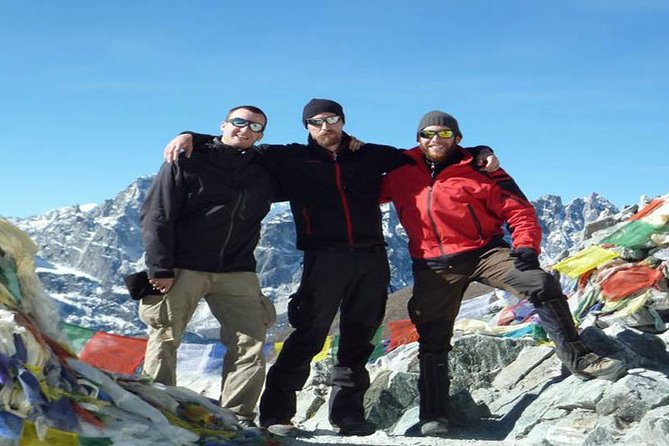
Reach the foot of Everest on foot. This 15-day trek pairs the famous Everest Base Camp route with Sherpa villages, Tengboche Monastery, mountain views, and a sunrise-style climb to Kala Patthar at 5,545 meters. I like the built-in acclimatization days in Namche and Dingboche, and I like that permits, meals, lodging, transport, and an English-speaking guide are included.
The main caution is altitude and physical demand. You walk for many days above 3,000 meters, sleep as high as Gorakshep, and tackle a demanding climb to Kala Patthar. I also recommend confirming the booking arrangements and guide company before departure, since the trek may involve coordination between different operators.
Key points at a glance
- Kala Patthar reaches 5,545 meters: This is the trek’s highest point and the main place for broad views toward Everest and nearby peaks.
- Two acclimatization days are built in: You spend a rest day in Namche and another in Dingboche, an important feature at these heights.
- The Lukla flight saves days of road travel: The route begins with a scenic flight from Kathmandu to Lukla at 2,845 meters.
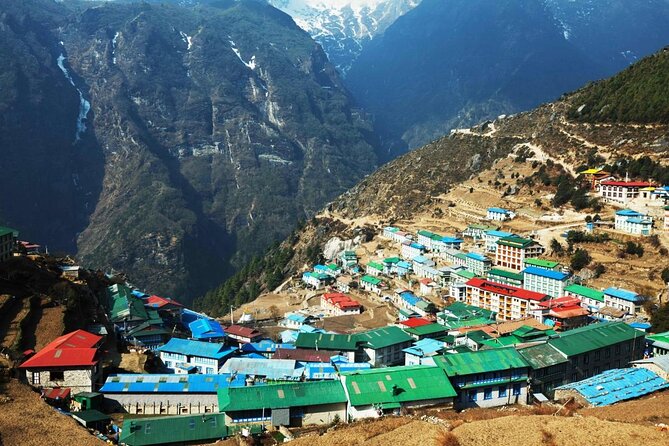
- Sherpa culture is part of the route: You pass through Namche, Khumjung Valley, Tengboche, and other mountain villages rather than simply walking from lodge to lodge.
- The price includes the practical essentials: At $1,400 per person, the package covers teahouse lodging, trekking permits, three meals on trekking days, transport, and a guide.
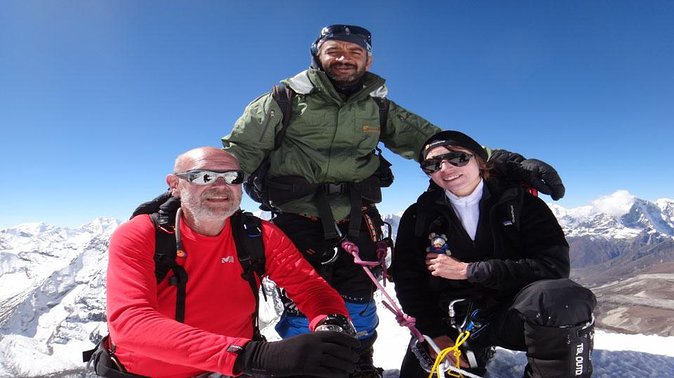
- Guide support has been a major strength: Guide Nir Kumar Karki is specifically praised for encouragement, steady help, and explaining the terrain and Sherpa way of life.
What the $1,400 price covers
At $1,400 per person, this is not a bare-bones walk where you arrange every detail yourself. The price includes teahouse accommodation during the trek, breakfast, lunch, and dinner on trekking days, trekking permits and entry fees, transportation listed in the schedule, an English-speaking guide, and two nights in a Kathmandu hotel with breakfast.
That package gives you useful cost control. Food, lodging, permits, and transfers can add up quickly on a high-altitude trip, so having them arranged makes the total easier to understand. You still need to budget for alcoholic drinks and lunch and dinner in Kathmandu.
The value depends partly on how much help you want. If you are comfortable arranging permits, lodging, meals, and airport transfers yourself, you might find a cheaper independent approach. But you would also take on more planning and more responsibility if weather, flights, or the pace becomes difficult.
This is a private activity for your own group, not a large shared departure. That can make a real difference on a strenuous route. Your group can discuss pace and rest with the guide, though the supplied information does not specify the maximum group size or porter arrangements.
More Everest Base Camp Treks in Kathmandu:
- Everest Base Camp Trek – 14 Days
★ 5.0 · 1,499 reviews - Everest Base Camp Trek
★ 5.0 · 842 reviews - Everest Base Camp Trekking
★ 5.0 · 485 reviews
Day 1: Kathmandu arrival and trek briefing
Your first day begins at Tribhuvan International Airport, where you are transferred to a hotel in Kathmandu. The listed meeting point is Hotel Moonlight on Paknajol Marg, and the scheduled start time is 6:30 a.m. for the following activity.
A guide briefing is planned before the trek. Use this time to confirm the route, transport, permits, altitude plan, and what your group needs to carry. If you have dietary needs, advise the operator in advance. Vegetarian food is available.
Depending on your arrival time, you may have time to visit nearby historic or countryside areas. Do not count on a full sightseeing day, especially if your flight arrives late. The two Kathmandu hotel nights are on a bed-and-breakfast basis, so your other meals in the capital are at your own expense.
Day 2: The Lukla flight and the walk to Phakding
The trip begins with a scenic flight to Lukla, at about 2,845 meters. This short flight is one of the defining parts of the Everest route because it places you close to the high mountain trail instead of requiring a long approach from lower elevations.
From Lukla, you walk to Phakding, listed at 2,610 meters. This first walking day is relatively short compared with later stages, which is helpful as your body begins adjusting to the height.
Phakding is your first teahouse stop. Teahouse accommodation is practical rather than luxurious. It gives you a place to sleep and eat along the route, but you should approach the lodging as simple mountain accommodation. The information provided does not promise private bathrooms, heating, or internet access, so do not assume those features.
Day 3: Phakding to Namche Bazaar
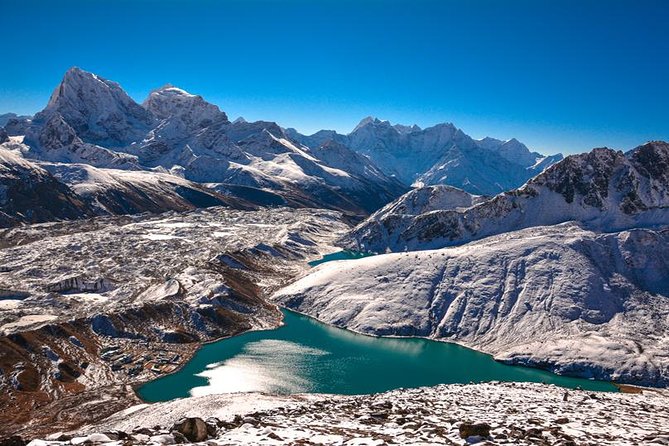
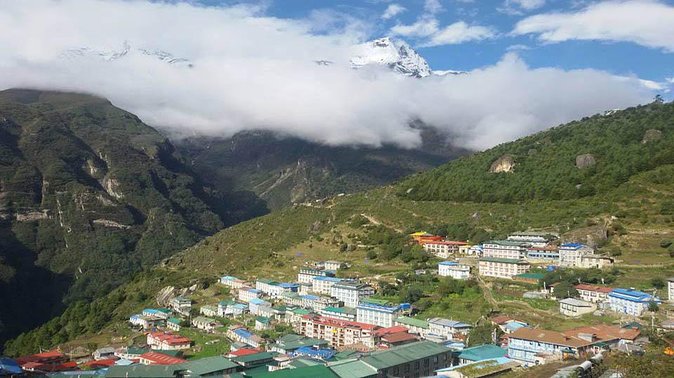
The route continues from Phakding to Namche at 3,465 meters. This is a major change in altitude and one of the most important walking days for acclimatization.
Namche is more than a stopping point. It is a key Sherpa town and a useful base for learning about the region. The program includes a mountain museum visit here, which adds context to the peaks, mountaineering, local life, and the route ahead.
You will also find strong views around Namche, including the first major sense that you are moving into the high Himalayas. Do not rush this section. The climb toward Namche can feel harder than the mileage suggests because altitude affects breathing and recovery.
A few more treks around Kathmandu worth a look
- Annapurna Circuit Trek with Tilicho Lake
★ 5.0 · 368 reviews - Everest Base Camp Trekking – 13 Day
★ 5.0 · 365 reviews - Everest Base Camp Trek
★ 5.0 · 350 reviews - Everest Base Camp Trek -14 Days
★ 5.0 · 321 reviews
Day 4: A needed acclimatization day in Namche
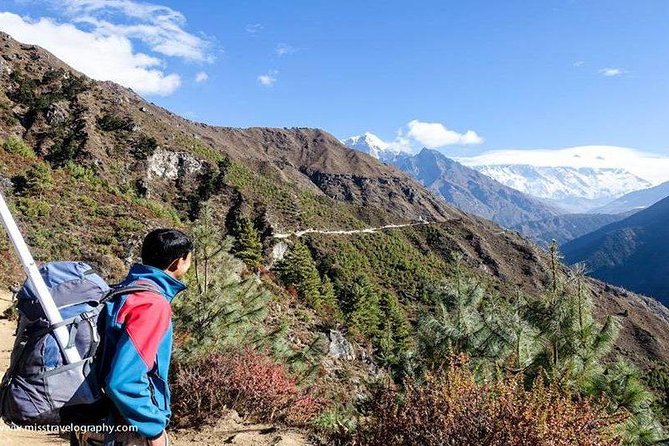
The rest day in Namche is one of the program’s best choices. You remain at roughly 3,465 meters rather than gaining height again, giving your body time to adjust before the route climbs higher.
A rest day does not have to mean staying indoors all day. The schedule highlights Sherpa culture, nearby villages, and mountain views, so your guide may organize a short outing or local visit. The exact activity is not specified, so ask before setting expectations.
This is also a good day for photography and quiet reading. The trip description specifically allows time for both, along with enjoying the natural setting. Keep your schedule flexible, drink regularly, and do not treat this day as a chance to exhaust yourself before the trail gets higher.
Day 5: Namche to Tengboche at 3,860 meters
From Namche, you walk to Tengboche, at about 3,860 meters. The route brings you to one of the trek’s cultural highlights, Tengboche Monastery.
The monastery gives the journey a stronger sense of place. This is not only a hike toward a famous mountain. You are moving through a region shaped by Sherpa communities, Buddhist practice, trade, farming, and mountaineering.
Tengboche is also known for its mountain views, with peaks such as Ama Dablam appearing among the surrounding summits. The exact visibility depends on weather, but this is one of the sections where you can expect the views to become a central part of the day.
At nearly 4,000 meters, even a moderate walk can feel demanding. Your guide’s role matters here. Nir Kumar Karki is praised for keeping people motivated and helping them understand the terrain, qualities that are especially useful as the air gets thinner.
Day 6: Tengboche to Dingboche
The next stage leads to Dingboche at approximately 4,345 meters. You are now well above the elevation of Namche, and the trek becomes less about covering distance quickly and more about steady movement and rest.
Dingboche is an important base for the next acclimatization break. You are high enough that fatigue, headaches, and shortness of breath can affect the day, even if you have good general fitness.
The route description emphasizes Himalayan plants, wildlife, photography, and quiet surroundings. These are best enjoyed at a slow pace. Keep your camera accessible, but do not let photography turn every stop into a long pause if the cold or altitude is affecting you.
Day 7: Dingboche acclimatization
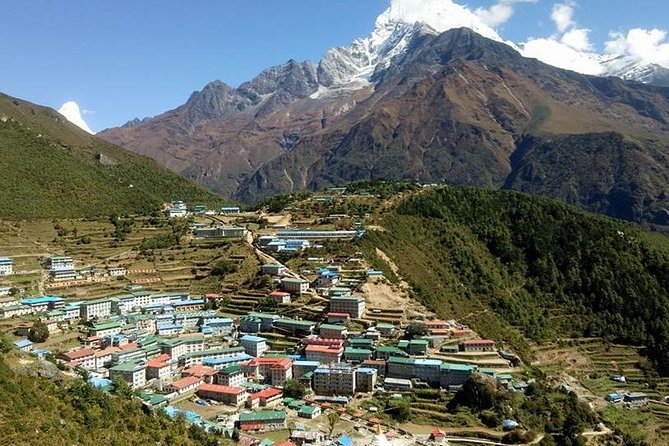
The second full acclimatization day comes in Dingboche, at about 4,345 meters. This pause is essential because the next two stages take you close to and above 5,000 meters.
You can use the day for rest, reading, photography, and taking in views of peaks including Lhotse, Ama Dablam, Tawoche, and Kangtega. The schedule does not specify a particular acclimatization hike, so confirm the plan with your guide.
Dingboche is also a useful point to check your equipment. Make sure your clothing is suitable for cold conditions and that you have enough personal supplies for the remaining high-altitude days. The listed dress code is smart casual, but for the trail, comfort and warmth matter far more than city clothing.
Day 8: Dingboche to Lobuche at 4,930 meters
The walk to Lobuche takes you to nearly 5,000 meters. This is a serious altitude gain, and the route may feel slow even if you are physically fit.
Lobuche is a staging point for the push to Everest Base Camp. By this point, the route is no longer simply scenic walking. You are dealing with cold, thin air, long periods on foot, and limited recovery time before the next major day.
Your guide should help your group maintain a sensible pace. The experience with Nir Kumar Karki is especially relevant here. His reported encouragement and calm support are the sort of personal guidance that can help when the trail becomes mentally as well as physically tiring.
Day 9: Lobuche to Everest Base Camp and Gorakshep
Day 9 is the emotional center of the trip. You walk from Lobuche to Everest Base Camp, listed at about 5,360 meters, then rest at Gorakshep at approximately 5,200 meters.
Reaching Base Camp is a major achievement, but it is worth keeping expectations realistic. This is not the summit of Everest, and the famous summit view is not necessarily visible from Base Camp itself. The reward is the setting, the scale of the surrounding peaks, and the knowledge that you have walked into one of the world’s best-known mountaineering areas.
The day is also demanding because you return to Gorakshep at high elevation. You may be tired by the time you arrive. Take the evening slowly and follow your guide’s advice about rest and hydration.
Day 10: Kala Patthar at 5,545 meters
The climb to Kala Patthar is the highest point of the itinerary, at 5,545 meters. It is also the best place on this route for wide views toward Everest and nearby peaks.
The schedule then sends you back to Pheriche at 4,240 meters. That descent is welcome after the early high point, but the day remains long and physically demanding. The climb is not a casual viewpoint walk. You need moderate physical fitness, patience, and a willingness to move slowly.
This is the day when the whole route pays off. You have passed through Sherpa villages, acclimatized in Namche and Dingboche, and walked through a sequence of increasingly high valleys. At Kala Patthar, you can appreciate the scale of Everest, Lhotse, Ama Dablam, Tawoche, Kangtega, and other snow-covered peaks.
Days 11 to 14: Returning through Tengboche, Namche, and Phakding
After Kala Patthar, the route descends from Pheriche to Tengboche, then continues to Namche, Phakding, and finally Lukla. The return is easier on your lungs as you lose height, but do not mistake it for a free ride.
Your legs have already worked hard for more than a week, and downhill walking can be tiring in its own way. The return route also gives you another chance to notice villages and views that may have passed quickly during the ascent.
The night in Tengboche brings you back to the monastery area. The following night is in Namche at about 3,450 meters, followed by Phakding at about 2,650 meters. On Day 14, you walk from Phakding to Lukla at around 2,827 meters.
This sequence gives you time to recover before the flight. It also avoids turning the whole trek into a race to the finish. The route’s slow return is one reason the 15-day schedule feels more thoughtful than a compressed itinerary.
Day 15: Lukla to Kathmandu
The final day includes the flight from Lukla back to Kathmandu and transfer to the hotel. The activity ends back at the meeting point.
Flight schedules in mountain regions can be sensitive to weather, but no specific delay policy or contingency plan is provided here. Ask the operator what happens if a flight is postponed. That is a practical question worth answering before you commit to an international departure immediately after the trek.
The guide and the human side of the trek
The strongest personal detail attached to this experience is guide Nir Kumar Karki. He is praised for staying with the group throughout the journey, offering motivation, explaining the terrain, and helping participants understand Sherpa life.
That matters because the Everest route is not only a test of fitness. The guide shapes how much you notice. A good guide can help you slow down for village life, explain why the acclimatization days matter, and keep morale steady when the trail becomes difficult.
The trek also includes porters, according to the supplied experience information about the operating team. Confirm what luggage allowance and porter support are included before departure, since those details are not fully explained in the package description.
Who should book this Everest trek?
I would recommend this trip to someone who wants a structured, private journey to Everest Base Camp and values having the main logistics arranged. It suits people who enjoy walking, mountain scenery, photography, Sherpa culture, and simple teahouse accommodation.
You should have a moderate level of physical fitness. The itinerary includes repeated days of walking, high sleeping elevations, a maximum altitude of 5,545 meters, and a long day to Base Camp and Kala Patthar.
I would not choose it for someone seeking a soft adventure, luxury lodging, or a short sightseeing holiday. The route is physically serious, and the high-altitude sections cannot be made easy by good intentions alone.
The free cancellation policy allows a full refund if you cancel at least 24 hours before the start time. Changes or cancellations inside that period are not accepted, so check your plans carefully before the final day.
Should you book it?
Book this trek if you want the classic Everest Base Camp experience with permits, meals, teahouses, transport, and guide support bundled into one price. The two acclimatization days, the private format, the Sherpa villages, and the Kala Patthar summit point make the schedule appealing.
Before paying, confirm who will meet you at the airport, who operates the Lukla flights and trek, what porter support is included, and how delays are handled. If those answers are clear, the $1,400 price offers useful value for a demanding but carefully paced Himalayan journey.
FAQ
How long is the Everest Base Camp trek?
The experience lasts approximately 15 days, including arrival in Kathmandu, the trek from Lukla, the return to Lukla, and the flight back to Kathmandu.
What is the highest point reached?
The highest point is Kala Patthar at 5,545 meters.
Are meals included?
Breakfast, lunch, and dinner are included during trekking days. Lunch and dinner in Kathmandu are not included.
Is accommodation included?
Yes. Teahouse accommodation is included during the trek, along with two nights in a Kathmandu hotel on a bed-and-breakfast plan.
Is a guide included?
Yes. An English-speaking trekking guide is included. The guide associated with this experience is Nir Kumar Karki.
Are trekking permits and entry fees included?
Yes. The package includes all trekking permits and entry fees.
Is this a private tour?
Yes. This is a private activity, so only your group participates.
Recently added around Kathmandu
- Ghorepani Poon Hill Trek★ 5.0 · 16 reviews
- Private Manaslu Circuit Trek at Himalayas★ 5.0 · 3 reviews
- Amazing 1 Day Trekking Experience in Kathmandu Nepal★ 5.0 · 24 reviews
- Ghorepani Poonhill Trek★ 5.0 · 5 reviews
- Upper Mustang Trekking★ 5.0 · 2 reviews
- Upper Mustang Trekking★ 3.0 · 2 reviews
- Upper Mustang Trekking★ 5.0 · 4 reviews
- Upper Mustang Trek★ 5.0 · 5 reviews
Everest Base Camp Treks, compared.






Browse the lists this tour appears in