
REVIEW · KATHMANDU
Everest Base camp Trek
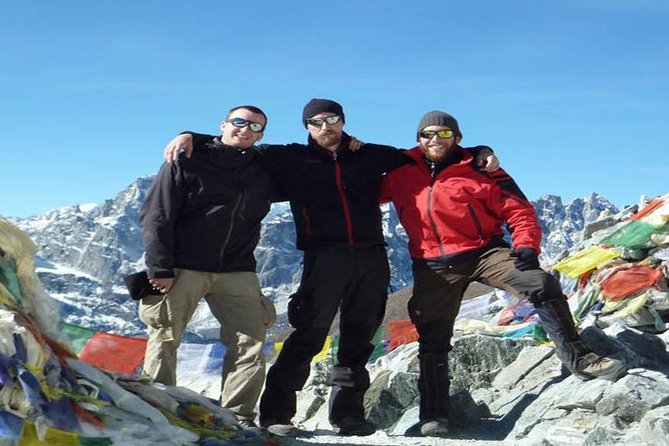
The mountains demand patience. This Everest Base Camp trek combines a thrilling Lukla flight, famous Himalayan villages, suspension bridges, and close views of some of the world’s highest peaks. I like the private format and the careful support from guides such as Damu Mainali and Kamal. I also like that meals, lodging, permits, airport transfers, and domestic flights are included in the $1,500 price.
The main catch is the altitude and physical effort. This is not a casual walk, and the advertised timing needs clarification because the experience is described as approximately 12 days in one place and 14 days in another. You should also budget for drinks, hot showers, Wi-Fi, battery charging, insurance, tips, and your Nepal visa.
Key points to know before booking
- Lukla is the dramatic starting point: The trek begins with a domestic flight from Kathmandu or Ramechap, then continues on foot through the Khumbu region.
- The route reaches Everest Base Camp and Kalapatthar: These are the main goals, with mountain views continuing throughout the journey.
- Accommodation is basic but included: You receive lodging and three meals each day, but toilets are outside your room.
- Guiding is a major strength: Damu Mainali, Kamal, Nir, and other named guides have been praised for organization, encouragement, and personal care.
- The price covers major essentials: Flights, permits, guide service, porter support, meals, rooms, taxes, and airport transfers are included.
- You need moderate fitness and patience: The route is demanding, and enthusiasm alone does not replace preparation for altitude and long walking days.
The real appeal of walking to Everest Base Camp
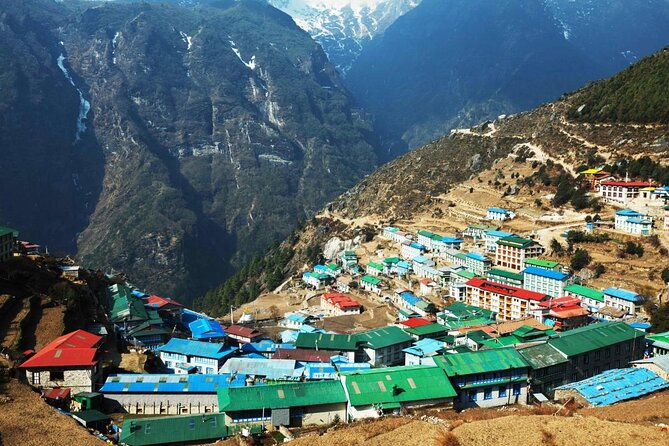
Everest Base Camp is not simply a place to reach and photograph. The route gives you a gradual look at mountain life, from the first suspension bridges and river paths to high villages surrounded by huge peaks. You pass through Phakding, Namche, Tengboche, Dingboche, Lobuche, and Gorakshep before reaching Base Camp.
I like this progression because the trip is built around the journey, not just the finish line. You move from forest paths and river crossings into a high, spare world of stone, snow, and thin air. The route also brings you close to Sherpa villages, monasteries, and the practical daily life of the Everest region.
The experience is private, meaning only your group participates. That can make a big difference on a difficult trek. You are not tied to a large tour party, and your guide can focus on the pace and needs of your own group.
Still, private does not mean easy. The description calls for a moderate level of physical fitness, and that is a sensible minimum. You should expect demanding walking, altitude-related discomfort, and basic accommodation. The material also recommends trekking experience and good preparation.
More Everest Base Camp Treks in Kathmandu:
- Everest Base Camp Trek – 14 Days
★ 5.0 · 1,499 reviews - Everest Base Camp Trek
★ 5.0 · 842 reviews - Everest Base Camp Trekking
★ 5.0 · 485 reviews
What the $1,500 price really includes
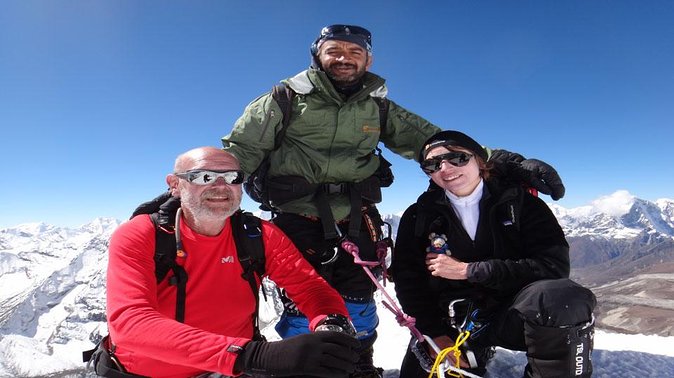
At $1,500 per person, the package offers solid value if you want the main logistics handled for you. The price includes airport pickup and drop-off by private car, van, or bus; domestic flights between Kathmandu or Ramechap and Lukla; three meals a day; accommodation; national park paperwork; a licensed English-speaking guide; government taxes; and domestic airport tax.
The porter arrangement is listed as one porter for two clients. That matters because carrying every item yourself would make a hard trek harder. You should still pack lightly and confirm the exact baggage limits and porter arrangements before departure.
The package also includes the Everest National Park entry permit and other necessary paperwork. This saves you from dealing with permits while preparing for a high-altitude route. A trained government-licensed guide is provided, and the strong praise for Damu Mainali, Kamal, Nir, and other guides suggests that personal support is one of the experience’s best features.
The price does not include your Nepal entry visa, international airfare, travel insurance, bottled or mineral water, soft drinks, sweets, hot showers, battery charging, Wi-Fi for your camera, or tips. These extras can add up. Bring a realistic cash reserve and arrange proper travel insurance before setting out.
Kathmandu to Lukla, the trip’s first test
The meeting point is Tribhuvan Airport in Kathmandu. From there, you fly to Lukla, or possibly use Ramechap for the flight depending on the operating arrangement. The flight is described as thrilling, and it is the gateway to the Everest region.
You should confirm the departure airport and flight plan before your trip. The information allows either Kathmandu or Ramechap, so your ground transfer may matter. Airport pickup is included, which is helpful after an international flight and useful if the domestic departure point changes.
Lukla marks the shift from ordinary Nepal travel to mountain travel. From here, the route proceeds on foot toward Phakding. The opening section includes monuments, the Dudh Koshi River, suspension bridges, and forest walking.
This first stretch gives you a taste of what makes the route special. It is not all snow and dramatic summits. You get river sounds, wooded paths, village life, and bridges that make the route feel like a real journey rather than a simple climb.
Phakding and the Dudh Koshi valley
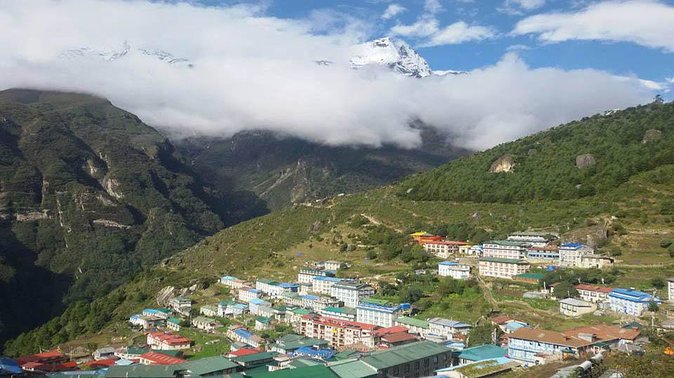
Phakding is the first named overnight village on the route. It sits beside the Dudh Koshi, and the river remains an important part of the approach to the higher settlements.
I like Phakding as a first stop because it gives you a gentler introduction after the flight. The route has already delivered bridges, river views, and forest, but you are not yet at the highest and most exposed parts of the trek.
Accommodation is included throughout the trek, but the setup is basic. The information specifically notes that toilets are outside your room. That is a small detail until you are tired, cold, or making a late-night bathroom trip. Pack a headlamp and keep warm layers close by.
A few more treks around Kathmandu worth a look
- Annapurna Circuit Trek with Tilicho Lake
★ 5.0 · 368 reviews - Everest Base Camp Trekking – 13 Day
★ 5.0 · 365 reviews - Everest Base Camp Trek
★ 5.0 · 350 reviews - Everest Base Camp Trek -14 Days
★ 5.0 · 321 reviews
Namche, where the route feels truly Himalayan
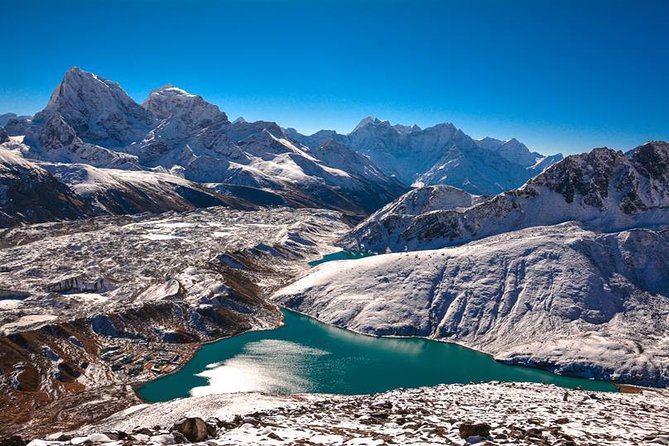
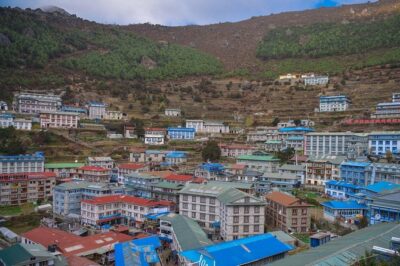
Namche is one of the most important villages on the route and one of the places that gives the trek its strong sense of arrival. The path from the lower valley begins to feel more serious as you move toward the high Khumbu.
The supplied route information identifies Namche as an overnight stop but does not provide a detailed schedule for acclimatization. You should ask the operator how much time is planned here, since the itinerary appears in both 12-day and 14-day versions. That difference may affect how much time you have to adjust before pushing higher.
This is also where guide support becomes especially valuable. Damu Mainali has been praised for evening briefings, checking on people during the hardest sections, and managing groups calmly. Those tasks are not decoration. A guide who explains the next day and watches how you are coping can make the route feel far more manageable.
Tengboche and the spiritual side of the route
Tengboche is another key overnight village, and it adds a cultural layer to the trek. The route description refers to monuments and village stops, while the listed destinations place Tengboche between Namche and Dingboche.
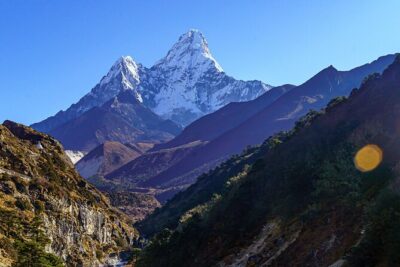
You should expect the scenery to become more impressive as major peaks come into view. The trip specifically names Thamserku, Kusum Khanguru, Taboche, Cholatse, Ama Dablam, Lhotse, Island Peak, Makalu, Khumbutse, Changtse, Pumori, and Lobuche among the mountains visible along the route.
Mountain names can blur together in a guidebook. In person, the value is simpler: you keep seeing new ridgelines and ice-covered summits as the trail rises. Ama Dablam is singled out in the trip information, along with many other high peaks, so this section should be one of the visual highlights.
Dingboche, Lobuche, and the thin-air challenge
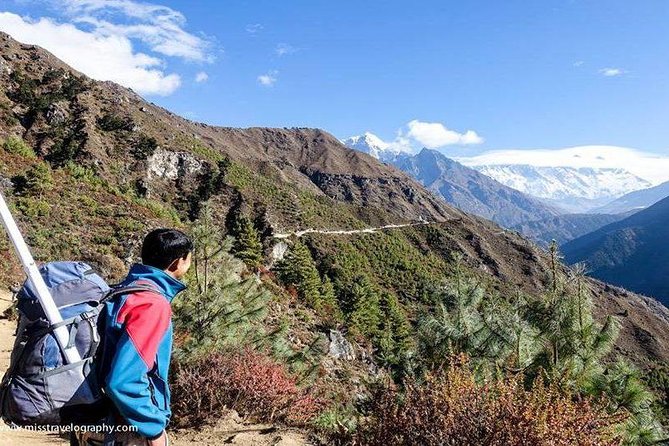
Dingboche and Lobuche are high villages on the approach to Base Camp. By this point, the surroundings become more severe, and the physical challenge is no longer easy to ignore.
The route description makes clear that Everest Base Camp trekking is difficult, although it does not present the trek as impossible. Preparation and previous trekking experience are recommended. You should train for repeated walking days, carry only what you need, and take the guide’s pace seriously.
Food is included as breakfast, lunch, and dinner. That is useful because you do not need to arrange every meal yourself in remote villages. Bottled water, other drinks, sweets, and similar purchases are extra, so plan for those separately.
The accommodation remains part of the package, but comfort is not the main reason to book this trek. Toilets outside the room and separate charges for hot showers, charging, and Wi-Fi are reminders that this is a practical mountain trip. If you need a private hotel-style setup every night, this will not be the right match.
Gorakshep, Everest Base Camp, and Kalapatthar
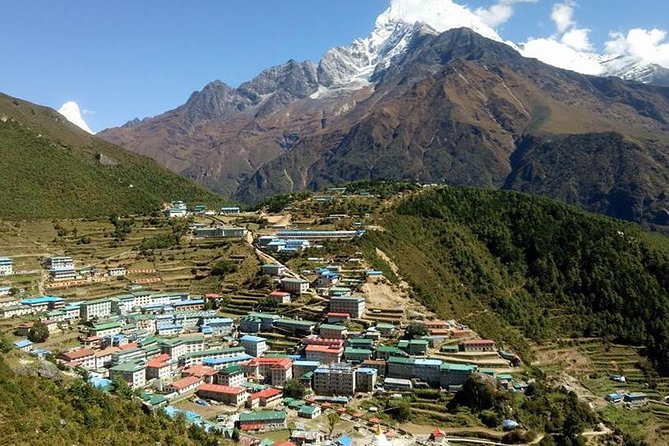
Gorakshep is the final named village before Everest Base Camp. It is also connected with the push toward Kalapatthar, the high viewpoint identified as the next destination after Base Camp.
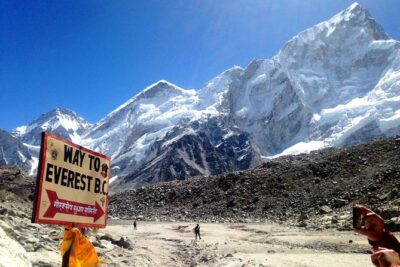
Everest Base Camp is the emotional high point of the route. The exact experience depends on conditions, pace, and the final schedule, but reaching the camp gives the trek its purpose. The setting is surrounded by some of the world’s best-known Himalayan peaks, and the trip description highlights views of Lhotse, Pumori, Lobuche, Khumbutse, Changtse, and others.
Kalapatthar adds another major goal. It is described as being above Everest Base Camp and is included as the next destination. The information does not state the exact timing, ascent details, or views from the top, so you should ask for the confirmed day-by-day plan before booking.
I appreciate that the trek does not treat Base Camp as the only prize. The route to Kalapatthar gives you another reason to continue looking outward after reaching the main objective. It also helps explain why this trip demands more than a short village walk.
The guides are more than route leaders
The strongest part of this package is the human support. Damu Mainali is praised for clear communication, planning, evening briefings, and checking on people during tough sections. Kamal is also praised for supporting a 73-year-old participant, while Nir is described as handling guide and porter duties for a group that included children aged nine and thirteen.
Those details suggest a team used to working with different ages and fitness levels. They do not prove that every group will receive the same guide or service, so ask who will lead your departure. The package promises a friendly, English-speaking, government-licensed guide, but individual assignments can vary.
Good mountain guidance is practical. It means knowing the route, keeping the group moving without rushing, explaining what comes next, and noticing when someone is struggling. One of the most useful pieces of advice from the supplied experiences is simple: enjoy the climb, but do not rush.
The private format should help here. You can discuss pacing and concerns more directly than you might in a large group. Still, you should not expect the guide to remove the physical challenge. Their job is to support a safe and organized trek, not turn a high-altitude route into a gentle stroll.
Food, rooms, transport, and the small print
Three daily meals and all trekking accommodation are included. That removes two major worries from a remote route, although the information does not specify menus, room types, or whether rooms are shared. Ask those questions before paying.
Airport transfers are also included, and transport may be by private car, van, or bus. Domestic flights are covered, but the route may use Kathmandu or Ramechap. Confirm the exact airport, transfer timing, and flight arrangements before departure.
Mobile tickets are offered, and confirmation is provided at booking. Service animals are allowed, and the experience is described as being near public transportation. Those details are useful for planning, though the mountain route itself remains the main focus.
Cancellation is free if you cancel at least 24 hours before the local start time. Cancellations or changes made less than 24 hours before the start are not refunded or accepted. Since flight arrangements and high-altitude plans can be sensitive, read these terms carefully before committing.
Who should book this Everest trek?
I would consider this trip for someone who wants a supported Everest Base Camp experience without arranging every permit, flight, meal, and room independently. It fits you best if you have moderate fitness, some trekking experience, patience for basic facilities, and a strong desire to reach Base Camp and Kalapatthar.
It may also suit families or older walkers who have prepared properly and want experienced support. The supplied experiences include children and a 73-year-old participant, but those examples should not be treated as a guarantee. Your own health and preparation matter most.
I would hesitate if you dislike long mountain walks, shared or basic facilities, extra charges for hot showers and charging, or uncertain domestic flight arrangements. I would also ask for a clear answer about the 12-day versus 14-day schedule before booking.
Should you book it?
Book this trek if the appeal is the full Himalayan journey, not just a photograph at Base Camp. The price covers the major building blocks, the private format gives you personal attention, and the named guides receive especially strong praise for care, communication, and organization.
Before paying, confirm the exact duration, departure airport, daily route, room arrangements, porter load, and guide assignment. If those answers suit you, this is a well-supported way to tackle one of Nepal’s most demanding and rewarding routes.
FAQ
How long is the Everest Base Camp trek?
The experience is advertised as approximately 12 days, but the description also refers to a 14-day Everest Base Camp trek. Ask the provider to confirm the exact schedule for your departure.
Where does the trek start?
The meeting point is Tribhuvan Airport in Kathmandu, Nepal. The trek itself begins after the domestic flight to Lukla.
Is airport pickup included?
Yes. Airport pickup and drop-off are included by private car, van, or bus.
Is the flight to Lukla included?
Yes. The package includes flights from Kathmandu or Ramechap to Lukla and the return flight to Kathmandu or Ramechap.
Are meals included?
Yes. Breakfast, lunch, and dinner are included during the trek.
Is accommodation included?
Yes. All accommodation during the trek is included. Toilets are outside your room.
Is a guide provided?
Yes. The package includes a friendly, English-speaking, government-licensed guide trained for the trek.
Is porter support included?
Yes. The listed arrangement is one porter for every two clients.
What is not included in the price?
The Nepal entry visa, international airfare, travel insurance, bottled water, other drinks, sweets, hot showers, battery charging, camera Wi-Fi, and tips for the guide and porter are not included.
Recently added around Kathmandu
- Ghorepani Poon Hill Trek★ 5.0 · 16 reviews
- Private Manaslu Circuit Trek at Himalayas★ 5.0 · 3 reviews
- Amazing 1 Day Trekking Experience in Kathmandu Nepal★ 5.0 · 24 reviews
- Ghorepani Poonhill Trek★ 5.0 · 5 reviews
- Upper Mustang Trekking★ 5.0 · 2 reviews
- Upper Mustang Trekking★ 3.0 · 2 reviews
- Upper Mustang Trekking★ 5.0 · 4 reviews
- Upper Mustang Trek★ 5.0 · 5 reviews
Everest Base Camp Treks, compared.
Browse the lists this tour appears in