
REVIEW · KATHMANDU
Everest Base Camp – Cho La Pass – Gokyo Trek
The best Everest views may come after Base Camp. This 19-day private trek combines the famous Everest Base Camp route with the quieter Cho La Pass and Gokyo Valley. I like the freedom of a private group and the chance to see four major Himalayan peaks, Everest, Lhotse, Makalu, and Cho Oyu, from several angles. I also like that the route includes local places such as Namche Bazaar and Tengboche, not just mountain viewpoints.
The main catch is the difficulty. Cho La Pass reaches 17,782 feet, so this is not a gentle introduction to Nepal trekking. You need good fitness, patience with altitude, and enough flexibility for weather and transport changes. The price is $1,394.88 per person, which can offer good value for a private 19-day mountain trip, but lunch and dinner are not included.
Key points to know before booking
- Cho La Pass adds the real adventure: This high crossing makes the route harder than the standard Everest Base Camp trek, but it also leads you toward the quieter Gokyo side of the region.
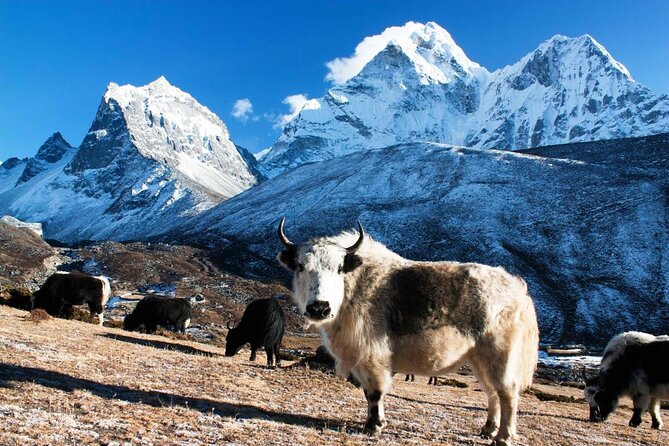
- Gokyo Lakes may be the visual high point: The turquoise lakes provide some of the finest views toward Everest and the surrounding peaks.
- Private guiding gives you breathing room: You can set a sensible pace for your own group rather than matching a large fixed party.
- Experienced guides receive strong praise: Guides including Binod, Ram Timalsina, Surey, Pasang, and others are praised for care, safety, and practical help.
- The route mixes culture with altitude: Namche Bazaar, Tengboche, and the Tengboche Monastery add local life to an otherwise demanding mountain journey.
- Weather can change the plan: Flight changes and delays have affected past trips, so keep extra patience and flexibility in reserve.
Why this route is more than a standard Everest trek
The classic Everest Base Camp route is famous for good reason. It gives you close views of Everest and passes through some of the best-known villages in the Khumbu region. But the route to Base Camp is also busy, especially during the main trekking seasons.
The Cho La and Gokyo section changes the character of the trip. You still get the big names, the high valleys, and the Base Camp goal, but you also spend time on quieter trails. That contrast is the heart of this experience. One day you may be following a well-known route toward Everest, and later you are crossing a high mountain pass toward the Gokyo Lakes.
I especially like this combination for people who have nearly three weeks in Nepal and want more than a quick out-and-back to Base Camp. You get the famous achievement, plus a less familiar side of the Everest region.
The private format matters here. A group can stop when someone needs rest, adjust its walking rhythm, and discuss concerns directly with the guide. That does not remove the physical challenge, but it can make a hard day feel more manageable.
More Everest Base Camp Treks in Kathmandu:
- Everest Base Camp Trek – 14 Days
★ 5.0 · 1,499 reviews - Everest Base Camp Trek
★ 5.0 · 842 reviews - Everest Base Camp Trekking
★ 5.0 · 485 reviews
Kathmandu planning and the flight to the mountains
The experience begins in Kathmandu, with a stated start time of 9:15 am and pickup offered. The company also provides private transportation. Several past guests praised Mani for helping arrange airport transfers, equipment rentals, flight changes, and other practical details.
That support can be useful before the walking even begins. One guest needed help finding rental equipment. Another ran short of cash during the trek and received prompt assistance from Mani. These are small details until you are tired, high in the mountains, and far from a city.
Flights to and from Lukla can be affected by poor weather. Past trips included cancellations and repeated rescheduling, yet the team helped reorganize transport and keep the trek moving. You should not treat this as a flaw in the company. Lukla flights are simply one of the uncertain parts of a Himalayan trip.
Still, build flexibility into your plans. If you have an important flight home immediately after the trek, weather-related changes could create stress. A spare day in Kathmandu is a sensible idea, though the supplied details do not promise one.
Namche Bazaar: your first major mountain stop
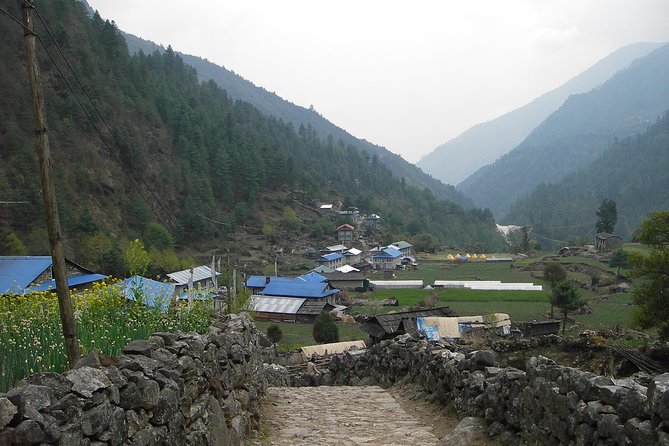
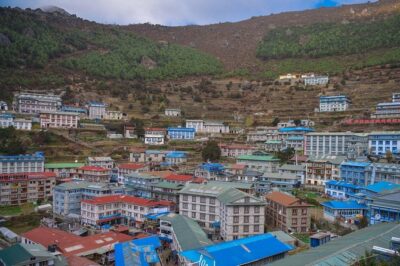
Namche Bazaar is one of the most important stops on the route. It is a mountain settlement where you can interact with local people and get your first strong sense of life in the Everest region.
The village also marks a major change in the trip. You are no longer simply approaching the mountains from below. The peaks begin to dominate the day, and the effects of altitude become more relevant.
The schedule is described as a 19-day route, giving the trek room for a gradual approach. That is valuable because this is not a route to rush. The private format should help your guide judge your pace, but you still need to speak up if you feel unwell or need a slower day.
Namche is also a useful place to appreciate what the guides do. Strong guiding is not just about leading the way. It includes watching your condition, keeping an eye on the pace, and handling changes without panic. Binod was praised for taking care of both physical and psychological needs, while Ram Timalsina was praised for his long guiding experience in the Everest area.
Tengboche and the cultural side of the Khumbu
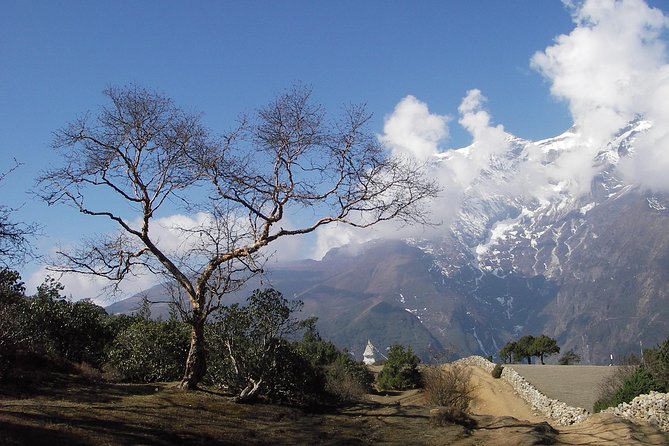
Tengboche gives the trek a welcome cultural pause. The village is known for Tengboche Monastery, which adds meaning to the journey beyond mountain scenery.
If you visit in the autumn season during the Mani Rimdu festival, you may be able to take part in the celebration at the monastery. The information provided does not guarantee festival dates or access, so you should confirm timing before you book around it.
I like this part of the route because it gives you a reason to slow down and pay attention to the place itself. The Everest region is not just a backdrop for a physical challenge. Namche and Tengboche let you meet local people and see how communities are connected to the mountains.
The route remains physically demanding, though. Cultural stops do not make the altitude disappear. You will still need to conserve energy for the higher valleys ahead.
A few more treks around Kathmandu worth a look
- Annapurna Circuit Trek with Tilicho Lake
★ 5.0 · 368 reviews - Everest Base Camp Trekking – 13 Day
★ 5.0 · 365 reviews - Everest Base Camp Trek
★ 5.0 · 350 reviews - Everest Base Camp Trek -14 Days
★ 5.0 · 321 reviews
Dingboche, Lobuche, and the approach to Base Camp
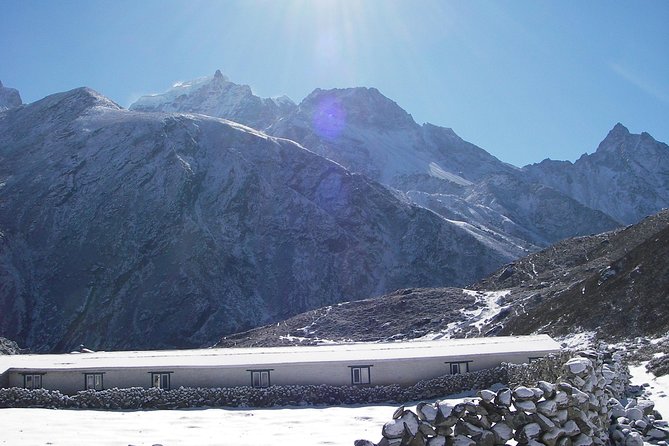
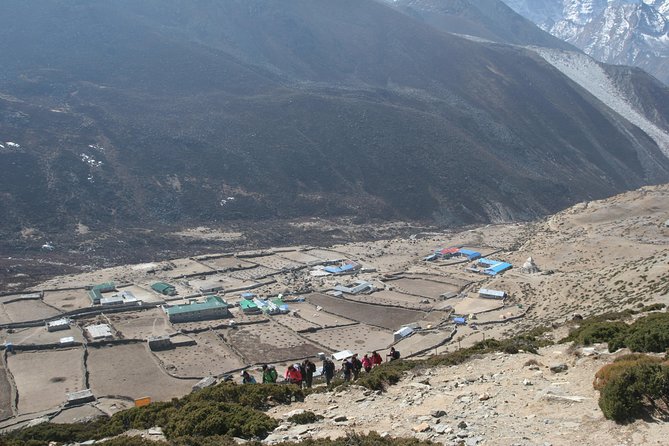
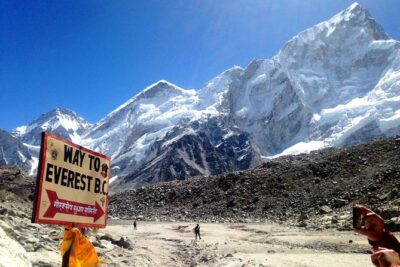
The route continues through villages including Dingboche, Lobuche, and Gorak Shep. These names matter because they mark the steady move into higher terrain and toward the central goal of Everest Base Camp.
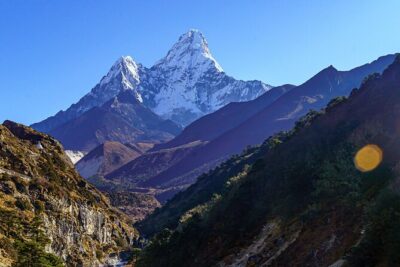
From these villages, you can see several towering peaks. The journey is not only about arriving at Base Camp. The approach gives you repeated mountain views, with the scenery changing as the valley narrows and the altitude rises.
Gorak Shep is the last major stopping point named in the supplied route information before Base Camp. By this stage, even ordinary walking can feel demanding. Your guide’s judgment becomes especially important, and a private trip gives you more room to manage the day around your group’s condition.
Reaching Everest Base Camp is the emotional centerpiece for many people. One guest described the guide Binod as responsible and experienced while helping the group reach the goal. Other groups credited guides such as Surey, Minor, Lakpa, and Pasang with helping them complete the trek safely.
The base camp itself is a destination with strong symbolic value. You are standing at the starting point used by climbers attempting Everest, not at the summit. That distinction matters, but it does not make the achievement small. Getting there requires sustained effort at high altitude.
Crossing Cho La Pass at 17,782 feet
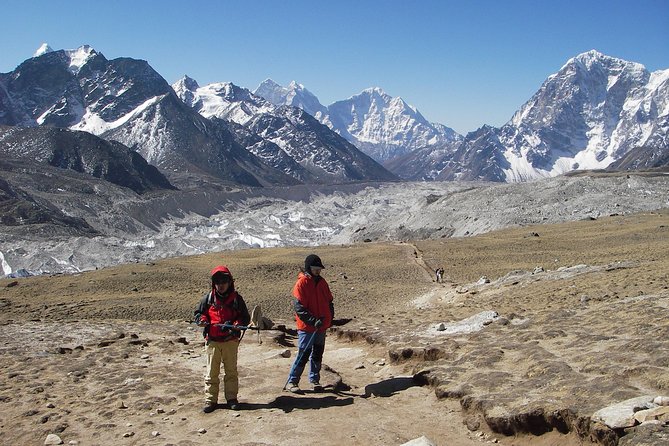
Cho La Pass is what changes this from a familiar Base Camp trek into a serious mountain route. At 17,782 feet, it is the highest and most demanding feature named in the experience description.
The pass connects the Everest Base Camp side of the region with Gokyo Valley. Conditions can make the crossing tiring and intimidating. The information provided does not give exact trail conditions, equipment requirements, or a detailed day-by-day schedule, so you should ask the operator for current advice before departure.
This is where your fitness matters most. You should be comfortable with long days of uphill and downhill walking, uneven ground, and the possibility that altitude will slow you down. You do not need to be a technical climber based on the information supplied, but you do need to be ready for a strenuous high-altitude trek.
The private format is a real advantage at the pass. Your guide can concentrate on your group instead of managing a large crowd. A guide cannot control snow, wind, or altitude, but careful pacing and clear decisions can make the crossing safer and less frantic.
If you want a simple and predictable walking holiday, I would choose the standard Base Camp route instead. If you want the stronger sense of adventure, Cho La is the reason to choose this trip.
Gokyo Lakes and the route’s finest views
Gokyo Valley is the reward for taking the harder route. Its high-altitude lakes are known for intense turquoise water and wide views toward the surrounding mountains.
The description makes a strong case that the views of Everest from the Gokyo Lakes may be better than those from Base Camp. That comparison is subjective, but it makes sense as a travel choice. Base Camp gives you the achievement and the famous setting. Gokyo gives you a broader mountain scene, with the lakes adding color and calm to the view.
The route also offers close views of four of the world’s eight tallest mountains:
- Everest, listed at 8,850 meters
- Lhotse, listed at 8,516 meters
- Makalu, listed at 8,463 meters
- Cho Oyu, listed at 8,201 meters
This variety is one of the best reasons to choose the combined route. You are not returning along exactly the same kind of trail after reaching Base Camp. The Gokyo side offers a different mood and a different set of views.
Still, high altitude affects every part of the experience. The lakes may be beautiful, but reaching them requires effort. You should think of Gokyo as a hard-earned reward, not an easy sightseeing stop.
The guides and the service behind the trek
The strongest pattern in the available feedback is personal care from the guides and organizers. Mani is repeatedly praised for staying in touch, arranging transport, solving problems, and helping with equipment. That kind of support is especially useful when plans change.
Several guides receive specific praise. Binod is described as attentive to both physical and mental needs. Ram Timalsina is praised for his long experience in the Everest area. Surey is described as caring and well informed, while Pasang, Minor, Lakpa, Sudam, and other guides and porters are also credited with helping groups complete difficult routes.
You should still ask who your guide will be before booking. The experience has used several guides, and the quality of your day-to-day contact depends heavily on the individual assigned to your group.
The porters also matter. Past groups praised porters for professionalism, strength, and kindness. If you use porter support, ask what weight limits and arrangements apply. The supplied details do not spell out those terms, so it is worth getting them clearly in writing.
What the $1,394.88 price means
At $1,394.88 per person, this trip can be good value for a private 19-day trek with guiding and private transportation. You are paying for a long mountain experience that combines Base Camp, a high pass, and Gokyo rather than covering only the standard route.
The price looks more attractive if you value organization. Mani and the team have helped with airport transfers, flights, equipment rental, and changes caused by weather. That reduces the amount of planning you must handle alone.
But do not assume the price covers every meal or every trip expense. Lunch and dinner are specifically excluded. Private transportation is included, but the supplied information does not give a full list of permits, accommodation, porter fees, or flight costs.
Ask for a complete cost breakdown before paying. You should also confirm what happens if the route changes because of weather and which costs you may need to cover during delays.
Fitness, pace, and who should book
This trek is best for fit, active people who already feel comfortable with long mountain walks. The official guidance calls for moderate physical fitness, but the Cho La crossing makes the overall experience more demanding than that phrase may suggest.
I would not book this route simply because you like the idea of Everest. You need to be ready for sustained effort, altitude, and uncertainty. Your group should also be comfortable with basic mountain conditions and a slower pace than you might expect at sea level.
The trek suits you if:
- You want Base Camp and Gokyo in one trip
- You prefer a private group
- You enjoy quieter trails as well as famous destinations
- You have about 19 days available
- You want local and cultural stops along the way
- You are willing to accept weather-related changes
It is less suitable if you want a relaxed holiday, dislike high places, or need a fixed schedule with no room for flight disruption.
Service animals are allowed, according to the additional information, but you should discuss the practical realities of a high-altitude mountain route with the operator before booking.
Cancellation, weather, and practical booking advice
Free cancellation is available up to 24 hours before the experience start time for a full refund. Changes made less than 24 hours before the start time are not accepted, and cancellations inside that window are not refunded.
The trip requires good weather. If poor weather causes cancellation, you are offered another date or a full refund. That policy is helpful, but it does not remove the need for flexibility during the trek itself.
Before you book, ask for:
- The exact day-by-day route
- The names and experience of your assigned guide
- What the $1,394.88 includes beyond private transportation
- The handling of Lukla flight delays
- The meal and accommodation arrangements
- The equipment available for rent
- Any extra costs during weather delays
Should you book the Cho La and Gokyo route?
I would recommend this trek to a fit, adventurous person who wants the full Everest region experience rather than the quickest route to Base Camp. The mix of famous trails, quiet valleys, Tengboche Monastery, Cho La Pass, and Gokyo Lakes is its biggest strength.
Book it if you value attentive guiding and can accept an unpredictable mountain schedule. Do not book it for a relaxed holiday or a tightly timed trip. At this price, the route offers strong value if the included services match your expectations, but you should confirm the cost details before committing.
The best reason to choose it is simple: you get the famous Base Camp goal, then keep going into a less familiar and often more scenic part of the Everest region.
FAQ
How long does the Everest Base Camp, Cho La Pass, and Gokyo trek take?
The trek lasts approximately 19 days.
What is the price per person?
The listed price is $1,394.88 per person.
Is this a private trek?
Yes. Only your group participates in the private tour or activity.
What level of fitness is required?
The trek is described as strenuous and is best suited to fit, active people. The additional information recommends a moderate physical fitness level, but Cho La Pass makes this a demanding high-altitude route.
Are meals included?
Lunch and dinner are not included. The supplied information does not provide a complete meal and accommodation breakdown.
What happens if bad weather cancels the experience?
If poor weather causes cancellation, you are offered a different date or a full refund. You can also cancel up to 24 hours before the start time for a full refund.
Recently added around Kathmandu
- Ghorepani Poon Hill Trek★ 5.0 · 16 reviews
- Private Manaslu Circuit Trek at Himalayas★ 5.0 · 3 reviews
- Amazing 1 Day Trekking Experience in Kathmandu Nepal★ 5.0 · 24 reviews
- Upper Mustang Trekking★ 5.0 · 2 reviews
- Ghorepani Poonhill Trek★ 5.0 · 5 reviews
- Upper Mustang Trekking★ 3.0 · 2 reviews
- Upper Mustang Trekking★ 5.0 · 4 reviews
- Upper Mustang Trek★ 5.0 · 5 reviews
Everest Base Camp Treks, compared.
Browse the lists this tour appears in