
REVIEW · KATHMANDU
Everest Base Camp Trekking
The mountains make every step count. This 15-day Everest Base Camp trek combines Kathmandu’s major cultural sights with the classic Khumbu route, Sherpa villages, suspension bridges, Tengboche Monastery, Everest Base Camp, and the sunrise view from Kala Patthar. At $1,625 per person, the package covers flights, lodging, meals, permits, guides, porters, and airport transfers.
I like the steady acclimatization plan, especially the rest days in Namche Bazaar and Dingboche. I also like that the price includes domestic flights between Kathmandu and Lukla, a licensed English-speaking guide, and porter service. The main caution is simple: this is a serious high-altitude trek, not a sightseeing walk, and Lukla flights can be delayed or canceled by weather.
Key points before you book
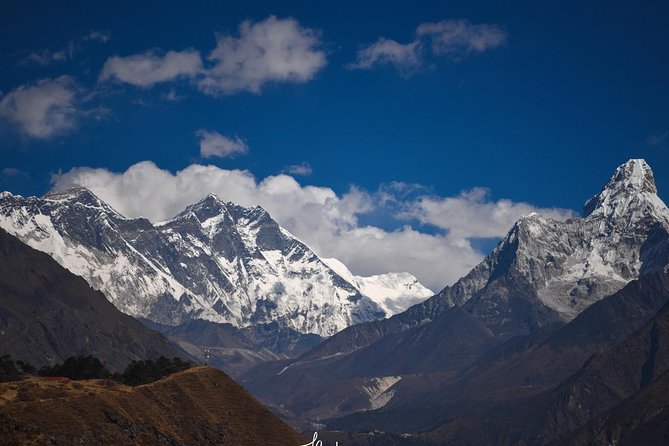
- Kala Patthar at 5,555 meters: The sunrise viewpoint gives you the clearest planned panorama of Everest, Nuptse, Pumori, Lingtren, Khumbutse, and Changtse.
- Two useful acclimatization stops: You spend a day in Namche Bazaar and another in Dingboche, with optional hikes to Khumjung and Nangkartshang Peak.
- A full package for $1,625: Hotels, teahouses, meals during the trek, domestic flights, permits, guide, porter, and airport transfers are included.
- Sherpa culture along the trail: Tengboche Monastery, Pangboche Monastery, Khumjung, and Namche Bazaar add meaning beyond the mountain views.
- Weather can change the schedule: Keep two or three spare days after the trek if missing your international flight would cause trouble.
- Private group format: Only your own group participates, which can make the pace and daily decisions more personal.
What the $1,625 package really gives you
The price is strong for a 15-day Everest Base Camp trip because it covers many of the costs that can quickly add up in Nepal. You receive three-star hotel accommodation in Kathmandu with breakfast, teahouse accommodation in the mountains, all three daily meals during the trek, domestic flights, permits, airport transfers, sightseeing by private vehicle, a licensed guide, and one porter for every two trekkers.
That last point matters. You will carry a daypack, but the porter service is designed to handle the larger shared load. Pack responsibly and keep your own essential items with you, including medication, documents, warm layers, and anything you cannot afford to lose.
The package also includes staff wages, insurance, equipment, food, accommodation, government taxes, the Sagarmatha National Park permit, and TIMS paperwork. That makes the price easier to judge. You still need money for Kathmandu lunches and dinners, sightseeing entrance fees, drinks, showers, laundry, battery charging, phone calls, tips, souvenirs, and travel insurance.
The package does not include rescue insurance. At this altitude, that is not a minor detail. Arrange suitable travel and rescue insurance before you leave home, and check that it covers high-altitude trekking.
More Everest Base Camp Treks in Kathmandu:
- Everest Base Camp Trek – 14 Days
★ 5.0 · 1,499 reviews - Everest Base Camp Trek
★ 5.0 · 842 reviews - Everest Base Camp Trekking
★ 5.0 · 485 reviews
Kathmandu begins with temples, stupas, and airport help
On arrival, a representative meets you outside Tribhuvan International Airport after customs and transfers you to a hotel in Thamel. The drive takes about 30 minutes. Thamel is a practical base, with shops, restaurants, and trekking services close at hand.
Your second day is set aside for Kathmandu Valley sightseeing. The route includes Boudhanath Stupa, Pashupatinath Temple, Patan Durbar Square, and Swayambhunath Stupa, commonly called the Monkey Temple. You have about five hours with a private vehicle.
Boudhanath is the largest stupa in the Kathmandu Valley, rising about 36 meters. Its broad white dome and watchful eyes give you a calm introduction to Nepal’s Buddhist traditions. Pashupatinath, beside the Bagmati River, is one of the most sacred Hindu sites in the country. Non-Hindu visitors cannot enter the main temple, but the surrounding complex remains important and visually striking.
Patan Durbar Square brings together palace courtyards, pagoda temples, a museum, and the stone Krishna Temple. Swayambhunath sits on a hill above the valley and is known for the monkeys around its grounds. The sightseeing is a good use of your first full day, though entrance fees are not included, so carry cash in Nepalese rupees.
The Lukla flight starts the real adventure
Day three begins with an early flight from Kathmandu to Lukla at about 2,804 meters. The flight is short, but it is a key part of the trip because Lukla is the gateway to the Everest region. Weather often affects this route, so build flexibility into your larger Nepal plans.
From Lukla, you walk to Phakding, at about 2,610 meters. The trek takes roughly three to four hours and passes through Cheplung village, with views toward Khumbila, a sacred mountain that has never been climbed. This is a gentle opening day by Everest Base Camp standards, giving you time to adjust to the trail and your gear.
The first night is in a teahouse. Accommodation is practical rather than luxurious. Breakfast, lunch, and dinner are included during the trek, but hot drinks, bottled drinks, showers, charging, and other extras cost more.
Namche Bazaar brings the first serious climb
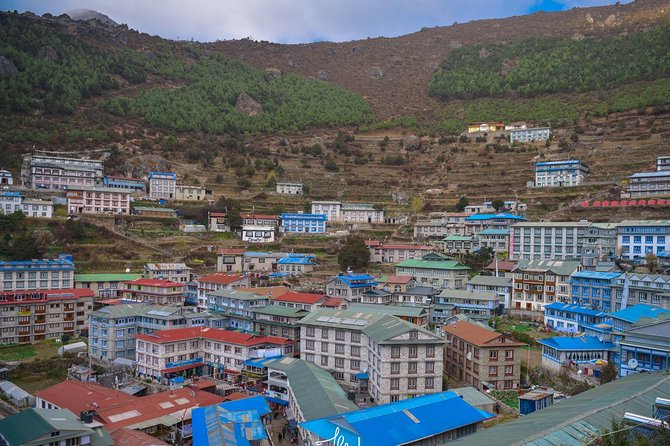
The walk from Phakding to Namche Bazaar takes about five hours. You follow the Dudh Koshi River through Benkar, Chumoa, Monjo, and Jorsale. At Monjo, you enter Sagarmatha National Park, and the route continues across suspension bridges before the trail climbs more sharply toward Namche.
This is where the trek begins to feel demanding. Namche Bazaar sits at about 3,441 meters and is built into a steep mountainside. The final climb can feel long, especially if you are still learning how your body reacts to altitude.
The next day is for acclimatization. You hike toward the Sagarmatha National Park viewpoint for early views of Everest, Lhotse, Nuptse, Ama Dablam, Thamserku, and Kongde. You can also make the longer optional hike to Khumjung village.
I like this rest day because it is not a day of doing nothing. You gain height, return to sleep at the same elevation, and get your first broad Himalayan panorama. Namche also gives you time to inspect your boots, layers, water supply, and pack before the trail becomes more remote.
A few more treks around Kathmandu worth a look
- Annapurna Circuit Trek with Tilicho Lake
★ 5.0 · 368 reviews - Everest Base Camp Trekking – 13 Day
★ 5.0 · 365 reviews - Everest Base Camp Trek
★ 5.0 · 350 reviews - Everest Base Camp Trek -14 Days
★ 5.0 · 321 reviews
Tengboche adds a spiritual heart to the route
The trail from Namche to Tengboche takes about five hours. The early section toward Phunki is relatively easy, followed by a climb to Tengboche at about 3,860 meters. The village is known for its monastery and wide views of Everest, Nuptse, Lhotse, Ama Dablam, and Thamserku.
Tengboche Monastery is the largest monastery in the Everest region. The schedule says the monastery opens around 3:00 pm, so reaching the village in the afternoon may allow you to observe a Buddhist religious ceremony. Exact access and ceremony timing can vary, so treat this as a possibility rather than a guarantee.
The setting gives the trek a welcome change of pace. You are not only counting kilometers and altitude. You are passing through a place where religious practice remains part of daily life in the Khumbu.
Dingboche gives your body time to catch up
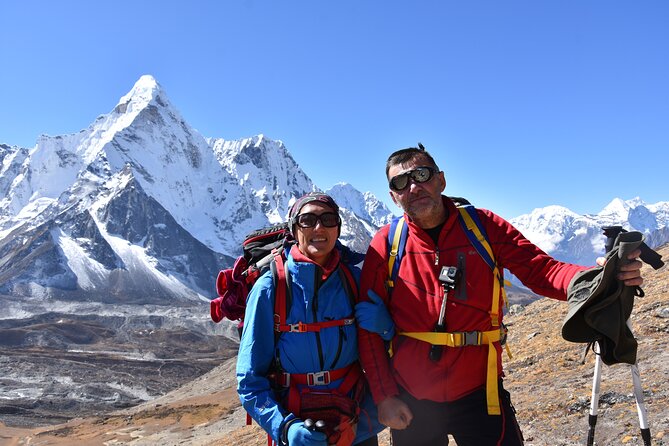
Day seven leads downhill to Debuche, across the Imja River, and onward through Pangboche. You pass the Pangboche Monastery before following the Imja Valley and Lobuche River to Dingboche, at about 4,350 meters. The walk takes roughly four to five hours.
Dingboche is one of the most important stops for acclimatization. You spend the next day here rather than gaining more sleeping altitude. The planned hike goes toward Nangkartshang Peak, reaching about 5,083 meters, with views toward Lhotse, Makalu, and Cho Oyu.
The ascent is optional, but the acclimatization principle is valuable: climb higher during the day and return to sleep lower. You should not treat the hike as a race. Pace yourself, drink regularly, and tell your guide if you feel unwell. The trek is designed to be steady, but no itinerary can remove the risks of high altitude.
Lobuche and Gorak Shep test your endurance
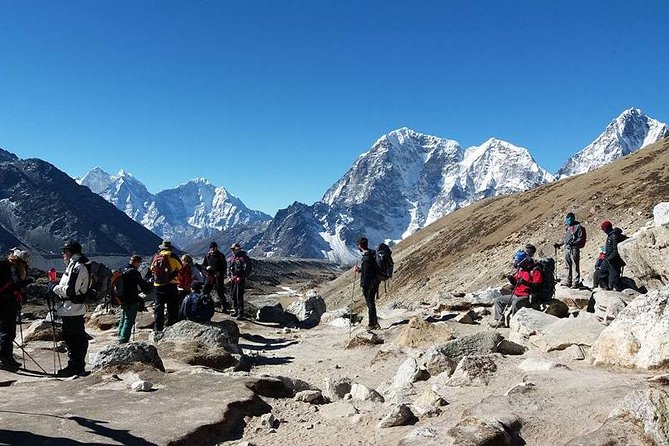
From Dingboche, the route continues to Lobuche at about 4,910 meters. The schedule gives different estimates for this day, but you should expect a demanding four to seven hours, depending on pace and trail conditions. The route passes through the Dughla area and follows a stark high mountain path.
The next day is the biggest push. You trek toward Everest Base Camp at 5,365 meters and stay at Gorak Shep, which is about 5,180 meters. The published timings vary, describing the day as anywhere from six to twelve hours, so plan mentally for a long day rather than relying on the shortest estimate.
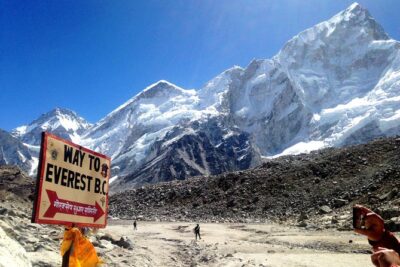
After reaching Gorak Shep and checking into the lodge, you eat lunch and continue to Everest Base Camp. From the base camp area, you can see Nuptse, Khumbutse, and Pumori. The famous destination is emotionally powerful, but keep your expectations realistic: the view of Everest itself is not always the main feature from Base Camp. Kala Patthar is planned for the best full view.
You then walk back to Gorak Shep for the night. At this altitude, even simple tasks take more effort. Keep your evening quiet, stay warm, and follow your guide’s advice.
Kala Patthar is the visual high point
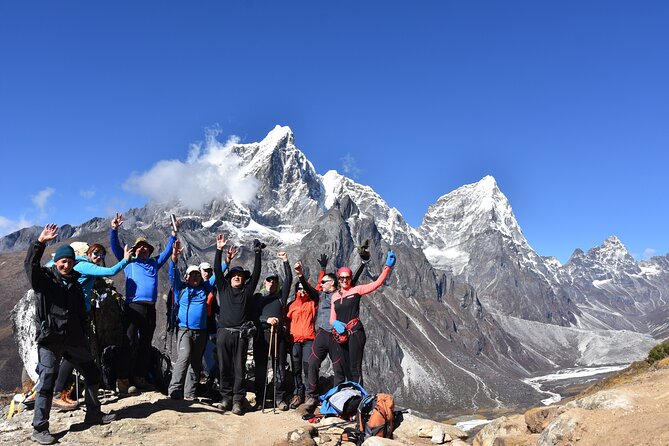
You leave early for Kala Patthar, the highest point of the trek at about 5,555 meters. The climb takes around three hours, followed by a return to Gorak Shep for lunch. The top gives you views toward Everest, Lingtren, Khumbutse, and Changtse, along with the surrounding peaks and the Khumbu Glacier area.
This is the moment many people picture when they imagine the trek: cold air, snow-covered summits, and the changing light of morning. The climb is steep and strenuous, especially after sleeping at Gorak Shep, but the viewpoint is the clearest payoff in the itinerary.
After lunch, you descend to Pheriche at about 4,200 meters. That drop in elevation is welcome. The walk down is easier than the climb up Kala Patthar, though your legs may still feel the previous days.
The return route feels different in reverse
From Pheriche, you retrace the trail through Pangboche and Tengboche to Namche Bazaar. This day takes roughly seven hours. The scenery is familiar, but the direction changes the experience. Downhill sections replace some of the earlier effort, and you can look back on the route with a clearer sense of what you have achieved.
The following day takes you back to Lukla in about five to six hours. The afternoon is free for a hot shower, rest, and a celebratory drink with your group. That final evening is a pleasant social ending to a physically demanding trip.
The flight from Lukla to Kathmandu is scheduled for the next morning. Once you arrive, a transfer takes you to your hotel, followed by a cultural farewell dinner. The final day is reserved for your airport transfer, with pickup planned a couple of hours before departure.
The biggest practical issue is weather flexibility
The operator specifically advises keeping two or three extra days at the end of your Nepal trip. That is sensible. Lukla flights are vulnerable to bad weather, and a delay can affect your international departure.
One strong point from the service record is the handling of a weather-delayed flight. Arrangements were made when a flight was disrupted, which is exactly the kind of support you want on a route where weather can overrule a carefully written schedule.
Still, do not depend entirely on the operator to solve every connection. Book insurance, avoid placing your international flight immediately after the scheduled Lukla return, and keep some extra funds available for unexpected accommodation or transport.
Who should choose this trek
This trip suits you if you have moderate physical fitness, enjoy long days outdoors, and accept basic teahouse accommodation. You should be comfortable walking for several hours on mountain paths, including steep climbs, suspension bridges, and rougher sections near the Khumbu Glacier.
It is a good choice for someone who wants a guided experience with logistics handled. The guide, porter, permits, meals, domestic flights, and hotel transfers reduce the number of details you need to manage yourself.
It is not a good fit if you want a relaxed holiday, hotel comfort every night, or a fixed schedule with no weather risk. Alcohol, hot drinks, showers, charging, laundry, tips, and other comforts are extra. The word trek in the title deserves to be taken seriously.
Should you book the Everest Base Camp trek?
I would consider this a good-value, well-structured package for a first Everest Base Camp attempt. The included flights and porter service help justify the $1,625 price, while the Namche and Dingboche acclimatization days give the plan a sensible rhythm.
Book it if you want the classic Everest route, meaningful Sherpa and Buddhist cultural stops, and support from a private group with a guide. Before paying, confirm the current flight arrangements, exact hotel and teahouse standards, group details, and what happens if weather forces extra nights.
Bring patience, good insurance, and spare days. If you do, this trek offers a demanding but memorable route to the world’s most famous base camp, with Kala Patthar providing the view you will likely remember longest.
FAQ
How long does the Everest Base Camp trek take?
The full experience lasts approximately 15 days, including arrival and departure in Kathmandu, two Kathmandu days, the trek, domestic flights, and airport transfers.
What is the price per person?
The listed price is $1,625 per person.
Are domestic flights included?
Yes. The package includes flights between Kathmandu and Lukla in both directions.
Is airport pickup provided?
Yes. Pickup and drop-off at Tribhuvan International Airport are included.
What accommodation is included?
You receive three-star hotel accommodation in Kathmandu with breakfast and teahouse accommodation during the trek.
Are meals included?
Breakfast is included throughout the package. During the trek, breakfast, lunch, and dinner are included. Lunch and evening meals in Kathmandu are not included.
Is a guide included?
Yes. The package includes an experienced, English-speaking, government-licensed trekking guide.
Is porter service included?
Yes. Porter service is included at a ratio of one porter for every two trekkers.
What are the highest points on the route?
Everest Base Camp is listed at about 5,365 meters, while Kala Patthar is the highest point of the trek at about 5,555 meters. The acclimatization hike to Nangkartshang Peak reaches about 5,083 meters.
Should I allow extra time after the trek?
Yes. The schedule advises keeping two or three extra days because flights between Kathmandu and Lukla can be delayed or canceled by bad weather.
Recently added around Kathmandu
- Ghorepani Poon Hill Trek★ 5.0 · 16 reviews
- Private Manaslu Circuit Trek at Himalayas★ 5.0 · 3 reviews
- Amazing 1 Day Trekking Experience in Kathmandu Nepal★ 5.0 · 24 reviews
- Ghorepani Poonhill Trek★ 5.0 · 5 reviews
- Upper Mustang Trekking★ 5.0 · 2 reviews
- Upper Mustang Trekking★ 3.0 · 2 reviews
- Upper Mustang Trekking★ 5.0 · 4 reviews
- Upper Mustang Trek★ 5.0 · 5 reviews
Everest Base Camp Treks, compared.




Browse the lists this tour appears in