
REVIEW · KATHMANDU
Everest Base Camp Trek
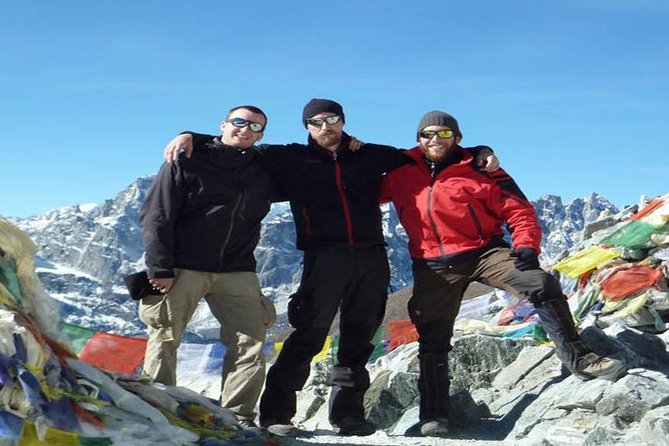
Everest starts with a small step. This 12-day trek from Kathmandu gives you a clear route to Base Camp, with domestic flights, permits, tea-house lodging, meals, an experienced guide, and much of the heavy planning handled for you. I especially like the built-in acclimatization days at Namche Bazaar and Dingboche, plus the early morning climb to Kala Patthar for mountain views.
I also like the practical support: airport transfers, a duffle bag, sleeping bag, down jacket, trekking map, and emergency helicopter arrangements are included. The main concern is the package information around porters and Kathmandu hotels. The overview says porters and four Kathmandu nights are included, while the exclusions say a porter costs $220 and Kathmandu lodging and food are not included. Confirm those details before paying.
Key points to know before you book
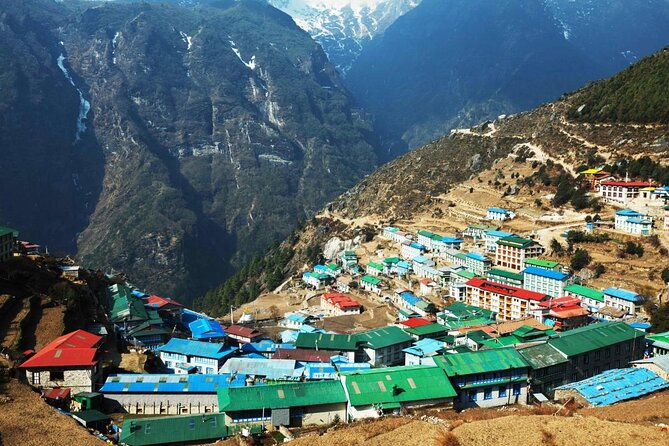
- The route reaches Everest Base Camp on day eight, after gradual altitude gain through Namche, Tengboche, Dingboche, Lobuche, and Gorakshep.
- Two acclimatization days are built in, one at Namche Bazaar and one at Dingboche.
- The price includes Kathmandu to Lukla flights, airport tax, trek lodging, three daily meals during the trek, permits, guide support, and listed gear.
- The group is capped at 14 people, which is small enough for personal attention but large enough for varied walking speeds.
- Kala Patthar reaches 5,545 meters, higher than Base Camp itself, so the return day is one of the toughest parts of the trip.
- Porter and Kathmandu hotel details need written confirmation, because the supplied package information gives conflicting answers.
What the $1,300 price really covers
At $1,300 per person, this trek offers solid value if the included services match the headline package. The costly pieces are already arranged: flights between Kathmandu and Lukla, domestic airport tax, trekking permits, lodge accommodation, an experienced guide, meals on the trail, and transfers by private vehicle.
You also get a sleeping bag, down jacket, duffle bag, and trekking map. These items save you from buying or renting every piece of cold-weather gear before arriving in Nepal. You return the equipment after the trek, so think of it as useful loaned kit rather than a souvenir.
The guide’s salary, meals, drinks, accommodation, transport, and insurance are included. That matters because a guided mountain trip can become confusing when you must calculate staff costs separately. Emergency helicopter arrangements are also handled, though your travel insurance company pays the bill. You need insurance that specifically covers trekking at high altitude and emergency evacuation.
The price does not cover everything. You should budget for the Nepal visa, international flights, Kathmandu meals and lodging if not included, drinks, hot showers, battery charging, bottled or treated drinking water, snacks, chocolate bars, tips, and the $40 Everest Base Camp entrance fee listed in the exclusions.
The porter information deserves special attention. The overview presents guides and porters as included, but the exclusions say a porter costs $20 per day, or $220 per person. That is not a small difference. Ask the operator to state in writing whether a porter is included in your exact booking and how much luggage that porter carries.
The same issue appears with Kathmandu accommodation. The overview says four nights in Kathmandu are included, while the exclusions say hotel and food in Kathmandu are not included. Do not assume either version is correct. Get the hotel nights, room type, and meals confirmed before you finalize plans.
More Everest Base Camp Treks in Kathmandu:
- Everest Base Camp Trek – 14 Days
★ 5.0 · 1,499 reviews - Everest Base Camp Trek
★ 5.0 · 842 reviews - Everest Base Camp Trekking
★ 5.0 · 485 reviews
Day 1: Lukla to Phakding begins at altitude
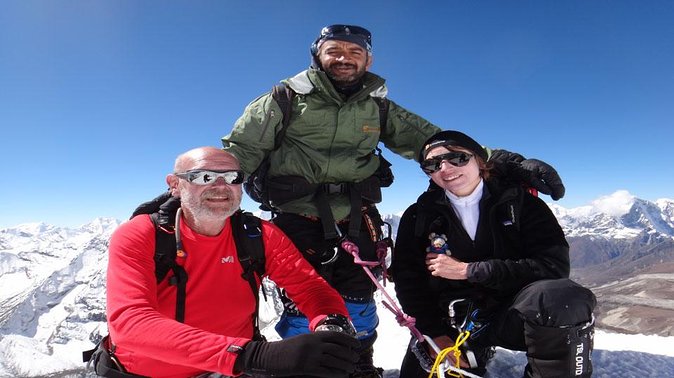
The trip starts with a flight from Kathmandu to Lukla, at 2,886 meters. The stated meeting time is 6:15 a.m. at Tribhuvan Airport, so you need to be ready for an early start.
After landing, you trek to Phakding at 2,610 meters. The walk takes about four hours, with lunch and dinner included. This first day is relatively short by trekking standards, but the altitude and the excitement of beginning in Lukla can still make it feel substantial.
Phakding is your first night in a mountain lodge. Tea-house accommodation is practical rather than luxurious. You should expect a simple base for sleep, meals, and recovery, not a polished hotel. The value here is that you are already on the trail without having to arrange every overnight stop yourself.
Day 2: The long climb to Namche Bazaar
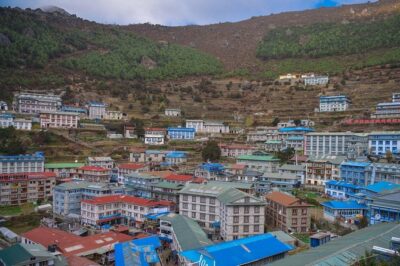
The route from Phakding to Namche Bazaar takes about six hours and reaches 3,440 meters. This is where the trek begins to feel serious. You gain altitude, walk for much of the day, and arrive at one of the main settlements on the Everest route.
Namche is more than a sleeping stop. It is the first important place to pause, adjust, and prepare for thinner air. The next day is reserved for acclimatization, which is one of the best features of this plan. A rushed itinerary might push onward, but your body needs time to respond to the altitude.
The guide is especially valuable here. A good guide can set the walking rhythm, watch for signs of altitude trouble, and keep the group moving at a sensible pace. One guide named Kiran received strong praise for handling difficult conditions and keeping the trip organized. Another guide, Dinish, was described as helpful throughout a 10-day trek. Arjun was praised for his patience and for bringing fresh fruit for dessert each night. Those small acts matter after a hard day on the trail.
Day 3: Namche acclimatization without wasting a day
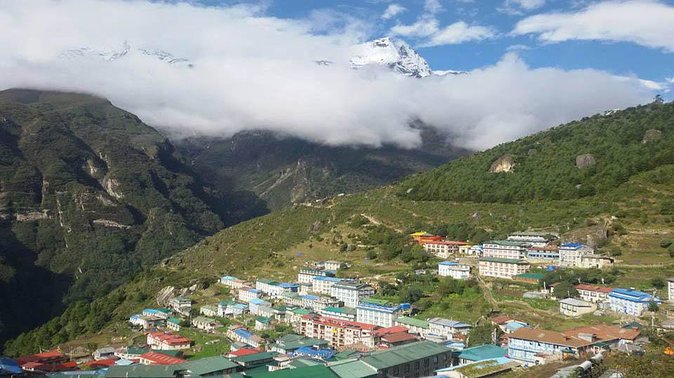
The rest day at Namche is not a day to do nothing. It gives your body time to adjust while keeping you active at altitude. The schedule does not list a specific excursion, so the exact plan depends on your guide and group.
Namche is an important pause because the itinerary rises steadily from Lukla to 3,440 meters in only a few days. You should use the day to walk at an easy pace, eat well, drink regularly, and ask your guide about any headache, nausea, unusual tiredness, or trouble sleeping.
Do not treat the rest day as optional. It is one of the safety features built into the route. A schedule that includes two acclimatization stops is much more sensible than one that tries to reach Base Camp as quickly as possible.
A few more treks around Kathmandu worth a look
- Annapurna Circuit Trek with Tilicho Lake
★ 5.0 · 368 reviews - Everest Base Camp Trekking – 13 Day
★ 5.0 · 365 reviews - Everest Base Camp Trek
★ 5.0 · 350 reviews - Everest Base Camp Trek -14 Days
★ 5.0 · 321 reviews
Day 4: Tengboche brings a change of scenery
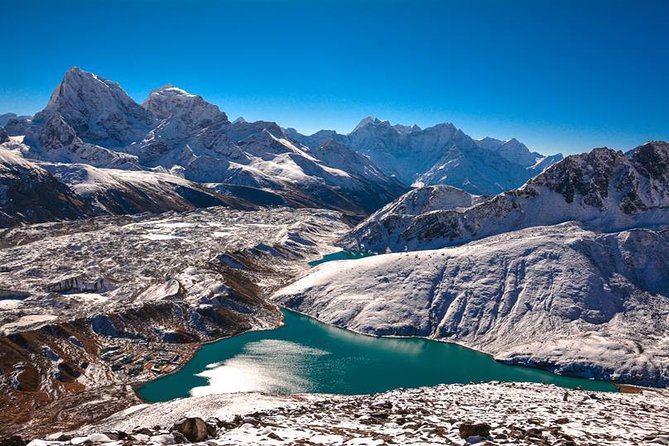
The trek from Namche to Tengboche, also written as Tyangboche, takes about five hours and reaches 3,867 meters. This is a manageable walking day, but the altitude continues to rise.
Tengboche is a memorable overnight stop because the route changes from the busy lower approach to a quieter high mountain setting. The schedule places you in a lodge with breakfast, lunch, and dinner included. As with all tea houses, keep your expectations practical. Warmth, food, and a bed are the important comforts.
The guide helps keep this section from becoming a race. You may be tempted to push ahead when the path feels easy, but steady pacing is more useful than speed. The reward is arriving with energy left for the next day.
Day 5: Dingboche and another rise in altitude
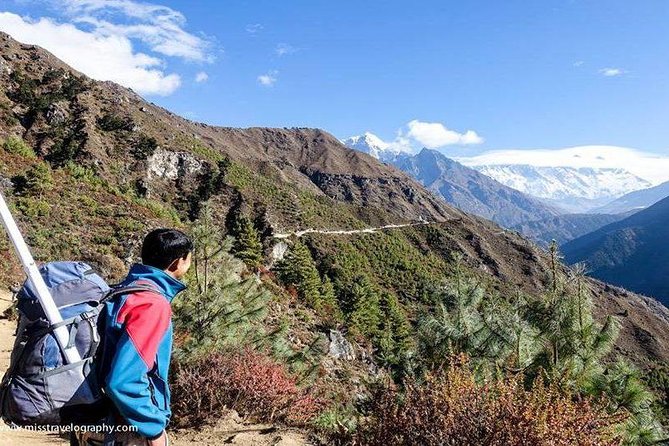
From Tengboche, you walk about five hours to Dingboche, at 4,260 meters. This is a key point in the trek. The air is thinner, the walking pace usually slows, and small tasks can take longer than expected.
Dingboche is another place where the itinerary does the right thing by scheduling a rest day. You should not judge your condition only by how you feel at the start of the day. Altitude symptoms can appear later, especially after eating, climbing stairs, or settling down for the night.
This is also a good point to check your layers and equipment. The package supplies a sleeping bag and down jacket, but you are responsible for personal clothing and other essentials. The cold can make simple things such as changing clothes or charging a device feel like chores, especially when those services cost extra.
Day 6: A second acclimatization day at Dingboche
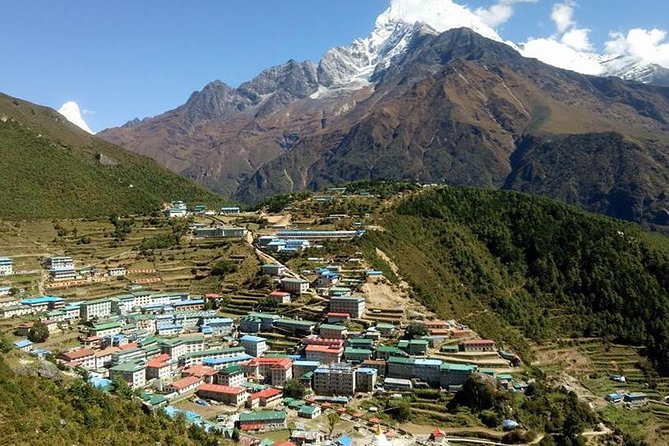
The Dingboche rest day is the second major pause before the route heads above 4,500 meters. It breaks up the climb and gives you a better chance of continuing safely toward Lobuche and Gorakshep.
The program does not specify a separate sightseeing activity for this day. That is useful to know. You are buying time for adjustment, not a packed excursion schedule. If you feel well, your guide can explain the day’s plan. If you feel unwell, the rest day gives you room to speak up instead of hiding a problem while trying to keep pace.
The provided fitness guidance calls for a moderate physical fitness level. That should not be read as meaning easy. You face several hours of walking on most days, repeated climbs, high altitude, cold conditions, and basic lodging. You do not need technical climbing skills for the route described, but you do need endurance and patience.
Day 7: Lobuche prepares you for the high point
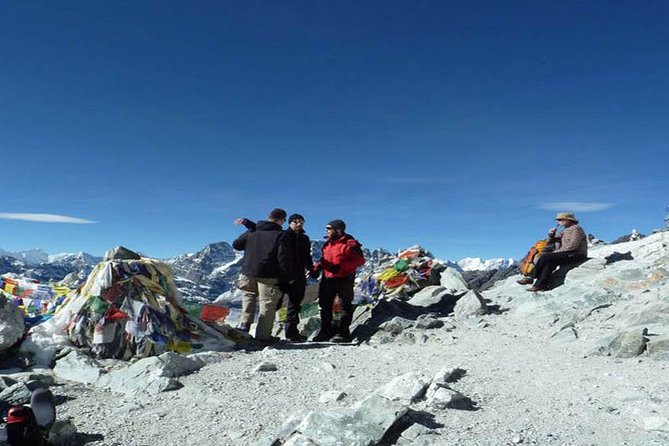
The five-hour walk from Dingboche to Lobuche reaches 4,930 meters. This is one of the days when the numbers become real. Nearly every step takes more effort at this height, and the cold can add to the strain.
Lobuche is a staging point for the push to Gorakshep and Base Camp. You should keep the evening simple: eat the included dinner, organize your day bag, and rest. Snacks are not included, so carry money for chocolate bars and other personal food if you rely on them.
The group size can reach 14 people. That is a reasonable maximum for a guided trek, but it can still mean different walking speeds. Ask how the guide handles the group if some people move slowly. A well-run group should allow a steady pace without making the strongest walkers wait constantly or making slower walkers feel pressured.
Day 8: Gorakshep and Everest Base Camp
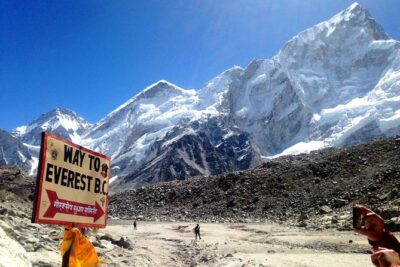
The route from Lobuche to Everest Base Camp via Gorakshep takes six to seven hours. The day is long, high, and central to the whole trip.
Gorakshep is the high overnight base for this section. The itinerary gives no altitude for Gorakshep, so do not rely on the missing figure when planning your physical expectations. What matters is that you are already close to 5,000 meters and still have several hours of walking ahead.
Base Camp is the goal, but the journey there is not a simple photo stop. At this altitude, the trail can feel slow and demanding. Your guide handles the route and daily logistics, while you focus on keeping your pace controlled and listening to your body.
The program includes breakfast, lunch, and dinner. It does not include drinks, water, hot showers, charging, or sweets. Carry enough cash for these personal costs, since the exclusions specifically list them as extra.
Day 9: Kala Patthar is the hardest morning
The ninth day begins with a trek to Kala Patthar, at 5,545 meters, followed by a descent to Pheriche at 4,243 meters. The total walking time is about seven hours.
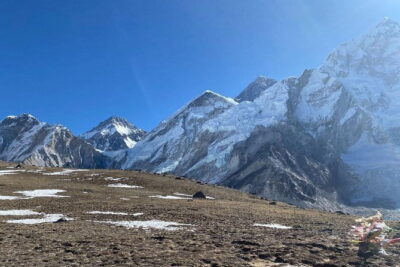
Kala Patthar is the high viewpoint of the route. It is also one of the most demanding moments because you climb higher after already reaching Base Camp. The itinerary places this climb before a long descent, so you need to be ready for an early, tiring day.
The reward is the mountain panorama from a high point on the Everest route. The information provided identifies Mount Everest as the main stop, but does not promise specific weather or visibility. Conditions can change quickly, so keep your expectations flexible.
Pheriche provides a lower overnight stop after the exertion. That drop in elevation should feel welcome, but the day remains long. This is where a patient guide and a group that respects a slower pace make a real difference.
Days 10 to 12: The return feels different
Day 10 takes you from Pheriche back to Namche Bazaar in about six hours. You retrace part of the route, but the direction changes the experience. The effort is still real, yet the lower altitude should make walking and sleeping easier.
On day 11, you walk six hours from Namche to Lukla. This is your final full trekking day. You may feel tired, but reaching Lukla means the hardest high-altitude section is behind you.
Day 12 is the flight from Lukla to Kathmandu, followed by a hotel transfer. Domestic flights are included, but mountain weather can disrupt air service. The cancellation terms say that poor weather may lead to a new date or a full refund if the experience is canceled. That protection is helpful, but it does not remove the need for flexible travel plans around the trek.
A major monsoon event once caused road closures and stranded people for days. The operator reportedly worked through the disruption openly and adjusted the trip, which is an encouraging sign for a destination where weather and transport can change plans quickly. Still, you should avoid scheduling an international flight immediately after the return from Lukla.
Guides, equipment, and daily comfort
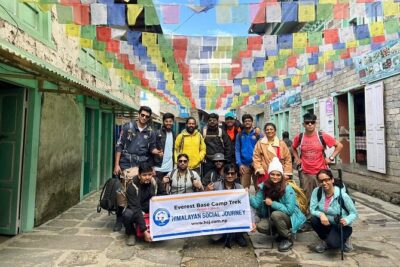
The guide is the heart of this package. The company assigns an experienced, helpful guide, and the strongest praise centers on patience, care, and practical support. Kiran, Dinish, and Arjun are named examples of guides who made a strong impression through organization, assistance, and personal attention.
The package includes a guide but may not include a porter, despite the conflicting wording. If you need porter support, the listed rate is $20 per day, or $220 for the trek. Confirm the arrangement before arrival, including the baggage limit and whether the porter cost covers the full route.
Lodges and tea houses provide basic accommodation during the trek. Meals are included three times daily, which keeps the main food budget predictable. Drinks, water, hot showers, charging, and snacks cost extra, so these are the expenses most likely to catch you off guard.
The supplied sleeping bag, down jacket, duffle bag, and map are useful additions. You return them after the trek, and the package also covers government taxes, VAT, and service charges.
Who should book this trek?
I would consider this trip a good fit if you want Everest Base Camp but do not want to arrange flights, permits, lodge bookings, meals, and guide support yourself. It suits someone with moderate fitness who can commit to long walking days and who understands that altitude, not technical climbing, is the main challenge described here.
It is less suitable if you want private guiding, hotel-level comfort on the trail, a short luxury adventure, or a fully fixed schedule with no weather risk. A maximum group of 14 is manageable, but it is not the same as traveling alone.
Before booking, ask for written answers on four points:
- Is a porter included in the $1,300 price?
- Are four nights in Kathmandu included?
- What Kathmandu hotel and meals, if any, are covered?
- What exact Everest Base Camp entrance or permit fees must you pay separately?
The experience is non-refundable and cannot be changed for personal reasons. Poor weather or failure to reach the minimum group size may lead to another date, another experience, or a full refund. That makes travel insurance especially important, and it must cover high-altitude trekking and emergency evacuation.
Should you book the Everest Base Camp Trek?
I would book this trek if the operator confirms the porter and Kathmandu arrangements in writing. The route is well paced, the two acclimatization days are sensible, and the package handles the hardest logistics. The named guides, especially Kiran, Dinish, and Arjun, add confidence that personal care is part of the service rather than an afterthought.
At $1,300, the value is good for the flights, guide, permits, trail accommodation, meals, and loaned gear. You still need money for insurance, visa, tips, drinks, water, charging, showers, snacks, the $40 entrance fee, and possibly a porter. If you accept basic lodges and high-altitude walking, this is a practical way to reach Everest Base Camp without planning every step yourself.
FAQ
How long is the Everest Base Camp Trek?
The trek lasts approximately 12 days, including flights from Kathmandu to Lukla and back. The walking route reaches Everest Base Camp on day eight and Kala Patthar on day nine.
What is included in the $1,300 price?
The package includes domestic flights between Kathmandu and Lukla, domestic airport tax, private airport and hotel transfers, tea-house accommodation during the trek, an experienced guide, trekking meals, government taxes, VAT, service charges, a sleeping bag, down jacket, duffle bag, and trekking map.
Are meals included?
Breakfast, lunch, and dinner are included during the trek. Food and hotel costs in Kathmandu are listed as excluded, although the overview also says four Kathmandu nights are included, so confirm the Kathmandu arrangements before booking.
Is a porter included?
The package information is inconsistent. The overview says guides and porters are included, while the exclusions list a porter at $20 per day, or $220 per person. Ask the provider to confirm whether your booking includes a porter.
What fitness level is required?
The experience requires a moderate physical fitness level. The schedule includes walking days of about four to seven hours, two acclimatization days, and high-altitude sections reaching 5,545 meters at Kala Patthar.
What happens if bad weather cancels the trek?
If poor weather causes the experience to be canceled, you are offered a different date or a full refund. The package includes domestic flights, but weather can affect flights between Kathmandu and Lukla, so keep your wider travel plans flexible.
Recently added around Kathmandu
- Ghorepani Poon Hill Trek★ 5.0 · 16 reviews
- Private Manaslu Circuit Trek at Himalayas★ 5.0 · 3 reviews
- Amazing 1 Day Trekking Experience in Kathmandu Nepal★ 5.0 · 24 reviews
- Ghorepani Poonhill Trek★ 5.0 · 5 reviews
- Upper Mustang Trekking★ 5.0 · 2 reviews
- Upper Mustang Trekking★ 3.0 · 2 reviews
- Upper Mustang Trekking★ 5.0 · 4 reviews
- Upper Mustang Trek★ 5.0 · 5 reviews
Everest Base Camp Treks, compared.
Browse the lists this tour appears in