
REVIEW · KATHMANDU
Everest Base Camp Trek
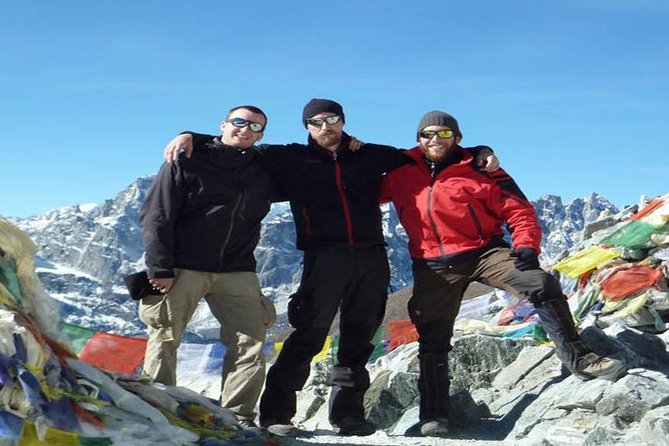
Big mountains demand patient feet. This Everest Base Camp Trek combines the famous Lukla flight, Sherpa villages, Namche Bazaar, Syangboche, Kalapatthar, and Everest Base Camp in one demanding Himalayan journey. I like the excellent guide support, with names such as Krishna, Shajan, Gelu Sherpa, Sagan Thapa, and Ngathe Sherpa praised for care and route experience. I also like the chance to walk at your own pace in a private group, rather than being folded into a large public tour.
The main consideration is altitude and stamina. You need a moderate level of physical fitness, and the route reaches above 5,000 meters. The advertised duration is about 14 days, while the description also refers to 15 days of trekking, so I would confirm the exact day-by-day schedule before paying.
Key Points at a Glance
- The Lukla flight is part of the adventure: You fly from Kathmandu to the mountain airstrip at Lukla, then begin walking toward Phakding.
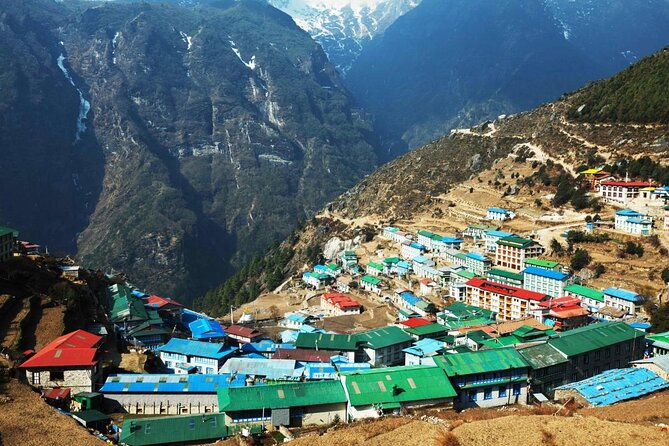
- Namche Bazaar is more than a rest stop: It is the main acclimatization point and a useful place to adjust to the rising altitude.
- Kalapatthar gives the classic Everest view: The route includes Kalapatthar and Everest Base Camp, two of the trek’s central goals.
- Sherpa culture is part of the route: The walk passes through the Khumbu region, where local hospitality is a major part of the experience.
- The price includes basic trek meals: Breakfast, lunch, and dinner are included, but meals in Kathmandu and several personal costs are extra.
- Guide care is a major strength: The company’s team has received repeated praise for safety, pacing, flexibility, and help at high altitude.
Why This Everest Trek Is Worth Considering
At $1,350 per person, this trek sits in a practical middle range for a guided Everest Base Camp trip, at least based on what is included. You receive breakfast, lunch, and dinner during the trek, support from guides and porters, the Lukla flight arrangement, and a private trip for your own group.
That price matters because Everest Base Camp is not a casual independent walk. You need help with route planning, baggage, changing weather, altitude concerns, and the sometimes awkward movement between Kathmandu, Lukla, and the mountain villages. The value here comes less from luxury and more from having a team that handles the difficult pieces.
Accommodation is described by one guest as three-star level, with a nicer hotel in Kathmandu after the trek. You should still expect a basic mountain trekking standard rather than polished resort comfort. Tea houses can be warm and comfortable, but facilities may be simple, and hot showers, battery charging, laundry, and drinks cost extra.
I also appreciate that the company provides a clothing and equipment list, down jackets, and down sleeping bags for its trips. That can reduce the cost of buying bulky cold-weather gear. You still need your own boots, day pack, clothing layers, water bottles, sunscreen, personal medication, and travel insurance.
More Everest Base Camp Treks in Kathmandu:
- Everest Base Camp Trek – 14 Days
★ 5.0 · 1,499 reviews - Everest Base Camp Trek
★ 5.0 · 842 reviews - Everest Base Camp Trekking
★ 5.0 · 485 reviews
From Kathmandu to Lukla: The Trek Starts in the Air
The first major moment is the scenic flight from Kathmandu to Lukla. Lukla is the gateway to the Everest region, and the flight puts you close to the walking route instead of requiring a long approach on foot.
The flight is exciting, but it is also weather dependent. Poor conditions can cancel or delay it. The stated policy offers either a different date or a full refund if the experience itself is canceled because of bad weather. That is useful protection, but it does not remove the need for flexibility in your wider Nepal plans.
After landing at Lukla, the route continues on foot toward Phakding. The description places the walk at around three hours. This opening section gives you time to get used to the rhythm of trekking, carrying a day pack, and walking on mountain paths.
The return flight from Lukla is included in the overall plan. Keep some patience in reserve, since mountain air travel can be affected by weather. The experience provider has also handled difficult travel changes, including flight cancellations and road problems, which suggests that flexibility from the local team is one of the trip’s practical strengths.
Phakding and the First Walk Along the Dudh Kosi
Phakding is the first overnight area named in the route. From there, the trail continues north through the Dudh Kosi valley toward Namche Bazaar.
This section helps you settle into the trek before the highest days arrive. You will be walking through mountain scenery, crossing the route toward the Khumbu, and beginning to see why the Everest region is so popular. The pace matters here. Walking too quickly at the start can make the later altitude gain harder.
The route is not presented as a technical mountaineering trip. It is a long, strenuous trek, and you need a reasonable fitness base. The important challenge is the combination of distance, uneven ground, cold, and thin air. Comfortable walking boots and good socks matter more than bringing too much fancy equipment.
Porter support is part of the arrangement, but the company sets a maximum allowance of 15 kilograms, or 33 pounds, for a porter’s load. That limit is a good practical rule. Pack carefully, keep your own day bag light, and do not assume a porter should carry every item you bring from home.
Namche Bazaar and the Acclimatization Day
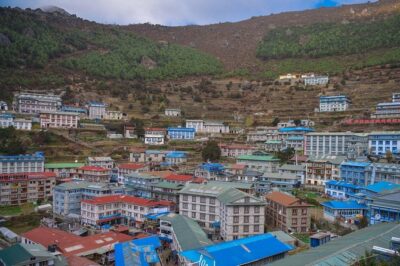
Namche Bazaar is one of the defining stops. It is a major settlement in the Khumbu and the place where the route pauses for acclimatization.
That rest day is not wasted time. You may be eager to keep walking, but your body needs a chance to adjust as you gain height. The program specifically includes a day in Namche, which is one reason the trek feels more carefully paced than a rushed high-altitude itinerary.
The route also names Syangboche, another important point near Namche. The itinerary refers to Syangboche Airport, although the details do not explain whether you visit the airstrip itself or use the name as a route marker. I would ask the operator exactly how this stop fits into your schedule.
Namche is also where the cultural side of the trip becomes easier to notice. You are not simply moving between viewpoints. You are passing through Sherpa communities, where local hospitality, mountain work, and daily life are part of the setting. The experience is strongest when you allow time to observe rather than treating every village as a quick photo stop.
A few more treks around Kathmandu worth a look
- Annapurna Circuit Trek with Tilicho Lake
★ 5.0 · 368 reviews - Everest Base Camp Trekking – 13 Day
★ 5.0 · 365 reviews - Everest Base Camp Trek
★ 5.0 · 350 reviews - Everest Base Camp Trek -14 Days
★ 5.0 · 321 reviews
Higher Into the Khumbu: Support Matters More
As the trek moves above Namche, the physical demands increase. Several people who completed the route singled out guide support when conditions became difficult, particularly above 5,000 meters.
That is where an experienced guide earns the fee. Krishna and Shajan were praised for helping when the walking became hard. Ngathe Sherpa was credited with keeping a group well cared for and coordinating the trek. Gelu Sherpa was described as friendly and helpful during a winter trip, while Sagan Thapa received especially strong praise for paying close attention to small needs, including difficulty eating at altitude.
Those details are more useful than general promises about service. At high altitude, you may feel tired, lose your appetite, or need a slower pace. A guide who notices those changes can make the difference between a difficult day and a dangerous one.
The trip is private, so only your group participates. That gives you more room to discuss pace and comfort with the guide. It does not mean the trek becomes easy. Your group still needs to move together and respect the planned acclimatization schedule.
Everest Base Camp and Kalapatthar
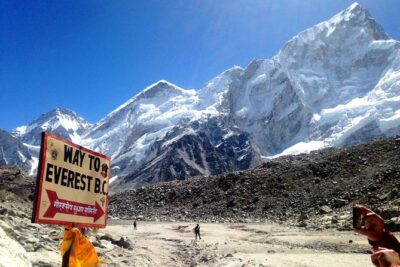
Everest Base Camp is the obvious target, but it is important to understand what the route offers. The itinerary includes both Everest Base Camp and Kalapatthar, giving you two different ways to experience the high mountain scenery.
Base Camp is the symbolic destination. Reaching it gives the trek its name and provides a powerful sense of arrival after days of walking. The route’s appeal comes from the journey as much as the endpoint: the high villages, changing views, Sherpa culture, and gradual movement into the Khumbu.
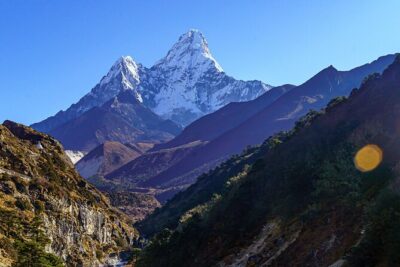
Kalapatthar is included for its broad views of Everest and nearby peaks. The description specifically highlights the views from this part of the route, and that is likely to be one of the visual high points of the trip. Bring a camera with spare batteries and memory cards, since cold temperatures and heavy use can shorten battery life.
The route is scenic, but it is not effortless. Above 5,000 meters, even a short walk can feel serious. You may need to move slowly, drink often, and rely on your guide’s judgment. Do not judge your progress by how quickly you walk at home.
Sherpa Culture and the Human Side of the Trek
The Everest region is not only a mountain-view destination. The program places real emphasis on Sherpa culture and the friendliness of local people.
You will spend time in villages and tea houses rather than moving through an empty wilderness. That makes the trip feel more connected to local life, even though the route is popular. Simple conversations, shared meals, and time with your guide can become as memorable as the views.
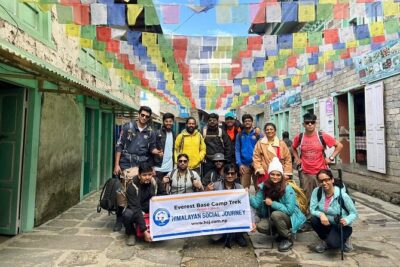
The guides are especially important here. Krishna was praised for his route knowledge and friendly manner, and one guest noted that he was also an excellent photographer. The company’s owner, Shankar, has been repeatedly credited with clear communication and practical help before and during trips.
The porter system also deserves respect. The 15-kilogram limit shows an effort to avoid excessive loads. You should still pack lightly and remember that porter support is not a reason to bring every comfort from home.
Food, Tea Houses, and What the Price Covers
Breakfast, lunch, and dinner are included in the trek package. That makes budgeting easier during the walking days, when you may not want to think about finding each meal separately.
Tea and coffee are not included. Kathmandu lunches and dinners are also excluded, along with personal expenses such as phone calls, laundry, hot showers, battery charging, bar bills, and extra porters. Keep cash available for these items, as well as tips for guides, drivers, and porters.
Tea house accommodation is described as comfortable and warm by one guest, while another described the overall lodging as three-star level. That gives you a reasonable expectation: practical rooms, shared or basic facilities, and a focus on shelter and food rather than luxury.
The company supplies a down jacket and down sleeping bag. You still need a waterproof jacket and trousers, warm layers, thermals, gloves, hat, head torch, sunglasses, sunscreen, water purification tablets, and a personal first-aid kit. Diamox is listed as optional, but any medication decision should be discussed with your doctor before the trip.
Packing for Cold, Wind, and Long Walking Days
Your day pack should hold warm clothing, a jacket, water bottles, camera equipment, snacks, and personal medication. The rest of your equipment goes into a duffel bag or larger backpack carried by a porter.
Useful items include:
- Walking boots with wool and liner socks
- Trekking trousers and waterproof trousers
- Long-sleeve shirts, fleece layers, and a down jacket
- Thermals for your upper and lower body
- Fleece gloves, warm mittens, and a wool or fleece hat
- Two wide-mouth water bottles
- A sleeping bag, provided by the company but worth confirming before departure
- Trekking poles and a head torch with spare batteries
- Toiletries, toilet paper, towel, and a personal first-aid kit
- Travel insurance documents and any required medication
Pack a small combination lock for your duffel bag. Bring casual clothes for Kathmandu and travel days, since you will not want to wear trekking gear everywhere.
How the Guiding Team Handles Problems
The strongest pattern in the feedback is not simply that the scenery is beautiful. It is that the local team responds when plans become difficult.
The company has dealt with canceled flights, health concerns, changing group needs, and major weather disruptions. One group needed changes after storms, floods, landslides, and difficult road conditions, and the team arranged housing and transport changes. That kind of local problem solving is valuable in Nepal, where a small transport delay can affect several days of a mountain itinerary.
Still, no guide can control the weather or guarantee a flight. You should build flexibility into your overall Nepal visit and avoid scheduling an important international departure immediately after the planned return from Lukla.
The private format helps. If someone in your group needs a slower pace or extra support, the guide team can respond more directly than a large fixed group might. The trip remains physically demanding, but the organization appears built around personal attention.
Who Should Book This Trek?
I would recommend this trip if you want the classic Everest Base Camp route with meals, porter support, guide assistance, and a private group. It suits people who are ready for sustained walking and who value local help more than luxury facilities.
It is a good match for a first Himalayan trek if you prepare properly and take the acclimatization days seriously. The equipment list is detailed, and the company supplies major cold-weather items, which makes preparation less confusing.
I would be more cautious if you dislike basic accommodation, need a fixed schedule, or have not prepared for long uphill walking. The experience requires physical effort and patience. It is also not the right choice if you expect every meal, drink, shower, and personal service to be included in the price.
Before booking, confirm three points: the exact number of days, how the Syangboche stop fits the route, and what happens if flights shift without the whole experience being canceled. Also confirm the current baggage arrangements and whether the supplied sleeping bag and down jacket match your size and warmth needs.
Final Verdict: A Strong Choice for a Supported EBC Trek
I would book this trek if I wanted a private Everest Base Camp experience with a strong local support team and a sensible focus on acclimatization. The best features are the Lukla flights, Namche rest day, Kalapatthar views, Sherpa contact, porter support, and guides who have shown care when people struggled.
The $1,350 price is appealing, but it is not an all-in holiday budget. Add insurance, tips, Kathmandu meals, drinks, hot showers, charging, laundry, personal gear, and a cash reserve for delays.
Choose it for the mountains and the people, not for comfort or rigid timing. If you arrive fit, pack wisely, respect the altitude, and accept that mountain weather has the final word, this can be a well-supported way to reach one of the world’s best-known trekking destinations.
FAQ
How long does the Everest Base Camp Trek take?
The tour is advertised as approximately 14 days. The description also refers to 15 days of trekking, so you should confirm the exact schedule with the provider before booking.
Where does the trek begin?
The experience begins in Kathmandu. You then take a scenic flight to Lukla, followed by a walk of around three hours to Phakding.
Is the Lukla flight included?
The route includes scenic flights to and from Lukla. Flights depend on suitable weather, and a weather cancellation may result in a different date or a full refund.
Are meals included during the trek?
Breakfast, lunch, and dinner are included. Lunch and dinner in Kathmandu are not included, and tea and coffee during the trek are also excluded.
What fitness level is required?
The experience requires a moderate level of physical fitness. The route reaches high altitude, including areas above 5,000 meters, and includes sustained mountain walking.
Is this a private tour?
Yes. Only your group participates in the activity. A guide and porter support the trek, with the porter baggage allowance limited to 15 kilograms, or 33 pounds.
Recently added around Kathmandu
- Ghorepani Poon Hill Trek★ 5.0 · 16 reviews
- Private Manaslu Circuit Trek at Himalayas★ 5.0 · 3 reviews
- Amazing 1 Day Trekking Experience in Kathmandu Nepal★ 5.0 · 24 reviews
- Ghorepani Poonhill Trek★ 5.0 · 5 reviews
- Upper Mustang Trekking★ 5.0 · 2 reviews
- Upper Mustang Trekking★ 5.0 · 4 reviews
- Upper Mustang Trek★ 5.0 · 5 reviews
- Upper Mustang Trekking★ 3.0 · 2 reviews
Everest Base Camp Treks, compared.
Browse the lists this tour appears in