
REVIEW · KATHMANDU
Everest Base Camp Trek
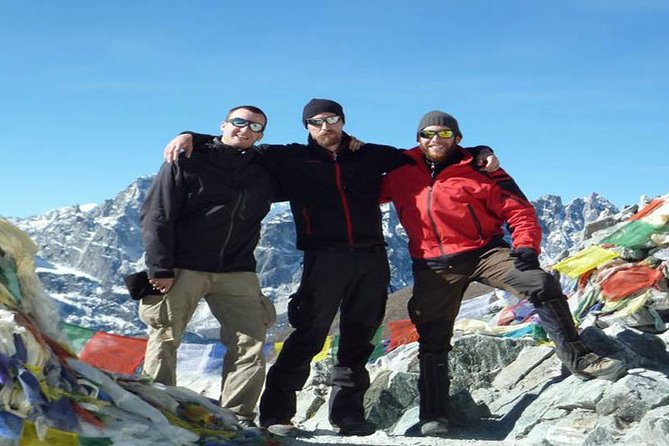
The trail earns every step. This 15-day Everest Base Camp Trek combines spectacular Himalayan views with Sherpa villages, monasteries, and a sunrise climb to Kala Patthar at 5,545 meters. I like that permits, meals, lodge stays, internal flights, and porter support are included. The main catch is altitude: this is a demanding walk, and mountain weather can disrupt the Lukla flights.
I also like the sensible acclimatization schedule, with rest days in Namche Bazaar and Dingboche. The small group, capped at 12 people, should make it easier to stay connected with the guide. Still, winter conditions can be brutally cold, and the non-refundable booking policy means you need insurance and firm plans before paying.
Key things to know before walking to Everest Base Camp
- Kala Patthar is the high point: At 5,545 meters, this sunrise hike provides the trek’s best stated viewpoint of Everest and the surrounding peaks.
- Two acclimatization days help: You spend extra time in Namche Bazaar and Dingboche instead of climbing higher every day.
- Lukla flights shape the schedule: The plan includes a buffer day because mountain weather can delay the flight back to Kathmandu.
- Porter support is shared: One porter is provided for every two trekkers, which reduces the load you carry yourself.
- The $1,800 price covers a lot: Flights, permits, meals, lodges, Kathmandu hotels, equipment, transport, and guide services are included.
- Winter demands serious preparation: The cold can be intense, even though clear days may offer excellent mountain views.
What this 15-day Everest Base Camp trip is really like
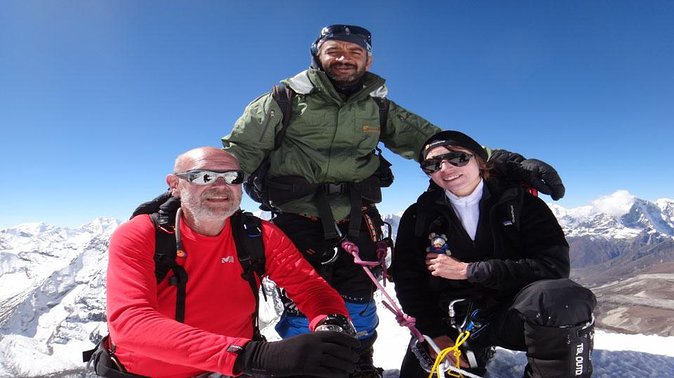
This is not a sightseeing tour with a few scenic walks. It is a sustained high-altitude trek, with long days on uneven trails and overnight stays in basic mountain lodges. You begin in Kathmandu, fly to Lukla, and work your way upward through the Khumbu region to Everest Base Camp at 5,364 meters.
The route also reaches Kala Patthar, which is higher than Base Camp and listed at 5,545 meters. That number matters. You need a reasonable level of fitness, patience with slow uphill walking, and the good sense to tell your guide when you feel unwell.
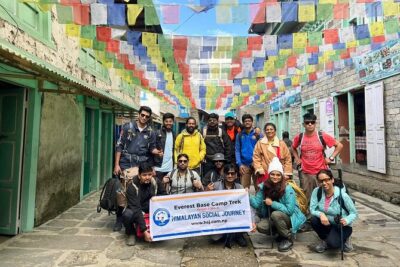
The trip is guided, and the group is limited to 12 people. That is a useful size for a route where the pace, weather, and altitude can affect every day. The package includes one porter for every two trekkers, so you will still carry a daypack, but your main load should not be on your back.
The strongest human touch comes from the guiding team. Krishna is specifically praised for handling the practical details during a winter trek, while Babu and his team are also singled out for making a couple’s trip feel well supported. Those comments point to the value of having local help when the cold, flights, meals, and lodge arrangements all need attention.
More Everest Base Camp Treks in Kathmandu:
- Everest Base Camp Trek – 14 Days
★ 5.0 · 1,499 reviews - Everest Base Camp Trek
★ 5.0 · 842 reviews - Everest Base Camp Trekking
★ 5.0 · 485 reviews
Kathmandu arrival and the early flight to Lukla
Day one is deliberately gentle. You arrive at Tribhuvan International Airport, meet a representative, transfer to your Kathmandu hotel, and rest. Later, you meet the guide for a briefing.
That first night is more important than it sounds. You are not rushing straight from an international flight into a hard mountain day. You have time to organize your kit, ask questions, and get ready for the early departure.
On day two, the flight to Lukla is the gateway to the trail. The plan starts early, with Himalayan views during the flight, then continues on foot toward Phakding. The walking begins with an easier three-hour day, descending through Sherpa villages and passing mani walls and prayer wheels.
Phakding is a sensible first stop because the trek begins gradually rather than throwing you into a long climb. Even so, you should expect the day to feel active after the flight and airport transfer. Keep your daypack light and your walking poles handy.
Namche Bazaar and the first real altitude test
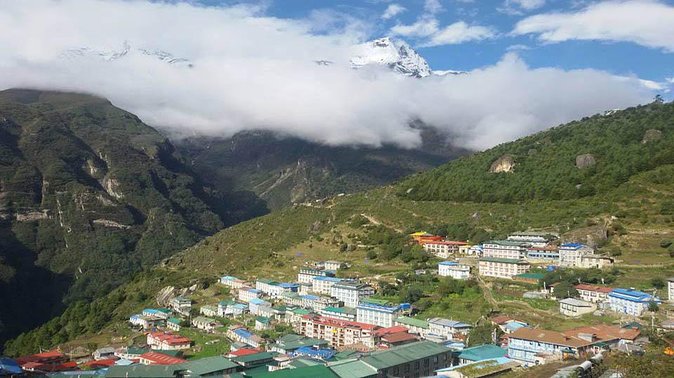
Day three follows the Dudh Koshi River for about six hours. You cross suspension bridges decorated with prayer flags, pass through pine forest and traditional villages, and enter Sagarmatha National Park, a UNESCO World Heritage site.
The park is not simply a scenic backdrop. It marks the beginning of a protected mountain region where the trail, villages, monasteries, wildlife, and peaks all form part of the experience. The route into Namche Bazaar also signals a change in effort, with more sustained climbing than on the first day.
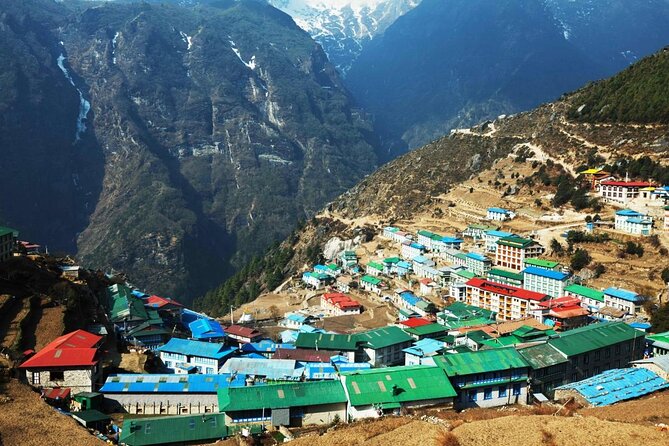
Day four is an acclimatization day in Namche. You can explore the market, visit local bakeries and the Sherpa Museum, or take a shorter walk toward the Everest View Hotel or Khumjung village. The listed hike lasts about four hours.
This is one of the smartest parts of the schedule. Resting at the same sleeping altitude while taking a moderate walk gives you time to adjust without wasting a day. Namche is also more than a place to sleep. Its market and museum offer a useful introduction to Sherpa life before the trail becomes quieter and more severe.
Tengboche and the route through Sherpa country
The sixth day of the trip, day five on the trail, leads from Namche to Tengboche in about six hours. The trail rises out of Namche with views of Everest, Lhotse, and Ama Dablam, then passes through rhododendron and pine forest before dropping toward the Dudh Koshi River.
A suspension bridge brings you onward to Tengboche. The monastery is the main cultural draw here, and the stop gives the trek a welcome change of pace. You are not only counting kilometers and altitude. You are passing through places where prayer wheels, mani walls, villages, and monasteries remain part of daily life.
Day six continues to Dingboche. You descend through forest to Debuche, cross the Imja Khola, and climb past Pangboche, described as the highest permanent settlement in the region. The views remain a major reward, but the air is becoming thinner and the trail more demanding.
At this stage, the walking may feel less like a holiday stroll and more like a steady test of pacing. The best approach is simple: walk slowly, drink regularly, and let the guide set a manageable rhythm.
A few more treks around Kathmandu worth a look
- Annapurna Circuit Trek with Tilicho Lake
★ 5.0 · 368 reviews - Everest Base Camp Trekking – 13 Day
★ 5.0 · 365 reviews - Everest Base Camp Trek
★ 5.0 · 350 reviews - Everest Base Camp Trek -14 Days
★ 5.0 · 321 reviews
Dingboche offers the second acclimatization day
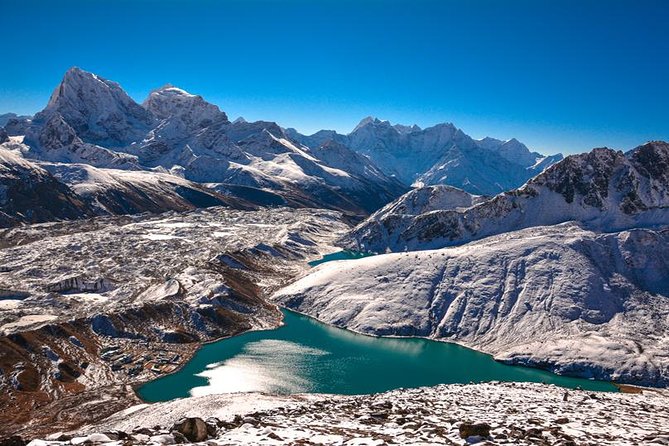
Day seven is another acclimatization day in Dingboche. The planned hike reaches Nagarjun Hill at 5,100 meters, with views toward Makalu, Lhotse, and Island Peak before returning to Dingboche for lunch and rest.
This is a high acclimatization walk, not a day off. You gain altitude during the hike, then return to sleep in Dingboche. The purpose is to expose your body to higher elevation without moving your overnight base too far upward.
You should treat this day with respect. A shorter outing may be wiser if you feel poorly, and the guide’s judgment matters here. The tour is designed to help with altitude, but no schedule can remove the risk entirely.
Lobuche, the memorial ridge, and the approach to Base Camp
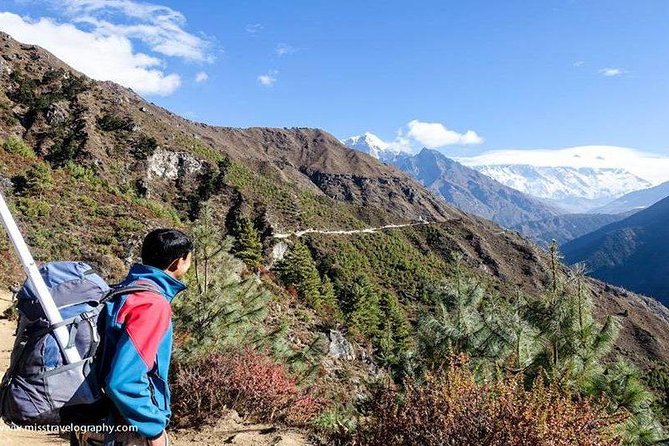
Day eight takes you from Dingboche to Lobuche in roughly five hours. Vegetation becomes sparse as the trail climbs through rocky ground toward Dughla.
Above Dughla, the memorial ridge honors climbers who died on Everest. This is one of the most moving parts of the route because the mountain stops being only a beautiful view. The memorials remind you that high-altitude climbing carries real danger, even for strong and experienced people.
From there, you continue along the moraine toward Lobuche. The walk is shorter by clock time than several earlier days, but the altitude makes every uphill section harder. At this point, conserving energy is more useful than trying to race ahead.
Everest Base Camp from Gorak Shep
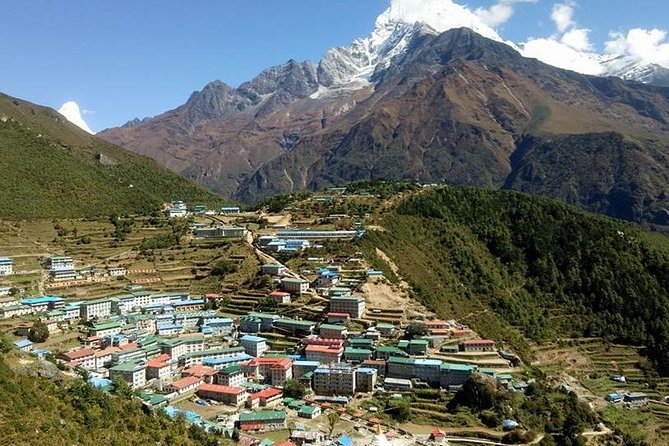
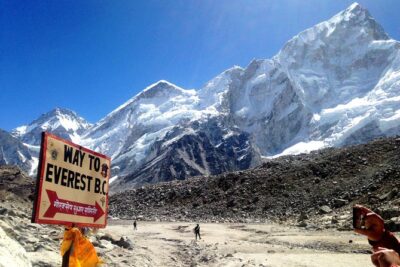
Day nine begins with a gradual trek to Gorak Shep, the final settlement before Base Camp. After lunch, you cross rocky ground and glacier moraines on the way to Everest Base Camp at 5,364 meters. The day is listed at about seven hours.
The arrival is a major goal, but you should set your expectations correctly. Base Camp is famous because expeditions begin there, yet the finest broad view of Everest on this route comes from Kala Patthar. At Base Camp, the reward is the meaning of the place, the moraine, the glacier setting, and the sense that you have reached the foot of the world’s highest mountain.
The surface is rocky, and the altitude is serious. You may be tired by the time you reach the destination, so the return to Gorak Shep is part of the same demanding day. Keep enough water and warm clothing close at hand.
Sunrise at Kala Patthar, then the long return
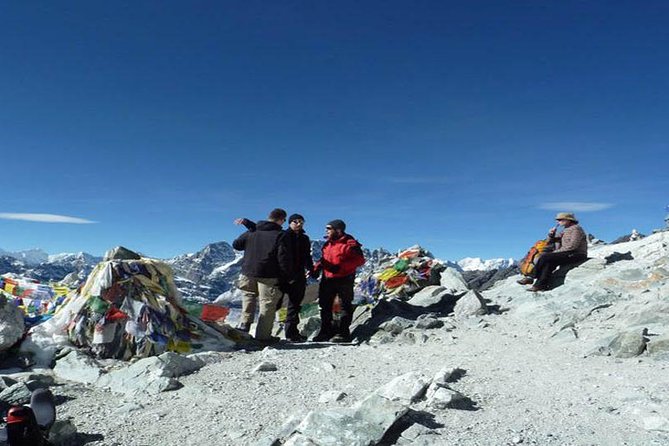
Day ten begins early with the steep climb to Kala Patthar. The goal is sunrise, when Everest and the surrounding Himalayan peaks are presented in their clearest, most dramatic setting according to the trip plan.
At 5,545 meters, this is the highest point of the trek. It is also likely to be the coldest morning, so gloves, warm layers, and a headlamp are especially important. After the viewpoint, you descend to Gorak Shep for breakfast, then continue down to Pheriche.
The day is listed at seven hours, and the descent is not effortless. Going downhill reduces the altitude but can be hard on tired knees. Still, reaching Pheriche is a psychological turning point. You are no longer climbing toward the main objective.
Returning through Namche and Lukla
Day eleven returns to Namche Bazaar via Pangboche and Tengboche. The seven-hour route follows familiar ground, but the views can feel different in the opposite direction. You descend through forest, cross suspension bridges, and pass back through the Dudh Koshi corridor.
Day twelve is the final trekking day. You continue downhill through pine forest and across high suspension bridges before reaching Lukla. The listed walking time is about seven hours.
A final trail day can be surprisingly emotional. You have spent nearly two weeks moving on foot, and Lukla marks the end of that rhythm. It is also a useful reminder that the trek is not finished until you are back in Kathmandu, since the return flight depends on weather.
Why the buffer day matters
Day thirteen includes the morning flight from Lukla to Kathmandu, listed at about 45 minutes, followed by a hotel transfer and rest. Day fourteen is held as a buffer in case bad mountain weather delays or cancels the Lukla flight.
That extra day is one of the most practical features of the plan. Flights in and out of Lukla are vulnerable to changing conditions, and a schedule with no spare time can create trouble for an international departure. If the flight runs on time, you can use the day to rest in Kathmandu.
Day fifteen brings the airport transfer for your onward flight. The package includes three nights in a Kathmandu hotel, which gives you a softer landing at the start and a place to recover after the trek.
What the $1,800 price includes
At $1,800 per person, the price is easier to judge when you look at the pieces. It includes:
- Kathmandu to Lukla and return flights
- Three nights in a Kathmandu hotel
- Eleven nights in trekking lodges
- Breakfast, lunch, and dinner during the trek
- A guide and one porter for every two trekkers
- Necessary trekking permits and Sagarmatha conservation fees
- Ground transportation
- Sleeping bag, duffel bag, and walking pole
That is a substantial package for a 15-day high-altitude trip. The internal flights alone are important to the route, while permits, porters, meals, and lodge accommodation can be awkward to arrange separately.
The meal information has a small inconsistency: the package says three meals a day, while the detailed count lists 11 lunches, 12 dinners, and 14 breakfasts. Ask the operator to confirm exactly which meals are covered on arrival, departure, and flight days before you pay.
International airfare, the Nepal visa fee, personal travel insurance, and tips for the guide and porter are extra. Insurance is not a place to cut corners. The trip reaches a very high altitude and includes flights that can be delayed by weather.
Cold weather, fitness, and what to pack
The tour calls for moderate physical fitness, but that phrase should not be read as easy. You will walk for up to seven hours on several days, climb to 5,545 meters, and sleep in mountain lodges for 11 nights.
Winter can be especially severe. One account describes the cold as extreme but the scenery as beautiful, while another praises Krishna for managing the details despite subzero conditions. If you go in winter, prioritize warm clothing, gloves, a hat, layered clothing, and a reliable sleeping setup.
The provided equipment includes a sleeping bag, duffel bag, and walking pole. You should still confirm the sleeping bag’s temperature rating and ask what you need to supply yourself. Your daypack should hold water, warm layers, personal medication, sun protection, and any documents you need during the trek.
Small-group support and practical booking notes
A maximum of 12 people is a reasonable group size for this route. It is small enough for a guide to keep track of the group, yet large enough that you are not walking alone if someone needs a slower pace.
Pickup is offered, and the stated meeting point is Tribhuvan International Airport in Kathmandu at 7:15 am. Confirmation is provided at booking. Because the experience is non-refundable and cannot be changed for any reason, do not book until your international flights, insurance, and available time are secure.
The main question is not only if you can afford $1,800. It is also if you value having the major arrangements handled by one local company. For a first visit to the Everest region, that convenience can be worth a great deal.
Should you book this Everest Base Camp trek?
I would consider this a strong choice for you if you want a guided route with meals, lodges, flights, permits, porter help, and acclimatization days built into one price. The best features are the sensible two-stage altitude plan, the small maximum group, the Kala Patthar sunrise, and the weather buffer in Kathmandu.
I would hesitate if you dislike long walking days, cold lodge stays, uncertain flight timing, or strict booking conditions. You also need to confirm the meal count and equipment details before committing.
For a fit, prepared trekker who wants local support rather than a do-it-yourself puzzle, this package offers good value. Go for the mountain views, stay for the Sherpa villages and monasteries, and give yourself enough time to walk slowly. At this altitude, patience is not a weakness. It is part of the equipment.
FAQ
How long does the Everest Base Camp Trek last?
The planned duration is approximately 15 days, including trekking days, acclimatization days, Kathmandu hotel stays, and a buffer day for possible Lukla flight delays.
What is the highest point on the trek?
The highest point is Kala Patthar, listed at 5,545 meters. Everest Base Camp is listed at 5,364 meters.
Are meals included?
Yes. The package states that breakfast, lunch, and dinner are included during the trek. The detailed meal count lists 11 lunches, 12 dinners, and 14 breakfasts, so confirm the exact coverage for each day.
Are flights between Kathmandu and Lukla included?
Yes. The package includes the Kathmandu to Lukla flight and the return flight from Lukla to Kathmandu.
Is accommodation included?
Yes. The package includes three nights in a Kathmandu hotel and 11 nights in trekking lodges.
Is a porter included?
Yes. One porter is provided for every two trekkers.
What is the group size?
The maximum group size is 12 people.
What expenses are not included?
International airfare, the Nepal visa fee, personal travel insurance, and tips for the guide and porter are not included.
Recently added around Kathmandu
- Ghorepani Poon Hill Trek★ 5.0 · 16 reviews
- Private Manaslu Circuit Trek at Himalayas★ 5.0 · 3 reviews
- Amazing 1 Day Trekking Experience in Kathmandu Nepal★ 5.0 · 24 reviews
- Ghorepani Poonhill Trek★ 5.0 · 5 reviews
- Upper Mustang Trekking★ 5.0 · 2 reviews
- Upper Mustang Trekking★ 3.0 · 2 reviews
- Upper Mustang Trekking★ 5.0 · 4 reviews
- Upper Mustang Trek★ 5.0 · 5 reviews
Everest Base Camp Treks, compared.




Browse the lists this tour appears in