
REVIEW · KATHMANDU
Everest Base Camp Trek 14 Days
The Himalayas demand patience, not bravado. This 14-day Everest Base Camp trek gives you a carefully paced route through the Khumbu Valley, beginning in Kathmandu and flying to Lukla before walking through Phakding, Namche Bazaar, Tengboche, Dingboche, Lobuche, Gorakshep, and Everest Base Camp.
I like the two planned acclimatization days, one in Namche Bazaar and another in Dingboche. I also like that the $1,800 price includes Lukla flights, permits, meals, a guide, and porter support. The main concern is the altitude and physical demand. You need moderate fitness, and trekking gear, tips, and personal costs are extra.
The private format is useful if you want your own group rather than a large mixed party. Guide support is a major part of the value. Feedback specifically praises Hari Bhatta for creating a sense of security and highlights Pasang and porter Ram for their kindness and help. Still, the high mountains set the rules. Weather can delay flights, and no schedule can remove the risk of altitude sickness.
Key points before you book
- Lukla flights are included: Airport transfers and flights to and from Lukla are covered in the price.
- Two acclimatization stops: Rest days in Namche Bazaar and Dingboche help break up the climb.
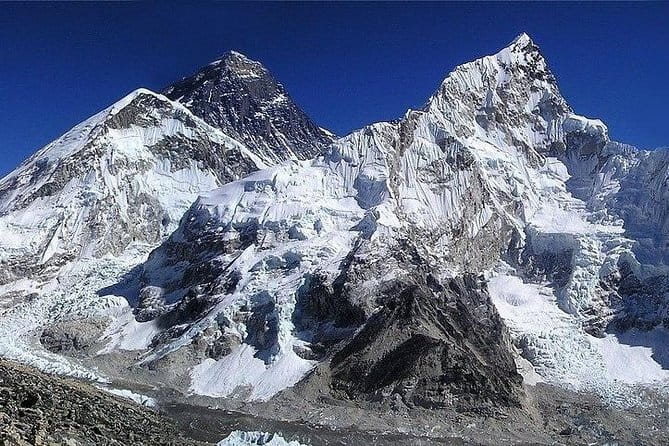
- Everest Base Camp and Kala Patthar: You reach Base Camp, then rise early for a sunrise view from Kala Patthar.
- Guide and porter support: An English-speaking guide is included, with one porter shared between two people.
- Meals are partly covered: Breakfast is provided for 13 days, with 11 lunches and 11 dinners included.
- Private group format: Only your own group takes part, with group discounts available.
What the $1,800 price really covers
At $1,800 per person, this trek is not simply a walking package. The cost includes airport pickup and drop-off, flights between Kathmandu and Lukla, trekking permits, government and local taxes, an English-speaking professional guide, and a porter shared by two guests.
Meals are also included for much of the trip. You receive 13 breakfasts, 11 lunches, and 11 dinners. That reduces the daily cash you need on the trail, although you should still budget for personal expenses, tips, and anything outside the listed inclusions.
The biggest value comes from the logistics. The route reaches remote mountain areas, and the Lukla flight is an important part of the trip. Having the flights, permits, and local support arranged can save you considerable planning time.
The price does not include trekking gear. That is important. You need to sort out suitable clothing and equipment before departure, and the package does not cover personal purchases or gratuities. Since the exact accommodation standard is not described, I would ask the provider what type of room and meal setup you should expect at each overnight stop.
The tour is offered by Everest Glacier Trek Pvt Ltd. Booking confirmation is provided at the time of reservation, and free cancellation is available up to 24 hours before the scheduled start. If bad weather cancels the experience, you can receive a new date or a full refund.
More Everest Base Camp Treks in Kathmandu:
- Everest Base Camp Trek – 14 Days
★ 5.0 · 1,499 reviews - Everest Base Camp Trek
★ 5.0 · 842 reviews - Everest Base Camp Trekking
★ 5.0 · 485 reviews
Days 1 and 2: Kathmandu to Phakding by way of Lukla
Your first day begins in Kathmandu, Nepal’s capital. Airport transfer and hotel arrival are planned, leaving time to rest and prepare. The schedule allows about six hours for this opening day, though much of that depends on your arrival time and transfer arrangements.
Day two starts early with the flight to Lukla. Lukla is the gateway to the Everest region, and from there you begin walking toward Phakding. The listed walking time is about eight hours, including an initial hour around Lukla.
This first walking day introduces the rhythm of the trip. You pass through villages, forests, suspension bridges, and mountain scenery. Phakding is not the main prize, but it gives you a manageable start before the larger altitude gains ahead.
You should pay attention to how your body feels here. The route is already active, and the next days become harder. Keep your day pack light, drink regularly, and avoid treating the early stages as a race.
Days 3 and 4: Namche Bazaar and the first rest day
The walk from Phakding to Namche Bazaar takes about eight hours. This is one of the key stages because Namche is the main Sherpa trading center on the route and your first major high-altitude stop.
The route passes through villages and mountain scenery, with views toward Everest and surrounding peaks. Namche has colorful shops and places to walk, giving you a welcome change from the quieter trail.
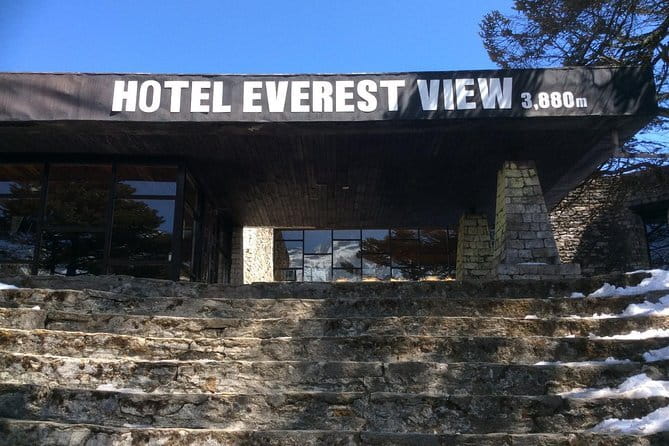
Day four is set aside for acclimatization. You visit Everest View Point and the Everest View Hotel for broad mountain views before returning to Namche for the night. The schedule gives one hour to the viewpoint stop and about eight hours overall in Namche, so the exact walking and rest pattern should be confirmed with your guide.
This rest day is not wasted time. It helps your body adjust before the trail rises higher. You can explore the town, take a short walk, and enjoy the scenery without pushing toward the next overnight stop. I especially like this pause because many rushed mountain programs try to cut rest days first.
Days 5 and 6: Tengboche monastery and Dingboche
From Namche, you walk toward Tengboche, with about eight hours scheduled. Tengboche is known for its monastery and its mountain setting. The stop combines cultural interest with scenery, which makes it more rewarding than a simple overnight halt.
The monastery gives you a chance to see an important part of Sherpa culture during the trek. The surrounding peaks provide a strong visual change as the route moves farther into the high country.
Day six continues to Dingboche. The trail passes alpine forest and open pastures where yaks graze. Ama Dablam and other high peaks form the backdrop. The eight-hour walking day is a serious effort, especially as the air becomes thinner.
Dingboche is another useful base. The village marks a higher stage of the route, and the following rest day is essential rather than optional in spirit. You will want warm clothing, a steady pace, and enough time to recover each evening.
A few more treks around Kathmandu worth a look
- Annapurna Circuit Trek with Tilicho Lake
★ 5.0 · 368 reviews - Everest Base Camp Trekking – 13 Day
★ 5.0 · 365 reviews - Everest Base Camp Trek
★ 5.0 · 350 reviews - Everest Base Camp Trek -14 Days
★ 5.0 · 321 reviews
Day 7: A second acclimatization day in Dingboche
The plan gives a full day in Dingboche for altitude adjustment. You can take short hikes in the nearby hills or rest while taking in the mountain views.
The schedule lists 14 hours for this day, which appears to describe the full day rather than 14 hours of walking. Ask the operator how the day is organized, since the written plan does not specify a detailed walking distance or start time.
This is another strong feature of the trip. The route does not simply send you uphill every day. You get time to adjust before Lobuche, Gorakshep, and Base Camp. That pacing makes the trip more practical for people with a moderate fitness level, though it does not make the trek easy.
Days 8 and 9: Lobuche, Gorakshep, and Everest Base Camp
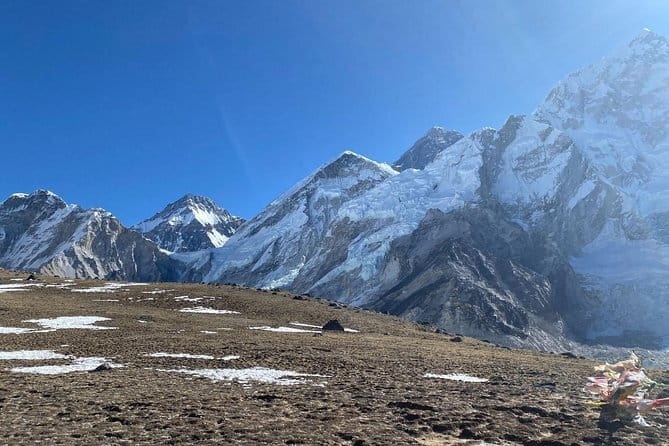
From Dingboche, you walk to Lobuche in about eight hours. The route follows the Khumbu Glacier and offers wide views of Everest and neighboring peaks. The scenery becomes more severe and rocky as you move beyond the lower forests and pastures.
Lobuche is a staging point for the biggest goal of the trip. You should expect this section to feel demanding, both because of the distance and because of the altitude.
Day nine takes you from Lobuche to Gorakshep, then onward to Everest Base Camp. The schedule gives about eight hours for the main day and one hour for the Base Camp stop. You cross rough ground beside the Khumbu Glacier before reaching the famous camp area.
Everest Base Camp is a powerful destination, but it is not a summit. The value is in reaching the point used by climbers and seeing the glacier and huge peaks around it. Conditions can be rocky and tiring, so sturdy trekking gear matters.
You return to Gorakshep for the night. This out-and-back design lets you reach Base Camp without carrying your full overnight load there. Your porter arrangement becomes useful at this stage, with one porter serving two guests.
Day 10: Kala Patthar at sunrise and the descent to Pheriche
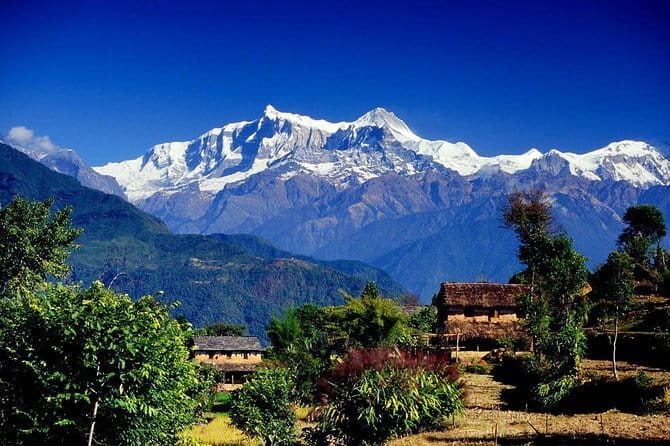
The early hike to Kala Patthar is one of the trip’s best moments. You climb before sunrise for views of Everest and nearby peaks in the morning light.
The schedule lists one hour for the Kala Patthar stop, followed by about eight hours down to Pheriche. The early start means you should be ready for cold conditions and a demanding morning, even though the viewing stop itself is brief.
After Kala Patthar, the route descends to Pheriche. Going downhill is usually easier on breathing, but it can still tire your legs after the high-altitude push. Pheriche gives you a chance to rest before the longer return through Namche and Lukla.
Days 11 and 12: Returning through Namche to Lukla
Day eleven takes you from Pheriche back to Namche Bazaar, with about eight hours planned. You retrace part of the route, passing through mountain scenery and villages you saw on the way up.
The downhill direction changes the feel of the walk. You can move more freely, but long descents can be hard on knees and ankles. Trekking poles may be useful, though gear is not supplied by the tour.
Day twelve continues from Namche to Lukla. This is another eight-hour walking day through forests and villages. Reaching Lukla marks the end of the walking portion, and you can celebrate completing the route before the flight back to Kathmandu.
The plan does not mention a spare weather day. That matters because mountain flights can be affected by conditions. You should avoid scheduling an important international connection too close to the planned return from Lukla.
Days 13 and 14: Flight back to Kathmandu and departure
Day thirteen includes the flight from Lukla to Kathmandu and transfer to your hotel. The schedule allows 14 hours for the day, which suggests a long travel window, though actual flight timing can vary.
Once back in Kathmandu, the rest of the day is free. That gives you time to rest and think over the trek rather than rushing straight into another activity.
Day fourteen ends with transfer to the international airport. The listed duration is six hours, likely allowing time for the transfer and departure process. Confirm your pickup time in advance, especially if your flight is early.
Guides, porters, and the private format
The package includes an English-speaking professional guide and one porter for every two guests. That arrangement keeps your personal load lighter while avoiding the cost of a porter for each individual.
The strongest personal detail attached to this experience is the praise for guide Hari Bhatta, who is credited with giving a strong sense of security and handling arrangements through useful local contacts. Another account names guide Pasang and porter Ram, with specific praise for their kindness and help.
Those names are useful when you book. Ask the company who will guide your group, how bags are divided between two guests, and what weight limits apply. The package confirms porter support, but it does not state a baggage allowance.
Because this is a private activity, only your group participates. That can make the pace and daily decisions more personal than a large group trek. It also means your group should be comfortable discussing rest stops, walking speed, and how to handle tired days.
Who should book this Everest trek?
This trek suits you if you want the classic Everest Base Camp route with major logistics arranged. It is a good fit for someone who has moderate fitness, accepts long walking days, and wants both Base Camp and Kala Patthar.
It also suits you if you value local support. The guide, porter, permits, meals, and Lukla flights reduce the number of details you must organize yourself.
I would hesitate if you dislike early starts, rough terrain, high altitude, or uncertain flight timing. I would also hesitate if you expect trekking gear to be included or want a luxury accommodation specification before booking. Ask those questions first.
FAQ
How long is the Everest Base Camp trek?
The experience lasts approximately 14 days, including arrival and departure days in Kathmandu, the Lukla flights, the trek, and the return transfer.
Where does the trek begin?
It begins in Kathmandu, followed by an early morning flight to Lukla. The walking route starts from Lukla toward Phakding.
Are flights to and from Lukla included?
Yes. Airport transfers and flight tickets to and from Lukla are included.
Are meals included?
Yes. The package includes 13 breakfasts, 11 lunches, and 11 dinners.
Are permits and taxes included?
Yes. Trekking permits, government taxes, and local taxes are included.
Is a guide provided?
Yes. An English-speaking professional guide is included.
Is porter support included?
Yes. One porter is provided for every two guests.
What happens if bad weather cancels the experience?
You can receive a different date or a full refund if poor weather causes the experience to be canceled. You can also cancel for a full refund up to 24 hours before the scheduled start time.
Should you book it?
I would book this trek if you want a classic Everest Base Camp route with the main logistics bundled into one price. The two acclimatization days, private group format, guide support, and included Lukla flights make the $1,800 cost reasonable for a supported high-altitude trek.
Before paying, confirm the accommodation standard, porter baggage limit, assigned guide, and how the 14-hour Dingboche and Kathmandu days are counted. If you are prepared for altitude, long walking days, uncertain mountain weather, and extra gear costs, this is a solid route to the world’s best-known base camp.
Recently added around Kathmandu
- Ghorepani Poon Hill Trek★ 5.0 · 16 reviews
- Private Manaslu Circuit Trek at Himalayas★ 5.0 · 3 reviews
- Amazing 1 Day Trekking Experience in Kathmandu Nepal★ 5.0 · 24 reviews
- Ghorepani Poonhill Trek★ 5.0 · 5 reviews
- Upper Mustang Trekking★ 5.0 · 2 reviews
- Upper Mustang Trekking★ 5.0 · 4 reviews
- Upper Mustang Trek★ 5.0 · 5 reviews
- Upper Mustang Trekking★ 3.0 · 2 reviews
Everest Base Camp Treks, compared.






Browse the lists this tour appears in