
REVIEW · KATHMANDU
Everest Base Camp Trek
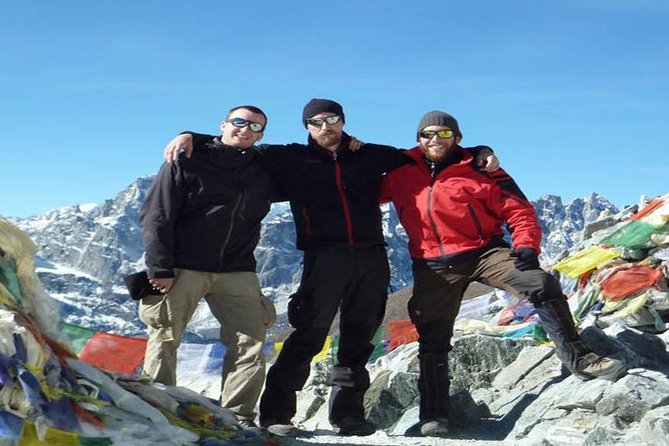
The world’s highest mountains reward patience. This 14-day Everest Base Camp Trek combines a short Himalayan flight, Sherpa villages, Buddhist monasteries, Sagarmatha National Park, and the long walk to Everest Base Camp for $1,300. I like the careful acclimatization plan, especially the extra day in Namche Bazaar and the second night in Dingboche. I also like that airport transfers, flights, Kathmandu lodging, meals, and taxes are included.
The main catch is that this is a serious high-altitude trek, not a sightseeing stroll. Weather can cancel Lukla flights, and the route reaches Kala Patthar at about 5,550 meters. You need moderate physical fitness, patience with changing plans, and enough energy for several six-hour walking days.
Key points at a glance
- A real Himalayan trek in 14 days: You walk from Lukla through Phakding, Namche Bazaar, Tengboche, Dingboche, Lobuche, Gorak Shep, and Everest Base Camp.
- Two acclimatization stops: A Namche Bazaar rest day and a Dingboche rest day give your body time to adjust to altitude.
- Kala Patthar is the big view: The early climb offers sunrise views toward Everest, Pumori, Nuptse, and surrounding peaks.
- Small group size: The maximum group size is eight people, which should make pace and guide support easier to manage.
- Weather controls the schedule: Lukla flights can be delayed or canceled, with Ramechhap sometimes used during the busy season.
- Strong guide support: Past guests singled out guides and staff including Ram, Prakash, Bishnu, Rajesh, Tilak, Binode, Sanjay, and Gore for encouragement and practical help.
What the $1,300 package really covers
At $1,300, this trek offers solid value if you want the main logistics arranged in advance. The package includes airport pickup and final departure transfer, all fees and taxes, flights between Kathmandu or Ramechhap and Lukla, guide airfare, two nights in Kathmandu with breakfast, 13 breakfasts, 11 lunches, and 11 dinners.
That list matters because the trek involves several moving parts. You are not simply paying for a guide and a walk. The operator handles the mountain flight tickets, airport transfers, and the initial Kathmandu hotel stay. Those details can become a headache when weather changes the flight plan.
The package does not include personal expenses, drinks, alcohol, or tips for the guide and porter. It is also important to ask exactly what mountain lodging is included before you pay, since the supplied details clearly mention Kathmandu accommodation but do not spell out the tea house or lodge cost for every trekking night.
The flights are the biggest scheduling wildcard. In the busy season, you may be driven to Ramechhap Airport before flying to Lukla because of air traffic at Kathmandu’s airport. That adds road time and can make an already early start even earlier. Build some flexibility into your wider Nepal plans, especially after the trek.
More Everest Base Camp Treks in Kathmandu:
- Everest Base Camp Trek – 14 Days
★ 5.0 · 1,499 reviews - Everest Base Camp Trek
★ 5.0 · 842 reviews - Everest Base Camp Trekking
★ 5.0 · 485 reviews
Day 1: Kathmandu and a practical start
Your first day begins with an airport pickup and a drive to a hotel near Thamel. The stated schedule allows about an hour for this arrival transfer, followed by a pre-trek meeting and preparation for the next morning.
This is useful rather than decorative. You can meet the team, check the plan, and ask final questions before heading into the mountains. Since the package includes two Kathmandu nights, you also have a place to recover after flying in and again after returning from the Khumbu region.
Thamel is a convenient base for an arrival day, though the provided details do not promise a particular hotel beyond Hotel Kailash Kutee or a similar category. Keep the first day light. The trekking itinerary starts early.
Day 2: Lukla flight and the walk to Phakding
The flight from Kathmandu or Ramechhap to Lukla takes about 40 minutes, though the schedule depends on weather and local operating conditions. The aerial views are a major part of the opening act, but you should be ready for delays or cancellations.
After landing, the trek begins with a walk toward Phakding. The listed walking time is about three hours, making this a relatively gentle introduction compared with the days ahead. You can use the remaining time to look around the community before spending the night.
This short first walk is helpful. You begin at a manageable pace instead of starting with a punishing climb. Still, the route is already in the Himalayas, so take your first day seriously. Eat, drink, and save your strength.
Day 3: Phakding to Namche Bazaar
The walk to Namche Bazaar takes about six hours and follows the western banks of the Dudh Koshi. You cross small suspension bridges and pass through Monjo before the route begins to feel more demanding.
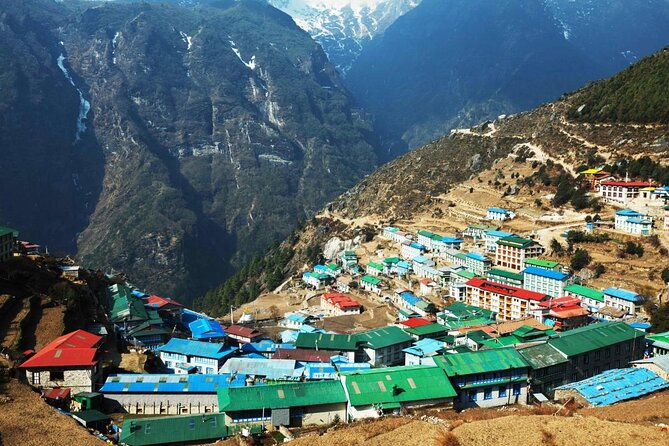
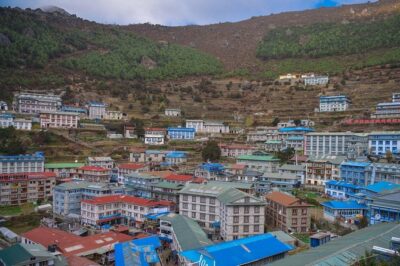
Namche Bazaar is the gateway to the Everest region and a cultural center for the Sherpa community. It is one of the most memorable stops because it feels like a real mountain settlement rather than a simple overnight camp. The route also enters Sagarmatha National Park around this part of the journey.
You should expect this day to test your legs. The distance may not sound extreme, but the rising altitude changes the effort. Walk slowly, keep your breathing steady, and do not race stronger members of the group.
A few more treks around Kathmandu worth a look
- Annapurna Circuit Trek with Tilicho Lake
★ 5.0 · 368 reviews - Everest Base Camp Trekking – 13 Day
★ 5.0 · 365 reviews - Everest Base Camp Trek
★ 5.0 · 350 reviews - Everest Base Camp Trek -14 Days
★ 5.0 · 321 reviews
Day 4: Namche acclimatization and Everest View Point
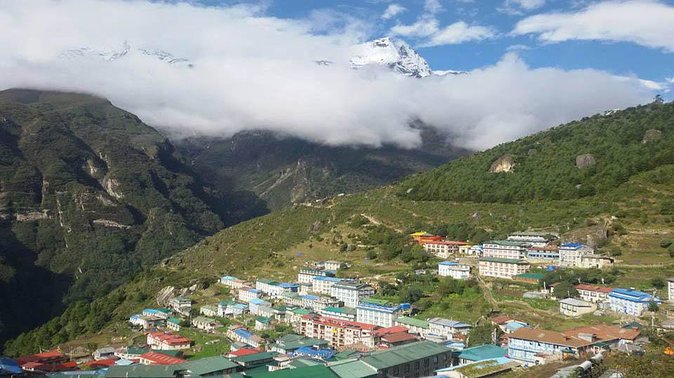
The rest day in Namche is one of the smartest parts of the itinerary. Instead of gaining height every day, you spend time adjusting at about 3,440 meters.
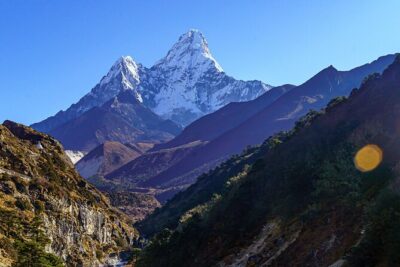
The planned outing includes an Everest View Point, with about two hours of activity. The high-positioned Hotel Everest View is noted for broad views across the mountain range, including Everest and Ama Dablam. You may also visit the Sherpa Museum, which connects local culture with the history of mountaineering in the region.
I like this day because it gives you something to do without pretending that altitude is a minor detail. You are still walking, still seeing the area, and still building your body’s tolerance. The one limitation is that a rest day at altitude is not the same as lounging at sea level. Take it easy.
Day 5: Namche to Tengboche
The route leaves Namche on a high trail above the Dudh Koshi and heads toward Tengboche. The walk takes about five hours, with views of Everest, Nuptse, Lhotse, Thamserku, Kwangde, and other peaks.
Tengboche is special for its monastery and quiet setting. The Buddhist monastery gives the route a cultural center, not just another mountain stop. The peaceful atmosphere can feel especially welcome after the tougher walk from Phakding to Namche.
This is also a day when weather and visibility can change the experience. Clear skies may give you a long list of famous peaks. Cloud can hide much of the view. Either way, the monastery and the mountain setting make the stop worthwhile.
Day 6: Tengboche to Dingboche
The trail passes through rhododendron forests and meadows, with a visit near the Buddhist nunnery at Deboche before crossing the Imja Khola. Island Peak and Amphu Laptsa Peak appear in the surrounding views.
The walk takes about five hours. Dingboche is an important high-altitude stop because the route is now well above the lower valleys. The village gives you a base for another acclimatization day rather than pushing straight toward Lobuche.
The scenery becomes more open as you gain height. Trees begin to thin, and the route feels more exposed. Your pace should slow naturally here. If you feel unwell, tell your guide early instead of trying to hide it.
Day 7: A second acclimatization day in Dingboche
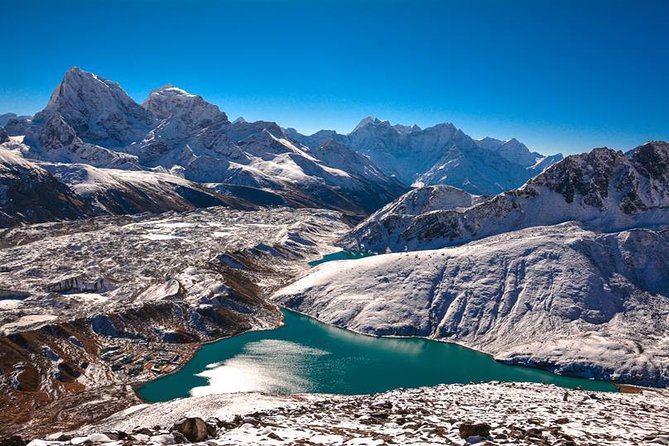
Dingboche provides another rest day before the most demanding portion of the trek. You can spend the day resting or take a shorter walk in the surrounding area, then return to the village for the night.
This is a valuable safety feature of the schedule. The route does not treat Base Camp as a race. A second acclimatization pause gives you a better chance of handling the higher trail to Lobuche, Gorak Shep, and Kala Patthar.
The word rest can be misleading. You may still walk for about three hours if you choose an outing. I would keep any excursion gentle and use the day to prepare clothing, water, and snacks for the next morning.
Day 8: Dingboche to Lobuche
The walk to Lobuche takes about six hours. You pass through Dughla and climb toward a hill marked by memorials to Sherpas who died on Everest expeditions.
These memorials change the mood of the trek. The route is beautiful, but the mountain is not a harmless backdrop. The memorials give you a clear reminder of the risks faced by climbers, guides, and porters in this region.
The trail continues along the moraine of the Khumbu Glacier, with views toward Kala Patthar and Pumori. The rocky ground and altitude make this a demanding day even if the distance is not enormous. Keep your attention on footing, especially near uneven moraine sections.
Day 9: Everest Base Camp and Gorak Shep
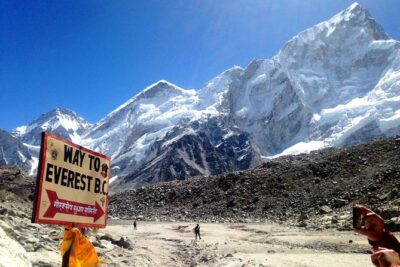
This is the emotional center of the trek. After lunch, you follow the rough route toward the Khumbu Icefall and Everest Base Camp, crossing rocky ground, moraines, and streams. The approach takes about six hours.
Base Camp is not a polished attraction. It is a stark, high mountain area shaped by stone, ice, weather, and the Khumbu Glacier. You reach the base camp area, take in the glacier and icefall, and then return toward Gorak Shep.
The return section includes a short incline, a steeper ascent of about 30 minutes, and then a descent to the lodge at Gorak Shep. The day is long and the altitude is serious. You may feel that the achievement is less about comfort than persistence.
Day 10: Kala Patthar sunrise and descent to Pheriche
Kala Patthar is the highest point on the itinerary at about 5,550 meters. The climb takes roughly two hours and is scheduled for the best chance of seeing dawn over Everest.
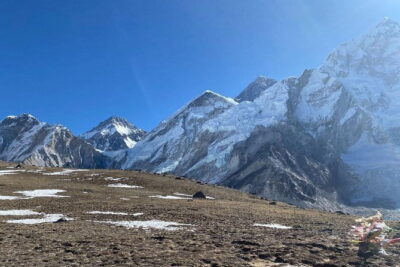
For many people, this is the finest viewpoint of the trek. You can see Everest, Pumori, Nuptse, and other Himalayan peaks from a high ridge, with the early light adding drama to the scene. The climb is short on paper but hard in thin air.
After returning to Gorak Shep for breakfast, you descend toward Pheriche. The full day is listed at about six hours, after the early ascent. That combination makes Day 10 particularly tiring. The descent is welcome, but tired legs still need care.
Days 11 and 12: Returning through the Khumbu
Day 11 takes you back toward Namche Bazaar in about six hours. The route includes the area around Pangboche, where you can visit the oldest monastery in the region, then continues via Tengboche and Phungithanka.
This return route gives you a second look at familiar places from a different direction. Descending also lets you breathe more easily, though the trail can still be rough and steep in sections.
Day 12 continues from Namche to Lukla and takes about six hours. The route passes through Sherpa hamlets and crosses the Hillary Suspension Bridge before reaching Lukla.
I like the fact that the plan gives you a full night in Lukla before the flight. That buffer is useful when aircraft schedules change. It also gives you time to mark the end of the walking portion with your guide and group.
Day 13: Lukla flight and the return to Kathmandu
The flight from Lukla is listed at about 30 minutes, followed by a flight to Ramechhap during the busy season. The itinerary allows about four hours for the Ramechhap portion and notes that transport onward to Kathmandu depends on the available flight plan.
You should treat this as a flexible day. Weather can delay or cancel Lukla flights, and the route back may involve Ramechhap rather than Kathmandu. The company says that if poor weather cancels the experience, you can choose another date or receive a full refund, but your own onward arrangements still need breathing room.
Staff then take you to your accommodation, where the group can share the experience before the final departure day. The extra Kathmandu night is a practical cushion after the mountain flight.
Guides, porters, and group size
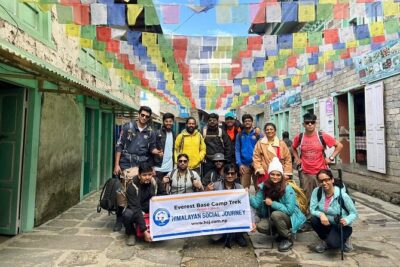
The maximum group size is eight people. That is small enough to make guide communication easier, though the actual group may be smaller or may include several guide and porter staff.
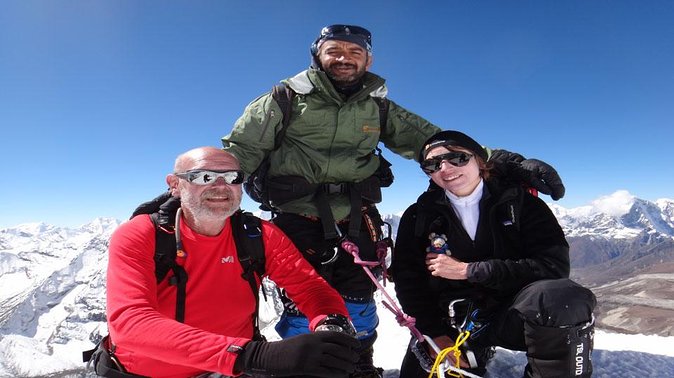
The strongest personal praise centers on encouragement and care. Ram is described as calming and supportive, especially on difficult days. Prakash is praised for steady help during a 12-day version of the route. Bishnu, Rajesh, Tilak, Binode, Sanjay, and Gore are also named for making the journey feel well supported.
One particularly useful detail is that Gore helped repair shoes, shared personal gear, and handled a sudden snowstorm calmly. That points to the sort of practical help that matters far more than polished speeches at high altitude. Still, you should bring properly broken-in footwear and suitable clothing rather than depend on emergency fixes.
Who should book this trek?
I would consider this a good fit if you want the classic Everest Base Camp route and prefer having flights, transfers, meals, and a guide arranged together. Families have completed the route, but the six-hour walking days and 5,550-meter Kala Patthar climb mean that family members need appropriate fitness and a shared willingness to go slowly.
It also suits people who value support over luxury. The experience focuses on mountain villages, monasteries, glaciers, and long walking days. It is not designed for anyone seeking a relaxed Nepal holiday with short excursions.
The trek has even operated during the June monsoon season, with one account noting afternoon rain but no major problems on that departure. Still, weather conditions can affect flights and views in any season. Do not choose your dates on scenery alone.
You can cancel for a full refund up to three full days before the start time. Cancellations or changes inside that window are not accepted for a refund. The experience also requires a minimum number of participants, and a weather or minimum-group cancellation can lead to a different date or a full refund.
Should you book the Everest Base Camp Trek?
Book it if you want a structured, classic route with two acclimatization days, a small maximum group, and strong guide support. The $1,300 price is attractive because it includes major flights, airport transfers, meals, taxes, and two Kathmandu hotel nights.
Do not book it casually. The altitude, long walking days, uncertain Lukla flights, and basic mountain conditions demand preparation and flexibility. If you can accept those limits, this trek offers a focused way to reach Everest Base Camp, see the Khumbu Glacier and Icefall, visit Tengboche and Sherpa communities, and finish with the sunrise from Kala Patthar.
FAQ
How long is the Everest Base Camp Trek?
The scheduled experience lasts approximately 14 days, including arrival and departure days in Nepal.
Where does the trek begin?
The experience begins in Kathmandu, with airport pickup and a hotel near Thamel before the flight to Lukla.
How do I reach Lukla?
You fly from Kathmandu or Ramechhap to Lukla. The flight from Kathmandu or Ramechhap is listed as taking about 40 minutes, subject to weather and local conditions.
Is transportation from Ramechhap included?
Yes. The package includes the flight arrangements, and Ramechhap is used during the busy season because of air traffic at Kathmandu Airport. The itinerary also includes transport connected with the Ramechhap flight plan.
What is the highest point on the trek?
Kala Patthar is the highest point, at approximately 5,550 meters.
Are meals included?
Yes. The package includes 13 breakfasts, 11 lunches, and 11 dinners. Personal expenses, beverages, and alcohol are not included.
Is Kathmandu accommodation included?
Yes. Two nights in Kathmandu with breakfast are included, at Hotel Kailash Kutee or a similar category.
How many people can join the group?
The maximum group size is eight people.
What fitness level is required?
The tour states that you should have a moderate physical fitness level. The itinerary includes several walking days of about six hours and high-altitude sections, including Base Camp and Kala Patthar.
Recently added around Kathmandu
- Ghorepani Poon Hill Trek★ 5.0 · 16 reviews
- Private Manaslu Circuit Trek at Himalayas★ 5.0 · 3 reviews
- Amazing 1 Day Trekking Experience in Kathmandu Nepal★ 5.0 · 24 reviews
- Ghorepani Poonhill Trek★ 5.0 · 5 reviews
- Upper Mustang Trekking★ 5.0 · 2 reviews
- Upper Mustang Trekking★ 3.0 · 2 reviews
- Upper Mustang Trekking★ 5.0 · 4 reviews
- Upper Mustang Trek★ 5.0 · 5 reviews
Everest Base Camp Treks, compared.
Browse the lists this tour appears in