
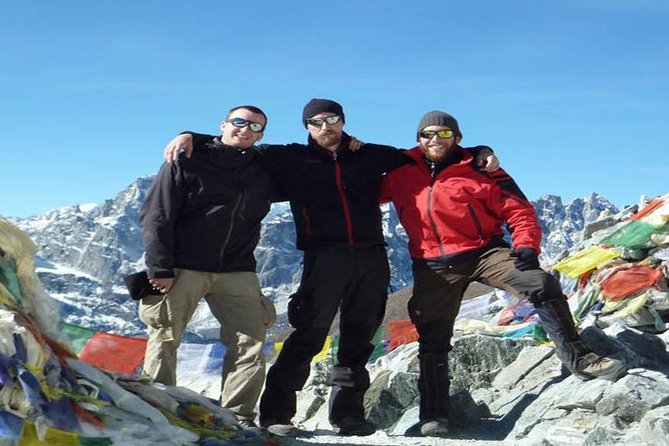
REVIEW · KATHMANDU
Everest Base Camp Trek
The mountains make every step count. This 14-day Everest Base Camp trek gives you the classic Khumbu route, from Kathmandu and Lukla through Namche Bazaar, Tengboche, Dingboche, Lobuche, and Gorak Shep. You finish at Everest Base Camp and Kala Patthar, where the mountain views are the reward for all those uphill steps.
I like the careful acclimatization plan, with two rest days at Namche and Dingboche. I also like that the $1,600 price includes domestic flights, lodging, meals, permits, a guide, airport transfers, and basic group gear. The main drawback is simple: this is a demanding high-altitude walk, and the itinerary contains a couple of unclear stop labels that you should confirm before paying.
The tour is operated by Glorious Himalaya Trekking Pvt. Ltd. It is a private activity for your group, with pickup offered and group discounts available. Past bookings have praised guides including Keshab, Prakash, Krishna, and Ganesh Karki, though your assigned guide may be different.
Five things to know before you book
- Kala Patthar is the great payoff: The sunrise or early morning climb reaches about 5,550 meters and gives broad views of Everest, Nuptse, Pumori, Ama Dablam, Changtse, and other Himalayan peaks.
- Two acclimatization days matter: You spend a day in Namche and another in Dingboche, with short hikes rather than complete rest.
- Lukla flights are part of the adventure: The short domestic flight offers striking views but can also be affected by mountain weather.
- The price covers the main costs: Flights, local lodges, meals, permits, taxes, a guide, airport transfers, and sleeping bags are included.
- A porter costs extra: Your guide is included, but porter service is not. Add that cost if you do not want to carry your own pack.
- The return route is not fully clear in the schedule: Days 11 and 12 both have route details that need checking, so ask the operator to confirm the exact overnight stops.
Kathmandu to Lukla: starting with a small plane and a big view
Your first day is easy. An office representative meets you at Kathmandu airport, holding a paper with the company name, Glorious Himalaya. You are taken to your hotel, with the transfer taking about 30 minutes.
Day two begins early. A guide picks you up for the 30 to 35-minute flight to Lukla. This flight is part of the character of the trip. From the air, you can see hills, rivers, valleys, and the Himalayan range before landing in the Everest region.
From Lukla, you meet the porter team and begin walking toward Phakding. The first four-hour stretch passes local settlements, prayer wheels, mani walls, suspension bridges, and forest. This is a useful first day on foot because it introduces the rhythm of the trek without immediately throwing you into the hardest climbs.
You spend the night in a local guesthouse. Lodging on this route is practical rather than luxurious. The price includes the best available twin-sharing local lodges, so you should think of warm meals, a bed, and a place to wash up, not hotel comforts.
More Everest Base Camp Treks in Kathmandu:
- Everest Base Camp Trek – 14 Days
★ 5.0 · 1,499 reviews - Everest Base Camp Trek
★ 5.0 · 842 reviews - Everest Base Camp Trekking
★ 5.0 · 485 reviews
Namche Bazaar: the first real mountain test
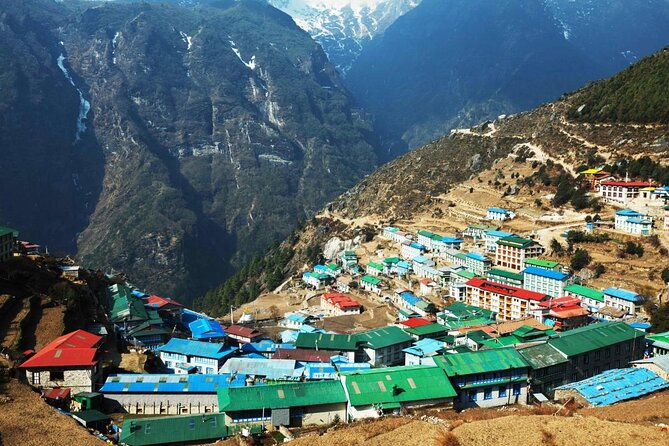
The walk from Phakding to Namche takes about six hours. The trail follows the river upstream before reaching the junction of the Bhote Koshi and Dudh Koshi rivers. You cross the Hillary Bridge, then begin the long climb toward Namche Bazaar.
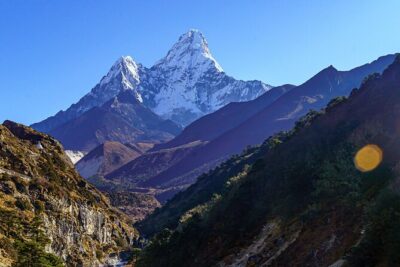
This is where the trek starts to feel serious. The route rises steadily, and the high peaks begin to appear, including Everest, Lhotse, Nuptse, Ama Dablam, and Thamserku. Mt. Khumbila, a sacred mountain for the Sherpa people, is another striking presence in the area.
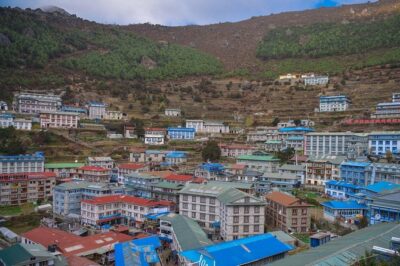
Namche is more than a stopping point. It is the main center of the Khumbu region, with lodges, bakeries, restaurants, tea shops, souvenir stores, ATMs, money exchange services, internet cafes, and government offices. You can also visit the visitor center near the Sagarmatha National Park headquarters.
I like the planned rest day here. At this altitude, sitting still all day is not the best plan. A short walk helps your body adjust, and you can explore the town without spending yourself. You might find the altitude affects sleep or appetite, so use this day to notice how you feel and speak openly with your guide.
Tengboche and Pangboche: forests, monasteries, and better views
The route from Namche to Tengboche takes about five hours. It rises and falls through forest, with views of Everest, Nuptse, Lhotse, and Ama Dablam opening along the way.
This is one of the more varied days. You may see musk deer, Himalayan thar, or colorful pheasants, although wildlife sightings are never guaranteed. The trail also passes villages and the famous Tengboche monastery. The monastery gives the trek a strong cultural center, not just a mountain backdrop.
From Tengboche, the route continues through the Imja Valley. You walk through dense forest toward Pangboche, whose monastery is associated with the arrival of Buddhism in the Khumbu region. Then you continue to Dingboche, at about 4,410 meters.
The scenery becomes more severe as you gain height. Trees thin out, the air feels lighter, and the mountains seem to take up more of your view. This is also the point where a moderate trek becomes a real test of stamina.
Dingboche: the second acclimatization day
Day seven is another planned rest day, this time in Dingboche. You can choose an optional hike toward Chhukung, beginning around 8:30 in the morning after breakfast. The walk is described as manageable, with excellent views of Ama Dablam, though strong winds may meet you on the return.
The value of this day is not sightseeing alone. It gives your body time to adapt before the route climbs toward Lobuche, Gorak Shep, and Base Camp. You should keep your pace gentle and avoid treating the optional hike as a race.
Altitude affects people differently. One person may feel fine while another gets a headache, loses appetite, or becomes unusually tired. The tour includes a first-aid kit and an oximeter to measure your pulse, but equipment does not replace careful decisions. If you feel unwell, tell your guide early.
A few more treks around Kathmandu worth a look
- Annapurna Circuit Trek with Tilicho Lake
★ 5.0 · 368 reviews - Everest Base Camp Trekking – 13 Day
★ 5.0 · 365 reviews - Everest Base Camp Trek
★ 5.0 · 350 reviews - Everest Base Camp Trek -14 Days
★ 5.0 · 321 reviews
Lobuche and the memorials above Pheriche
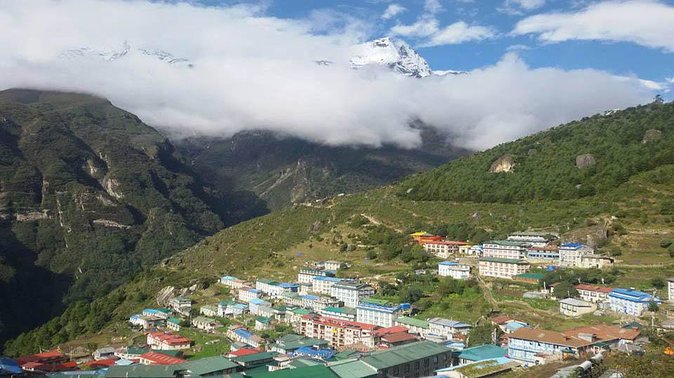
The walk to Lobuche takes about five hours. The villages become smaller beneath enormous peaks, and the trail passes views of Ama Dablam, Pokalde, Kongma Tse, and the great wall of Nuptse.
You pass through or near Pheriche, where a trekkers aid post staffed by volunteer doctors is mentioned in the route plan. Later, the trail reaches Chukpo Lari, an area filled with memorials to climbers who died on Everest expeditions.
This can be an emotional stop. The memorials add a sober note to the trip. Everest is not only a beautiful peak and a famous destination. It is also a serious mountain that has taken lives. I appreciate that the route includes this reminder before the final push to Base Camp.
The overnight stay is in Lobuche. At this point, the cold and altitude can make even ordinary tasks feel slow. Keep your day simple: eat, drink, rest, and prepare your clothes and equipment for the longest walking day.
Everest Base Camp: a hard day with a famous name
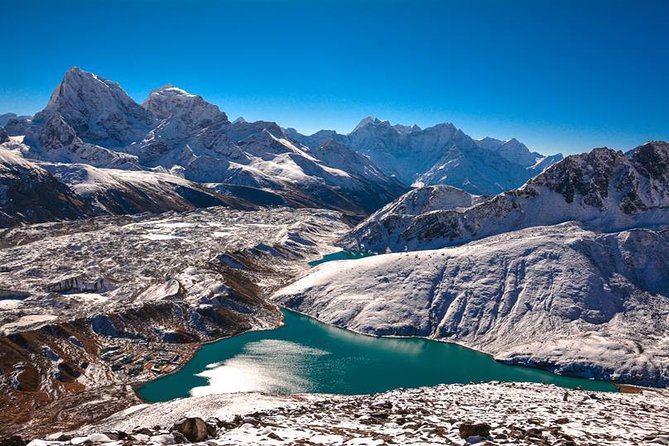
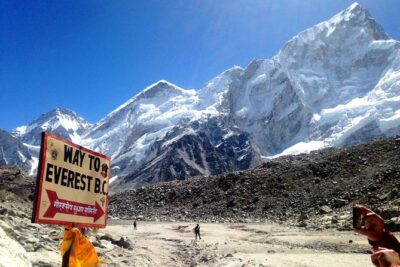
Day nine is scheduled as an eight-hour walk to Everest Base Camp. You follow rocky ground past glacial ponds, icebergs, meadows, and moraine. The route reaches Gorak Shep, where you either continue toward Base Camp or climb Kala Patthar according to the day’s plan.
The schedule places Base Camp first, with a return to Gorak Shep for the night. At Base Camp, you can spend time near the glacier and moraine before walking back. The setting is powerful, though you should keep expectations realistic. Base Camp is not a summit viewpoint, and Everest itself may not appear as clearly from there as it does from Kala Patthar.
This is one reason the following morning matters so much. The Base Camp name carries the fame, but Kala Patthar provides the wider mountain panorama.
Kala Patthar: the best view of the trip
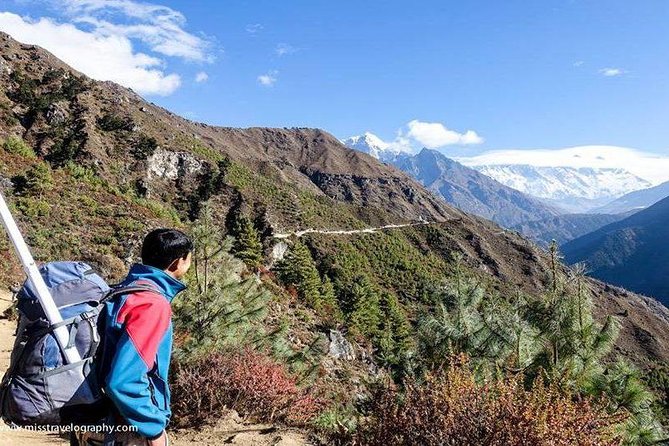
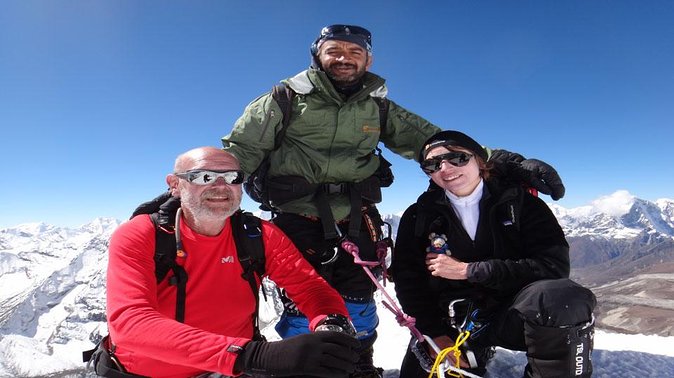
The next morning begins early with a climb of about two hours from Gorak Shep to Kala Patthar. The summit reaches roughly 5,550 meters. The climb is strenuous, especially after the long walk the day before, but the reward is the broadest view of the trek.
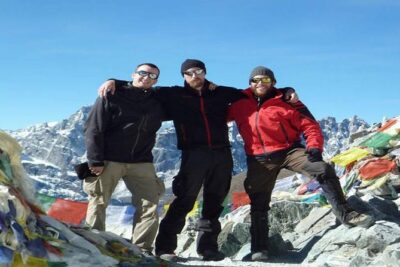
From the top, you may see Everest, Nuptse, Pumori, Changtse, Ama Dablam, Taweche, and Kantega, along with glaciers and surrounding high peaks. Prayer flags, cairns, a small stupa, and a weather station mark the summit.
You return to Gorak Shep for breakfast, then descend to Pheriche for the night. This is a long day, but descending brings noticeable relief. The air grows thicker as you lose altitude, and many people find breathing easier.
The return to Lukla and Kathmandu
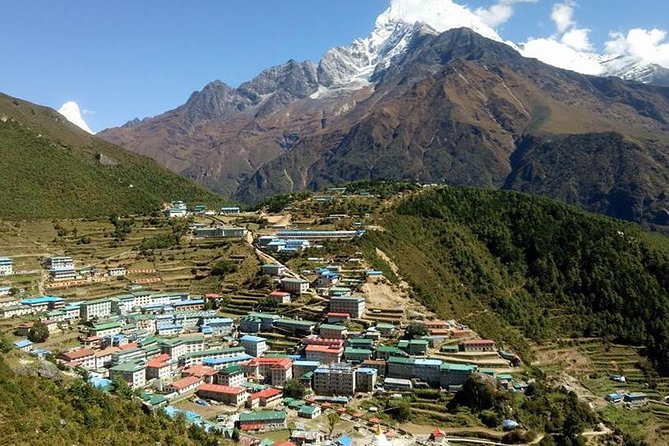
The return is not simply an afterthought. You pass back through valleys, pastureland, Tengboche, and Monjo, with rhododendron and juniper along the route. The mountain views remain impressive, but the lower elevation brings warmer air and easier breathing.
The supplied schedule labels day 11 as Namche Bazaar but describes continuing toward Lukla, then gives Lukla as the stop on day 12. Since both days include substantial walking, confirm the exact overnight plan with Glorious Himalaya before departure. This is a small paperwork issue, but clarity matters on a trek where altitude and walking times shape every day.
The route back to Lukla crosses suspension bridges and follows the Dudh Koshi River through forests and villages. The final approach is steeply downhill in places. In Lukla, you can explore the bazaar and celebrate with your guide and crew before the flight back.
Day 13 brings a scenic 35-minute flight to Ramechhap or Kathmandu, depending on the flight arrangement. Your guide transfers you to the hotel, and a farewell dinner is planned for the evening. Day 14 ends with an airport drop-off for your international flight.
What the $1,600 price really includes
At $1,600 per person, this trek offers good value if you use the included services. The package covers:
- Airport pickup and drop-off by private vehicle
- Two nights in a Kathmandu hotel with buffet breakfast
- Twin-sharing local lodge accommodation during the trek
- Breakfast, lunch, and dinner each trekking day
- Seasonal fruit after dinner
- Round-trip domestic flights
- Trekking permits and entrance fees
- Government and local taxes
- A certified local guide
- A company duffel bag and sleeping bag if needed
- First-aid supplies and an oximeter
- A completion certificate
The main extra cost is a porter. That matters because carrying your own pack for two weeks at high altitude can change the experience considerably. International flights, a Nepal entry visa, and personal spending are also excluded.
The price does not mean every comfort is included. Local lodges are basic, and the flight to Lukla or Ramechhap can be affected by weather. Still, the inclusion of transport, meals, permits, accommodation, and a guide makes budgeting easier than arranging each part separately.
Guides, support, and the personal side of the trek
The strongest part of the service is the guide support. Past customers have singled out Keshab, Prakash, Krishna, and Ganesh Karki for patience, organization, safety, and help with pacing. One solo woman specifically described feeling comfortable with guide Keshab and porter Prakash. Another trekker with hearing loss credited Prakash Gurung’s patience and care.
Ganesh, the company operator, has also been praised for quick replies and for adjusting plans. That personal contact can matter when you are arranging flights, equipment, airport transfers, and a high-altitude route from another country.
The operation is private, so only your group takes part. That gives you more room to discuss pace and possible changes than a large fixed group might allow. Still, ask about the guide-to-group ratio, porter cost, exact flight routing, and the day 11 and 12 schedule before booking.
Who should book this Everest trek?
I would recommend this trip to someone with moderate physical fitness who wants the standard Everest Base Camp route with a local guide and most major costs bundled into one price.
It suits you if you value:
- A planned acclimatization schedule
- Local guides and direct company support
- Basic lodge accommodation rather than luxury
- Included meals and domestic flights
- A private trip for your own group
- A clear goal, with Base Camp and Kala Patthar as the main targets
I would hesitate if you dislike long walking days, basic lodging, early starts, cold conditions, or uncertain mountain flights. You also need to accept that reaching Base Camp is not guaranteed simply because you have paid for the itinerary. Altitude sickness can force a change of plan, and one past customer had to stop short of a planned high-altitude route because of it.
Cancellation is free up to 24 hours before the start time for a full refund. Inside that period, the payment is not refunded, and changes are not accepted.
Should you book it?
I would book this Everest Base Camp trek if you want a well-supported classic route and appreciate having flights, food, permits, lodging, and a local guide handled together. The two acclimatization days, private format, and strong praise for the guides add real value.
Before paying, get three details in writing: the porter price, the exact return route for days 11 and 12, and the flight plan between Lukla, Ramechhap, and Kathmandu. If those points are clear and you are ready for a strenuous high-altitude walk, $1,600 is a sensible package price for this famous Himalayan journey.
FAQ
How long is the Everest Base Camp Trek?
The planned duration is approximately 14 days, including airport transfers, Kathmandu hotel nights, the trek, domestic flights, and the final airport drop-off.
Where does the trek begin?
The trip begins in Kathmandu. You are picked up at the airport, transferred to a hotel, and later fly to Lukla to begin walking toward Phakding.
Are domestic flights included?
Yes. Round-trip domestic flights are included in the package.
Are meals included during the trek?
Yes. Breakfast, lunch, and dinner are included during the trekking portion, along with seasonal fruit after dinner.
Is a guide included?
Yes. The experience includes a professional, government-certified trekking guide throughout the trek.
Is a porter included?
No. Porter service is available at an additional cost.
Is the trek private?
Yes. This is a private activity, meaning only your group participates.
What is the cancellation policy?
You can cancel at least 24 hours before the experience start time for a full refund. Cancellations or changes made within 24 hours are not accepted and are not refunded.
Recently added around Kathmandu
- Ghorepani Poon Hill Trek★ 5.0 · 16 reviews
- Private Manaslu Circuit Trek at Himalayas★ 5.0 · 3 reviews
- Amazing 1 Day Trekking Experience in Kathmandu Nepal★ 5.0 · 24 reviews
- Ghorepani Poonhill Trek★ 5.0 · 5 reviews
- Upper Mustang Trekking★ 5.0 · 2 reviews
- Upper Mustang Trekking★ 3.0 · 2 reviews
- Upper Mustang Trekking★ 5.0 · 4 reviews
- Upper Mustang Trek★ 5.0 · 5 reviews
Everest Base Camp Treks, compared.
Browse the lists this tour appears in