
REVIEW · KATHMANDU
Everest Base Camp Trek with Kathmandu Valley Sightseeing Tour
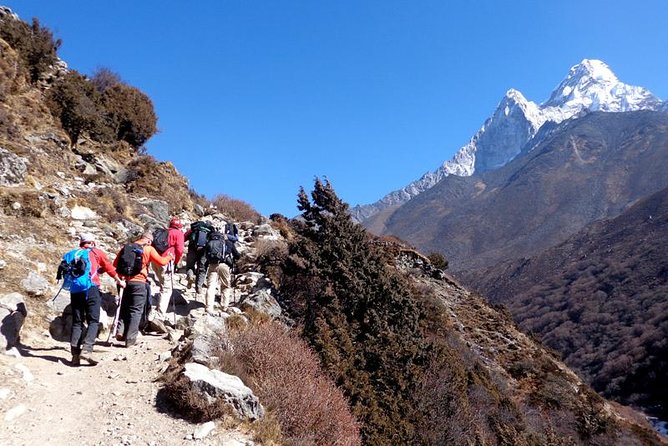
The Himalayas reward patience. This 15-day trip combines Kathmandu sightseeing with a demanding walk from Lukla through Sherpa villages, mountain valleys, forests, rivers, gorges, and finally Everest Base Camp. I like the clear purpose of the route: you are not just looking at Everest from a road or viewpoint, you are walking toward the place where summit attempts begin.
I also like that the price includes porters, local support, park permits, and the Trekkers’ Information Management System card. That takes care of several important costs. The main caution is weather: flights to Lukla can be delayed or cancelled, so you should leave extra days before and after the trek.
The trip reaches Kala Patthar at a listed altitude of 18,519 feet, from a starting point of about 4,600 feet in Kathmandu. You need moderate fitness, comfort with steep mountain walking, and patience with basic guesthouse accommodation. Guide Kumar receives repeated praise in the available feedback, including from a nine-person group, which gives this operator a useful personal touch.
Key points before you book
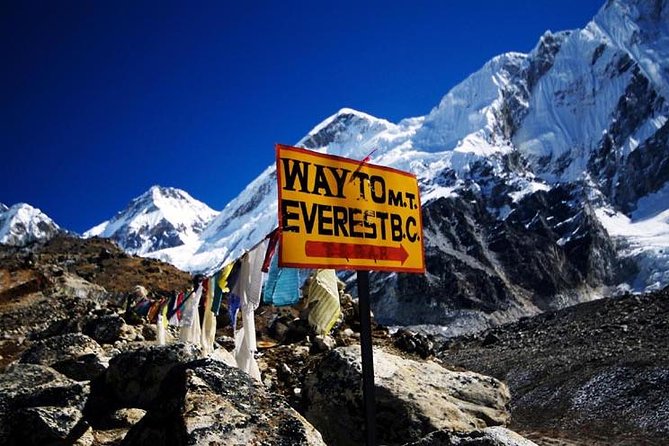
- Lukla is the starting line: The trek begins with a flight connection from Kathmandu and heads through Sherpa villages toward Everest Base Camp.
- Kala Patthar is the high point: At a listed 18,519 feet, this climb is a serious altitude challenge even though walking days are broken into shorter sessions with rest.
- The package includes useful essentials: You get Kathmandu accommodation, trekking guesthouses, breakfast in Kathmandu, a porter for each pair, local staff, and required permits.
- Kumar is a frequently praised guide: Several past clients singled out Kumar and the Sherpa team for organization, care, and a strong group experience.
- Weather can change everything: Lukla flights are vulnerable to poor weather, so a flexible schedule is not optional.
- The trip is private: Only your group participates, and some itinerary changes may be possible if time allows and everyone agrees.
What the 15-day route is really asking of you
This is not a sightseeing tour with a short mountain walk added on. Most of the trip involves climbing and descending mountain trails, often in short sections with rest and sightseeing between them. The promise is a full Himalayan journey, not a quick photo stop at Base Camp.
Your route begins in Kathmandu at about 4,600 feet and moves toward the high country after reaching Lukla. From there, you walk through Sherpa settlements and remote mountain terrain on the way to Everest Base Camp, then return along the trekking route before finishing back in Kathmandu.
The wording gives no detailed day-by-day schedule, so you should ask for the exact overnight stops, walking hours, and acclimatization plan before paying. That matters here. At high altitude, the difference between a sensible schedule and a rushed one can affect the entire trip.
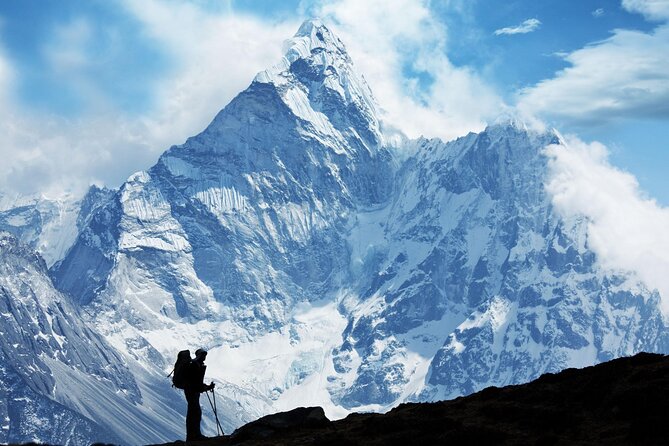
The route includes snow, trails cut into mountain sides, deep gorges, rivers, forests, and dry, cold stretches of country. You need to see the physical effort as part of the experience. The views are a reward, but the walking is the main event.
More Everest Base Camp Treks in Kathmandu:
- Everest Base Camp Trek – 14 Days
★ 5.0 · 1,499 reviews - Everest Base Camp Trek
★ 5.0 · 842 reviews - Everest Base Camp Trekking
★ 5.0 · 485 reviews
Kathmandu sets the tone before the mountains
The package begins with pickup at Tribhuvan Airport in Kathmandu. The stated meeting time is 5:45 am, so you should be ready for an early start. The tour also includes Kathmandu Valley sightseeing, though the supplied details do not name the sites or specify how much time is devoted to them.
That lack of detail is worth clearing up. Ask which sightseeing stops are included, on which days they happen, and if they can be adjusted around flight changes. The Kathmandu portion may give you a gentler introduction to Nepal before the hard walking begins, but you should not assume every major sight in the valley is covered.
You stay at a three-star hotel on a twin-sharing basis, with breakfast included. That is a practical arrangement rather than a luxury one. Sharing a room helps keep the package price at $1,500 per person under control, while the hotel provides a more settled base before and after the trek.
The package does not include your international airfare, Nepal visa fee, trekking equipment, or travel insurance. Those exclusions can add a substantial amount to your total cost. Insurance is compulsory, and it must cover emergency rescue and evacuation. You are told to arrange it at home because it cannot be purchased in Nepal.
Lukla and the first mountain miles
Lukla is where the walking begins. The flight there is one of the trip’s biggest practical risks, since the schedule is highly vulnerable to weather. Delays and cancellations are common enough that you should protect yourself with spare days on both sides of the tour.
Do not book an important international connection immediately after the planned return. The operator specifically advises leaving a few free days before and after the trek because weather, accidents, and natural hazards can force changes.
Once you are on the trail, the experience moves at walking speed. You pass through Sherpa villages and mountain country rather than rushing from one major attraction to another. That pace gives you time to see how settlements fit into steep terrain, but it also means long hours on your feet.
Porters are provided at a ratio of one for every two people. Local support staff also accompany the trek. This is valuable for both comfort and safety, but you should still pack carefully and keep essential medicine, documents, warm layers, and other personal necessities with you.
Sherpa villages, rivers, forests, and gorges
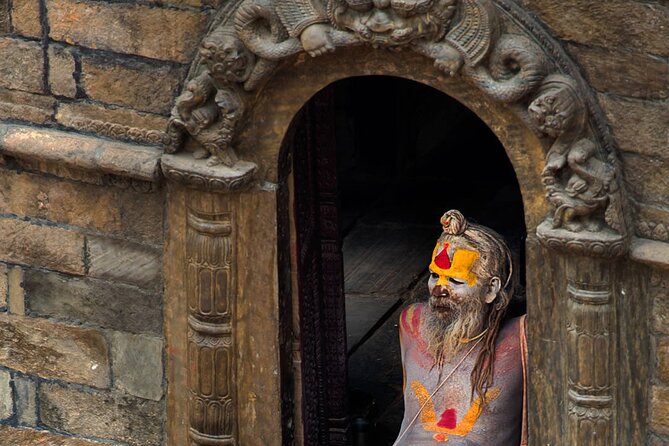
The route is described as a walk through all the Sherpa villages along the way to Everest and back. The village sections offer the most human side of the trek. You are not simply crossing empty wilderness. You are moving through communities connected to the mountain economy and the long history of Himalayan climbing.
The route also asks you to cross a wide range of terrain. Expect forests lower down, rivers and gorges, dry and cold high-altitude ground, and sections of trail carved along mountain slopes. Each type of terrain changes the rhythm of the day.
The description is honest about the conditions. This region is cold, arid, and unforgiving. You may walk on snow, and the trail can feel exposed. The reward is a direct connection with the mountains, but the cost is physical strain and less comfort than you would find on a standard guided holiday.
Guesthouses are included on a twin-sharing basis. The information does not specify room quality, heating, bathrooms, meals, or internet access, so ask before departure. At this price, you should expect functional mountain lodging rather than hotel-style service.
A few more treks around Kathmandu worth a look
- Annapurna Circuit Trek with Tilicho Lake
★ 5.0 · 368 reviews - Everest Base Camp Trekking – 13 Day
★ 5.0 · 365 reviews - Everest Base Camp Trek
★ 5.0 · 350 reviews - Everest Base Camp Trek -14 Days
★ 5.0 · 321 reviews
Reaching Everest Base Camp
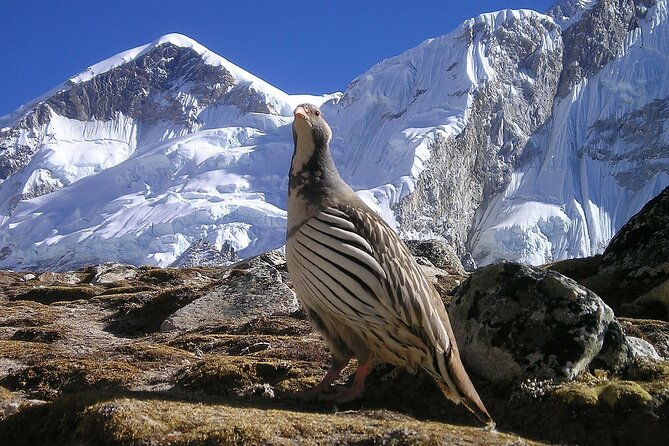
Everest Base Camp is the emotional center of the trek. It is the place where mountaineers begin attempts on the world’s highest peak, and reaching it on foot gives the destination meaning that a distant view cannot match.
You are not climbing Everest itself. The experience is about walking to the base of the mountain and seeing the setting where major expeditions take shape. That distinction is important. This is a demanding trek, but it is not a summit expedition.
The approach includes snow, gorges, steep trails, and high altitude. You should expect the final stages to feel difficult even if the walking sessions are kept short. Plenty of rest and sightseeing are built into the concept of the tour, but rest does not remove the need for steady fitness.
The altitude range is the central challenge. Kathmandu sits at roughly 4,600 feet, while Kala Patthar is listed at 18,519 feet. That huge change means you should discuss altitude precautions with your doctor before arriving, especially if you have a medical condition.
Kala Patthar is the serious test
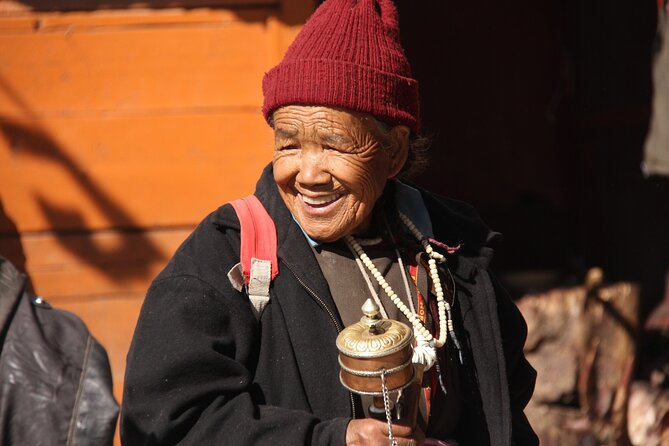
The trip includes a climb to an actual mountain viewpoint at Kala Patthar. At the listed altitude, this is the high point of the experience and likely one of its most demanding sections.
The description does not promise a particular weather condition or exact view, so keep expectations flexible. High mountain weather can change quickly, and the operator warns that natural hazards may force adjustments. Still, the chance to look toward Everest from such elevation is a major reason to choose this trip instead of a shorter Himalayan outing.
You should tell the guides about any medical condition that could affect your trek. Carry your regular medicine, follow your doctor’s advice, and make sure your insurance covers emergency evacuation. The local guides and support staff have basic medical training, but that is not a substitute for preparation.
What happens on the return
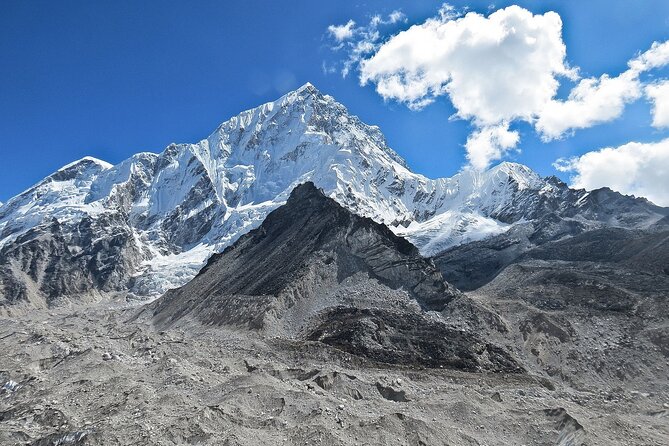
The return walk follows the mountain route back toward Lukla, giving you a second look at villages, rivers, forests, and trail sections that may feel very different after the high-altitude portion. Descending is often easier for breathing, but it can be hard on knees and legs.
The trek finishes with the return to Kathmandu. Because Lukla flights can be delayed, your final arrival date may shift. Build flexibility into your international travel plans and avoid treating the scheduled end date as a guarantee.
You may be able to alter parts of the route if there are no time limits and everyone in the private group agrees. You can discuss changes before departure or speak with the guides during the trip. That flexibility is useful, but it cannot overcome bad weather or unsafe conditions.
Guides, porters, and the human side of the trip
The strongest personal detail attached to this experience is the repeated praise for guide Kumar. One group of nine firefighters from the United States returned to Nepal in part because of its earlier experience with Kumar and the team. Other feedback also highlights Kumar, the Sherpas, organization, service, accommodation, and value.
That does not guarantee every group will have the same guide or experience, so ask who will lead your departure. Still, the pattern suggests that the local team is a major part of the package’s appeal.
A guide matters here for more than navigation. You need someone who can help manage pacing, communicate with local staff, respond to changing conditions, and notice when a group member is struggling. The included porters also make a practical difference, since carrying less can make long mountain days more manageable.
The trip is private, which means only your group participates. That can make decisions and pacing more personal than on a large scheduled departure. It also means your group needs to cooperate. If one person wants an itinerary change, everyone must agree and the schedule must allow it.
Is $1,500 good value?
At $1,500 per person, the package has solid inclusions for a 15-day guided trek. You receive Kathmandu hotel accommodation, breakfast there, guesthouse lodging during the walk, a porter for every pair, local support staff, park entry, and the required trekking registration card.
The value improves if you would otherwise need to arrange permits, porters, airport pickup, and local logistics separately. Having one operator coordinate these pieces can reduce stress, especially on a first visit to Nepal.
But $1,500 is not your full trip budget. Add international flights, visa fees, insurance with rescue coverage, trekking gear, personal spending, and any extra hotel nights caused by flight delays. You may also need to budget for meals during the trek, since only Kathmandu breakfast is clearly included.
I would judge this as a practical mid-range package rather than a luxury trek. It suits you if you value local support and simple logistics more than private rooms or high-end lodging. Ask for a written list of included meals, exact hotel and guesthouse standards, guide-to-group ratio, and the plan for flight cancellations.
Who should book this trek?
This trip suits you if you have moderate physical fitness, enjoy long mountain walks, and want a direct route to Everest Base Camp rather than a soft adventure. You should be comfortable with twin-sharing rooms, basic guesthouses, changing weather, and a schedule that may need to shift.
It is less suitable if you need fixed departure times, hotel comfort throughout, or a guaranteed return date. It is also not a good choice if you are unwilling to arrange evacuation insurance or prepare properly for altitude.
Service animals are allowed, and the route is near public transportation in the relevant areas, but the demanding mountain terrain remains the key issue. You should discuss any medical concerns with your doctor and the operator before arrival.
The overall score shown for the experience is 5 based on six reviews. The most highly praised areas are the guides, organization, service, accommodation, value, and scenery. Those strengths are meaningful, but the Lukla flight risk and physical demands deserve equal attention.
Should you book it?
Book this trek if your priority is an organized, locally supported journey from Lukla to Everest Base Camp, with Kathmandu accommodation and sightseeing included. I especially like the porter support, required permits, private-group format, and the repeated positive attention given to Kumar and the Sherpa team.
Before booking, get the detailed day-by-day plan in writing. Confirm the Kathmandu sightseeing stops, meals, accommodation standards, guide assignment, and contingency plan for Lukla delays. If you can handle uncertainty, high altitude, and basic lodging, this offers a strong route into the Everest region at a reasonable starting price. If you need predictable flights and comfort, choose a less demanding Nepal trip.
FAQ
Where does the Everest Base Camp trek begin?
The walking portion begins in Lukla. The overall experience starts with pickup at Tribhuvan Airport in Kathmandu at 5:45 am.
How long is the experience?
The trip lasts approximately 15 days.
What is the highest altitude listed for the trip?
Kala Patthar is listed at 18,519 feet. Kathmandu is listed at about 4,600 feet.
Is travel insurance required?
Yes. Travel insurance is compulsory and must cover emergency rescue and evacuation. You need to arrange it before arriving in Nepal.
Are flights to Lukla guaranteed?
No. Flights to Lukla are vulnerable to weather and may be delayed or cancelled. You should leave several spare days before and after the scheduled trip.
What accommodation is included?
You receive a three-star hotel in Kathmandu on a twin-sharing basis, with breakfast included. During the trek, you stay in guesthouses on a twin-sharing basis.
What is not included in the price?
International airfare, Nepal visa fees, trekking equipment, and travel insurance are not included. The available details do not clearly state which trekking meals are included.
Recently added around Kathmandu
- Ghorepani Poon Hill Trek★ 5.0 · 16 reviews
- Private Manaslu Circuit Trek at Himalayas★ 5.0 · 3 reviews
- Amazing 1 Day Trekking Experience in Kathmandu Nepal★ 5.0 · 24 reviews
- Ghorepani Poonhill Trek★ 5.0 · 5 reviews
- Upper Mustang Trekking★ 5.0 · 2 reviews
- Upper Mustang Trekking★ 3.0 · 2 reviews
- Upper Mustang Trekking★ 5.0 · 4 reviews
- Upper Mustang Trek★ 5.0 · 5 reviews
Everest Base Camp Treks, compared.






Browse the lists this tour appears in