
REVIEW · KATHMANDU
Everest Base Camp Trek from Kathmandu 12 Days
The world’s highest mountains reward patient feet. This 12-day trek takes you from Kathmandu to Lukla, through Sherpa villages and Buddhist monasteries, and on to Everest Base Camp. I especially like the private-trip format, which keeps the experience limited to your own group, and the strong guide support from experienced leaders such as Milan, Bikram, and Bishnu.
I also like that the route includes two acclimatization days, one in Namche Bazaar and one in Dingboche. That is vital at high altitude. The main drawback is the pace: reaching Base Camp in 12 days requires long, demanding walking days, basic guesthouse accommodation, and a strong level of fitness.
Key Points Before You Book
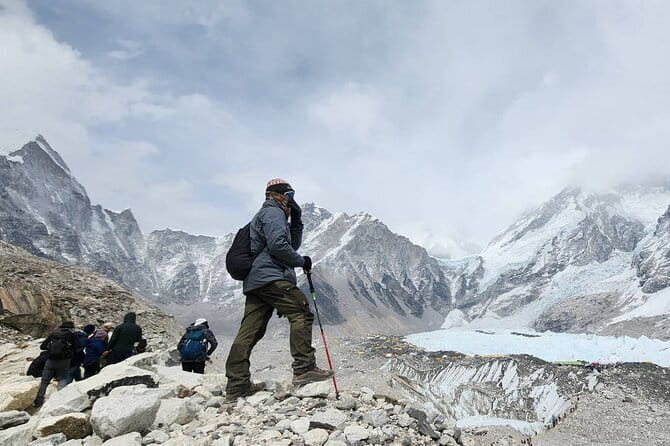
- The route reaches Everest Base Camp on Day 8, with an early Kala Patthar climb on Day 9 for the best mountain views.
- Two acclimatization days are built into the schedule, at Namche Bazaar and Dingboche.
- Private trekking means personal attention, rather than joining a large mixed group.
- Round-trip flights between Kathmandu and Lukla are included, along with hotel transfers, permits, a TIMS card, a guide, guesthouse stays, and a first-aid kit.
- The highest section is physically serious, with steep paths, rocky ground, thin air, and trekking days of up to seven hours.
- Guide care is a major strength, especially the organization, safety focus, and encouragement associated with guides including Milan and Bikram.
What the $1,350 Price Really Covers
At $1,350 per person, this trek offers solid value for a private 12-day Everest route. The price includes hotel pickup and drop-off, the flights from Kathmandu to Lukla and back, trekking permits, the TIMS card, accommodation in guesthouses, an English-speaking guide, and a first-aid kit carried by the guide.
Those inclusions matter. The Lukla flight is a key part of the route, and arranging it yourself would add work and uncertainty. Permits and transport are also handled for you, so your main job is to arrive ready to walk.
The price does not include personal expenses. You should plan for your own meals, drinks, snacks, charging, souvenirs, and other spending unless your final booking details specify otherwise. The information provided does not state that a porter is included, although past feedback praises the help of porters on some departures. Ask directly before paying if you need porter support or want to know the extra cost.
The tour is described as private, so only your group participates. That is useful if you want your guide to adjust the pace, provide extra encouragement, or explain cultural details along the way. It may also suit families or close friends better than a fixed large-group departure, though the fitness demands remain the same.
More Everest Base Camp Treks in Kathmandu:
- Everest Base Camp Trek – 14 Days
★ 5.0 · 1,499 reviews - Everest Base Camp Trek
★ 5.0 · 842 reviews - Everest Base Camp Trekking
★ 5.0 · 485 reviews
Day 1: Lukla Flight and the Short Walk to Phakding
Your day begins with a transfer to Kathmandu’s domestic airport and a scheduled flight to Lukla. The flight itself is listed as roughly one hour, followed by the first trek toward Phakding.
This opening walk lasts about four hours, but the actual hiking is intended to be relatively short. That is sensible. You begin at altitude, so starting gently gives your body time to adjust before the route becomes harder.
Phakding is more than a place to sleep. It marks the point where the road and city feel far away, and the walking rhythm begins. You meet the trekking guide here and settle into the guesthouse routine that will shape much of the trip.
Do not judge your fitness by this first day. The easier opening can feel deceptive. Later sections are longer, steeper, and more exposed to altitude.
Day 2: Pine Forests, Suspension Bridges, and Namche Bazaar
The walk to Namche Bazaar takes about six hours. You follow the Dudh Koshi River through pine forest and cross several suspension bridges, making this one of the route’s most memorable early sections.
Namche is the commercial and social center of the Khumbu region. Its position makes it an important rest point, but reaching it is not easy. The approach includes serious uphill walking, and altitude begins to matter more here.
This is a good day to listen closely to your guide. The experienced guides associated with this trek, including Milan and Bikram, are praised for staying attentive, organizing the day well, and keeping safety in view. At this stage, a calm guide who notices tiredness is worth far more than a fast guide.
Namche is also an excellent place to see how Sherpa communities have adapted to life along a high mountain route. You will find local homes, guesthouses, shops, and Buddhist details woven into daily life. The setting is dramatic, but the village is not simply a photo stop. It is a working community.
Day 3: Acclimatization Around Namche Bazaar
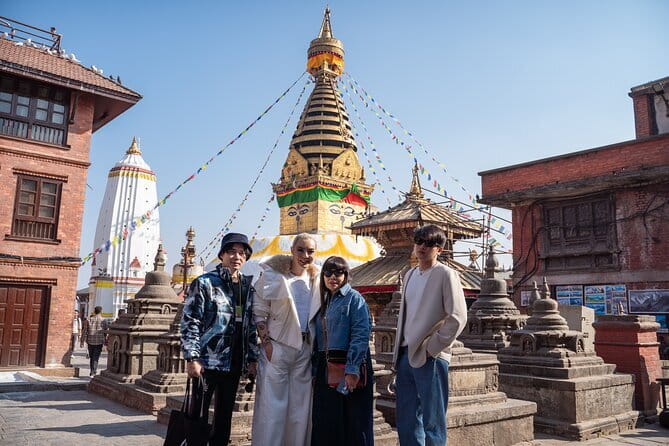
The first acclimatization day is not a day for doing nothing. The planned options include a hike toward Thame, a visit to Khunde, or time exploring Namche itself.
That flexibility is useful because people respond to altitude differently. You may feel ready for a walk, or you may need a slower day. Staying active at a gentle level is generally more useful for this itinerary than spending the entire day in bed, but your guide should help decide what is sensible.
The route description also mentions a Namche Bazaar stupa. Buddhist monuments such as this add meaning to the walk, especially when your guide explains the local religious setting and customs. The cultural side of this trip is strongest when you take time to look beyond the mountains.
I would use this day to check your boots, layers, water, and personal supplies. It is also a good point to tell your guide about headaches, unusual tiredness, or any other problem. Do not hide symptoms to keep to the schedule.
A few more treks around Kathmandu worth a look
- Annapurna Circuit Trek with Tilicho Lake
★ 5.0 · 368 reviews - Everest Base Camp Trekking – 13 Day
★ 5.0 · 365 reviews - Everest Base Camp Trek
★ 5.0 · 350 reviews - Everest Base Camp Trek -14 Days
★ 5.0 · 321 reviews
Day 4: The Monastery at Tengboche
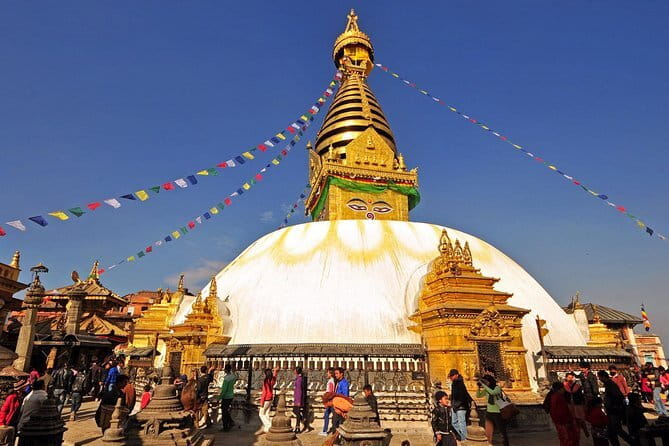
The trek to Tengboche takes about six hours. The trail is described as dusty and winding, with a mix of climbs and descents rather than one relentless ascent.
Tengboche is one of the great cultural stops on the route. Its monastery is a central attraction, and the mountain views around it give you a powerful reason to pause. The route provides time for photography, but the monastery deserves more than a quick camera stop.
This is where the trek’s nature and culture fit together particularly well. You are not only walking toward a famous mountain destination. You are passing through a region where Buddhist practice, Sherpa life, and high-altitude travel are part of the same setting.
The walk may feel easier than the distance suggests, but altitude continues to build. Keep your pace steady. A slow, regular rhythm is a better strategy than rushing early and struggling later.
Day 5: Tengboche to Dingboche Through Pangboche
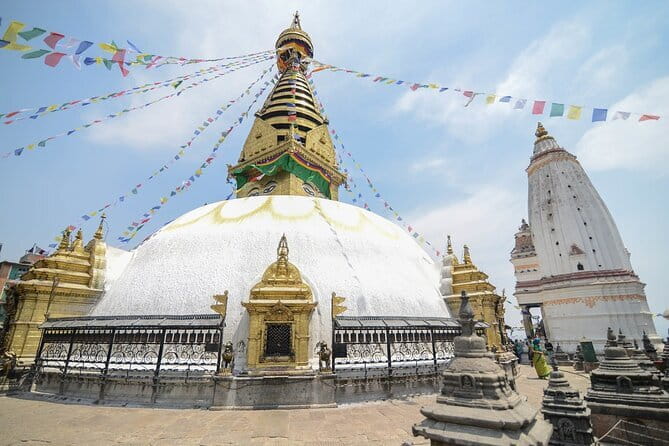
The seven-hour walk to Dingboche is one of the longer days. It begins with a visit to the area’s oldest Buddhist monastery, then continues through alpine woodland toward Upper Pangboche.
Pangboche is a substantial Sherpa settlement, and the route continues past Shomare before reaching Dingboche. These villages give you a closer view of how people live in the Khumbu, rather than reducing the region to a series of mountain viewpoints.
The walk is physically demanding because the air is thinner and the route keeps gaining height. The combination of distance, uneven ground, and altitude can make this day feel harder than the schedule suggests.
Dingboche is an important staging point before the high section. You should arrive with enough energy to eat, drink, and rest properly. The guesthouses are basic, according to the information available, so bring realistic expectations. You are paying for access to a remarkable route, not a mountain hotel.
Day 6: The Second Acclimatization Day in Dingboche
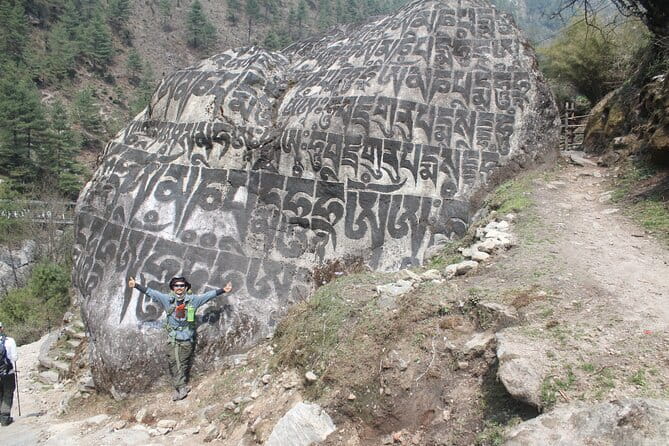
The second acclimatization day gives you time to explore Dingboche and nearby villages. The listed walking time is about five hours, but the exact outing can vary according to your condition and the guide’s judgment.
This break is one of the best features of the schedule. The route to Base Camp is not simply a long walk that can be forced through willpower. Your body needs time to adjust as you gain height, and a rest day makes the following section more manageable.
Use this day for a controlled walk, not a personal race for the highest nearby point. You want to return feeling ready for Lobuche, Gorakshep, and Base Camp. If you develop serious altitude symptoms, tell your guide immediately and follow the safety advice given.
The guide’s role becomes especially important here. Bikram has received repeated praise for his organization, flexibility, encouragement, and attention to safety. Those qualities matter most when your legs are tired and your plans need to change.
Day 7: Dingboche to Lobuche
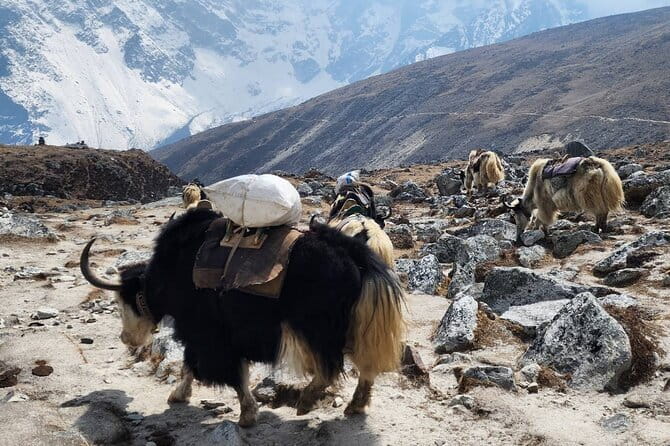
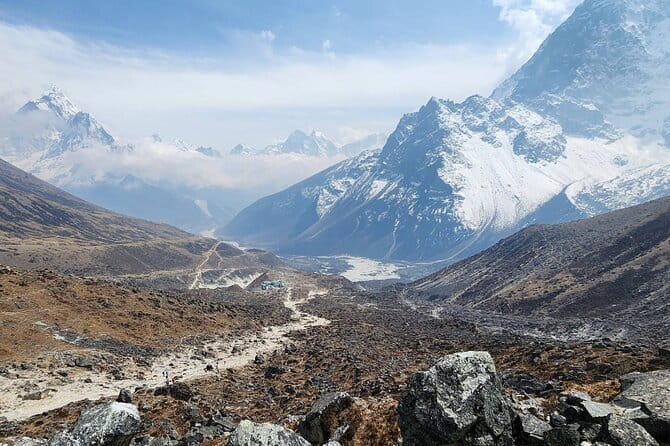
The route climbs through the Khumbu Khola valley toward Duglha and then into a narrower section near Dusa. This is a seven-hour day with large boulders and mountain yaks along the trail.
The word difficult is appropriate here. The ground can be awkward, and altitude makes ordinary hills feel larger. You will need patience, a steady pace, and careful footing.
Lobuche brings you close to the final approach. The surroundings feel more severe, with less vegetation and a greater sense that you are entering the high mountain zone. You should conserve energy for the next day rather than treating Lobuche as the finish line.
The guide and any porter support become important on this stretch. Some past feedback specifically praises the strength and helpfulness of porters, but porter service is not clearly listed among the inclusions. Confirm this before departure.
Day 8: Gorakshep and Everest Base Camp
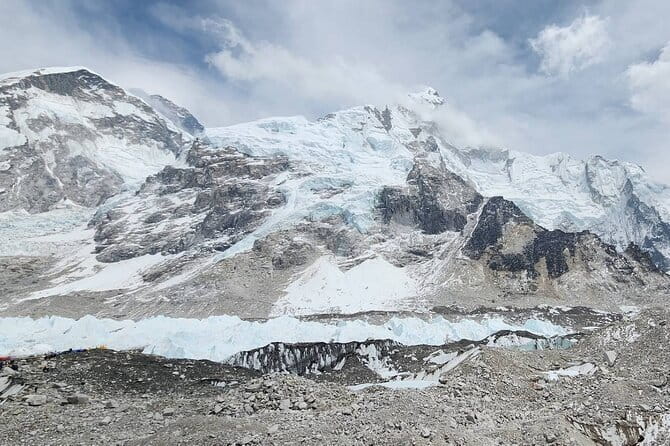
The walk from Lobuche to Gorakshep takes about three hours. The trail follows the side of the Khumbu Glacier and passes a pyramid signpost before climbing toward Thangma Riju, where you can gain broad views of the surrounding peaks.
Gorakshep is the staging point for Everest Base Camp. After a short break, you continue for about two hours to Base Camp, spend time there, and then return to Gorakshep for the night.
This is the emotional high point of the trek. The destination is famous, but the route is not a simple viewpoint walk. You are moving beside glacier country, over rough ground, and through a high-altitude setting where every step takes effort.
The mountain views include Everest, Lhotse, Nuptse, Makalu, and other snow-covered peaks. Keep in mind that the view of Everest from Base Camp is not necessarily the classic profile seen from other viewpoints. That is why the next morning at Kala Patthar matters so much.
The return to Gorakshep is tiring. Plan to enjoy Base Camp, take your photographs, and then focus on getting back safely. You still have another major climb ahead.
Day 9: Sunrise at Kala Patthar and the Descent to Pheriche
The day begins early with a climb to Kala Patthar. The walk takes about three hours, and this viewpoint is considered one of the finest on the Everest Base Camp route.
For many people, Kala Patthar provides the clearest and most dramatic view of Everest and the surrounding peaks. The early start is designed to catch the mountains in the morning light, so warm layers and a willingness to begin before breakfast are important.
After returning to Gorakshep, you rest before descending to Pheriche. The descent takes about four hours. Downhill walking may sound easy, but tired knees and loose, rocky ground can make it demanding.
This day combines the best view with a necessary retreat to lower altitude. It is a long one, but the change in elevation should feel welcome after Gorakshep.
Days 10 and 11: Retracing the Route to Lukla
Day 10 follows the trail back through the Khumbu valley, past Duglha and the villages of Pheriche and Orsho, toward Namche Bazaar. The walk takes about six hours.
Retracing the route gives you a different view of familiar places. You may notice details that were easy to miss while heading upward, and the lower altitude can make walking feel more comfortable. Still, six hours on tired legs is not a free day.
Day 11 continues down to Phakding for about three hours, followed by another three-hour walk to Lukla. The trail descends steeply in places, so take it slowly and keep control on rocky sections.
The final approach passes through pine and rhododendron forest before reaching Lukla. You spend the night there, ready for the flight back to Kathmandu.
Day 12: Flying Back to Kathmandu
The return flight from Lukla to Kathmandu is listed at about 35 minutes, followed by transfer to Thamel. The full day is shown as approximately five hours, including the airport and transfer time.
After nearly two weeks of walking, the short flight feels like a major change. You leave mountain paths behind and return to Kathmandu with a strong sense of how much ground you have covered on foot.
The route depends on domestic flights at both ends. The tour includes the round-trip tickets, which is convenient, but you should still treat the flight days as schedule-sensitive parts of the trip. The provided information does not promise a fixed backup arrangement, so ask the operator what happens if the flight plan changes.
Guides, Guesthouses, and the Feel of the Trip
The guide team is one of the strongest reasons to consider this departure. Milan is praised for kindness and experience, while Bikram is repeatedly associated with good organization, safety awareness, flexibility, and encouragement. Bishnu is also praised for support and local understanding.
Those names should not be treated as a guarantee of assignment. Ask who will lead your group when you book. The tour includes an English-speaking trekking guide, but it does not list a specific guide by name.
Accommodation is in guesthouses. The available feedback describes it as basic, so pack for simple rooms rather than hotel-style comfort. The route passes through remote mountain settlements, and the real value lies in access, guidance, and transport arrangements.
Hotel pickup and drop-off are included in Kathmandu. That makes the first and last days easier, especially after airport travel and a long trek.
Fitness, Packing, and Who Should Choose This Trek
You need strong physical fitness for this experience. The schedule includes walks of six or seven hours, steep ascents and descents, rocky trails, suspension bridges, and high-altitude sections above the main villages.
This trek suits you best if you:
- Already enjoy long walks or mountain hikes
- Can handle several demanding days in a row
- Are comfortable with basic guesthouse accommodation
- Want both Sherpa culture and major mountain views
- Prefer a private group with a dedicated guide
- Understand that altitude requires patience and flexibility
It is a poor match if you want a relaxed sightseeing holiday, hotel comfort, or a short walk to a viewpoint. The destination is famous, but the route asks for real effort.
Bring passport details and a passport photo, including a selfie if accepted by the operator, because these are needed for the trekking permit. The tour includes a first-aid kit with the guide, but you should still bring any personal medication and practical walking supplies.
The cancellation terms are simple but strict. You can receive a full refund if you cancel at least three full days before the local start time. Cancellations or changes made inside that period are not accepted for a refund.
Should You Book the Everest Base Camp Trek?
I would choose this trek if you want the classic Everest route in a compact 12-day plan and value having flights, permits, transfers, and a private guide arranged together. The cultural stops at Namche, Tengboche, Pangboche, and Dingboche add real substance beyond the mountain photographs.
I would pause before booking if you need more rest days, dislike basic accommodation, or are uncertain about your fitness. Ask about the exact guide, porter arrangements, personal expenses, and procedures for flight changes before you pay.
For a fit walker who wants expert support and a direct route to Base Camp, the $1,350 price is reasonable. The strongest parts are the private format, the two acclimatization days, and the guides’ reported care with safety and organization. Just remember that Everest does not make the walking easier because it is famous.
FAQ
How long is the Everest Base Camp trek from Kathmandu?
The experience lasts approximately 12 days, including flights between Kathmandu and Lukla, the trek to Everest Base Camp, the return walk to Lukla, and the flight back to Kathmandu.
Is the trek private?
Yes. The tour is described as a private trip, so only your own group participates.
Are flights from Kathmandu to Lukla included?
Yes. Round-trip flight tickets between Kathmandu and Lukla are included in the tour price.
What accommodation is included?
Accommodation is provided in guesthouses along the trekking route. The available information describes the accommodation as basic.
Is a guide included?
Yes. An English-speaking trekking guide is included, along with a first-aid kit carried by the guide. Guide names associated with this experience include Milan, Bikram, and Bishnu, though assignment should be confirmed when booking.
What fitness level do I need?
You should have a strong level of physical fitness. The route includes walking days of up to seven hours, steep and rocky sections, high altitude, and repeated ascents and descents.
Recently added around Kathmandu
- Ghorepani Poon Hill Trek★ 5.0 · 16 reviews
- Private Manaslu Circuit Trek at Himalayas★ 5.0 · 3 reviews
- Amazing 1 Day Trekking Experience in Kathmandu Nepal★ 5.0 · 24 reviews
- Ghorepani Poonhill Trek★ 5.0 · 5 reviews
- Upper Mustang Trekking★ 5.0 · 2 reviews
- Upper Mustang Trek★ 5.0 · 5 reviews
- Upper Mustang Trekking★ 3.0 · 2 reviews
- Upper Mustang Trekking★ 5.0 · 4 reviews
Everest Base Camp Treks, compared.




Browse the lists this tour appears in