
REVIEW · KATHMANDU
Everest Base Camp Trek Via Salleri
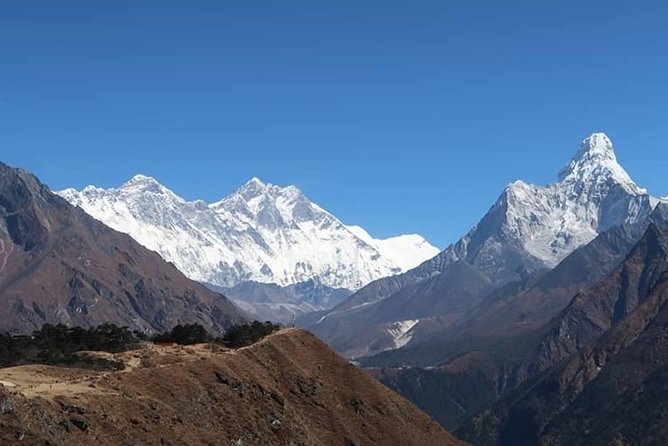
Mountain views arrive slowly here. The Salleri route reaches Everest Base Camp without starting at Lukla, taking you through quieter villages, river valleys, terraced farms, and Sherpa settlements before joining the classic Everest trail. I like the long overland approach and the chance to visit Takshindo Gompa, while the careful acclimatization days in Namche and Dingboche make the high-altitude schedule more sensible.
I also like that the package includes local jeep transport, an experienced guide, porters, permits, a duffle bag, a down jacket, and a sleeping bag. The main drawback is the trek’s physical demand: you spend 20 days walking at altitude, with steep climbs, long descents, and two lengthy jeep journeys. Meals are not included, so you need to budget for them separately.
Key details before you book
- The Salleri approach avoids a Lukla flight: You reach the trekking route by local jeep, which changes the trip from a quick mountain approach into a fuller journey through the lower Solu region.
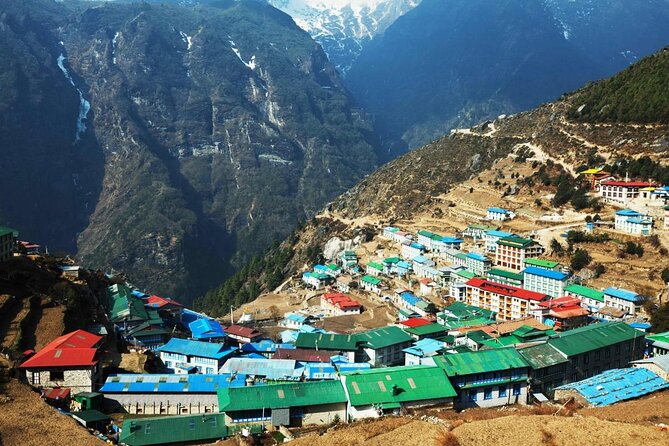
- Takshindo Gompa adds a cultural stop: The route passes through Sherpa villages, narrow river canyons, terrace farms, and high pastures before reaching the main Everest trail.
- Acclimatization is built into the schedule: You spend a rest day in Namche with a hike to Everest View Hotel, then another in Dingboche with a walk to Nagerjun.
- The high point is Kala Pathar: At 5,545 meters, this viewpoint comes after Everest Base Camp and gives you the trek’s highest walking point.
- The package is private: Only your own group takes part, with one porter provided for every two hikers.
- The price covers major support costs, but not meals: At $1,952, the value depends on how much you value private guiding, porter support, equipment, permits, and ground transport.
Why Salleri makes a better story than a quick Lukla start
Most people picture Everest Base Camp beginning with a small plane into Lukla. This trip takes a different route. You drive from Kathmandu to Phaplu, continue toward Ringmo, and walk to Takshindo before joining the trail toward Khari Khola and Puiyan.
That extra approach takes time, but it gives you more than a transfer. The lower Solu region brings a slower introduction to the Himalayas, with isolated settlements, river crossings, narrow canyons, and farmland cut into hillsides. You are not simply rushing toward the mountain. You are watching the setting change from road country to walking country, then from lower valleys to the high Khumbu.
The tradeoff is comfort and time. The journey from Kathmandu to the trailhead is about eight hours by road, and the return drive is also about eight hours. Local jeeps can be practical, but they are not the same as a short flight. If you want the fastest possible approach, Lukla remains the more direct option. If you want a fuller route with fewer days on the main Everest corridor, Salleri is the more interesting choice.
More Everest Base Camp Treks in Kathmandu:
- Everest Base Camp Trek – 14 Days
★ 5.0 · 1,499 reviews - Everest Base Camp Trek
★ 5.0 · 842 reviews - Everest Base Camp Trekking
★ 5.0 · 485 reviews
Day 1 in Kathmandu, then the long road to Takshindo
Your first day is for arrival at Tribhuwan International Airport in Kathmandu. Airport transfer is included, and the meeting point is in Thamel. The next morning starts early at 6:15 a.m., so you need to be ready for a full travel day.
The drive to Phaplu, Ringmo, and Takshindo takes roughly eight hours, followed by a 30-minute walk. Takshindo sits at about 3,071 meters, which is already high enough for the altitude to matter. The village and nearby Takshindo Gompa are important early points on the route, giving you a cultural stop before the trail becomes more demanding.
Because the first road day is long, keep your first morning simple. Have your small day bag ready, keep water within reach, and pack anything you may need during the jeep ride separately from your duffle bag.
Days 3 to 5, river valleys and the first hard climbs
From Takshindo, you walk toward Khari Khola at about 2,194 meters. The elevation figures in the schedule are not a straight climb upward, and that is part of the character of the route. You gain height in stages, lose some of it, and work through changing valley terrain.
The route then continues from Khari Khola to Puiyan, listed at roughly 2,890 meters, before reaching Phakding at about 2,652 meters. The walk to Puiyan is a climb, while the next day includes the approach to the established Everest trail.
This section may feel less famous than the route above Namche, but it is exactly why you choose Salleri. You pass small communities and farmland rather than moving immediately through the busiest part of the Khumbu. The scenery is described through terrace farms, pastureland, river valleys, and white-water streams, so you get a close look at how people live below the high peaks.
Do not underestimate these days. The lower elevations can feel warm, but the walking is still long. A moderate level of fitness is required, and the mix of uphill and downhill work can be tiring before the famous mountain views even begin.
Phakding to Namche Bazaar, where the Everest trail gets serious
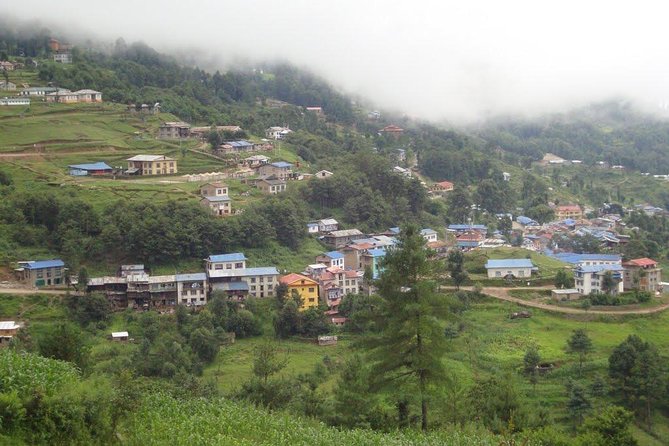
Day 6 takes you from Phakding to Namche Bazaar at 3,440 meters. This is one of the key days of the whole trek. Namche is the main settlement and trading center on the route, and it is also where altitude begins to shape the schedule more clearly.
You should expect a substantial climb as you approach Namche. The reward is the sudden sense that you have entered the high Khumbu. The village is surrounded by steep mountain slopes, and it becomes the place where you slow down, check how your body feels, and prepare for higher ground.
The package includes the best available lodges along the route, with attached bathrooms and hot showers specifically provided at Lukla, Phakding, and Namche. That is useful information, because comfort becomes more valuable after a long day of walking. Conditions are still basic compared with a city hotel, and meals remain your own expense.
A few more treks around Kathmandu worth a look
- Annapurna Circuit Trek with Tilicho Lake
★ 5.0 · 368 reviews - Everest Base Camp Trekking – 13 Day
★ 5.0 · 365 reviews - Everest Base Camp Trek
★ 5.0 · 350 reviews - Everest Base Camp Trek -14 Days
★ 5.0 · 321 reviews
Namche acclimatization and the walk to Everest View Hotel
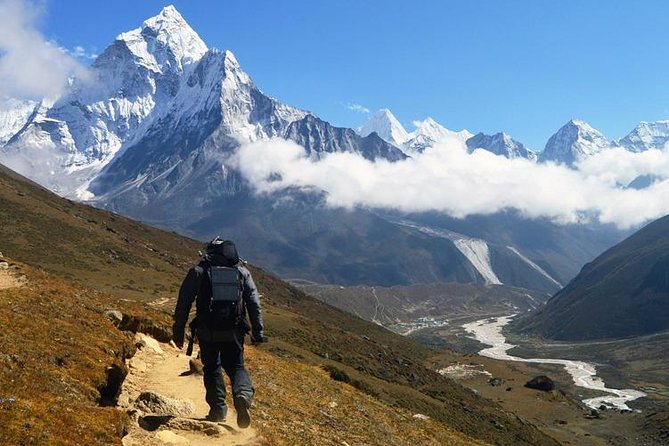
The rest day in Namche is not a day of doing nothing. You hike to Everest View Hotel and return, using a lower-stress walk to help your body adjust to the altitude.
This is a smart feature of the itinerary. A rest day with some movement gives you a chance to see more of the area while avoiding the mistake of sitting still and then attempting a long climb the following morning. The hotel hike is also one of the early places where the Everest region begins to reveal its best mountain views.
Take the day at a measured pace. Your goal is not to win the climb. You are preparing for Tengboche, Dingboche, Lobuche, and Base Camp, where the air will be thinner and the walking slower.
Tengboche and Dingboche, the route’s spiritual and high-altitude core
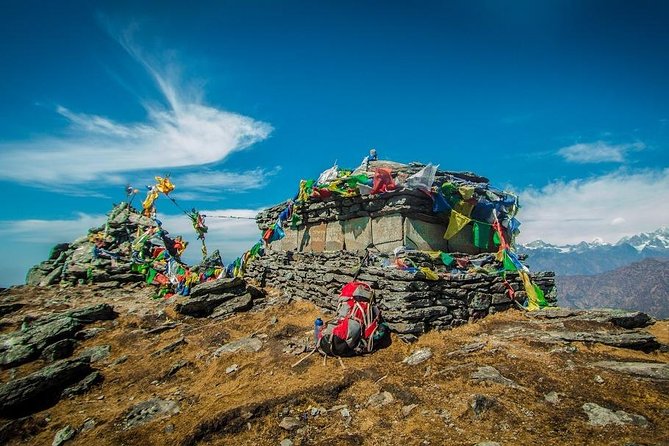
From Namche, you continue to Tengboche at about 3,860 meters. Tengboche is known for its monastery setting and mountain surroundings, and it gives the trek a strong cultural pause after the steady work of the trail.
The following day leads to Dingboche at about 4,410 meters. The schedule identifies this as Day 9, although the supplied day list contains a numbering error. Dingboche is an important overnight stop because the altitude is now serious, not just scenic.
The second acclimatization day includes a hike to Nagerjun and a return to Dingboche. This adds another gradual altitude test before the route climbs toward Lobuche. You should pay close attention to how you feel here. The itinerary allows time to adjust, but it cannot remove the effects of thin air.
This is also where strong guiding matters. Pooja, Prem, Prakash, Manoj, Neel, Ram, Lal, and Himsange are among the guides associated with highly praised trips from the company. The strongest praise focuses on careful support, clear explanations, English communication, humor, and practical help when conditions change. One guide, Ram, is especially appreciated for sharing mountain facts and trek history while keeping the mood light.
Lobuche to Everest Base Camp, then Gorakshep
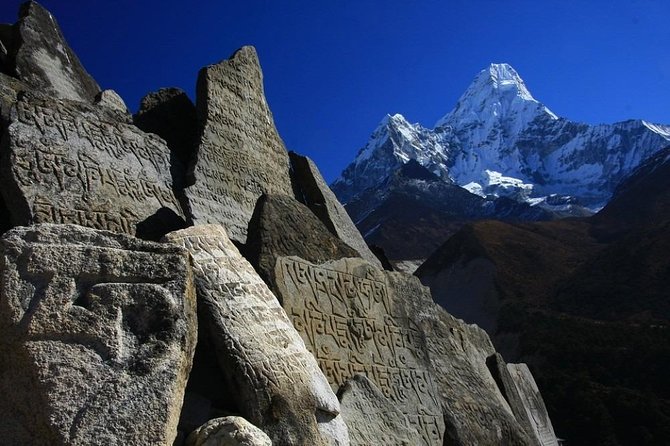
From Dingboche, you walk to Lobuche at approximately 4,910 meters. This is a high overnight point, and the effects of the altitude may be more noticeable here. The walking becomes less about covering ground quickly and more about keeping a steady rhythm.
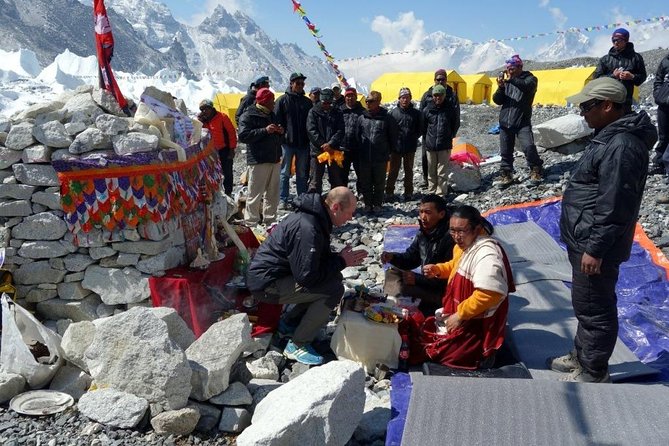
The next day is one of the trek’s biggest: Lobuche to Everest Base Camp at about 5,364 meters, followed by a night at Gorakshep. You get your destination, but not in a neat, easy package. The day is long, the air is thin, and you still need to reach your overnight stop afterward.
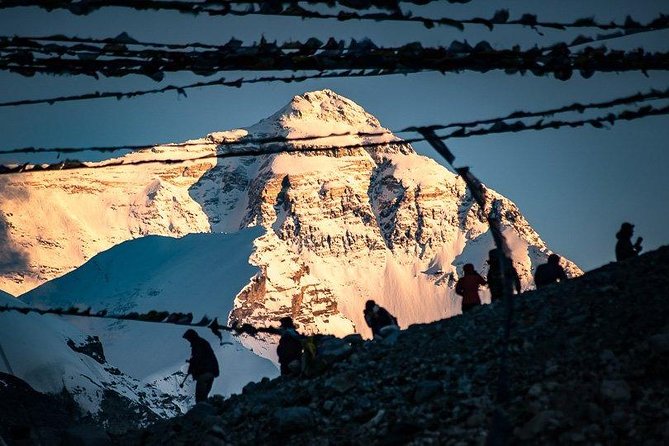
Base Camp itself is a powerful goal, but the views and conditions depend on the season and the weather. It is important to understand that this is a trek to Everest Base Camp, not a summit climb. You reach the base area and then continue to Gorakshep for the night.
You should keep your expectations practical. The achievement comes from the accumulated days of walking, acclimatizing, and handling the altitude. It is not a sightseeing stop where you linger for hours without effort.
Kala Pathar at 5,545 meters, the high point of the journey
The next morning takes you from Gorakshep to Kala Pathar at 5,545 meters, then down to Pheriche at about 4,210 meters. Kala Pathar is the highest walking point on the schedule and one of the main reasons this itinerary is so demanding.
The climb is short compared with the full route, but altitude makes every step count. From the viewpoint, you get a high mountain panorama that forms the visual climax of the trek. The descent to Pheriche is welcome, though downhill walking can be hard on tired knees.
This day also shows why the schedule allows the journey to turn back after Base Camp rather than pushing onward. You have already spent the most demanding days above 4,000 meters. From Pheriche, the return to Namche brings lower air and a more comfortable walking pace.
The return route, from Namche back to Takshindo
The trip retraces much of the trail from Pheriche to Namche, then Namche to Phakding. The next stages reverse the earlier approach: Phakding to Puiyan, Puiyan to Khari Khola, and Khari Khola to Takshindo.
Repeating sections can sound dull on paper, but the direction changes the experience. Descents reveal different views, and familiar villages can feel different after you have crossed the highest part of the trek. You also have the satisfaction of moving toward warmer, lower ground.
The return is not an easy bonus round. Your legs are tired, and downhill sections can be rough after long days above Namche. Keep your pace steady and use trekking poles if you normally find them helpful. The support of one porter for every two hikers also matters more here, when your personal load feels heavier than it did at the start.
The final jeep ride and what the package covers
From Takshindo, you walk for about 30 minutes to Ringmo, then take the jeep through Phalpu and back toward Kathmandu. The drive takes around eight hours, so the final day is another serious transport day rather than a quiet morning transfer.
Ground transport in local jeeps is included, as are airport transfers. The package also covers guide and porter salaries, food and accommodation for the staff, their equipment and insurance, Sagarmatha National Park permits, and the TIMS fee. You receive a duffle bag, down jacket, sleeping bag, trekking map, team T-shirt, and trip achievement certificate.
The phrase best available lodges does not mean luxury hotels. It means the strongest available option within the trekking environment. Hot showers and attached bathrooms are specifically noted at Lukla, Phakding, and Namche, but you should not assume the same setup everywhere.
Meals are not included. Add money for food, drinks, laundry, and other personal costs. International airfare, travel insurance, and tips are also separate. Bring two passport-size photographs for the permit process.
Is $1,952 good value?
At $1,952, this is not a low-cost trek, but the price covers a great deal of operational support. You are paying for 20 days, private participation, local jeep transport, airport transfers, guide and porter services, permits, accommodation, equipment, and staff costs.
The value is strongest if you want the trip organized around you and your own group rather than joining a large shared departure. It is also stronger if you need to rent or borrow a down jacket and sleeping bag, or if arranging permits and transport yourself would be stressful.
The price looks less attractive if you expect meals, international flights, travel insurance, drinks, laundry, and tips to be included. Those costs can add up over 20 days. Ask for a clear meal and tipping budget before you commit, even though the package details already identify those items as separate.
Who should choose this trek?
I would recommend it to a fit hiker who wants Everest Base Camp but prefers a longer, quieter approach through Solu. It suits you if Sherpa villages, river valleys, cultural stops, and a private support team matter as much as reaching Base Camp.
It is a good match for someone who values a structured acclimatization plan. The Namche and Dingboche rest days are useful safeguards, and the guide team has received especially strong praise for care, organization, and help during unexpected problems. One group even had a jeep plan arranged quickly when a flight was not possible, which suggests the operator can adapt when mountain logistics change.
I would hesitate if you dislike long road journeys, want a short trek, or have not prepared for sustained walking at altitude. The route is not a casual sightseeing outing. You need moderate physical fitness, patience, and enough flexibility to accept that weather can affect plans.
Cancellation is flexible up to 24 hours before the start time, with a full refund. Inside 24 hours, no refund is offered, and poor weather may lead to a different date or a full refund.
Should you book the Salleri route?
Book this trek if you want the complete journey, not just the famous finish. The Salleri approach gives you quieter villages, Takshindo Gompa, changing valley scenery, and a slower introduction to the Everest region before the trail joins the route through Namche and Tengboche.
The strongest reasons to choose it are the private format, experienced support team, included gear and permits, and sensible acclimatization days. The biggest warnings are the long jeep rides, high altitude, separate meal costs, and demanding return walk.
For a prepared hiker who wants a less standard route to Everest Base Camp, $1,952 is a reasonable package price. Go in knowing that the mountain does not care about your timetable, pack lightly, budget for meals, and treat the acclimatization days as essential rather than optional.
FAQ
Where does the Everest Base Camp trek via Salleri start?
The trek begins in Kathmandu, with the meeting point in Thamel at 6:15 a.m. Ground transport and airport transfers are included.
How long does the experience last?
The trip lasts approximately 20 days, from arrival in Kathmandu through the farewell day.
Does the route fly to Lukla?
No. The itinerary uses local jeep transport from Kathmandu to Phaplu, Ringmo, and Takshindo, then begins the walking route.
Is this a private tour?
Yes. Only your own group participates in the activity.
Are meals included?
No. Meals are listed as an additional personal expense, along with drinks, laundry, and similar costs.
Are a guide and porters included?
Yes. The package includes one experienced guide and one porter for every two hikers. Staff accommodation, food, salary, equipment, and insurance are included.
What equipment is provided?
A duffle bag, down jacket, and sleeping bag are provided. The package also includes a trekking map, team T-shirt, and trip achievement certificate.
Are trekking permits included?
Yes. Sagarmatha National Park permit fees and the TIMS fee are included. You should bring two passport-size photos for the permit process.
What is the cancellation policy?
You can cancel at least 24 hours before the experience start time for a full refund. Cancellations or changes made within 24 hours are not accepted for a refund. If poor weather cancels the experience, you may be offered another date or a full refund.
Recently added around Kathmandu
- Ghorepani Poon Hill Trek★ 5.0 · 16 reviews
- Private Manaslu Circuit Trek at Himalayas★ 5.0 · 3 reviews
- Amazing 1 Day Trekking Experience in Kathmandu Nepal★ 5.0 · 24 reviews
- Upper Mustang Trekking★ 5.0 · 2 reviews
- Ghorepani Poonhill Trek★ 5.0 · 5 reviews
- Upper Mustang Trekking★ 3.0 · 2 reviews
- Upper Mustang Trekking★ 5.0 · 4 reviews
- Upper Mustang Trek★ 5.0 · 5 reviews
Everest Base Camp Treks, compared.






Browse the lists this tour appears in