
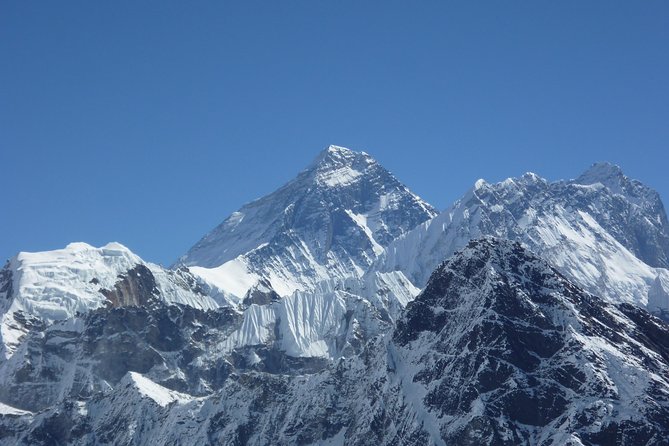
REVIEW · KATHMANDU
Everest Base Camp Trek – 16 Days
The trail earns every step. This 16-day Everest Base Camp trek combines the famous Khumbu route with careful acclimatization, mountain villages, Buddhist culture, and close views of Everest. I especially like the well-paced rest days in Namche and Dingboche, plus the fact that flights, permits, meals, guides, porters, sleeping bags, and a down jacket are included.
I also like the human side of the trip: prayer wheels, yak caravans, Tengboche Monastery, and the quiet memorials above Lobuche. The main drawback is simple: this is a demanding high-altitude trek, and flights to Lukla can be delayed or canceled by poor weather. You need patience, decent fitness, and a flexible attitude.
Key things to know before you book
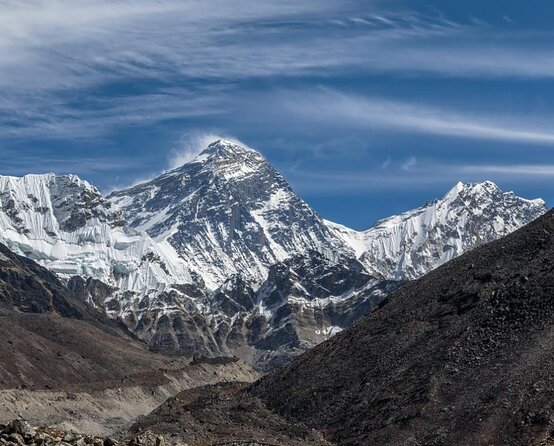
- Lukla flights begin the trek: The short flight from Kathmandu or Ramechhap leads directly into the Khumbu region, but weather can disrupt the schedule.
- Acclimatization is built in: You spend extra nights in Namche Bazaar and Dingboche rather than rushing upward.
- Everest Base Camp is not the best sunrise viewpoint: The early morning climb to Kala Patthar offers the clearest sunrise views of Everest.
- Meals and mountain logistics are covered: Breakfast, lunch, dinner, tea or coffee, permits, guide service, porter support, a duffle bag, sleeping bag, and down jacket are included.
- The group stays small: This is a private trip for your own group, with a maximum of 14 people.
- The human support gets high praise: Guides named in past experiences include Bheg, Shiva, Hem, Ram, Santa, Kamal, Surya, and Prem Karki.
What the 16-day Everest Base Camp route really involves
This is not a sightseeing holiday with a few easy walks added. You will spend most of the trek walking for four to eight hours a day, often on steep or rocky paths, with less oxygen each day.
The route begins at about the lower elevations around Lukla and gradually climbs through Phakding, Namche Bazaar, Tengboche, Dingboche, Lobuche, and Gorak Shep before reaching Everest Base Camp. You then return by foot to Lukla and fly back to Kathmandu.
That gradual shape matters. At high altitude, fitness helps, but it does not replace acclimatization. The itinerary gives you a rest day in Namche and another in Dingboche, which is one of the strongest parts of the plan.
More Everest Base Camp Treks in Kathmandu:
- Everest Base Camp Trek – 14 Days
★ 5.0 · 1,499 reviews - Everest Base Camp Trek
★ 5.0 · 842 reviews - Everest Base Camp Trekking
★ 5.0 · 485 reviews
Days 1 and 2: Kathmandu preparation and a useful pause
Your arrival at Tribhuvan International Airport is covered with private pickup and transfer to a three-star hotel. Two nights in Kathmandu include breakfast, giving you time to sleep off the journey, meet the trekking team, and sort out gear before heading into the mountains.
The first day is deliberately light. You may rest, walk through Kathmandu, or use the time to get a feel for Nepal before the serious walking begins.
Day 2 is set aside for preparation and a stroll around the city. This is not wasted time. It gives you a buffer for delayed luggage, last-minute equipment, and a final check of your clothing and pack. It also helps you avoid starting the trek tired and rushed.
The tour includes a trekking map, duffle bag, sleeping bag, and down jacket. You still need to arrange your personal trekking equipment, and travel insurance is required. The domestic flight luggage allowance is 15 kilograms, so pack with care.
Day 3: The dramatic start from Lukla to Phakding
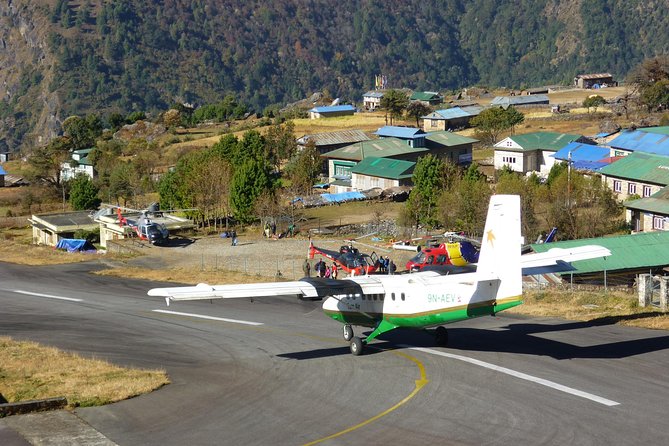
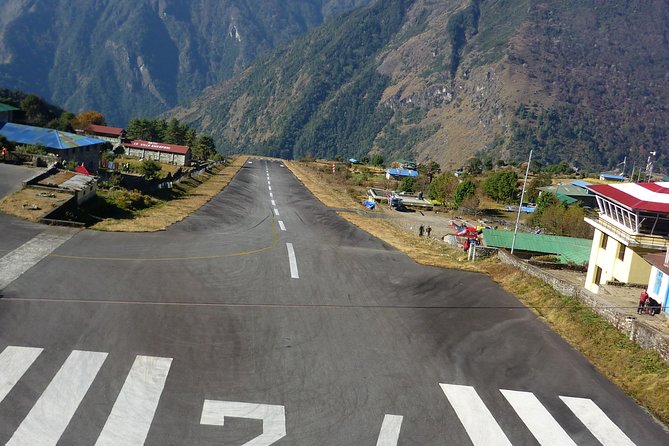
The flight to Lukla is part of the adventure. The airport sits in a dramatic mountain setting, and the route into the Khumbu begins almost at once after landing.
From Lukla, you walk past prayer wheels and descend toward the Dudh Koshi River. A suspension bridge provides your first memorable crossing, followed by an easy-to-moderate walk toward Phakding.
The day takes about four hours, making it a sensible introduction to the trail. You sleep in a guesthouse and receive breakfast, lunch, and dinner. The lodging is basic mountain accommodation, not a city hotel, but the route is still relatively gentle at this stage.
Day 4: Namche Bazaar and the first serious climb
The walk to Namche Bazaar takes about six hours and brings the first sustained uphill effort. You pass through villages and rhododendron forests, then enter Sagarmatha National Park, a UNESCO World Heritage Site.
The route follows the river near Jorsalle and crosses two suspension bridges, including a higher bridge above another. It is a memorable spot for photographs, though anyone uneasy with heights should take it slowly.
The final climb toward Namche is the part that tests your legs. Donkeys, yaks, porters, and local residents share the trail, and the steady movement of supplies gives you a clear sense of how remote the region remains.
Namche is more than an overnight stop. It is the main trading and meeting center of the Khumbu, with shops, teahouses, and a lively concentration of people preparing for the high route.
A few more treks around Kathmandu worth a look
- Annapurna Circuit Trek with Tilicho Lake
★ 5.0 · 368 reviews - Everest Base Camp Trekking – 13 Day
★ 5.0 · 365 reviews - Everest Base Camp Trek
★ 5.0 · 350 reviews - Everest Base Camp Trek -14 Days
★ 5.0 · 321 reviews
Day 5: Namche acclimatization and the Everest View Hotel
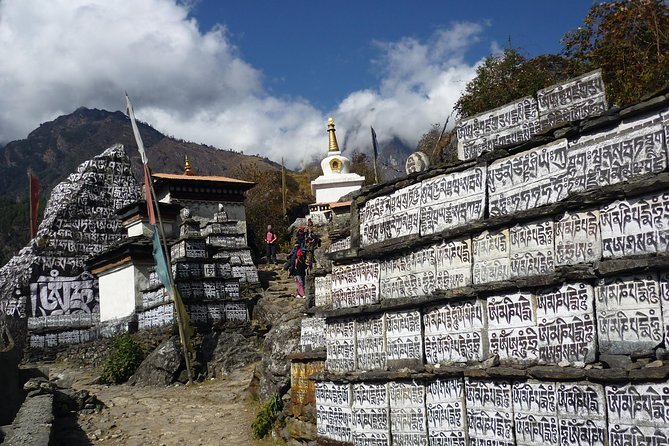
The acclimatization day in Namche is one of the most valuable features of the schedule. You are encouraged to move rather than spend the whole day in bed, since a short walk helps your body adjust to the altitude.
The optional hike can reach the Everest View Hotel. From there, you may see Everest, Ama Dablam, Thamserku, and Khangtega, depending on the weather. The walk takes about four hours and gives you a strong first look at the high peaks without forcing you to sleep at a greater elevation.
You can also spend time around Namche itself. The town is a good place to rest, walk slowly, and enjoy a hot drink. The trail culture is friendly, and the repeated search for apple pie has become part of the local trekking ritual.
Day 6: Pine forests and Tengboche Monastery
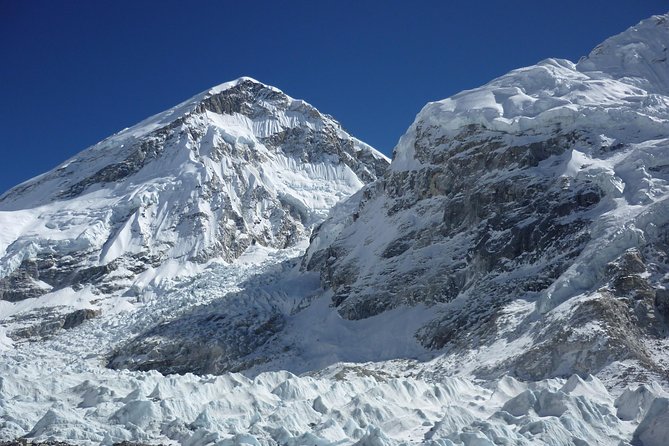
The route to Tengboche takes about six hours and rises and falls through pine and rhododendron forests. You will see yak herders and broad mountain views, including Everest, Lhotse, Nuptse, Thamserku, and Ama Dablam.
Tengboche is special because of its monastery and its setting. Prayer flags, wooden prayer wheels, and Buddhist details give the village a strong sense of place. If the timing works, you may see monks around the village, and an early morning visit offers a memorable view of the monastery with Ama Dablam behind it.
The day is tiring because of the repeated climbs and descents. Do not treat the attractive forest walk as an easy stroll. At this point, the air is thinner and your body is working harder than the distance alone suggests.
Day 7: Tengboche to Dingboche through Pangboche
You begin with time to visit Tengboche Monastery before descending toward Deboche. The trail then crosses the Imja Khola and continues toward Pangboche, with prayer stones and flags appearing along the route.
The walk takes about six hours. The scenery shifts as the forests begin to thin and the villages feel more exposed. You are moving into a higher, colder part of the Khumbu, so a warm layer becomes more important by late afternoon.
Dingboche is an important stop because you spend two nights there. That extra night is not a luxury. It gives you a better chance to adjust before the trail climbs toward Lobuche and Gorak Shep.
Day 8: Dingboche and the 5,100-meter acclimatization hike
The acclimatization walk above Dingboche reaches Nagarsan Hill at about 5,100 meters. The stated walking time is about four hours, but the altitude makes this short day physically serious.
You may see Island Peak, Ama Dablam, Lhotse, Makalu, Nuptse, and other high summits. The view is a reward, but the point of the hike is also to let your body experience the thinner air before you go higher.
This is where you should listen closely to your guide. Walk slowly, drink regularly, and do not confuse enthusiasm with readiness. Headache, unusual weakness, or breathing problems should be reported rather than hidden.
Day 9: Lobuche, the Khumbu Glacier, and a quiet memorial
The five-hour walk from Dingboche to Lobuche follows the valley toward Dugla and the Khumbu Glacier. The scenery becomes more stark, and the feeling of remoteness grows.
One of the most affecting places on the route is the memorial area for climbers who died attempting Himalayan peaks. It is a quiet place, and you should allow time to pause rather than treating it as another quick photo stop.
Lobuche offers views toward Pumori, Lingtren, Khumbutse, Mahalangur, and Nuptse. The air is now very thin. Keeping a slow pace is not merely good advice, it is the sensible way to protect your energy for the next two days.
Day 10: Gorak Shep and Everest Base Camp
The walk to Everest Base Camp is the emotional center of the trip. It takes about eight hours and includes rough ground, glaciers, frozen rivers, and a final rocky approach.
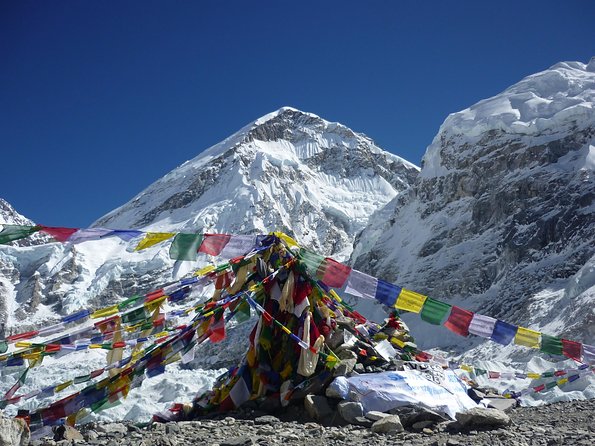
From Lobuche, you continue toward Gorak Shep before heading onward. The route is physically demanding because of the altitude and uneven surface. The famous prayer flags at Base Camp mark the finish, but the mountain itself may not appear in the way first-time visitors expect.
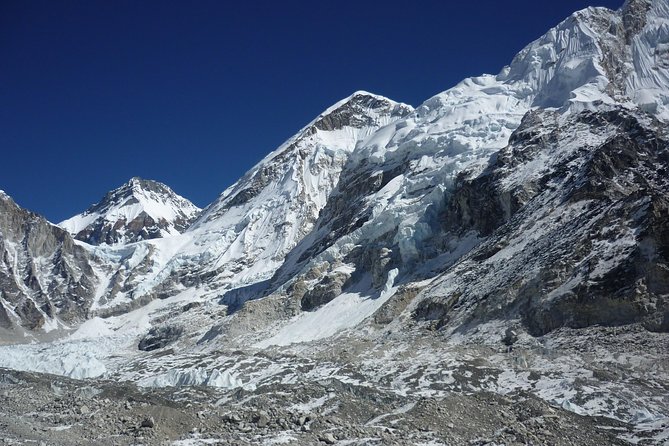
Everest Base Camp is the staging area for climbers attempting the summit, while the best broad view of Everest on this route comes from Kala Patthar the next morning. At Base Camp, you will see the surrounding peaks and glacial terrain, including Pumori, Lingtren, Khumbutse, and Nuptse.
This is a day to manage expectations. Reaching Base Camp is a major achievement, but it is not a summit climb, and Everest is not always the dominant visible peak from the camp.
Day 11: Kala Patthar sunrise and the descent to Pheriche
You rise early for Kala Patthar, the route’s celebrated sunrise viewpoint. The climb and return form another long day of about eight hours, but the morning light on Everest and the surrounding peaks can be the most memorable view of the entire trek.
As the sun reaches the snowy summits, the mountains may shift from gray to gold and red. Bring warm clothing for this part of the day, since you will be outside before the sun provides much heat.
After Kala Patthar, you descend to Pheriche for the night. Descending is easier for breathing, but tired legs and uneven paths still require care. Do not assume the hard work is over simply because you are going downhill.
Days 12 and 13: Returning through Namche and Lukla
Day 12 takes about seven hours and returns you to Namche Bazaar. Walking the same trail in reverse gives it a different feel. Descending opens views that may have been hidden on the way up, and Namche can feel almost luxurious after the higher villages.
Day 13 continues through Phakding and on to Lukla, taking about seven hours. The Dudh Koshi River, suspension bridges, and greener surroundings mark your return to the lower part of the route.
The final night in Lukla is important because the next flight depends on weather and operating conditions. If poor weather cancels the flight, you may need extra time and flexibility. One past experience involved canceled Lukla flights and illness, yet the support team adjusted the plan and helped the person continue safely.
Days 14 to 16: Kathmandu, recovery, and departure
Day 14 brings the flight from Lukla back to Kathmandu, followed by a hotel transfer. The afternoon is free for rest or a walk around the city.
Day 15 is another flexible Kathmandu day. You can arrange an optional trip, shop, enjoy a meal on a rooftop terrace, or book a massage. This spare day also gives you a cushion if the return flight is delayed.
On Day 16, private transport takes you from your hotel to the airport. The experience ends with a certificate of achievement, a small but welcome reminder of the effort involved.
What is included, and what still costs extra
The package includes a great deal of practical support:
- Airport pickup and drop-off by private vehicle
- Round-trip flights to Lukla, from Kathmandu or Ramechhap depending on operations
- Two Kathmandu hotel nights with breakfast
- Twin-share mountain accommodation
- Breakfast, lunch, dinner, and tea or coffee during the trek
- Trekking permits and required paperwork
- English-speaking guide service and porter support
- One porter for every two participants
- Sleeping bag, down jacket, duffle bag, map, and trek certificate
The package does not include international airfare, Nepal entry visa costs, travel insurance, drinks, bottled water, personal internet, laundry, phone calls, bar bills, tips, or personal trekking equipment.
The listed price is shown as $0, so you should confirm the actual current cost before booking. The value depends heavily on what the operator charges at the time, but the inclusions are substantial. Flights, meals, permits, accommodation, and equipment can add up quickly on a 16-day Himalayan trip.
If you book alone or do not want to join an existing group, a single supplement of $230 may apply on arrival. The stated group limit is 14 people, but the trip is described as private for your own group.
Guides, porters, and the human side of the trek
The strongest praise focuses on the guides and porters. People specifically credit Bheg, Shiva, Hem, Ram, Santa, Kamal, Surya, and Prem Karki with patience, care, route knowledge, and attention to safety.
That matters more than polished transport. At altitude, a guide who notices that you are struggling can change the whole outcome of the trip. One account describes a guide staying with a sick participant while the rest of the group continued, then helping that person rejoin the trek.
You should still take responsibility for your own health. The trip requires moderate physical fitness, and oxygen equipment is available only on request with an extra charge. Travel insurance is mandatory, and it should cover trekking at the elevations involved.
Who should book this Everest Base Camp trek?
I would recommend this trip to someone who wants a structured first Himalayan trek and prefers having transport, permits, meals, guides, and mountain equipment arranged in advance.
It suits you if you can handle long walking days, basic guesthouse accommodation, cold conditions, thin air, and changes caused by weather. It also suits people who want cultural moments along with mountain views, especially the monasteries, prayer flags, villages, and working life of the Khumbu.
I would hesitate to recommend it if you need fixed flight times, private hotel-style accommodation throughout, or a relaxed holiday pace. The route is physically serious, and no operator can guarantee clear weather or a Lukla flight on schedule.
Should you book it?
Book this Everest Base Camp trek if you want the classic route with sensible acclimatization and strong logistical support. The two nights in Namche and Dingboche, the early Kala Patthar viewpoint, included meals and permits, and the personal attention from guides make the structure appealing.
Before paying, confirm the actual price, the departure airport for the Lukla flights, the current equipment list, and the insurance requirements. If you accept the altitude, the basic lodges, and possible weather delays, this is a well-rounded way to reach Everest Base Camp without trying to organize every detail yourself.
FAQ
How long is the Everest Base Camp Trek?
The trip lasts approximately 16 days, including arrival and departure days in Kathmandu, the trek to Everest Base Camp, the return to Lukla, and the flights back to Kathmandu.
Where does the trek begin?
The experience begins with pickup at Tribhuvan International Airport in Kathmandu. The walking portion starts after a flight to Lukla.
Are flights to Lukla included?
Yes. Round-trip domestic flights between Kathmandu and Lukla, or between Ramechhap and Lukla, are included according to the tour information.
What meals are included?
Breakfast, lunch, and dinner are included during the trekking portion, along with a cup of tea or coffee. Drinks, bottled water, cold drinks, and other beverages are not included.
Is accommodation included?
Yes. You receive two nights in a three-star Kathmandu hotel with breakfast, plus the best available twin-share guesthouse accommodation during the trek.
Do I need travel insurance?
Yes. Travel insurance is required for the trip. The tour information also advises you to arrange your own personal trekking equipment.
What happens if bad weather cancels a flight or the trip?
If the experience is canceled because of poor weather, you may be offered another date or a full refund. Flights can also be delayed, so you should keep some flexibility in your schedule. Cancellations made at least 24 hours before the start time receive a full refund, while cancellations within 24 hours are nonrefundable.
Recently added around Kathmandu
- Ghorepani Poon Hill Trek★ 5.0 · 16 reviews
- Private Manaslu Circuit Trek at Himalayas★ 5.0 · 3 reviews
- Amazing 1 Day Trekking Experience in Kathmandu Nepal★ 5.0 · 24 reviews
- Upper Mustang Trekking★ 5.0 · 2 reviews
- Ghorepani Poonhill Trek★ 5.0 · 5 reviews
- Upper Mustang Trekking★ 3.0 · 2 reviews
- Upper Mustang Trekking★ 5.0 · 4 reviews
- Upper Mustang Trek★ 5.0 · 5 reviews
Everest Base Camp Treks, compared.






Browse the lists this tour appears in