
REVIEW · KATHMANDU
Everest Base Camp Trek 15 Days
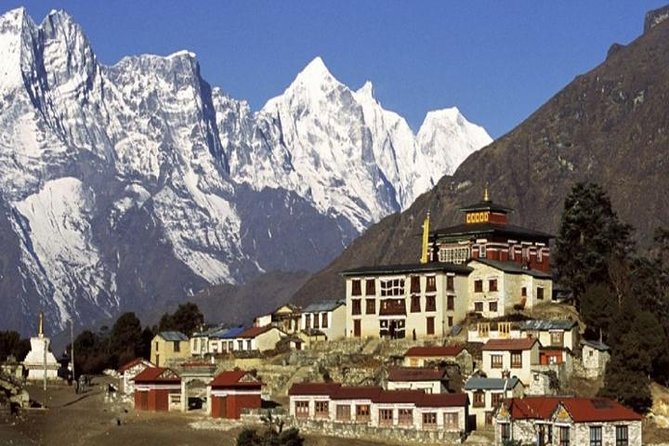
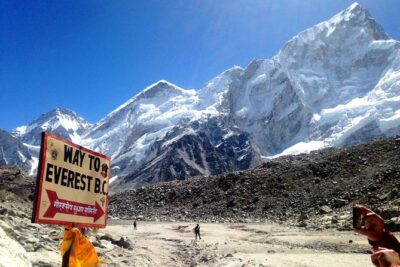
The world’s highest peak rewards patient walkers. This 15-day trek takes you from Kathmandu toward Everest Base Camp at 5,364 meters, through Sherpa villages, Buddhist monasteries, rhododendron and pine forests, high alpine country, and the stark Khumbu icefall region. I like the combination of big mountain views and everyday Sherpa culture, and I also like that the trip is private, with your own group rather than a large mixed crowd.
The strongest part may be the human support. Guides including Lakpa, Pasang, Buddha Tamang, Gumbo, and Tendi have received warm praise for their care, communication, and help at altitude. The main caution is simple: this is a demanding high-altitude trek, not a sightseeing holiday. You need moderate physical fitness, patience, and a sensible attitude toward cold, fatigue, weather, and changing mountain conditions.
Key points before you book
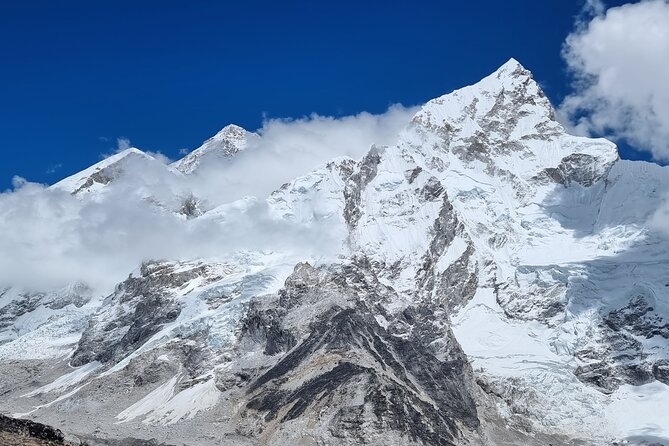
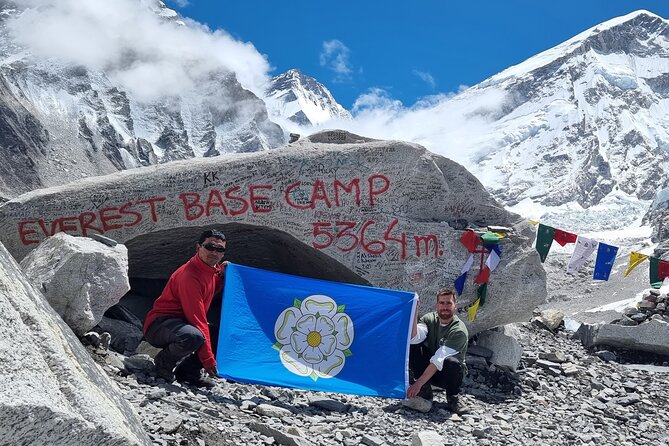
- Base Camp at 5,364 meters: The goal is the foot of Everest, near the Khumbu icefall and some of the planet’s most famous peaks.
- Sherpa culture along the trail: You pass traditional villages, old heritage sites, monasteries, and communities shaped by Buddhist customs.
- Private group format: Only your own group participates, which can make pacing and communication easier.
- Guide support matters: Lakpa, Pasang, Buddha Tamang, Gumbo, Tendi, and other local staff are praised for safety, encouragement, and practical help.
- Basic comforts are covered: Breakfast, lunch, dinner, a sleeping bag, a duffel bag, and fees and taxes are included.
- The price has limits: At $2,400 per person, the package covers important trek essentials, but you still need money for drinks, snacks, insurance, tips, and your Nepal visa.
What the 15-day trek is really about
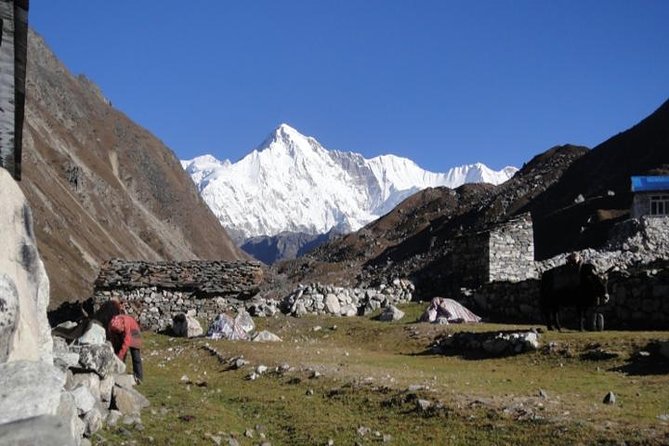
Everest Base Camp has a powerful name, but the destination is only part of the appeal. The walk is a gradual change of scenery and culture. You begin around Kathmandu, then move into the Himalayan foothills before reaching the colder, higher country near Everest.
I like this format because it gives you time to notice the smaller details. A prayer flag, a monastery wall, a line of pack animals, or a simple lodge dining room can be as memorable as a distant summit. The trip is built around walking, not rushing from one photo stop to another.
The route takes you through Sherpa villages and Buddhist communities, where local customs remain part of daily life. The supplied description does not give a full day-by-day schedule or name every overnight stop, so you should ask the operator for the exact route before booking. Still, the main arc is clear: Kathmandu, the mountain trail, the Everest Base Camp area, and a return to the original meeting point.
More Everest Base Camp Treks in Kathmandu:
- Everest Base Camp Trek – 14 Days
★ 5.0 · 1,499 reviews - Everest Base Camp Trek
★ 5.0 · 842 reviews - Everest Base Camp Trekking
★ 5.0 · 485 reviews
Kathmandu start and the 6:15 am meeting
The tour begins at 6:15 am from Sherpa Expedition and Trekking on Chaksibari Marg in Kathmandu. That early start matters. You should arrive ready, with your personal items organized and enough time to confirm bags, documents, and any final instructions.
Pickup is offered, but the meeting point is also near public transportation. Confirm the pickup arrangement before the start date, since the published details list both options without explaining the exact pickup zone or timing.
This first stage is practical rather than scenic. Kathmandu is the place to get organized before the mountains take over. Make sure you understand what goes into the supplied duffel bag, what you carry yourself, and which personal costs remain yours.
Forest trails, high villages, and changing scenery
The lower part of the trek is described as passing through alpine rhododendron and pine forests. These trees give the early walking days a softer feel than the stark upper route. You may find the trail more welcoming here, but do not assume the entire trip will feel easy. The altitude gradually changes the effort required from you.
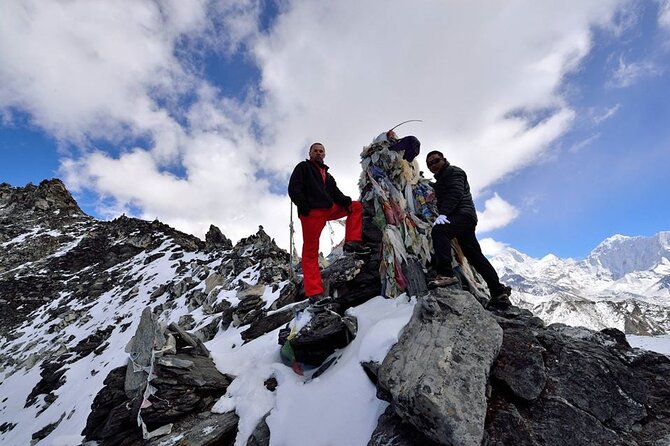
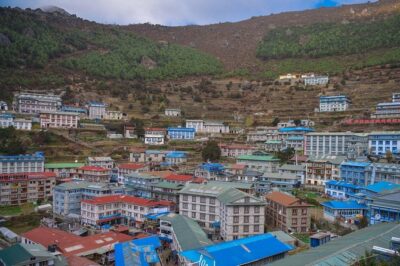
As you climb, forests give way to open mountain country. The views broaden, and the villages feel more remote. Traditional Sherpa settlements are not just scenic backdrops. They connect the walk to the people who have lived, worked, traded, and practiced their faith in this region for generations.
You will spend nights in clean scenic lodges. That does not mean luxury. The phrase suggests a useful level of comfort after long walking days, but you should still expect a mountain lodge experience rather than a city hotel. A warm common room, a meal, and a bed can feel wonderfully generous after hours outside.
Monasteries and Buddhist culture on the route
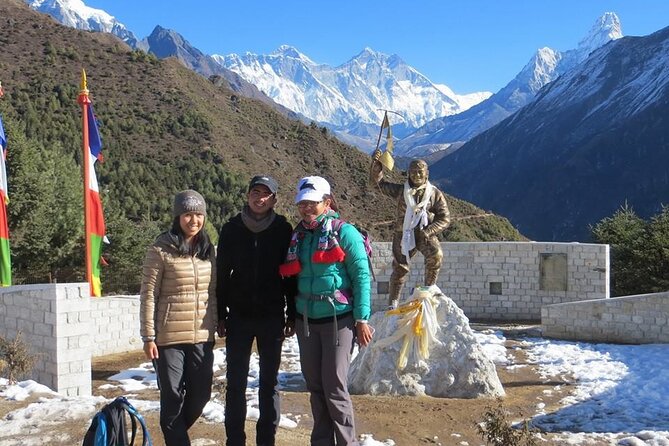
The cultural side of this trek gives it more depth than a mountain-view itinerary. Along the route, you visit old heritage sites and interesting monasteries, with high peaks forming the backdrop.
Take time here. It is easy to hurry past a monastery while thinking about the next climb, but these places help explain the values and traditions of the Khumbu region. Ask your guide about local customs and appropriate behavior. You should follow any instructions about photography, entering religious spaces, or walking around sacred objects.
The guides are an important part of this experience. Buddha Tamang has been praised for his enthusiasm, care, and understanding of the region. Pasang has been described as supportive and attentive, while Lakpa has been singled out for helping groups complete the trek and keeping morale high. Names and staff assignments can change, so treat these as examples of the company’s guiding team rather than a promise that one particular person will lead your group.
A few more treks around Kathmandu worth a look
- Annapurna Circuit Trek with Tilicho Lake
★ 5.0 · 368 reviews - Everest Base Camp Trekking – 13 Day
★ 5.0 · 365 reviews - Everest Base Camp Trek
★ 5.0 · 350 reviews - Everest Base Camp Trek -14 Days
★ 5.0 · 321 reviews
Reaching the Khumbu icefall area and Base Camp
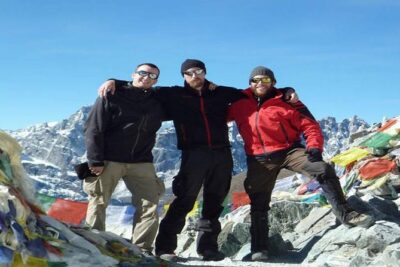
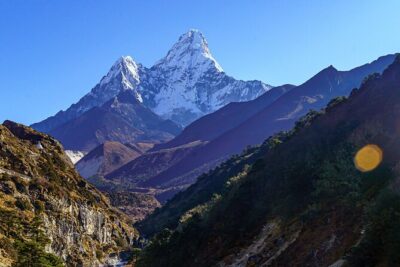
The high point of the trip is Everest Base Camp at 5,364 meters. Reaching it is a physical achievement, but the setting also gives the moment its force. You are near the Khumbu icefall, surrounded by some of the world’s highest peaks and a severe, barren mountain environment.
The scenery changes sharply at this altitude. The forests are behind you, and the route becomes more exposed and austere. The mountains may look close, yet the terrain can make every step feel earned. This is where the value of a good guide becomes clearest. You need someone who notices how you are coping, keeps the pace sensible, and knows when encouragement is useful.
The supplied information does not promise a particular viewpoint, weather condition, or length of time at Base Camp. Keep your expectations flexible. Clouds, wind, trail conditions, and local decisions may shape the day. The goal is to reach the base camp area safely, not to force a photograph at any cost.
A closer look at the guide and porter support
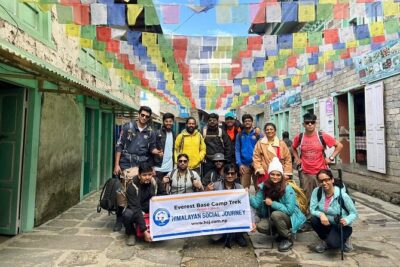
The praise for the staff is unusually consistent. Lakpa and Pasang are repeatedly associated with strong support, while porters named Neema, Nima, and Kumar are credited with helping carry loads and making difficult days more manageable. One account specifically describes porters carrying day bags when the walkers were exhausted.
That detail matters. On a trek like this, support is not just a friendly extra. It affects how much energy you have for the trail, how well you handle the altitude, and how much attention you can give to the scenery and culture around you.
Communication also appears to be a strong point. Ram has been praised for handling logistics and adapting when a flight delay disrupted arrival plans. That kind of flexibility is valuable in Nepal, where mountain schedules can change. Still, you should not treat flexibility as a guarantee. Ask what happens if weather or transport problems affect your own departure.
Meals, sleeping gear, and what the $2,400 price covers
The $2,400 price includes breakfast, lunch, and dinner, along with a sleeping bag, a duffel bag, and all fees and taxes. Those inclusions give the price real substance. Three daily meals remove a large part of the planning burden, while the sleeping bag and duffel bag reduce the amount of specialist gear you must arrange before arrival.
Food and lodge quality can vary on a mountain trek, even when meals are included. One piece of feedback specifically praises the food and locations, but the package does not provide menus or dietary details. If you have allergies or strict dietary needs, contact the operator before paying.
The price does not include alcoholic drinks, soda, snacks, a Nepal visa, insurance, or tips for the guide and porter team. These are not minor details. High-altitude walking creates appetites, and you may want drinks or snacks along the way. You also need insurance suitable for a high-altitude trek. Build those costs into your budget before deciding that $2,400 is the final figure.
Fitness, altitude, and the hard part of the decision
The operator describes the trek as suitable for people with a moderate physical fitness level. That is helpful, but it should not be read as easy. Fifteen days of mountain walking places repeated demands on your legs, lungs, feet, and patience.
You should be comfortable with long walking days and uneven mountain paths. The available details do not state the daily distances, maximum walking hours, or exact acclimatization plan. Ask for those specifics before booking, particularly if you have limited experience at altitude.
The reviews contain several references to guides paying close attention to physical condition and adaptation. Gumbo and Tendi, for example, are praised for making a solo participant feel safe and well cared for. That is encouraging, but good support does not remove altitude risk. You must still tell your guide promptly if you feel unwell and follow the guide’s advice.
A sensible preparation plan includes regular walking, uphill practice, and carrying a daypack. You do not need to train like an athlete, but you should arrive ready for sustained effort. The mountain will not be impressed by your office fitness tracker.
Private groups and the pace of the experience
This is a private activity, so only your group participates. That can be a major advantage. You have more room to discuss pace, rest, photography, and how you are feeling without being tied to strangers.
Private travel can also expose a weakness: the atmosphere depends on your own group. If you are traveling alone, ask how solo arrangements work and whether a guide and porter team will be assigned specifically to you. The feedback from solo participation is positive, with strong emphasis on safety and personal attention, but exact staffing should be confirmed.
A private group does not mean the trek becomes fully flexible. Mountain weather, trail conditions, permits, local decisions, and health concerns still shape the route. Think of privacy as better communication and a more personal rhythm, not a promise that every plan can change at will.
What to pack and what to confirm
The sleeping bag and duffel bag are supplied, which is useful. You still need personal clothing and walking equipment suited to cold, wet, and changing mountain conditions. The available details do not provide a packing list, so request one before departure.
Confirm these points with the operator:
- The exact day-by-day route and overnight stops
- Daily walking times and altitude gains
- The acclimatization plan
- What the supplied duffel bag and sleeping bag are like
- Pickup details in Kathmandu
- Dietary arrangements
- Guide and porter assignments
- Insurance requirements
- Any transport costs not covered by the package
These questions are not fussy. They help you compare the price honestly and prepare for the actual effort involved.
Cancellation, weather, and minimum numbers
You can cancel up to 24 hours before the start time for a full refund. Cancellations or changes made less than 24 hours before the experience are not refunded or accepted under the stated policy.
The trip depends on good weather. If poor weather causes cancellation, you are offered another date or a full refund. The activity also requires a minimum number of participants, despite being private for your own group, so ask how that condition applies to your booking.
Who should book this Everest trek?
I would point this trip toward someone who wants the classic Everest goal but also cares about village life, monasteries, Sherpa hospitality, and guide support. It suits people who prefer a private group and want meals, a sleeping bag, and a duffel bag included.
I would be cautious about recommending it to anyone seeking a soft adventure, a fixed luxury standard, or a short mountain visit. The altitude and 15-day commitment are serious. You should also hesitate if you dislike changing plans or have not prepared for sustained walking.
The strongest reason to choose this operator is the apparent quality of the human support. Lakpa, Pasang, Buddha Tamang, Gumbo, Tendi, and the porter teams receive praise for care, encouragement, communication, and practical help. The key step is to confirm who will lead your trip and what support is included in your specific booking.
Should you book the 15-day Everest Base Camp Trek?
Book it if reaching Everest Base Camp is a genuine goal and you want the route to include more than summit photographs. The mix of Sherpa villages, Buddhist sites, forests, glaciers, lodges, and high mountain views gives the journey a strong sense of place.
At $2,400, the package offers useful value through meals, bags, sleeping equipment, and included fees. Just remember that insurance, visa costs, tips, snacks, drinks, and personal gear remain outside the headline price.
My advice is to ask for the full day-by-day plan and acclimatization details before you commit. If those answers suit your fitness and expectations, this looks like a well-supported way to take on one of the world’s great trekking goals.
FAQ
Where does the Everest Base Camp Trek begin?
The trek begins at Sherpa Expedition and Trekking on Chaksibari Marg, Kathmandu 44600, Nepal.
What time does the trek start?
The stated start time is 6:15 am.
Where does the activity finish?
The activity ends back at the meeting point.
Is pickup available?
Yes. Pickup is offered, and the meeting point is also near public transportation.
How long is the trek?
The experience lasts approximately 15 days.
What is included in the price?
Breakfast, lunch, dinner, a sleeping bag, a duffel bag, and all fees and taxes are included.
What is not included?
Alcoholic beverages, soda or pop, snacks, a Nepal visa, insurance, and tips for the guide and porter are not included.
Can I cancel for a full refund?
Yes. You can cancel at least 24 hours before the start time for a full refund. Cancellations made less than 24 hours before the start time are not refunded.
Recently added around Kathmandu
- Ghorepani Poon Hill Trek★ 5.0 · 16 reviews
- Private Manaslu Circuit Trek at Himalayas★ 5.0 · 3 reviews
- Amazing 1 Day Trekking Experience in Kathmandu Nepal★ 5.0 · 24 reviews
- Ghorepani Poonhill Trek★ 5.0 · 5 reviews
- Upper Mustang Trekking★ 5.0 · 2 reviews
- Upper Mustang Trekking★ 3.0 · 2 reviews
- Upper Mustang Trekking★ 5.0 · 4 reviews
- Upper Mustang Trek★ 5.0 · 5 reviews
Everest Base Camp Treks, compared.
Browse the lists this tour appears in