
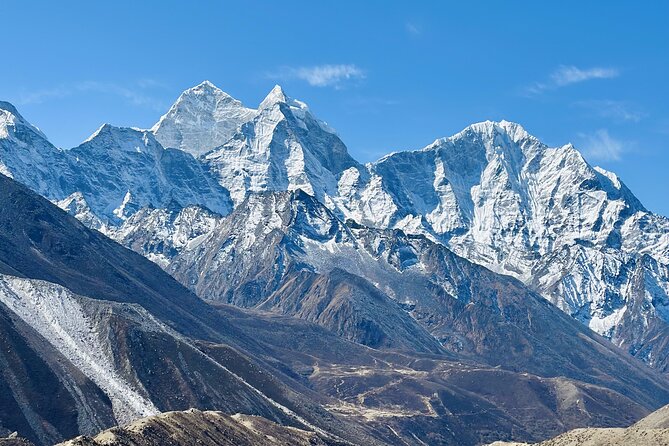
REVIEW · KATHMANDU
Unforgettable Everest Base Camp Trek with Third Rock Adventures! 🌄 I recently completed an incredible journey to Everest Base Camp with Third Rock Adventures, and I can’t recommend them enough! From starRead more
The Himalayas reward steady steps. This 14-day Everest Base Camp trek combines a classic Khumbu route with Sherpa villages, high mountain views, and two important acclimatization stops. I like the careful altitude plan, with nights in Namche and Dingboche, and I like that the price includes meals, permits, porters, a guide, sleeping bag, and down jacket. The main caution is simple: this is a serious high-altitude trek, not a comfortable walking holiday.
I also appreciate the small group size of up to 12 people. That gives your guide room to watch the group and adjust the pace. The strongest praise has focused on the guides and porters, including Dawa, Gnawang, Somdey, and Deepak, who were described as supportive, helpful, and calm when plans changed or altitude sickness appeared.
Key points to know before booking
- Kala Patthar reaches 5,550 meters: The sunrise hike gives you the clearest high viewpoint of Everest, Lhotse, Nuptse, and Pumori.
- Two acclimatization nights matter: You spend extra time in Namche and Dingboche instead of racing straight upward.
- The $1,799 price covers a lot: Meals on trek, teahouses, permits, flights, guide, porter support, a duffel bag, sleeping bag, and down jacket are included.
- The route uses basic teahouses: You receive clean, comfortable lodging, but not hotel-style facilities in the mountains.
- Flights may run through Ramechhap: Ground transport between Kathmandu and Manthali is included, which matters when Lukla flights are routed from there.
- Altitude and weather can disrupt plans: The tour includes first-aid supplies and a pulse oximeter, but you still need insurance and flexibility.
What the $1,799 price really buys
At first glance, $1,799 is a substantial price for two weeks in Nepal. But this is not just a guided walk. The package includes airport transfers, two nights in a three-star deluxe hotel in Kathmandu, domestic flights to and from Lukla, trek meals, teahouse lodging, a licensed English-speaking guide, porter service, park fees, community fees, and staff costs.
That bundle gives you useful value. You do not need to arrange permits, negotiate local transport, find a porter, or buy a sleeping bag for one trip. The provided down jacket and sleeping bag are returned at the end, which saves space and money if you do not plan more high-altitude trekking.
The porter arrangement is one porter for every two trekkers. That is common for this type of trip, but it does not mean your porter carries every item you own without limits. The stated baggage allowance is 15 kilograms, and excess baggage costs about $1 per kilogram. Pack carefully, use the supplied duffel bag, and keep your day pack light.
You still need to budget for Nepal’s visa, international flights, travel and medical insurance, snacks, internet, laundry, battery charging, hot showers, bottled or boiled water, personal gear, and tips. Lunch and dinner in Kathmandu are also separate. The tour gives useful estimates of $10 per person for personal expenses, but actual spending depends on how often you buy drinks, showers, snacks, or souvenirs.
A helicopter option from Kathmandu to Lukla and back is listed at $1,200 per person. That is a major extra, not a minor upgrade. Confirm the flight arrangement before departure, especially if your dates are tight.
More Everest Base Camp Treks in Kathmandu:
- Everest Base Camp Trek – 14 Days
★ 5.0 · 1,499 reviews - Everest Base Camp Trek
★ 5.0 · 842 reviews - Everest Base Camp Trekking
★ 5.0 · 485 reviews
Day 1 in Kathmandu: gear checks before the mountains
Your first day begins with airport pickup and a private transfer to the hotel. You meet the trek leader and team for a briefing, then have time to check equipment, buy missing items, or explore Thamel.
This is a useful buffer day. Kathmandu is where you should solve small problems before they become mountain problems. Check your boots, layers, gloves, headlamp, water system, and personal medications. The provided duffel bag, map, T-shirt, sleeping bag, and down jacket are part of the package, so ask about their fit and condition during the gear check.
The hotel includes breakfast. Lunch and dinner are not included in Kathmandu, giving you freedom to choose your own meals, but remember that the next day begins with transport and a flight.
Day 2: Lukla to Phakding beside the Dudh Koshi
The adventure begins with the flight toward Lukla, followed by a short introduction to the trail. You meet the local crew, walk through Chauri Kharka, and follow the Dudh Koshi River toward Phakding.
Phakding is a Sherpa village in the valley, and the walk gives you an easy first taste of the route. You may spot Khumbila, a sacred unclimbed mountain. That detail matters because the trek is not only about Everest. Local beliefs, monasteries, prayer flags, and village life shape the experience at every stage.
The flight and road arrangements deserve attention. The included transport says shared vehicle service from Kathmandu to Manthali and back, while the domestic flight is listed as Ramechhap or Kathmandu to Lukla. That means your exact departure airport can depend on the operating schedule. Ask the company to confirm the pickup time and airport plan before you arrive.
Day 3: Namche Bazaar and the first hard climb
The trail crosses suspension bridges over the Dudh Koshi, including the famous Hillary Bridge. You then enter Sagarmatha National Park and stop for lunch at Jorsale before the long climb to Namche Bazaar.
Namche is the Sherpa capital and the first major altitude test. The final climb can feel demanding because you gain height steadily and the trail turns steep. This is where a slow pace helps. You are not racing anyone, and your guide’s main job is to keep the group moving safely.
Namche is also a real community rather than just a sleeping stop. Bakeries, shops, and the Saturday Market give you a chance to see how this high mountain hub works. The town has more facilities than villages farther up, but it remains a mountain settlement, not a resort.
A few more treks around Kathmandu worth a look
- Annapurna Circuit Trek with Tilicho Lake
★ 5.0 · 368 reviews - Everest Base Camp Trekking – 13 Day
★ 5.0 · 365 reviews - Everest Base Camp Trek
★ 5.0 · 350 reviews - Everest Base Camp Trek -14 Days
★ 5.0 · 321 reviews
Day 4: Why the Namche acclimatization day matters
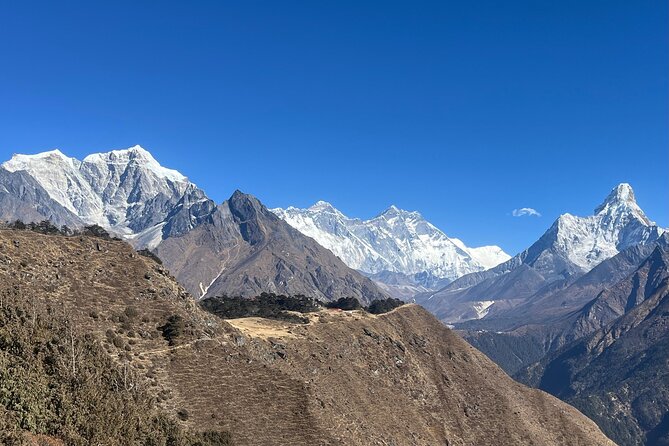
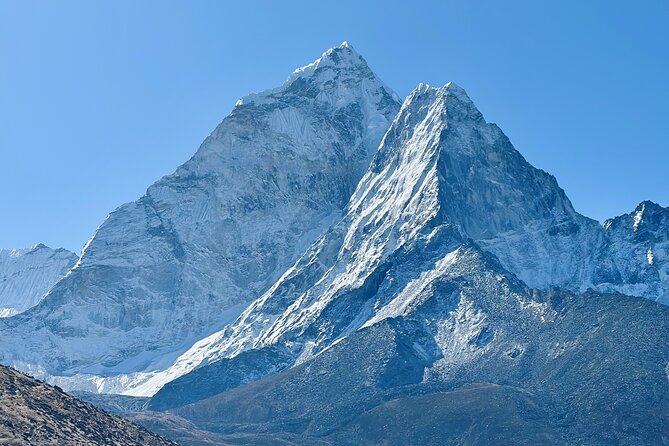
You spend a second night in Namche, with a sunrise walk toward Sagarmatha National Park. From the viewpoint, you can see Everest, Ama Dablam, and Lhotse.
This day is not wasted time. Your body needs a chance to adjust before the trail rises higher. The suggested activity adds height during the day while returning you to the same sleeping altitude, a practical way to prepare for the next section.
You also have time to explore the bakeries, shops, and market. I like this balance. The best trekking days are not always the longest ones. A morning view, a warm drink, and a slower afternoon can do more for your energy than pushing onward too soon.
Day 5: Forest trails and Tengboche Monastery
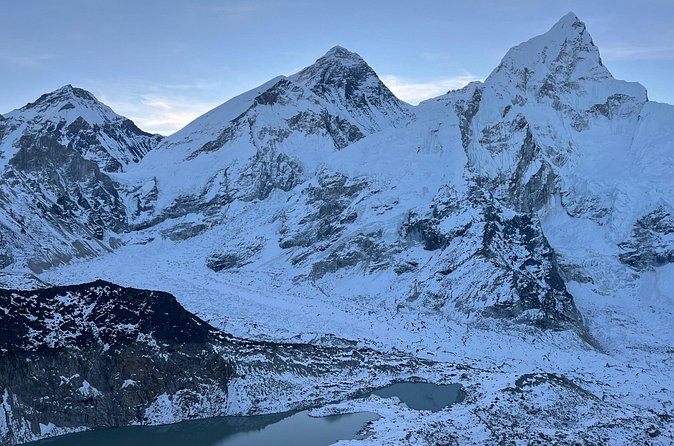
The route leaves Namche through rhododendron and juniper forests. You get views of Everest, Lhotse, Nuptse, and Ama Dablam before reaching Tengboche.
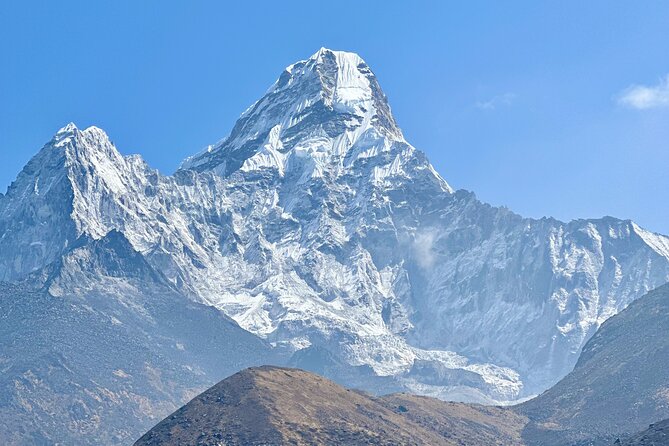
Tengboche is home to the region’s largest monastery. Its setting is one of the most memorable parts of the route, especially with Ama Dablam nearby. The monastery gives the trek a cultural center, not just a succession of mountain viewpoints.
You should treat this day as a gradual transition into thinner air. The forest begins to thin as you gain altitude, and the path includes climbs and descents. Trekking poles can be helpful, especially on uneven ground, though personal trekking gear is not included.
Day 6: Pangboche and the approach to Dingboche
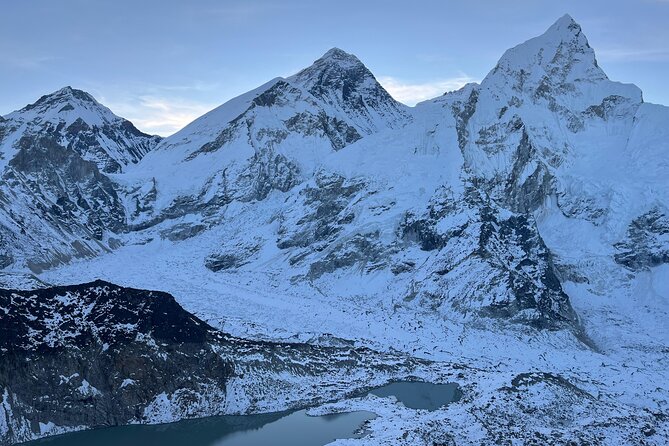
After crossing the Imja Khola, you pass through Pangboche, described as the highest permanent Sherpa settlement. The route continues toward Dingboche, with views of Island Peak and Ama Dablam.
Dingboche is an important stop because the next day is another acclimatization day. The valley gives you a chance to rest before the route becomes more exposed and demanding. Teahouse lodging is included, but conditions become increasingly basic at this height. Hot showers, drinks, charging, and internet may cost extra.
The package includes breakfast, lunch, dinner, and one cup of tea or coffee during the trek. That reduces daily decisions and keeps the main costs predictable. You still pay separately for bottled or boiled water and other extras.
Day 7: Nagarjun Hill at 5,100 meters
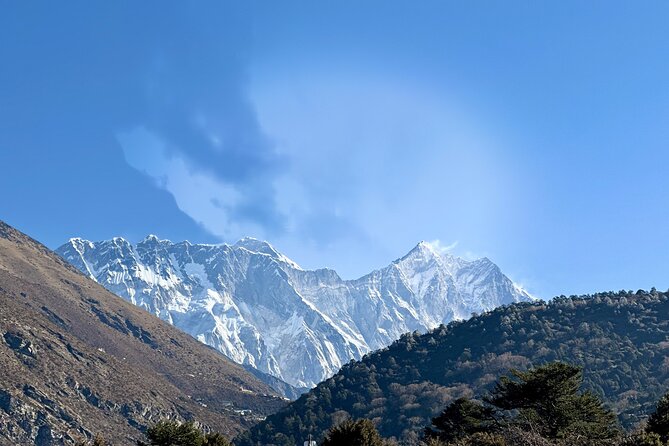
The acclimatization hike goes to Nagarjun Hill, reaching about 5,100 meters. From there, you can see Makalu, Lhotse, Ama Dablam, and Island Peak, along with the Imja Glacier.
This is a demanding acclimatization walk, not a gentle sightseeing stroll. You return to Dingboche afterward, with the afternoon free to rest or explore. The return to the same lodging is important because you sleep lower than the high point reached during the day.
At this altitude, pay attention to how you feel. The guide carries first-aid supplies, a pulse oximeter, and basic medicines such as paracetamol and Diamox. Those supplies are useful, but they do not replace medical advice or proper travel insurance. The package specifically excludes travel and medical insurance, so arrange that before you go.
Day 8: Lobuche, Thukla Pass, and the climbers’ memorials
The walk to Lobuche covers about 8 kilometers over rugged high-altitude ground. You see Lobuche, Pumori, and Nuptse, then pause at Thukla Pass.
The memorial stupas at Thukla honor climbers who died on Everest and nearby peaks. This is one of the route’s most sobering moments. It brings the scale of the mountain into focus. The trek is beautiful, but Everest is not a tame backdrop.
You continue toward Lobuche, near the Nepal and Tibet border area. Conditions are more austere here, and the altitude can make a modest distance feel long. Keep your day pack organized, protect electronics from cold, and follow your guide’s pace rather than trying to prove anything.
Day 9: Everest Base Camp beside the Khumbu Glacier
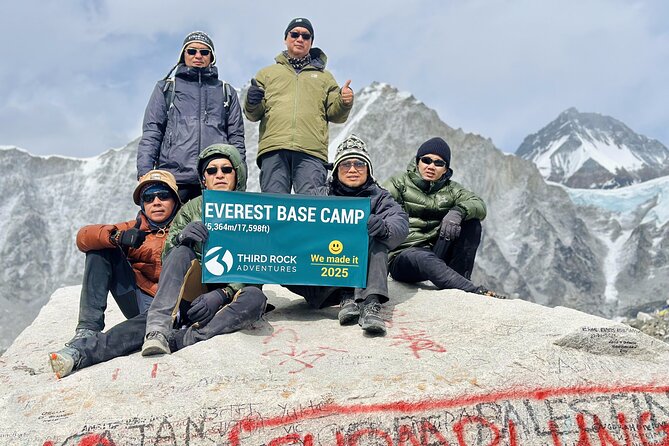
From Lobuche, you walk to Gorak Shep, then continue beside the Khumbu Glacier toward Everest Base Camp. The trail leads through rugged ground with views of the Khumbu Icefall and surrounding peaks.
Reaching Base Camp is the emotional center of the trip. You are not summiting Everest, and the view of the mountain itself is not as open from Base Camp as it is from Kala Patthar. The appeal is being at the starting point for expeditions and seeing the glacier and icefall up close.
You return to Gorak Shep for the night. This is a long and tiring day at high altitude, so keep expectations realistic. The achievement comes from completing the route safely, not from lingering at Base Camp for hours.
Day 10: Sunrise from Kala Patthar at 5,550 meters
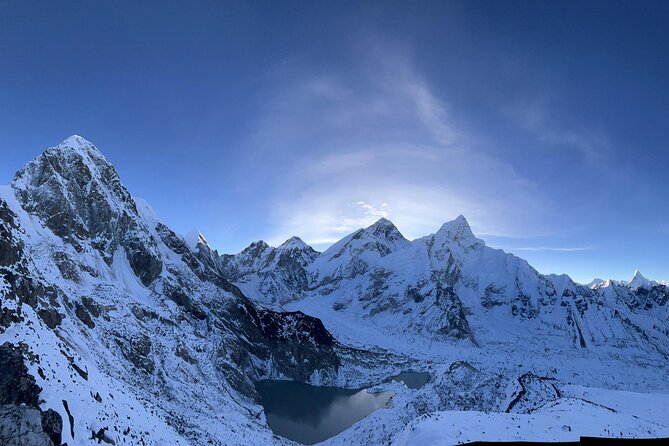
The early hike to Kala Patthar reaches the highest point of the trek, about 5,550 meters. At sunrise, the peaks of Everest, Lhotse, Nuptse, and Pumori catch the first light.
For many people, this is the best mountain viewpoint of the whole trip. Kala Patthar gives a broad panorama and a clearer view of Everest than Base Camp does. The cold, thin air, and early start make it hard work, but the reward is substantial.
After returning to Gorak Shep, you begin descending toward the lower route. The supplied schedule then continues through the Pheriche area, with the following night described at Namche. The exact overnight sequence should be confirmed before departure because the day descriptions compress a substantial descent.
Days 11 and 12: Retracing the route to Lukla
The descent passes through scenic trails and Tengboche before the climb back to Namche Bazaar. That uphill section can surprise you. The overall direction is down, but Himalayan trails contain plenty of short climbs.
Back in Namche, you can enjoy the village atmosphere with a different perspective. The shops, bakeries, and familiar bridges often feel more welcome after the high route.
The next day takes you down through local villages and across the Hillary Suspension Bridge before reaching Lukla. This is your final night in the mountain region, and the group can mark the end of the trek together.
Day 13: Flight back and a last taste of Kathmandu
You fly from Lukla to Kathmandu and transfer to the hotel. If flights operate through Manthali, the included shared vehicle transfer continues between the airport and Kathmandu.
The afternoon is open for rest or shopping. Ason Market is suggested for spices, tea, and decorative items, while nearby shops offer handicrafts and souvenirs. A farewell dinner is also included in the schedule.
Keep this day flexible. Mountain flight timing can affect the amount of free time you have, and the tour warns that unexpected circumstances may create additional costs. A little patience is part of the deal with Lukla.
Guides, porters, and group size
The group maximum is 12 people, which is small enough for a guide to keep an eye on pace and symptoms. The guide is English-speaking, government licensed, trained in first aid, and equipped with a pulse oximeter and essential medicines.
The strongest praise attached to individual staff members. Dawa was singled out for supporting a trekker who developed some altitude sickness and helping change the plan. Gnawang was praised for answering questions and looking after the group, while porter Somdey was described as funny and helpful. Deepak also received strong praise during a trip that combined Everest Base Camp with the Gokyo Lakes route.
Those details matter because guide quality can shape the whole experience. A mountain guide is not just someone who points out peaks. You need clear communication, patient pacing, and sensible decisions when weather or altitude causes trouble.
Who should book this trek?
This trip suits you if you want the classic Everest Base Camp route with organized logistics and a moderate-to-difficult physical challenge. You should be ready for long walking days, basic teahouses, cold conditions, high altitude, and changes caused by weather.
It is a good choice if you want support without paying for a private luxury expedition. The package handles the major arrangements while leaving you responsible for fitness, personal gear, insurance, and tips.
It is not ideal if you need hotel comfort, a fixed schedule, or an easy walking holiday. The trek is achievable with preparation and determination, but the word achievable should not be confused with easy.
Spring and autumn are identified as the best seasons, when skies are often clearer and mountain views are strongest. The operating period shown runs from August 28, 2025, through December 7, 2026. Confirm your exact date, flight routing, and weather plan before paying.
Should you book the Everest Base Camp Trek?
I would book this trek if I wanted the standard Everest Base Camp experience with a practical package and a relatively small group. The inclusion of permits, meals, flights, porters, a guide, and high-altitude gear makes $1,799 reasonable, though your final cost will rise with insurance, tips, personal gear, drinks, showers, and possible flight changes.
The best reasons to choose it are the acclimatization structure, the included support, and the repeated praise for guides such as Dawa, Gnawang, Somdey, and Deepak. The biggest reasons to hesitate are the altitude, basic lodging, uncertain flight conditions, and the need to bring your own insurance and equipment.
If you prepare properly, respect the pace, and accept that mountain plans can change, this tour offers a well-supported route to Base Camp and Kala Patthar. If you want comfort above all else, choose a lower-altitude Nepal trek instead.
FAQ
How long is the Everest Base Camp trek?
The experience lasts approximately 14 days, including arrival and departure days in Nepal.
Where does the trek begin?
The trip begins in Kathmandu, with a flight toward Lukla after the initial briefing and preparation day.
Is airport pickup included?
Yes. Airport pickup and drop-off are included in a private vehicle.
Are flights to Lukla included?
Yes. Domestic flights between Ramechhap or Kathmandu and Lukla are included according to the stated itinerary. Ground transport between Kathmandu and Manthali is also included when required.
What is the highest point of the trek?
Kala Patthar is the highest point, at approximately 5,550 meters.
Is Everest Base Camp included?
Yes. The route reaches Everest Base Camp on Day 9, with views of the Khumbu Glacier and Khumbu Icefall.
Are meals included?
Breakfast, lunch, and dinner are included during the trek, along with one cup of tea or coffee. Lunch and dinner in Kathmandu are not included.
What accommodation is provided?
You receive two nights in a three-star deluxe hotel in Kathmandu and the best available clean, comfortable teahouse accommodation during the trek.
Is porter service included?
Yes. Porter service is included at a ratio of one porter for every two trekkers.
Is travel insurance included?
No. Travel and medical insurance are not included and should be arranged separately.
Recently added around Kathmandu
- Ghorepani Poon Hill Trek★ 5.0 · 16 reviews
- Private Manaslu Circuit Trek at Himalayas★ 5.0 · 3 reviews
- Amazing 1 Day Trekking Experience in Kathmandu Nepal★ 5.0 · 24 reviews
- Ghorepani Poonhill Trek★ 5.0 · 5 reviews
- Upper Mustang Trekking★ 5.0 · 2 reviews
- Upper Mustang Trekking★ 3.0 · 2 reviews
- Upper Mustang Trekking★ 5.0 · 4 reviews
- Upper Mustang Trek★ 5.0 · 5 reviews
Everest Base Camp Treks, compared.






Browse the lists this tour appears in