
REVIEW · KATHMANDU
Everest Base Camp Trek – 14 Days
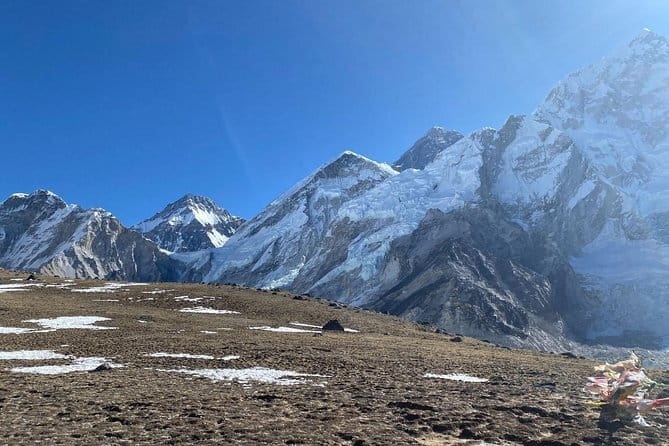
The mountain earns every step. This 14-day Everest Base Camp trek combines a scenic flight to Lukla, Sherpa villages, Sagarmatha National Park, and close views of Everest. I like the two acclimatization days, which give your body a better chance to handle the thin air, and I like the return to Kathmandu by the same dramatic mountain route. The main concern is altitude: this is a serious high-elevation trek, not a long sightseeing walk.
The $1,800 price includes flights, permits, guide, porter, accommodation in Kathmandu, and most meals, which gives the trip solid value. I also like that the group is limited to 15 people and that guides such as Sujan Nepal, TB, Shiva, Dipak, and Tribhuvan have received especially warm praise for care and flexibility. Still, you need suitable insurance, extra money for personal costs and tips, and patience when weather affects the Lukla flights.
Key Points Before You Book
- Lukla flight included: The 35-minute flight from Kathmandu begins and ends the trekking section, subject to weather.
- Two acclimatization stops: Namche Bazaar and Dingboche provide rest days with optional hikes.
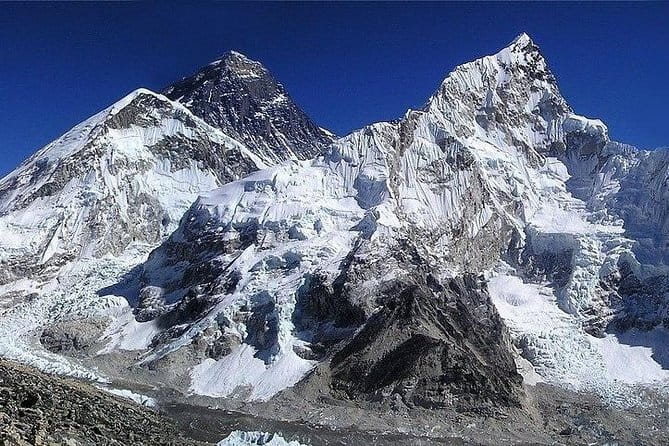
- High point at Kala Patthar: The climb reaches 5,545 meters, higher than Everest Base Camp itself.
- Small group size: The maximum is 15 people, useful on a route where timing and support matter.
- Porter support included: One porter is shared by two people for luggage carrying.
- Strong guide support: Sujan Nepal, TB, Shiva, Dipak, and Tribhuvan are among the guides praised for safety, kindness, and problem-solving.
Why This Everest Trek Works
The classic route to Everest Base Camp is not just a march toward a famous sign or glacier. It is a gradual change of place and pace. You begin amid Kathmandu’s traffic, temples, hotels, and narrow lanes, then fly into a mountain valley where walking is the only practical way forward.
The route passes through Sherpa settlements, yak pastures, pine and rhododendron woods, high meadows, and finally a stark world of rock, ice, and snow. That variety is one of the best reasons to choose this itinerary. You are not simply looking at Everest from a distance. You are moving through the communities and valleys that support expeditions on the mountain.
I also like the structure. You reach Namche Bazaar before pushing much higher, then spend a second acclimatization day at Dingboche. Those pauses are not wasted time. At altitude, a slower plan is a safer and more sensible plan.
The tradeoff is that the itinerary remains demanding. The highest nights are above 4,000 meters, and the route reaches 5,545 meters at Kala Patthar. Fitness helps, but fitness alone does not prevent altitude sickness. You must be willing to walk slowly, speak up if you feel unwell, and accept changes if weather or health makes the original plan unsafe.
More Everest Base Camp Treks in Kathmandu:
- Everest Base Camp Trek – 14 Days
★ 5.0 · 1,499 reviews - Everest Base Camp Trek
★ 5.0 · 842 reviews - Everest Base Camp Trekking
★ 5.0 · 485 reviews
Day 1: A Simple Arrival in Kathmandu
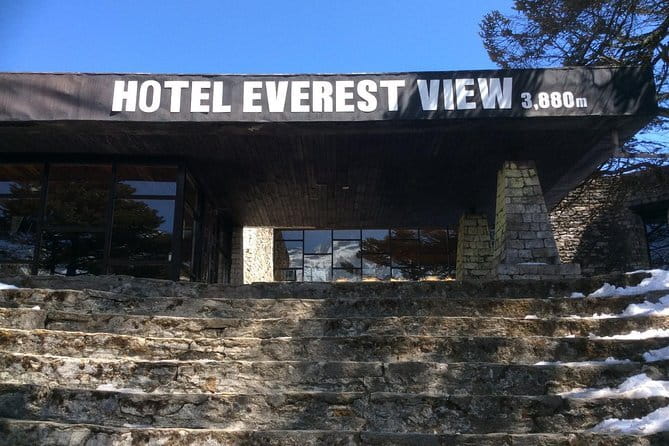
Your trip begins at Tribhuvan International Airport, where an airport representative holds a Nepal Trek Adventures sign and takes you to your hotel. The transfer is expected to take about an hour.
This is a useful first step because Kathmandu arrivals can be tiring and confusing. You do not need to work out the local transport system immediately after a long flight. The included stay is for two nights in a three-star hotel or a similar property, giving you time to rest and prepare.
The meeting point for the company is in Thamel, a central area with trekking shops, restaurants, and travel offices. The early start on Day 2 means you should treat the first evening as preparation time rather than a late night out.
Day 2: The Lukla Flight and Easy Walking to Phakding
The day begins early with a 35-minute flight from Kathmandu to Tenzing-Hillary Airport in Lukla, at 2,804 meters. The flight is short, but it is a major part of the experience. You leave the Kathmandu Valley and arrive beside the Everest trekking route almost at once.
After landing, your guide introduces the porters and explains the trek. The first walk follows the Dudh Kosi River toward Phakding, at 2,610 meters. You pass through Ghat and other small settlements before reaching the night’s stop.
This is a sensible opening day. The walking is described as easy, and you do not gain a great deal of altitude. That matters because your body is beginning to adjust. You can use the day to learn the rhythm of the trail, check your pack, and see how you respond to the mountain air.
The weak point is the flight. It depends on clear conditions, and a delay can affect the rest of the schedule. The cancellation terms allow a new date or full refund if the experience is canceled for poor weather, but you should still leave flexibility around the trek if possible.
Day 3: Namche Bazaar and the First Big Climb
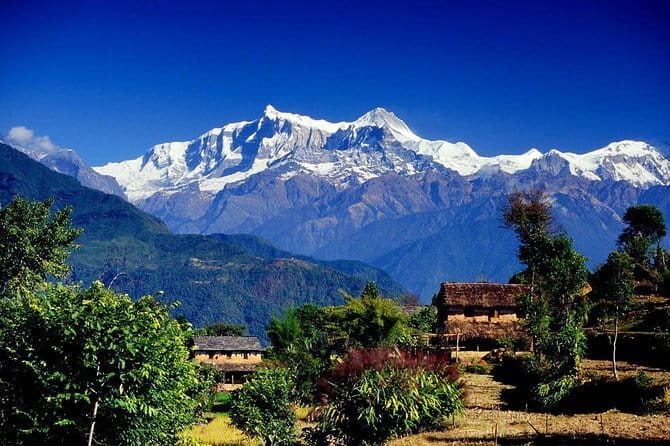
From Phakding, the route follows forests, villages, cultivated fields, and yak pastures toward the entrance to Sagarmatha National Park. Thamserku rises above the route, giving you an early sense that the mountains are getting closer.
Namche Bazaar is the main trading and supply center of the Khumbu region. It is also the place to buy a few forgotten items, such as chocolate. That small detail matters. Once you move beyond Namche, choices become fewer and prices usually feel more noticeable.
Namche is reached after a longer day of walking and a meaningful gain in elevation. The itinerary data lists some very long stop durations on certain days, but those figures do not read like walking times. Use the stated route and altitude changes as your guide, not the unusually large hour totals.
The town is more than a stop for food and supplies. It is a meeting point for porters, guides, expeditions, and people heading in several directions through the Khumbu. You get a first look at how mountain tourism and Sherpa life share the same narrow trails and lodges.
A few more treks around Kathmandu worth a look
- Annapurna Circuit Trek with Tilicho Lake
★ 5.0 · 368 reviews - Everest Base Camp Trekking – 13 Day
★ 5.0 · 365 reviews - Everest Base Camp Trek
★ 5.0 · 350 reviews - Everest Base Camp Trek -14 Days
★ 5.0 · 321 reviews
Day 4: Acclimatization Around Namche
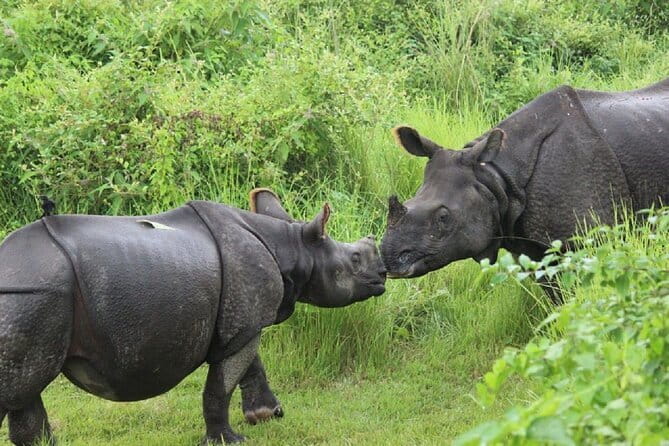
You spend another night at Namche to help your body adjust. The plan wisely encourages activity rather than complete idleness. A short hike is a useful way to gain a little height and return to sleep at the same elevation.
One option is a walk toward Khumjung village and the school associated with Sir Edmund Hillary. The day also brings wide mountain views, including Kwangde, Thamserku, Kangtega, Nuptse, Lhotse, Ama Dablam, and Mount Everest.
This is one of the most valuable days in the program. You get a break from carrying your routine forward, but you still have something meaningful to do. It also gives your guide a chance to see how you are handling the altitude before the route becomes more demanding.
Do not judge the trek by how easy you feel at Namche. The route ahead climbs much higher, and altitude effects can appear later. Drink regularly, walk at a steady pace, and tell your guide about headaches, nausea, unusual tiredness, or trouble sleeping.
Day 5: Forests, Waterfalls, and Tengboche
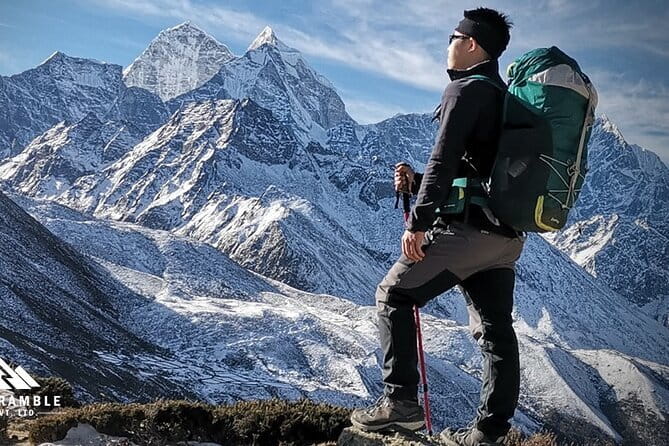
Leaving Namche, the route rises gradually along slopes with views toward Ama Dablam. Some sections run beside steep ground, so you should focus on your footing rather than walk while staring at the peaks.
Lunch is planned at about 3,680 meters, followed by the walk to Tengboche. The route includes pine woods, rhododendrons, small waterfalls, and changing views as the trail climbs above the lower valleys.
Tengboche is one of the most memorable stops because the setting changes quickly. Trees still appear, but the air feels thinner and the peaks have a much greater presence. Ama Dablam is especially striking from this part of the route.
This day can feel long, especially after Namche. The trail may look gentle on a map, but altitude turns ordinary uphill walking into work. The best approach is to keep your pace modest and save energy for the days ahead.
Day 6: Dingboche Above the Tree Line
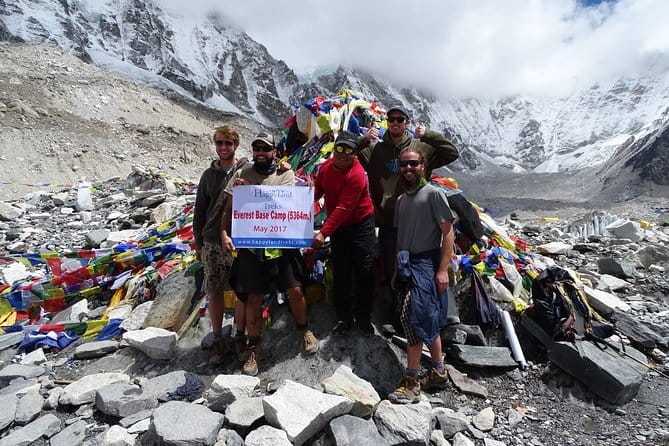
The route continues through Pangboche and then reaches alpine meadows above the tree line. At Orsho, the trail divides, with the lower path leading toward Dingboche.
Dingboche sits at about 4,410 meters. From here, you can look toward Ama Dablam and the Imja River. The settlement also has practical facilities, including a helicopter landing area, an internet cafe, Moonlight Lodge, and a billiards hall described as one of the highest in the world.
That mix of mountain hardship and everyday comfort is part of the route’s character. You may be sleeping in a basic high-altitude settlement, yet you might also find a place to send a message or play a game after the day’s walk.
The altitude is now serious. You are well above the tree line, and the surroundings become more exposed. The lower trail is used on the way toward Base Camp, while the return route uses the upper path near Gopma. This variation keeps the out-and-back journey from feeling exactly the same in both directions.
Day 7: A Second Rest Day at Dingboche
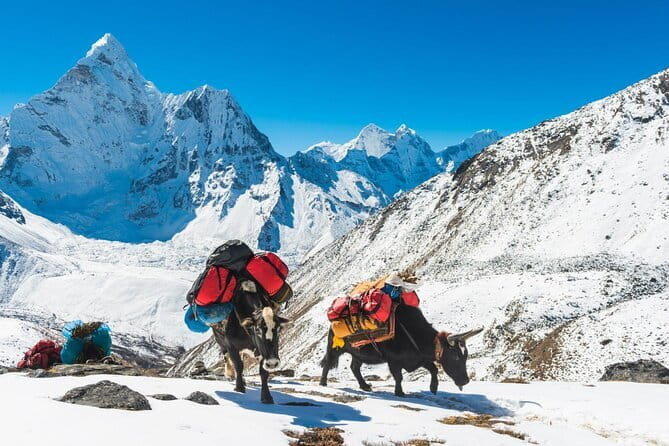
The second acclimatization day gives you a choice. You can make a demanding climb toward Chhukung Ri, a 5,550-meter rock outcrop with views toward Makalu, Ama Dablam, and Baruntse, or take a shorter outing around Chhukung village at 4,730 meters.
Lunch can be taken at a hotel in Chhukung, with Hotel Bright Star listed as a popular choice, before returning to Dingboche.
This optional hike is not a requirement to prove anything. If you feel strong and your guide agrees, the higher walk can help your body adjust and may bring some of the best mountain views of the trek. If you feel tired, the sensible choice is to keep the day easier.
Dingboche is the point where you should take your health most seriously. The schedule is designed to help, but no itinerary can guarantee a successful altitude adjustment. Your guide’s judgment matters here, and the company’s strongest praise centers on guides who watched over safety and adapted plans when needed.
Day 8: The Stark High Country Around Lobuche
From Dingboche, the route follows broad valleys toward Dughla, then climbs toward Lobuche at about 4,910 meters. You pass yak fields around Dusa before entering a much barer zone.
Trees and green hills fade away. The route becomes more open, rocky, and often snow-covered, with little shelter from wind or weather. Views include Tawache, Pumori Peak, and Cholatse, while the tea houses at Lobuche provide a place to rest in a settlement without a permanent Sherpa village community.
This is a powerful change in scenery, but it can also be one of the toughest days mentally. The mountains look close, yet the trail continues through thin air and difficult ground. You may find that short breaks are more useful than trying to maintain a normal walking speed.
Day 9: Gorakshep, the Khumbu Glacier, and Base Camp
The route from Lobuche to Gorakshep takes roughly two to three hours according to the itinerary. From Gorakshep, the path crosses the Khumbu Glacier, described as the world’s highest glacier and about 12 kilometers long.
The glacier is not a smooth sheet of blue ice. You can expect ice formations, small water pools, and uneven ground. Good attention to your footing is important, particularly when you are tired and breathing hard.
The walk to Everest Base Camp is the emotional center of the trek. This is where mountaineers begin their attempts on Everest, and reaching the camp connects your walk with the much larger history of Himalayan climbing.
Base Camp is not the summit, and the view of Everest itself may not be the classic one you imagine from photographs. That is why Kala Patthar the next morning matters so much. Base Camp gives you the sense of arrival, the glacier, and the expedition setting. The return to Gorakshep brings a welcome chance to rest.
Day 10: Kala Patthar at 5,545 Meters
The climb to Kala Patthar reaches 5,545 meters, the highest point of this itinerary. From the top, you can look toward Everest, Ama Dablam, and Pumori Peak, along with glaciers and surrounding peaks.
This is usually the day that tests both legs and lungs. The elevation is greater than at Base Camp, and the trail gains height soon after the night in Gorakshep. You should not rush it. The value is in reaching the viewpoint safely, not in arriving first.
After the mountain viewpoint, the itinerary mentions a visit to the H.M.A.R. hospital, founded in 1975, or to a nearby village at about 4,371 meters. These options add a human and practical side to a day otherwise dominated by ice and rock.
Days 11 and 12: A More Relaxed Return to Lukla
The return route heads back through Orsho, Somare, Pangboche, and Tengboche before reaching Namche Bazaar. Walking downhill is easier on the lungs, though it can be hard on knees and ankles. The forest and villages gradually return, and you get repeated chances to stop for mountain views.
Day 12 continues to Lukla, where the trek ends. The afternoon is left open for a hot shower, rest, and conversation with the group. A final drink and dancing are suggested for the evening, but you can also choose an early night before the flight.
I like this pause at Lukla. After several days of walking, it gives you time to recognize what you have done instead of rushing straight from the trail to the airport. It also creates a buffer before returning to Kathmandu, although flight schedules remain weather-dependent.
Days 13 and 14: Kathmandu and Departure
The 35-minute flight returns you to Kathmandu, with a final chance to look toward the mountains from the air. A representative takes you back to the original hotel, and you can either continue with activities such as a Chitwan safari, river rafting, shopping, or mountain biking, or simply rest.
On Day 14, the airport representative transfers you to Tribhuvan International Airport. The trek itself is finished, but the extra day gives you a clear departure plan rather than forcing an immediate airport transfer after landing in Kathmandu.
What the $1,800 Includes
At $1,800 per person, the price is reasonable for the main services provided. The package includes:
- Kathmandu to Lukla and return flights
- Required permits
- An English-speaking guide with more than 10 years of experience
- A porter shared by two people
- Two Kathmandu hotel nights
- Ten lunches
- Ten dinners
- Twelve breakfasts
The value comes from having the expensive and important pieces arranged together. Lukla flights and permits are covered, and porter support means you do not carry all of your luggage over the passless but demanding route.
You still need to budget for guide and porter tips, personal purchases, and any costs not named in the package. Tipping is expected. Travel insurance must include medical treatment and emergency evacuation, which is essential for a trek reaching 5,545 meters.
The maximum group size is 15. That is small enough for a guide to keep track of people without promising a private trek. Group discounts are available, so the price may work especially well for friends or family traveling together.
Who Should Book This Trek?
I would recommend it to someone who wants the classic Everest route and accepts that the mountain sets the schedule. You should have moderate physical fitness, be comfortable walking for several hours on uneven trails, and be prepared for cold, basic high-altitude conditions.
It suits people who value local guiding and porter support. The warmest praise has focused on the company’s organization and on guides including Sujan Nepal, TB, Shiva, Dipak, and Tribhuvan. One particularly useful lesson from the feedback is that the team has handled major changes, health problems, and bad weather with care, including arranging rapid helicopter evacuation in an emergency. That is not a reason to ignore risk, but it is a reason to value experienced local support.
I would hesitate to recommend it to anyone seeking a relaxed holiday, a guaranteed flight schedule, or a low-altitude nature walk. You also need to accept that the route may change if weather is poor or if the minimum group size is not reached.
Free cancellation is available up to 24 hours before the local start time. Inside that window, the amount paid is not refunded. If poor weather cancels the experience, you are offered a different date or a full refund.
Should You Book the Everest Base Camp Trek?
Book this trek if you want a well-supported classic route with two built-in acclimatization days, porter help, and a clear plan from Kathmandu to Lukla, Base Camp, Kala Patthar, and back.
Before paying, confirm your insurance, ask how luggage weight is handled, and plan extra time around the Lukla flights. If you can accept altitude, basic conditions, and weather delays, the $1,800 package offers a strong way to experience the Khumbu without arranging every permit, flight, meal, and guide yourself.
FAQ
Where does the Everest Base Camp trek start?
The experience starts at Tribhuvan International Airport in Kathmandu, Nepal. An airport representative transfers you to the hotel before the trek begins.
Is the Kathmandu to Lukla flight included?
Yes. The package includes flights between Kathmandu and Lukla in both directions. Each flight is described as taking about 35 minutes.
How high does the trek go?
The highest point is Kala Patthar at 5,545 meters. Everest Base Camp itself is lower than Kala Patthar.
Are guide and porter services included?
Yes. The package includes an English-speaking trekking guide with more than 10 years of experience and one porter for every two people.
What meals are included?
The package includes 12 breakfasts, 10 lunches, and 10 dinners. Other expenses not specifically listed are not included.
What happens if bad weather cancels the trek?
If poor weather cancels the experience, you are offered a different date or a full refund. The Lukla flights and trekking schedule depend on suitable conditions.
Recently added around Kathmandu
- Ghorepani Poon Hill Trek★ 5.0 · 16 reviews
- Amazing 1 Day Trekking Experience in Kathmandu Nepal★ 5.0 · 24 reviews
- Private Manaslu Circuit Trek at Himalayas★ 5.0 · 3 reviews
- Ghorepani Poonhill Trek★ 5.0 · 5 reviews
- Upper Mustang Trekking★ 5.0 · 2 reviews
- Upper Mustang Trekking★ 3.0 · 2 reviews
- Upper Mustang Trekking★ 5.0 · 4 reviews
- Upper Mustang Trek★ 5.0 · 5 reviews
Everest Base Camp Treks, compared.






Browse the lists this tour appears in