
REVIEW · KATHMANDU
14 Days Everest Base Camp Trek
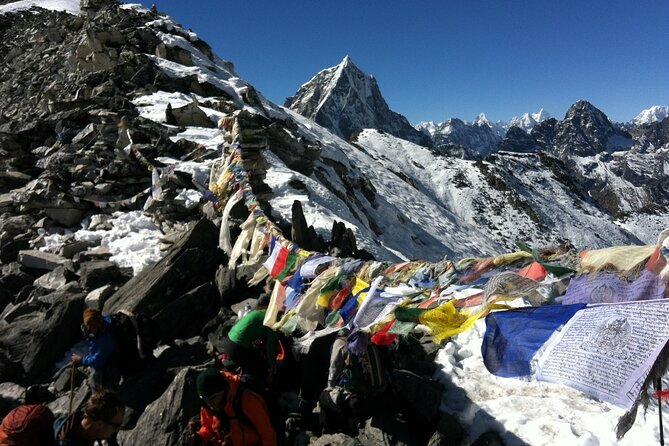
Everest begins with a small plane. This 14-day trek from Kathmandu combines the famous Lukla flight, Sherpa villages, two acclimatization days, Everest Base Camp, and sunrise from Kala Patthar. I especially like the careful rest-day hikes and the fact that a licensed guide, porters, park fees, meals, airport transfers, and medical supplies are covered. The main concern is the demanding altitude, plus the fact that rescue costs, insurance, tips, drinks, visas, and some meals are not included.
This is a private trek, so only your own group takes part. That can make a big difference on a long mountain trip, especially when your pace, energy, or altitude response does not match a large group. The $1,680 price is strong for the listed inclusions, but you should ask for a clear accommodation plan and budget for insurance and possible flight delays.
Five details that shape the trek
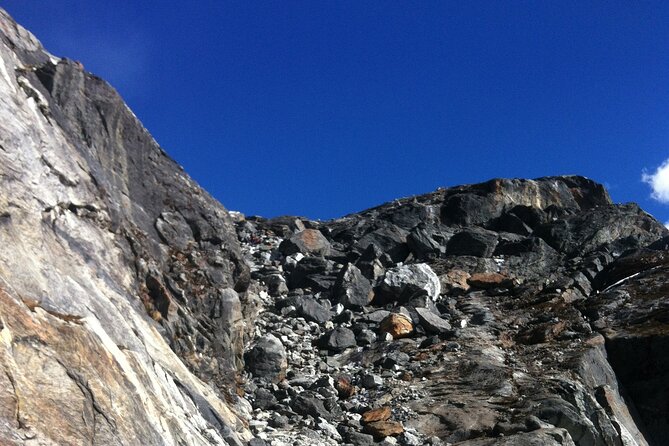
- Lukla flight included: The trip begins with a flight from Kathmandu to Lukla, the gateway for the Khumbu trekking route.
- Two useful acclimatization days: You spend one rest day around Namche Bazaar and another in Dingboche, with short uphill hikes instead of simply sitting in a lodge.
- Everest Base Camp and Kala Patthar: The route reaches Base Camp at about 5,463 meters and Kala Patthar at about 5,450 meters.
- Sherpa culture along the route: Namche Bazaar, Tengboche, Pangboche, Dingboche, and other villages give you a close look at life in the Khumbu region.
- Practical inclusions: Park fees, Khumbu Municipality charges, government taxes, a guide, porters, meals, airport pickup, and a medical kit are included.
- Serious altitude demands: You need strong physical fitness, travel insurance, and a plan for handling altitude sickness and possible evacuation costs.
What the $1,680 price really covers
At $1,680 per person, this trek offers a useful package rather than a bare route arrangement. The listed price includes Sagarmatha National Park fees, Khumbu Municipality charges, government tax and VAT, a licensed guide, porters and their wages, a medical kit, airport pickup, and the Kathmandu to Lukla flight tickets for clients and guides.
Meals are also included in a defined amount: 13 breakfasts, 13 dinners, and 11 lunches. That is nearly the full food plan for a 14-day schedule, but not quite every meal. Ask exactly which two lunches are excluded and how airport or hotel days are handled.
The itinerary refers to overnight accommodation throughout the trek, with a hotel stay in Kathmandu at the end. Still, the inclusions list does not clearly spell out the lodging standard or room arrangement. Before paying, I would ask whether teahouse accommodation is included, if rooms are private or shared, and how many people normally share a room.
You will still need money for personal expenses, drinks, bar bills, extra food items, Nepal’s entry visa, international flights, departure tax, tips, travel insurance, and rescue operations. The wording says tips for guides and porters are compulsory, so treat them as part of the real cost rather than an optional extra.
The price is best for someone who wants the main logistics handled without paying for a luxury trekking package. It is less suitable if you want a fully all-inclusive trip with rescue insurance, every meal, drinks, and all personal costs built in.
More Everest Base Camp Treks in Kathmandu:
- Everest Base Camp Trek – 14 Days
★ 5.0 · 1,499 reviews - Everest Base Camp Trek
★ 5.0 · 842 reviews - Everest Base Camp Trekking
★ 5.0 · 485 reviews
Kathmandu arrival and the first flight to Lukla
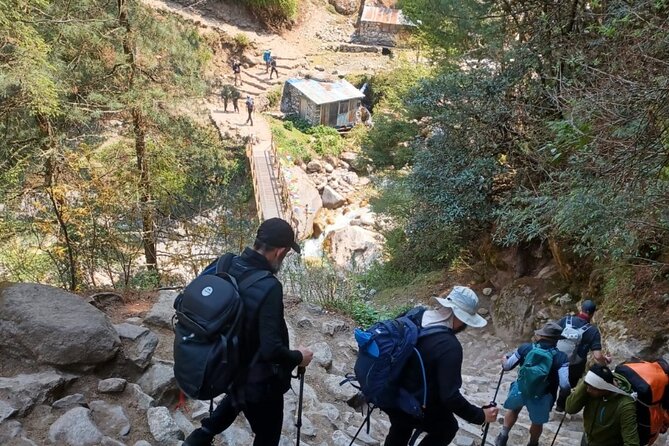
Day 1 is deliberately light. You are met at Tribhuvan International Airport by a Magic Himalaya Treks representative holding your name, then transferred to your hotel. This gives you time to recover from the international flight and prepare for the mountain route.
On Day 2, your guide picks you up at the hotel and takes you to Kathmandu’s domestic terminal. From there, you fly to Lukla, meet the porters, and begin walking.
The flight is one of the trip’s defining moments. Lukla is the air gateway to the Everest region, and the short mountain flight often feels like an adventure before the trek has properly begun. The schedule gives about five hours for the first walking day, though the exact timing can change with weather and flight operations.
You should keep your first day flexible. The cancellation terms note that bad weather can affect the experience, and mountain flights are not something you can treat like a city airport shuttle. Ask the operator how flight delays are handled, especially if you have an international flight booked soon after the trek.
Namche Bazaar and the first altitude check
Day 3 follows the Dudh Koshi River and crosses suspension bridges on the way toward Namche Bazaar. Lunch is planned in Jorsalle before the path continues uphill.
Namche is an important stop because it is both a trading center and the first major place where the altitude becomes noticeable. The itinerary allows about six hours of walking, so this is not a gentle sightseeing day. You will want to walk steadily, drink enough water, and avoid treating the first mountain views as a reason to rush.
Day 4 is an acclimatization day in Namche, but the plan does not mean a full day in bed. You take a shorter walk of about four hours, with options including the Syangboche viewpoint or a walk toward the Everest viewpoint.
That approach is sensible. A gradual uphill outing gives your body some exposure to higher ground while allowing you to sleep again at Namche. The route description does not specify which option every group will take, so ask your guide what is planned for your date and how the decision is made.
Namche also gives you one of the better chances to see how mountain communities connect tourism, trade, and daily life. The trip’s focus on Sherpa culture is strongest when you slow down and pay attention to the villages, not just the peaks.
Tengboche and the best early mountain views
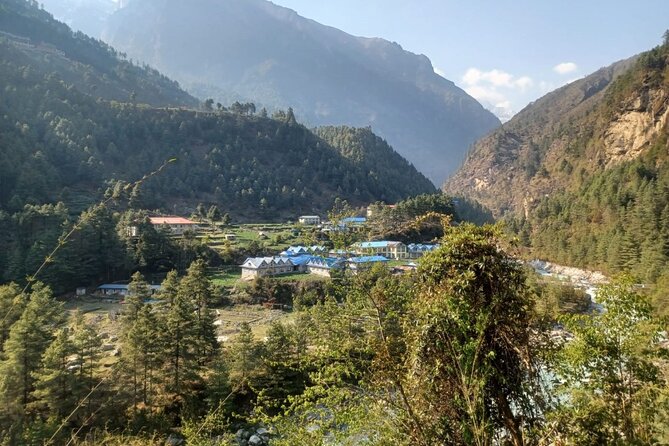
Day 5 heads toward Tengboche, with about six hours of walking. This is described as one of the most scenic days so far, with views toward Mount Everest and other Himalayan peaks.
Ama Dablam, Thamserku, and Taboche are among the named mountains along the way. Ama Dablam is especially memorable for its sharp, distinctive shape, and the route gives you repeated chances to see it from changing angles.
Tengboche is an important cultural stop in the Khumbu region. The itinerary does not list a separate monastery visit as an included activity, so you should confirm what time you will have there. Even without a formal tour, the stop adds a sense of place to the trek. You are not simply walking between elevations. You are passing through communities shaped by mountain travel, Buddhism, farming, and mountaineering.
The six-hour day and rising altitude mean this is a good point to notice how your body is responding. The guide’s role matters here. The company’s past guest feedback gives particular praise to the team’s encouragement, safety focus, and friendly manner, with Nabin, Shantas, and Santaji named in connection with the service. A supportive guide can make a long day feel manageable, but no guide can remove the need to pace yourself.
A few more treks around Kathmandu worth a look
- Annapurna Circuit Trek with Tilicho Lake
★ 5.0 · 368 reviews - Everest Base Camp Trekking – 13 Day
★ 5.0 · 365 reviews - Everest Base Camp Trek
★ 5.0 · 350 reviews - Everest Base Camp Trek -14 Days
★ 5.0 · 321 reviews
Dingboche and the second acclimatization hike
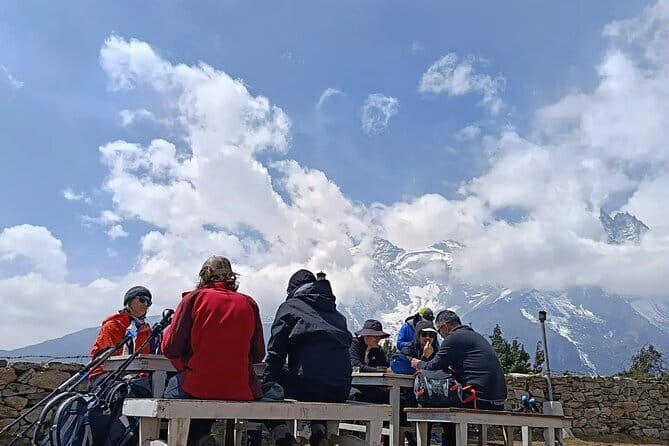
Day 6 is shorter, at roughly four to five hours, and ends at Dingboche. The route passes Pangboche and Sanasa, with strong views of Ama Dablam along the way.
Dingboche is a useful place to pause before the highest part of the trek. Day 7 is another acclimatization day, this time with a hike toward Nangkartshang Hill at around 5,000 meters. The effort is worthwhile for the views over the Imja Tse Valley, Island Peak, and Ama Dablam.
This is one of the strongest parts of the schedule. The itinerary does not simply add rest days as empty gaps. It uses short climbs to help you adjust to altitude, then returns you to the same sleeping elevation. That said, the hike to Nangkartshang is not easy. A listed four-hour day can still feel very hard at this height, particularly if you are already tired or have headache, nausea, or unusual breathlessness.
Listen to your guide and to your body. Reaching Base Camp is not worth hiding symptoms. The itinerary includes a medical kit and required medicine, but it does not include rescue operations, so insurance with high-altitude trekking and evacuation coverage is essential.
Lobuche and the memorials at Thukla Pass
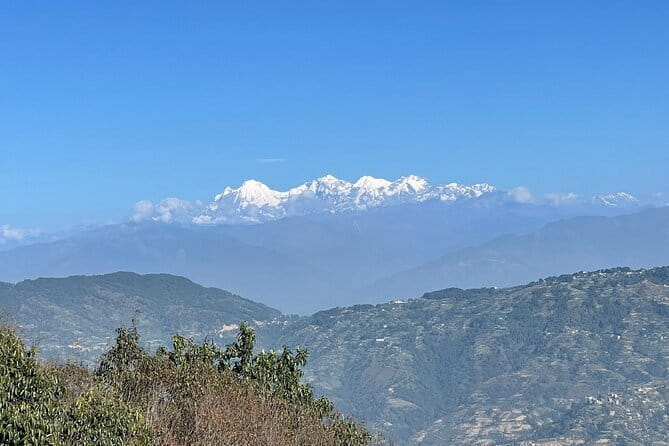
Day 8 takes you toward Lobuche, passing Thukla and Thukla Pass. The planned walking time is about six hours.
Thukla Pass is one of the more reflective points on the route. Memorials honor climbers who died on Himalayan expeditions. They add emotional weight to the journey and remind you that Everest is not simply a scenic backdrop or a personal achievement.
Lobuche is also where the altitude becomes a major practical concern. You are now walking high above the lower villages, and the cold, thin air can make a normal lunch break or short climb feel surprisingly demanding. Keep your day simple: walk at a steady pace, eat what you can, and protect your sleep.
The trip is designed around tea house stops and scheduled meals, but the exact facilities are not described in detail. You should bring a small amount of personal food if you know you need extra calories, since extra items at breakfast, lunch, and dinner are not included.
Everest Base Camp from Gorak Shep
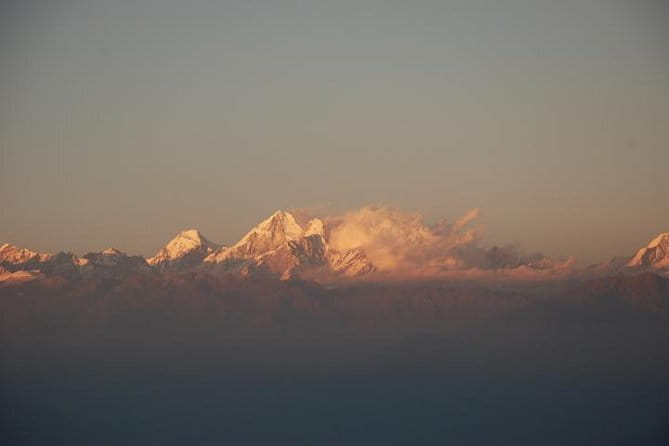
Day 9 is one of the longest days. You first walk to Gorak Shep, have a light lunch, and then continue for about two hours toward Everest Base Camp.
The route to Base Camp is not a quick viewpoint walk. The ground can be rough, and the altitude makes every rise feel larger. The itinerary identifies Base Camp at about 5,463 meters, though the exact position changes as the Khumbu Glacier moves. You should not expect a permanent camp with the same arrangement every year.
The appeal is the setting: glacial terrain, high peaks, and the knowledge that climbers begin their Everest attempts from this broad region. The views from Base Camp itself may not give you the clearest view of Everest, which is why Kala Patthar matters so much the next morning.
You return to Gorak Shep after the Base Camp walk. This can be a long, tiring afternoon, and the light lunch may not feel like enough for everyone. Ask ahead about meal timing and bring personal snacks if needed.
Kala Patthar at sunrise
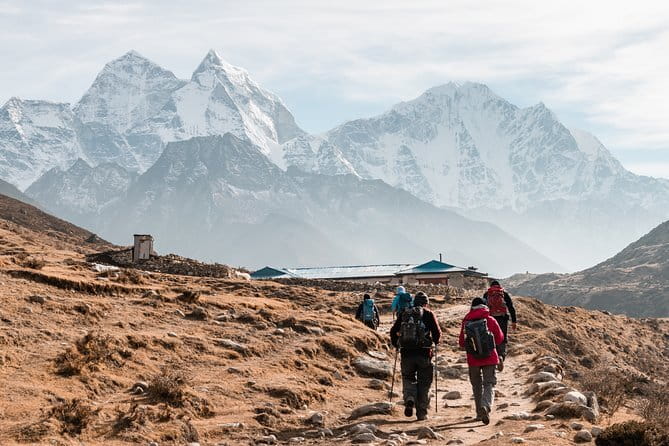
Day 10 starts early with a hike to Kala Patthar for sunrise. At about 5,450 meters, it is nearly as high as Base Camp and can feel harder because you climb before breakfast.
The reward is the classic Everest view. You stop at the top for photographs and mountain scenery, then descend to Gorak Shep for breakfast. The route description allows time to enjoy the summit rather than simply touch it and turn around.
This is often the visual high point of the trip. The early start also means cold conditions, so keep warm clothing accessible rather than buried in your bag. You should also know that the sunrise schedule depends on weather and your group’s pace. Mountain views are never guaranteed, even with a well-planned itinerary.
After breakfast, the route turns downhill toward the lower villages. That change can feel welcome, but descending does not mean the day is effortless. You are still tired from the Base Camp walk and the early climb.
The long return through Namche and Lukla
Day 11 returns to Namche Bazaar, passing Pangboche and Tengboche. Lunch is planned at Phortse Tanga, followed by an overnight stay in Namche.
The schedule gives about six hours of walking. Namche feels different on the way down because you can appreciate its shops, cafés, bars, and pubs with more energy than you had on the way up. The itinerary specifically allows time to enjoy the social side of the town.
Day 12 is the final trekking day, with about seven hours of walking from Namche to Lukla and lunch in Phakding. This is a long finish, but the downhill route and knowledge that the trek is nearly complete can help.
The evening is planned as a celebration with the porters. That is a meaningful part of the trip, since porters carry much of the practical burden of the route. Budget for the required tips and clarify the expected amount with the operator before departure.
Day 13 begins with the flight back to Kathmandu, depending on flight availability. A private driver meets you on arrival and transfers you to the hotel, where the schedule provides a full rest day and breakfast.
Day 14 is departure day, with breakfast before your flight home. Since the schedule has very little room for disruption, do not place an important international connection too close to the expected Lukla to Kathmandu flight. The exact flight timing depends on conditions and availability.
Safety, fitness, and the private-group advantage
You need strong physical fitness for this trek. The walking days range from about four to eight hours, and the route reaches more than 5,400 meters. The two acclimatization days help, but they do not remove the risk of altitude sickness.
The medical kit is included, along with required medicine for the trek. Rescue operations are not included, however. Travel insurance should specifically cover high-altitude trekking and emergency evacuation, and you should confirm the altitude limit before buying the policy.
A private group can be a real advantage. You can discuss your pace with the guide and avoid being forced to match a large group. It also gives you more room to respond sensibly if someone needs a slower day.
The company receives its strongest praise for organization, personal care, safety, and the warm relationship between guides, porters, and clients. One account describes a trek where a participant could not reach Base Camp because of altitude sickness, yet the team still handled the situation with care. That is an important point: a good Everest trip is measured by safe decisions, not only by reaching the sign at Base Camp.
Who should book this Everest trek?
I would choose this trip if you want a classic Everest route with a clear 14-day structure, private group arrangements, two acclimatization hikes, and the major costs handled in advance.
It suits people who are comfortable with basic mountain accommodation, long walking days, changing flight plans, and limited comfort at high altitude. It also suits anyone who values a friendly support team more than a luxury lodge experience.
I would hesitate if you need guaranteed flight times, hotel-style comfort, a fully inclusive price, or a relaxed walking schedule. I would also ask more questions before booking if you have no experience with high-altitude trekking or if your insurance does not cover evacuation.
Free cancellation is available up to 24 hours before the start time. Changes made inside that window are not accepted, and poor weather or an insufficient number of participants can lead to a different date, a different experience, or a full refund under the stated terms.
Should you book it?
Book it if Everest Base Camp is your main goal and you want a practical private trek at a competitive price. The best features are the thoughtful acclimatization plan, included Lukla flights and park fees, named support staff, and the chance to experience Sherpa villages at walking pace.
Before booking, confirm accommodation, the exact lunch exclusions, tip expectations, flight-delay plans, and the rescue-insurance requirement. If those details fit your budget and fitness, this is a well-shaped route with the right amount of support for a serious but rewarding Himalayan trek.
FAQ
How long is the Everest Base Camp Trek?
The experience is planned for 14 days, including arrival and departure in Kathmandu, the Lukla flights, the trek to Base Camp and Kala Patthar, and the return to Kathmandu.
Is the Lukla flight included?
Yes. The listed inclusions cover round-trip Kathmandu to Lukla tickets for clients and guides.
Are meals included?
Breakfast is included 13 times, dinner 13 times, and lunch 11 times. Extra food items, alcoholic and non-alcoholic drinks, and bar bills are not included.
Are guides and porters included?
Yes. An experienced licensed guide and the required porters are included, along with their salaries and expenses. Tips are listed as compulsory.
Do I need travel insurance?
Yes. Travel insurance is not included, and rescue operations are also excluded. You should arrange appropriate insurance before the trek.
What happens if bad weather cancels the experience?
If poor weather causes cancellation, you will be offered a different date or a full refund. The stated cancellation terms also allow a full refund when the minimum number of participants is not met.
Recently added around Kathmandu
- Ghorepani Poon Hill Trek★ 5.0 · 16 reviews
- Amazing 1 Day Trekking Experience in Kathmandu Nepal★ 5.0 · 24 reviews
- Private Manaslu Circuit Trek at Himalayas★ 5.0 · 3 reviews
- Ghorepani Poonhill Trek★ 5.0 · 5 reviews
- Upper Mustang Trekking★ 5.0 · 2 reviews
- Upper Mustang Trekking★ 3.0 · 2 reviews
- Upper Mustang Trekking★ 5.0 · 4 reviews
- Upper Mustang Trek★ 5.0 · 5 reviews
Everest Base Camp Treks, compared.






Browse the lists this tour appears in