
REVIEW · KATHMANDU
Everest Base Camp Luxury Lodge Trek
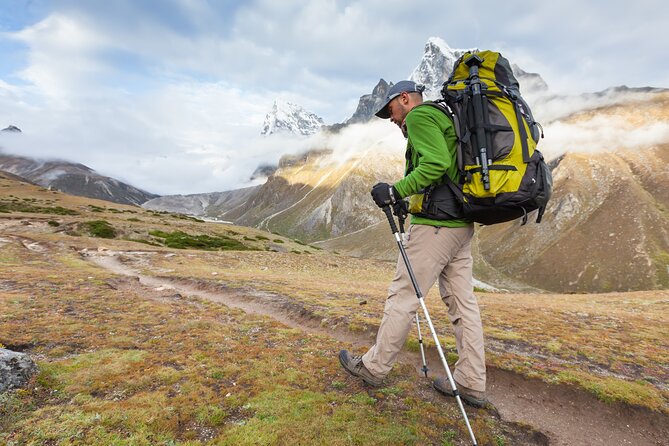
Everest begins with a small plane. This 15-day private trek combines Kathmandu’s major sacred sites, a Lukla flight, comfortable lodges, and the classic walk to Everest Base Camp and Kalapatthar. I like the careful pacing, with acclimatization stops in Namche Bazaar and Dingboche, and I like that porter support, permits, meals, flights, and private transfers are arranged. The main caution is simple: luxury at 5,000 meters is still mountain luxury, not a city hotel holiday.
I also appreciate the cultural side of the route. You visit Sherpa villages, Tengboche Monastery, Pangboche Monastery, and the Buddhist center around Boudhanath before walking through Sagarmatha National Park. The private format gives your group more control over pace and rest, but the $3,840 price does not cover travel insurance, drinks, hot showers, personal equipment, tips, or sightseeing entrance fees in Kathmandu.
Key points to know before booking
- Everest Base Camp and Kalapatthar are both included, with Kalapatthar scheduled for sunrise after your night near Gorakshep.
- Two acclimatization days are built into the route, one in Namche Bazaar and one in Dingboche.
- Lukla flights can shift to Ramechhap in busy seasons, adding a five-hour road transfer from Kathmandu.
- Porters work at a 2:1 ratio, and the company supplies a duffel bag, trekking map, T-shirt, and achievement certificate.
- The price covers 3 Kathmandu hotel nights, trekking lodges, meals listed in the program, permits, guides, porters, and ground transport.
- This is a serious high-altitude trek, requiring moderate fitness and insurance with evacuation coverage above 5,500 meters.
What this Everest trek is really selling
The word luxury needs a little translation here. In Kathmandu, you receive three nights at The Everest Hotel and private, air-conditioned transport. In the mountains, you stay in the best available lodges, including named properties such as Sherpa Shangrila Resort, Namche Hotel, Rivendell Lodge, Good Luck Hotel, and New EBC Lodge or similar options.
That can mean a more comfortable bed, better dining arrangements, and a calmer end to a long walking day. It does not mean guaranteed hot water, unlimited charging, polished bathrooms, or hotel-style service at every stop. Hot and cold drinks, hot showers, and battery charging are listed as personal expenses, so budget for them.
The strongest feature is organization. Airport pickup, Kathmandu transfers, permits, domestic flights, porters, meals, and staff costs are handled together. Several guests gave particular credit to Pradip Karki for patient planning, including trips arranged nearly a year ahead. Guides named in the feedback include Nima Sherpa, Nima Dorji Sherpa, Tendi Sherpa, and Mukhiya.
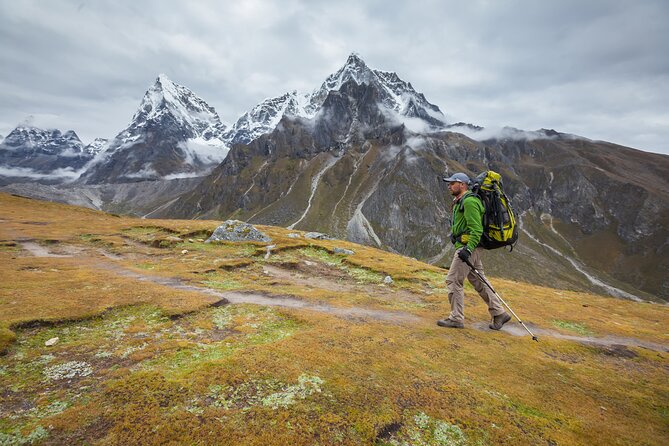
The private setup matters. Your group alone takes part, so the guide can adjust the walking rhythm within the planned route. That is useful on steep days, especially if one person needs more time at altitude. It does not remove the physical challenge. You still spend several days above 4,000 meters, reach 5,364 meters at Base Camp, and climb higher at Kalapatthar.
More Everest Base Camp Treks in Kathmandu:
- Everest Base Camp Trek – 14 Days
★ 5.0 · 1,499 reviews - Everest Base Camp Trek
★ 5.0 · 842 reviews - Everest Base Camp Trekking
★ 5.0 · 485 reviews
Kathmandu days: temples, permits, and a useful start
Your first day is practical rather than packed. You are met at the airport, taken to your hotel, and helped with documents, permits, tickets, and equipment checks. There is time to look around the local market, followed by a welcome dinner and an introduction to your guide.
That first briefing is worth taking seriously. This is the moment to ask about daily walking times, weather changes, packing limits, altitude symptoms, and what your porter will carry. The duffel bag supplied by the company is a useful touch, but you still need personal trekking clothing and footwear.
Day two adds a full cultural program before the trail begins. The planned sights include Bhaktapur Durbar Square, Pashupatinath Temple, Boudhanath Stupa, Swayambhunath, and Kathmandu Durbar Square. The detailed schedule gives the most time to Bhaktapur, Pashupatinath, and Boudhanath, so confirm the exact sightseeing order with your guide.
Bhaktapur is especially worthwhile for its Palace of 55 Windows, carved woodwork, courtyards, and temples. Pashupatinath gives you a direct view of Hindu religious life along the Bagmati River, although non-Hindus cannot enter the main temple. Boudhanath is a major center of Tibetan Buddhism, marked by prayer flags and shops selling religious items.
The city tour is not filler. It gives you context for the monasteries, prayer flags, and Sherpa Buddhist culture you will encounter higher up. It is also a busy day, so do not treat it as a full rest day before the trek.
Lukla and Phakding: the first mountain test
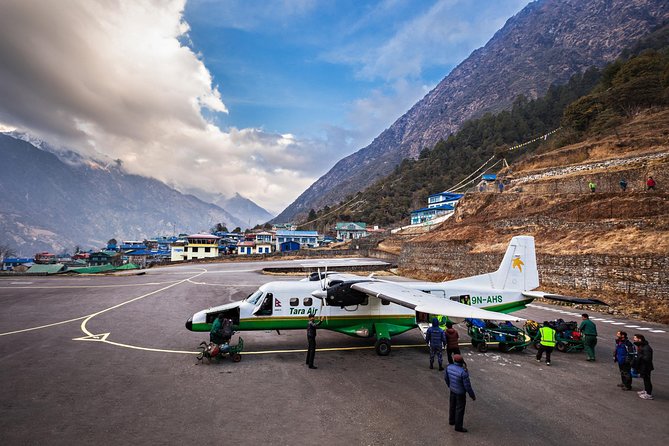
Day three starts with an early flight to Lukla, followed by a walk through Chaurikharkha village and along the Dudh Koshi River toward Phakding at about 2,652 meters. The first day takes roughly five hours and includes views of Khumbila, a sacred peak that has never been climbed.
The flight is part of the adventure, but it is also a logistical weak point. In April, May, October, and November, flights may operate from Ramechhap rather than Kathmandu because of air traffic. That means a five-hour drive before the flight. A helicopter option is available for an extra $300, but it is not included in the advertised price.
Your first lodge night is intended to ease you into the route. The walk is not the hardest day, yet it introduces uneven ground, river crossings, changing weather, and the need to keep a steady pace. You begin to learn that the mountain schedule is shaped by daylight, aircraft, and altitude, not just distance.
Namche Bazaar and the first acclimatization day
Day four takes about seven hours and follows pine forest and the Dudh Koshi River. You cross the Hillary Suspension Bridge and enter Sagarmatha National Park, a UNESCO World Heritage Site. The trail rises sharply toward Namche Bazaar, so the final climb can feel much harder than the earlier sections.
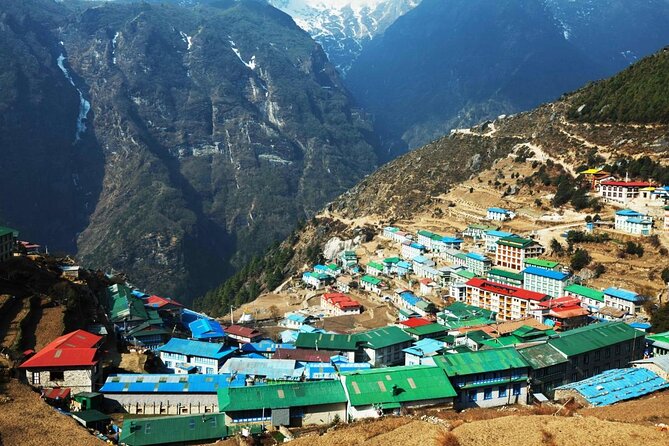
Namche is the largest settlement on this part of the route and is often called the Mini Thamel of the Everest region. It is a good place to slow down, inspect the lodge facilities, and organize your gear. The scenery opens up here, with opportunities to see peaks such as Everest, Lhotse, Ama Dablam, and Thamserku.
Day five is the first planned acclimatization day. You can take a short sunrise walk toward Sagarmatha National Park or arrange a hike to Khumjung village. The Khumjung option adds the Edmund Hillary School and a monastery said to contain a yeti scalp.
This rest day is not wasted time. The point is to walk higher and sleep lower, giving your body time to adjust before the trail climbs toward 5,000 meters. Keep your effort moderate. A dramatic sunrise is worth seeing, but exhausting yourself on an acclimatization day defeats the purpose.
A few more treks around Kathmandu worth a look
- Annapurna Circuit Trek with Tilicho Lake
★ 5.0 · 368 reviews - Everest Base Camp Trekking – 13 Day
★ 5.0 · 365 reviews - Everest Base Camp Trek
★ 5.0 · 350 reviews - Everest Base Camp Trek -14 Days
★ 5.0 · 321 reviews
Tengboche and Pangboche: monasteries with mountain views
The route from Namche to Tengboche is about seven hours and includes steep sections, forest trails, riverbanks, and a demanding climb. Tengboche Monastery is the largest monastery in the Everest region, and the schedule aims to reach it around its 3:00 PM opening time.
The setting is one of the great rewards of the trek. Ama Dablam, Thamserku, and Khumbila form a powerful backdrop, and the monastery provides a quiet cultural pause after a long walk. You stay at Rivendell Lodge or a similar property.
The next day continues through conifer and rhododendron forest, then through Debuche and Pangboche. A visit to Pangboche Monastery adds another link to the region’s religious life before you cross the Imja and Lobuche rivers.
Dingboche sits at about 4,360 meters, surrounded by barley, potato, and buckwheat fields. The farms are a reminder that this is not an empty wilderness. People still cultivate food and keep animals at an altitude where many visitors are focused only on breathing and walking.
Dingboche: the second altitude checkpoint
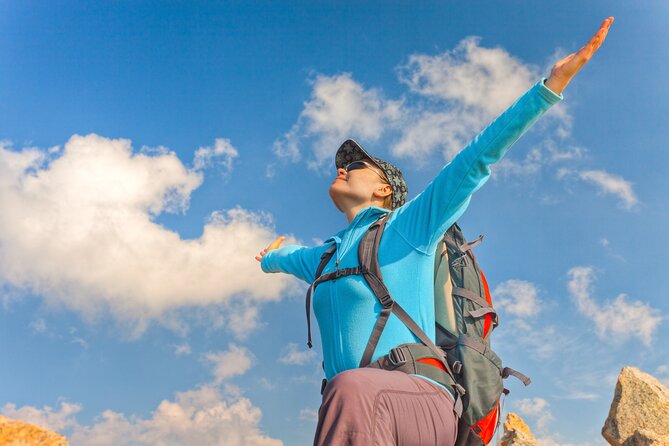
Day eight is another acclimatization day, with a four-hour hike to the ridge behind Dingboche. From there, you can see Lhotse, Makalu, Cho Oyu, Cholatse, Taboche, and the Lobuche peaks around the Khumbu Khola valley.
This is one of the most valuable parts of the schedule. The trek is not trying to rush you from Lukla to Base Camp. It gives you two deliberate pauses before the highest section. Even so, altitude affects people differently, and a good itinerary cannot guarantee that everyone will feel well.
Tell your guide about headaches, nausea, unusual tiredness, or poor sleep. Do not hide symptoms to keep the group moving. The trek includes a first-aid medical kit and normal medicines, but serious medical decisions require proper travel insurance and, if needed, evacuation.
Thukla Pass and Lobuche: the emotional high point before Base Camp
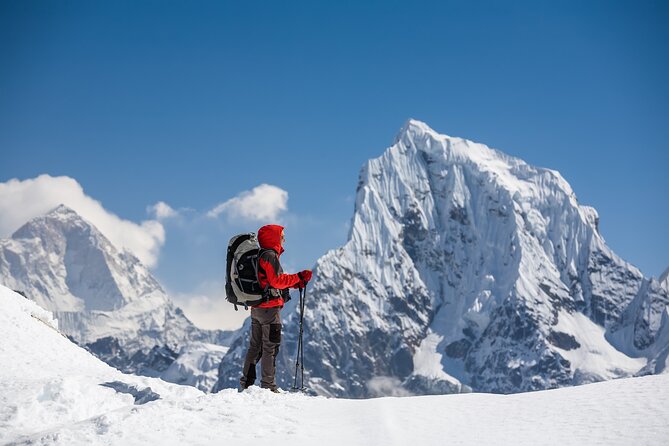
Day nine takes about seven hours. You pass through Pheriche Valley, viewing Tawoche and Cholatse, then stop at Thukla for lunch before climbing the Thukla Pass.
The memorial stupas at the pass honor climbers and trekkers who died pursuing Everest. This is a sobering stop, and it changes the mood of the trek. Everest is not simply a famous name on a map. The route has real risks, and the memorials make that clear.
After the pass, you continue toward Lobuche at about 4,900 meters. The final hours can feel slow because the air is thin and the terrain is exposed. You stay at New EBC Lodge or a similar lodge. Keep your evening quiet, drink what is available, and prepare only what you need for the next morning.
Gorakshep and Everest Base Camp at 5,364 meters
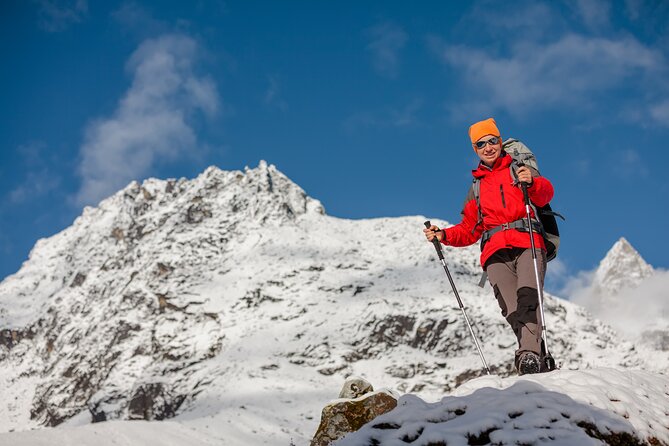
Day ten is the central achievement of the trip. From Lobuche, you walk several hours to Gorakshep, leave your larger pack at the lodge, and continue with a day pack toward Base Camp.
The route passes above the Khumbu Glacier and offers a first view of the Khumbu Icefall. At 5,364 meters, the base camp is a major physical accomplishment, even though Everest’s summit is still far above and normally hidden from the exact base camp area by surrounding ridges.
The schedule allows about eight hours for the day. That sounds manageable on paper, but altitude changes everything. A short distance can take a long time, and you may feel the effect of each incline. The sensible approach is a slow, steady pace, plenty of patience, and no race for photographs.
Gorakshep is basic compared with Kathmandu. The luxury promise is at its most limited here because the altitude and remote setting control what can be provided. You are paying for the best available arrangement, not five-star facilities.
Kalapatthar sunrise and the return to Namche
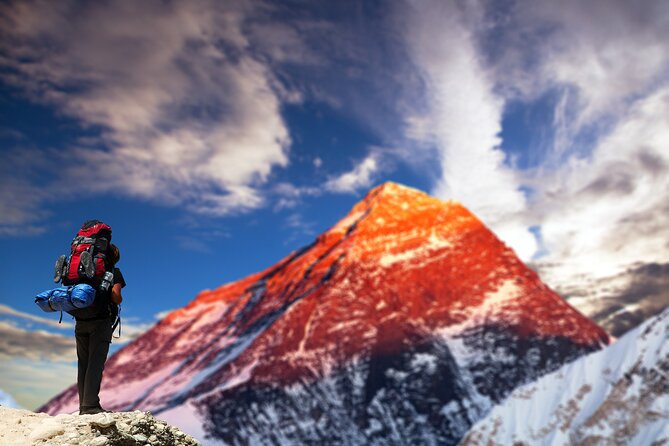
Day eleven starts early with the climb to Kalapatthar, a famous viewpoint for Everest and the surrounding peaks. The trail is moderately steep, and the coldest part of the trip may be this pre-sunrise start.
The reward is a broad view of Everest and neighboring summits as light reaches the mountains. After returning to Gorakshep for lunch, you descend toward Pheriche. The downhill direction helps, but tired knees and sore feet can make this a demanding day.
The following day takes about six hours to Namche Bazaar through rhododendron, juniper, and pine forest. You cross the Dudh Koshi again and may see mountain goats, pheasants, and other wildlife. Namche is a welcome place to celebrate, eat a fuller meal, and enjoy the sense that the hardest section is behind you.
Day thirteen is the final walking day, about seven hours back to Lukla. You retrace the Hillary Suspension Bridge, Sherpa villages, and monasteries before a small celebration in Lukla.
Flights, price, and what is included
Day fourteen brings an early flight back to Kathmandu, with free time afterward for shopping or a short city outing. A farewell dinner follows. Day fifteen is a straightforward airport transfer based on your departure time.
At $3,840 per person, the package is expensive compared with a basic teahouse trek. The value comes from reduced planning, private transport, Kathmandu hotel nights, experienced staff, permits, porter support, domestic flights, selected meals, and better lodge arrangements.
Included meals cover 14 breakfasts, 11 lunches, and 11 dinners. The wording also allows meals in standard restaurants during the trek according to your choice, but drinks are not included. You pay separately for alcohol, hot and cold beverages, hot water, showers, charging, laundry, snacks, telephone calls, and bar bills.
You also need to pay for your Nepal visa, international flights, Kathmandu sightseeing entrance fees, personal gear, insurance, and tips. Insurance should specifically include emergency evacuation above 5,500 meters. That is not optional planning for this route.
The company offers full refunds for cancellations made at least six days before the experience. Confirmation is provided at booking, and airport pickup is available. The advertised trip is private, although group discounts may apply.
Who should book this trek?
I would choose this trip if you want Everest Base Camp but do not want to arrange every permit, flight, transfer, lodge, and porter yourself. It suits people with moderate fitness who are comfortable walking for six to eight hours on steep and uneven trails.
It is also a good fit for a private family group, a pair of friends, or a small group that wants one guide and one shared pace. The company has handled solo bookings as well as larger groups, including a group with an average age around 55, so age alone is not the deciding factor. Training, health, and altitude response matter more.
I would hesitate if you want guaranteed luxury, fixed flight times, short walking days, or a soft adventure. The Lukla flight can change, mountain weather can disrupt plans, and lodge comforts become basic near Base Camp. You should also compare the package with a standard trek if you are happy arranging your own Kathmandu hotel and accepting simpler lodges.
Final verdict: a polished route for a serious trek
This is a well-supported way to reach Everest Base Camp and Kalapatthar without giving up the cultural heart of the Khumbu. I like the two acclimatization days, the private format, the porter ratio, the Kathmandu sightseeing, and the attention given to planning by Pradip Karki and the guiding team.
Book it if comfort, organization, and support are worth paying for, and if you understand that the mountains set the rules. Skip it if the word luxury makes you expect resort standards. At altitude, the real luxury is a sensible schedule, a reliable guide, a warm meal, and enough time to enjoy the view.
FAQ
How long does the Everest Base Camp Luxury Lodge Trek take?
The trek lasts approximately 15 days, including arrival and departure days, Kathmandu sightseeing, the Lukla flight, the walk to Everest Base Camp, the Kalapatthar sunrise, and the return to Kathmandu.
Does the price include flights to Lukla?
Yes. The package includes Kathmandu or Ramechhap to Lukla and return flights. During peak seasons, flights may operate from Ramechhap, which requires a five-hour drive from Kathmandu. Helicopter service is available for an additional $300.
Are meals included during the trek?
Yes. The package includes 14 breakfasts, 11 lunches, and 11 dinners. Alcoholic drinks, other hot and cold drinks, hot water, showers, snacks, and bar bills are not included.
Is travel insurance included?
No. You must arrange your own travel insurance. The policy should include emergency evacuation coverage while trekking above 5,500 meters.
What physical fitness level is required?
The experience requires a moderate level of physical fitness. Walking days generally last about four to eight hours, with steep sections and high-altitude trails. The route reaches Everest Base Camp at 5,364 meters.
Is this a private trek?
Yes. Only your group participates in the private tour or activity. Guides, porters, permits, staff costs, and porter support at a 2:1 ratio are included.
Recently added around Kathmandu
- Ghorepani Poon Hill Trek★ 5.0 · 16 reviews
- Private Manaslu Circuit Trek at Himalayas★ 5.0 · 3 reviews
- Amazing 1 Day Trekking Experience in Kathmandu Nepal★ 5.0 · 24 reviews
- Ghorepani Poonhill Trek★ 5.0 · 5 reviews
- Upper Mustang Trekking★ 5.0 · 2 reviews
- Upper Mustang Trekking★ 3.0 · 2 reviews
- Upper Mustang Trekking★ 5.0 · 4 reviews
- Upper Mustang Trek★ 5.0 · 5 reviews
Everest Base Camp Treks, compared.






Browse the lists this tour appears in