
REVIEW · KATHMANDU
12 Days Everest Base Camp Trek
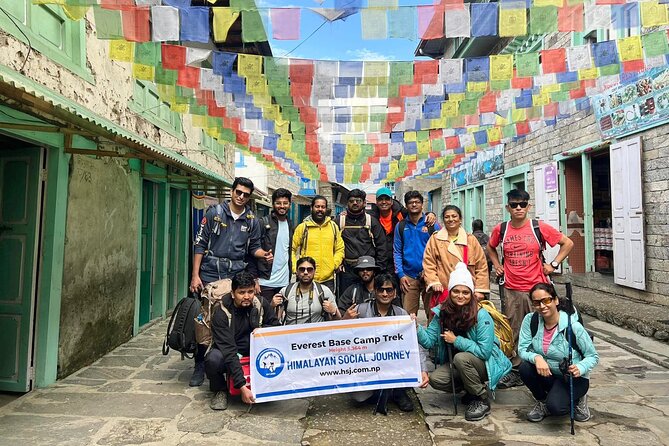
Everest starts with a small plane. This 12-day trek takes you from Kathmandu to Lukla, through Sherpa villages and high mountain valleys, to Everest Base Camp and Kala Patthar. I like that permits, flights, teahouses, meals, and porter service are arranged in advance. I also like the built-in acclimatization days in Namche Bazaar and Dingboche, two key stops on a route where rushing can cause real trouble.
The main consideration is the pace. The trek reaches 5,555 meters at Kala Patthar, and the walk from Lobuche through Gorak Shep to Base Camp can become a very long day. Weather delays on the Lukla flight are another fact of life, so you need physical fitness, patience, and some spare time around the fixed 12-day plan.
Key points at a glance
- Lukla flights are included: The package covers domestic flights between Kathmandu and Lukla, plus airport transfers.
- Two acclimatization stops: You spend extra time in Namche Bazaar and Dingboche rather than climbing higher every day.
- Kala Patthar is the high point: At 5,555 meters, the viewpoint offers one of the trek’s best views of Everest and nearby peaks.
- Porter support is built in: One porter is provided for every two trekkers, with staff costs covered.
- Teahouse travel keeps the cost practical: Lodging, breakfast, lunch, and dinner during the trek are included.
- Weather can change the schedule: Lukla flights may be delayed or canceled for one or more days.
What the $1,390 price really covers
At $1,390 per person, this is not simply a guided walk. The price includes the parts of an Everest Base Camp trip that are awkward to arrange alone: domestic flights, trekking permits, National Park and TIMS paperwork, teahouse accommodation, three daily meals during the trek, a licensed English-speaking guide, porter service, staff expenses, and airport transfers.
That package gives you a useful level of support. You do not need to arrange a local guide at the last moment in Kathmandu, negotiate porter help in Lukla, or sort out permit paperwork before walking into Sagarmatha National Park. The guide carries a medical kit, and the company covers staff salaries, insurance, equipment, food, accommodation, and domestic airfare.
I consider the price good value for a first Everest Base Camp trek, provided you understand what is not covered. International flights, a Nepalese visa, travel and rescue insurance, drinks, bottled or boiled water, showers, laundry, phone calls, battery charging, bar bills, extra porters, tips, and some Kathmandu meals are separate expenses. Extra nights in Kathmandu caused by an early return, late departure, or mountain delay are also not included.
The 12 breakfasts listed as included should not be confused with all meals in Kathmandu. Breakfast, lunch, and dinner are covered while you are trekking, but lunch and dinner in Kathmandu are your responsibility. A farewell dinner is included at the end of the trip.
More Everest Base Camp Treks in Kathmandu:
- Everest Base Camp Trek – 14 Days
★ 5.0 · 1,499 reviews - Everest Base Camp Trek
★ 5.0 · 842 reviews - Everest Base Camp Trekking
★ 5.0 · 485 reviews
Kathmandu to Phakding: a quick flight and a gentle start
The meeting time is 5:15 a.m., which tells you something about the day ahead. You take an early domestic flight from Kathmandu to Lukla, a journey listed at about 30 minutes, then meet the rest of the crew and begin walking.
The first trek leads through Cheplung village toward Phakding at 2,651 meters. The walk takes about three to four hours. You get an early view of Mount Khumbila, a sacred mountain that has never been climbed, which gives the first day more character than a simple transfer to a sleeping stop.
Phakding is a sensible first night. You are already in the Khumbu region, but you have not yet gained the full height of Namche Bazaar. The short walking day gives you time to settle into teahouse travel and learn the rhythm of walking with a guide and porter.
Phakding to Namche Bazaar: the first serious climb
Day two is when the trek begins to feel real. The route follows the Benkar Valley, crosses the Dudh Koshi River, and passes Chumoa, Monjo, and Jorsale. Monjo marks the entrance to Everest National Park, and the trail continues beside the Dudh Koshi and Bhote Koshi rivers.
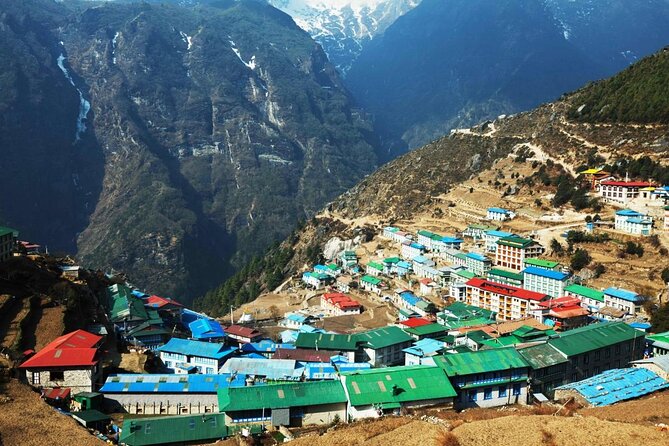
The final approach to Namche includes a steep ascent. The walking time is listed at four to five hours, but the height matters more than the clock. Namche sits around 3,438 meters, and your body will notice the change from Phakding.
Namche Bazaar is not just a place to sleep. It is the main town of the Khumbu route, with a guesthouse stop and the chance to pause before the higher valleys. The climb can feel demanding, especially if you are unused to steep trails, but it is an important part of the route’s gradual rise.
Namche acclimatization: views with a purpose
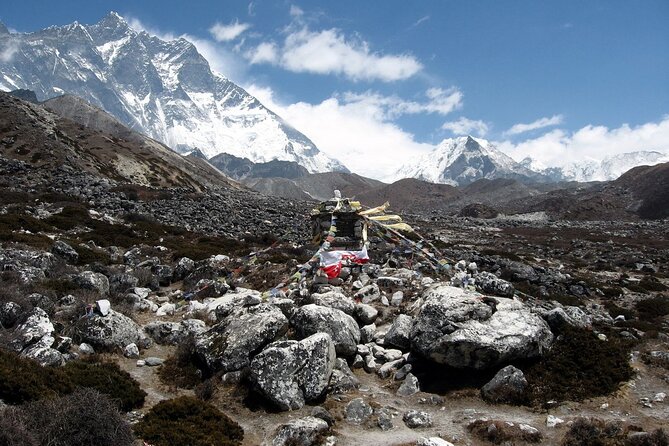
Day three is an acclimatization day, not a day for doing nothing. The plan includes a hike toward Sagarmatha National Park, with sunrise views of Everest, Lhotse, Nuptse, Ama Dablam, Thamserku, and Kongde.
You can also hike toward Khumjung village if you want a longer outing. The point is to spend time at altitude and return to sleep at roughly the same level, helping your body adjust before the route climbs again.
I like this pause because it makes the schedule more sensible. A 12-day Everest trip is still fairly compact, but two acclimatization days give it a better structure than a straight march to Base Camp. Follow your guide’s pace here. The mountain does not reward bravado.
A few more treks around Kathmandu worth a look
- Annapurna Circuit Trek with Tilicho Lake
★ 5.0 · 368 reviews - Everest Base Camp Trekking – 13 Day
★ 5.0 · 365 reviews - Everest Base Camp Trek
★ 5.0 · 350 reviews - Everest Base Camp Trek -14 Days
★ 5.0 · 321 reviews
Tengboche and its famous monastery
From Namche, the trail first makes an easier walk toward Phunki before climbing to Tengboche at about 3,870 meters. The day takes roughly five to six hours.
Tengboche Monastery is the main cultural stop of the trek. It is described as the largest monastery in the Everest region and sits inside Sagarmatha National Park, a UNESCO World Heritage Site. From here, the views include Everest, Nuptse, Lhotse, Ama Dablam, and Thamserku.
Timing matters. The monastery opens at 3:00 p.m., and reaching it around 4:00 p.m. may allow you to observe a Buddhist religious ceremony. That is one of the more meaningful parts of the trip, because the Khumbu is not only a route toward a famous mountain. It is also home to Sherpa communities and active Buddhist practice.
The approach to Tengboche includes a climb after Phunki, so the combination of altitude and uphill walking can make this day harder than the distance suggests.
Dingboche: another pause before the high route
Day five drops through Debuche before crossing the Imja River toward Pangboche. The route passes through the upper Pangboche trail and includes a visit to Pangboche Monastery before continuing through the Imja Valley and along the Lobuche River to Dingboche.
Dingboche sits at about 4,360 meters. The walk takes roughly five to six hours, and the village becomes an important base for the next acclimatization day.
On day six, the plan allows about three hours of walking, with an optional hike up the hill behind Dingboche. The viewpoint may show Lhotse, Makalu, and Cho Oyu. These are major Himalayan peaks, and seeing them from a high valley is a strong reward for taking the extra day.
This is also where the trek becomes more demanding. Nights are higher, the air is thinner, and ordinary tasks can take longer. Keep your expectations practical. A short walking day at altitude can be more tiring than a longer day lower down.
Lobuche and the road toward Everest Base Camp
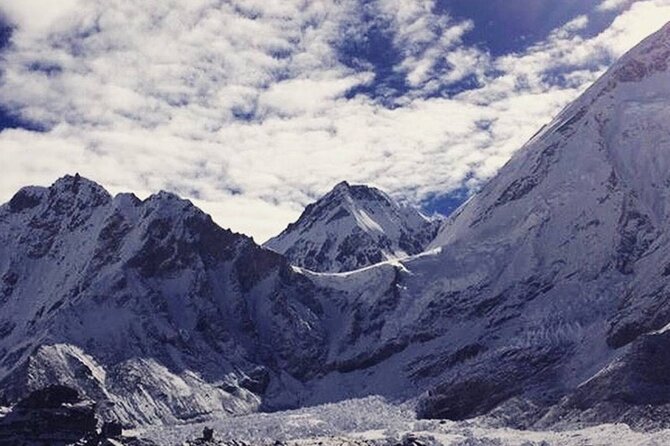
The route from Dingboche to Lobuche climbs along a Himalayan trail for about nine kilometers. The plan gives an estimated walking time of around seven hours in one place and four hours in another, so treat the timing as approximate rather than fixed.
The trail passes through Dughla Pass before reaching Lobuche at about 4,900 meters. You are now in the high part of the trek, where the views become larger but the walking feels slower.
Lobuche is a useful overnight stop before Gorak Shep. The schedule does not try to reach Base Camp in one push from Dingboche, which is sensible. Even so, you should expect a tiring day as the altitude rises.
Gorak Shep and Everest Base Camp
Day eight is the hardest section on paper. The supplied plan describes nearly 12 hours and about 17 kilometers to Gorak Shep, with lunch and a later walk to Everest Base Camp. Another part gives a six-hour estimate, so the actual timing can vary with pace, conditions, and how the day is managed.
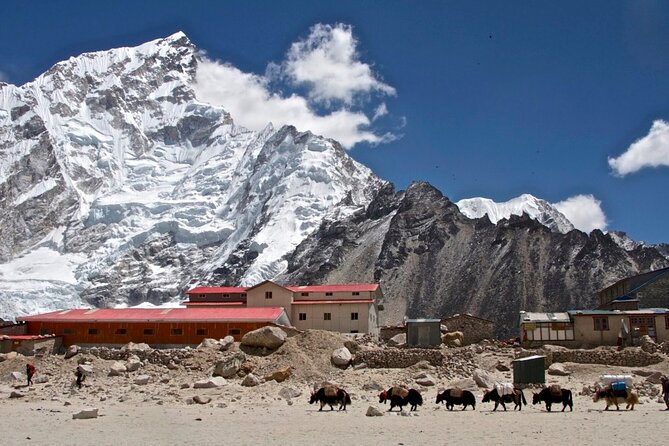
Gorak Shep sits at about 5,160 meters. After checking into the lodge and eating lunch, you continue toward Everest Base Camp at roughly 5,365 meters. The route offers views of Nuptse, Khumbutse, and Pumori.
A useful detail: Everest Base Camp itself is not the final high viewpoint of this trip. It is the symbolic destination, but the next morning’s climb to Kala Patthar usually provides the more sweeping view of Everest. At Base Camp, the pleasure is reaching the foot of the route used by climbers and standing among the high peaks and glacier country.
You should approach this day with patience. It may be the point where a strong walking rhythm matters most. Your guide’s support is important here, and the included porter service means you are not carrying the full load yourself.
Kala Patthar at 5,555 meters
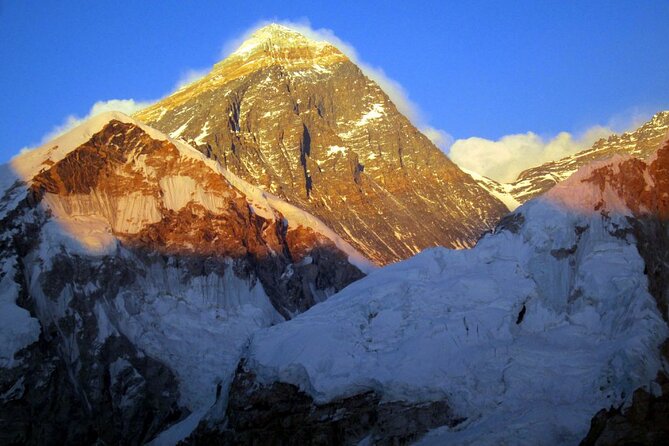
Day nine begins early with a climb to Kala Patthar, listed at 5,555 meters. The ascent takes about three hours, followed by time at the viewpoint for Everest, Lingtren, Khumbutse, and Changtse.
This is the trek’s highest point and one of its best photo opportunities. After returning to Gorak Shep for lunch, you descend to Pheriche at about 4,200 meters. The drop in elevation is welcome, though the descent comes after a demanding morning.
The day title in the supplied schedule contains a numbering error, but the route itself is clear: Gorak Shep to Kala Patthar, back to Gorak Shep, then down to Pheriche. You should use the elevation figures and route description as your practical guide, not the repeated day label.
The return through Namche and Lukla
From Pheriche, the route heads back through Pangboche and Tengboche before returning to Namche Bazaar. The plan gives about seven hours for this section, with an overnight stay in Namche.
This return leg lets you see familiar villages from a different direction. It also gives your body relief from the highest sleeping points. The route is not simply a free ride downhill, however. Descending over several hours can be hard on knees, particularly after the Kala Patthar climb.
The final trekking day leads to Lukla in about six hours. The afternoon is free for a hot shower, relaxing, and celebrating with the group. A final evening with trek mates is included in the plan, and it is a fitting end to the walking portion.
The next morning, you fly from Lukla to Kathmandu, a trip listed at about 40 minutes including the arrival transfer to your hotel. A cultural dinner is planned in Kathmandu that evening.
Guides, porters, and the human side of the trip
The package provides an experienced, English-speaking, government-licensed guide and one porter for every two trekkers. That ratio matters. You still need to carry a daypack, but the porter arrangement can make the long high-altitude days more manageable.
The company’s communication also receives strong praise, especially the help provided by Bishnu before and during trip planning. One important sign of good service is flexibility: when the pandemic forced a previous booking to be canceled, Bishnu was reported to have authorized a refund quickly. That does not guarantee every future situation will be identical, but it suggests a responsive local operator.
The strongest praise centers on organization, transfers, permits, accommodation, food, and the personal care of the staff. A separate experience with the company included the Gokyo Lakes and Cho La Pass, which is not part of this 12-day route, so do not assume those extra stops are included here.
Food, lodging, and what to budget for
Teahouse accommodation is included, along with breakfast, lunch, and dinner during the trek. This style of lodging is practical rather than luxurious. You are paying for a bed, meals, and a place to recover between walking days, not a hotel-style mountain retreat.
Hot and cold drinks, soft drinks, tea, coffee, mineral water, showers, laundry, phone calls, and battery charging cost extra. These small charges can add up during 12 days, so keep a separate personal budget.
Tips for guides, porters, and drivers are not included. Travel and rescue insurance is also your responsibility. Because the trek reaches more than 5,500 meters, insurance deserves serious attention rather than a quick box-ticking exercise.
Flight delays and the need for patience
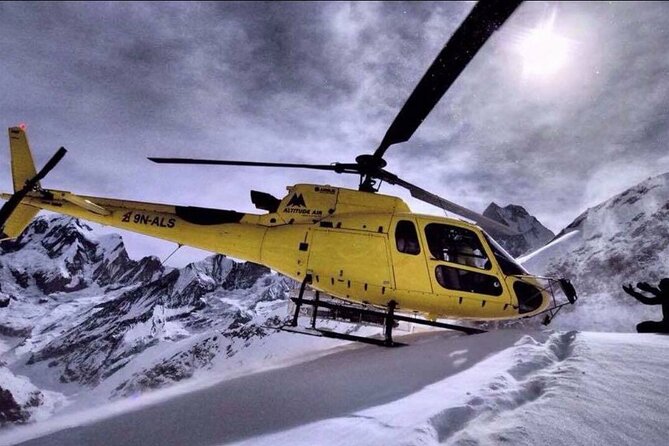
The Kathmandu to Lukla and Lukla to Kathmandu flights are included, but the schedule is not fully within anyone’s control. Poor weather can delay or cancel flights for one, two, or more days, even in the best trekking seasons.
This can happen at the beginning, the end, or both. You may wait at Kathmandu or Lukla, and extra accommodation caused by an early return, late departure, or mountain delay is not included.
I would not book an important international connection immediately after the planned arrival in Kathmandu. The supplied schedule gives only a 12-day framework, and the airline cannot fly through unsafe conditions. The right attitude is simple: keep spare time and do not treat the Lukla flight like a train.
Who should book this trek?
I would recommend this trip to a fit adult who wants a guided Everest Base Camp route with the major practical details arranged. It suits you if you value a licensed guide, porter support, included meals, teahouse lodging, and help with permits more than independent route planning.
It is less suitable if you want private rooms, flexible luxury, a slow schedule, or guaranteed flight times. The walk to Base Camp and the Kala Patthar climb require stamina, and the altitude is not a minor detail.
The private-tour format is a benefit for a group that wants to travel together without sharing the activity with unrelated groups. It may also make communication easier when you need to discuss pace, rest, or weather changes with the guide.
Should you book the 12-day Everest Base Camp trek?
I would book it if you want a well-supported first visit to the Khumbu and are comfortable with basic teahouses, early starts, high altitude, and possible flight delays. The strongest value comes from the practical bundle: permits, flights, food, accommodation, guide, porter, transfers, and staff costs are handled for you.
I would choose a longer schedule if you prefer gentler walking days or have little high-altitude experience. But for a compact Everest Base Camp plan, this one includes the right major stops, two acclimatization days, Base Camp, and Kala Patthar.
The final decision comes down to your tolerance for uncertainty. If you can accept that weather may rewrite the schedule, and if you arrive with suitable insurance and realistic fitness, the package offers a direct and well-supported way to reach one of the world’s most famous mountain destinations.
Cancellation is available up to 24 hours before the experience for a full refund.
FAQ
How long is the Everest Base Camp trek?
The experience lasts approximately 12 days, including flights between Kathmandu and Lukla, the trek to Everest Base Camp, the return to Lukla, and the flight back to Kathmandu.
What is included in the $1,390 price?
The price includes airport pickup and drop-off, teahouse accommodation, breakfast, lunch and dinner during the trek, a farewell dinner, domestic flights, a licensed English-speaking guide, porter service, staff costs, permits, paperwork, a medical kit, government taxes, and 12 breakfasts.
Are international flights included?
No. International flights are not included in the tour price.
Are trekking permits arranged?
Yes. Necessary paperwork and permits are included, including the National Park Permit and TIMS.
How high does the trek go?
The highest point is Kala Patthar at 5,555 meters. Everest Base Camp is listed at about 5,365 meters, and Gorak Shep is around 5,160 meters.
Can Lukla flights be delayed or canceled?
Yes. Flights between Kathmandu and Lukla may be delayed or canceled because of unfavorable weather, sometimes for one or more days.
Is travel insurance included?
No. Travel and rescue insurance are not included and must be arranged separately.
Recently added around Kathmandu
- Ghorepani Poon Hill Trek★ 5.0 · 16 reviews
- Private Manaslu Circuit Trek at Himalayas★ 5.0 · 3 reviews
- Amazing 1 Day Trekking Experience in Kathmandu Nepal★ 5.0 · 24 reviews
- Ghorepani Poonhill Trek★ 5.0 · 5 reviews
- Upper Mustang Trekking★ 5.0 · 2 reviews
- Upper Mustang Trekking★ 3.0 · 2 reviews
- Upper Mustang Trekking★ 5.0 · 4 reviews
- Upper Mustang Trek★ 5.0 · 5 reviews
Everest Base Camp Treks, compared.






Browse the lists this tour appears in