
REVIEW · KATHMANDU
Everest Base Camp Trek 12 Days – Best Himalayan Adventure
The world feels different at 5,364 meters. This 12-day private trek follows Sherpa trails from Kathmandu through Lukla, Namche Bazaar, Tengboche, Dingboche, and Gorak Shep to Everest Base Camp. You get experienced local guides, domestic flights, trekking permits, tea-house lodging, and a route built around acclimatization.
I like the private format, especially if you want a guide focused on your small party rather than a large walking group. I also like the strong record of care from the guiding team, with names such as Shankar, Binod, Ramjee, Santosh, and Dipendra receiving repeated praise for safety, patience, organization, and support.
The main drawback is the physical demand. This is not a sightseeing holiday with a few mountain walks. You need moderate fitness, proper clothing, and a willingness to accept simple lodging, basic meals, altitude, cold, and possible flight changes. At $1,439 per person, the price is fair for what is covered, but you still need to budget for meals, personal gear, insurance, tips, and other costs.
Key points before you book
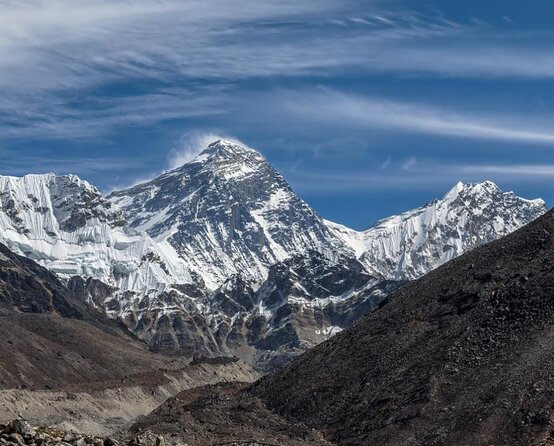
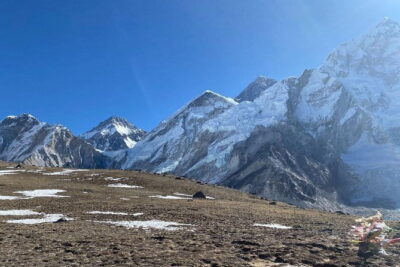
- The route reaches Everest Base Camp at 5,364 meters, with a sunrise viewpoint at Kala Patthar offering views of Everest, Lhotse, Nuptse, Ama Dablam, and Pumori.
- A Sherpa guide leads the trek, and the company has received especially strong praise for careful support from guides including Shankar, Binod, Ramjee, and Santosh.
- The package includes return domestic flights, though flights may operate from Ramechap Airport instead of Kathmandu depending on conditions and scheduling.
- Tea-house lodging is included for 11 nights, with twin-sharing rooms during the hike.
- A porter is provided for every two hikers, although the tour information also describes porter service as an add-on, so confirm the exact arrangement before paying.
- The minimum booking is two people, with a maximum of 10 or 15 listed in different parts of the information. Ask the operator to confirm the current group limit.
Why this 12-day route works
The classic Everest Base Camp route is appealing because it gives you more than a mountain finish line. You pass through high-altitude villages, cross suspension bridges, walk through alpine forests, and meet people whose daily lives are shaped by the mountains.
The 12-day schedule is also useful because it includes acclimatization time. Your body needs time to adjust as the air gets thinner, and the stops at Namche Bazaar and Dingboche help break up the climb. Even with those pauses, the trip remains demanding. You will spend many days walking, and the route reaches a very high altitude.
This is a private guided trek, but it is not a private luxury tour. Tea houses provide practical shelter rather than resort comfort. Rooms are shared by two people, and meals and personal costs are not included in the detailed inclusions. You should see the price as payment for the main framework of the expedition: guides, permits, flights, accommodation, porter support, staff insurance, first aid equipment, and organization.
The strongest reason to choose this operator is the human support. The guide team is repeatedly praised for answering questions before departure, checking on comfort, handling difficult conditions, and caring for first-time hikers. That matters much more than fancy wording when you are tired, cold, or dealing with altitude.
More Everest Base Camp Treks in Kathmandu:
- Everest Base Camp Trek – 14 Days
★ 5.0 · 1,499 reviews - Everest Base Camp Trek
★ 5.0 · 842 reviews - Everest Base Camp Trekking
★ 5.0 · 485 reviews
Kathmandu preparation and the flight to Lukla
The journey begins at Scenic Nepal Treks and Expedition in Bhagwati Marg, Kathmandu. This is the meeting point at the start and end of the activity, so you return there after the trek.
Kathmandu is where you handle the practical side of the trip. Your passport name, number, expiry date, and country are required for every person in the booking. The company arranges trekking permits and domestic flights, and the tour includes a highly experienced Sherpa trekking guide.
The flight toward Lukla is one of the major transitions of the route. The tour information notes that flights may operate from Ramechap Airport, not only Kathmandu. That can affect your ground transport and start time, so ask about the departure airport before your trek begins.
Lukla is the gateway to the Khumbu region. From here, the walk starts in earnest. You leave behind city roads and move onto mountain paths, with villages and dramatic scenery appearing along the route. The flight is included, but domestic mountain flights can be affected by weather, so keep your schedule flexible if possible.
Lukla and the first mountain walking days
Lukla is more than a transport stop. It is the place where your pace changes. You meet the walking routine, carry your day pack, and begin adjusting to the steady effort of climbing and descending.
Your guide is important from the first steps. A good guide sets a sensible pace, helps with route decisions, and pays attention to how you are coping. The strong praise for guides such as Binod, Ramjee, Santosh, and Shankar is useful here. Their qualities are described in practical terms: patience, safety checks, support, and a willingness to answer questions.
You should not expect a private vehicle to follow you or a comfortable room every night. The attraction is the walking itself, with mountain villages, bridges, forests, and changing views providing the reward. Pack light, follow the supplied equipment list, and keep useful items where you can reach them quickly.
The company provides a duffel bag and sleeping bag with silk liner, while you need to bring personal clothing and equipment. Your checklist includes trekking boots with spare laces, warm layers, a waterproof jacket, thermal underwear, quick-dry shirts, gloves, a warm hat, sunglasses, sun protection, a water bottle, toiletries, and a headlamp or torch.
Namche Bazaar and the first acclimatization pause
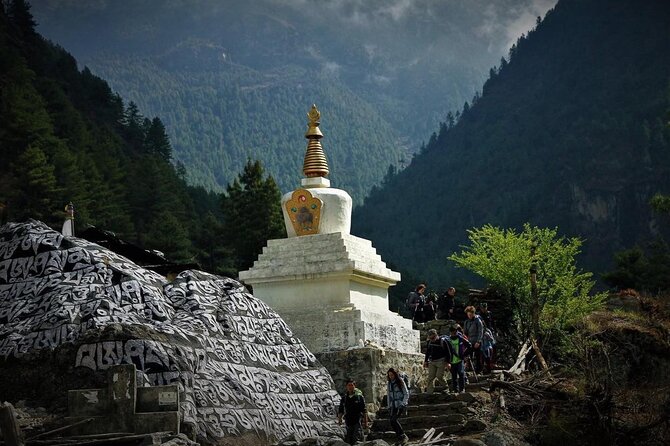
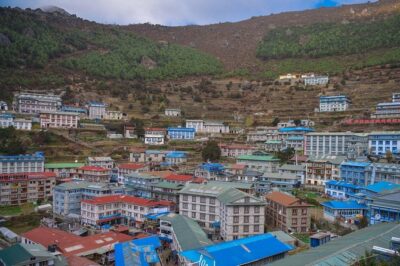
Namche Bazaar is one of the most memorable settlements on the route. It is a key stop in the Khumbu and gives you your first serious sense of high mountain life.
This is also where the trek begins to feel less like a long walk and more like a high-altitude expedition. The route becomes harder, the air thinner, and the mountains more commanding. An acclimatization day here gives your body time to adjust before the path climbs farther.
You may find the schedule here especially valuable if you are a fit beginner. The tour is suitable for people with moderate physical fitness, but beginner-friendly does not mean easy. You still need to be comfortable walking for several hours on uneven mountain trails.
Namche also brings the cultural side of the trip into sharper focus. The route passes through Sherpa villages, and the tea houses offer a chance to experience local hospitality in a simple setting. You are not simply being taken to a viewpoint. You are moving through communities where mountain travel is part of everyday life.
A few more treks around Kathmandu worth a look
- Annapurna Circuit Trek with Tilicho Lake
★ 5.0 · 368 reviews - Everest Base Camp Trekking – 13 Day
★ 5.0 · 365 reviews - Everest Base Camp Trek
★ 5.0 · 350 reviews - Everest Base Camp Trek -14 Days
★ 5.0 · 321 reviews
Tengboche and the best cultural stop
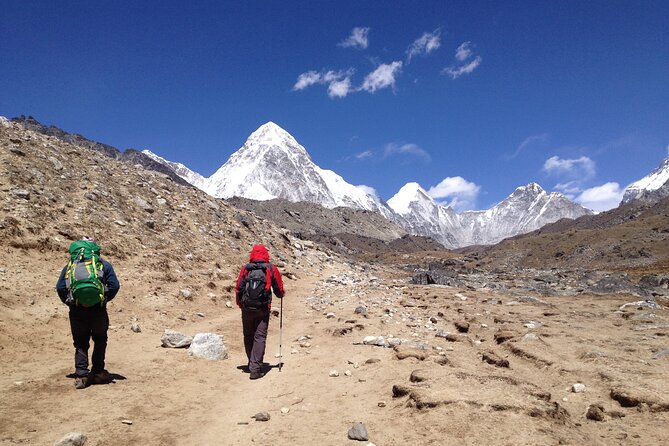
Tengboche is one of the route’s most appealing stops because it combines mountain scenery with Sherpa culture. The setting gives you a pause from the physical effort and a chance to appreciate the character of the region.
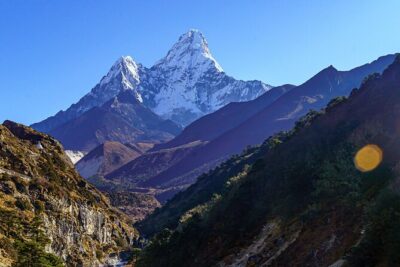
The tour places Tengboche between Namche Bazaar and Dingboche, which makes it an important overnight point as you gain altitude. The surrounding views can be spectacular, with Ama Dablam often among the mountains that draw attention along the route.
This is a good place to slow down and notice details. The walk is not only about reaching Base Camp. The villages, paths, forests, bridges, and tea houses give the trip its sense of place. The company describes the route as a chance to experience Sherpa hospitality, and Tengboche is one of the stops where that promise feels most relevant.
Accommodation remains simple. You should expect tea-house conditions and twin sharing rather than private hotel standards. That arrangement keeps the tour price more manageable, but it also means you should be ready for basic facilities and limited privacy.
Dingboche and the second high-altitude adjustment
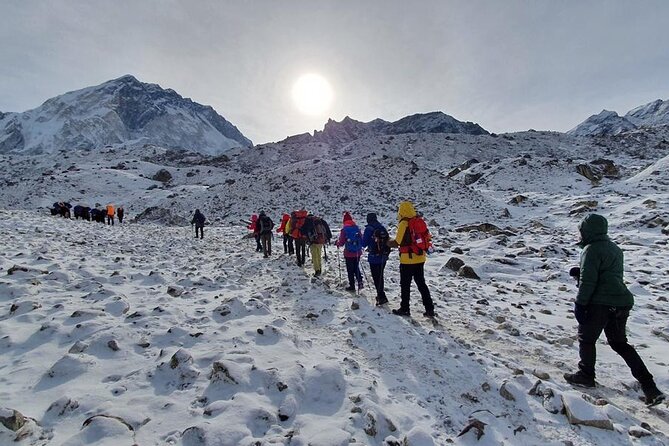
Dingboche is another important acclimatization point. By the time you reach it, the scenery has changed and the physical challenge has become clearer. The route is moving into higher, colder country, and you need to respect the schedule.
I like that the itinerary does not rush straight from the lower valleys to Base Camp. High altitude can affect people in different ways, even those who exercise regularly. The extra time at Dingboche gives your guide a chance to monitor the group and helps you adjust before the final push.
Your job is to walk steadily, drink enough water, protect yourself from the sun, and tell your guide if you feel unwell. The supplied information includes water purification tablets, sunblock, lip protection, polarized sunglasses, and a first aid kit among the recommended or provided equipment. Use them. The sun can feel intense at altitude, even when the air is cold.
Dingboche is also where a down jacket rated to at least minus 10 degrees may become important, depending on the month and conditions. The equipment list correctly treats this as season-dependent, but I would not leave cold-weather planning until the last minute.
Gorak Shep and the final push to Base Camp
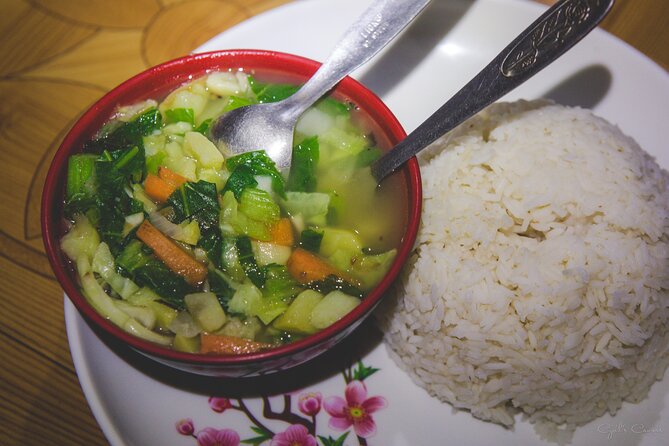
Gorak Shep is the last major stop before Everest Base Camp. At this stage, the focus narrows. You are high, tired, and close to the goal.
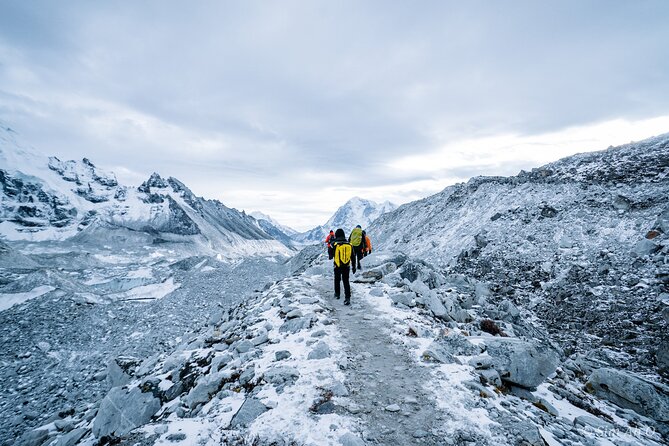
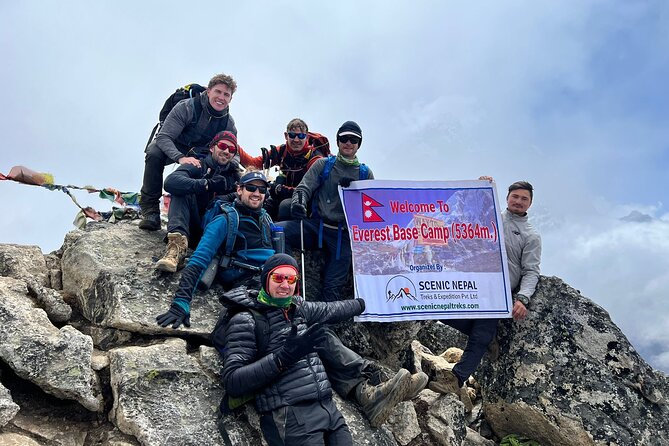
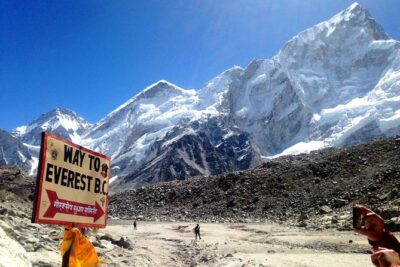
The route reaches Everest Base Camp at 5,364 meters. The site itself is famous, but it is not a conventional town or tourist attraction. The value comes from standing at a place used by mountaineering expeditions and understanding the scale of the route you have walked.
The final section can be physically demanding. A previous group faced snowstorms around Lobuche and still reached Base Camp, a reminder that weather can change the character of the trek quickly. You should listen to the guide rather than treat the schedule as more important than conditions.
The guide and support crew matter most here. A highly praised part of this experience is the care people received when the walking became hard. Guides are described as patient and attentive, and that kind of support is worth more than a fast pace.
Kala Patthar and the mountain views
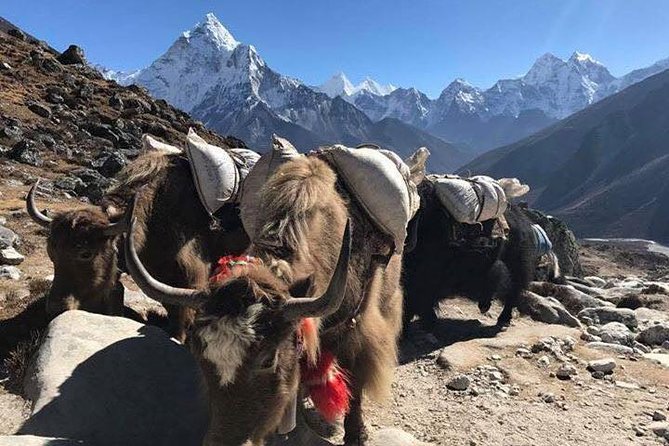
Kala Patthar is the viewpoint that many people remember most. The tour description highlights sunrise views of Mount Everest, Lhotse, Nuptse, Ama Dablam, and Pumori.
This is where the trek pays off visually. Base Camp gives you the destination, while Kala Patthar gives you the broad mountain view. If you care most about seeing Everest clearly, this viewpoint is a major reason to choose a route that includes it.
Do not assume that every sunrise will be clear. Mountain weather is changeable, and the conditions can affect visibility. The information promises panoramic viewpoints, not guaranteed skies. Even so, the combination of altitude, peaks, and the effort required to reach the viewpoint gives this part of the trek unusual emotional weight.
You should also expect cold and an early start if the viewpoint is visited at sunrise. Warm layers, gloves, a hat, and a reliable headlamp are not optional comforts here. They are part of making the experience manageable.
Tea houses, meals, and porter support
The tour includes 11 nights in twin-sharing tea houses. This is a useful inclusion because accommodation along a long mountain route can add up, and having the basic lodging arranged removes one major worry.
Tea houses are practical, not polished. You may find shared facilities, simple rooms, and a social atmosphere shaped by the needs of people walking the same route. Pack earplugs, as the equipment list wisely suggests.
The meal information needs careful attention. The overview refers to meals as part of the trek package, but the detailed exclusions say personal expenses and meals during the trek are not included. Treat meals as excluded until Scenic Nepal Treks confirms otherwise in writing. This is the single clearest point to settle before booking.
Porter arrangements also deserve a direct question. The inclusions say one porter is provided for every two hikers, while another part of the description presents a porter as an optional add-on. Confirm how much luggage the porter carries, the weight limit, and whether the service is included in your exact booking.
You still need a day pack for water, warm layers, personal medication, sun protection, and valuables. Keep your passport and essential documents secure, and use the recommended bag locks.
What the $1,439 price really covers
At $1,439 per person, the price offers solid value if the listed inclusions apply to your booking. You receive a private guided trek, return domestic flights, permits, 11 nights of tea-house accommodation, a Sherpa guide, porter support for two hikers per porter, staff insurance, medication and equipment, and a first aid kit.
That is a substantial amount of organization for a high-altitude trek. The price also buys local support, which is the part you cannot easily arrange with a packing list. A guide who knows the route and can respond to changing conditions is central to the experience.
Still, the advertised amount is not your total trip budget. You need to add international airfare, a Nepal entry visa, personal trekking equipment, travel and trekking insurance, meals if excluded, personal expenses, and tips for guides, porters, and drivers.
The tour offers free cancellation if you cancel at least 24 hours before the start time. Changes or cancellations inside that period are not accepted for a refund. That is a helpful policy, but the larger financial issue is insurance. The package does not include personal travel or trekking insurance, so arrange suitable cover before you go.
Who should choose this trek?
This experience suits you if you want the classic Everest route with a private guide and local support. It is a good match for fit beginners who are ready to train, experienced hikers who want a structured trip, and people who value cultural contact as much as mountain views.
It may not suit you if you want luxury lodging, a relaxed walking schedule, or a trip with no uncertainty. Weather can affect flights and mountain conditions. The route is physically serious, and the highest sections are not suitable for treating the trek as a casual holiday.
The minimum booking is two people. The maximum is listed as 10 in one place and 15 in another, so confirm the current limit. Service animals are allowed, and a vegetarian option is available if requested at booking.
Should you book the Everest Base Camp trek?
I would consider this a strong choice for someone who wants a well-supported Everest Base Camp route without paying for an upscale expedition. The best features are the experienced Sherpa team, the private format, the included flights and permits, the acclimatization stops, and the chance to reach both Base Camp and Kala Patthar.
Before booking, get written answers about meals, porter service, the maximum group size, the departure airport, and what happens if flights are delayed. Then check your fitness, insurance, footwear, and cold-weather gear.
Book it if you want a demanding mountain journey with dependable local guidance and meaningful contact with Sherpa communities. Skip it if you are not prepared for altitude, basic tea houses, long walking days, and extra costs beyond the headline price.
FAQ
How long is the Everest Base Camp trek?
The trek lasts approximately 12 days, including the Kathmandu arrangements, domestic flights, walking route, acclimatization stops, and return to Kathmandu.
What is the highest point reached?
Everest Base Camp is listed at 5,364 meters. The route also includes Kala Patthar, a major viewpoint with views toward Everest, Lhotse, Nuptse, Ama Dablam, and Pumori.
Is a guide included?
Yes. The tour includes a highly experienced Sherpa trekking guide.
Are domestic flights included?
Yes. Return domestic flights are included, although the flight may operate from Ramechap Airport rather than Kathmandu.
Is accommodation included?
Yes. Twin-sharing tea-house accommodation is included for 11 nights during the hike.
What fitness level is required?
The tour states that participants should have a moderate physical fitness level. You should also be prepared for high altitude, cold conditions, and sustained walking on mountain trails.
Recently added around Kathmandu
- Ghorepani Poon Hill Trek★ 5.0 · 16 reviews
- Private Manaslu Circuit Trek at Himalayas★ 5.0 · 3 reviews
- Amazing 1 Day Trekking Experience in Kathmandu Nepal★ 5.0 · 24 reviews
- Upper Mustang Trekking★ 5.0 · 2 reviews
- Ghorepani Poonhill Trek★ 5.0 · 5 reviews
- Upper Mustang Trekking★ 3.0 · 2 reviews
- Upper Mustang Trekking★ 5.0 · 4 reviews
- Upper Mustang Trek★ 5.0 · 5 reviews
Everest Base Camp Treks, compared.
Browse the lists this tour appears in