
REVIEW · KATHMANDU
12 Days Everest Base Camp Kala Patthar Trek
Everest rewards patience, lungs, and sturdy boots. This private 12-day Everest Base Camp and Kala Patthar trek gives you a guide, meals, mountain lodging, permits, porters, and domestic flights for $1,799 per person. I like the private format, which keeps the pace and daily decisions within your own group, and I like the family-run tea houses, where the trek feels connected to everyday Sherpa life rather than packaged as a simple mountain outing.
The strongest practical advantage is the support team. Guides such as Shambu, Ram, and Deepak Gurung are repeatedly praised for patience, care, and steady help, while Keshab, Mahesh, Gyayen, and other porters have helped trekkers manage difficult days. The main caution is Lukla: flights can be delayed or canceled, and extra hotel nights, repeat airport transfers, or a helicopter may cost more.
Five things to know before choosing this trek
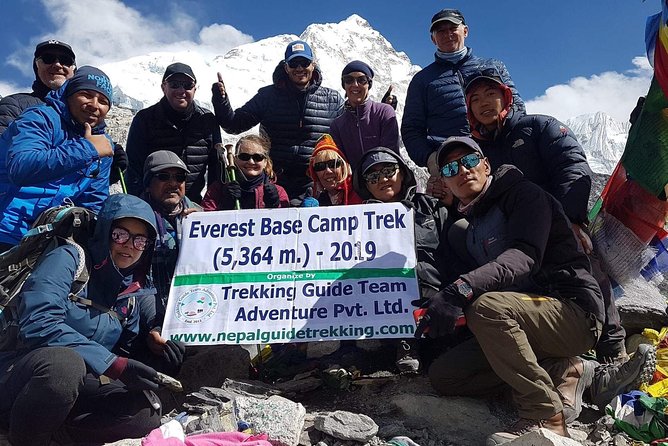
- Kala Patthar gives you the high viewpoint: The trek reaches both Everest Base Camp and Kala Patthar, with the latter serving as the key mountain-view goal.
- Private means personal attention: Only your group takes part, so you are not tied to a large fixed party.
- Family-run lodges shape the experience: Ten nights are spent in mountain tea houses or lodges, generally on a twin-sharing basis.
- The guide team earns unusually strong praise: Shambu is singled out for patient care, while Ram and Deepak Gurung are also named positively.
- Lukla weather can change your budget: The flight is included, but delays, extra nights, repeat transfers, and helicopter options are not fully covered.
- Solo hikers pay more for a porter: A porter is included for two people sharing one porter, but solo trekkers need to budget an additional $250.
What $1,799 covers on the Everest trek
At $1,799, this is not a bare-bones walking package. The price includes ten nights in mountain lodges or tea houses, twin-sharing accommodation, breakfast, lunch, dinner, permits, transportation listed in the itinerary, domestic flights from Kathmandu, a guide, and porter support under the stated group arrangement.
I see real value in having food and sleeping places organized in advance. At altitude, you want your attention on walking, drinking enough, staying warm, and noticing how your body feels. You do not want to spend each afternoon bargaining over a bed or wondering where dinner will come from.
The price also covers the guide’s and porter’s salary, food, drinks, lodging, transportation, and insurance. That matters because the mountain crew is not an afterthought. The strongest personal accounts describe guides who kept checking on group members, helped during medical trouble, and stayed involved when conditions became difficult.
There are important holes in the package. Accommodation in Kathmandu is not included, nor are international flights, airport departure tax, personal travel insurance, tips, equipment, hot showers, alcoholic drinks, or nonalcoholic drinks such as tea and coffee. You should also expect extra charges for personal needs in the mountains.
A solo trekker should read the porter rule carefully. One porter is included for two people. If you are alone, porter service costs an additional $250. The listed luggage allowance on the Lukla flight is 12 kilograms, with extra baggage charged at Rs 100 per kilogram.
More Everest Base Camp Treks in Kathmandu:
- Everest Base Camp Trek – 14 Days
★ 5.0 · 1,499 reviews - Everest Base Camp Trek
★ 5.0 · 842 reviews - Everest Base Camp Trekking
★ 5.0 · 485 reviews
Day 1: Kathmandu, preparation, and the first practical details
The trip begins in Kathmandu, with pickup offered and a mobile ticket provided. The supplied plan does not spell out a detailed sightseeing schedule in the capital, so I would treat this as the point for arrival, coordination, and getting ready for the mountains.
Your Nepal entry visa is separate. The listed guidance says you can obtain it on arrival at Tribhuwan International Airport in Kathmandu, with two passport-size photos and a stated cost of $30 per person. Check current visa requirements before departure, since government charges can change.
You also need personal travel insurance that specifically covers medical treatment and helicopter rescue. Standard policies often exclude high-altitude trekking or rescue, so this is not a box to tick casually. The tour price does not take on that risk for you.
Day 2: The Lukla flight and the start of the walking route
The domestic flight from Kathmandu to Lukla is included, along with one airport transfer to Lukla and one return transfer from Lukla. Lukla is the gateway to the trekking route, but it is also the trip’s least predictable piece.
The weather can shift quickly. If the flight is canceled, you return to the hotel at your own expense, including transportation and accommodation for that night. If the next day is clear, you may receive a later flight, listed as the third or fourth flight of the day.
A helicopter can be another option if poor weather continues. The stated estimate is about $300 in total, using the flight ticket and adding roughly $150, though the final airline quote can vary. If you have to return to your Kathmandu hotel more than once because of flight trouble, those extra transfers also cost extra.
This is not a reason to reject the trek. It is a reason to build financial and scheduling room around it. Do not arrange an important international connection too tightly after the planned return.
The first mountain nights: tea houses, meals, and shared comforts
The trek includes ten nights in family-run tea houses and lodges, generally in twin-sharing rooms. Outside toilets are specified, so you should not picture hotel-style bathrooms at altitude.
That simplicity is part of the experience, but it is also where expectations matter. Hot showers are not included. Tea, coffee, soft drinks, and alcohol are also excluded, so small daily purchases can add up.
Breakfast, lunch, and dinner are included throughout the trek. The menu is not described in detail, so I would not assume unlimited choices or restaurant service. The useful point is that your main meals are arranged, which removes one major daily task.
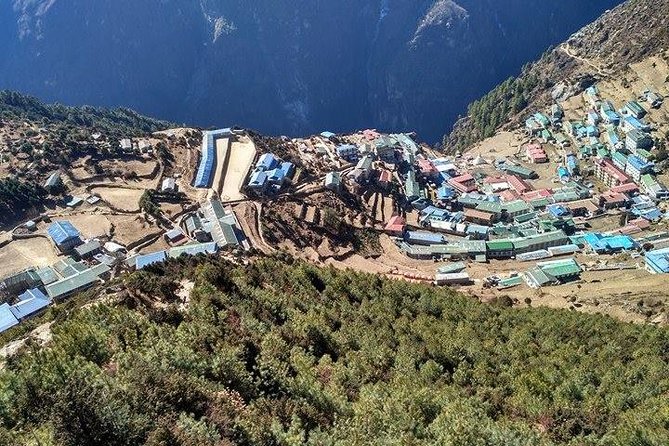
Family-run lodges also give the trek its human scale. You are not sleeping in a sealed resort. You are staying in places tied to local mountain communities, with the chance to experience Sherpa hospitality in a direct and ordinary way.
A few more treks around Kathmandu worth a look
- Annapurna Circuit Trek with Tilicho Lake
★ 5.0 · 368 reviews - Everest Base Camp Trekking – 13 Day
★ 5.0 · 365 reviews - Everest Base Camp Trek
★ 5.0 · 350 reviews - Everest Base Camp Trek -14 Days
★ 5.0 · 321 reviews
The middle section: steady walking and altitude awareness
The supplied information does not provide a day-by-day list of every village or rest stop. That is worth noting before you book. You should ask the operator for the exact overnight plan, walking hours, altitude gains, and rest-day arrangements.
What is clear is that this is a serious high-altitude trek, not a casual hike. The operator requires a strong physical fitness level, and you should take that seriously. Each day can feel different as the air gets thinner, so the guide’s role is much more than navigation.
The private format helps here. Your guide can pay attention to how you are moving, how you are eating, and how you are coping with the altitude. Accounts of Shambu describe him as patient and caring, while Deepak Gurung is praised for looking after a trekker from the start to the finish.
That support does not remove the need for sensible pacing. You still need to report symptoms honestly and follow the guide’s advice. Personal insurance remains essential because rescue and medical bills are outside the tour price.
Tengboche Monastery: the cultural heart of the route
Tengboche Monastery is one of the clearest cultural highlights. The visit gives the trek more depth than a simple march toward a famous mountain marker.
The monastery connects the route with Tibetan Buddhist practice and the Sherpa communities of the Khumbu region. The exact visit timing is not stated, so your experience may depend on the walking schedule, weather, and local conditions.
I like that Tengboche is included as a featured stop rather than treated as scenery viewed from a trail. The mountain route is not only about reaching a number on a map. It is also about understanding the people and traditions that make the route meaningful.
Everest Base Camp: the big goal, with realistic expectations
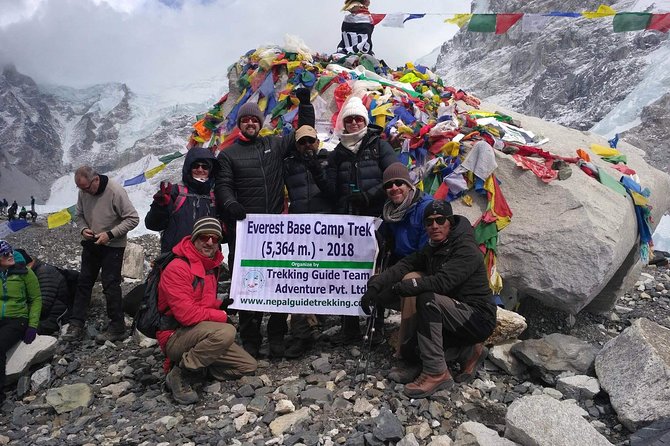
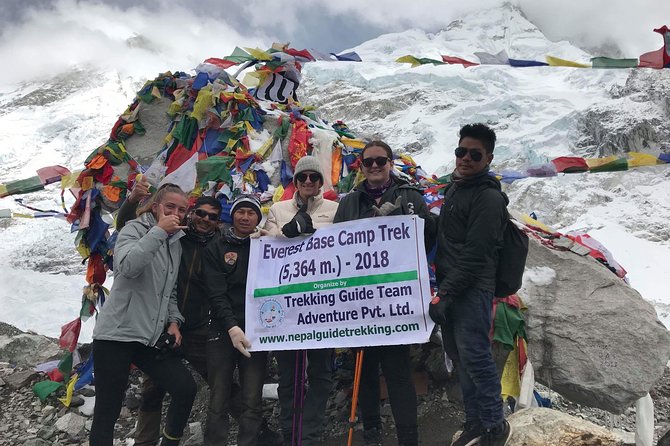
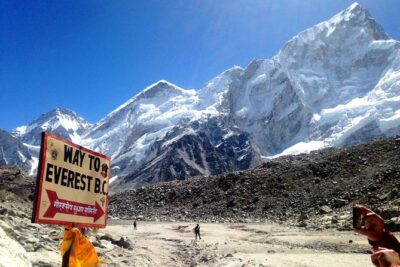
Reaching Everest Base Camp is the emotional centerpiece of the trip. You walk into a place known around the world, but the experience is not designed like a museum visit. It is a working expedition area whose appearance can change with the season and climbing activity.
You should also know that Base Camp itself is not always the best viewpoint of Everest. That is why Kala Patthar matters. This itinerary includes both goals, giving you the famous base camp milestone and a separate high point for broader mountain views.
The exact day of the Base Camp walk is not given in the supplied schedule. Ask for that detail before departure, along with the expected walking time and altitude profile. The answer will help you judge if the 12-day format fits your fitness and comfort level.
Kala Patthar: the viewpoint that justifies the extra effort
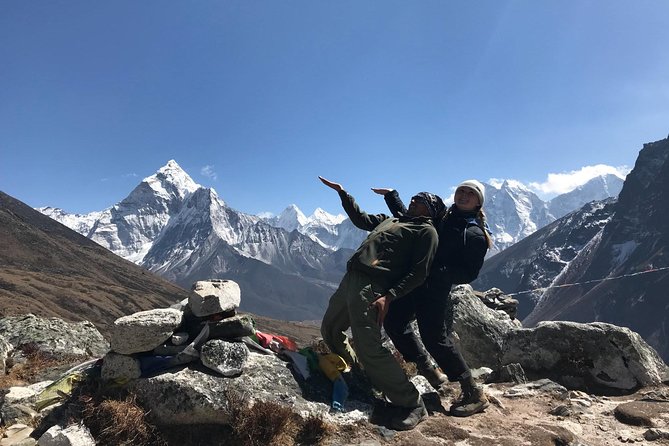
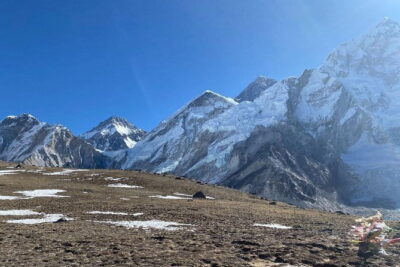
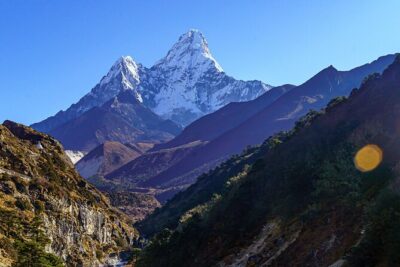
Kala Patthar is the visual payoff of the route. From this high viewpoint, you can expect the mountain scenery to be the main event, with Everest views forming the reason many people accept the hard walking and basic lodging.
The name is often written as Kalapatthar or Kala Patthar, so do not let the spelling difference confuse you. It refers to the same destination in this trek.
This is also where preparation shows. Warm clothing, gloves, good trekking shoes, sunglasses, sunscreen, and a headlamp or torch are on the personal equipment list. A sleeping bag rated to minus 15 degrees and a down jacket are also listed, and neither is included.
The return to Lukla and Kathmandu
After the high points, you retrace the mountain route toward Lukla and take the domestic flight back to Kathmandu. The included transport covers the planned movements, but the return is still exposed to weather delays.
The schedule is approximately 12 days, not a guarantee against mountain conditions. If you return early because of a problem or rescue, extra accommodation is not included. If the flight is delayed, your added hotel nights and transportation are also your responsibility.
The final day includes a typical Nepali cultural dinner. That is a welcome way to close the trip, bringing the group back from high mountain routines to a shared meal and a taste of local culture.
The guides and porters make a real difference
The most consistent praise goes to the people leading the trek. Shambu is named repeatedly, with descriptions of patience, care, strong local knowledge, and calm service. One account identifies him as a former Nepalese Army Sergeant Major, which may reassure you if you value a guide with a disciplined background.
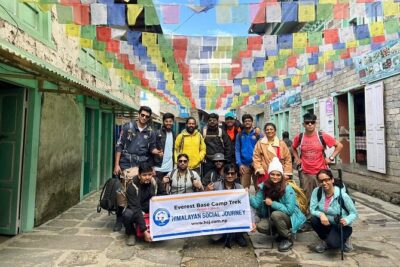
Ram is also praised as a strong guide, while Deepak Gurung is described as patient and caring. Keshab, Mahesh, Gyayen, and other porters receive thanks for keeping bags safe and helping groups through demanding situations.
One particularly important account describes the guide and porters assisting when a group member needed medical evacuation. That does not promise a particular outcome for every emergency, but it shows why experienced support matters on this route.
The company has also maintained contact with at least one group through a three-year delay caused by COVID. That suggests a willingness to keep communication open when major events disrupt plans, though the strict cancellation terms still require caution.
What to pack and what the price leaves out
You need to supply or rent your own trekking equipment. The listed items include:
- Sleeping bag rated to minus 15 degrees
- Down jacket
- Trekking shoes
- Warm clothes and gloves
- Trekking stick
- Torch or headlamp
- Sunglasses and sunscreen
- Warm socks and a personal towel
- Basic medicine and first-aid supplies
The medicine list includes items for headache, fever, stomach pain, diarrhea, pain, and minor cuts, plus Diamox. Take medical advice before using any prescription medicine, especially for altitude.
Bring a plan for spending money on drinks and hot showers. You should also carry enough for tips, since gratuities for the guide and porters are not included. The exact recommended tip is not provided, so ask the operator for current guidance.
Who should book this trek?
I would recommend it to you if you want Everest Base Camp and Kala Patthar with a private guide, arranged meals, lodge stays, permits, flights, and porter support. It fits someone who values help with daily logistics and wants contact with Sherpa communities rather than a self-guided route.
It is less suitable if you need private bathrooms, included Kathmandu lodging, flexible refunds, or a fully fixed timetable. The nonrefundable policy means you should be confident before paying. If you cancel or request a change, the amount paid is not returned.
The tour has a five-star rating from 61 reviews and a 100 percent recommendation figure. That record, combined with the repeated praise for specific guides and porters, gives the operator a strong service profile. Still, no rating can control Lukla weather or remove the physical demands of high altitude.
Should you book the Everest Base Camp and Kala Patthar trek?
Book this trek if you want a well-supported private route and are prepared for basic mountain lodging, extra personal costs, and flight uncertainty. The $1,799 price is fair for the included guide, food, ten lodge nights, permits, porter arrangement, and domestic flights.
Before paying, confirm the detailed daily schedule, the exact flight arrangements, porter rules for your group, and current visa and helicopter costs. Buy rescue-ready insurance, leave spare days around the Lukla flights, and train for sustained uphill walking.
If you can accept those conditions, this is a strong choice for reaching two major Himalayan goals with a team that has earned repeated praise for personal care.
FAQ
Is the Everest Base Camp trek private?
Yes. This is a private tour, and only your group participates.
How long does the trek take?
The experience lasts approximately 12 days.
Is the Lukla flight included?
Yes. Domestic transportation and flights from Kathmandu are included according to the tour details.
How much luggage is included on the Lukla flight?
The included luggage allowance is 12 kilograms. Extra baggage is charged at Rs 100 per kilogram.
Is a porter included?
A porter is included for every two people. Solo trekkers do not have a porter included, but can hire one for an additional $250.
Are meals included during the trek?
Yes. Breakfast, lunch, and dinner are included during the trekking portion.
Is accommodation in Kathmandu included?
No. Kathmandu accommodation is not included.
Do I need travel insurance?
Yes. You need personal travel insurance covering medical treatment and helicopter rescue. This is not included in the tour price.
What happens if the Lukla flight is canceled?
You must return to the hotel at your own expense, including transportation and accommodation. A later flight may be available, or a helicopter may be offered for an additional charge.
Recently added around Kathmandu
- Ghorepani Poon Hill Trek★ 5.0 · 16 reviews
- Private Manaslu Circuit Trek at Himalayas★ 5.0 · 3 reviews
- Amazing 1 Day Trekking Experience in Kathmandu Nepal★ 5.0 · 24 reviews
- Ghorepani Poonhill Trek★ 5.0 · 5 reviews
- Upper Mustang Trekking★ 5.0 · 2 reviews
- Upper Mustang Trekking★ 3.0 · 2 reviews
- Upper Mustang Trekking★ 5.0 · 4 reviews
- Upper Mustang Trek★ 5.0 · 5 reviews
Everest Base Camp Treks, compared.
Browse the lists this tour appears in