
REVIEW · KATHMANDU
10 Days Everest Base Camp Trek
The mountains begin before the trail. This Everest Base Camp trip combines a short Kathmandu visit, a flight to Lukla, and a demanding high-altitude walk through Sherpa villages, monasteries, glaciers, and famous Himalayan viewpoints. I like the small private-group format, since your pace and comfort receive more attention, and I like that the package includes flights, permits, guide service, tea-house lodging, meals, and airport transfers.
The schedule is called a 10-day trek, yet the supplied program runs across 12 calendar days, including Kathmandu arrival and departure time. That is worth checking before you pay. The other main consideration is the physical effort: you will walk for five to seven hours on several days and reach Everest Base Camp at 5,364 meters, followed by Kala Patthar at 5,545 meters.
Key things to know before you book
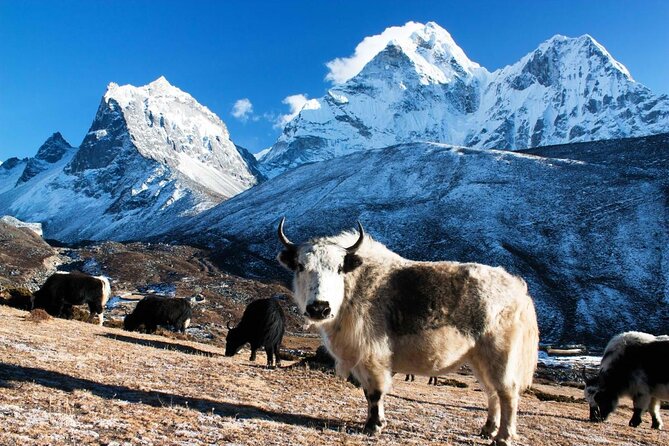
- Lukla flights shape the whole trip: The route begins and ends with a 30-minute domestic flight between Kathmandu and Lukla.
- The high point is Kala Patthar: At 5,545 meters, it provides the highest viewpoint on the itinerary, while Everest Base Camp sits at 5,364 meters.
- You sleep in tea houses for nine nights: This keeps the experience local and practical, but comfort and included extras are limited.
- The price covers major essentials: At $1,470 per person, you receive domestic flights, a licensed guide, permits, meals listed in the package, Kathmandu hotel nights, and transfers.
- Guides receive strong personal praise: Dhansingh and assistant guide PJ are specifically named for patient, attentive support on the trail.
- Weather can change the plan: Poor weather may lead to a new date or a full refund, but the normal cancellation terms are strict.
Why this Everest route remains such a big deal
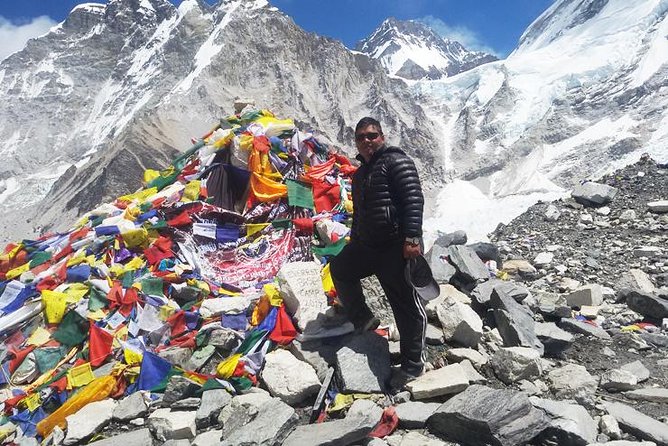
The Everest region offers more than a quick mountain photo. You walk through a chain of settlements connected by footpaths, suspension bridges, steep stone sections, and high passes of scenery. The appeal comes from the steady change in altitude and atmosphere, from Kathmandu’s historic center to the thin air around Gorak Shep.
The route also has a cultural side. Ancient monasteries, Sherpa communities, prayer traditions, and mountain lodges give the trek meaning beyond the summit view. You are not simply moving toward a famous base camp. You are spending days in a high Himalayan region where daily life is shaped by weather, altitude, and the mountains.
I especially like that this is a private activity. Your group is the only group taking part, which can make a real difference on long walking days. The guide can focus on your group’s pace, questions, and general condition instead of managing a large crowd.
More Everest Base Camp Treks in Kathmandu:
- Everest Base Camp Trek – 14 Days
★ 5.0 · 1,499 reviews - Everest Base Camp Trek
★ 5.0 · 842 reviews - Everest Base Camp Trekking
★ 5.0 · 485 reviews
Day 1: Kathmandu Durbar Square and a gentle start
The first day includes a short drive to your hotel and a visit to Kathmandu Durbar Square. The supplied plan gives only about 10 minutes for the drive and describes the sightseeing as short, so you should treat this as an introduction rather than a full city tour.
Kathmandu Durbar Square gives you an early look at Nepal’s architecture, religious spaces, and busy urban rhythm. It is a useful contrast to the quiet mountain villages ahead. You also receive one of the two included Kathmandu hotel nights with breakfast during the overall program.
The practical point is simple: use this first stage to organize your gear, confirm the early start, and adjust to the trip schedule. The meeting time is 6:15 am, so a late first evening is not wise.
Day 2: Flying to Lukla and walking to Phakding
The flight to Lukla takes about 30 minutes. This is one of the trip’s key transport links, not a minor transfer. The entire walking route depends on reaching Lukla, and flights in mountain regions are sensitive to weather.
After arriving, you continue on foot toward Phakding. This first walking section gives you a gradual introduction to the trail before the longer and higher days begin. You sleep in a mountain tea house, part of the nine nights of tea-house accommodation included in the package.
The guide is listed as a licensed trekking guide, and the company also supplies airport, hotel, and airport transfers by private car, van, or bus. Those details reduce some of the usual arrival-day confusion, especially after an early flight.
Day 3: The long walk to Namche
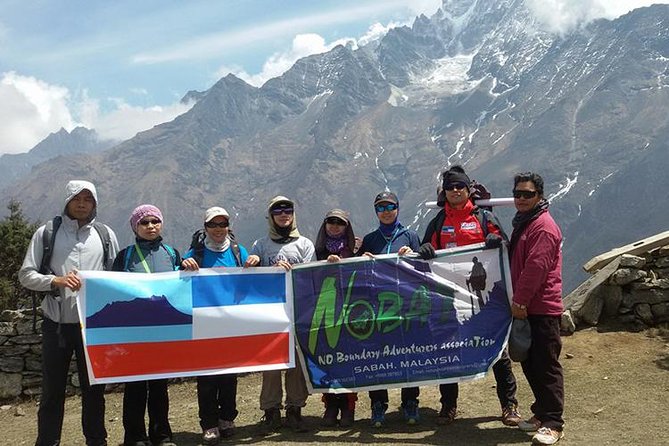
The route from Phakding to Namche takes about six hours. This is where the trek begins to feel serious. You are no longer taking a short orientation walk. You are following a mountain trail toward Namche, one of the best-known settlements in the Everest region.
The listed stop is called Irish Pub, which appears to be a meeting or rest point rather than the main purpose of the day. The important part is the walk itself and the move toward a higher elevation.
Namche is a major staging point for the Everest route, and reaching it after six hours gives you a clear sense of the effort involved. You will want sturdy footwear, a day pack that is not overloaded, and enough water for the walking period. Boiled water is not included, and bottled drinks are also excluded, so you need to budget for hydration.
A few more treks around Kathmandu worth a look
- Annapurna Circuit Trek with Tilicho Lake
★ 5.0 · 368 reviews - Everest Base Camp Trekking – 13 Day
★ 5.0 · 365 reviews - Everest Base Camp Trek
★ 5.0 · 350 reviews - Everest Base Camp Trek -14 Days
★ 5.0 · 321 reviews
Day 4: Phortse and the quieter side of the route
The fourth day takes about six hours of walking to Phortse. This village provides a change from the main flow of the lower route and gives you more time among high mountain settlements.
The listed stop is River Resort. The name suggests a rest point, but no detailed facilities are provided, so do not assume that it means a full resort in the usual city sense. Tea-house lodging on this route is functional and local, with the basics covered rather than hotel-style comfort.
Phortse is also a reminder that the route is not only about reaching Everest Base Camp. The villages, rivers, stone paths, and changing mountain views are part of the experience. If you prefer a trip with cultural contact and days spent walking between communities, this section will likely appeal to you.
Day 5: Dingboche and the first real altitude test
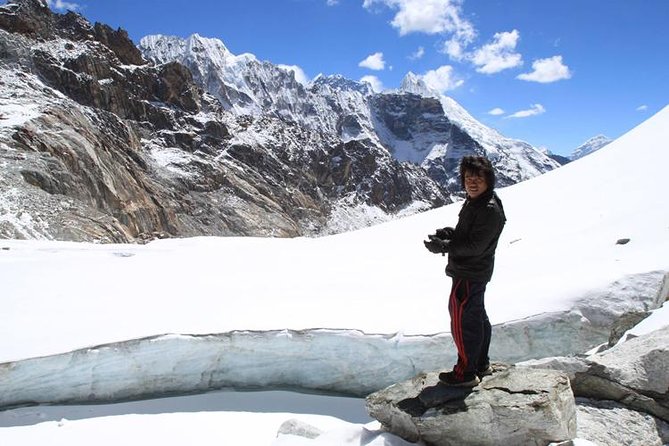
The walk to Dingboche takes about six hours. The stop listed for the day is Dingboche View Point, which should give you a useful visual marker as the route moves higher into the Everest region.
At this stage, the altitude becomes a serious practical concern. The supplied information requires moderate physical fitness, but the schedule is still demanding. You need to be prepared for long walking days, cold conditions, and reduced comfort. The itinerary does not list a separate rest day, so your ability to walk steadily matters.
The package includes breakfast, lunch, and dinner provisions across the trek, but the wording is not perfectly consistent: it lists 10 lunches, 10 dinners, and 11 breakfasts. Ask the operator to confirm exactly which meals are covered on each calendar day, especially around Kathmandu and the arrival and departure flights.
Day 6: Lobuche and the approach to the goal
The walk to Lobuche takes five to six hours. This is shorter than some earlier days, but the higher altitude can make any uphill section feel tougher. The destination marks the start of the final approach toward Gorak Shep and Base Camp.
You sleep in tea-house accommodation, and this is where expectations matter. The package covers the room, but hot showers, Wi-Fi, electronic charging, and extra hot drinks cost more. Boiled water is also excluded. These are manageable expenses, but they add up, so carry some personal spending money in the local currency or ask the company how payment is handled.
The included meals help control the main trip cost. Desserts, cakes, baked goods, pies, bottled drinks, and larger hot drinks are not included, so the headline price does not cover every comfort purchase.
Day 7: Gorak Shep and Everest Base Camp at 5,364 meters
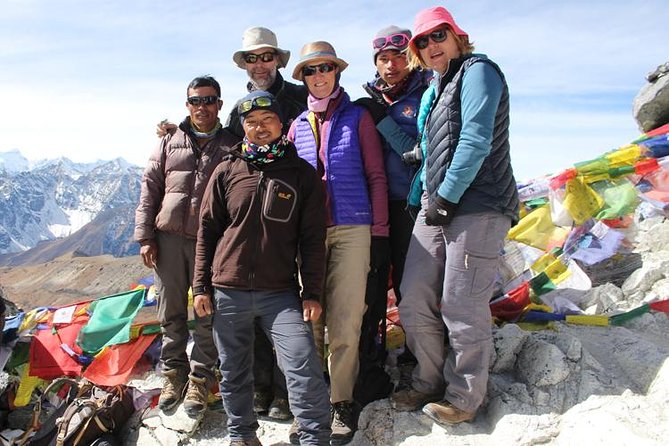
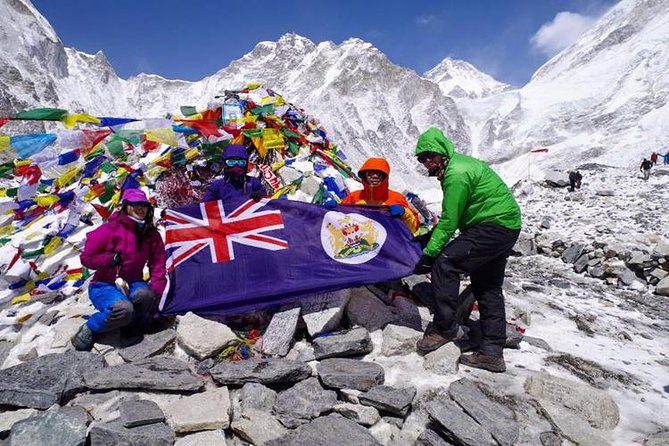
The seventh day is the emotional center of the itinerary. You walk to Gorak Shep and continue to Everest Base Camp, listed at 5,364 meters.
Base Camp is not a casual sightseeing stop. You are reaching it after several days of walking and substantial altitude gain. The combination of cold, thin air, and rough ground can make the final section feel much longer than the distance suggests.
The reward is the setting: glacial scenery, high peaks, and the sense that you have reached one of the world’s best-known trekking destinations under your own power. The package also includes an adventure certificate after a successful trip, a small but pleasant keepsake.
You return to Gorak Shep for the night. The plan does not provide detailed timing for the Base Camp section, so your guide’s judgment will matter. This is one reason the named guide support is important.
Day 8: Kala Patthar at 5,545 meters, then Pheriche
The day begins with a hike to Kala Patthar Peak, listed at 5,545 meters, before continuing to Pheriche. This is the itinerary’s highest point and often the best place for a broad Himalayan view.
The early start is likely to matter here, although the exact departure time is not stated. Ask the operator about it before departure. At this elevation, a slow pace and careful attention to how you feel are more valuable than trying to rush to the top.
After Kala Patthar, the route descends to Pheriche. That downhill movement is welcome, but it still involves several hours of walking. You should not assume that going down makes the day easy. Tired legs, loose ground, and the long distance can still test you.
Day 9: The long return to Namche
The walk from Pheriche to Namche takes about seven hours. This is one of the longest days in the plan and comes after Base Camp and Kala Patthar, when fatigue may be high.
The return route lets you experience familiar villages from a different angle. You will also notice the physical relief of losing altitude, though the trail remains active and demanding. A private group can be useful here because the guide can help keep the pace realistic rather than forcing everyone to match a fixed large-group schedule.
The program identifies Pheriche as the stop, while Namche is the destination. Make sure you understand the overnight location each day when the final voucher or trip document arrives.
Day 10: Seven hours back to Lukla
The return to Lukla takes about seven hours, with an overnight stay at a lodge. This is another long walking day, so you should keep your day pack light and save energy for the final stretches.
Lukla is the final mountain base before the flight back to Kathmandu. The route has now taken you from the city to the heart of the Everest region and back through the same practical gateway.
The package includes both domestic flights. That is a major part of the value at $1,470 per person, since arranging mountain flights separately can complicate the schedule. Still, weather can interfere with air travel, so keep flexibility in your wider Nepal plans.
Day 11: Return to Kathmandu and time in Thamel
The flight back to Kathmandu takes about 30 minutes. After landing, the itinerary gives you an exploration day in Thamel.
Thamel is a useful place to rest, shop for trekking items, and enjoy the contrast between mountain quiet and city energy. The supplied package includes two nights in Kathmandu with breakfast, but extra meals and extra accommodation in the city are not included. Check whether this night is one of the two included hotel nights and confirm what happens if a delayed flight forces an additional stay.
Day 12: Departure arrangements
The final day covers departure from Kathmandu to your hotel or onward transfer, depending on the exact arrangement. Airport, hotel, and airport pickup and drop-off by private vehicle are included, which is convenient at the start and end of a demanding trip.
The calendar also clarifies the main naming issue. Although the product is called a 10 Days Everest Base Camp Trek, the supplied schedule has 12 days. The walking portion may be described as 10 days, but you should confirm the full length before booking flights home.
What the $1,470 price really covers
At $1,470 per person, the package offers solid coverage for a guided Everest Base Camp trek. You receive:
- Both domestic flights between Kathmandu and Lukla
- A licensed trekking guide
- Trekking permits
- Nine nights in mountain tea houses
- Two Kathmandu hotel nights with breakfast
- Listed breakfasts, lunches, and dinners
- Airport and hotel transfers
- Government taxes
- An adventure certificate after a successful trip
The value is strongest if you want the main logistics handled for you. You do not need to arrange the guide, permits, lodges, flights, and transfers as separate pieces.
You still need to budget for personal expenses, hot showers, charging devices, Wi-Fi, bottled drinks, boiled water, extra hot drinks, desserts, travel insurance, evacuation insurance, and tips for the guide and porter. Evacuation insurance deserves special attention because the route reaches 5,545 meters and the package does not include it.
Guide support and the feel of the trip
The strongest personal praise attached to this experience focuses on guide support. Dhansingh and assistant guide PJ are specifically credited with making the trek easier and more special, with Dhansingh described as attentive to a participant who was afraid of heights. Another account praises both guides for going beyond the basic job to help a small group complete the route.
That matters on a trek like this. A guide is not only there to point out the trail. You also want someone who notices when the pace is wrong, helps you manage difficult sections, and keeps communication clear when the altitude or weather affects the plan.
The group size is not stated, although the activity is private and only your group participates. Ask how many people your group can include and whether a porter is included, since porter tipping is listed separately but porter service itself is not clearly described.
What to pack and what to budget for
The supplied details point to a trek where small extras matter. Plan for:
- Personal funds for showers, charging, Wi-Fi, drinks, and desserts
- Travel insurance and evacuation insurance
- Tips for the guide and porter
- Suitable gear for long walking days and cold high-altitude conditions
- A way to carry or purchase drinking water, since boiled water is excluded
- Patience for flight changes caused by poor weather
You should also confirm the meal count, the exact hotel nights, porter arrangements, and what happens if a Lukla flight is delayed. These questions are practical, not fussy. A mountain trip runs better when you know what the price does and does not cover.
Who should book this trek?
I would choose this trip if you want a guided Everest Base Camp experience with the largest transport and accommodation pieces arranged in advance. It suits people with moderate fitness who are ready for five to seven hours of walking on several days and who accept basic tea-house conditions.
I would hesitate if you want luxury lodges, flexible rest days, included hot showers, or a relaxed sightseeing schedule. The route is demanding, the cancellation terms are strict, and the 10-day title does not match the 12-day calendar program.
The experience has a strong human side, too. The named guides, private format, local tea houses, monasteries, and village-to-village walking make it more than a flight, a photo stop, and a return ticket. If you are ready for the effort and confirm the schedule details first, this is a practical way to reach Everest Base Camp without arranging every moving part yourself.
FAQ
How long does the Everest Base Camp experience last?
The supplied schedule runs for 12 calendar days, although the trip is called a 10 Days Everest Base Camp Trek. Confirm the exact duration with the operator before booking flights.
What time does the experience start?
The stated start time is 6:15 am.
Are domestic flights included?
Yes. The package includes both domestic flights, covering the journeys between Kathmandu and Lukla.
What accommodation is included?
You receive two nights in a Kathmandu hotel with breakfast and nine nights in tea-house accommodation in the mountains.
Is a trekking guide included?
Yes. The package includes one licensed trekking guide. Guide and porter tips are not included.
What happens if bad weather cancels the trip?
The experience requires good weather. If poor weather causes cancellation, you are offered a different date or a full refund. Normal cancellations or amendments are non-refundable.
Recently added around Kathmandu
- Ghorepani Poon Hill Trek★ 5.0 · 16 reviews
- Private Manaslu Circuit Trek at Himalayas★ 5.0 · 3 reviews
- Amazing 1 Day Trekking Experience in Kathmandu Nepal★ 5.0 · 24 reviews
- Ghorepani Poonhill Trek★ 5.0 · 5 reviews
- Upper Mustang Trekking★ 5.0 · 2 reviews
- Upper Mustang Trekking★ 3.0 · 2 reviews
- Upper Mustang Trekking★ 5.0 · 4 reviews
- Upper Mustang Trek★ 5.0 · 5 reviews
Everest Base Camp Treks, compared.




Browse the lists this tour appears in