
REVIEW · KATHMANDU
4 Days Pikey Peak Trek : The Best View of Mt Everest
Everest views come with a long road. I like this trek for two clear reasons: the sunrise from 4,065-meter Pikey Peak and the quiet route through Sherpa villages, rhododendron forests, stone walls, and Buddhist monasteries. The main drawback is the transport, with up to eight hours by road each way between Kathmandu and Dhap.
This is a strong short trek for anyone who wants real Himalayan scenery without committing to the Everest Base Camp route. I also like that the small group is limited to eight people, with guides such as Pemba, Sukbir Tamang, and Ngima Chhechi Sherpa praised for keeping the experience friendly and enjoyable. Just do not mistake four days for an easy weekend walk: the summit day lasts about seven hours, and the drive is tiring.
Key Things to Know Before You Book
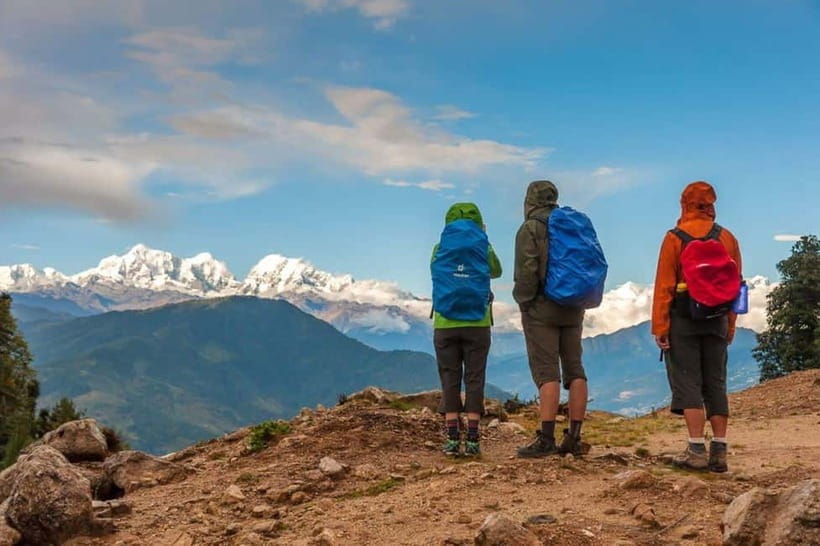
- Pikey Peak reaches 4,065 meters: You get wide views toward Dhaulagiri, Everest, and Kanchenjunga, but altitude still deserves care.
- The road takes up much of the trip: Expect a seven to nine-hour drive from Kathmandu to Dhap, then a similar return journey.
- The trail feels quieter than the main Everest routes: You pass through Sherpa settlements, alpine meadows, rhododendron forests, monasteries, and open ridgelines.
- The summit morning is the reward: The climb from base camp takes about 1.5 hours, with sunrise providing the best chance for clear mountain views.
- The $350 price covers important basics: A guide, permits, taxes, private transport, hotel transfers, and lodge accommodation with breakfast are included.
- Food, a porter, and personal expenses cost extra: Bring Nepali rupees because there are no ATMs along the trail.
Why Pikey Peak Works for a Short Himalayan Trip
Pikey Peak sits in Nepal’s Lower Khumbu region, east of Kathmandu. It gives you a taste of the Himalayas without the two-week commitment required by longer Everest treks. The route is also known for its Sherpa villages and quieter trails, so the cultural side matters just as much as the summit.
I would recommend it to a reasonably active beginner, a family with older children who are used to walking, a photographer, or anyone with only a few spare days in Nepal. Bird watchers also have a good reason to consider it, since the trail passes through forest and open mountain areas.
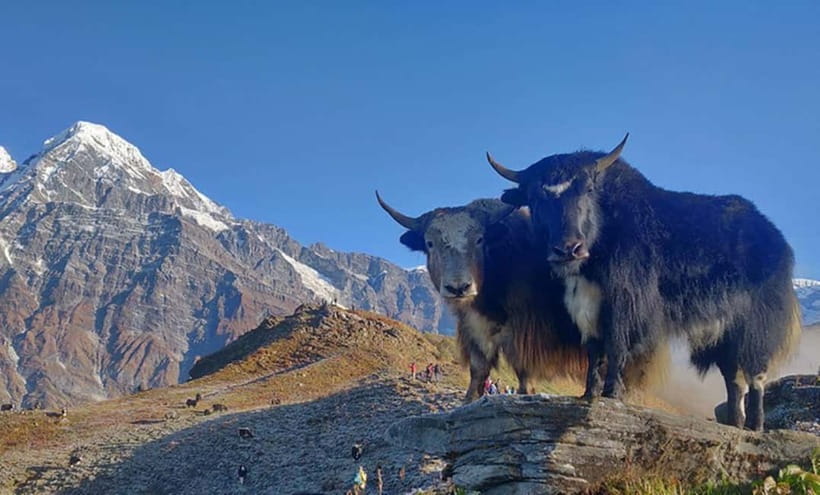
The phrase best view of Mount Everest needs a little context. Pikey Peak offers a broad mountain panorama, including Everest, but visibility depends heavily on weather. Clear autumn and spring mornings give you the best chance of seeing the range. Clouds can roll in, and winter brings cold conditions even when the sky is clear.
The trek has a useful rhythm. You drive into the hills, walk through villages and forest, reach a high base camp, climb the peak early, then return toward Dhap. That makes it efficient, but the schedule is not leisurely. The first and final days include long road transfers, while the summit day combines an early climb with a long descent.
More Everest Base Camp Treks in Kathmandu:
- Everest Base Camp Trek – 14 Days
★ 5.0 · 1,499 reviews - Everest Base Camp Trek
★ 5.0 · 842 reviews - Everest Base Camp Trekking
★ 5.0 · 485 reviews
Day 1: Kathmandu to Dhap, Then Jhapre at 2,820 Meters
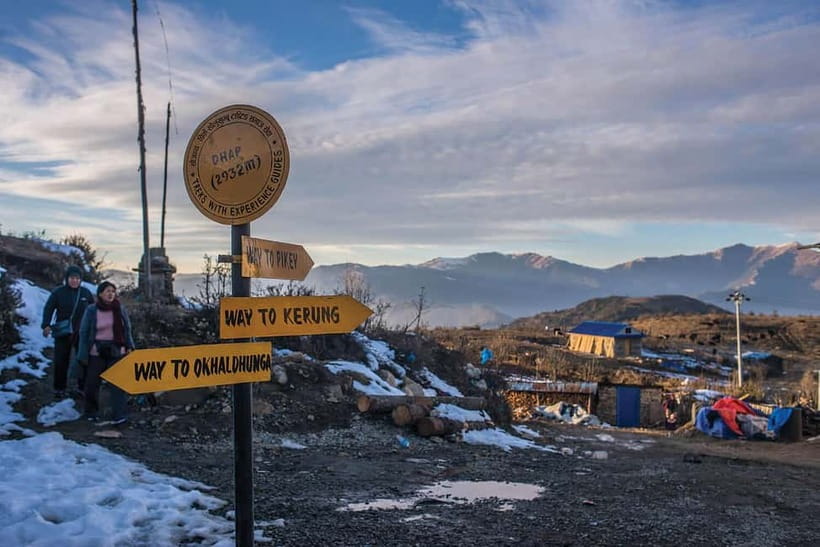
The day begins with pickup in Thamel and a long drive toward Dhap Bazaar. The route follows the Sunkoshi River and passes terraced rice fields, forests, and rural settlements. This is a useful introduction to Nepal outside Kathmandu, but you should bring patience, snacks, water, and something to occupy you during the drive.
The drive is listed at about eight hours, with actual conditions depending on the road and traffic. This is not a quick transfer to the trailhead. You may arrive at Dhap feeling stiff, so the two-hour walk to Jhapre functions as a gentle reset.
Near Dhap, the route continues toward Jhapre, passing Kerung, a village with Tibetan influence. Buddhist monasteries, wild orchids, and traditional buildings add interest to what could otherwise be a simple road-and-trail day. The first night is in a local lodge, with basic twin-sharing accommodation and blankets.
Jhapre is important because it marks the shift from the long approach drive to the proper mountain walk. You begin seeing more stonework, village paths, and highland scenery. Still, Day 1 is best viewed as an arrival day rather than a major hiking day.
Day 2: Jhapre to Pikey Base Camp at 3,640 Meters
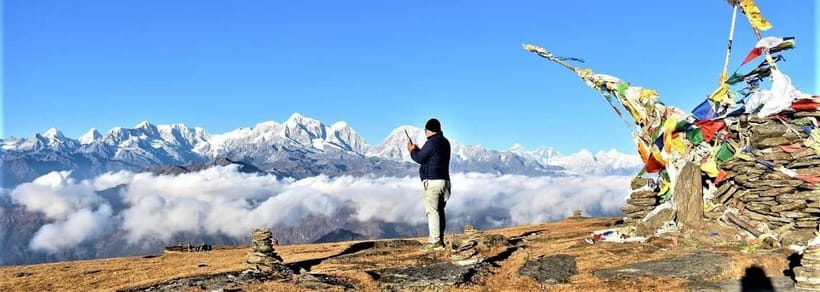
Day 2 is the first full mountain day, with about six hours of hiking to Pikey Base Camp. The trail passes stone walls, old stupas, and Buddhist monasteries, giving the walk a strong cultural character rather than making it only about the summit.
The route also moves through rhododendron forests and alpine meadows. In spring, the rhododendrons add color to the forest, while the open sections provide better views and a sense of altitude. The scenery changes gradually, which makes this a satisfying day for photography.
Pikey Base Camp sits at 3,640 meters, making it the second-highest point of the trek. You will notice the thinner air here, especially if you have come directly from Kathmandu. Walk slowly, drink regularly, and do not treat the six-hour estimate as a race.
Accommodation is in a basic teahouse or lodge. Rooms are generally twin sharing, and blankets are provided. Food typically includes dal bhat, noodles, soup, eggs, potatoes, Tibetan bread, tea, and coffee. Hot showers may be available, but they cost extra and should not be expected at every lodge.
Power can be limited, often relying on solar or a small local supply. A power bank is one of the most useful items in your bag. Mobile service from NTC or Ncell works in many villages, but the signal can be patchy.
Day 3: Sunrise at Pikey Peak, Then Six Hours Back to Jhapre
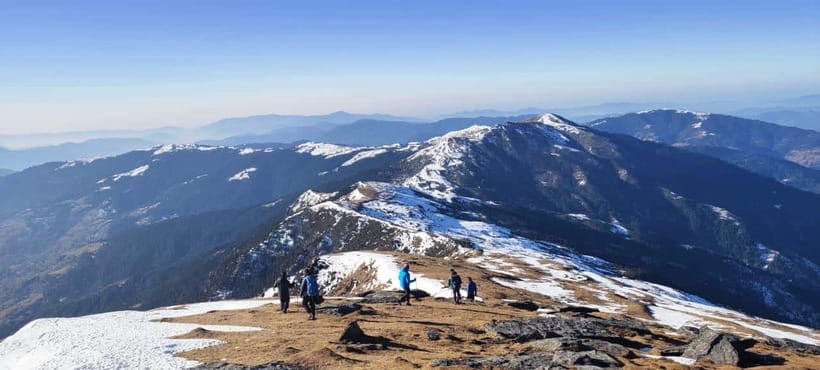
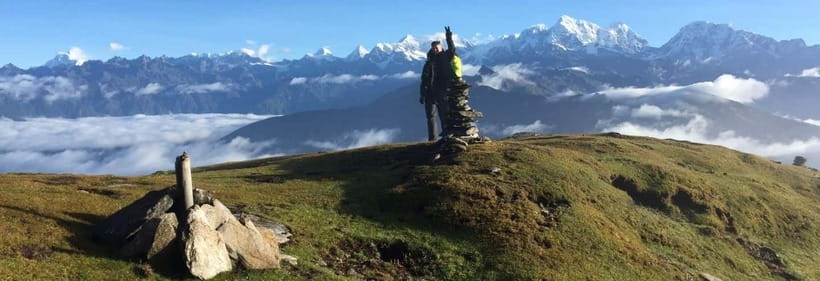
This is the centerpiece of the trip. From Pikey Base Camp, the hike to Pikey Peak takes about 1.5 hours, usually beginning early enough to reach the summit around sunrise.
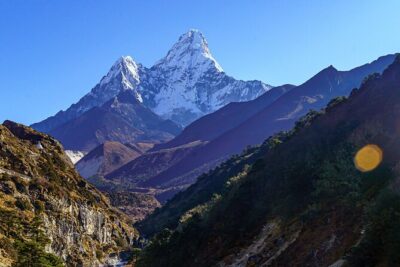
At 4,065 meters, the summit provides broad Himalayan views. On a clear morning, you can look toward Dhaulagiri in the west, Everest in the central range, and Kanchenjunga to the east. The appeal is not just one famous mountain. It is the sweep of the entire horizon.
Mt. Everest rises to 8,848 meters, but distance and weather affect how prominent it appears. Your guide can help identify the major peaks, and a camera with spare battery power is worthwhile. Cold wind at the summit is likely, so keep gloves, a hat, and a down jacket close at hand rather than buried in your pack.
After the summit, you descend to Pikey Base Camp and continue to Jhapre. The total hiking time is about six hours after the summit portion, making this a demanding day. You gain the best view early, then spend much of the day walking downhill and across the high trail.
Altitude symptoms can include headache, nausea, and fatigue. Pikey Peak is moderate compared with Nepal’s highest trekking routes, but 4,065 meters is still high. Drink water, avoid alcohol, walk steadily, and tell your guide if you feel unwell. The schedule wisely has you sleep lower after the summit, back at Jhapre.
This is where the quality of the guide matters. Pemba, Sukbir Tamang, and Ngima Chhechi Sherpa are names associated with especially positive experiences on this route. A good guide will help with pace, trail decisions, and the basic realities of mountain travel. You are not hiring only a person to point at peaks.
A few more treks around Kathmandu worth a look
- 4 Days Poon Hill Trek
★ 5.0 · 94 reviews - 4-day Poon Hill Trek
★ 5.0 · 74 reviews - 4 Days Mardi Himal Base Camp Trek – 4500 Meters
★ 5.0 · 9 reviews - 4 Days Poonhill Trek From Pokhara To Pokhara
★ 5.0 · 8 reviews
Day 4: Jhapre to Dhap and the Long Return to Kathmandu
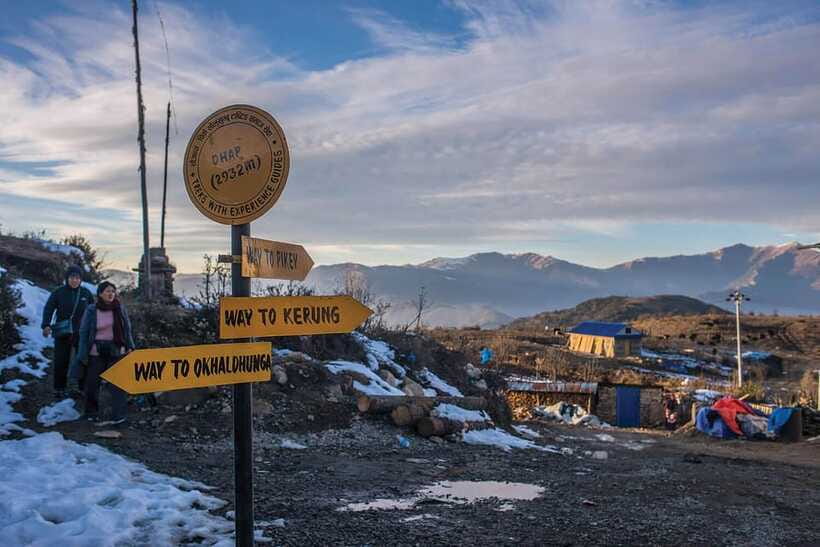
After breakfast, you walk toward Dhap. The final walk is listed at about two hours, followed by the return drive to Kathmandu.
The trail portion is short compared with the road journey. Once you reach Dhap, expect another long transfer, potentially seven to nine hours. You may arrive back in Thamel tired, dusty, and very happy to have a proper shower.
This final day is practical rather than scenic. It gives you a clean end point and returns you to Kathmandu without adding another lodge night. Still, the long drive is the clearest tradeoff of this four-day format. If you dislike rough or lengthy road travel, the route may test your patience more than your legs.
What the $350 Price Really Covers
At $350 per person, the trek offers solid value if you want a guided, organized Himalayan trip without arranging each piece yourself. The price includes an English-speaking trekking guide, permits, government taxes, private jeep or van transport from Kathmandu to Dhap and back, hotel pickup and drop-off, and lodge accommodation with breakfast.
Private transport is a major part of the value. The route begins and ends with long road transfers, and having a private vehicle is more comfortable and flexible than relying on public transport. It also keeps the small group together.
The price does not include lunches or dinners, drinks, a porter, or personal expenses. You should budget for meals along the trail, hot showers, snacks, charging, and any extra services. If you prefer to walk with a light pack, a porter will cost more.
You also need enough Nepali cash for the trail. There are no ATMs along the route, and card payments cannot be assumed at basic mountain lodges. Carry money in small notes when possible.
Free cancellation up to 24 hours before departure and the reserve-now, pay-later option make the booking terms flexible. Starting times depend on availability, so check the exact departure details before committing to flights or other tours.
Lodges, Meals, and Daily Comfort
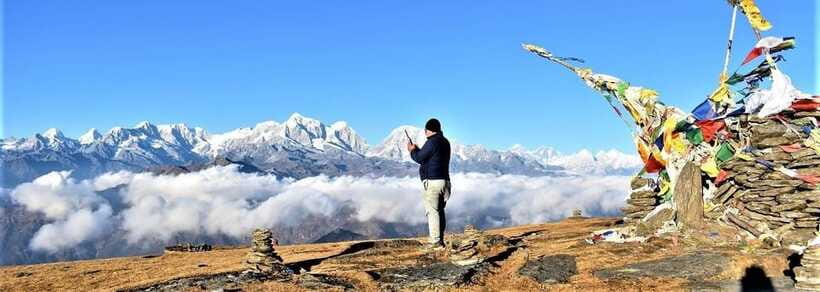
The accommodation is basic but cozy rather than hotel-like. Expect teahouses or local lodges, twin-sharing rooms, blankets, and simple communal facilities. This suits the route well because the charm comes from staying in small mountain settlements, not from polished amenities.
Meals are filling and familiar. Dal bhat is the dependable choice, while noodles, soup, eggs, potatoes, Tibetan bread, tea, and coffee give you variety. Since meals and drinks are not included, ask your guide about meal timing and prices early in the day.
Hot showers are available at some lodges for an extra charge. Electricity is limited, so charge your phone and camera whenever power is available. A headlamp is useful for early summit starts and lodge rooms where lighting may be basic.
Packing for 4,065 Meters
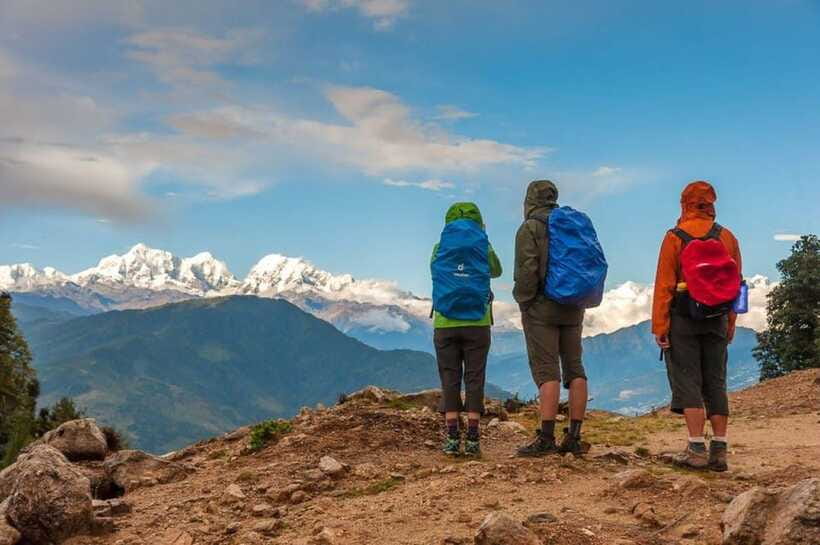
Pack light, but do not pack as if this were a warm-weather walk. Conditions can change quickly at altitude.
Bring:
- Broken-in trekking boots
- Base layers, fleece, down jacket, and waterproof shell
- Warm gloves, hat, and buff or scarf
- Sunglasses and sunscreen
- Headlamp
- Water purification tablets or a filter
- Energy bars, nuts, or other snacks
- Sleeping bag if you prefer your own
- Small first-aid kit, including altitude and stomach medicine
- Power bank
- Passport or ID card
- Toiletries and camera
Layering matters more than bringing lots of clothing. You may be warm while climbing and cold when standing still at the summit. Your waterproof shell also helps protect against wind.
Best Seasons for Clear Mountain Views
Spring, from March through May, is a strong choice if you want rhododendron flowers and generally clear mountain views. The forest sections are at their most appealing during this period.
Autumn, from September through November, usually offers the best combination of visibility and weather. This is the safest choice for people who care most about seeing Everest and the wider Himalayan range.
Winter, from December through February, can bring cold conditions but clear skies. You will need stronger cold-weather clothing, particularly for the early summit climb.
The supplied information does not give a specific monsoon recommendation. For mountain views, I would favor spring or autumn and accept that weather can never be guaranteed.
Who Should Choose This Trek?
You should consider Pikey Peak if you want:
- A short Himalayan trek from Kathmandu
- A small group of no more than eight people
- A guided route with permits and transport arranged
- Sherpa villages and Buddhist culture
- A summit above 4,000 meters
- Broad views that can include Everest, Dhaulagiri, and Kanchenjunga
- A quieter alternative to the busiest Everest routes
It is less suitable if you want a relaxed holiday with short transfers and plenty of spare time. The road journey is long, and Day 3 is a full hiking day. Pregnant women should not take this trip, and anyone with serious altitude concerns should speak with a medical professional before booking.
Should You Book the Pikey Peak Trek?
I would book this trek if I had four days, wanted a real mountain experience, and accepted that the road is part of the adventure. The strongest reasons are the high summit, the sunrise timing, the Sherpa culture, the modest group size, and the fact that transport and permits are already handled.
I would not choose it if my priority were comfort, easy access, or a slow schedule. The $350 price is fair because it includes private transport, a guide, permits, lodge nights, breakfast, and hotel transfers, but you still need to pay for most other meals, a porter, drinks, and personal costs.
For the best chance of clear views, aim for autumn or spring. Bring cash, warm layers, water treatment, and a power bank. Then let the guide set the pace. Pikey Peak rewards people who accept a long drive in exchange for a quiet trail and a big mountain morning.
FAQ
How long is the Pikey Peak Trek?
The trek lasts four days, including transport from Kathmandu to Dhap and back to Kathmandu.
What is the highest point of the trek?
Pikey Peak is the highest point at 4,065 meters above sea level.
Is the trek suitable for beginners?
It is described as suitable for beginners and families, but you should be prepared for altitude, a six to seven-hour hiking day, and long road transfers.
How long is the drive from Kathmandu to Dhap?
The drive takes about seven to nine hours. The return drive from Dhap to Kathmandu is also long.
What mountain views can I see from Pikey Peak?
On a clear day, the views can include Dhaulagiri, Mount Everest, and Kanchenjunga.
What accommodation is provided?
You stay in basic teahouses or lodges, usually in twin-sharing rooms with blankets.
Are meals included in the price?
Breakfast at the lodges is included. Lunch, dinner, beverages, and personal snacks are not included.
Do I need to bring cash?
Yes. Bring enough Nepali rupees because there are no ATMs on the trail.
Is a guide included?
Yes. The price includes an English-speaking trekking guide, along with necessary permits, government taxes, private transport, and hotel pickup and drop-off.
Recently added around Kathmandu
- Ghorepani Poon Hill Trek★ 5.0 · 16 reviews
- Private Manaslu Circuit Trek at Himalayas★ 5.0 · 3 reviews
- Amazing 1 Day Trekking Experience in Kathmandu Nepal★ 5.0 · 24 reviews
- Upper Mustang Trekking★ 5.0 · 2 reviews
- Ghorepani Poonhill Trek★ 5.0 · 5 reviews
- Upper Mustang Trekking★ 3.0 · 2 reviews
- Upper Mustang Trekking★ 5.0 · 4 reviews
- Upper Mustang Trek★ 5.0 · 5 reviews
Everest Base Camp Treks, compared.
Browse the lists this tour appears in