
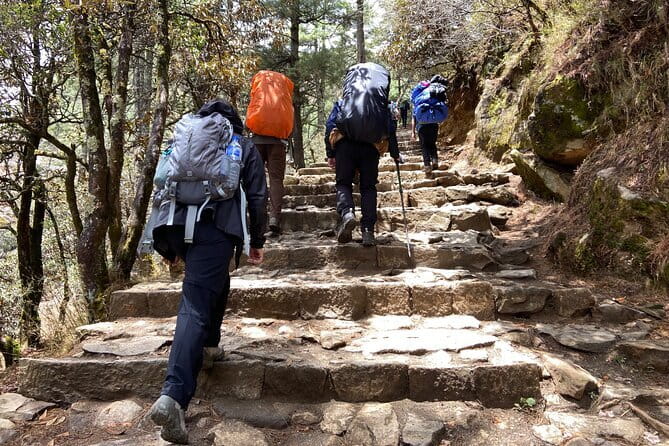
REVIEW · KATHMANDU
14 Days of Adventure Trekking to Everest Base Camp
The mountains make you earn every view. This 14-day Everest Base Camp trek combines a scenic flight to Lukla, Sherpa villages, suspension bridges, monasteries, glaciers, and two major viewpoints near the world’s highest peak. I like the careful acclimatization plan, especially the rest day around Namche and the outing toward Chukhung Ri. I also like that the trip is private, so your group can set its pace with a local guide and porters.
The main drawback is the physical demand. The itinerary reaches Everest Base Camp, Gorak Shep, and Kala Patthar at very high altitude, with basic tea-house lodging and possible flight delays from bad weather. At $1,350, the price covers many important costs, but you still need to budget for gear, tips, drinks, Wi-Fi, battery charging, and emergency evacuation.
Key points to know before booking
- A full Everest Base Camp route: You spend several days walking through the Khumbu region before reaching Base Camp, then return by the same general route.
- Two useful acclimatization stops: Namche Bazaar includes a full exploration day, while Dingboche includes a planned hike toward Chukhung Ri.
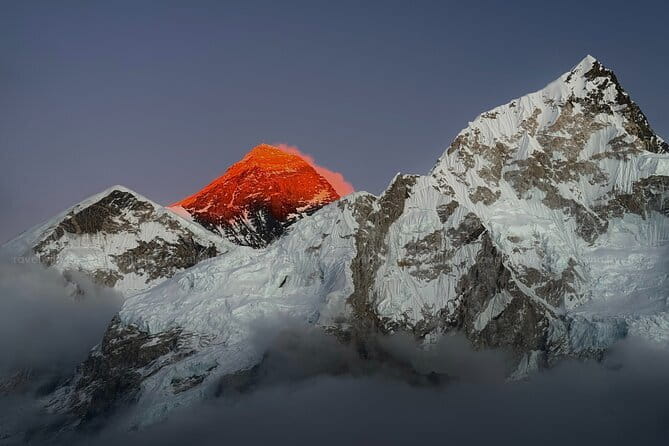
- The best mountain views come at different moments: Ama Dablam appears from Kyangjuma and Dingboche, while Kala Patthar offers the celebrated sunrise view over Everest.
- A private trekking setup: Only your own group participates, with a local guide, porters, domestic flights, permits, and tea-house lodging arranged.
- Guides receive especially warm praise: TN Bhatta and Rajendra are named in the available feedback as guides who provided strong support on difficult high-altitude days.
- Weather remains part of the adventure: The Kathmandu to Lukla and return flights depend on conditions, so keep your schedule flexible.
What the $1,350 price really covers
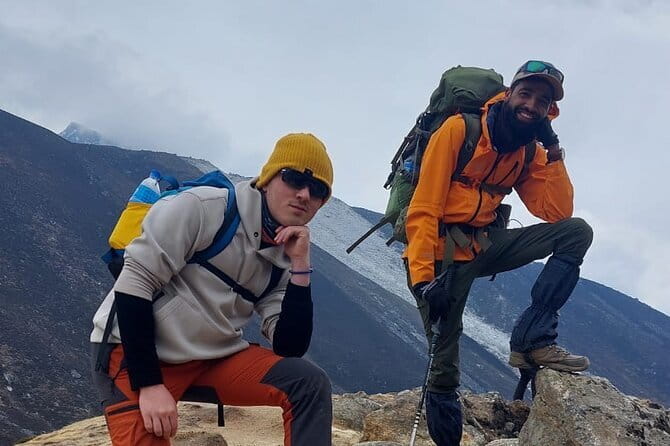
The headline price is reasonable for a private 14-day trek because several expensive and complicated pieces are bundled together. You receive airport transfers, the Kathmandu to Lukla flights, accommodation in Kathmandu and tea houses or lodges along the route, a local guide, porters, Sagarmatha National Park permits, and TIMS cards.
A medical kit is also included, which is useful on a remote route. Dinner is included, and the program lists breakfast among the inclusions, although the wording specifies two breakfasts. Since meal coverage can affect your daily budget, confirm exactly which breakfasts and other meals are included before paying.
You should still allow money for personal drinks, alcoholic beverages, laundry, Wi-Fi, battery charging, extra nights, tips, personal equipment, and emergency evacuation. International airfare and the Nepal visa are also outside the price.
I see the strongest value in the logistics. Arranging the Lukla flights, permits, porters, transfers, and high-altitude lodging independently takes time and carries more risk. The price is less attractive if you already have your own guide and equipment, but for a first Himalayan trek, the bundled structure is practical.
More Everest Base Camp Treks in Kathmandu:
- Everest Base Camp Trek – 14 Days
★ 5.0 · 1,499 reviews - Everest Base Camp Trek
★ 5.0 · 842 reviews - Everest Base Camp Trekking
★ 5.0 · 485 reviews
Day 1 in Kathmandu: Thamel and a gentle welcome
Your arrival day is designed to keep things simple. You are met at the airport, transferred to your hotel, and given time in Thamel, Kathmandu’s main base for trekking shops, restaurants, and souvenir stores.
The welcome dinner adds a useful cultural introduction before the trail begins. You can expect a Nepali thali with rice, lentil soup, vegetables, pickles, and a choice of meat or vegetarian food. Rakshi and lassi are listed as local drink options, with cultural music and dance during the meal.
I like this opening because it gives you time to meet the guide and trekking crew before the early flight to Lukla. Do not treat Thamel as only a shopping stop. It is also the place to check your pack, confirm missing gear, and enjoy one comfortable meal before life becomes much more basic.
Days 2 and 3: Lukla, Phakding, and the first suspension bridge
The domestic flight from Kathmandu to Tenzing-Hillary Airport in Lukla takes about 35 minutes in the itinerary. It is scenic and exciting, but weather can affect both the departure and return. The tour includes these flights, yet you should not plan an immediate international connection after the trek.
After breakfast in Lukla, you meet the trekking crew and begin walking toward Phakding. The route crosses the Dudh Koshi River, and the evening includes time around Phakding Monastery. This is a relatively gentle introduction to walking in the Khumbu region.
The next day, you pass through Monjo and enter Sagarmatha National Park. The park covers a huge area, from about 2,845 meters to 8,848 meters, and includes Mount Everest. At Jorsalle, you stop for lunch near the river and forest before crossing the Hillary Bridge.
The bridge is a memorable early test. It hangs above the rushing Dudh Koshi and is described as the highest suspension bridge on the route. From there, the trail continues to Namche Bazaar, the main gateway to the Everest region.
The walk is not just a transfer from one village to another. You begin to see how the route works: rivers below, stone paths, porters moving supplies, and small settlements connected by foot trails. Namche is a major relief after the climb, with tea houses, shops, and places to rest.
Day 4 in Namche: the right kind of rest day
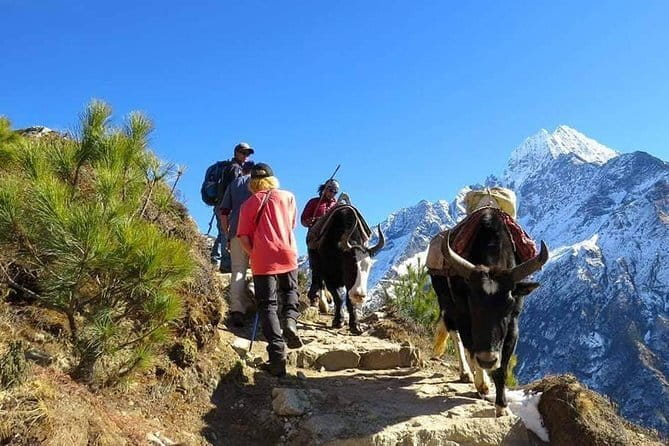
A full day in Namche is one of the itinerary’s best choices. Instead of rushing straight upward, you remain at the same sleeping altitude and take a shorter outing to help your body adjust.
The day begins at the Sagarmatha National Park Museum, also called the Sherpa Museum in the program. It focuses on Sherpa mountaineering and gives useful context for the communities that support expeditions in the Khumbu. You also get views toward Kusum Kanguru, Thamserku, and Kongde.
Next comes Hotel Everest View, described as one of the highest luxury hotels in the world. You can stop for a drink or meal while looking across the Everest range. From there, you descend toward Khumjung for lunch before returning to Namche.
This day has a good balance of movement and rest. The drawback is that acclimatization is not sightseeing in the usual sense. You still climb and descend, and the thin air can make even a short walk feel serious. Keep your pace slow and use the day to notice how your body responds.
A few more treks around Kathmandu worth a look
- Annapurna Circuit Trek with Tilicho Lake
★ 5.0 · 368 reviews - Everest Base Camp Trekking – 13 Day
★ 5.0 · 365 reviews - Everest Base Camp Trek
★ 5.0 · 350 reviews - Everest Base Camp Trek -14 Days
★ 5.0 · 321 reviews
Days 5 and 6: Tengboche, Pangboche, and the tree line
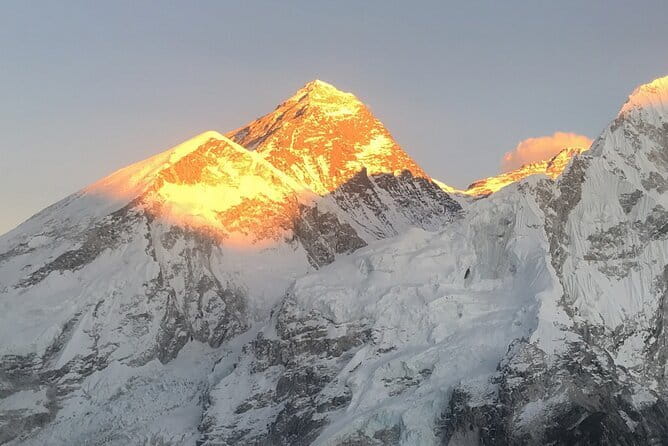
From Namche, the trail heads toward Tengboche. A tea break at Kyangjuma comes with a view of Ama Dablam, one of the most recognizable peaks in the region. You then descend toward Phungi Thenga for lunch before climbing to Tengboche.
Tengboche is known for its monastery, described as the largest in the Khumbu region. Its setting gives the day a strong spiritual and cultural focus, not just another mountain stop. Overnight lodging is in the village, with tea-house comfort rather than hotel comfort.
The following day passes through rhododendron forest and Deboche before reaching Pangboche. Pangboche is one of the last larger settlements on the ascent, with a monastery, schools, cultivated fields, and terraced farmland.
This is also where the trail separates toward Ama Dablam Base Camp. After lunch at Somare in Pangboche, you continue to Dingboche, where alpine vegetation replaces the lower forest. You are now near the end of the tree line, and the change in scenery makes the altitude feel real.
Days 7 and 8: Chukhung Ri and the Thukla memorial
Dingboche provides another acclimatization day. The plan is to hike toward Chukhung Ri, a viewpoint with broad mountain views, then descend to Chukhung for lunch and return to Dingboche.
This is an important day to respect. The schedule calls it an acclimatization hike, not a race. You gain altitude during the outing and return to sleep in Dingboche, giving your body a better chance to adjust before the higher settlements.
From Dingboche, the trail continues toward Dughla and Lobuche. Lunch is planned around Thukla, and the route crosses Thukla Pass before reaching the Thukla Memorial Park. The memorial honors climbers who died on peaks in the Everest region, and it gives the day a quiet, serious mood.
Lobuche is the overnight stop. If time and energy permit, you can visit the Italian Pyramid, a high-altitude research facility at about 5,050 meters. It was created for research in high-altitude medicine, glaciology, meteorology, and climate science.
The option to stay there instead of Lobuche is described as flexible, but I would confirm this directly before relying on it. At this elevation, a warm room, food, and a good night of sleep matter more than collecting an extra stop.
Day 9: Gorak Shep and the long-awaited Base Camp
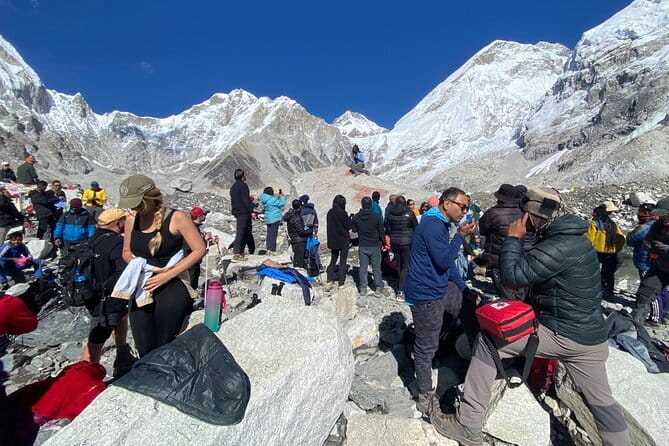
The route from Lobuche leads to Gorak Shep, the final settlement with tea houses before Everest Base Camp. You leave your baggage or bedding there, eat lunch, and continue toward Base Camp with a lighter load.
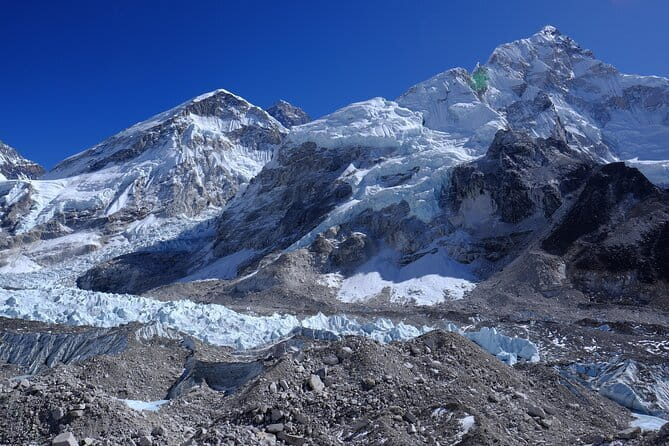
The trail passes glaciers and brings views of the Khumbu Icefall, Everest, Lhotse, Nuptse, Pumori, Lola, and other surrounding peaks. The surface can be rough and demanding, and this is one of the days when your guide’s judgment matters.
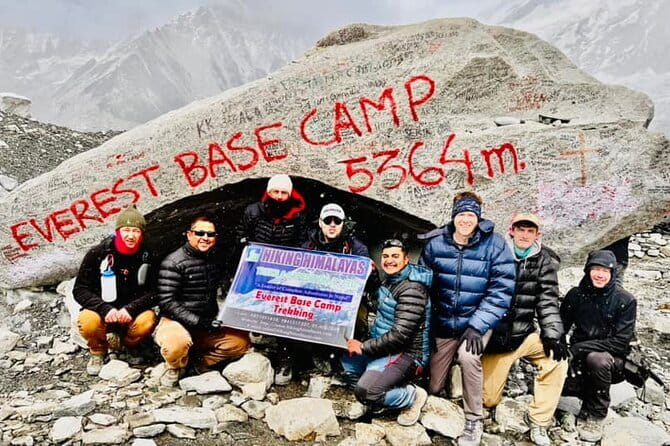
Everest Base Camp is the emotional high point of the trek. You can stand near the expedition route, see the glacier and icefall, and take photographs among the highest peaks on Earth. Keep in mind that the famous summit view is not always best from Base Camp itself. Kala Patthar is included because it offers the more direct viewpoint toward Everest.
After Base Camp, you return to Gorak Shep for the night. If time allows, the program also offers a late climb toward the Kala Patthar helipad for sunset, about 40 to 50 minutes uphill. I would only consider this if you still feel strong. You already have an early morning ahead.
Day 10: Kala Patthar sunrise and the return to Pheriche
The day begins around 4 a.m. with a climb toward Kala Patthar. This is the most demanding wake-up call of the trip, but it is also the place to see the closest views of Everest and the surrounding range.
Sunrise changes the color of the peaks quickly. The experience depends on clear weather, and the cold before dawn can be severe, so personal gear matters here. After descending to Gorak Shep, you eat breakfast, collect your pack, and begin the return toward Pheriche.
You pass back through Lobuche and stop for lunch at Thukla or Dughla. Pheriche is the overnight destination, giving you a lower sleeping altitude after the highest portion of the route.
The descent is not effortless. Tired legs, uneven paths, and the early start can make this day feel long. The advantage is that you are now losing altitude, which usually makes breathing and sleeping easier.
Days 11 to 14: returning through Namche and Kathmandu
The route continues down through Pangboche and Phungi Thenga before reaching Namche Bazaar. Returning to Namche gives you a chance to celebrate, rest, and enjoy a cold drink or music at one of the local rock bars. It is a welcome contrast after the quiet, cold settlements above Lobuche.
The next day passes through Monjo, where the national park permit is checked out, then Phakding for lunch before continuing to Lukla. You spend the night there and prepare for the return flight.
The flight from Lukla to Kathmandu is scheduled for Day 13. Once back in Kathmandu, you have time for shopping, bars, pubs, and a farewell dinner arranged by Trek Curator. This extra night is useful because flights from Lukla can be delayed by poor weather.
Your final morning includes breakfast, souvenir shopping in Thamel, and an airport transfer. Thamel is a good place for Nepali tea, handmade crafts, pashmina shawls, singing bowls, thangka paintings, and jewelry. Shopping is not included, so compare prices and leave enough time for packing.
Guides, group style, and physical demands
This is a private activity for your own group, not a large shared departure. That can make a real difference on a high-altitude trek because your guide can respond to the group’s pace and energy.
The available feedback gives special praise to TN Bhatta and Rajendra. One trek with a daughter was described as expertly guided by TN Bhatta, while Rajendra was praised for providing care and support during a demanding journey. Ask who will lead your departure, since the named guide may vary.
The advertised fitness requirement is moderate, but the route itself is not moderate in the everyday sense. You walk for many days, sleep at high altitude, and face early starts, steep sections, cold, and basic lodging. You should be comfortable with sustained walking and willing to tell your guide if you feel unwell.
Personal gear is not included. That means you need to organize suitable clothing and equipment before arrival. Emergency evacuation is also excluded, so travel insurance that covers high-altitude trekking is an important consideration, even though it is not listed as part of the package.
Who should book this Everest trek?
I would choose this trip if you want a structured first visit to Everest Base Camp and value having flights, permits, porters, accommodation, and transfers arranged. The private format is especially useful for families or small groups who prefer not to match their pace to strangers.
I would hesitate if your schedule cannot absorb flight delays or if you expect hotel-level comfort throughout. The tea houses are part of the appeal, but they also mean simpler rooms and fewer included comforts.
Cancellation is free up to 24 hours before the local start time. If bad weather cancels the experience, you are offered another date or a full refund. Inside 24 hours, the payment is not refunded, and changes are not accepted.
Should you book it?
Book this trek if you want the classic Everest Base Camp route with a clear acclimatization plan, local support, and a private group. The strongest features are the Namche rest day, the Dingboche outing, the planned Kala Patthar sunrise, and the practical inclusion of flights and permits.
Before booking, confirm the exact meal coverage, guide assignment, gear expectations, and what happens if your Lukla flight is delayed. If you accept the physical challenge and prepare for extra personal costs, $1,350 offers solid value for a carefully arranged Himalayan trek.
FAQ
How long is the Everest Base Camp trek?
The experience lasts approximately 14 days, including arrival and departure days in Kathmandu, the trek to Base Camp, the return to Lukla, and domestic flights.
Where does the trek start?
The meeting point is in Thamel, Kathmandu. Airport pickup and transfers are offered.
Is the Kathmandu to Lukla flight included?
Yes. The domestic flights between Kathmandu and Lukla are included in the program.
What accommodation is provided?
Accommodation is arranged in hotels, tea houses, and lodges according to the itinerary. Overnight stops include Phakding, Namche Bazaar, Tengboche, Dingboche, Lobuche, Gorak Shep, Pheriche, and Lukla.
Is the trek private?
Yes. This is a private activity, and only your group participates.
Are guides and porters included?
Yes. A local guide and porters are included.
Are national park permits included?
Yes. Sagarmatha National Park permits and TIMS cards are included.
What costs are not included?
International airfare, visa fees, personal gear, tips, alcoholic and soft drinks, laundry, Wi-Fi, battery charging, extra nights, personal expenses, and emergency evacuation are not included.
What happens if bad weather cancels the experience?
If poor weather causes cancellation, you are offered a different date or a full refund. The Lukla flights are also weather dependent, so schedule flexibility is important.
Recently added around Kathmandu
- Ghorepani Poon Hill Trek★ 5.0 · 16 reviews
- Amazing 1 Day Trekking Experience in Kathmandu Nepal★ 5.0 · 24 reviews
- Private Manaslu Circuit Trek at Himalayas★ 5.0 · 3 reviews
- Ghorepani Poonhill Trek★ 5.0 · 5 reviews
- Upper Mustang Trekking★ 5.0 · 2 reviews
- Upper Mustang Trekking★ 3.0 · 2 reviews
- Upper Mustang Trekking★ 5.0 · 4 reviews
- Upper Mustang Trek★ 5.0 · 5 reviews
Everest Base Camp Treks, compared.






Browse the lists this tour appears in