
REVIEW · KATHMANDU
14 Day – Everest Base Camp Trek
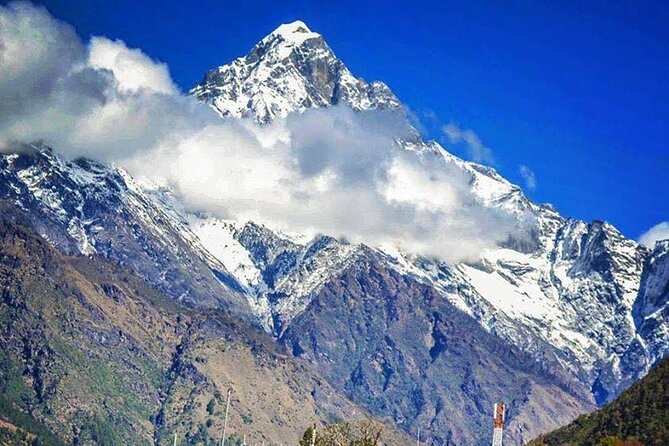
The world’s highest mountain is the destination. This 14-day Everest Base Camp trek takes you from Kathmandu to Lukla, through Namche Bazaar and Tengboche, and up to Everest Base Camp at 5,364 meters. I like the careful acclimatization plan, with rest days in Namche and Dingboche, and I like that the price includes flights, permits, food, guides, porters, and tea house lodging. The main consideration is the altitude: this is a serious trek, not a sightseeing walk, and flight delays at Lukla can affect your schedule.
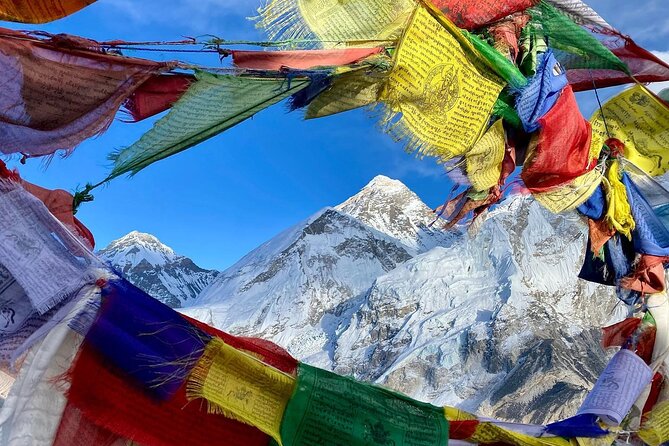
The route also includes the early morning climb to Kala Patthar at 5,550 meters, the best high point on the trip for views of Everest and the surrounding peaks. The private format is appealing if you want personal attention, and the company has received especially strong praise for guide support, communication, and help during flight problems. Still, you should arrive with good fitness, suitable equipment, and patience for mountain conditions.
Key points at a glance
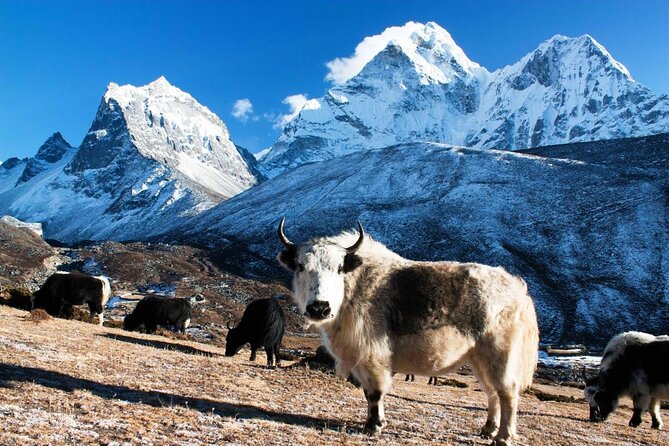
- Kala Patthar sunrise: Climb to 5,550 meters for views of Everest, Nuptse, Lhotse, Ama Dablam, and other Himalayan peaks.
- Two acclimatization days: Spend a full rest and exploration day in Namche Bazaar, followed by another in Dingboche.
- Lukla flights included: Round-trip domestic flights, airport tax, and transfers are part of the package, though weather can disrupt the schedule.
- Private trekking arrangement: Only your group participates, with an English-speaking guide and one porter for every two people.
- Strong staff support: Guides including Tenjing, Pramish, Lopsang, and others have been praised for care, organization, and handling unexpected problems.
- Broad package coverage: Permits, tea house accommodation, meals, medical supplies, a duffel bag, snacks, and staff insurance are included.
What the $2,000 price really covers
At $2,000 per person, this trek is not simply a guiding service. The fee covers a large portion of the practical work that makes the Everest route possible.
You receive airport pickup and drop-off, two nights in a Kathmandu hotel, round-trip Kathmandu to Lukla flights, airport tax, the TIMS card, and Everest National Park entry permits. During the trek, the package includes tea house accommodation, breakfast, lunch, and dinner according to the published schedule, along with an English-speaking guide, porter service, staff salary, and staff insurance.
The company also provides a medical kit, medicine for staff, a company duffel bag, a T-shirt, a trip certificate, and snacks such as Snickers, Oreo cookies, and peanuts. Those small food supplies are useful on long walking days when you want something familiar and quick.
I consider the price good value for a supported private trek, especially because the domestic flights and permits are already handled. The cost is less attractive if you already have trekking equipment, prefer to arrange everything independently, or plan to spend extra nights in Kathmandu. Personal gear, Nepal’s entry visa, international flights, tips, drinks, hot showers, bottled water, hot water, battery charging, donations, and other personal expenses are not included.
Tipping is expected for the guide and porter, so add that to your real budget. Also remember that meals are listed as 13 breakfasts, 11 lunches, and 11 dinners. Ask for the exact meal arrangement before departure if you want to understand how the remaining meals fit around the Kathmandu and flight days.
More Everest Base Camp Treks in Kathmandu:
- Everest Base Camp Trek – 14 Days
★ 5.0 · 1,499 reviews - Everest Base Camp Trek
★ 5.0 · 842 reviews - Everest Base Camp Trekking
★ 5.0 · 485 reviews
Day 1: Kathmandu preparation before the mountains
Your first day begins with arrival in Kathmandu, airport pickup, hotel transfer, and preparation for the trek. The meeting point is Alpine Hotel & Apartment on Chaksibari Marg, opposite Manang Hotel.
This day matters more than it may seem. A good preparation session gives you time to check your duffel, discuss the route, meet your guide, and deal with last-minute purchases. Kathmandu is also the place to sort out anything missing from your personal equipment before you fly toward Lukla.
The itinerary allows up to 12 hours for the arrival day, but much of that depends on your flight time and airport transfer. Keep your first day flexible. You may be tired, and the following morning starts early.
Day 2: The short flight to Lukla and the walk to Phakding
The flight from Kathmandu to Lukla takes about 40 minutes, followed by breakfast in Lukla and a trek to Phakding at 2,610 meters. Lukla sits at 2,840 meters, so you begin gaining altitude almost immediately.
The flight is one of the memorable parts of the route, but it is also one of the least predictable. The package includes the flight and airport tax, yet the schedule depends on weather and local operating conditions. One useful sign of the company’s practical support is its handling of a canceled Lukla flight for one group, arranging a helicopter instead. That does not mean every disruption will be handled the same way or at no extra cost, so ask how emergency transport is billed before you go.
The first trek to Phakding is relatively short compared with later days. It gives you a gentle introduction to walking conditions, village paths, and tea house life without immediately pushing you to a very high elevation.
Day 3: Phakding to Namche Bazaar
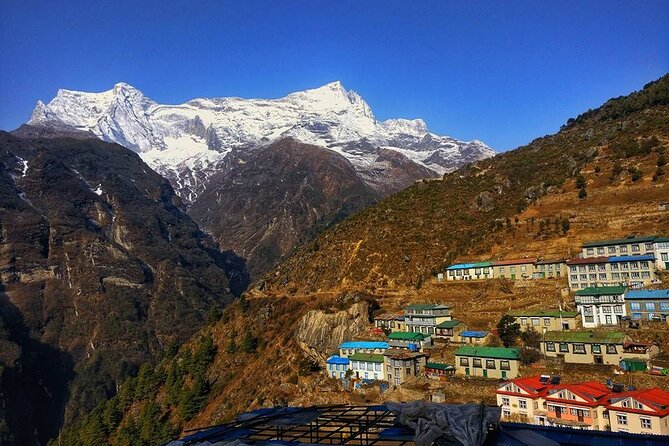
The route from Phakding to Namche Bazaar reaches 3,440 meters. This is your first major walking day and an important step in the altitude plan.
Namche is a natural stopping point in the Khumbu region. It is used here for both lodging and acclimatization, which gives you time to slow down before the trail rises toward Tengboche and Dingboche. The change from lower forested areas to higher mountain country becomes more noticeable along this section.
You should expect a demanding day, even if you are fit. The altitude gain matters, and steady pacing is more useful than trying to arrive early. Keep water, snacks, and warm clothing easy to reach rather than buried in your main bag.
A few more treks around Kathmandu worth a look
- Annapurna Circuit Trek with Tilicho Lake
★ 5.0 · 368 reviews - Everest Base Camp Trekking – 13 Day
★ 5.0 · 365 reviews - Everest Base Camp Trek
★ 5.0 · 350 reviews - Everest Base Camp Trek -14 Days
★ 5.0 · 321 reviews
Day 4: A full acclimatization day in Namche
Day four is set aside for rest, exploration, and enjoying the views around Namche Bazaar. This is not wasted time. A rest day helps your body adjust before the route climbs another 1,000 meters and more.
The schedule leaves the day open rather than assigning a fixed excursion. Your guide can help shape the day around how you feel. The sensible approach is gentle walking, time to rest, and attention to any symptoms of altitude sickness.
Namche is also one of the better places on the route to enjoy a little comfort before the higher villages. You may want to charge batteries, organize your layers, and confirm the plan for the next several days. Personal charging, showers, drinks, and similar extras cost extra, so keep some local currency available.
Day 5: Namche Bazaar to Tengboche
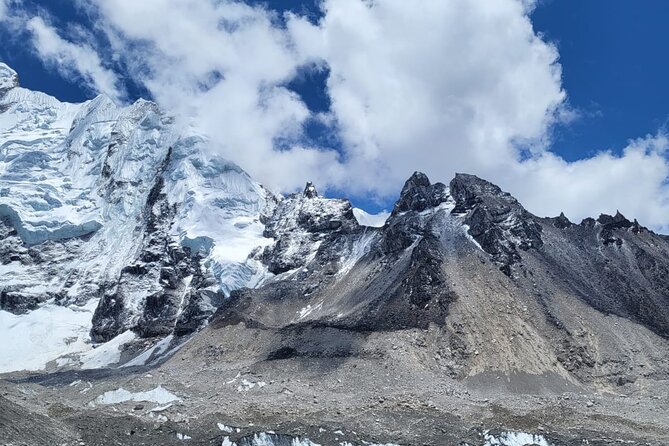
The trail continues to Tengboche at 3,868 meters. This is a scenic stage, with mountain views and a strong sense that you are now moving into the high Himalaya.
Tengboche is known for its monastery setting and its views toward peaks such as Ama Dablam. The stop has a spiritual quality that gives the trek more depth than a simple march toward Base Camp. You are also walking through communities where local culture, mountain work, and Buddhist traditions are part of daily life.
The accommodation remains tea house based. That means practical lodging rather than hotel comfort. The package provides the room, but hot showers, hot water, charging, and other comforts are extra.
Day 6: Tengboche to Dingboche at 4,410 meters
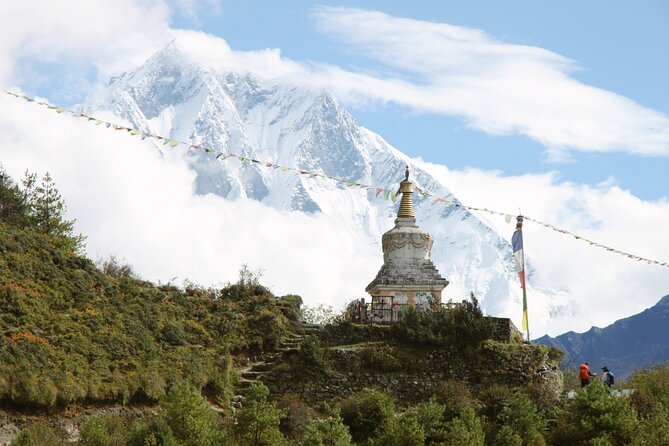
From Tengboche, you continue to Dingboche, reaching 4,410 meters. At this height, the walking pace needs to become slower and more deliberate.
Dingboche is a useful base for another acclimatization day. The village marks a clear shift into thinner air and colder conditions. You may notice that ordinary tasks take more effort, which is exactly why the itinerary does not rush straight through.
The guide’s role becomes especially important here. The most repeated praise for this company focuses on friendly, attentive guides and good organization. Names connected with highly praised trips include Tenjing, Pramish, Lopsang, and Nick, though your own guide may be someone else. Confirm your guide’s name and experience before departure.
Day 7: Rest and acclimatization in Dingboche
The second full acclimatization day takes place in Dingboche. Again, this is a key safety feature rather than a filler day.
Use it to rest, make a short outing if your guide recommends one, check your clothing, and prepare for the high section of the trek. At this point, your body has had time to adjust to the climb from Kathmandu, but the toughest altitude is still ahead.
You should not treat feeling well as permission to rush. Altitude problems can develop quickly, and a private trek gives your guide more room to adjust the pace or plan if you are struggling. Tell your guide early about headaches, nausea, unusual tiredness, or breathing trouble.
Day 8: Dingboche to Lobuche
The trail rises to Lobuche at 4,910 meters. This is a shorter distance in terms of geography, but the altitude makes the day demanding.
Lobuche is a high and exposed stop, and conditions can feel much colder than in Kathmandu or Namche. Your personal equipment matters here: warm layers, gloves, a hat, a sleeping bag suitable for the trek, sturdy footwear, and a reliable daypack are your responsibility.
The company supplies a duffel bag for the trip, but you still need to bring your own clothing and equipment. Ask for the recommended packing list before you leave home. The included porter service, one porter for every two people, reduces the load you carry during the walking days, but it does not remove the need to pack carefully.
Day 9: Gorakshep and Everest Base Camp
Day nine is the emotional center of the trek. You walk from Lobuche to Gorakshep at 5,180 meters, continue to Everest Base Camp at 5,364 meters, and return to Gorakshep for the night.
Everest Base Camp is famous, but reaching it is not easy. The high altitude, rocky trail, cold, and long walking day all add up. The reward is the setting: you are surrounded by the peaks and glaciers of the Everest region, with Everest, Nuptse, Lhotse, and other major mountains close by.
Base Camp itself is not a summit viewpoint. Everest may not appear as dramatically from the camp as it does from Kala Patthar, which is why the next morning is so important. Keep your expectations clear: Base Camp is the achievement and the place, while Kala Patthar is the main panorama.
Day 10: Kala Patthar sunrise and the descent to Pheriche
The day begins early with a climb to Kala Patthar at 5,550 meters. You return to Gorakshep for breakfast, then descend to Pheriche at 4,240 meters.
This is likely the hardest day of the route. The early start means cold conditions, and the altitude is higher than Everest Base Camp. Yet Kala Patthar is the best place in this itinerary for a broad view of Everest and the nearby mountain range.
The descent to Pheriche gives your body some relief as you lose altitude. It is still a long day, so do not assume going downhill makes it easy. Eat, drink, and follow your guide’s pace.
Days 11 and 12: Returning through Namche to Lukla
Day 11 takes you from Pheriche back to Namche Bazaar. The lower altitude may make the walking feel easier, though the trail remains demanding after the high days.
Day 12 continues from Namche to Lukla at 2,840 meters. This is your final full trekking day, and it can feel both satisfying and tiring. You have completed the main objective, but you still need to be ready for the flight back.
The return route gives you a different view of places you passed while gaining altitude. It also gives you time to reflect on the villages, mountain culture, guides, porters, and changing scenery rather than treating Base Camp as the only point of value.
Day 13: Lukla to Kathmandu
The morning flight returns you to Kathmandu at 1,336 meters. The flight is included, but weather can still affect timing.
Build flexibility into your onward plans. The itinerary places the flight on day 13 and international departure on day 14, which provides a useful buffer if the Lukla flight moves. It is still wise not to schedule an important international connection too tightly without checking the operator’s advice.
After the flight, you return to the Kathmandu hotel arrangement included in the package, giving you a chance to shower, rest, and repack.
Day 14: Airport departure or extra time in Kathmandu
The final day includes breakfast and a drop-off at Tribhuvan International Airport for a scheduled departure. If you are staying longer, you can use the day for shopping, sightseeing, relaxing, or another trip arranged through the company.
Airport pickup and drop-off are included, which is useful after a long trek when you may be tired and carrying more gear than you arrived with. Confirm your departure transfer time in advance, especially if you are leaving early.
Guides, porters, and the private format
The private format is one of the strongest reasons to choose this trip. Only your group participates, so the walking pace and daily support can be more personal than on a large fixed group departure.
Past praise has focused heavily on communication, friendly service, careful planning, and guide support. Nick has been singled out for helpful communication, while guides such as Tenjing, Pramish, and Lopsang have been associated with professional and reassuring trekking support.
The package includes one porter for every two people. Pack with respect for that arrangement. Porters are carrying real loads at high altitude, so keep your personal equipment sensible and compact.
Who should book this Everest trek?
I would recommend this trek to you if reaching Everest Base Camp is a major personal goal and you want the main logistics handled in advance. It suits people who appreciate an English-speaking guide, private group arrangements, included permits, tea house accommodation, meals, flights, and airport transfers.
It is also a good fit if you want two planned acclimatization days rather than a rushed schedule. The itinerary allows time to adjust, and the descent after Kala Patthar avoids returning directly from the highest point all the way to Lukla.
I would be cautious if you dislike early starts, basic lodging, uncertain flights, cold conditions, or long days on foot. Good physical fitness is required, and the package does not include your personal equipment, visa, international airfare, drinks, showers, charging, or tips.
Cancellation is free up to 24 hours before the experience starts. Inside 24 hours, there is no refund, and weather cancellations may result in a different date or a full refund.
Should you book it?
I would book this trek if you want a well-supported, private route to Everest Base Camp at a price that covers the major costs. The two acclimatization days, included Lukla flights, porter support, permits, meals, and staff assistance make the $2,000 fee reasonable.
Before paying, confirm the exact meal count, guide assignment, equipment list, porter arrangement, and policy for flight delays or helicopter transfers. If those details suit you, this is a strong choice for a first Himalayan trek. You get the famous Base Camp finish, the superb Kala Patthar viewpoint, and enough support to focus on the walking rather than every piece of paperwork.
FAQ
Where does the Everest Base Camp trek start?
The trek starts at Alpine Hotel & Apartment on Chaksibari Marg in Kathmandu, opposite Manang Hotel.
What time does the experience start?
The listed start time is 6:15 am.
How long is the trek?
The full experience lasts approximately 14 days.
Are flights between Kathmandu and Lukla included?
Yes. Round-trip domestic flights between Kathmandu and Lukla, along with airport tax, are included.
Is airport pickup provided?
Yes. Airport pickup and drop-off by private car, van, or bus are included.
Are permits included?
Yes. The package includes the TIMS card and Everest National Park entry permits.
Is accommodation included?
Yes. Two nights of hotel accommodation in Kathmandu and tea house accommodation during the trek are included.
Are meals included?
Breakfast, lunch, and dinner are included according to the published schedule, with 13 breakfasts, 11 lunches, and 11 dinners listed.
Is this a private trek?
Yes. Only your group participates in the activity.
Recently added around Kathmandu
- Ghorepani Poon Hill Trek★ 5.0 · 16 reviews
- Amazing 1 Day Trekking Experience in Kathmandu Nepal★ 5.0 · 24 reviews
- Private Manaslu Circuit Trek at Himalayas★ 5.0 · 3 reviews
- Ghorepani Poonhill Trek★ 5.0 · 5 reviews
- Upper Mustang Trekking★ 5.0 · 2 reviews
- Upper Mustang Trekking★ 3.0 · 2 reviews
- Upper Mustang Trekking★ 5.0 · 4 reviews
- Upper Mustang Trek★ 5.0 · 5 reviews
Everest Base Camp Treks, compared.




Browse the lists this tour appears in