
REVIEW · KATHMANDU
12 Days Everest Base Camp Trekking
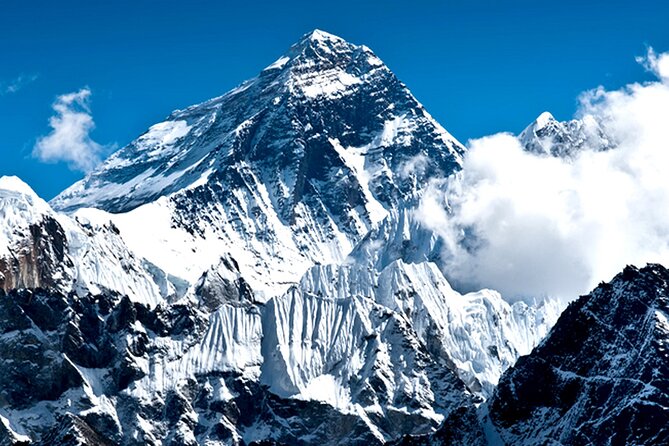
The mountains demand patience, not speed. This 12-day Everest Base Camp trek gives you a carefully paced route from Kathmandu through Lukla, Namche Bazaar, Dingboche, Gorak Shep, and Kala Patthar, with the big goal reached on foot. I like the included Lukla flights and trekking permits, and I also like that the plan builds in two acclimatization days at Namche and Dingboche. The main caution is simple: this is a hard high-altitude trek, and the long walking days can be demanding even for fit people.
The price of $1,399 per person covers much of what you need once you arrive in Nepal, including meals, teahouse lodging, a licensed guide, permits, airport transfers, and domestic flights. I also appreciate the small-group feel, since this is a private trip for your own party. Still, porter service, insurance, snacks, hot showers, Wi-Fi, and tips cost extra, so your final budget will be higher.
Key points to know before booking
- Lukla is the dramatic starting point: The trek begins with a scenic flight from Kathmandu, or from Ramechhap during busy periods, before you walk toward Phakding.
- Two acclimatization days are built in: You spend one rest day at Namche Bazaar and another at Dingboche, both important pauses before reaching higher ground.
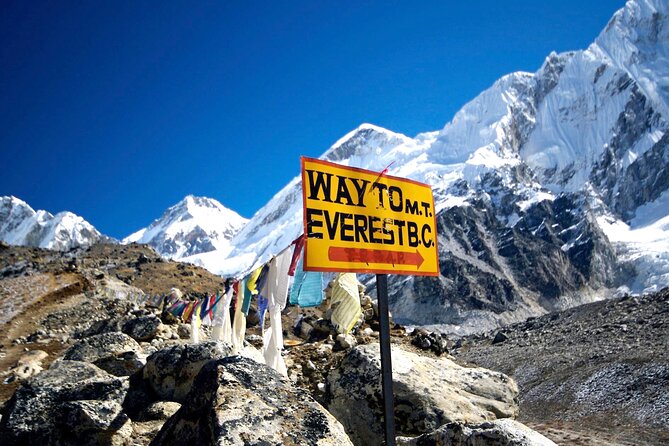
- Base Camp comes late in the route: You reach Everest Base Camp on Day 8, after walking through Lobuche and Gorak Shep.
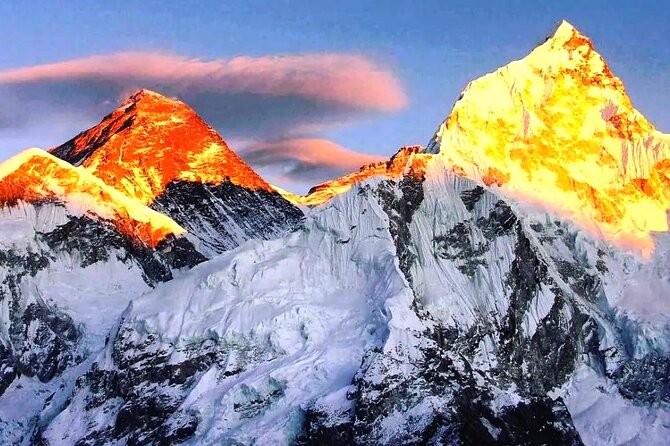
- Kala Patthar offers the classic sunrise view: The plan describes an early hike for views of Everest and Lhotse, not a regular helicopter tour.
- The guide support is a major part of the value: The package includes a licensed English-speaking guide, salary, food, lodging, equipment, and insurance.
- The price does not cover everything: International airfare, Nepal visa fees, travel insurance, porter service, personal spending, and gratuities are separate.
What the $1,399 price really covers
At first glance, $1,399 may seem like a large amount for a 12-day walking trip. Look closer, and the package includes several expensive and useful pieces: round-trip flights between Kathmandu and Lukla, a hotel night in Kathmandu, twin-sharing teahouse rooms, all trekking meals, a licensed guide, required permits, and ground transfers.
That makes the price fairly practical for someone who wants a guided trip without arranging every part independently. The domestic flight is especially important. Flights to Lukla can be costly, and the route is not one where you want to arrive without a confirmed seat or local support.
You also receive breakfast, lunch, and dinner during the trek. Breakfast includes tea or coffee, which sounds small but matters on cold mornings when you are preparing for several hours of walking. A basic first-aid kit and pulse oximeter are included too. The oximeter lets the guide monitor oxygen levels as the altitude rises, although it does not replace proper medical judgment or travel insurance.
The price does not include porter service. That is a major budget and comfort point. If you carry your own main bag, make sure you are comfortable walking for up to nine hours while managing changing weather and altitude. Porter service is available upon request, but you should confirm its cost before departure.
You also need money for snacks, drinks, laundry, hot showers, Wi-Fi, extra porters, and tips. Insurance is strongly recommended and should include trekking at high altitude. Add the Nepal entry visa and international flights to your overall trip cost.
More Everest Base Camp Treks in Kathmandu:
- Everest Base Camp Trek – 14 Days
★ 5.0 · 1,499 reviews - Everest Base Camp Trek
★ 5.0 · 842 reviews - Everest Base Camp Trekking
★ 5.0 · 485 reviews
Day 1: Kathmandu to Lukla, then the first walk
Your guide picks you up at the hotel and takes you to the airport for an early flight to Lukla, at about 2,800 meters, or 9,184 feet. The airstrip is one of the defining moments of the trip. The flight is short, but the mountain setting makes it feel like the real beginning of the adventure.
From Lukla, you walk toward Phakding. The full day is listed at about eight hours, including the morning transfer and trek. The route introduces you to the rhythm of the Khumbu region without sending you immediately to extreme altitude.
The first day can still feel tiring. You are adjusting to the early start, the flight, the trail, and the weight of your pack. Keep your pace steady. This is not the day to prove anything.
Day 2: Suspension bridges and the climb to Namche Bazaar
After breakfast, you leave Phakding for Namche Bazaar, the main trading center of the Khumbu region. The day takes about seven hours and includes several suspension bridges, gradual climbing, and views along the river valleys.
Namche is more than a place to sleep. It is the key staging point before the trail climbs higher. Reaching it means you have completed your first serious uphill section, but it also means the altitude begins to matter much more.
The best approach is to walk slowly and drink regularly. Avoid treating Namche as a quick overnight stop. The next day is reserved for acclimatization, and that rest is one of the best features of the plan.
Day 3: Acclimatizing in Namche Bazaar
You spend Day 3 in Namche, with an optional hike to Everest View Hotel. This is a smart use of time. You gain height during the day, then return to sleep at the lower elevation of Namche, giving your body a better chance to adjust.
The Everest View Hotel hike is also a good preview of the peaks ahead. The plan promises panoramic views of Everest and the surrounding mountains. You do not need to turn the optional walk into a race. The purpose is to move, look around, and help your body adapt.
This is also the day when you can appreciate the value of a private trip. Your guide can adjust the pace to your condition rather than fitting you into a large group schedule. One of the strongest personal endorsements for this company specifically praises guide Ramchandra for providing careful support and tailoring the trip to the party’s needs.
A few more treks around Kathmandu worth a look
- Annapurna Circuit Trek with Tilicho Lake
★ 5.0 · 368 reviews - Everest Base Camp Trekking – 13 Day
★ 5.0 · 365 reviews - Everest Base Camp Trek
★ 5.0 · 350 reviews - Everest Base Camp Trek -14 Days
★ 5.0 · 321 reviews
Day 4: Sagarmatha National Park and the route toward Tengboche
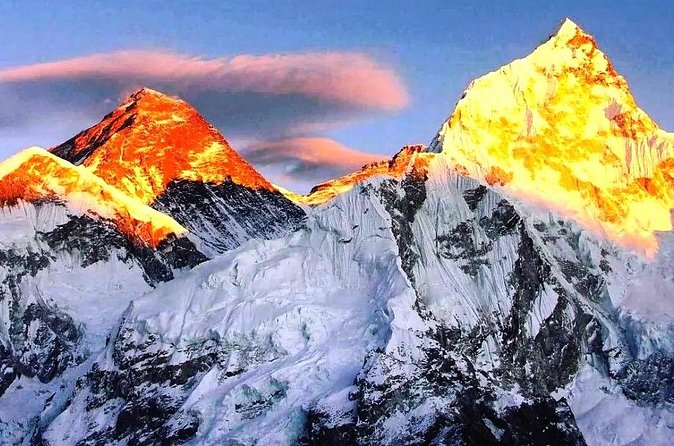
The trail continues through Sagarmatha National Park. The day includes a descent of about two hours through rhododendron forest, followed by a climb toward the higher villages. Views of Everest, Nuptse, and Ama Dablam become a major part of the walk.
This is a beautiful but tiring section because the trail keeps changing direction and grade. A downhill stretch may feel easy at first, but every descent is followed by more climbing. Your knees may notice this before your lungs do.
The park setting gives the trek more variety than a simple march toward Base Camp. Forest, rocky paths, mountain views, and high valleys appear in stages. The day is listed at about eight hours, so you should expect a full day outdoors rather than a relaxed sightseeing stroll.
Day 5: Entering the high valley at Dingboche
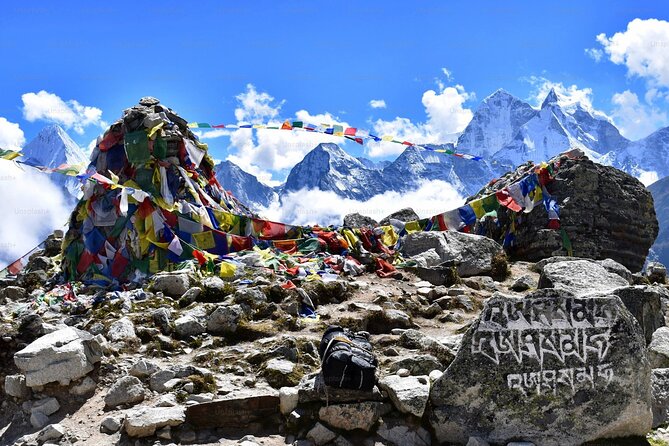
Day 5 takes you toward Dingboche, a village in the Khumbu Valley. The route moves through alpine forest and then into more barren ground as the elevation increases. Views include Island Peak and other Himalayan summits.
Dingboche feels like a clear change in the journey. Trees become less common, the air is thinner, and the route feels more exposed. The village is an important overnight stop because the next day is set aside for acclimatization.
The walking time is about eight hours. By now, the physical challenge is no longer just steep trails. Altitude can affect sleep, appetite, breathing, and energy. You may feel fine one hour and slow the next. Tell your guide if something feels wrong instead of trying to hide it.
Day 6: A second acclimatization day at Dingboche
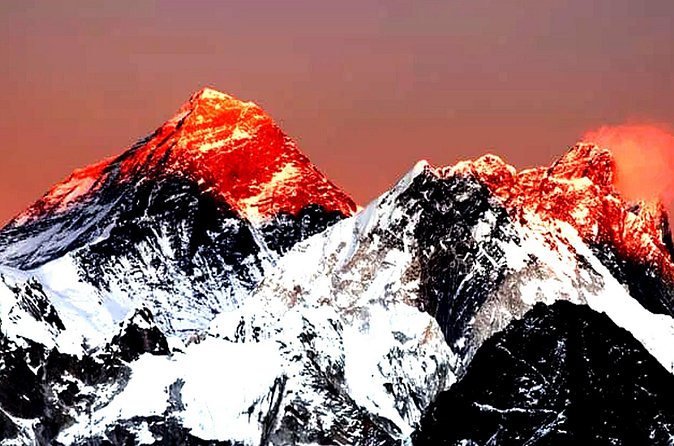
The second acclimatization day gives your body another chance to adjust before the trail climbs toward Lobuche and Gorak Shep. You may hike to Nagarjun Hill or Chukhung, depending on your energy and the plan agreed with your guide.
This is a useful rest day, but it is not necessarily a day in bed. Gentle activity is part of the acclimatization strategy described for this trek. The goal is to gain some height, return to Dingboche, and avoid pushing too hard.
You should keep this day flexible. If you feel strong, the optional hike gives you more mountain views. If you feel unwell, resting and speaking openly with the guide is the sensible choice. The included pulse oximeter may help with monitoring, but your symptoms and overall condition still matter most.
Day 7: Rocky ground and the Khumbu Glacier
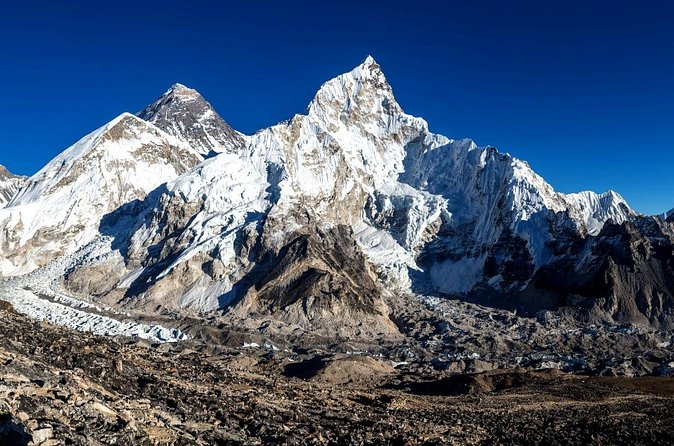
You cross the Khumbu River and climb through rocky terrain and glacial moraines. The day takes about eight hours and brings you close to the Khumbu Glacier, with views of the glacier and surrounding peaks.
This section feels less sheltered than the earlier trail. The ground is rough, and uneven stones can make each step more deliberate. Good footwear matters here, as does keeping your hands free for balance.
The package includes admission for this part of the route and provides a guide who knows the trail. That support is helpful when the path becomes less obvious or when altitude makes ordinary decisions feel harder.
Day 8: Gorak Shep and Everest Base Camp
This is the main goal of the trek. You walk from Lobuche to Gorak Shep, the final settlement before Everest Base Camp. After reaching Gorak Shep, you have lunch, settle your bags, and continue toward Base Camp.
The day is listed at about nine hours, making it one of the longest and hardest sections. You are now at high altitude, and the path can feel slow even when the distance does not look great on a map. The Base Camp walk is more about endurance than speed.
At Everest Base Camp, you have time to explore and take in the setting before returning to Gorak Shep. The achievement comes from the entire route, not only from reaching the sign or marker at the end. You have already crossed suspension bridges, climbed through forests, adjusted at Namche and Dingboche, and walked across rocky glacial ground.
The lodging at this point is in a local teahouse on a twin-sharing basis. Do not expect hotel comfort. The value is having a bed, food, and a warm place to recover in a remote mountain setting.
Day 9: Kala Patthar and the best mountain views
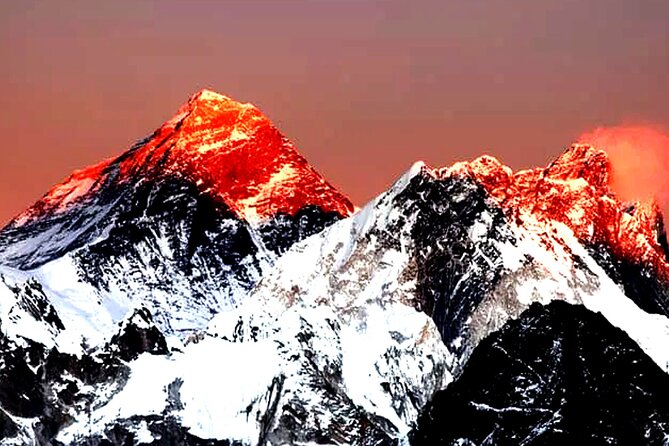
The plan calls for an early morning hike to Kala Patthar for sunrise views over Everest, Lhotse, and nearby peaks. Kala Patthar is widely valued for its broad view, and this may be the visual high point of the trek.
One detail needs careful checking before you book. The stop title refers to helicopter landing at Kala Patthar, but the actual description says you hike there, and helicopter service is not listed among the inclusions. Treat this as a walking excursion unless the operator confirms a separate helicopter arrangement and price.
After the early climb, you return to Gorak Shep for breakfast and continue down the trail. This is a demanding day because the morning begins early and the route still requires several hours of walking. The reward is a close look at Everest and the high peaks in the clearest part of the day.
Days 10 and 11: Descending through Sagarmatha National Park
The return route passes through Sagarmatha National Park. Descending is generally easier on your breathing, but it can be hard on your knees and ankles. The trip notes rightly advise care with your steps and balance.
Day 10 is listed at about eight hours. Day 11 is shorter at about six hours and marks the final day of trekking. The shorter finish gives you time to enjoy the evening and celebrate with your guide, porters, and fellow members of your party.
Do not underestimate the descent. Tired legs can make rocky steps awkward, and downhill walking may expose sore knees that were fine on the climb. Trekking poles, if you use them, may help, but they are not listed as included equipment.
Day 12: Flying back to Kathmandu
You take an early flight back to Kathmandu and transfer to the hotel. The remaining time is free for rest, exploring, or a foot and body massage. A farewell dinner is also planned.
This final day makes the schedule feel more humane. You are not expected to finish the trek and immediately leave Nepal. You have time to recover from the walk, organize your belongings, and enjoy one last evening in Kathmandu.
The package includes one deluxe hotel night in Kathmandu with breakfast. The plan also includes airport pickup and drop-off, which removes some of the usual arrival and departure hassle.
Guides, group size, and the feel of the trip
This is a private activity, so only your group participates. That can be a real advantage on a high-altitude route. You are not tied to the pace of a large party, and the guide can respond to your energy and comfort.
The guide is licensed, experienced, and English-speaking. The package covers the guide’s salary, meals, lodging, equipment, and insurance. One successful pair specifically praised the support from the company and named Ram as part of a fully completed trip.
You should still ask who your assigned guide will be before departure. Names such as Ramchandra and Ram appear in the company’s past praise, but that does not guarantee either person will lead your group.
Who should book this trek?
This trip suits you if you want a guided Everest Base Camp route with most major costs arranged in one package. It is especially suitable for someone who values private-group scheduling, included meals, local teahouse lodging, and support with flights and permits.
You need moderate physical fitness, but that phrase should not be read as easy. The route includes days of seven to nine hours, high altitude, steep climbs, rocky ground, and cold mountain conditions. You should be comfortable walking for long periods and prepared for altitude to affect your pace.
It may not suit you if you want luxury lodging, short walking days, or a trip with every personal expense included. Porter service is optional, and the absence of insurance from the package means you must arrange your own protection.
The cancellation policy is useful: you can receive a full refund if you cancel at least 24 hours before the local start time. Poor weather may also lead to a new date or full refund, but last-minute changes inside 24 hours are not accepted.
Should you book the 12-day Everest Base Camp trek?
I would recommend this trek to a fit first-time Himalayan walker who wants strong logistical support without joining a large group. The two acclimatization days, included domestic flights, meals, permits, and guide services give the price solid value.
Book it if you are ready for basic teahouse accommodation and long walking days. Before paying, confirm the Kala Patthar arrangement, ask about porter costs, check which airport will handle the Lukla flight during peak season, and buy suitable travel and medical insurance.
If you want Everest Base Camp with a clear schedule and local guidance, this is a sensible option. If you want comfort above all else, the mountain will have the final word.
FAQ
How long is the Everest Base Camp trek?
The experience lasts approximately 12 days, including travel from Kathmandu to Lukla, the trek to Everest Base Camp, the return walk, and the flight back to Kathmandu.
What is the price per person?
The listed price is $1,399 per person.
Is hotel pickup included?
Yes. Ground transportation includes airport pickup and drop-off, and the guide receives you from your hotel at the start.
Are flights to Lukla included?
Yes. Round-trip domestic airfare between Kathmandu, or Ramechhap during peak season, and Lukla is included.
Are meals included during the trek?
Yes. Breakfast, lunch, and dinner are included during the trekking period. Breakfast includes tea or coffee.
What type of accommodation is provided?
You receive one night in a deluxe hotel in Kathmandu with breakfast. During the trek, accommodation is in local teahouses with twin-sharing rooms.
Is a trekking guide included?
Yes. The package includes a licensed, experienced, English-speaking guide, along with the guide’s salary, meals, lodging, equipment, and insurance.
Are trekking permits included?
Yes. The Sagarmatha National Park Permit and TIMS card are included.
Is porter service included?
No. Porter service is available upon request but is not included in the listed price.
Is travel insurance included?
No. Travel and medical insurance are not included, but they are highly recommended.
Can I cancel for a full refund?
Yes, if you cancel at least 24 hours before the experience start time. Cancellations made less than 24 hours before the start time are not refunded.
Recently added around Kathmandu
- Ghorepani Poon Hill Trek★ 5.0 · 16 reviews
- Amazing 1 Day Trekking Experience in Kathmandu Nepal★ 5.0 · 24 reviews
- Private Manaslu Circuit Trek at Himalayas★ 5.0 · 3 reviews
- Ghorepani Poonhill Trek★ 5.0 · 5 reviews
- Upper Mustang Trekking★ 5.0 · 2 reviews
- Upper Mustang Trekking★ 3.0 · 2 reviews
- Upper Mustang Trekking★ 5.0 · 4 reviews
- Upper Mustang Trek★ 5.0 · 5 reviews
Everest Base Camp Treks, compared.






Browse the lists this tour appears in