REVIEW · KATHMANDU
Nar Phu Valley Trek – 12 Days
The quiet valleys are the real reward. The Nar Phu Valley Trek takes you from Kathmandu into one of Nepal’s more remote corners, where old villages, high passes, monasteries, glaciers, forests, and huge Himalayan peaks fill the route. I like the rare mix of culture and wild scenery, and I like that the trip includes a night at Nar Phedi Monastery with monks.
The main caution is altitude. Kang La Pass reaches 5,320 meters, and the route includes several long walking days above 3,500 meters. The schedule is demanding, even though the tour is described as suitable for people with moderate fitness.
This is a small-group trek costing $1,600 per person. That price covers airport transfers, Kathmandu hotels, mountain lodging, meals, guides, porters, transport, equipment, permits and taxes. It is a strong package for someone who wants a remote Himalayan route without arranging every moving part alone.
Five things that define this trek
- Kang La Pass at 5,320 meters: The hardest day brings broad views toward Annapurna II, Annapurna III, Annapurna IV, and Gangapurna.
- Nar and Phu villages: These old settlements offer a close look at local architecture, farming life, monasteries, and mountain culture.
- A night at Nar Phedi Monastery: Sleeping at Satek Gumba with monks is one of the route’s most unusual experiences.
- A sharp change in scenery: You move from subtropical forest and river valleys to dry, high-altitude rock country and snow-covered peaks.
- A group limited to 10 people: The small size should make meals, walking pace, and village visits easier to manage.
- Strong praise for the guiding team: Kishwor Adhikari is repeatedly singled out for careful planning, clear information, and personal attention.
Kathmandu to Dharapani: A long road into the mountains
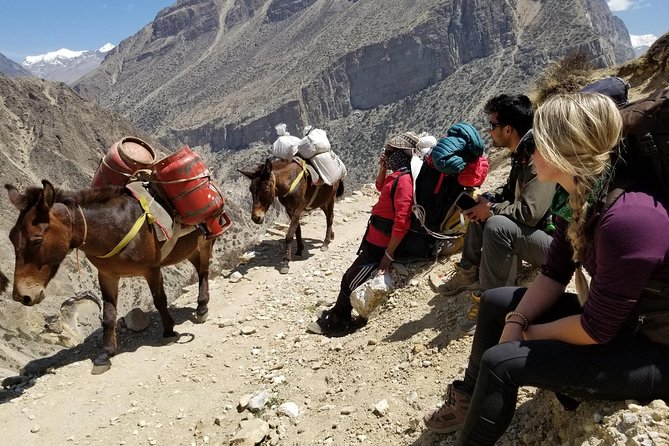
The trek begins with arrival in Kathmandu. Three nights in a two- or three-star hotel are included, with breakfast provided. Airport pickup and return transport are also part of the package, which helps after a long international flight.
The next day is not a walking day. You spend roughly nine to ten hours driving from Kathmandu to Dharapani, at about 1,860 meters. This is a long haul, and road conditions can affect the timing. Still, it moves you quickly toward the Manang district and gives you an early look at Nepal’s changing scenery.
Dharapani is a useful overnight stop because it keeps the first trekking day manageable. You are not thrown straight into a high pass or a long climb. The mountain guest houses are basic, and that is part of the deal here. This is a walking trip in a remote area, not a lodge holiday with polished facilities.
A few more treks around Kathmandu worth a look
- Everest Base Camp Trek – 14 Days
★ 5.0 · 1,499 reviews - Everest Base Camp Trek
★ 5.0 · 842 reviews - Everest Base Camp Trekking
★ 5.0 · 485 reviews
Dharapani to Koto: The first easy walking rhythm
From Dharapani, the route continues to Koto at about 2,600 meters. The walk takes around five to six hours. This is a good day to settle into the rhythm of trekking with a guide and porter team.
The route passes through forest, river country, and mountain settlements. One of the pleasures of this trek is the steady change in plant life and terrain. Early sections are greener and more sheltered, while later days become drier, rockier, and more exposed.
Koto is also an important point in the route because the path turns toward Nar and Phu. The villages receive fewer visitors than the better-known Annapurna routes, so the feeling is quieter. You should not expect a broad choice of shops, restaurants, or evening entertainment. You get a bed, a meal, and a clear sky if conditions cooperate.
Koto to Meta: Forest, cliffs, and a serious climb
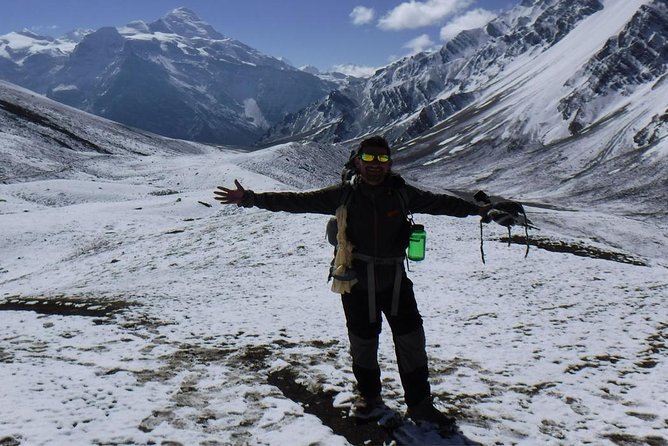
The seven- to eight-hour walk from Koto to Meta is one of the route’s longer days. You climb to about 3,560 meters, so this is where the altitude begins to matter more.
The scenery changes quickly. Forest gives way to steep rock walls, narrow valleys, rivers, and dramatic cliff formations. The route is praised for its variety, and this day shows why. You are not simply walking through one type of mountain setting for twelve days.
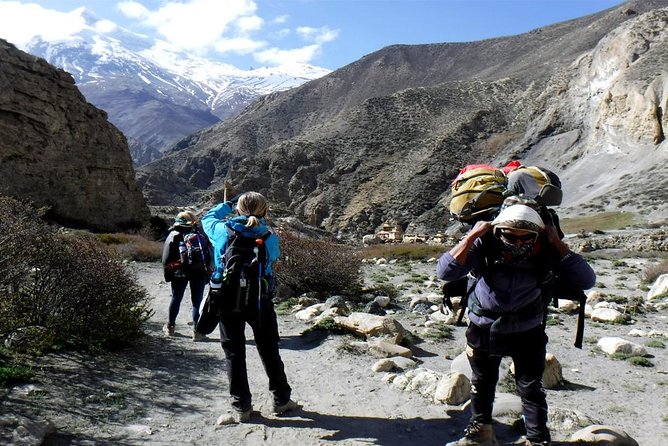
The length of the day means you should start with a steady pace. Your guide and porter team can help with that, but you still need to manage your own effort. I would not treat this as a race to the next lodge. A slower pace, regular water breaks, and a light pack will serve you better than trying to arrive early.
Accommodation in the mountains is local guest house lodging. Conditions are practical rather than luxurious. Meals are included, along with breakfast, lunch, and dinner during the trek. Tea and coffee are specifically excluded from the package, as are snacks, chocolate, alcohol, and personal purchases, so budget for those separately.
Meta to Phu: The route turns remote
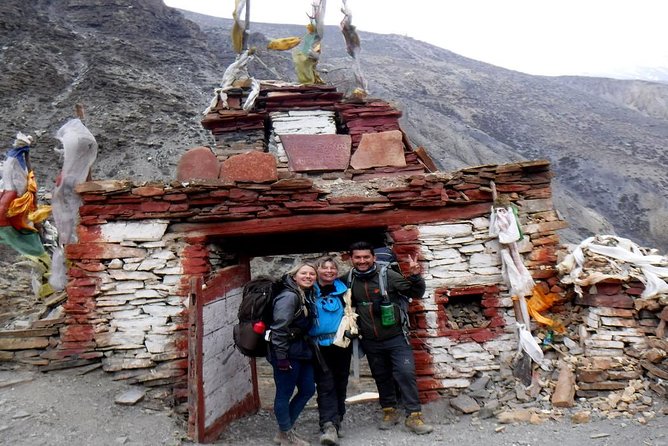
The walk from Meta to Phu takes another seven to eight hours and reaches about 4,080 meters. This is a full day at significant altitude, with increasingly stark views and a stronger sense of isolation.
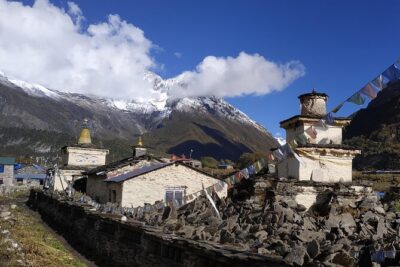
Phu is one of the main reasons to choose this route. The village has a distinct old-world character, with stone buildings, narrow paths, cultivated land, and surrounding cliffs. The cultural experience is not a quick photo stop. You have time to walk through the settlement and observe how people live in a difficult high mountain setting.
The route’s appeal comes from this blend of human and natural detail. You may see old monasteries, traditional homes, and local people going about daily work, with steep Himalayan walls rising behind them. The setting feels very different from a standard sightseeing tour in Nepal.
At this height, some people begin to feel headaches, tiredness, poor sleep, or loss of appetite. The tour includes a separate acclimatization day, which is important. You should tell your guide about any symptoms rather than quietly pushing ahead.
Same trailhead, a longer or shorter day out:
- Annapurna Circuit Trek with Tilicho Lake
★ 5.0 · 368 reviews - Everest Base Camp Trekking – 13 Day
★ 5.0 · 365 reviews - Everest Base Camp Trek
★ 5.0 · 350 reviews - Everest Base Camp Trek -14 Days
★ 5.0 · 321 reviews
Phu acclimatization day: A useful pause at 4,080 meters
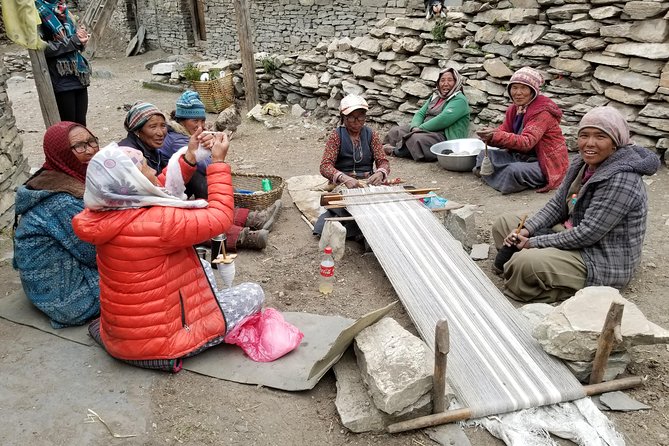
Day six is set aside for rest and exploration. Options include a hike to Phu View Point or a walk toward Himlung Base Camp.
This is not wasted time. Rest days help your body adjust before you climb and cross Kang La Pass. The exact outing should depend on weather, health, and the advice of your guide. A high-altitude walk can be rewarding, but you do not need to prove anything by completing the longest option.
Phu is also a good place to slow down and absorb the cultural side of the route. The village tour, local food, and old monasteries receive some of the warmest praise connected with this trip. If you are mainly interested in big mountain photographs, you may find the day quiet. If you care about local life and historic settlements, it is one of the most valuable parts of the schedule.
Phu to Nar Phedi: A night beside the monastery
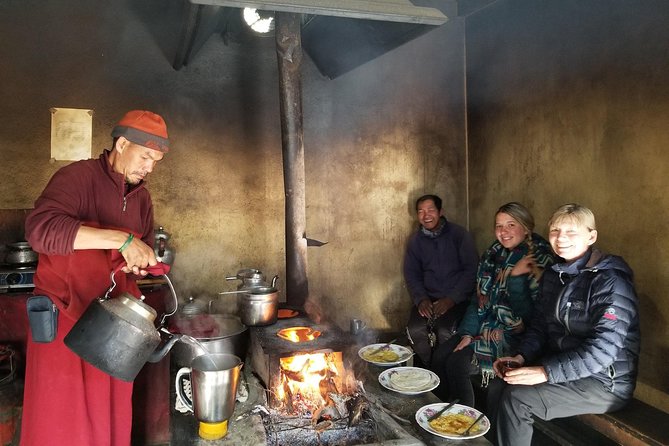
The walk from Phu to Nar Phedi, also called Satek Gumba, takes six to seven hours and descends to about 3,440 meters. After several days at higher elevation, this change can feel welcome.
The night at the monastery is the route’s most distinctive lodging experience. You stay at Nar Phedi Monastery with monks rather than in an ordinary mountain guest house. Conditions will be simple, but the setting offers something you cannot get from a standard hotel: a direct connection with the religious life of the valley.
The monastery stop also breaks up the journey to Nar Village. It gives you time to experience the route as a cultural journey, not just a series of mountain viewpoints. Keep an open mind about comfort. This is the sort of night you remember because it is unusual, not because the bed is luxurious.
Nar Village: Stone homes and high mountain life
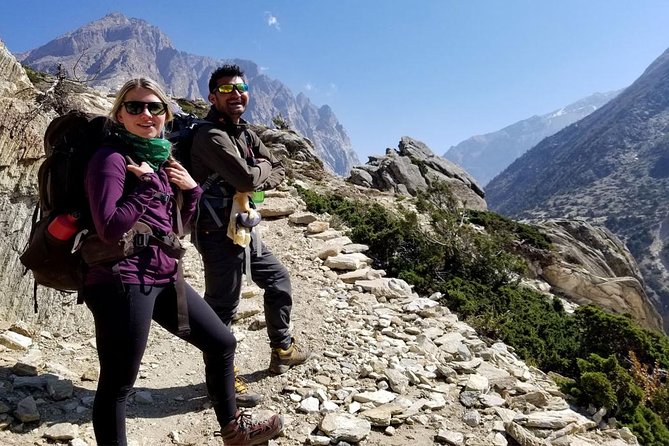
From Nar Phedi, it is about three hours to Nar Village at approximately 4,120 meters. Compared with the previous day, the walking time is short, but the altitude remains high.
Nar is another major cultural stop. Together, Nar and Phu show the older character of the valley, with traditional buildings, monasteries, and a way of life shaped by short growing seasons and harsh winters. The route gives you time to explore rather than simply pass through.
The village setting also prepares you for the next day’s major climb. Do not use the shorter walking day as an excuse for a late night or heavy drinking. Alcohol is not included in the package, and it is a poor match for a high pass the following morning.
Nar to Ngawal: Crossing Kang La Pass
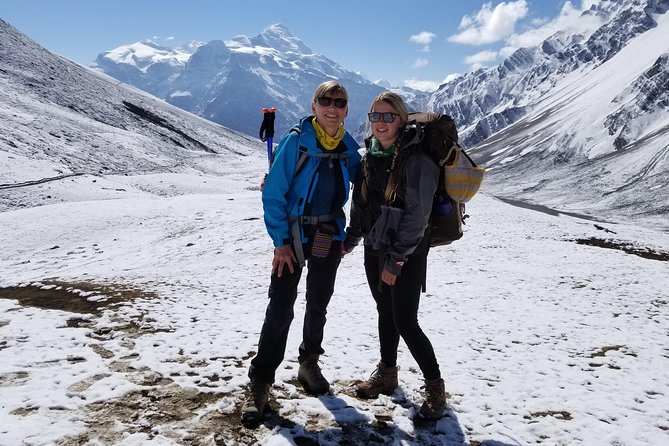
The walk from Nar to Ngawal is the key test of the trek. The route crosses Kang La Pass at 5,320 meters and takes about seven to eight hours.
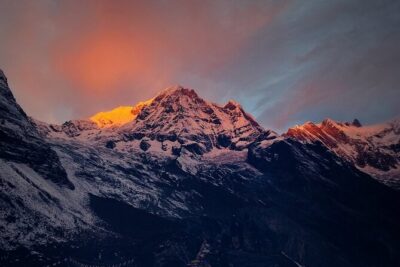
The pass is the main mountain-view reward. From the top, the route opens toward the Annapurna range, including Annapurna II at 7,937 meters, Annapurna III at 7,555 meters, Annapurna IV at 7,525 meters, and Gangapurna at 7,455 meters. The views are broad and dramatic, but reaching them requires real effort.
This day can be cold, windy, and physically draining. The package includes equipment such as sleeping bags and crampons, though you should confirm exactly what is supplied and what personal gear you must bring. Good boots, warm layers, gloves, sun protection, and a reliable water system remain your responsibility.
The final destination, Ngawal, sits at roughly 3,540 to 3,660 meters in the supplied schedule. That small altitude difference should be confirmed before departure, but it does not change the basic point: this is still a high mountain village and a well-earned end to the hardest day.
Ngawal to Besishar: From trail to road
Day ten shifts from trekking to driving. You travel from Ngawal to Besishar, listed at about 750 meters, in roughly five to six hours.
After the pass, the lower elevation can feel refreshing. The road journey is also a reminder that Nepal’s mountain routes often combine walking and vehicle travel. This is not a pure foot journey from start to finish.
The drive may feel long after the effort of Kang La Pass, but it saves additional trekking days. If you have limited time, this design makes the route possible within twelve days. The trade-off is that the final portion feels more like a transfer than part of the mountain experience.
Besishar to Kathmandu and the final evening
The drive from Besishar to Kathmandu takes about five hours. You then have a final night in the capital before departure on day twelve.
A post-trek celebration dinner is included. That is a pleasant finish, especially after basic food and lodging in the mountains. Breakfast is included during the Kathmandu hotel stay, but other Kathmandu meals are not, so plan to pay for lunch and dinner in the city.
The trip ends back at the Breeze Adventure office on Thamel Marg in Kathmandu. Airport transport is included, which keeps the final morning simpler.
What the $1,600 price really covers
At $1,600 per person, this is not a bare-bones walking package. The cost includes three Kathmandu hotel nights, airport transfers, road transport, mountain guest houses, meals during the trek, a government-authorized guide, porters, guide and porter wages, insurance for the working team, equipment, a first aid kit, a route map, taxes, service charges, and the final dinner.
That is good value for a remote route requiring logistics in several different places. The biggest value comes from the support team. Transport, food, porters, and high-altitude planning are difficult to arrange independently, especially on a route that includes a restricted valley and a major pass.
You still need to pay for international airfare, personal insurance, Kathmandu meals beyond breakfast, drinks, snacks, shopping, tips, and any extra lodging or meals outside the plan. The personal insurance point matters. The package includes insurance for guides and porters, but you need your own cover.
How the guiding service affects the experience
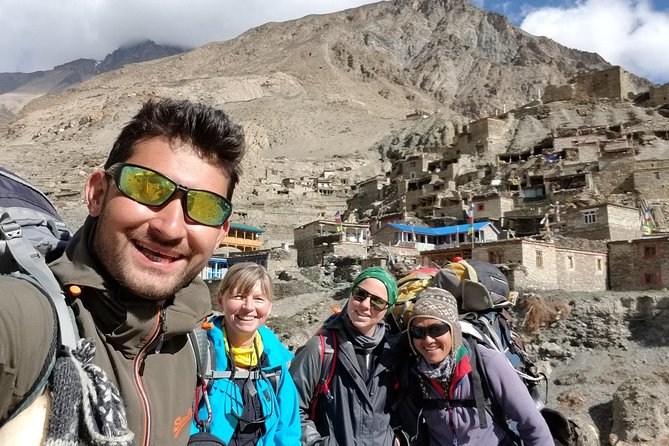
The strongest praise centers on organization and care. Kishwor Adhikari is named repeatedly as the person who arranged trips, provided information before departure, and kept the group supported on the trail. The team is described as friendly, professional, energetic, and well organized.
That matters here. A guide on a high pass does more than point toward the next village. You need someone who can manage pace, interpret local culture, watch for altitude problems, and adjust plans when weather changes.
The group limit is 10 people. That is small enough for a more personal feel, while still offering the social energy of a group trek. If you prefer total independence, a group schedule may feel restrictive. If you want help with logistics and do not want to walk alone, this format makes sense.
Who should book this route?
I would recommend it to a fit trekker who values quiet villages, old monasteries, mountain scenery, and a demanding pass. It is especially well suited to people who have limited time but still want a route with a strong cultural element.
It is less suitable if you want comfortable hotels, short walking days, reliable road timing, or a low-altitude holiday. The description calls for moderate fitness, but Kang La Pass and the long days above 4,000 meters make good preparation important.
Allow yourself time to walk hills before arriving. Practice carrying a daypack, and be ready for basic lodging. Most of all, accept that the weather and your health may shape the schedule.
Should you book the Nar Phu Valley Trek?
Book it if you want a quieter alternative to Nepal’s busiest routes and you are excited by the combination of Nar and Phu villages, monastery life, and high mountain views. The price includes much of the support that makes a remote trek practical, and the guiding team has earned repeated praise for organization and personal care.
Think twice if you dislike long drives, simple guest houses, or strenuous altitude days. The route is not easy simply because it lasts twelve days. But if you prepare properly, Kang La Pass and the time spent in the old villages can make this one of the most memorable ways to experience the Manang region.
Free cancellation is available if you cancel at least 24 hours before the start time. Weather or minimum group size can also lead to a new date or a full refund.
FAQ
How long is the Nar Phu Valley Trek?
The planned duration is 12 days, including arrival and departure days, road transfers, trekking, an acclimatization day, and the final return to Kathmandu.
What is the highest point on the trek?
The highest point is Kang La Pass at 5,320 meters.
Is airport pickup included?
Yes. Transportation to and from Tribhuvan International Airport is included.
Are meals included?
Breakfast is included at the Kathmandu hotel. During the trek, breakfast, lunch, and dinner are included. Meals in Kathmandu other than breakfast, alcoholic drinks, tea, coffee, chocolate, and personal snacks are not included.
How large is the group?
The activity allows a maximum of 10 participants.
What happens if bad weather cancels the trek?
If poor weather causes cancellation, you will be offered another date or a full refund. A full refund is also available if you cancel at least 24 hours before the experience begins.
Recently added around Kathmandu
- Ghorepani Poon Hill Trek★ 5.0 · 16 reviews
- Private Manaslu Circuit Trek at Himalayas★ 5.0 · 3 reviews
- Amazing 1 Day Trekking Experience in Kathmandu Nepal★ 5.0 · 24 reviews
- Ghorepani Poonhill Trek★ 5.0 · 5 reviews
- Upper Mustang Trekking★ 5.0 · 2 reviews
- Upper Mustang Trek★ 5.0 · 5 reviews
- Upper Mustang Trekking★ 3.0 · 2 reviews
- Upper Mustang Trekking★ 5.0 · 4 reviews
Kathmandu Trekking Tours, compared.