REVIEW · KATHMANDU
Mt. Kanchenjunga South to North Base Camp Trekking
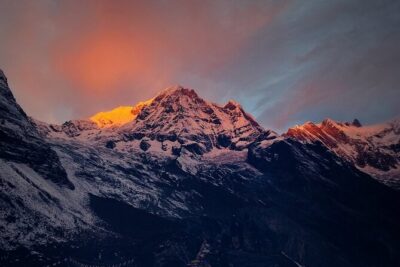
Remote mountains reward patient walkers. This 22-day Kanchenjunga trek links the mountain’s southern and northern base camp areas, with high passes, quiet trails, and villages shaped by Limbu and Sherpa culture. I like the rare chance to see both sides of the world’s third-highest peak, and I like that the route passes through the Kanchenjunga Conservation Area, known for birds, red pandas, and possible snow leopard habitat.
I also like the private format and the careful coordination associated with Amber and the Three Jewels Adventures team, especially airport pickup and transport planning. The main drawback is the rough travel involved: a 45-minute flight, a six-hour jeep ride, remote trekking, and several days above 3,000 meters. This is not a soft adventure.
Key points to know before booking
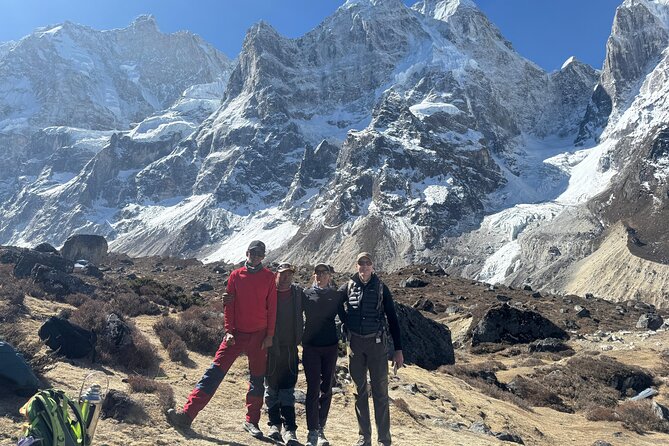
- Both sides of Kanchenjunga: The route visits the south base camp area at Oktang and the north base camp area near Lhonak.
- A serious altitude trek: The route reaches 4,290 meters at Sele La and 3,870 meters at Tseram.
- Quiet eastern Nepal: This is a less-used trekking area, suited to people who prefer remote trails over busy Himalayan routes.
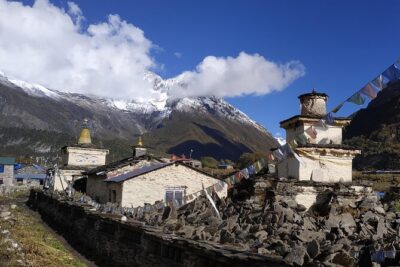
- Culture changes along the way: The path moves from Kirant and Limbu villages toward Sherpa settlements in the north.
- Private and customizable: Only your group participates, and the planned schedule can be adjusted.
- Transport is part of the challenge: The journey includes flights, long jeep rides, and a return to Kathmandu on Day 22.
Why this Kanchenjunga route is special
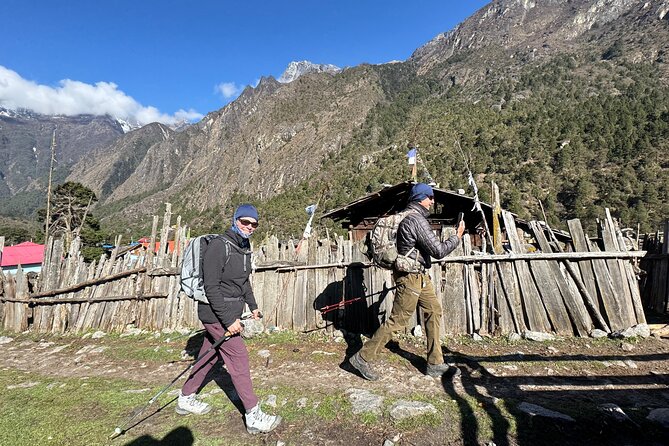
Kanchenjunga sits in eastern Nepal, far from the better-known trekking corridors around Everest and Annapurna. The approach begins near Taplejung, reached by flying from Kathmandu to Bhadrapur and then continuing by jeep toward Suketar. That extra effort helps explain why the area sees fewer trekkers.
I like this route because it is not just a mountain-view trip. It carries you through eastern Nepal’s villages and forests before reaching the high country. The cultural shift is part of the story: early walking days pass through Kirant communities, while later sections connect with Sherpa settlements farther north.
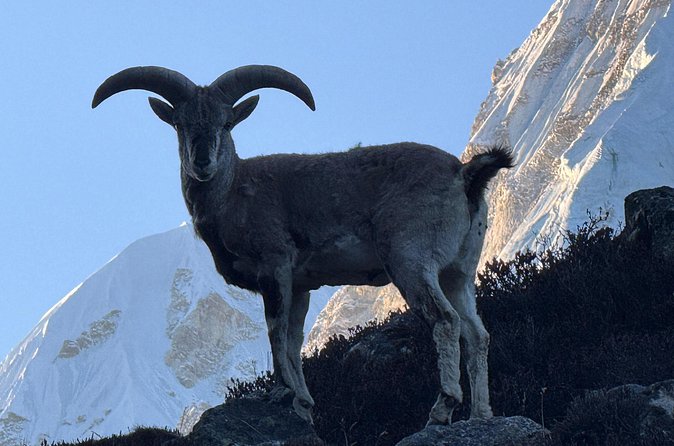
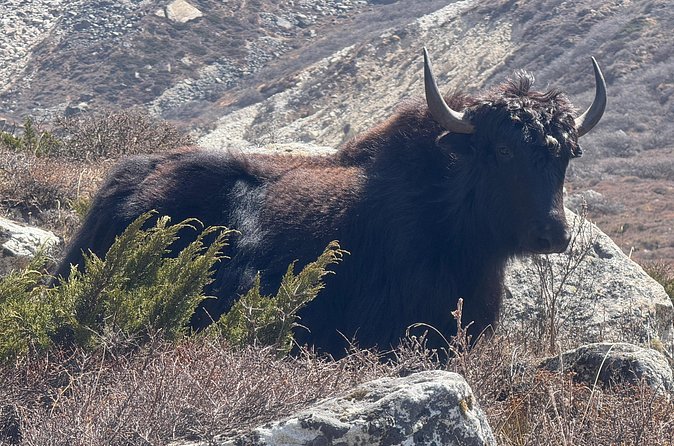
The natural setting adds another layer. Kanchenjunga Conservation Area is known for broad birdlife and rare animals such as the red panda and snow leopard. Seeing one is never promised, but the protected setting gives the trek more meaning than a simple march toward a viewpoint.
You should also understand the scale. The highest point listed is Sele La at 4,290 meters, while the north base camp area near Lhonak is reached after several days of acclimatization and steady climbing. You need moderate physical fitness, but the remote setting means preparation matters more than the label suggests.
A few more treks around Kathmandu worth a look
- Everest Base Camp Trek – 14 Days
★ 5.0 · 1,499 reviews - Everest Base Camp Trek
★ 5.0 · 842 reviews - Everest Base Camp Trekking
★ 5.0 · 485 reviews
Days 1 and 2: Kathmandu preparation
The first two days are useful rather than decorative. You arrive in Kathmandu, meet the guide, and deal with last-minute questions. The following day includes introductory sightseeing, permit processing, and a trek briefing.
That briefing matters. The route has many moving parts, including domestic air travel, long road transfers, changing elevations, and remote walking. Use this time to confirm what is included, ask about food and accommodation, and check that your personal gear is ready.
The start time is listed as 7:15 a.m. for the activity. Since the first travel days are long, I would treat the opening Kathmandu stay as working time, not a chance to sleep late and wander without a plan.
Day 3: Flight to Bhadrapur and the long road to Suketar
Day 3 is one of the most demanding travel days before the walking begins. The flight from Kathmandu to Bhadrapur takes about 45 minutes. From there, a jeep ride toward Suketar takes roughly six hours.
This combination is practical, but not luxurious. A private vehicle gives your group control over the road transfer and avoids the uncertainty of arranging local transport on your own. Still, six hours by jeep can feel long after airport time and an early start.
The route description places this day in the Taplejung area. Expect the journey itself to be part of the experience, not a quick connection. If you prefer polished transfers and short travel days, this section may test your patience. If you enjoy seeing the change from lowland travel routes to eastern Nepal’s hill country, it sets the tone well.
Days 4 to 7: Villages, farms, and the move toward Sherpa country
The first walking day leads to Lali Kharkha through mid-hill villages and farms. This is a gentle cultural introduction to the region, with daily life close to the trail rather than hidden behind a famous viewpoint.
Day 5 continues to Kade Banjyang at 2,130 meters. Traditional settlements remain a key part of the walk. You gain altitude, but the bigger reward is the gradual change in the people and places around you.
Day 6 reaches Phumphe Danda at 1,858 meters. The route continues to combine eastern Nepal’s cultural life with natural scenery. Since the exact walking distances and times are not provided, you should ask the operator for daily trekking hours before booking.
On Day 7, the trail reaches Sherpaguan at 2,080 meters. This is an important transition point. The route moves from lower-altitude Kirant villages toward Sherpa communities on the northern side. I like this progression because the people and settlement patterns are not just background scenery. They help you understand how the region changes as you head toward the mountain.
These opening days also make the trek feel earned. You do not arrive at a high camp after a single dramatic transfer. You walk through the inhabited hills first, then gradually leave the farmed areas behind.
Same trailhead, a longer or shorter day out:
- Annapurna Circuit Trek with Tilicho Lake
★ 5.0 · 368 reviews - Everest Base Camp Trekking – 13 Day
★ 5.0 · 365 reviews - Everest Base Camp Trek
★ 5.0 · 350 reviews - Everest Base Camp Trek -14 Days
★ 5.0 · 321 reviews
Days 8 to 10: Gaining altitude at Torongton and Tseram
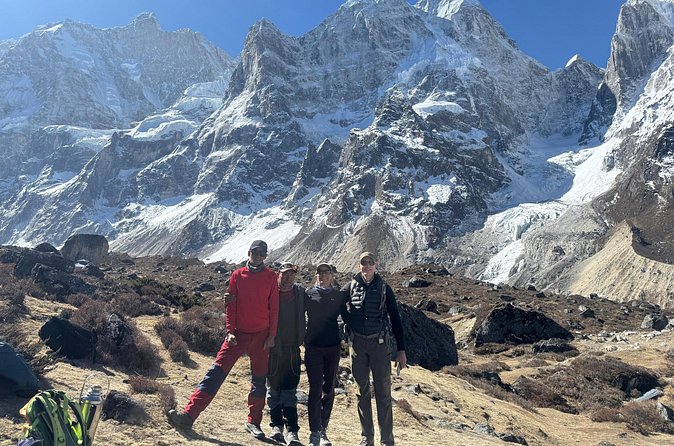
Day 8 climbs to Torongton at 2,995 meters. The route is mostly uphill, and the description notes that the views become wider as you gain height. This is where the trek starts to feel more serious.
Day 9 continues to Tseram at 3,870 meters. That is a substantial increase, so pacing is important. You should not treat this as a sightseeing stroll. Slow walking, regular hydration, and attention to how you feel are sensible habits at this stage.
Day 10 is a rest and exploration day. This pause is one of the strongest parts of the plan. At nearly 3,900 meters, a spare day gives your body time to adjust before the south base camp section and the high pass.
The schedule does not promise a particular acclimatization program or medical support, so ask direct questions before paying. Find out how the guide handles altitude problems and what happens if weather or health forces a change.
Days 11 and 12: Reaching the south base camp area
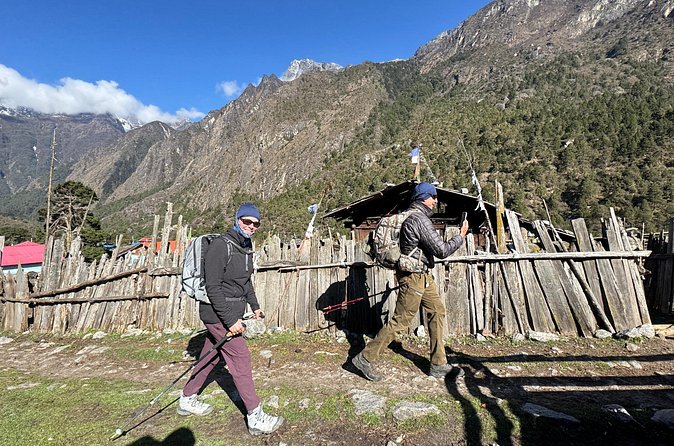
Day 11 continues toward the Kanchenjunga south base camp area. The next day takes you to Oktang viewpoint before returning to Tseram at 3,870 meters.
This out-and-back design makes sense. You can reach the viewpoint without carrying all your gear onward, then return to the same sleeping place. It also gives you time to focus on the mountain rather than worrying about the next camp.
The south side is one of the major reasons to choose this trip. You are not simply looking at Kanchenjunga from a distant village. You walk into the base camp area and visit Oktang, one of the route’s signature points.
Conditions at this altitude can be demanding, and the information provided does not state the daily walking hours or accommodation type. That is a practical gap worth clarifying. You should know how basic the lodges are, what meals are available, and whether extra nights can be added if needed.
Day 13: Crossing Sele La at 4,290 meters
Day 13 crosses Sele La, listed at 4,290 meters. It is described as one of the old trade-route high passes, which gives the crossing cultural weight as well as physical challenge.
This is likely one of the hardest days. You have already spent time high at Tseram, but a pass at 4,290 meters can bring cold, thinner air, and tiring climbs. The reward is the sense of crossing from one side of the Kanchenjunga region to another, rather than simply retracing a valley.
I would ask the operator about current pass conditions and the exact walking plan. The route is remote, and conditions can affect timing. A private trip offers flexibility, but only if the guide and group agree that safety comes before the printed schedule.
Days 14 to 17: Ghunsa, Lhonak, and the north base camp
After Sele La, Day 14 leads to Ghunsa, followed by rest. That pause is well placed after the high pass. Ghunsa then becomes a useful base for the northern approach.
Day 15 continues toward the northern side of Kanchenjunga. Day 16 reaches Lhonak, near the north base camp area. Day 17 is set aside to explore the north base camp area before returning to the lodge.
This four-day section gives the journey its full south-to-north character. You see the mountain from two major approaches, with the high pass linking them. The north side also offers a different feel from the southern approach, though the supplied details do not promise specific glaciers, peaks, or weather conditions.
Lhonak is a remote destination, so comfort should not be your main reason for booking. The value is access. You get time near the northern base camp area instead of rushing in for a single photo and immediately turning around.
The private format helps here. A group made up only of your own party can make the rest day and exploration pace more manageable. It does not remove the altitude or rough conditions, but it can make communication easier.
Days 18 to 22: Returning through the hills
Day 18 retraces the route to Ghunsa for another rest. Day 19 descends to Gyabla, and Day 20 continues to Amjilosha. These days are not filler. After the high country, descending through familiar settlements lets you notice details missed during the climb.
Day 21 reaches the road head, followed by a drive to Taplejung. This is another mixed walking and transport day, so keep some patience in reserve. The mountain portion may be finished, but eastern Nepal’s roads still require time.
On Day 22, a jeep takes you to Bhadrapur airport, followed by an afternoon flight to Kathmandu. The return is efficient on paper, but delays can affect domestic flights and road transfers. If you have an important international connection, do not plan it too tightly after arrival in Kathmandu.
What the $2,525 price really covers
At $2,525 per person, this is a major purchase, but the price needs context. The trip lasts about 22 days and includes private transportation, airport transfers within the route, permit handling, guide coordination, and access to a remote part of Nepal. Those elements can make the cost reasonable for someone who would otherwise struggle to organize the route independently.
The price is less attractive if you expect all meals, personal gear, and every personal cost to be covered. Dinner is listed as included, while personal expenses are not. The information provided does not clearly list lodging, lunches, breakfasts, permits, or domestic flights as separate inclusions, so ask for a written cost breakdown before booking.
I would pay special attention to the phrase private transportation. The long jeep rides are a central part of the trip, and a private vehicle can be far more useful here than a low headline price with shared or uncertain transfers.
Group discounts are available, which could improve the value for a larger party. Since this is a private activity, only your own group participates. The route can also be customized, though changes should be discussed before departure.
Who should book this trek?
I would recommend it to you if you want a remote Himalayan route, have genuine interest in local culture, and accept that the road and trail conditions may be basic. It suits experienced walkers and fit first-time high-altitude trekkers who are willing to prepare carefully.
It is especially good for people who want more than a single famous viewpoint. The combination of Limbu and Sherpa communities, conservation-area wildlife, old trade routes, and both base camp areas gives the trek real range.
I would not choose it for a short holiday, a comfort-first trip, or a relaxed introduction to Nepal. You need time, patience, and flexibility. The 22-day schedule is long, and several sections take place far from easy road access.
Three Jewels Adventures receives strong praise for coordination, with Amber and the team handling details such as airport pickup and trip planning. That personal organization is valuable on a route with several transport links. Still, confirm exactly who will guide your group and what services are included before you commit.
Final call: a serious trek with unusual rewards
I would book this experience if your priority is a quieter, culturally varied approach to one of the world’s great mountains. The south and north base camp visits, Sele La crossing, and remote eastern Nepal setting give it more depth than a standard mountain-view tour.
I would hesitate only if you dislike long jeep rides, basic high-altitude conditions, or unclear cost details. Ask about lodging, meals beyond dinner, flights, daily walking times, and altitude procedures. If the answers suit you, this is a strong choice for a private group that wants Kanchenjunga from both sides, not just from a distant lookout.
FAQ
How long does the Kanchenjunga South to North Base Camp trek take?
The experience lasts approximately 22 days, from arrival and preparation in Kathmandu through the return flight from Bhadrapur.
Where does the trek begin?
The trekking section begins in the Taplejung area after a flight from Kathmandu to Bhadrapur and a jeep journey toward Suketar.
How long is the flight from Kathmandu to Bhadrapur?
The flight takes about 45 minutes.
How long is the jeep ride from Bhadrapur toward Suketar?
The listed drive takes approximately six hours.
Does the route visit both Kanchenjunga base camp areas?
Yes. The route visits the south base camp area near Oktang and the north base camp area near Lhonak.
What is the highest listed point on the route?
Sele La is listed at 4,290 meters.
What fitness level is required?
A moderate level of physical fitness is required. The route includes high-altitude trekking and a high pass.
Is this a private tour?
Yes. Only your group participates in the activity.
What is included in the price?
Dinner and private transportation are listed as included. Personal expenses are not included.
Can the planned route be customized?
Yes. The planned schedule can be customized.
What is the cancellation policy?
You can receive a full refund if you cancel at least three full days before the local start time. Cancellations or changes made less than three full days before the start are not accepted for a refund.
Recently added around Kathmandu
- Ghorepani Poon Hill Trek★ 5.0 · 16 reviews
- Private Manaslu Circuit Trek at Himalayas★ 5.0 · 3 reviews
- Amazing 1 Day Trekking Experience in Kathmandu Nepal★ 5.0 · 24 reviews
- Ghorepani Poonhill Trek★ 5.0 · 5 reviews
- Upper Mustang Trekking★ 5.0 · 2 reviews
- Upper Mustang Trekking★ 3.0 · 2 reviews
- Upper Mustang Trekking★ 5.0 · 4 reviews
- Upper Mustang Trek★ 5.0 · 5 reviews
Kathmandu Trekking Tours, compared.