REVIEW · KATHMANDU
Mohare Danda Trek
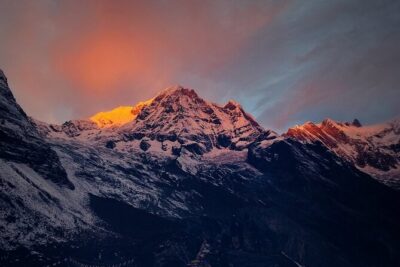
The quiet side of Annapurna is worth the climb. The Mohare Danda Trek combines forest trails, Magar villages, community lodges, and broad views of Annapurna and Dhaulagiri without following the busiest route in the region. I especially like the focus on eco-community tourism and the chance to spend five nights in locally run lodges, plus the strong cultural start and finish in Kathmandu Valley. The main consideration is stamina: several walking days last five to seven hours, and the route reaches 3,300 meters.
This is a well-rounded 12-day Nepal trip for someone who wants more than a mountain viewpoint. You get a guide, porter support, permits, private ground transport, hotels in Kathmandu and Pokhara, and full-board lodging during the trek. I would still budget carefully for meals in the cities, heritage fees, tips, travel insurance, and personal hiking equipment.
Five details that shape the Mohare Danda experience
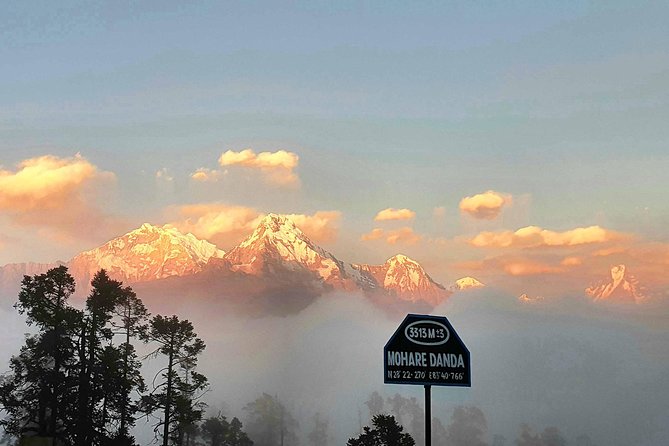
- A 3,300-meter sunrise point: Mohare Danda gives you wide views toward Annapurna, Dhaulagiri, Fishtail, Tukche, and Nilgiri.
- Five nights in community lodges: Your trekking stay supports local accommodation and community projects rather than relying only on large commercial lodges.
- A quieter Annapurna route: Oak, rhododendron, bamboo, and pine forests replace much of the road traffic and busy trekking infrastructure found elsewhere.
- A useful cultural arc: Kathmandu temples, a Magar settlement, an organic farm school, Ghandruk, Bhaktapur, pottery making, and Patan all add meaning to the mountain walk.
- A small maximum group: The group limit is 12 people, with one porter assigned for every two trekkers.
- Poon Hill included: You get the famous early morning mountain viewpoint as part of the route, not as a separate add-on.
What the $1,375 price really covers
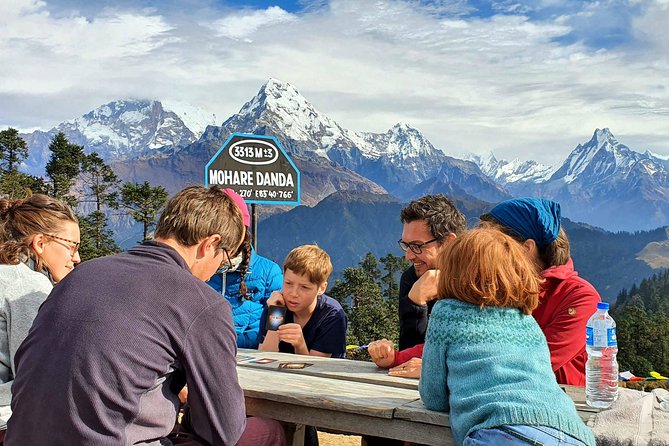
At $1,375.33 per person, this is not simply a trekking package. It is a full Nepal program with city sightseeing, transfers, hotels, permits, guides, porter service, and five nights of trekking accommodation.
The price includes four nights at Yatri Suites & Spa or a similar four-star hotel in Kathmandu. It also includes two nights at Batika Classic Hotel or a similar property in Pokhara. During the mountain portion, you stay five nights in eco-community lodges with breakfast, lunch, and dinner.
That combination gives you useful comfort before and after the walk. You are not expected to arrive in Kathmandu, sort out permits, and then negotiate every transfer yourself. A professional English-speaking local guide leads the trip, and staff costs include salaries, insurance, equipment, and accommodation.
The value is strongest if you want a guided trip with support already arranged. A self-planned trek might offer more control, but you would need to arrange permits, transport, accommodation, porters, and route planning separately.
The price does not cover meals in Kathmandu or Pokhara. Drinks are also extra, as are heritage-site entrance fees, listed at about $50 per person. Tips, travel insurance, international flights, Nepal visa fees, personal hiking gear, donations, and emergency rescue evacuation insurance are separate.
That last point matters. You should arrange your own travel insurance and confirm that it covers trekking at the route’s maximum elevation. The package specifically excludes emergency rescue evacuation insurance.
A few more treks around Kathmandu worth a look
- Everest Base Camp Trek – 14 Days
★ 5.0 · 1,499 reviews - Everest Base Camp Trek
★ 5.0 · 842 reviews - Everest Base Camp Trekking
★ 5.0 · 485 reviews
Kathmandu begins with temples, cremation ghats, and Thamel
Your trip starts with an airport pickup at Tribhuvan International Airport. A representative meets you with a nameplate and takes you to your hotel in Thamel, Kathmandu’s main tourist district.
The transfer passes landmarks such as Pashupatinath, the former Royal Palace Museum at Narayanhity, and the Garden of Dreams. You may not stop at each place on arrival, but the ride gives you a first look at Kathmandu’s mix of sacred sites, old royal spaces, traffic, and commercial streets.
The following day is set aside for four very different stops. Swayambhunath, often called the Monkey Temple, sits above the city and gives you a broad view across Kathmandu. It is also a useful introduction to the way Hindu and Buddhist practices share the same setting in Nepal.
Boudhanath Stupa offers a calmer pace. The stupa dates to around 600 AD and is one of the country’s major Buddhist pilgrimage sites. Allow yourself time to walk around it rather than treating it as a quick photograph stop.
At Pashupatinath Temple, you see one of South Asia’s most important Hindu pilgrimage places. The Bagmati River cremation ceremonies can be powerful and difficult to watch. Approach this stop with respect, and follow your guide’s advice about where to stand and what may be photographed.
The nearby Guhyeshwori Temple adds another religious site to the visit. Entrance fees for some heritage locations are not included, so keep cash available for admissions and any optional donations.
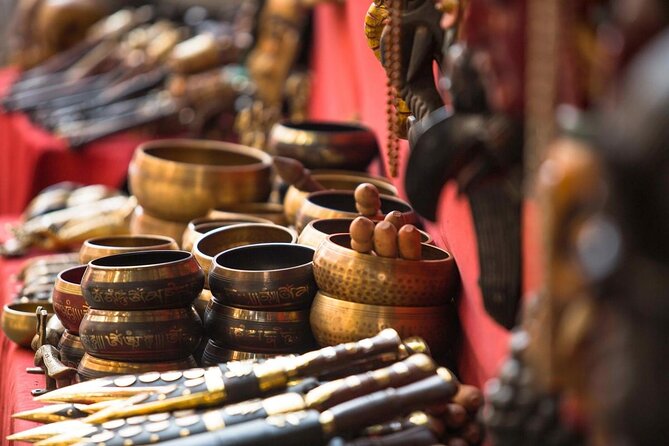
The day ends in Thamel, where you can buy handicrafts, souvenirs, and local products. It is also the best place in this program to handle last-minute purchases before the trek. Since the itinerary includes several stops, the day may feel full, particularly if you are still adjusting to Kathmandu.
Kathmandu to Pokhara sets up the mountain route
The program then moves to Pokhara, a popular base for trekking and mountain viewing. The route is described as a drive of about three hours, with green hills and views toward the valley. The return journey to Kathmandu is listed at about six hours, so you should confirm current road timing with the operator before you travel.
Pokhara gives you two nights at a hotel and a pause before the trek. Fewa Lake and the surrounding hills are the city’s main visual draw, while the valley provides a softer transition between urban Kathmandu and the mountain trails.
Food is not included in Pokhara, so plan for your own lunches, dinners, drinks, and snacks. The hotels are included, but room upgrades and extra services cost more.
Galeshwor to Bans Kharka crosses the Kali Gandaki
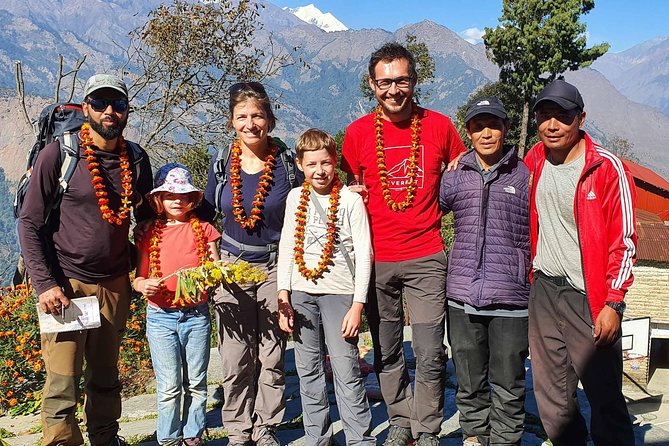
The trekking section begins with a morning transfer from Pokhara to Galeshwor, following the Kali Gandaki River for around three hours. From there, you walk for about three hours to Bans Kharka.
The trail climbs away from the river and crosses a suspension bridge over the Kali Gandaki, described here as the deepest gorge. You then enter forest, with oak, bamboo, and pine among the vegetation. This first walking day gives you a clear taste of the route: river views, a substantial uphill section, and a move into quieter woodland.
Although the day is only about three hours of walking, the ascent makes it more demanding than the distance suggests. You will want a small daypack, water, rain protection, and shoes with a firm grip.
Same trailhead, a longer or shorter day out:
- Annapurna Circuit Trek with Tilicho Lake
★ 5.0 · 368 reviews - Everest Base Camp Trekking – 13 Day
★ 5.0 · 365 reviews - Everest Base Camp Trek
★ 5.0 · 350 reviews - Everest Base Camp Trek -14 Days
★ 5.0 · 321 reviews
Bans Kharka to Naangi brings village life into view
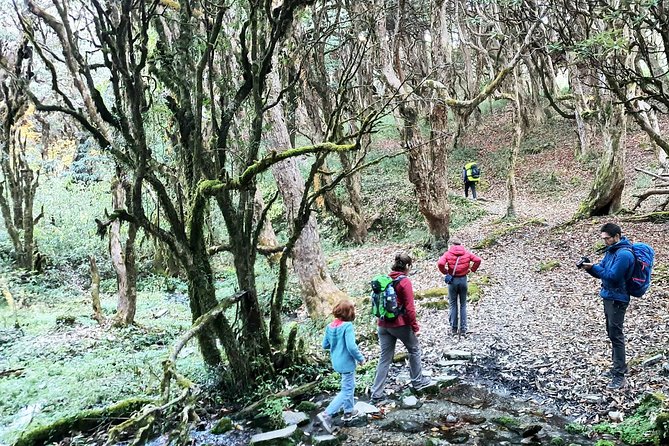
The walk from Bans Kharka to Naangi takes about six to seven hours. This is one of the longer days, but it adds some of the strongest community elements of the trip.
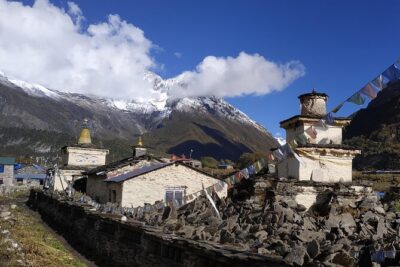
You pass villages, mountain viewpoints, and cultivated areas. The route also includes an organic farm school and a Magar settlement, giving you a chance to see how local agriculture and community life connect with the trekking economy.
This is a good day to ask your guide about the people, farming methods, and local projects supported by the route. The tour is designed around community benefit, and these stops help turn that idea into something you can see rather than just read about.
The practical drawback is simple: six to seven hours on foot can feel long if you are not used to sustained uphill and downhill walking. The tour requires moderate physical fitness, not technical climbing ability, but you should prepare with regular walking before arrival.
Naangi to Mohare Danda is the scenic high point
The next stage takes about seven hours and leads through oak and rhododendron forest to Mohare Danda. As you gain height, the views open toward Mount Fishtail, South Annapurna, Dhaulagiri, Tukche, and other peaks.
At 3,300 meters, Mohare Danda is the highest point named in the program. The evening sunset is one of the main rewards, followed by a night at the eco-community management lodge.
You also rise high enough that altitude becomes a real consideration. The itinerary does not describe a separate acclimatization day, so walk steadily, drink water, and tell your guide if you feel unwell. The route is not presented as a technical mountain climb, but the elevation and long walking days still deserve respect.
The lodge experience is central to the trip’s character. It may not provide the same level of hotel comfort as Kathmandu or Pokhara, but your stay supports local livelihoods and the broader goal of community-led tourism. That tradeoff is worthwhile for people who want their trekking budget to remain closer to the villages they pass through.
Mohare Danda to Ghorepani pairs sunrise with forest walking
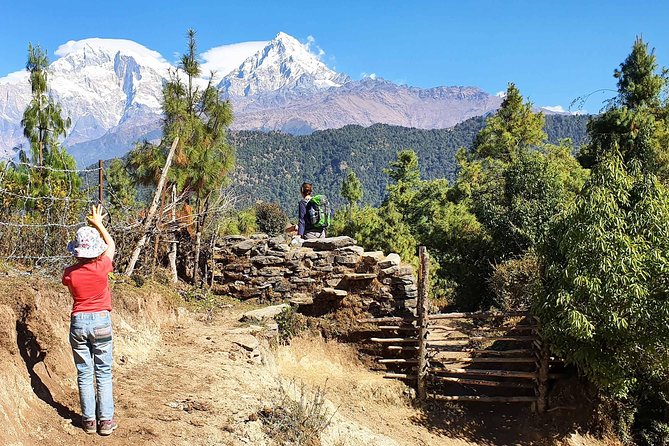
Wake early at Mohare Danda for clear mountain views. The named peaks include Fishtail, Dhaulagiri I and II, Tukche, South Annapurna, and Nilgiri.
After sunrise, the route continues toward Deurali and then Ghorepani. The trail has gradual ups and downs and takes about five hours from Mohare Danda. After the previous seven-hour day, this is still active, but the shorter walking time gives you a little breathing room.
Ghorepani is one of the better-known stops in the Annapurna foothills. Here, you check into a lodge and rest before the early start for Poon Hill.
Poon Hill and Ghandruk add culture to the descent
The morning begins before breakfast with a climb to Poon Hill at 3,210 meters. The goal is the first sunlight on Annapurna and Dhaulagiri, with Fishtail and other peaks also part of the view when the weather is clear.
You return to Ghorepani for breakfast, then continue toward Ghandruk. The seven-hour day includes forests, cultivated land, flatter sections, and a suspension bridge over the Khumbu Khola.
Ghandruk is one of the most appealing village stops on the route because the mountain scenery is paired with settled community life. The approach is not just a viewpoint walk. You see stone-paved paths, farmland, and a village setting that gives the Annapurna foothills a human scale.
This is also a demanding day. The early Poon Hill climb comes before the main walk, so you should treat the sunrise visit as part of a full trekking day, not as a short excursion.
Ghandruk to Nayapul finishes on stone paths
After breakfast, you descend toward Nayapul in about five hours. The route follows stone-paved trails through villages and terraced farming areas.
You cross the Modi Khola and reach Birethanti, then continue for roughly half an hour to Nayapul. A private vehicle meets you there for the transfer back to Pokhara.
The final descent can be hard on knees, even though it is not the highest or longest stage. Trekking poles may help, but personal hiking gear is not included, so bring or rent anything you need before setting out.
Bhaktapur, pottery, and Patan close the journey
After returning to Kathmandu, the final sightseeing day visits three strong cultural stops.
Bhaktapur Durbar Square is known for its temples and former royal spaces. You get guided background and free time for a meal, though lunch is not included. Heritage entrance fees are also separate.
Pottery Square offers the most hands-on activity in the program. Local craftspeople make traditional clay pots, and you can take part in a workshop with a local artisan. This is a welcome change from simply looking at monuments, especially after several days of walking.
The day ends at Patan Durbar Square, with visits to Krishna Temple, Patan Museum, the Golden Temple, and Banglamukhi Temple. Patan’s concentration of religious buildings and metalwork traditions gives the trip a strong cultural finish.
Because the day contains several sites, admission costs can add up. Still, these visits help balance the trek with a closer look at Nepal’s art, faith, and urban history.
Guides, porters, and group size
The maximum group size is 12 people. That is small enough for a guide to keep track of the group without making the walk feel like a procession.
One porter is assigned for every two trekkers. You should clarify the porter weight limit and your own baggage arrangements before departure, since the provided information does not specify those limits.
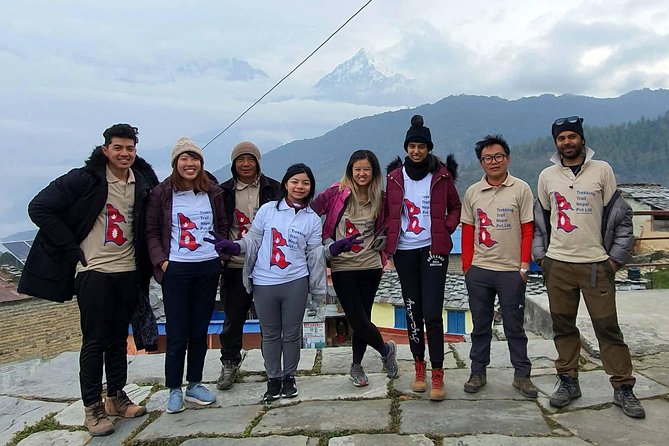
The guide and support team are among the most praised parts of the experience. Norris is named as a guide, and Melan as a porter, with particular appreciation for their care and local insight. That matters on a community route where small explanations about villages, customs, and daily life add much more than a map ever could.
Who should book the Mohare Danda Trek?
I would choose this trip if you want a guided introduction to Nepal that combines a moderate trek with major cultural sites. It suits people who value local lodges, mountain views, village encounters, and organized transport more than luxury throughout the entire journey.
It is less suitable if you want short walks, private five-star comfort in the mountains, or complete control over your daily schedule. The trek includes several six- and seven-hour days, early starts, altitude, and basic community lodging.
Before paying, confirm the road travel times, what the hotel alternatives are, porter baggage limits, and which heritage entrances are covered on your specific departure. Also arrange suitable insurance, gear, and a budget for city meals and tips.
Should you book it?
Book the Mohare Danda Trek if you want Annapurna views with a quieter, community-focused route and enough Kathmandu sightseeing to understand the country beyond the mountains. The package offers solid value because it brings together permits, guides, porters, transport, hotels, meals during the trek, and cultural stops.
Choose another trip if your priority is a very easy walk or polished accommodation every night. For a fit, curious visitor who can handle long days and values local contact, this is a thoughtful way to see Nepal in 12 days.
FAQ
How long is the Mohare Danda Trek?
The full experience lasts approximately 12 days, including time in Kathmandu, Pokhara, the trekking route, and the return to Kathmandu.
What is the highest point on the route?
Mohare Danda reaches an elevation of about 3,300 meters above sea level. Poon Hill is listed at 3,210 meters.
How physically difficult is the trek?
The program requires a moderate level of physical fitness. Several trekking days take approximately five to seven hours, with uphill and downhill sections.
Are guides and porters included?
Yes. The package includes a professional English-speaking local guide and porter service at a ratio of one porter for every two trekkers.
Are trekking meals included?
Yes. Five nights in the eco-community lodges include full-board accommodation. The package lists breakfast, lunch, and dinner during the trekking portion, while food and drinks in Kathmandu and Pokhara are not included.
Are hotel stays included?
Yes. Four nights in Kathmandu and two nights in Pokhara are included at the named hotels or similar properties. Extra room upgrades and additional hotel services cost more.
Are heritage-site entrance fees included?
No. Entrance fees for heritage sites are not included. The estimated cost is about $50 per person.
Does the tour include airport pickup?
Yes. Airport pickup from Tribhuvan International Airport is included, with the tour starting at the airport in Kathmandu.
Can I cancel for a full refund?
You can receive a full refund if you cancel at least 24 hours before the experience start time. Cancellations or changes made less than 24 hours before the start are not accepted for a refund.
Recently added around Kathmandu
- Ghorepani Poon Hill Trek★ 5.0 · 16 reviews
- Private Manaslu Circuit Trek at Himalayas★ 5.0 · 3 reviews
- Amazing 1 Day Trekking Experience in Kathmandu Nepal★ 5.0 · 24 reviews
- Upper Mustang Trekking★ 5.0 · 2 reviews
- Ghorepani Poonhill Trek★ 5.0 · 5 reviews
- Upper Mustang Trekking★ 3.0 · 2 reviews
- Upper Mustang Trekking★ 5.0 · 4 reviews
- Upper Mustang Trek★ 5.0 · 5 reviews
Kathmandu Trekking Tours, compared.