REVIEW · NEPAL
Kathmandu: Chisapani Nagarkot 3-Days 2-Nights Trek
Mountain views start close to Kathmandu. This three-day trek gives you a taste of Nepal without committing to a high-altitude expedition. I like the route for two clear reasons: you walk through Shivapuri National Park and traditional villages, and you sleep in Chisapani and Nagarkot, both known for mountain views when the sky cooperates.
I also like the private transport at both ends and the help of an English-speaking guide. Guides such as Dipak Karki, Ramesh, Govinda Pathak, and Dipeak have helped make the route feel friendly and manageable. The main drawback is simple: the hikes are longer and hillier than the short distance from Kathmandu might suggest, and Himalayan views depend heavily on weather.
Key Points Before You Book
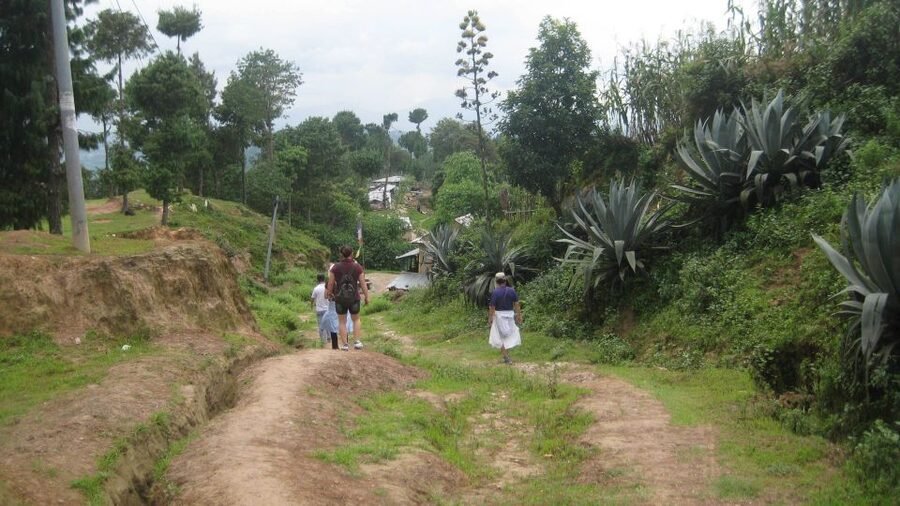
- A genuine three-day walk: You hike from Sundarijal through Mularkha, Chisapani, Nagarkot, Telkot, and Changu Narayan.
- The first morning is steep: Expect five to six hours of walking, including many stairs and uphill sections.
- The second day is the test: Chisapani to Nagarkot takes six to seven hours and has been described as roughly 25 kilometers in some conditions.
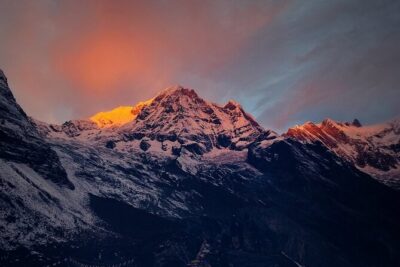
- The mountains are weather dependent: Clear mornings may reveal Langtang Himal and other Himalayan ranges, but cloud and rain can hide them.
- Accommodation is simple but varied: Chisapani offers basic lodge accommodation, while Nagarkot includes a room with an attached bathroom.
- The price includes useful essentials: At $190 per person, you get private transfers, a guide, permits, two breakfasts, and lodging, but not lunch, dinner, drinks, or a porter.
Why This Trek Works for a Short Nepal Visit
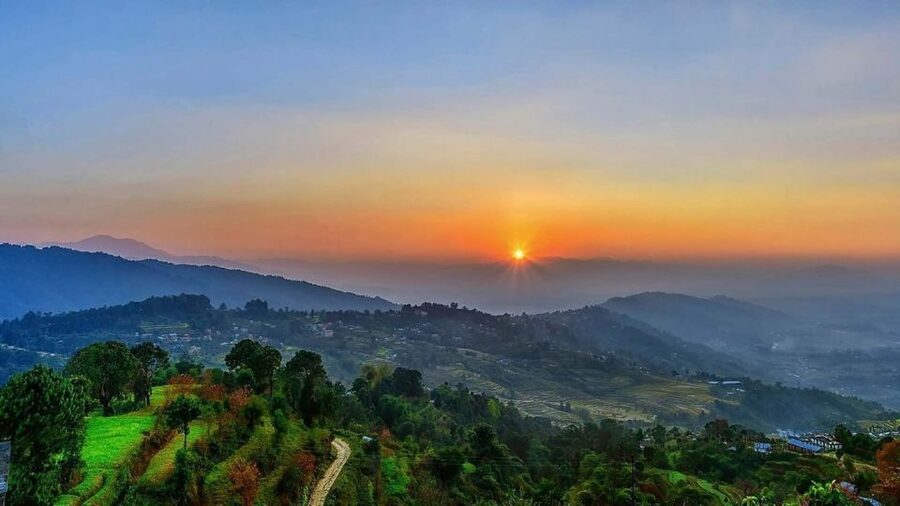
This route is a good middle ground. You get forests, village paths, terraced fields, sunrise viewpoints, and historic sites, yet you remain close enough to Kathmandu for a private vehicle to collect you at the end.
You also avoid the serious altitude concerns found on longer Himalayan treks. Chisapani sits at 2,165 meters, Nagarkot at 2,175 meters, and Changu Narayan at 1,541 meters. Those elevations still bring cool mornings and changing weather, but this is not a trek into the high mountains.
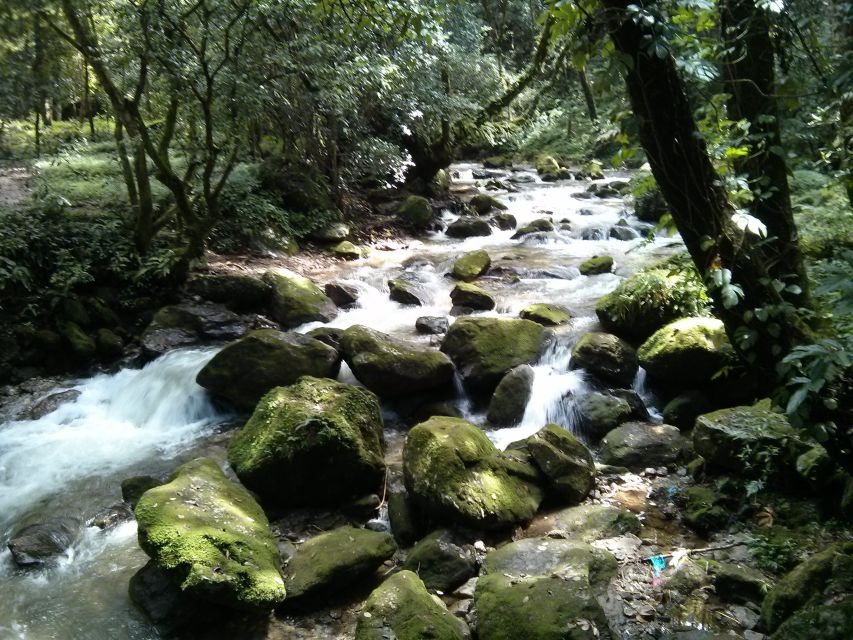
The route has a satisfying shape. You start by climbing from Sundarijal, spend a night above the valley, cross forest and farming country, sleep in Nagarkot, then finish with a descent toward one of Nepal’s oldest temples. It is not only a viewpoint walk. You see daily life in Tamang villages, fields, local roads, and forest paths.
The tradeoff is effort. This is not a gentle stroll with a few scenic pauses. You need to be comfortable walking uphill for several hours, handling stairs, and continuing even when the scenery changes from mountain views to ordinary village roads.
A few more treks around Nepal worth a look
- Everest Base Camp Trek – 14 Days
★ 5.0 · 1,499 reviews - Everest Base Camp Trek
★ 5.0 · 842 reviews - Everest Base Camp Trekking
★ 5.0 · 485 reviews
Day One: Sundarijal to Chisapani Through Forest and Villages
Your guide and private vehicle collect you from your Kathmandu Valley hotel, inside the ring road. The drive to Sundarijal takes about one hour, giving you a useful transition from city traffic to the trailhead.
Sundarijal is the starting point at about 1,460 meters. The trail follows a large water pipe coming down from the Sundarijal Reservoir, then enters Shivapuri National Park. This first section is practical rather than dramatic, but it gets your legs working quickly.
The climb is the part to respect. You may spend much of the five to six hours going uphill, with stairs and steady rises. One person described the first day as challenging but worthwhile because of the views. That is a fair warning. If you have not been hiking recently, take the morning slowly and use the guide to set a sensible pace.
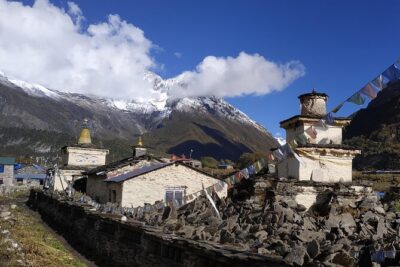
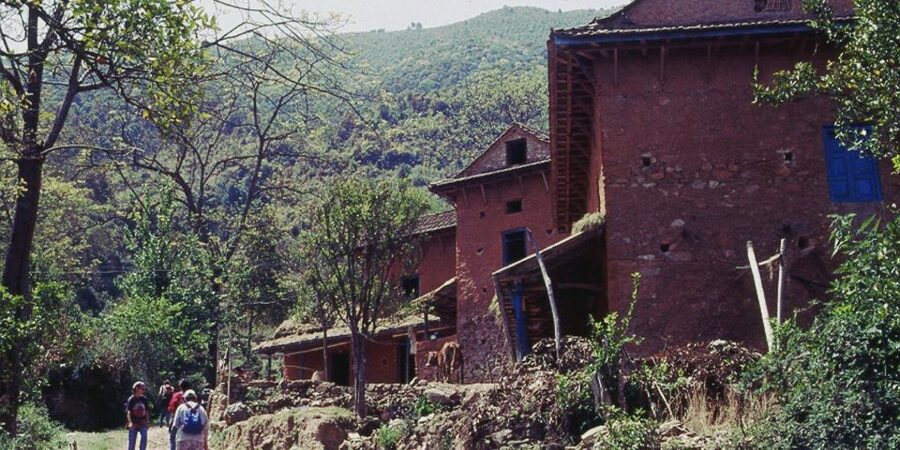
The route reaches Mularkha Village before continuing through a Tamang village area. These stops give the walk more character than a direct road to a viewpoint. You pass homes, fields, and working villages rather than simply moving from hotel to hotel.
Chisapani sits at 2,165 meters. If the weather is clear, Langtang Himal and other peaks may appear beyond the hills. The mountain views are not guaranteed, but the setting still gives you a pleasant overnight pause above the valley.
The lodge in Chisapani is described as the best available accommodation, with breakfast included. Keep your expectations practical. This is trekking accommodation, not a city hotel. One useful tip is to carry toilet paper, since supplies may not always be ready in the room. A warm layer is also sensible for the evening and early morning.
Sunset can be a highlight here, but clouds may close in. If your view is blocked, you still have the forest walk, village scenery, and the pleasure of reaching the first night’s stop after a demanding climb.
Day Two: Chisapani to Nagarkot, the Longest Walking Day
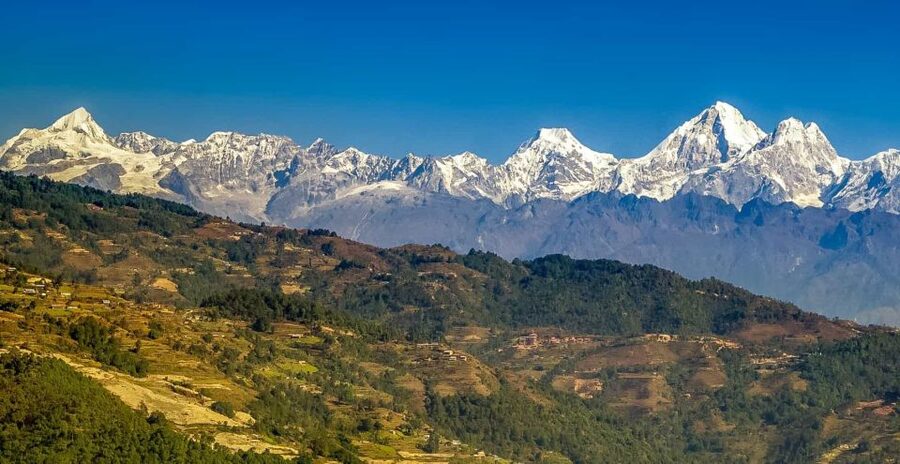
After breakfast, the trail continues through forest before descending toward Jhule and Chauki Bhanjyang. This change in direction matters. You are not simply climbing all day. The route rises and falls, which can be tiring in a different way because your legs never settle into one rhythm.
You then cross villages and terraced fields before reaching Kattike Bhanjyang. The farming areas are among the more appealing parts of the route. You get a closer look at the patchwork of fields and rural settlements around Kathmandu, with fewer city distractions.
The final climb to Nagarkot comes after Kattike Bhanjyang. Nagarkot is one of the best-known viewpoints near Kathmandu, and its height of 2,175 meters places it almost level with Chisapani. It is a popular overnight stop because clear mornings can bring broad Himalayan views, including Langtang Himal.
This is usually the longest day, listed at six to seven hours. One account put the walking distance at about 25 kilometers, so do not plan a busy evening after reaching Nagarkot. Pace yourself, eat enough, and keep water available.
I would call the second day the heart of the trek. You see the widest mix of scenery: forest, villages, fields, mountain ridges, and changing trail surfaces. It is also the day most likely to feel long. Some parts can drag, especially if clouds cover the mountains and the trail becomes a succession of ordinary rises and descents.
Accommodation in Nagarkot is a step up from the simpler lodge in Chisapani. Breakfast is included, and the room has an attached bathroom. Food at the Nagarkot hotel has been praised, but lunch and dinner are not included in the $190 price, so budget separately for meals and drinks.
Day Three: Sunrise, Telkot, and Changu Narayan
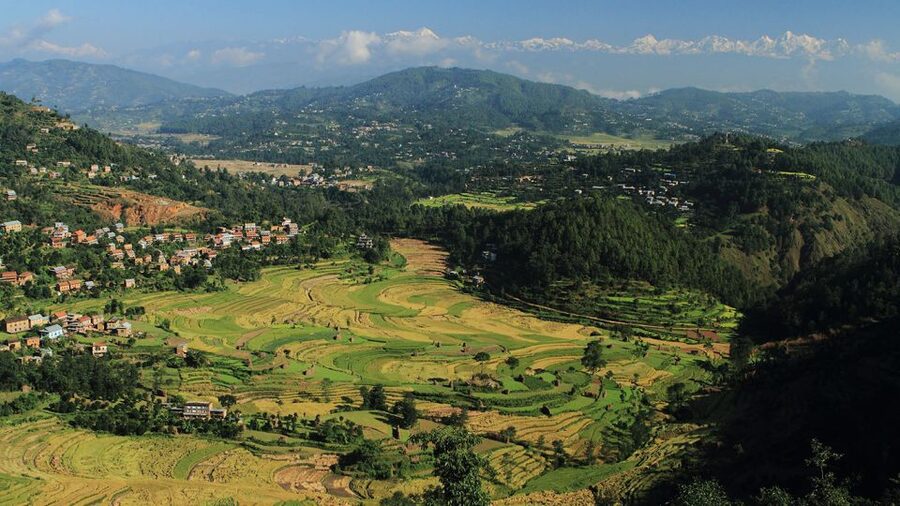
The last morning starts early. The purpose is to see sunrise over the Himalayas from Nagarkot. This is your best chance for a clear mountain view, but sunrise is also the moment when weather matters most. Cloud can turn the scene into a soft, gray morning, so treat the view as a possibility rather than a promise.
After breakfast, you walk toward Changu Narayan via Telkot. This section takes about three to four hours and is generally less demanding than the first two days. The trail descends toward Changu Narayan, and the lower elevation can feel welcome after the long day from Chisapani.
Along the way, you get a bird’s-eye view of Bhaktapur and Kathmandu. This helps you understand the valley as a whole. From the trail, the cities appear below while the path carries you through quieter areas above them.
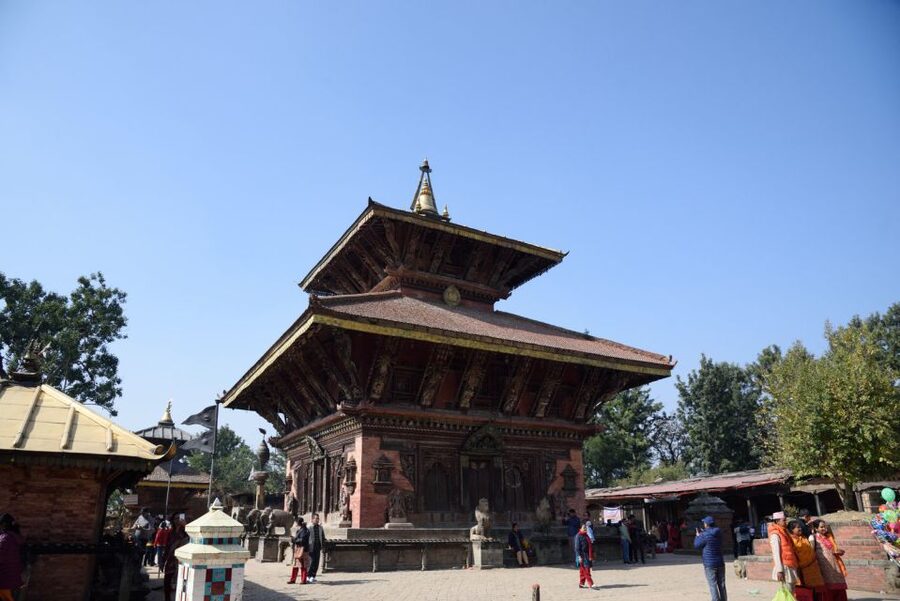
The walk ends at Changu Narayan, at about 1,541 meters. The temple is dated to 323 A.D., making it a strong finish to the trek. You are not ending beside a random road or at another hotel. You finish at an important historic and religious site, then meet your vehicle for the drive back to Kathmandu.
The private drive takes about one hour. You are dropped at your hotel, which is a welcome convenience after three days of walking. If rain makes the final section unsafe or unpleasant, the guide may be able to arrange transport. During one wet trek, the group stopped partway through the final day and received help returning to Kathmandu.
Same trailhead, a longer or shorter day out:
- Annapurna Circuit Trek with Tilicho Lake
★ 5.0 · 368 reviews - Everest Base Camp Trekking – 13 Day
★ 5.0 · 365 reviews - Everest Base Camp Trek
★ 5.0 · 350 reviews - Everest Base Camp Trek -14 Days
★ 5.0 · 321 reviews
What the Guides Add to the Walk
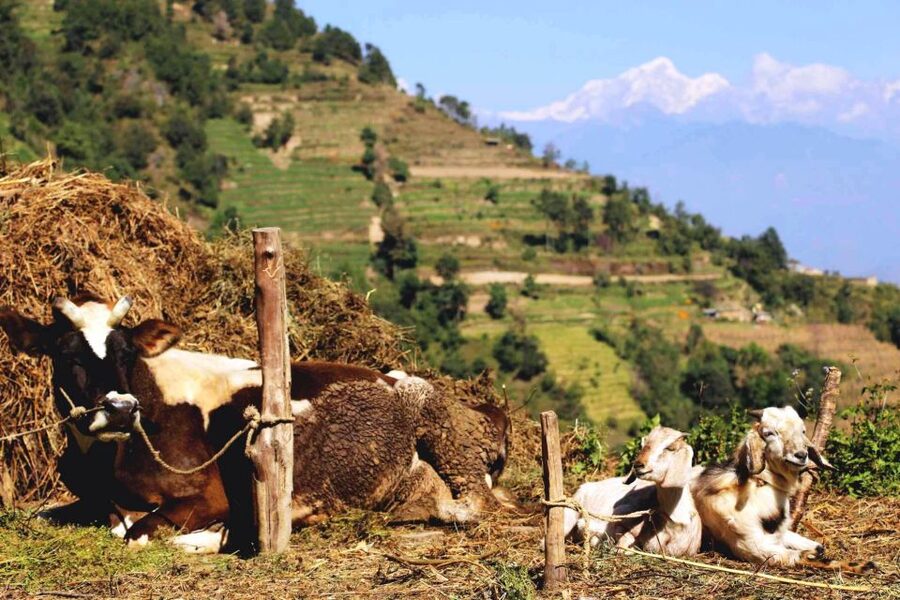
The guide may be the most important part of this trip. The route includes village paths, forest sections, road crossings, climbs, and descents. An experienced local guide keeps the day moving and helps you avoid wasting energy on wrong turns.
Dipak Karki received particularly warm praise for adjusting the pace, explaining local culture and history, and checking that the walker was comfortable. Dipeak was described as helpful, funny, and attentive, with a habit of keeping conversation going during long stretches.
Ramesh has guided solo walkers and was praised for clear English, trail knowledge, and calm organization. Govinda Pathak was also praised for his good humor, mountain and nature knowledge, and ability to make the walk feel relaxed.
Your own guide will depend on availability. The important point is that the service includes a licensed English-speaking guide, not just a driver who points toward the path. You can ask questions, slow down when needed, and get help if weather changes the plan.
This is also reassuring if you are traveling alone. One solo woman found the arrangement comfortable after initially feeling uncertain about trekking with a guide. You still have personal time, but you are not handling the trail, permits, and transport by yourself.
Weather, Views, and the Best Time to Go
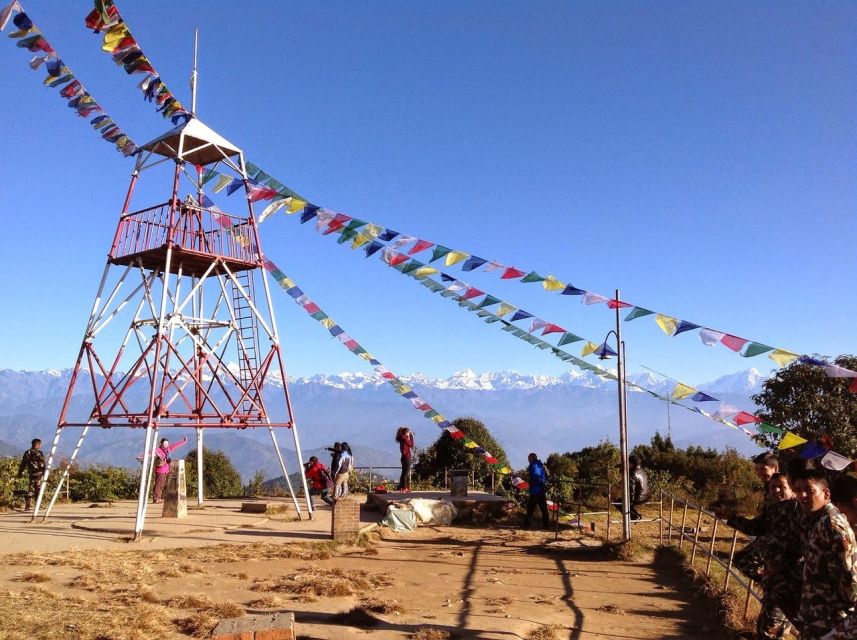
The Himalayan views are the biggest attraction and the biggest uncertainty. Langtang Himal and other ranges may be visible from Chisapani and Nagarkot, especially around sunset and sunrise, but cloud can cover them.
The route operates throughout the year. That gives you flexibility, but each season changes the odds and the feel of the walk. October has produced clear mountain scenery for some people, while March has also worked well. June and September can be wet, yet a monsoon trek may still deliver sunny weather and excellent views.
Do not book this trek only for a guaranteed mountain photograph. Book it for the whole route, then treat clear peaks as a reward. Forest, villages, terraced fields, temples, and valley views remain part of the trip when the mountains disappear.
Pack a windbreaker, rain gear, hiking shoes, and warm clothing. Rain can arrive quickly, and wet stairs or muddy sections make the walking slower. A small supply of toilet paper is a smart addition because one Chisapani room was not stocked.
What the $190 Price Really Covers
At $190 per person, the price is not simply paying for three days of walking. It includes hotel pickup and drop-off in Kathmandu, private transport to Sundarijal, private transport from Changu Narayan, the guide, permits, taxes, two nights of accommodation, and breakfast each morning.
That is reasonable value if you want a private arrangement with transport already handled. You avoid arranging taxis to Sundarijal, finding a vehicle at Changu Narayan, and sorting out park and hiking permits on your own.
The value is less obvious if you are comparing it with a very cheap independent trek. The tour does not include lunch, dinner, drinks, or a porter. If you carry your own bag, remember that the second day may be long. A porter can be hired if needed, but that cost is separate.
The private format also explains why the price may feel high for one person. A solo walker pays for a guide and private transport without splitting those costs across a larger group. One person found the service excellent but felt the price was expensive when traveling alone.
Check the inclusions carefully before departure. One booking created confusion because the details appeared to change between booking and the trek date. Keep a screenshot of what you paid for, especially if you arrange any extra service.
Food, Lodging, and Daily Comfort
Breakfast is included on both mornings, but you pay separately for lunch, dinner, and drinks. That gives you some freedom, though you should carry enough cash for meals if card payment is not available at the lodges.
Chisapani is the more basic overnight stop. The lodge should be viewed as a practical place to sleep after the climb, not as a polished hotel. Room preparation and supplies may not always be perfect.
Nagarkot offers more comfort, including an attached bathroom. The food and staff have received good praise, and the mountain setting gives the overnight stay a clear purpose. You want to be there before the early sunrise start.
No porter is included. If you dislike carrying your own luggage uphill, ask about adding one before you begin. The provided information confirms a porter is available if needed, but not the additional cost.
Who Should Book This Trek?
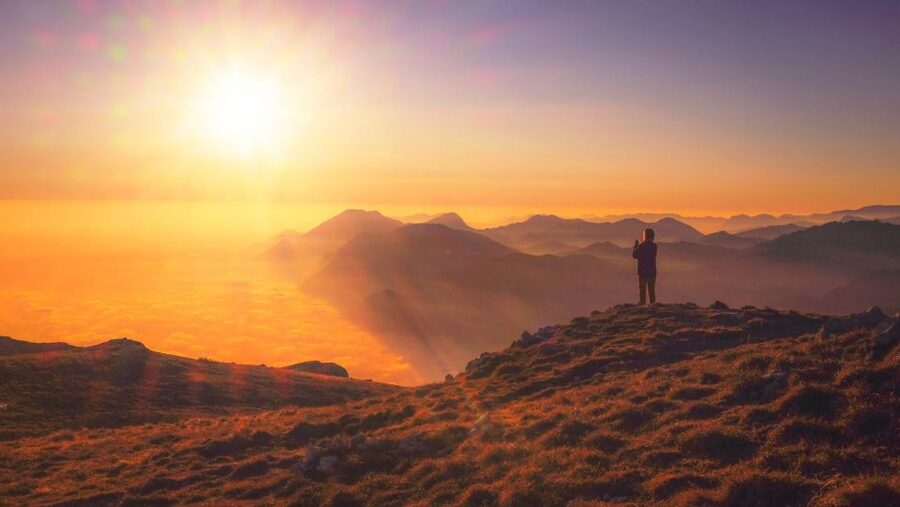
I would recommend it to you if you want a short Himalayan introduction with village scenery, moderate altitude, private transfers, and a guide. It suits people with limited time in Kathmandu who still want several full days on foot.
It is also a good fit for solo walkers who want support without joining an unknown group. The private guide can adjust the pace and help when weather, fatigue, or trail conditions change.
You should think twice if you want an easy sightseeing break. The first day climbs hard, the second day is long, and rain can make the route less comfortable. You should also think twice if seeing snow peaks is your only goal. The views are weather dependent, and no guide can clear the clouds.
At the end of the trek, you will not have reached the high Himalayas. You will have experienced something more accessible: the forests and villages above Kathmandu, a pair of viewpoint settlements, and a historic temple reached on foot.
Should You Book the Chisapani to Nagarkot Trek?
Book it if you want a well-supported three-day walk that mixes mountains, villages, forests, and culture. The private transfers and guide make the logistics easy, while Changu Narayan gives the route a memorable finish.
Before booking, accept the two conditions clearly: the walking is demanding at times, and the mountain views depend on weather. Pack rain gear, warm clothes, proper shoes, and toilet paper. Budget for meals and drinks, and save the booking details showing exactly what is included.
For a short Nepal trip, this is a strong choice. It gives you real time on the trail without sending you into high-altitude country or requiring a long journey from Kathmandu.
FAQ
How long is the Chisapani to Nagarkot trek?
The experience lasts three days and two nights. Day one includes a five to six-hour hike, day two takes about six to seven hours, and day three involves roughly three to four hours of walking.
Where does the trek start?
The trek starts at Sundarijal, about a one-hour private drive from Kathmandu. Sundarijal sits at approximately 1,460 meters.
Where does the trek finish?
The walking ends at Changu Narayan, at about 1,541 meters. A private vehicle then drives you back to your Kathmandu hotel in about one hour.
What are the overnight stops?
You spend the first night in Chisapani and the second night in Nagarkot. Breakfast is included at both accommodations.
Are Himalayan views guaranteed?
No. Clear weather may reveal Langtang Himal and other Himalayan ranges, especially from Chisapani and Nagarkot. Cloud, rain, and monsoon conditions can block the views.
Is a guide included?
Yes. The price includes a licensed English-speaking guide. Guides named in connection with this route include Dipak Karki, Dipeak, Ramesh, and Govinda Pathak, though the assigned guide can vary.
Are meals included?
Breakfast is included at the Chisapani and Nagarkot accommodations. Lunch, dinner, and drinks are not included.
Is a porter included?
No. A porter is not included in the standard price, but you can request one if needed.
What should I bring?
Bring a windbreaker, rain gear, hiking shoes, and warm clothing. Carrying toilet paper is also sensible because supplies may not always be available at the first lodge.
Can I cancel the booking?
You can cancel up to 24 hours in advance for a full refund. The experience also offers reserve now and pay later booking.
Recently added around Nepal
- Ghorepani Poon Hill Trek★ 5.0 · 16 reviews
- Private Manaslu Circuit Trek at Himalayas★ 5.0 · 3 reviews
- Amazing 1 Day Trekking Experience in Kathmandu Nepal★ 5.0 · 24 reviews
- Ghorepani Poonhill Trek★ 5.0 · 5 reviews
- Upper Mustang Trekking★ 5.0 · 2 reviews
- Upper Mustang Trekking★ 3.0 · 2 reviews
- Upper Mustang Trekking★ 5.0 · 4 reviews
- Upper Mustang Trek★ 5.0 · 5 reviews
Nepal Trekking Tours, compared.